
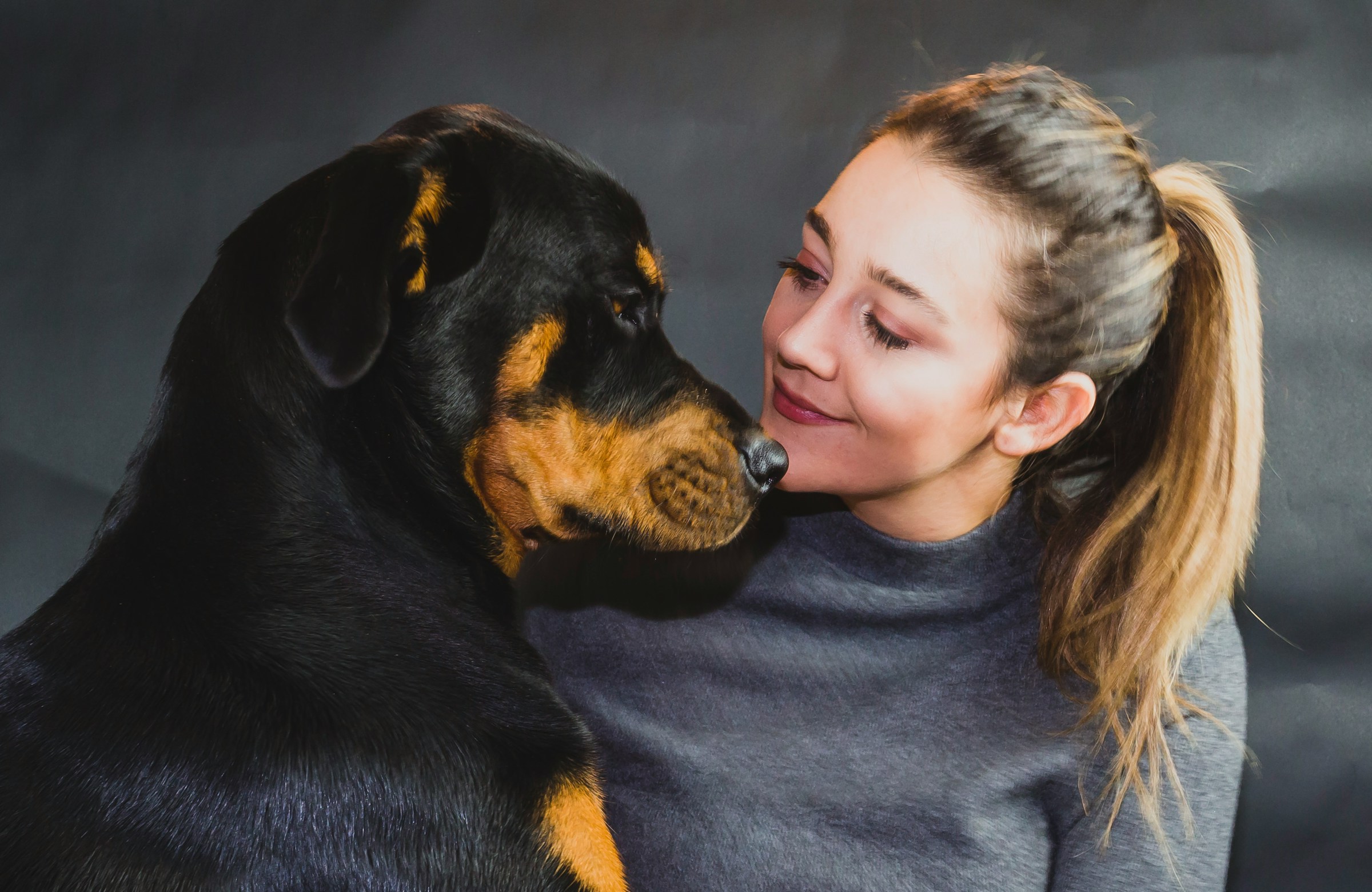
You know that moment when you’re arguing in the kitchen and suddenly realize the dog has quietly slipped out of the room? Or the way your usually goofy pup turns weirdly serious when voices get sharp? That’s not your imagination. Animal science is increasingly clear: dogs are paying close attention to the way we move, how we sound, and the emotional undercurrent between us.
What fascinates me most is that dogs are not just reacting to us as individuals; they seem to notice the emotional climate in the room. They pick up on tension between people, sometimes before we even admit we’re stressed. It’s like living with a fluffy emotional barometer that never looks at its phone and misses nothing. Let’s dig into how science explains this, what it means for your relationship with your dog, and how your mood might be shaping your dog’s world more than you realize.
How Dogs Evolved to Read Human Emotions

It’s almost wild to remember that dogs started out as wolves, because emotionally they feel like tiny, furry people in our homes. Over thousands of years of domestication, dogs that could better read human behavior and emotional signals had a real survival advantage. The dogs who understood which humans were safe, calm, generous, or dangerous were more likely to be fed, protected, and allowed to stay close.
In modern terms, that means your dog is the result of a very long emotional selection process. They’re wired to watch us. They track our eyes, our posture, our walking speed, and the tone of our voice. Instead of learning to hunt, many of them have evolved to specialize in something else entirely: living in the emotional spaces between people and figuring out what’s going on.
Why Tone of Voice Hits Dogs Harder Than Words
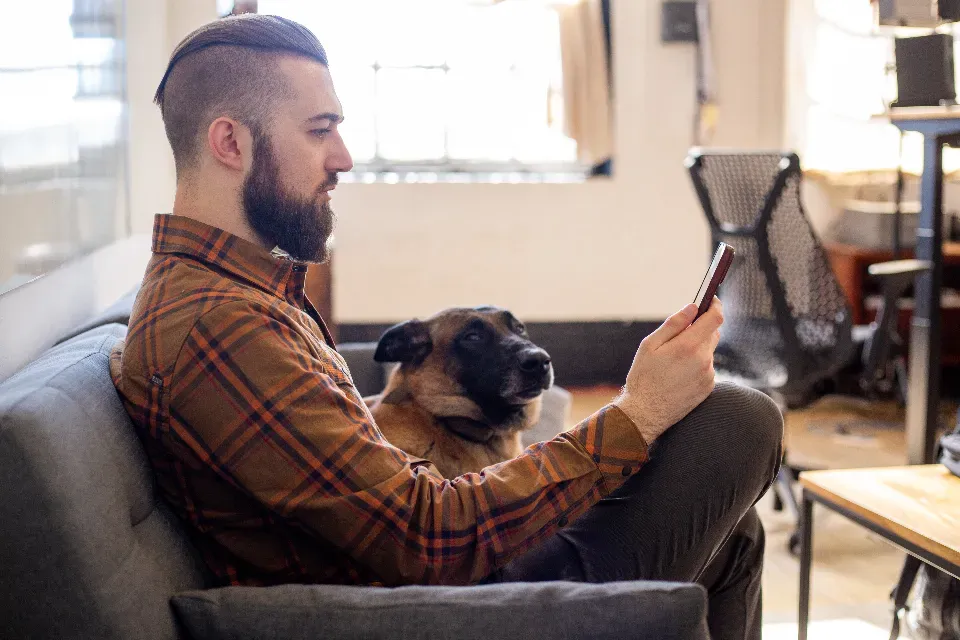
When people argue, the first thing that changes is usually not the words, but the way those words sound. Pitch goes up, tempo gets faster, sentences get clipped. Dogs do not understand all the vocabulary, but they’re absolute experts at tone. They can distinguish happy from angry, calm from anxious, even when we try to pretend everything is fine.
If you’ve ever used your “sweet dog voice” to apologize after stepping on a paw, you’ve already seen this in action. Many dogs visibly relax when they hear softer, slower, higher-pitched speech and become tense or wary when voices get harsh, loud, or tight. During human conflict, that sudden shift in vocal pattern is like an alarm bell to a dog: something is wrong, and they feel it in their body long before you’ve finished your sentence.
The Subtle Body Language Dogs Notice That We Don’t
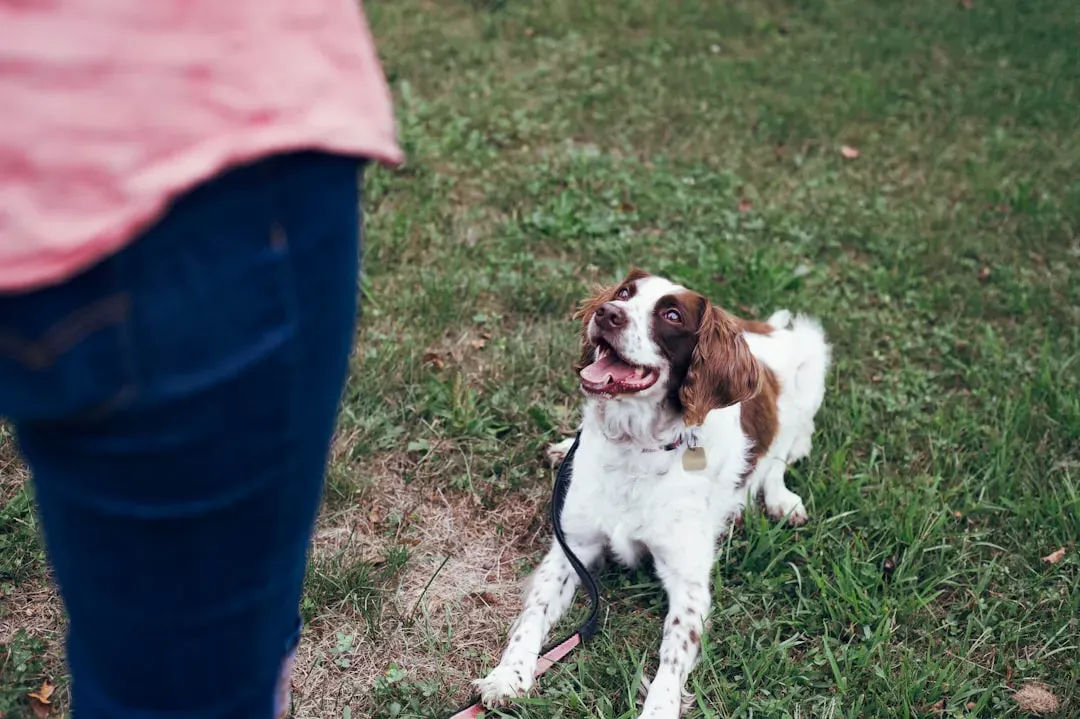
Humans are famously bad at noticing their own body language, especially when emotions are running high. Dogs, on the other hand, live in a world of micro-movements. A rigid back, narrowed shoulders, clenched jaws, sudden stillness, or jerky gestures between two people can be enough to tell a dog that tension is in the air. They notice if two people stop making eye contact or if one suddenly turns away from the other.
What feels like “just a discussion” to you might look like a full-blown danger signal to your dog. Their survival instincts tell them that when bodies get stiff and movements lose their usual softness, conflict might be coming. So they might slink out of the room, lick their lips, yawn excessively, pace, or wedge themselves between people. It is not random weirdness; it is a perfectly logical response to reading your body language like a billboard.
Stress Chemistry: When Human Tension Becomes a Canine Feeling
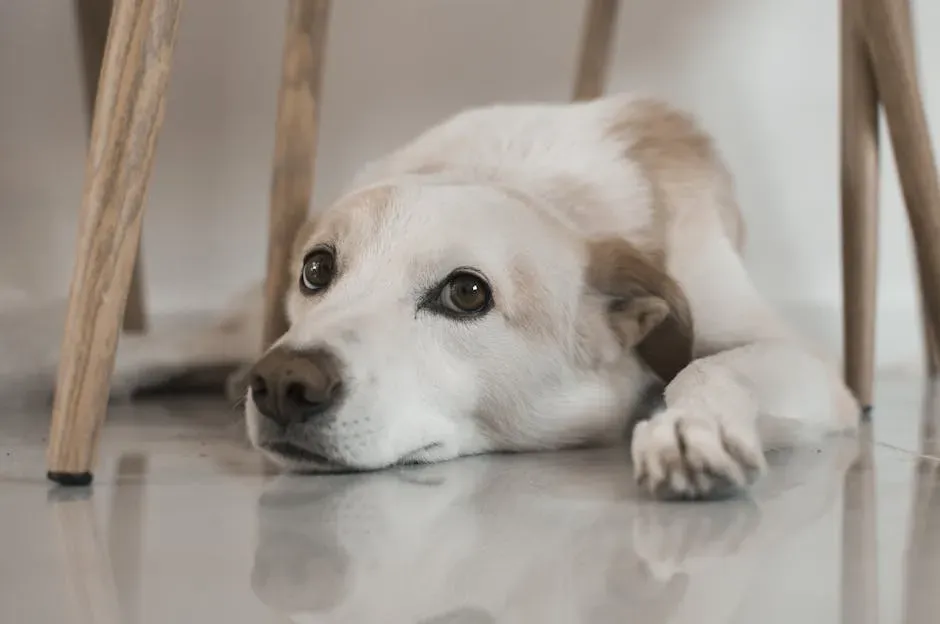
There’s another layer to this story that feels a bit uncomfortable: your emotional state is not just visible, it is often measurable inside your dog’s body. When we are stressed, our heart rate goes up, our breathing changes, and our hormones shift. Dogs can hear changes in our breathing, feel our faster heartbeat when we touch them, and sometimes even smell changes in our sweat. They are dealing with emotional data from all directions.
Over time, dogs that regularly live in tense, conflict-heavy homes may show more signs of chronic stress themselves. That can look like restlessness, hyper-vigilance, clinginess, digestive issues, or sudden reactivity. It is not that a single argument will “damage” your dog, but ongoing emotional turbulence can soak into their day-to-day experience. In a very real sense, they are sharing the emotional climate you create, like breathing the same psychological air.
When Dogs Try to Intervene in Human Conflict
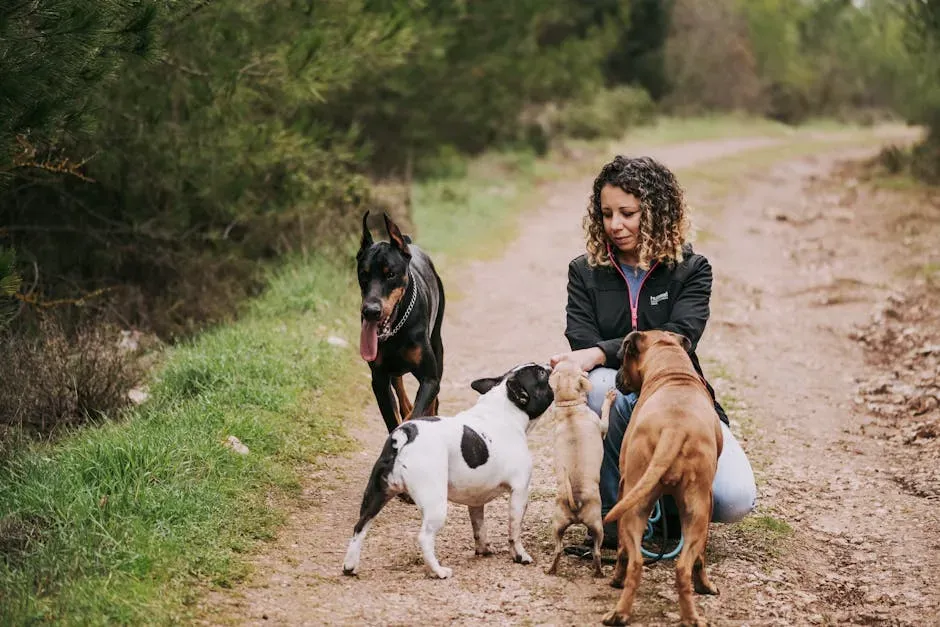
One of the most striking things I have seen is how often dogs physically step into human arguments. Some will walk right between two people, jump onto the couch, nudge hands, or bring a toy. Others might start barking or whining when voices escalate. It can look like attention-seeking, but a lot of the time it feels like a clumsy but heartfelt attempt at conflict management.
Think of it like having a friend who cannot stand tension and will crack a joke in every serious moment. The dog is not thinking in human words, but their behavior often lines up with an instinctive urge to reduce threat. If they can distract you, get you to lower your voice, or break your glare by making you look at them, the temperature drops a little. It is messy, imperfect emotional first aid, but sometimes it works shockingly well.
Protective, Avoidant, or Anxious? How Dogs Cope With Tense Homes
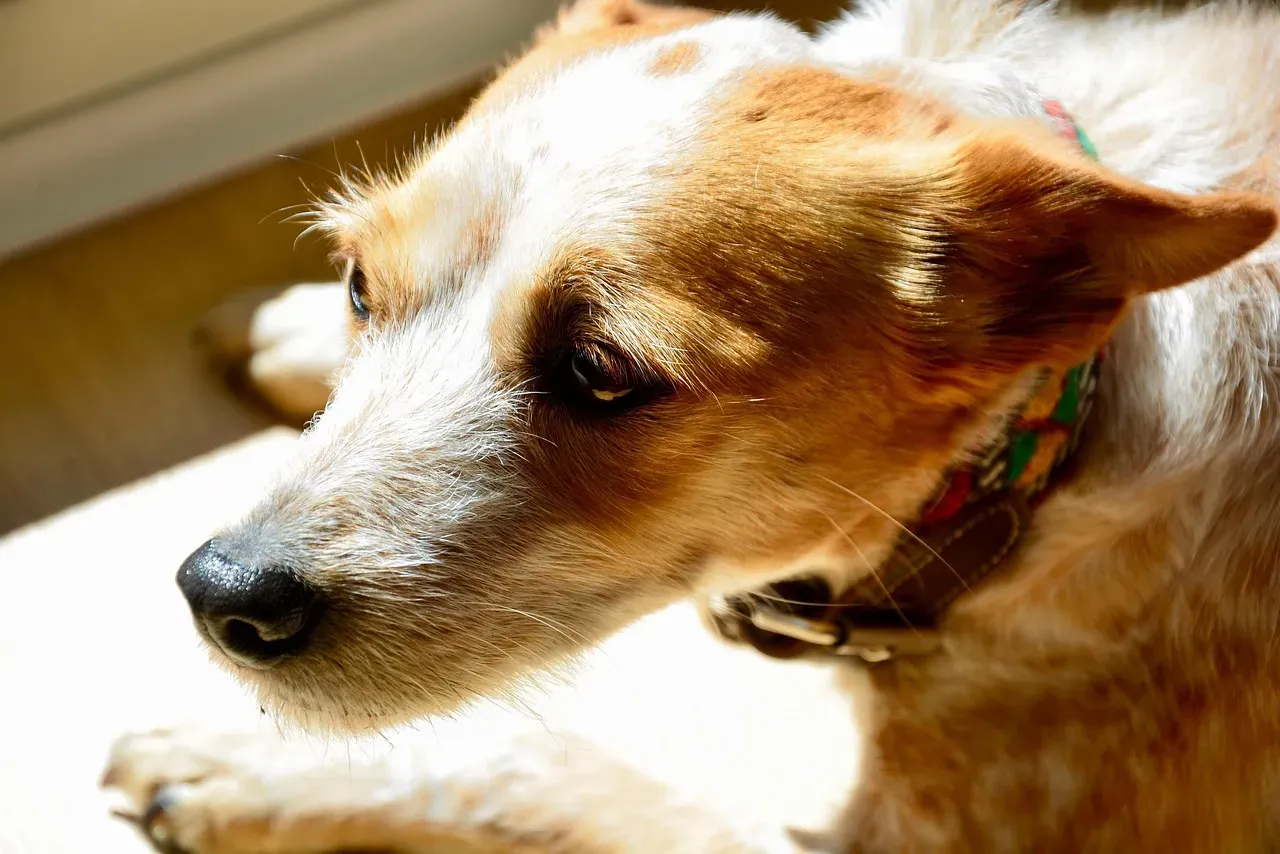
Not all dogs respond to human tension the same way. Some go full bodyguard, placing themselves near the person they see as most upset or vulnerable, staring at the other person, or getting stiff and alert. Others shut down, withdraw to another room, or pretend to sleep, as if they could escape the emotional noise by going invisible. Then there are the dogs who become hyperactive clowns during conflict, bouncing around as if more chaos might somehow fix the original chaos.
These different responses often reflect a mix of personality, past experience, and breed tendencies. A naturally cautious or previously mistreated dog might be more likely to avoid or hide, while a confident, bonded dog may prioritize staying near their favorite person. None of these behaviors are random. Each one is your dog’s best attempt to make sense of a situation they did not choose but cannot fully ignore.
From a human point of view, it can be sobering to realize your dog has a coping style for your arguments. Seeing them pant, shake, lick their lips, or stare worriedly can act like holding up a mirror to the emotional tone of your home. They are not judging you, but their behavior often tells the truth about how often tension shows up.
How to Help Your Dog Feel Safer When Tension Happens
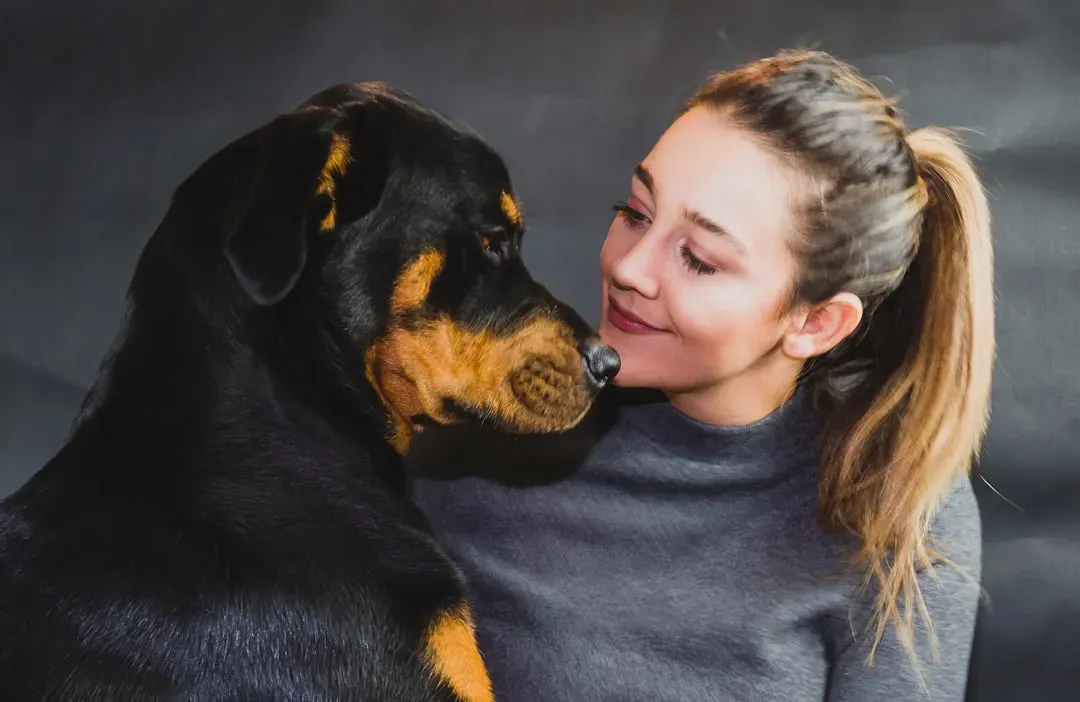
Conflict is part of being human, and nobody can promise never to raise their voice again. But there are gentle ways to protect your dog from the worst of it. One simple step is to be aware of their presence during heated discussions. If you notice them getting agitated, it can help to lower your voice, soften your posture, or briefly pause the conversation to redirect them to a calm, familiar spot with a chew or a toy.
Equally important is what happens after a tense moment. Reassuring your dog with calm touch, relaxed speech, and predictable routines can help reset their emotional baseline. If you live in a home where big emotions are common, building in daily calm time – walks, sniffing games, quiet cuddles – acts like emotional buffering for your dog. It does not erase tension, but it tells them that safety is still the overall pattern of their life.
What Our Dogs Reveal About the Emotional Climate at Home

Here is my honest opinion: dogs often tell the truth about our homes more clearly than we do. A dog that is always on edge, hovering, or hiding is usually reacting to patterns, not one-off moments. When I notice a dog flinch at a sudden hand gesture or freeze when two people start talking sharply, it feels like an emotional audit I did not ask for but probably needed.
That does not mean we should feel guilty for every argument or tough day. Life is messy, and dogs live with us because they are surprisingly good at rolling with that mess. But taking their reactions seriously can be a gentle wake-up call. If the dog looks calmer when voices are soft, bodies are relaxed, and affection flows easily, that is useful feedback. It suggests that the emotional climate that is good for your dog is, unsurprisingly, better for you too.
Conclusion: Your Dog Is Listening to More Than Your Words
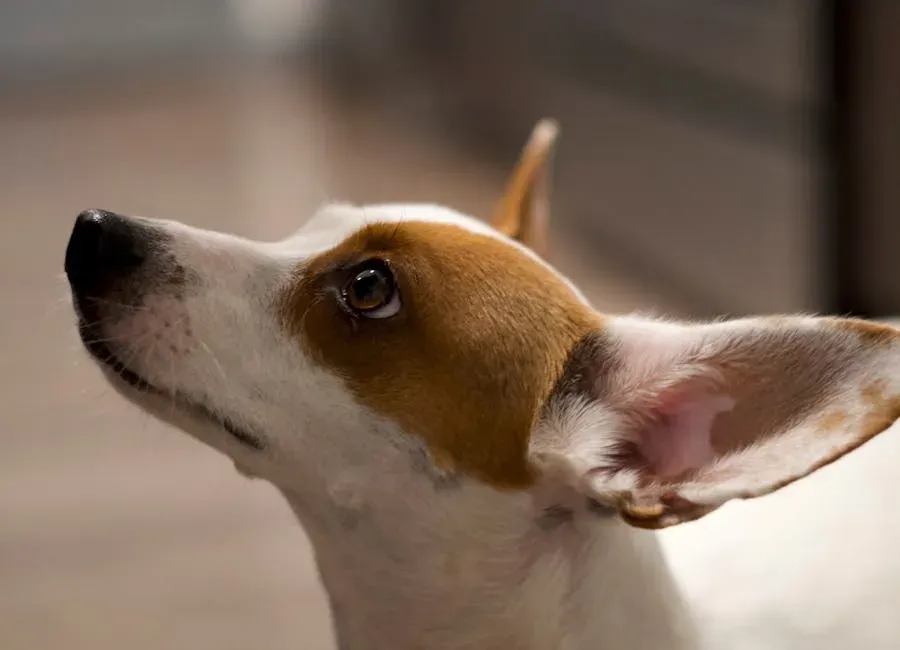
Living with a dog means living with a sensitive, silent witness to your emotional life. They are reading your tone, your posture, your stress, and even the temperature between you and the people you interact with. From what I have seen and what science supports, it is fair to say dogs absolutely pick up on tension between humans, and it shapes how safe or unsettled they feel. Pretending everything is fine with a forced smile rarely fools them for long.
My own view is that this makes dogs both a responsibility and a gift. We owe them a home where tension is the exception, not the wallpaper. At the same time, their honest reactions can push us toward kinder communication, slower breathing, and more self-awareness. When your dog slinks away during an argument or wedges themselves between you and someone else, they are not being dramatic; they are telling you something about the room you have created. The real question is: now that you know they can feel it, what will you choose to do differently?


