
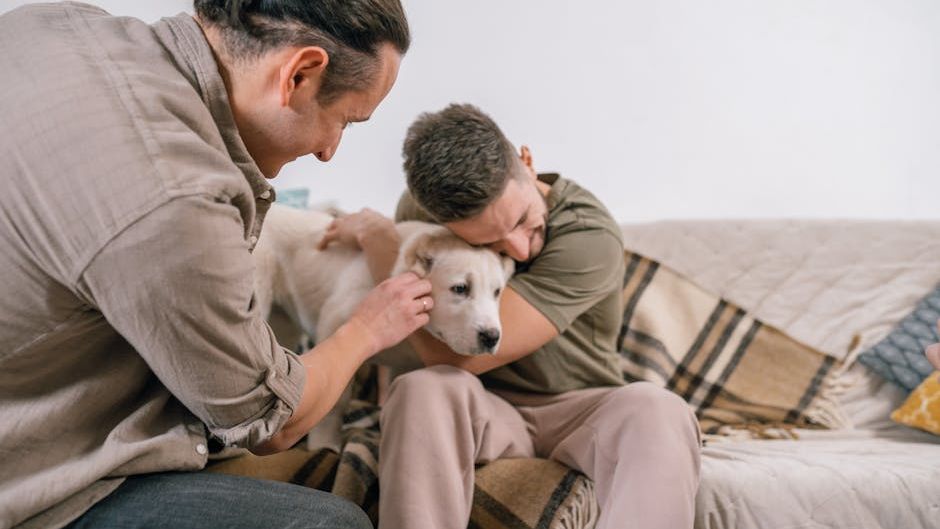
#1. Brushing Off Their Welcome-Home Greeting
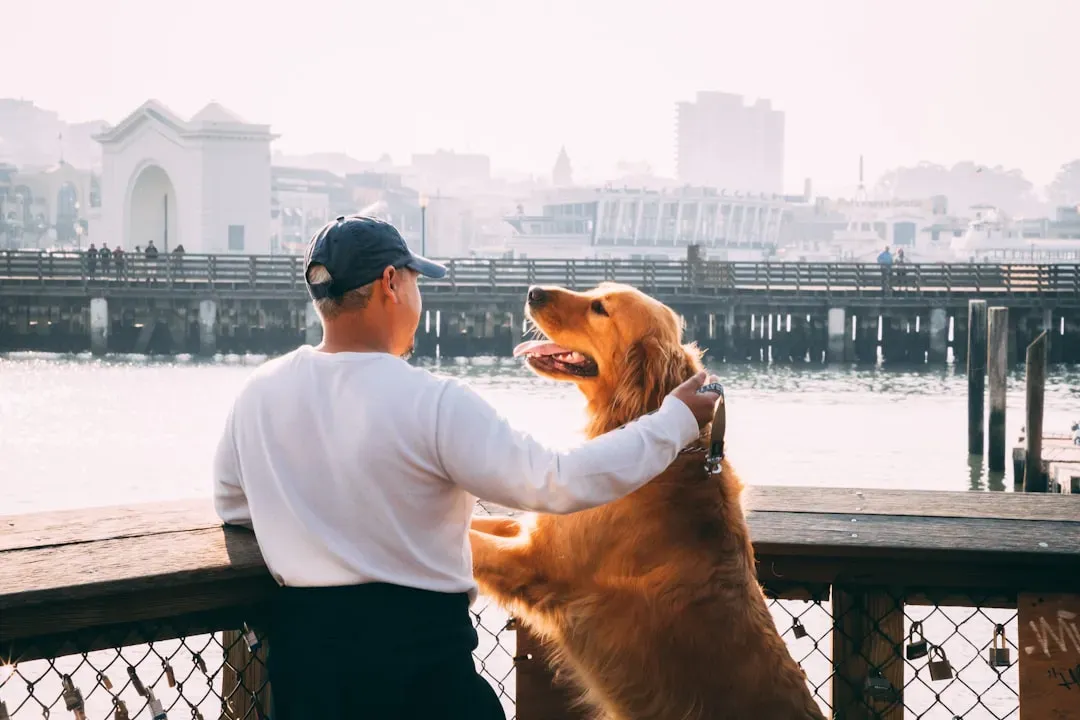
You walk through the door, bags in both hands, mind already on what to cook for dinner, and your dog is a full-body celebration happening at your feet. You step around them, drop your keys, and move on. It feels harmless. To your dog, it’s anything but.
Dogs thrive on connection, and one of the most exciting parts of their day is when you come home. If you brush off their excitement and don’t acknowledge their enthusiasm, it can signal that the bond isn’t as strong as they thought. Over time, they might start to feel less important to you, thinking they’re not valued. Even a brief moment of connection can reassure them that they are still a cherished part of your life.
Think about what your dog has been doing all day. Waiting. Not scrolling a phone, not running errands, not catching up on a podcast. Just waiting for you. A few seconds of genuine acknowledgment, some eye contact, a hand on their head, genuinely changes the emotional temperature of their entire day. It costs nothing and means everything.
#2. Scrolling Your Phone During Walks

Walks are supposed to be the highlight of a dog’s day. Fresh air, new smells, time with their person. The problem is, for a growing number of dogs, their person isn’t really there even when they are. Physically present, mentally elsewhere.
Your dog sees walks as bonding time, but when you’re constantly on your phone or distracted, they notice. It can feel like they’re not important enough for your full attention. They don’t understand why your focus isn’t on them, and this can subtly lead them to feel overlooked. Giving your undivided attention on walks strengthens the bond and assures them that this time is meant for both of you.
Attention is an active, engaging interaction like playing, walking, training, feeding, and talking to your dog. You could be giving your dog plenty of affection, but not enough attention. That lack of attention is what can lead to your dog feeling neglected at times. The walk isn’t just exercise. It’s one of the few times in the day your dog gets you all to themselves, so give them that fully.
#3. Withholding Affection as Punishment
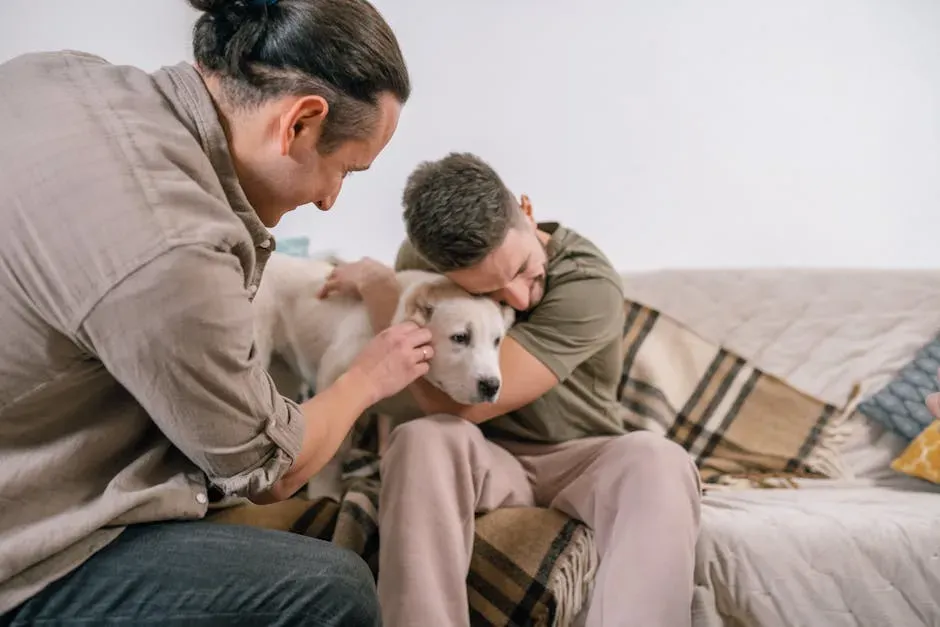
When a dog chews something they shouldn’t or has an accident indoors, it’s natural to feel frustrated. Some owners respond by going cold, pulling back affection, giving the silent treatment. It feels like a logical consequence. For a dog, it’s deeply confusing and quietly devastating.
Dogs don’t understand why you might withhold affection as a consequence for bad behavior. They associate affection with security, so suddenly withdrawing it can be deeply confusing. It doesn’t communicate the lesson you intend. Instead, they may feel emotionally abandoned, unsure of how to reconnect with you.
Avoid penalizing your pet when they are feeling nervous or anxious. Dogs don’t truly understand the concept of punishment. They are merely dependent on innate modes of communication and self-preservation. Reprimanding them may aggravate the problem and make them frightened of you. Gentle correction paired with love is far more effective in guiding behavior than shutting them out emotionally. Consistency and warmth, not emotional withdrawal, are what actually build a secure dog.
#4. Constantly Shifting Their Daily Routine
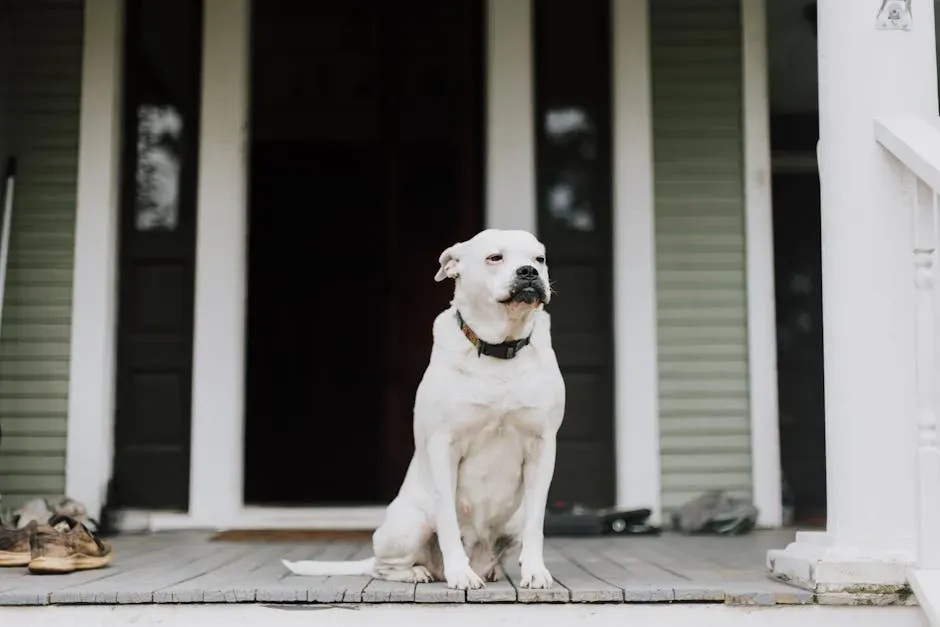
Life gets messy. Some days you feed the dog at 7 a.m., other days it’s closer to noon. Walks happen when you get around to them. Your schedule changes week to week and you barely notice. Your dog, on the other hand, notices everything.
Dogs are big on predictability. They want to eat and walk at the same time every single day, and even want to be tucked in bed with the same routine every night. When their routines are constantly shifting, it can make them feel unsure and anxious about what they should expect. When their schedules are constantly shifting, even by a little bit, any dog can suddenly be thrown off. It disrupts their sense of control and comfort. This essentially makes dogs a lot more clingy and restless.
Routine gives dogs security and predictability. Without it, they can’t settle because they’re always on edge, waiting and unsure. Dogs thrive on routine, and sudden changes, such as a new work schedule, the end of school holidays, or even daylight saving time adjustments, can unsettle them. For many dogs, a shift in routine can cause uncertainty and real anxiety. Even small efforts to keep feeding and walk times consistent can make a meaningful difference in your dog’s emotional stability.
#5. Ignoring Their Stress Signals
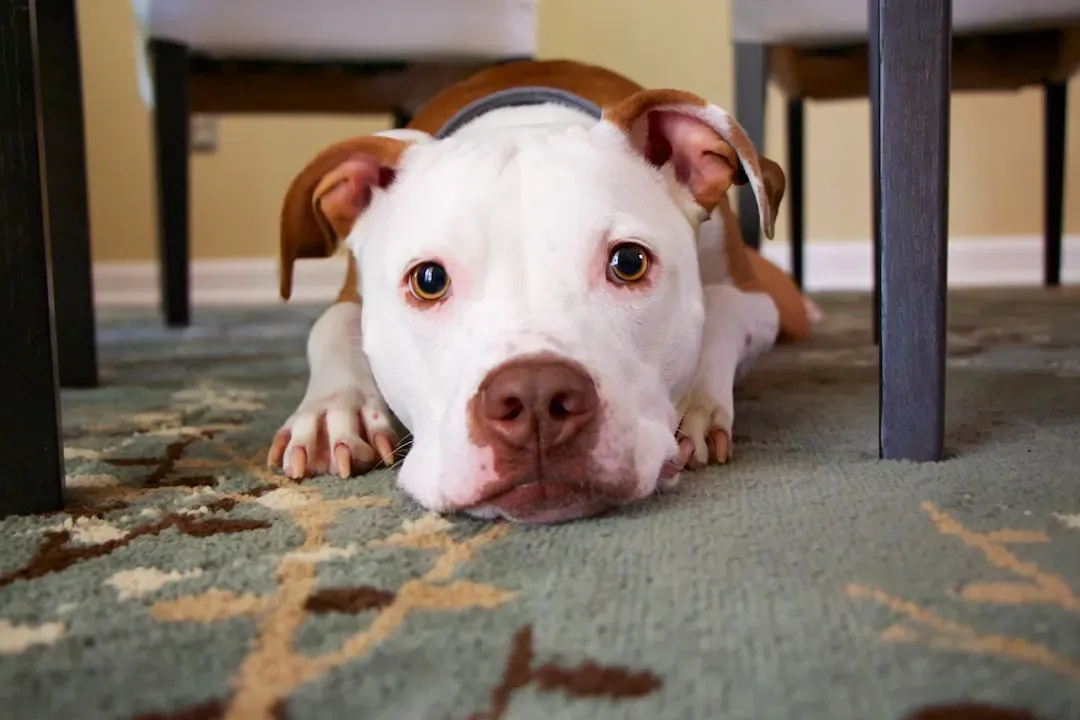
Your dog is talking to you constantly. Not with words, obviously, but with their body. A yawn when they’re not tired. Lip licking for no apparent reason. Turning their head away from you. These aren’t random quirks. They’re a vocabulary, and most owners don’t speak it.
Many of the signals humans overlook live at “the lower end of canine communication,” including whale eye (when you can see the white of the eye), yawning when not tired, panting out of context, lip licking, a suddenly closed mouth, or eyes that narrow or avert away. When owners overlook the subtle signs of stress in their dog, it only makes their discomfort more common. When those warnings are ignored, dogs end up feeling forced to stay in situations that make them feel uneasy.
Dogs can skip lower-level stress indicators, such as panting or whale eyes, and jump to critical stress signs, like showing teeth, if they feel ignored. According to the ASPCA, many of these subtle signals are “displacement behaviors” that dogs use to calm themselves down during moments of mild conflict or uncertainty. Missing these cues is like ignoring the check engine light; it often leads to bigger, more challenging behaviors down the road. Learning your dog’s stress vocabulary is one of the most important things you can do for the relationship.
#6. Leaving Without a Word
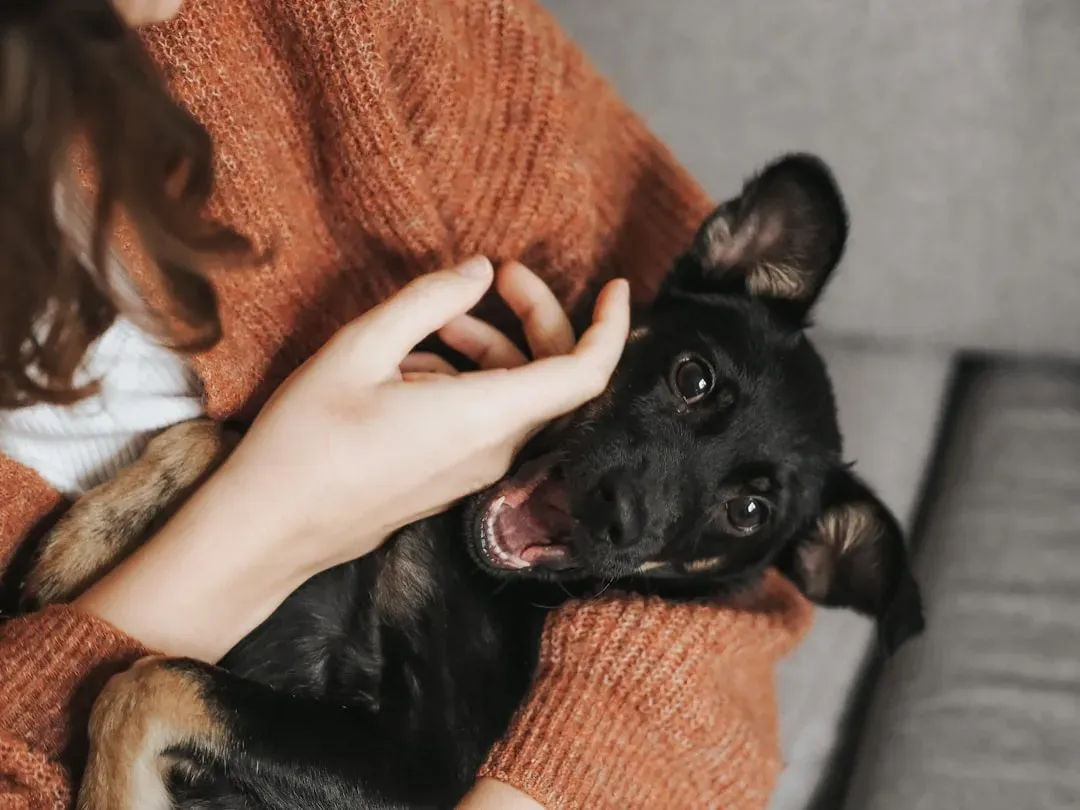
Most dog owners have heard the advice: don’t make a big fuss when you leave, so your dog doesn’t get anxious. The thinking behind this has some merit, but there’s a difference between a calm goodbye and completely vanishing without any transition. Dogs pick up on departure cues whether you acknowledge them or not.
Your dog may see telltale cues that you’re leaving, like you putting on your coat or picking up your keys, and get so anxious about being left alone that they can’t control themselves and forget that you’ll come back. If you’re gone for longer than usual or leave suddenly, it can make your dog anxious. They don’t have a sense of time the way humans do, so each absence feels like it could be permanent.
Creating a predictable routine for leaving and coming home can help them feel secure even when you’re not there. A calm, consistent goodbye ritual, the same words, the same gentle tone, gives your dog something to anchor to. It tells them: this is normal, this is safe, and you will be back. Separation anxiety is a serious condition that goes beyond the occasional mournful whimper when you leave the house. It’s also not the same as boredom; separation anxiety is the result of legitimate stress.
#7. Being Physically Present but Emotionally Absent

You’re on the couch. Your dog is right next to you. By any reasonable measure, you’re together. Yet you’re deep in a show, or a conversation, or a scroll session, completely checked out from the living creature pressed against your leg who desperately wants to connect with you.
Dogs are sensitive animals, and it’s important for dog owners to care for their emotional health as much as their physical health. When dogs don’t receive adequate love and attention, they can start to feel neglected. Neglect can have a significant negative impact on a dog’s well-being. Not only is it an emotional issue, but it can end up harming your dog’s physical health.
When your dog starts to feel neglected, they may try to make more attempts to get your attention. You may notice them barking and whining more than normal. Sometimes even fully-trained dogs will nip at your ankle during a work call or nibble your hand as you walk by. This usually isn’t a sign of aggression or resentment; instead, it’s your dog’s way of forcing you to pay attention to them. Proximity without presence isn’t connection. Your dog knows the difference, even if you don’t realize you’re making one.
#8. Dismissing Their Need for Mental Stimulation
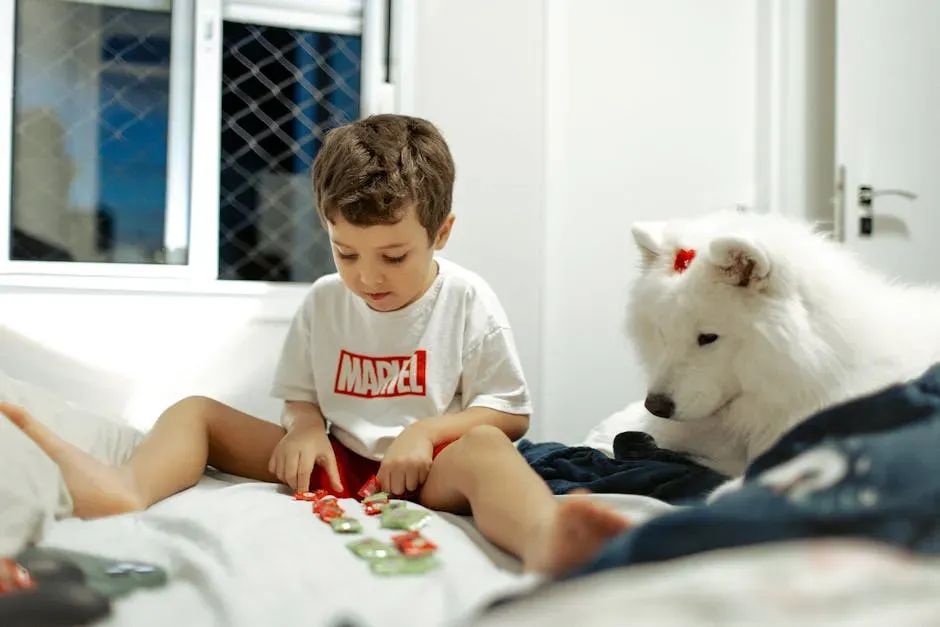
A walk around the block and a full bowl of food covers the basics. But dogs are cognitively complex animals who need more than just the physical essentials to feel genuinely fulfilled. When mental stimulation is absent, something shifts in them quietly, and not for the better.
Dogs need mental stimulation, and some dogs can be disruptive when left alone because they’re bored and looking for something to do. Dogs who feel neglected and bored may begin to develop destructive behaviors. Dogs lack the ability to vocalize their problems, so they must turn to other means of communicating their emotional distress, and they use their angst for mischief. That chewed-up sofa cushion is rarely just bad behavior. It’s often a message.
Giving your dog plenty of exercise and mental stimulation is a successful tactic. This can include taking regular walks, playing fetch, and playing with puzzle toys that stimulate the mind. A fatigued dog, both mentally and physically, is less likely to behave destructively. Games, training sessions, puzzle feeders, and new sniff routes are not extras. They are fundamental to a dog who feels genuinely engaged with life and with you.
The Bigger Picture: What Your Dog Actually Needs From You

None of this is about being a perfect owner or turning every moment into a training exercise. It’s simpler than that. Dogs are emotionally intelligent creatures who thrive on connection, routine, and attention. Even though we don’t intend to make them feel abandoned, small shifts in our behavior can create emotional gaps that they notice.
Chronic stress in a dog damages their ability to cope and learn. The habits described in this article are easy to form and easy to overlook, but their cumulative effect on a dog’s emotional wellbeing is real. Recognizing these subtle actions helps us strengthen our bond with our dogs, ensuring they feel loved and secure. Incorporating affection, consistency, and focused attention into your daily life can go a long way toward helping your dog feel like the valued member of the family they truly are.
Here’s the honest conclusion: your dog has built their entire emotional world around you. They’re not asking for much, just presence, consistency, and the small gestures that say you see them. Most of the things that make them feel abandoned take only seconds to correct. The question isn’t whether you love your dog. It’s whether they can feel it, in the quiet, ordinary moments that make up most of a day.


