
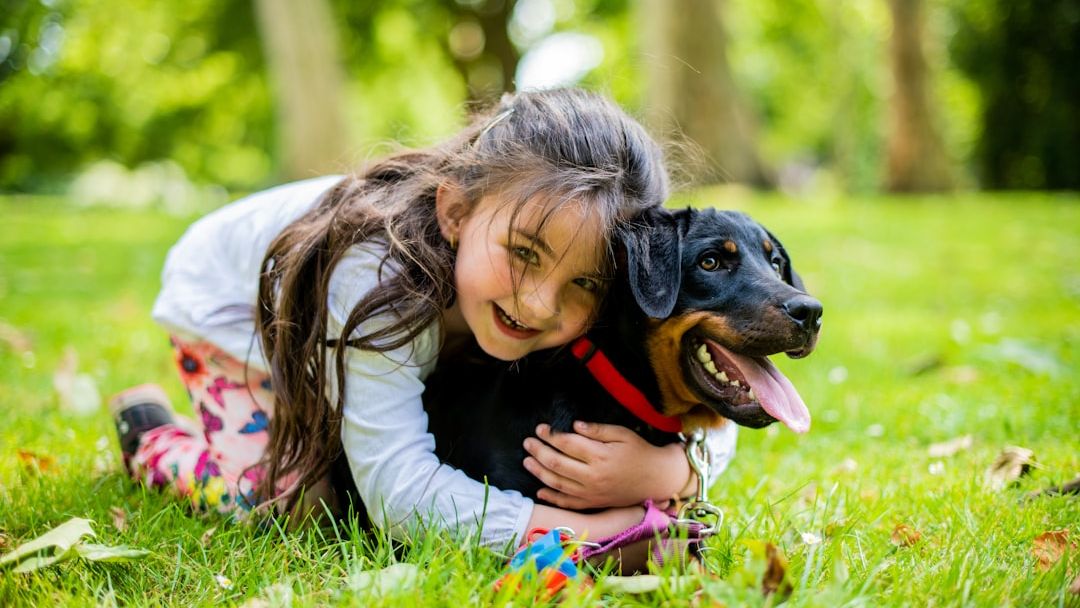
Responsibility Through Daily Care
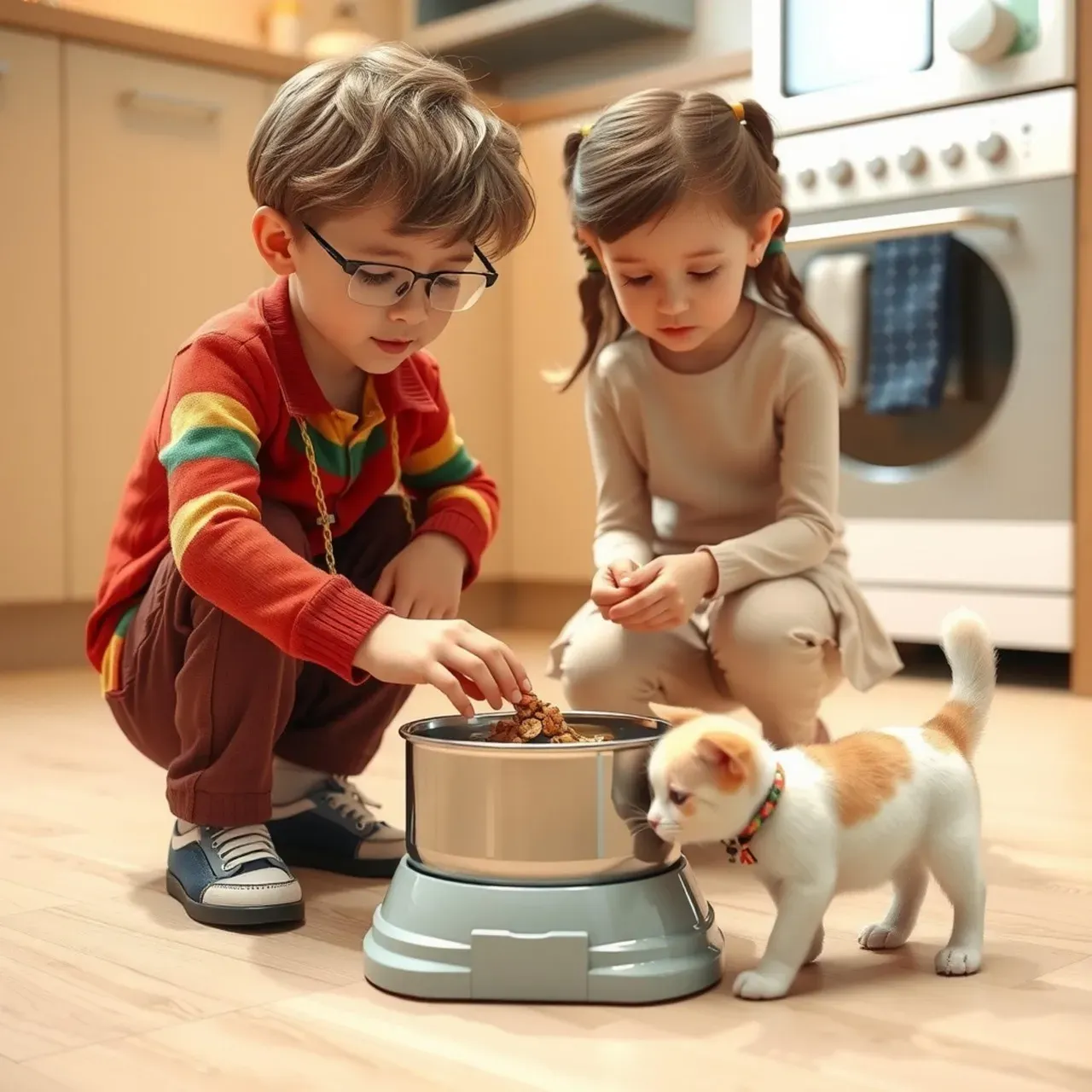
Feeding the dog at the same time each day shows children how small consistent actions add up. They learn to check water bowls and notice when supplies run low. Over weeks this builds a sense of ownership that sticks with them long after the task feels new.
Walking the dog in different weather teaches them to follow through even when conditions are not ideal. Kids start to see that living things depend on them. That awareness often carries into other areas of their lives without anyone needing to point it out.
Empathy From Reading Another Being
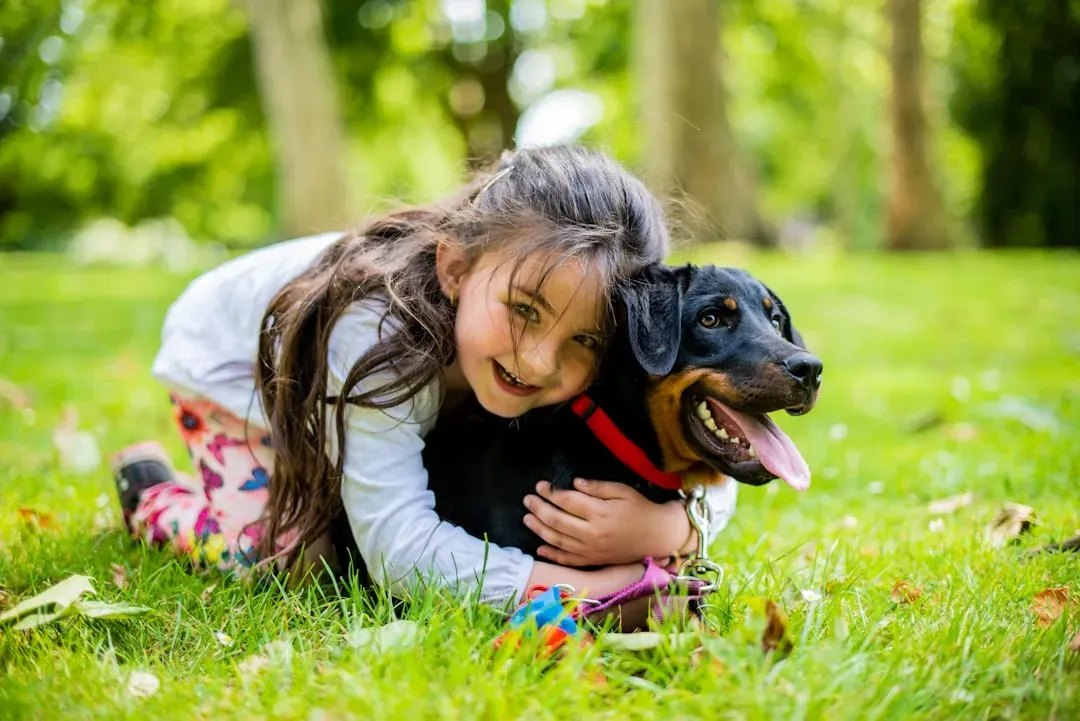
Dogs communicate through body language and small sounds that children quickly learn to interpret. A child who notices when the dog seems tired or uneasy begins to practice quiet attention. This skill grows naturally during everyday interactions around the house.
Comforting the dog after a loud noise or during a vet visit gives kids practice at responding to distress. They discover that patience and gentle presence matter more than words. Those moments create a foundation for understanding others that no worksheet can replicate.
Patience During Training Sessions
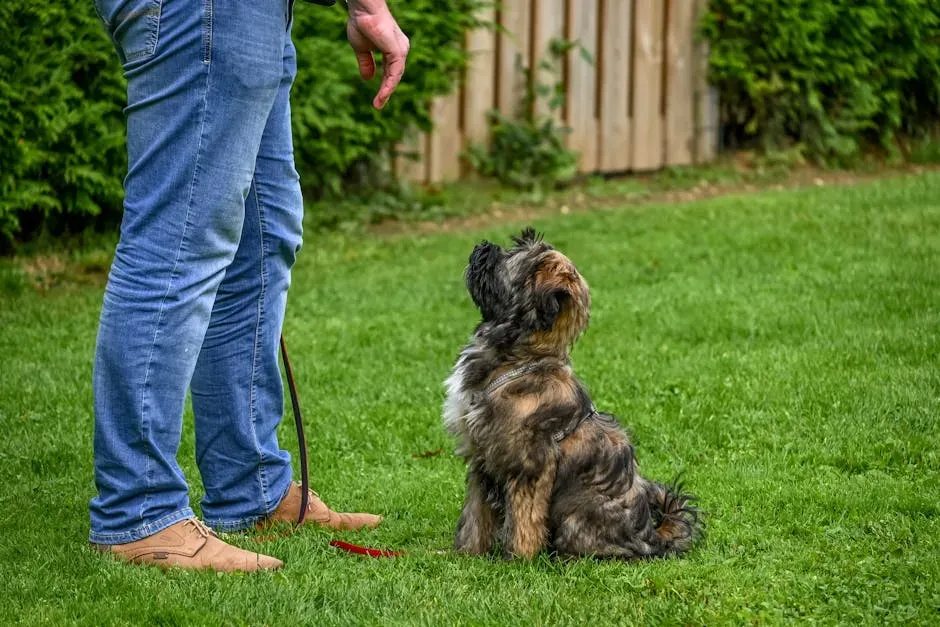
Teaching a dog to sit or stay requires repeating the same cue many times. Children experience firsthand how progress happens in small steps rather than sudden leaps. Frustration gives way to satisfaction when the dog finally responds.
Waiting for the right moment to reward good behavior helps kids slow down their own reactions. They see that rushing rarely produces lasting results. This lesson in timing often shows up later when they tackle projects or learn new skills.
Loyalty That Stays Steady
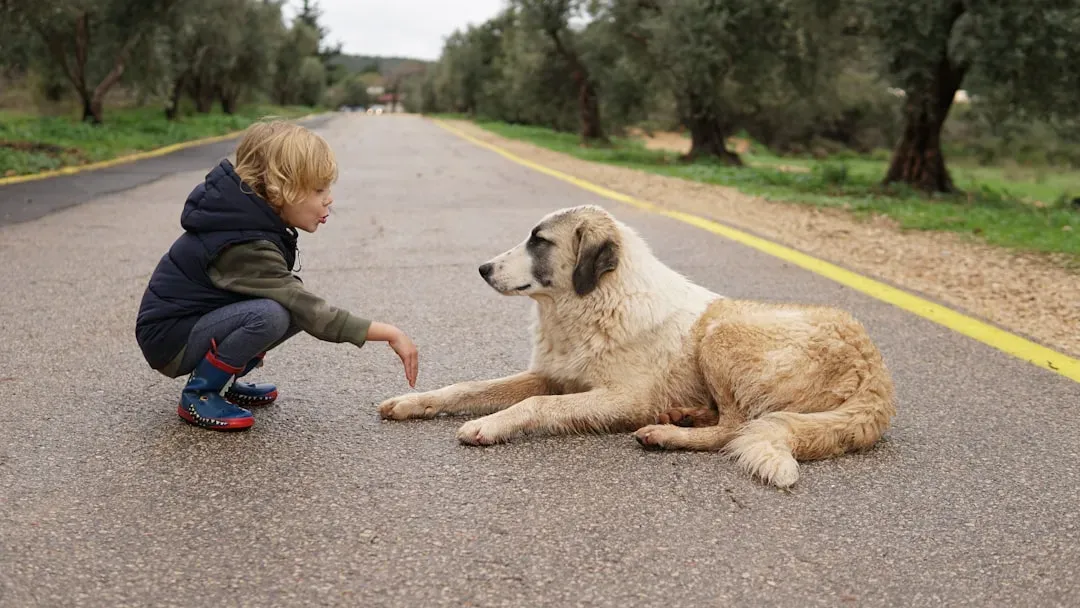
A dog greets the same child with equal enthusiasm whether the day went well or poorly. That reliable presence demonstrates what steady companionship looks like. Children absorb the idea that some relationships do not depend on performance.
Seeing the dog wait by the door or follow them from room to room reinforces the sense of being valued. It offers a living example of attachment that feels different from fleeting friendships. Over time this shapes how kids view commitment in their own connections.
Exercise As A Shared Habit
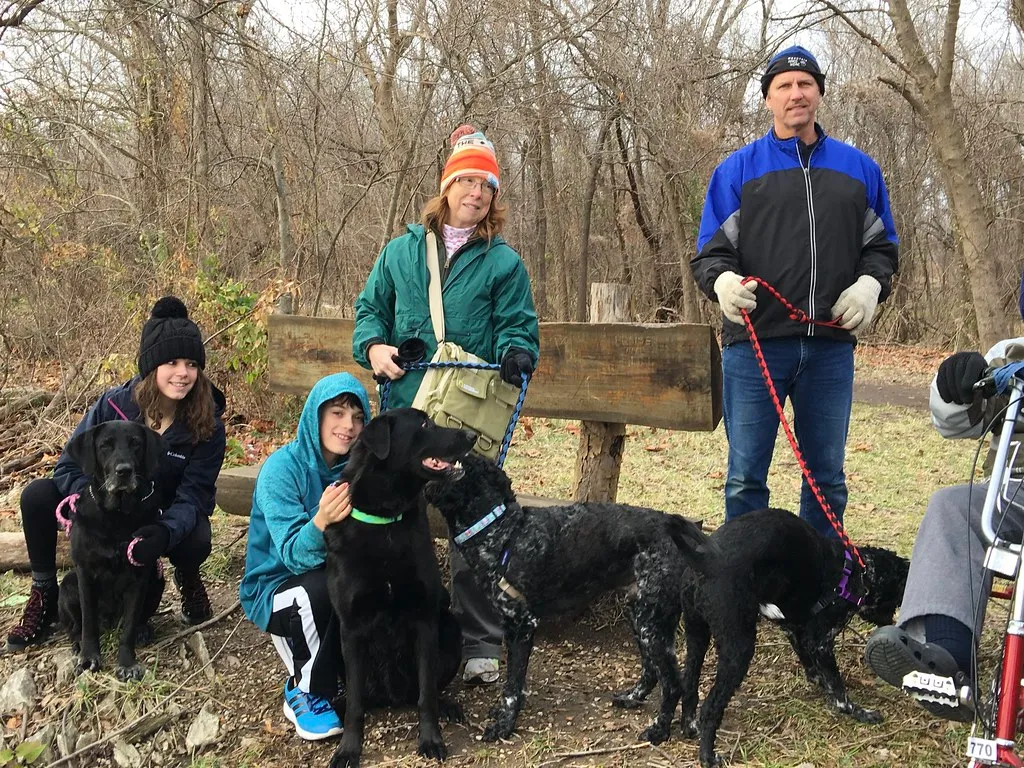
Daily walks turn movement into something enjoyable rather than a chore. Children notice how the dog perks up outside and how their own energy shifts after time outdoors. The routine becomes a natural part of the family schedule.
Playing fetch or running in the yard shows kids that physical activity can be playful and social. They learn to match their pace to another living creature. These shared outings often become highlights that kids look forward to without prompting.
Handling Disappointment With Grace
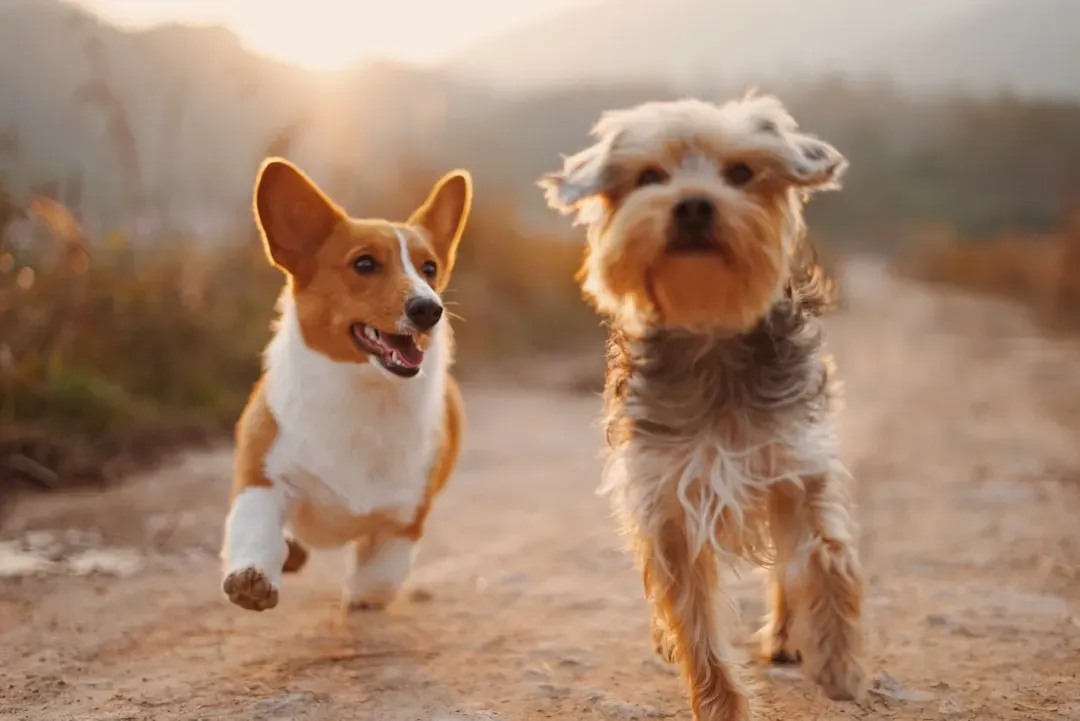
Dogs do not always follow commands on the first try or behave perfectly in new situations. Children witness the animal making mistakes and then trying again. That cycle normalizes setbacks as part of learning.
When a game ends or a walk is cut short the dog usually moves on quickly. Kids observe this easy return to calm and begin to practice it themselves. The example helps them recover from small letdowns without lingering frustration.
Nonverbal Connection And Trust
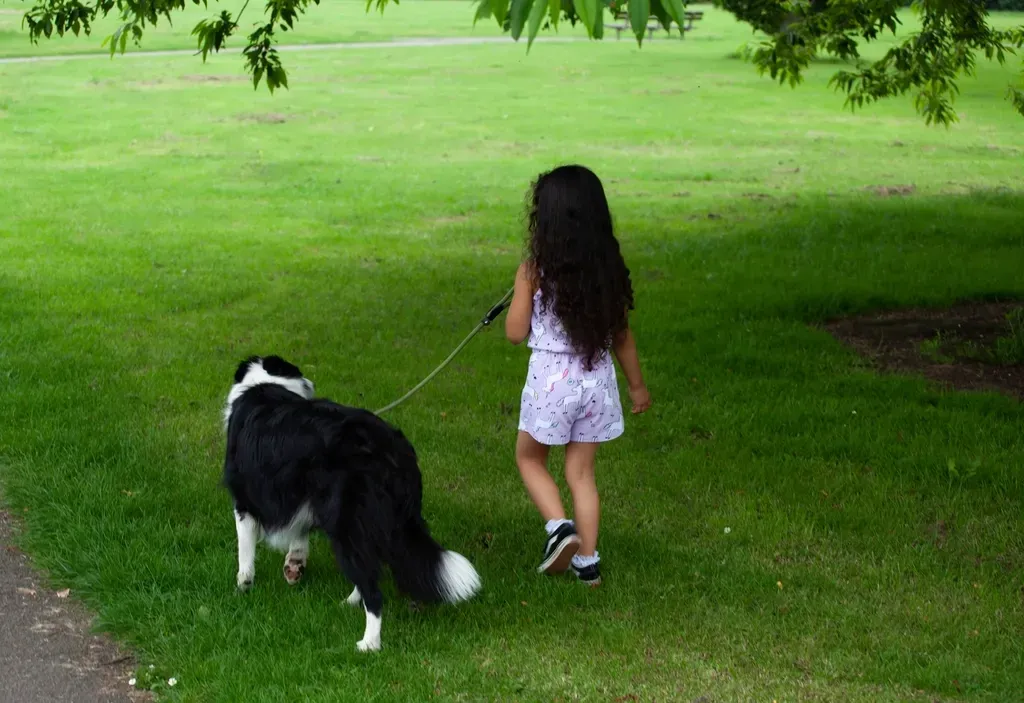
Sitting quietly with a dog allows children to notice breathing patterns and subtle shifts in posture. They learn to communicate through touch and presence rather than constant talking. This builds comfort with silence that many adults still find difficult.
Trust grows when the dog chooses to rest near a child or accepts gentle handling. Kids discover that respect and consistency earn closeness over time. Those quiet bonds often become some of their earliest experiences of mutual understanding.
Joy Found In Simple Moments
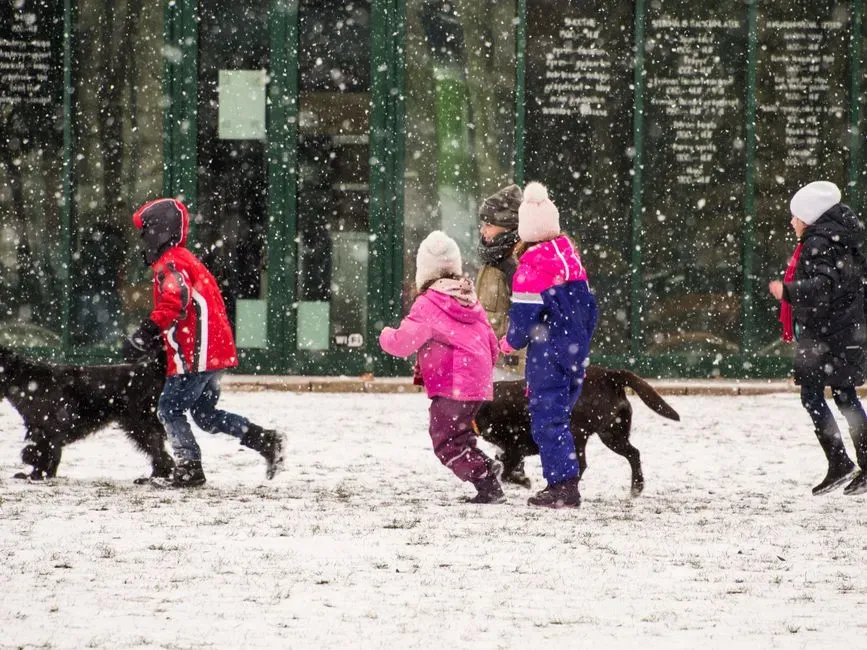
A dog can turn an ordinary afternoon into an adventure simply by chasing a ball or exploring a new path. Children see how excitement lives in small discoveries rather than big events. This perspective encourages them to notice what is already around them.
Sharing laughter during play or quiet contentment during rest shows kids that happiness does not require elaborate plans. The dog models living in the present without overthinking. Those lessons linger as children grow and face more complicated days.
Every family that brings a dog into the home makes a long term investment in lessons that unfold naturally. The bond between child and dog creates memories and habits that last well beyond childhood. In the end the real gift is not just what the dog teaches but the kind of person the child becomes while learning it.


