

You raise your voice during a disagreement, and instead of slipping away to another corner of the house your dog stays put. The scene feels familiar to many households, yet the reasons behind that choice run deeper than simple habit or curiosity.
Owners often assume the animal is just being nosy or oblivious. In reality the behavior points to a layered mix of emotional awareness and attachment that shapes how dogs navigate human tension.
The Emotional Radar Dogs Carry
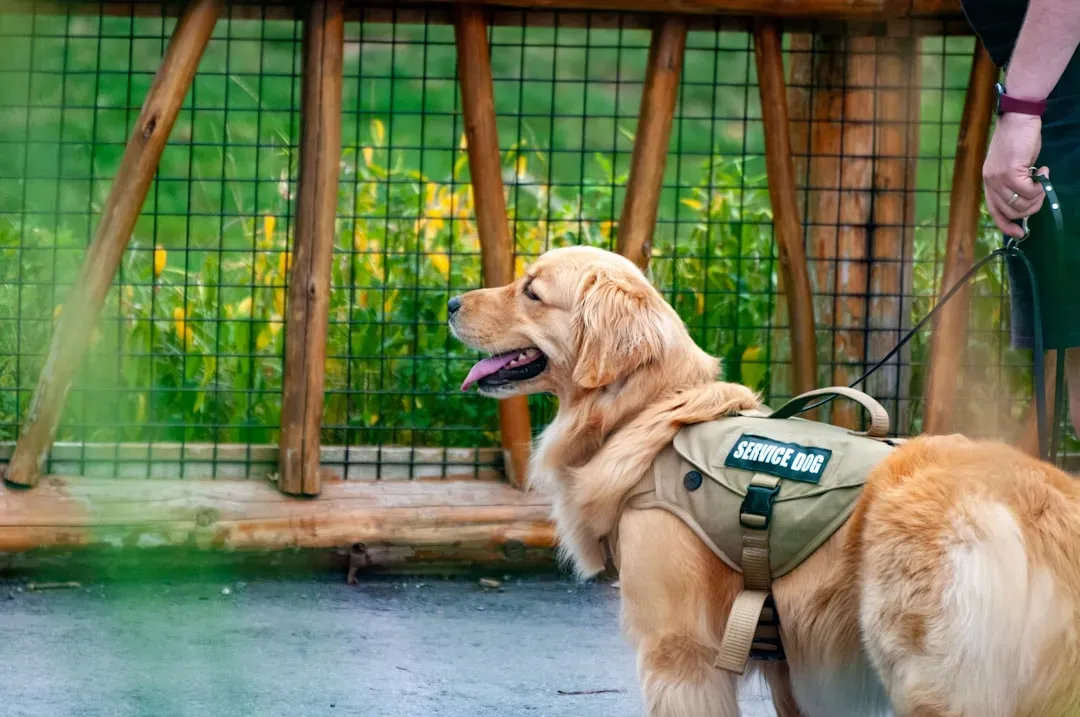
Dogs pick up on subtle shifts in tone and body language long before words turn sharp. Their sense of smell also registers changes in stress hormones that humans release during conflict. This combination lets them read the room in ways that go beyond basic hearing.
Over time they learn which patterns signal real upset versus everyday frustration. The decision to remain nearby often stems from that learned map rather than random choice. It becomes a quiet form of participation in the household rhythm.
Attachment That Anchors Them in Place

Strong bonds form when dogs view their people as the center of safety and routine. An argument can feel like a disruption to that core connection. Staying close may represent an attempt to keep the unit intact rather than an act of defiance.
Puppies raised in stable homes often carry this trait into adulthood. They treat the family as a single entity where separation during stress feels unnecessary. The refusal to leave reflects comfort found in proximity instead of avoidance.
How Tension Travels Through the Pack

Modern homes function like small social groups where dogs track every member’s mood. Raised voices trigger an instinct to monitor rather than retreat. This monitoring helps them anticipate what might come next in the shared space.
Some dogs even position themselves between arguing parties as a subtle buffer. The choice shows an awareness of group dynamics that evolved over generations of living alongside humans. It turns the living room into a shared emotional territory.
Stress Responses That Keep Them Close
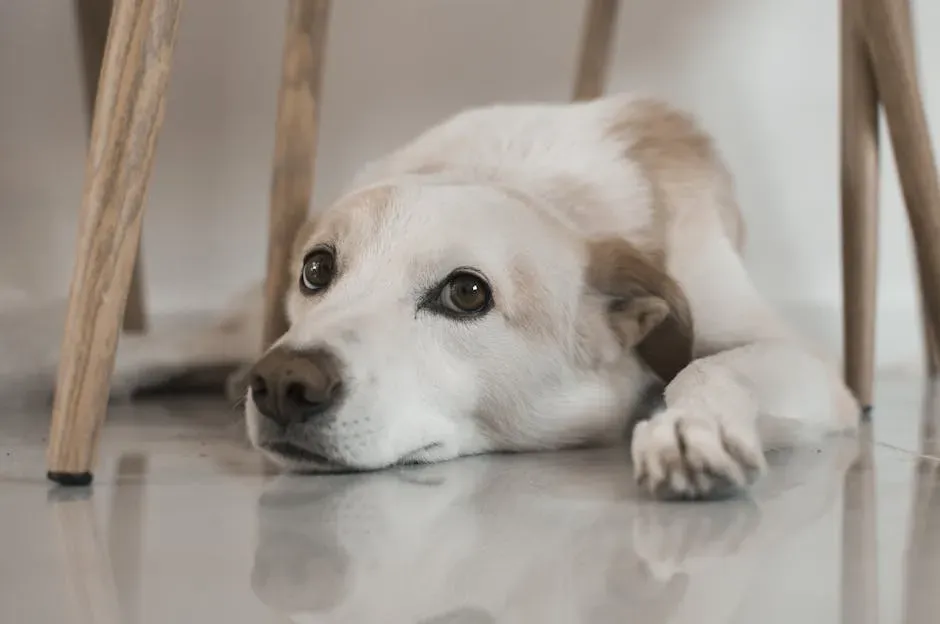
When cortisol levels rise in the room a dog may experience its own version of unease. Remaining visible allows the animal to stay alert without escalating its own anxiety through isolation. The behavior serves as a coping mechanism rather than a sign of distress alone.
Owners sometimes notice panting or pacing that accompanies the refusal to exit. These physical cues reveal an internal balancing act between concern and loyalty. The dog weighs leaving against the pull of staying connected.
Learned Patterns From Daily Life
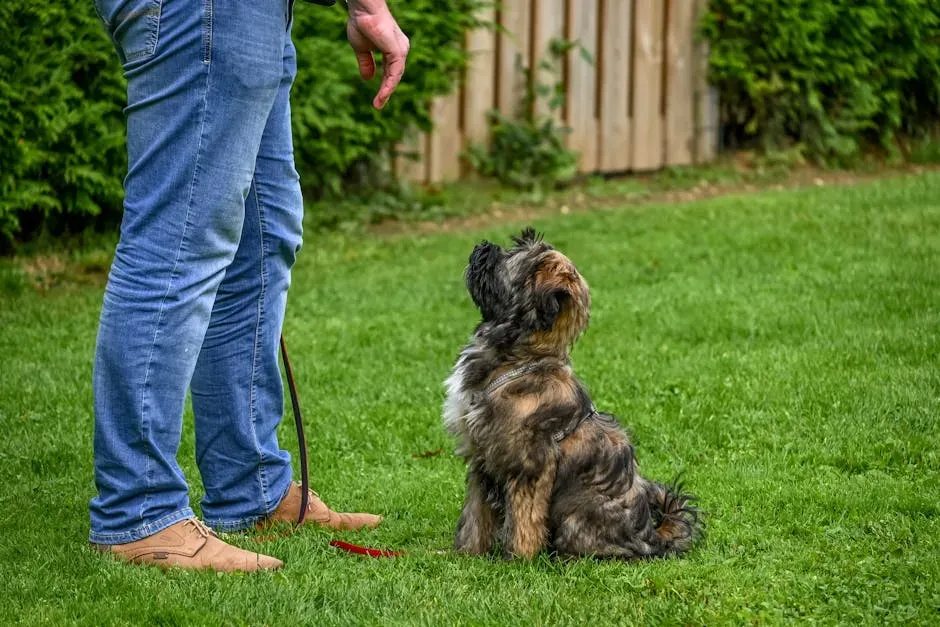
Repeated exposure to arguments teaches dogs that the tension usually passes without lasting harm. They associate the room with eventual calm and resolution. This history reinforces the habit of waiting it out in place.
Positive reinforcement plays a quiet role too. Affection or treats that follow calmer moments create an association between presence and reward. Over months the pattern solidifies into a reliable response.
Signals Owners Often Overlook

Subtle tail positions or ear movements during arguments reveal more than most people catch at first glance. A dog may appear still while internally processing every shift in energy. These micro adjustments show active engagement rather than passive observation.
Breathing changes or slight weight shifts also mark the moment tension registers. Recognizing these details helps owners understand the depth of involvement. The refusal to leave becomes a window into ongoing emotional processing.
What This Reveals About Shared Lives
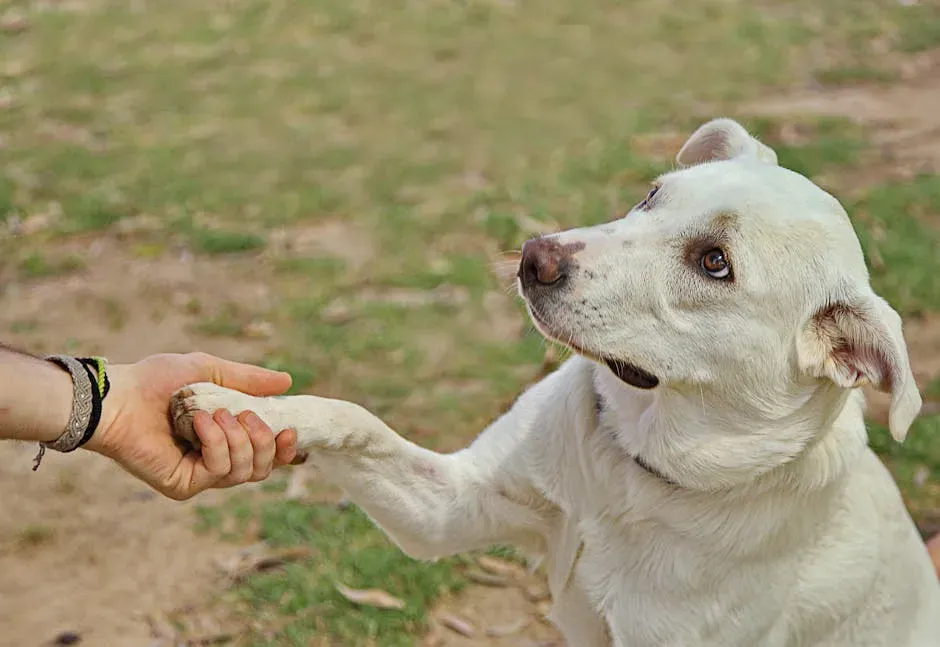
The behavior ultimately highlights how dogs treat human relationships as mutual responsibilities. Their presence during conflict acts as a steady reminder that harmony matters to the whole household. It invites owners to consider the emotional ripple effects of everyday disagreements.
Over time this loyalty can encourage more measured conversations simply because another set of eyes is watching. The profound element lies in that quiet accountability rather than any dramatic intervention. Dogs do not judge the argument itself. They simply choose not to abandon the people they consider family.


