
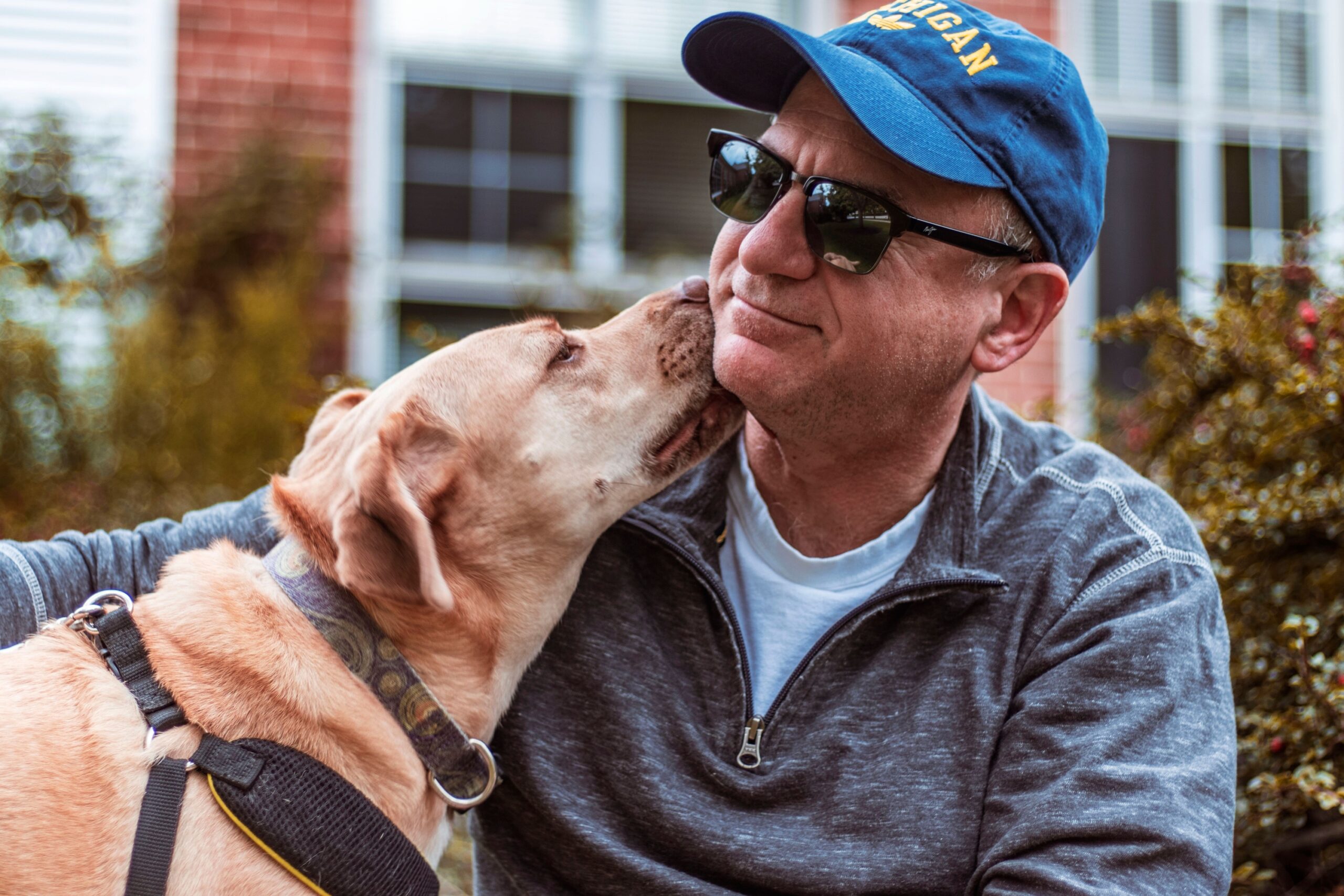
Live with the same dog for years, and you start to notice something quietly magical: the relationship does not stay the same. It deepens, shifts, softens in some places and sharpens in others. The wild puppy who once bounced off your walls becomes a kind of four-legged shadow, reading your moods almost before you feel them, moving through life with you like an old friend who knows the whole backstory.
At the same time, aging brings its own challenges on both sides. Your routines change, your dog’s body changes, and the way you love each other has to adjust. That is not a sad story, though. If anything, it can turn into one of the most meaningful bonds you will ever experience, precisely because you have gone through so many seasons side by side.
1. From Playmate to Partner in Your Daily Routine
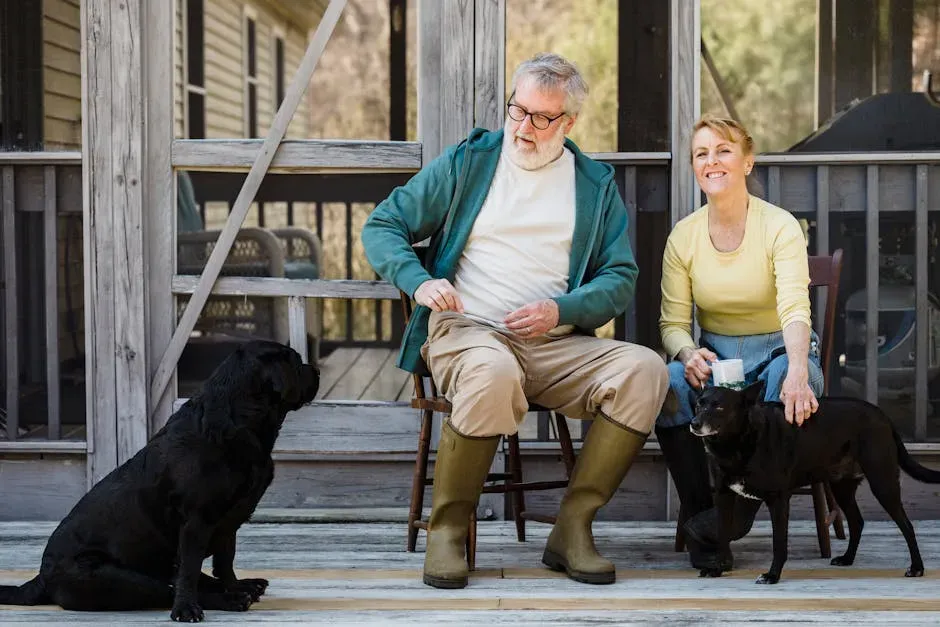
In the early years, your dog is often all about play: fetch, tug, zoomies around the living room at the worst possible time. As they grow older, their energy naturally levels out, and instead of being your full‑time entertainer, they become your quiet companion in the everyday. They follow you from room to room, settle near your desk during work calls, and wait patiently while you make coffee like they are clocking in for the same shift.
This shift from “let’s play all day” to “let’s share the day” can actually feel incredibly comforting. Your dog becomes woven into your habits: morning walks, evening couch time, weekend drives. It is less fireworks and more candlelight, steady and familiar. I still remember when my own dog stopped bringing me toys every hour and started just curling up nearby; at first I missed the chaos, then I realized this new calm was its own kind of intimacy.
2. Their Need for You Becomes More Emotional Than Physical
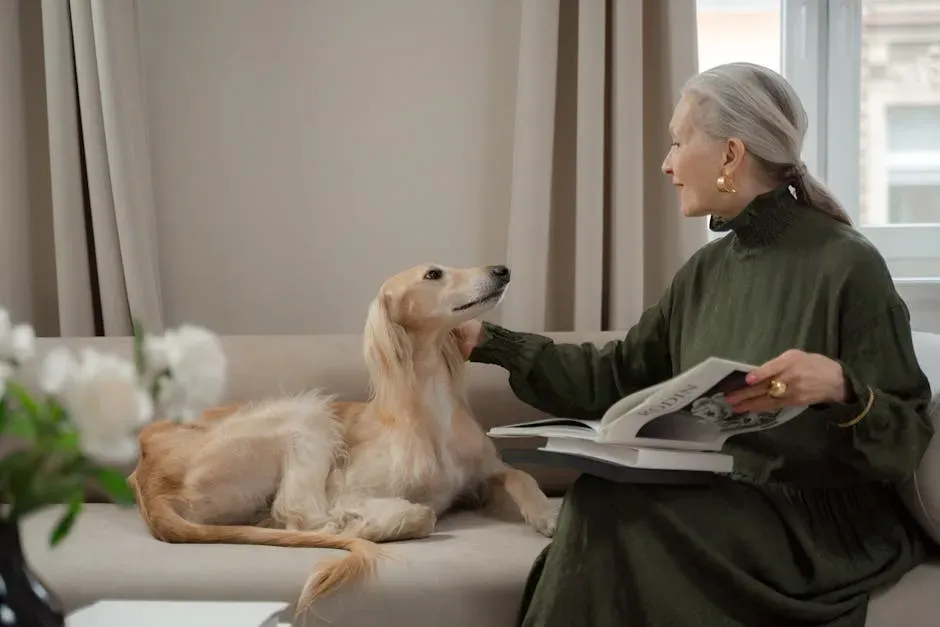
Young dogs tend to need you for motion: exercise, training, mental stimulation. As they age, especially into their senior years, that raw physical need eases off, and what rises to the surface is a deeper emotional dependence. They look for you more often when something feels off, they seek reassurance in unfamiliar situations, and they seem to care less about the ball and more about the hand that throws it.
That emotional shift can be subtle but powerful. A dog that used to nap in another room might start choosing to rest where they can easily see or touch you. You might notice they do not always want excitement; what they want is your presence. In a way, it mirrors human relationships: early on we chase shared activities, later we crave shared quiet. Your dog’s heart leans harder on you even while their legs slow down.
3. Communication Becomes Almost Wordless
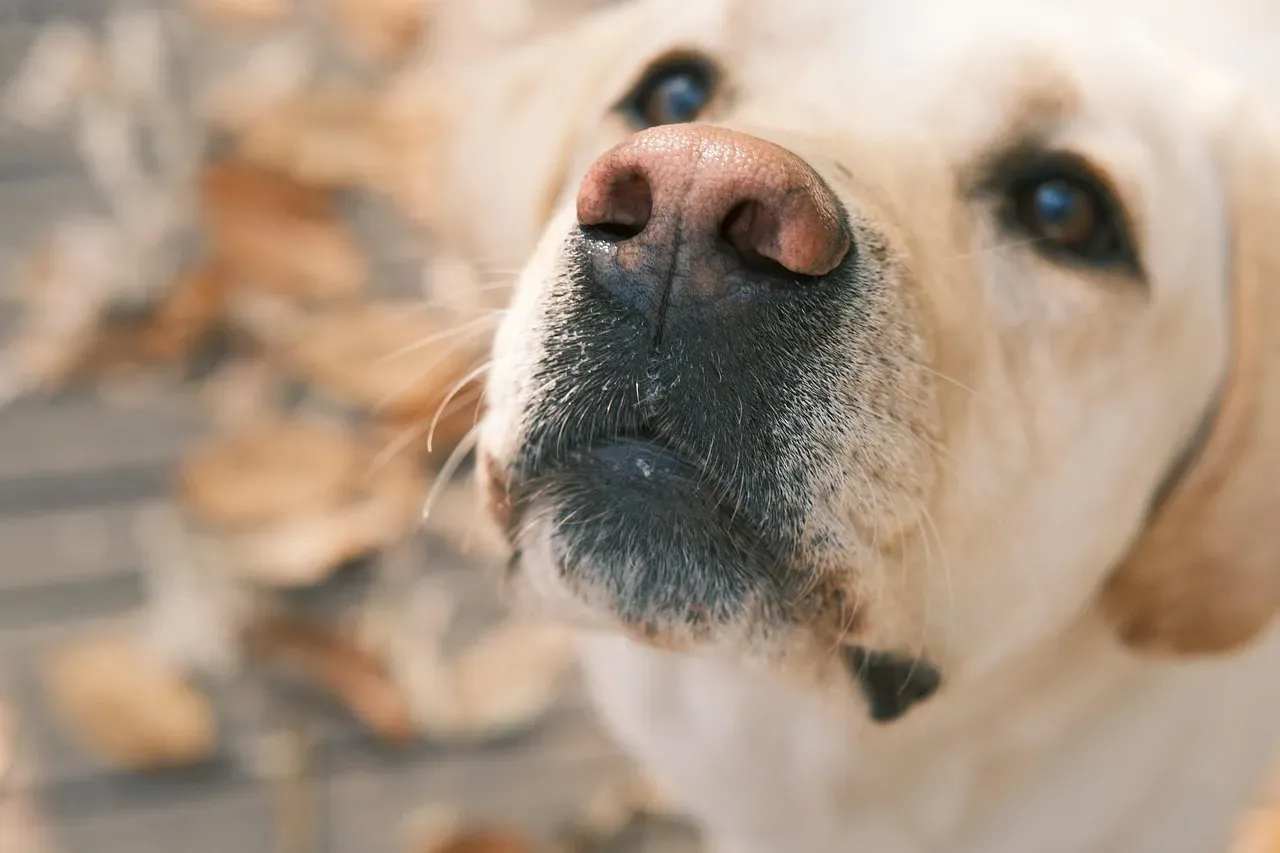
When you first bring a dog home, communication is a messy mix of guesswork, training cues, and trial and error. Over the years, that rough draft turns into something far more refined. You learn their micro‑signals: the tiny ear flick that means they are unsure, the particular sigh that means they are deeply content, the slow blink that functions almost like a thank‑you. They, in turn, learn your footsteps, your tone shifts, even the way you set down your keys.
Many long‑time dog owners swear their dogs can read their minds, but what is really happening is years of pattern recognition. Your dog notices that when you sit a certain way, you are upset, or that a specific kind of silence means you are tired. They might come lean on your leg on those evenings without being called, or quietly walk away when you truly need space. The relationship becomes less about commands and more about mutual reading of the room, a kind of lived‑in language you built together without realizing it.
4. Physical Care Turns Into an Act of Love, Not a Chore
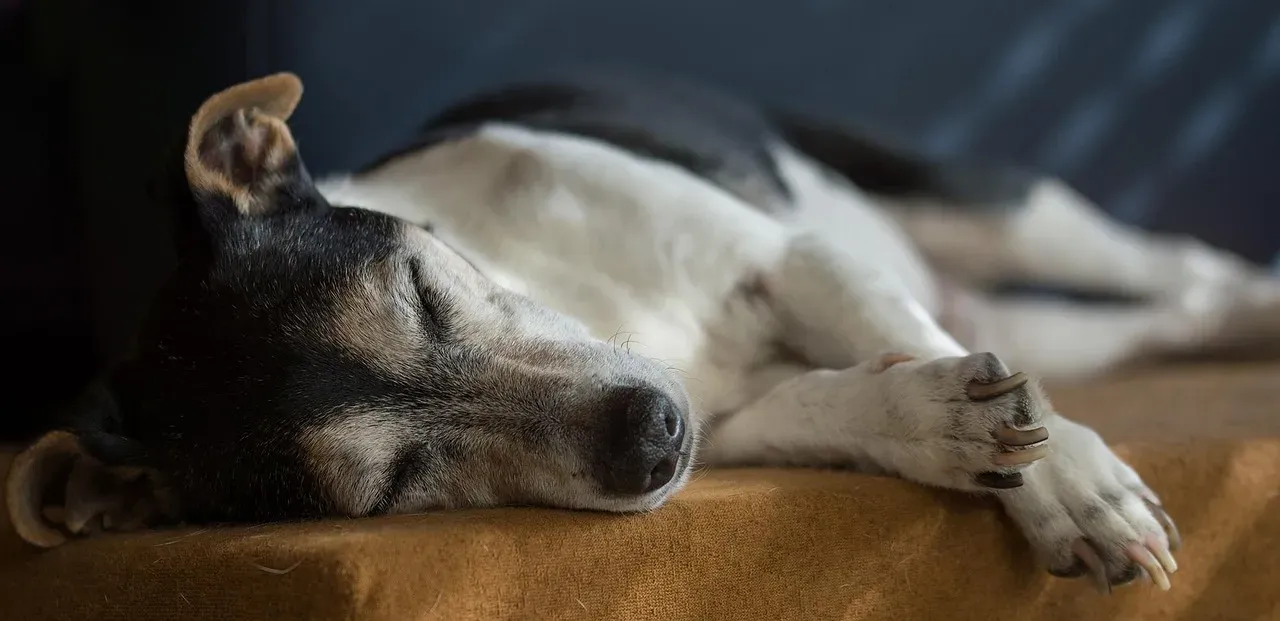
Baths, nail trims, vet visits, brushing teeth – these can all feel like chores when your dog is young and wiggly. As they age, especially if health issues appear, the same tasks can take on a very different emotional weight. Helping your older dog up the stairs, adjusting their bed so their joints are supported, or timing their medications suddenly feels less like “pet maintenance” and more like caring for a family member who once carried you through rough days with pure joy.
There can be hard moments here, no question. Watching a dog who used to leap into the car now hesitate at the step can hurt. But many people describe this stage as strangely beautiful, too. The roles that once felt one‑sided even out: your dog spent years looking after your mood and your routine; now you look after their body and comfort. Care becomes a kind of thank‑you note you write with your actions instead of words.
5. Shared Experiences Build a Deep, Almost Nostalgic Bond
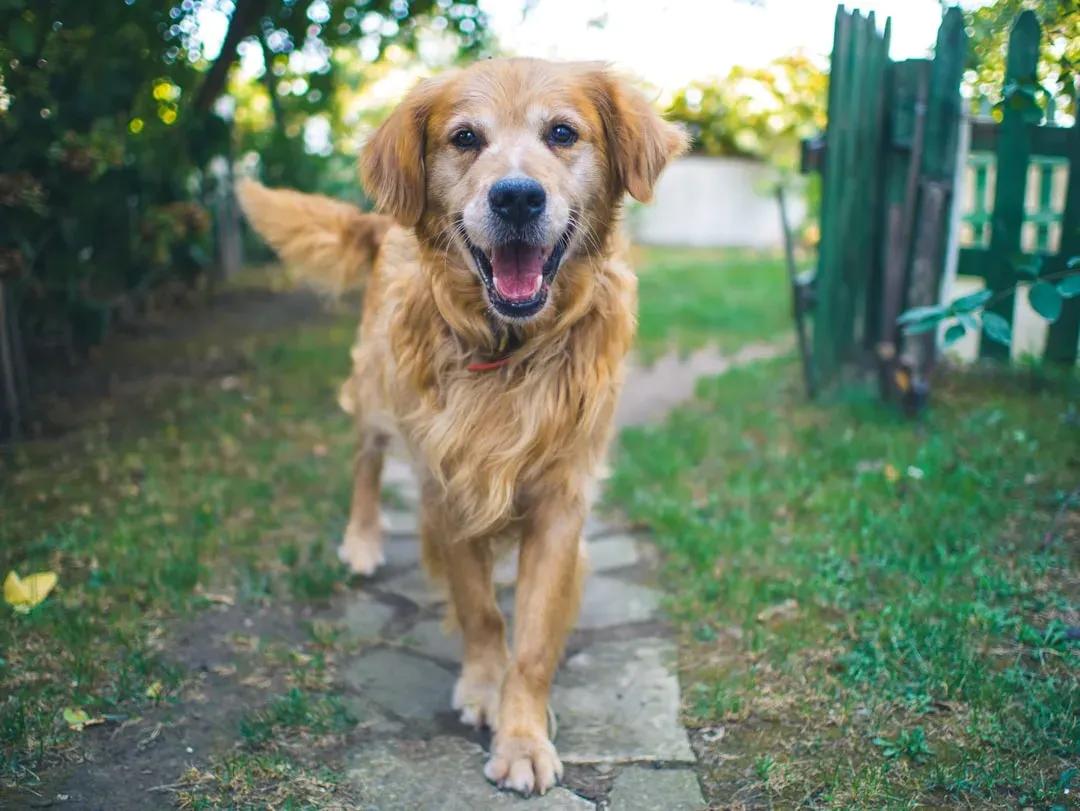
By the time your dog is older, the two of you have a history together: moves, relationships, breakups, new jobs, lazy Sundays, maybe even big losses. Your dog does not remember those events the way you do, but they absolutely carry the emotional echoes. They know which houses felt calm and which apartments meant you were stressed. They know the park where you both used to run, and the route you walked on nights you needed to clear your head.
This shared history creates a kind of living scrapbook between you. When you visit an old trail and your senior dog still wags harder at a familiar turn, it pulls you straight back to earlier years. The relationship starts to feel like a long‑running story with in‑jokes and recurring scenes. That is why letting go of an old dog can feel like closing an entire chapter of life: they have been the constant background music through changes you might not have survived as easily alone.
6. Independence Gives Way to Mutual Vulnerability
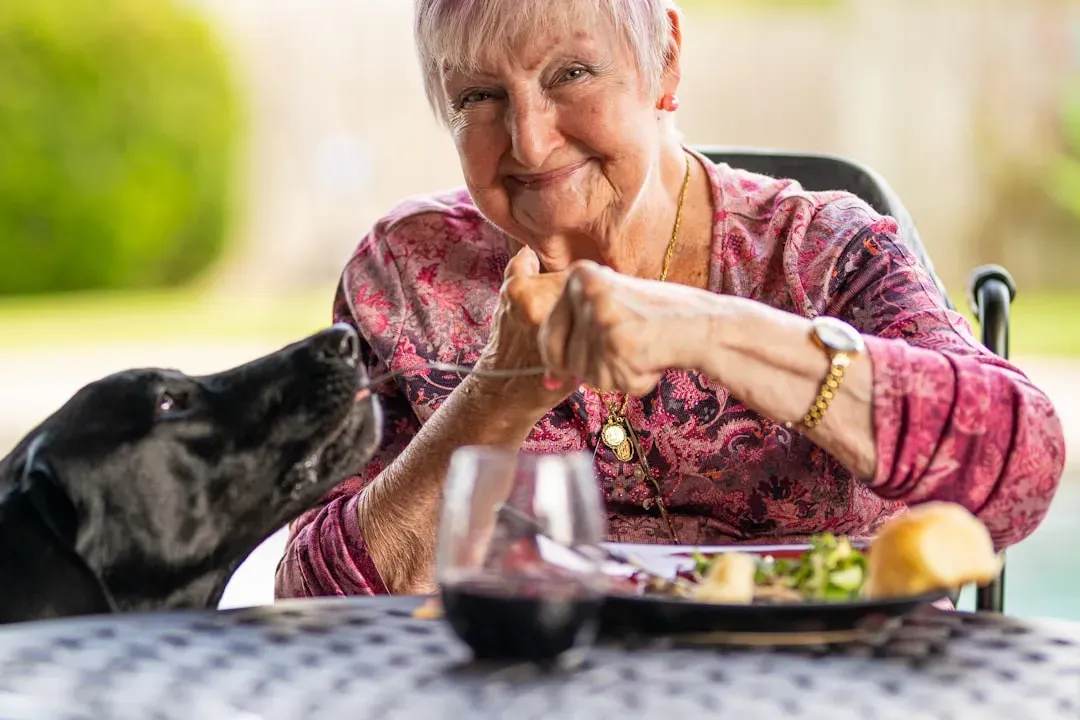
Puppies often act fearless and invincible, even when they are actually insecure. As dogs grow older, their vulnerabilities show more clearly: vision fades, hearing dulls, joints stiffen, confidence wobbles in situations that once felt easy. You become their safety net in a more literal way, guiding them around obstacles, advocating for them at the vet, and stepping in when rough play at the dog park is too much.
At the same time, your own vulnerabilities are usually more visible by then as well. You might have more responsibilities, more worries, or even your own health concerns. There is something quietly profound about sitting on the floor next to an old dog on a tough day and realizing you both depend on each other now, not just one way. The relationship is no longer “I take care of you” but “we are getting through this together,” and that mutual softness can be surprisingly strengthening.
7. Play Changes Shape, But Connection Stays Strong
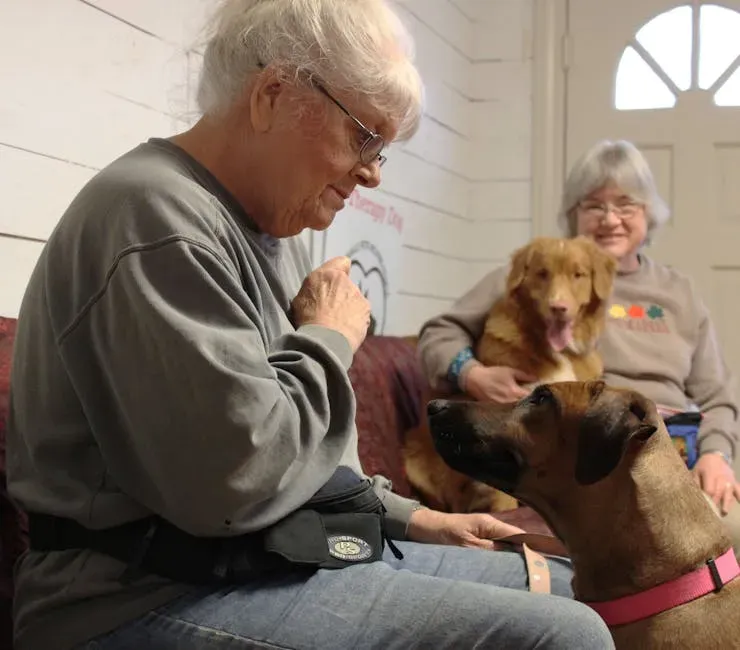
As dogs age, their style of play shifts. The wild wrestling and endless fetch sessions may turn into short bursts of silliness followed by long naps. Some senior dogs rediscover gentle games, like slow tug with a soft toy, sniff‑based games around the house, or simply strolling at a relaxed pace, taking their time to smell every scent like they are reading the neighborhood newspaper in detail.
It can be tempting to see the loss of high‑energy play as something purely sad, but it is often just a natural evolution. The point is not to cling to what play used to look like, but to notice what still lights your dog up now. Maybe it is a cozy puzzle toy instead of a frisbee, or a car ride instead of a long hike. The relationship stays playful if you are willing to adapt, and there is real joy in discovering new, age‑appropriate ways to have fun together.
8. You Start Preparing Your Heart – and Loving More Fiercely Because of It
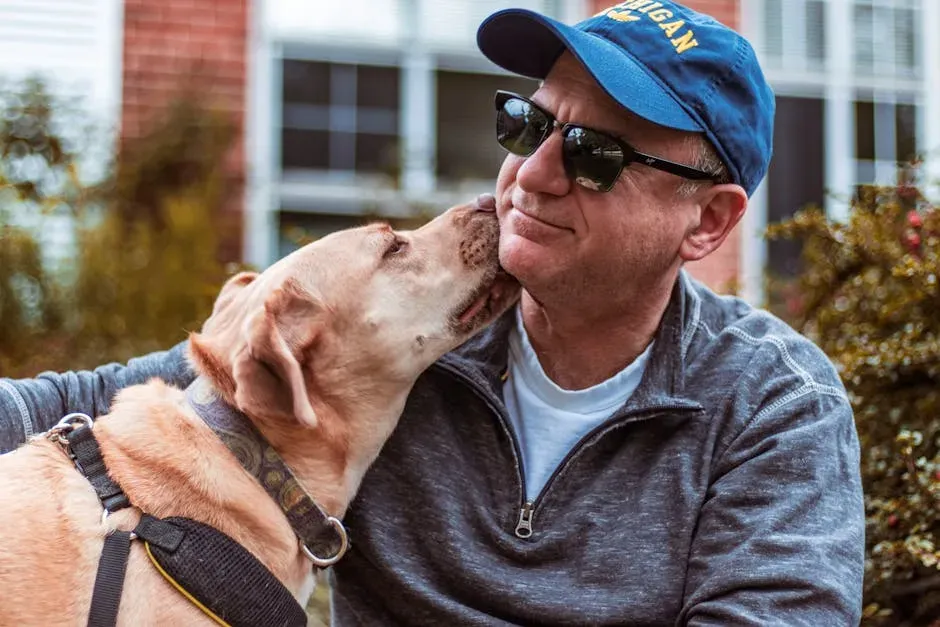
There is a quiet truth every long‑time dog guardian eventually runs into: at some point, you realize your dog is clearly in the later chapters of their life. Their muzzle grays, their naps get longer, and you catch yourself counting “maybe a few more good years.” It is a sobering awareness, and it can make your affection feel sharper, almost urgent, like you are suddenly aware that every ordinary day is not ordinary at all.
The interesting thing is that this awareness often makes the bond deeper, not darker. People tend to become more patient, more forgiving of small annoyances, more present in the simple routines: the slow walk, the messy drink from the water bowl, the snoring on the couch. Knowing there is a limit does not cheapen the love; it concentrates it. You might find yourself saying yes to more small joys for your dog and taking more mental snapshots, because you finally see how much this relationship has quietly shaped who you are.
Conclusion: Growing Old Together Is the Real Love Story
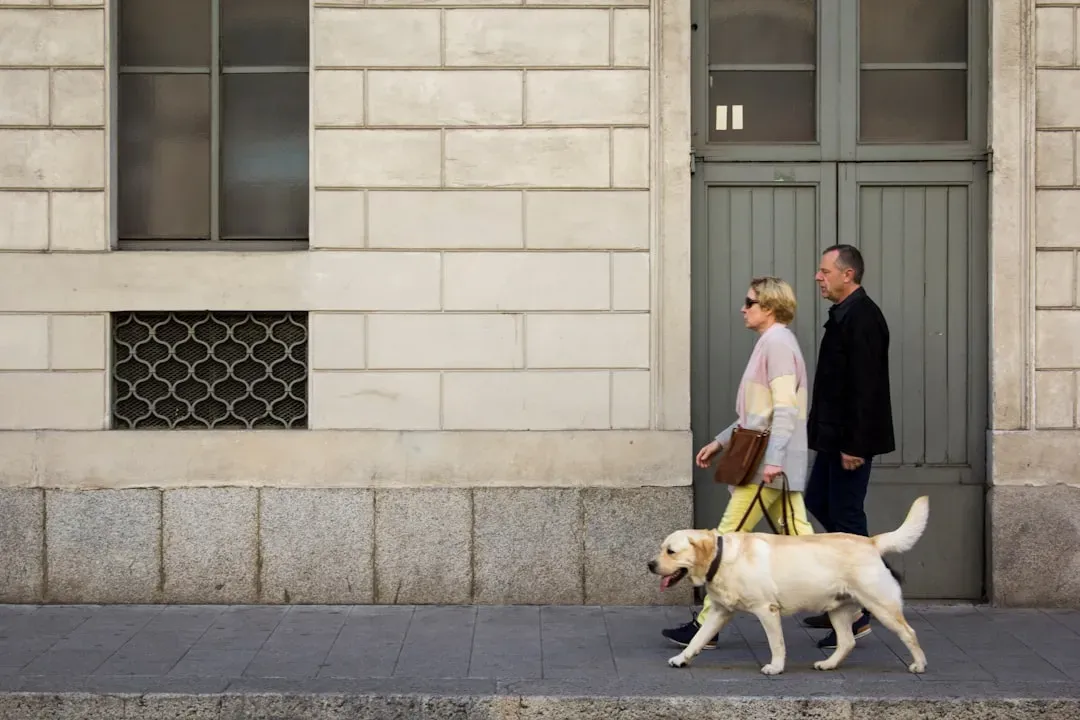
If there is a hard but honest opinion hidden inside all of this, it is that the best part of living with a dog is not the cute puppy phase. It is the slow, unglamorous, deeply tender process of aging together. That is where the relationship stops being a fun accessory and turns into something closer to family, something that has seen you at your worst and stayed anyway. An old dog is living proof that consistency, kindness, and shared time can build a bond that feels bigger than words.
In a world obsessed with newness and upgrades, choosing to walk with the same dog from clumsy youth to gentle old age is a quiet act of rebellion. You are saying that depth matters more than novelty, that this one soul is worth years of your heart. And when you look back one day, you may realize that every version of yourself along the way was witnessed by the same pair of eyes. When you think about it that way, is there any relationship more quietly epic than the one you build with a dog who grows old by your side?


