
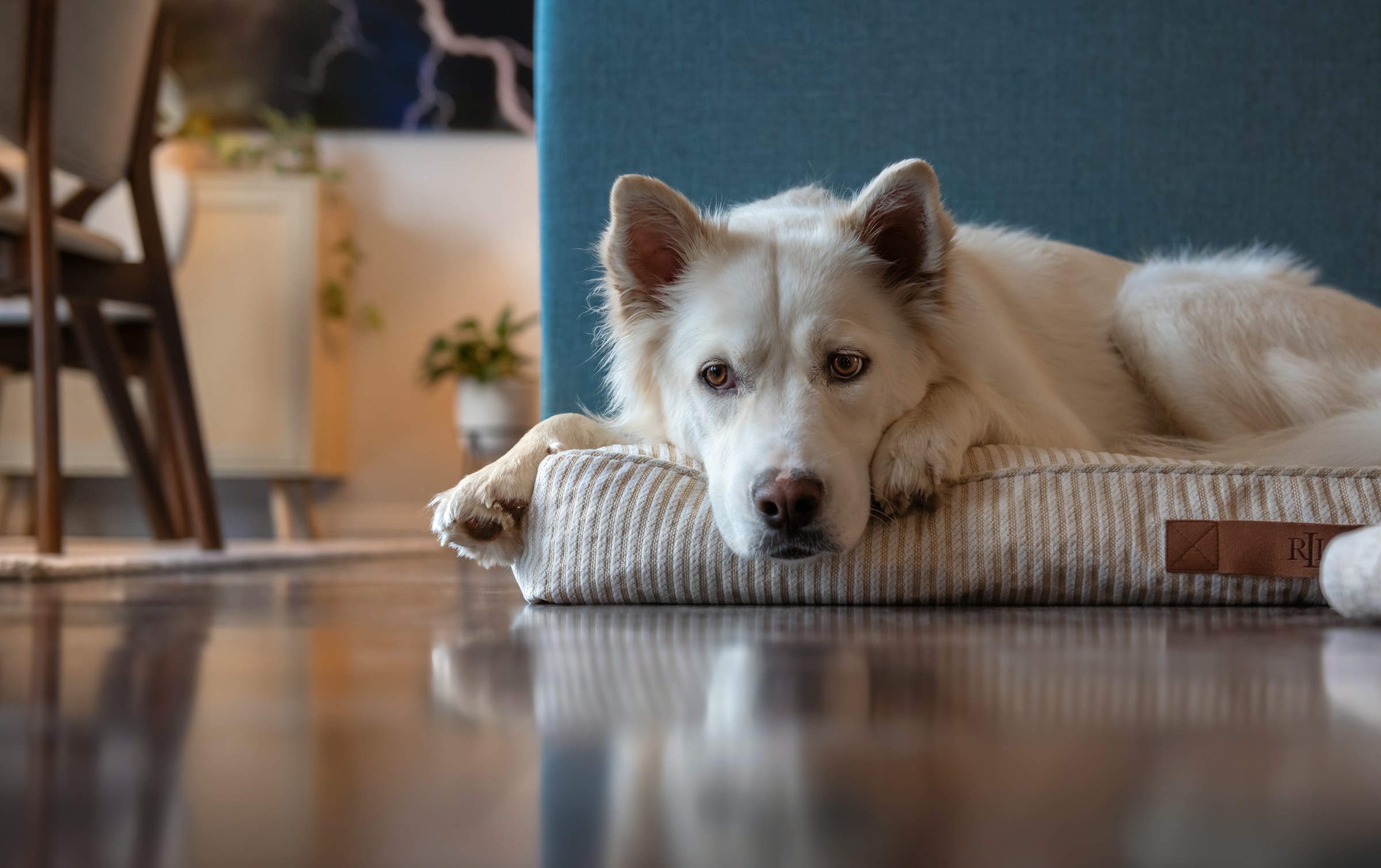
Have you noticed your senior dog suddenly hanging around the front door instead of racing down the street, or turning back halfway through a walk like someone who forgot the stove on? When a once-adventurous dog starts sticking close to home, it can feel both sweet and strangely unsettling at the same time.
I remember the first time my own elderly dog stopped trotting eagerly to the park and instead parked herself by the driveway, as if the world had somehow shrunk overnight. I worried something was very wrong. The truth is, this change can be completely normal, but sometimes it is also your dog’s quiet way of asking for help. Understanding the possibilities is the first step to doing right by them.
Age-Related Pain: Arthritis, Aches And The Weight Of Years
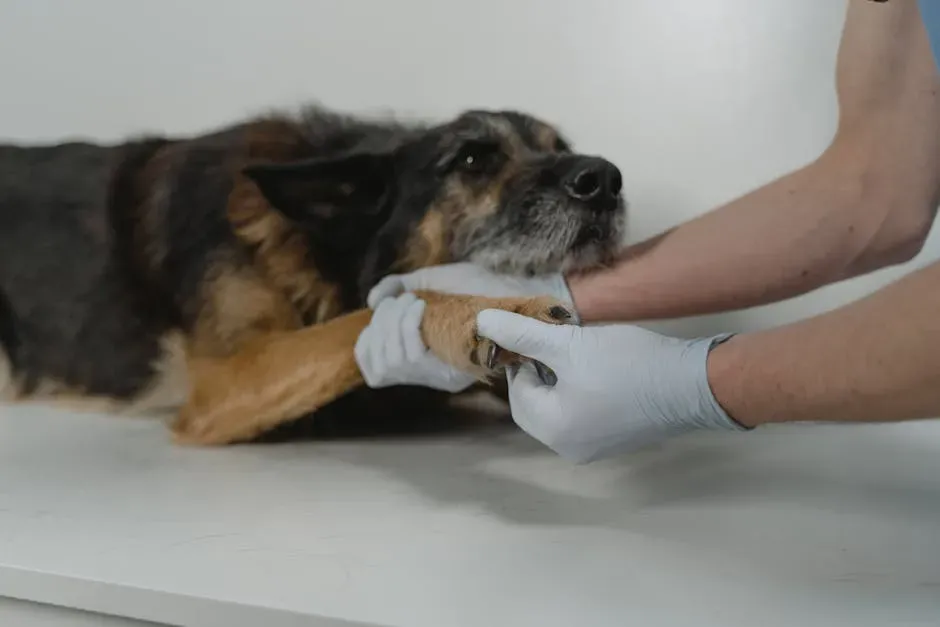
One of the most common reasons an older dog wants to stay close to home is simple, unglamorous pain. As dogs age, their joints can develop arthritis, their muscles lose strength, and even a short walk can start to feel like hiking in wet cement. Home becomes a safe radius where they know exactly how far they can go without paying for it later.
Dogs are incredibly good at hiding discomfort, so you may not see obvious limping. You might just notice subtle signs: slowing down, refusing longer routes, hesitating on steps, lying down more quickly once you get back. If your dog suddenly insists on very short outings or drags you back toward the house, that can be their gentle way of saying movement hurts more than it used to.
Declining Senses: The World Feels Bigger, Louder And Less Safe
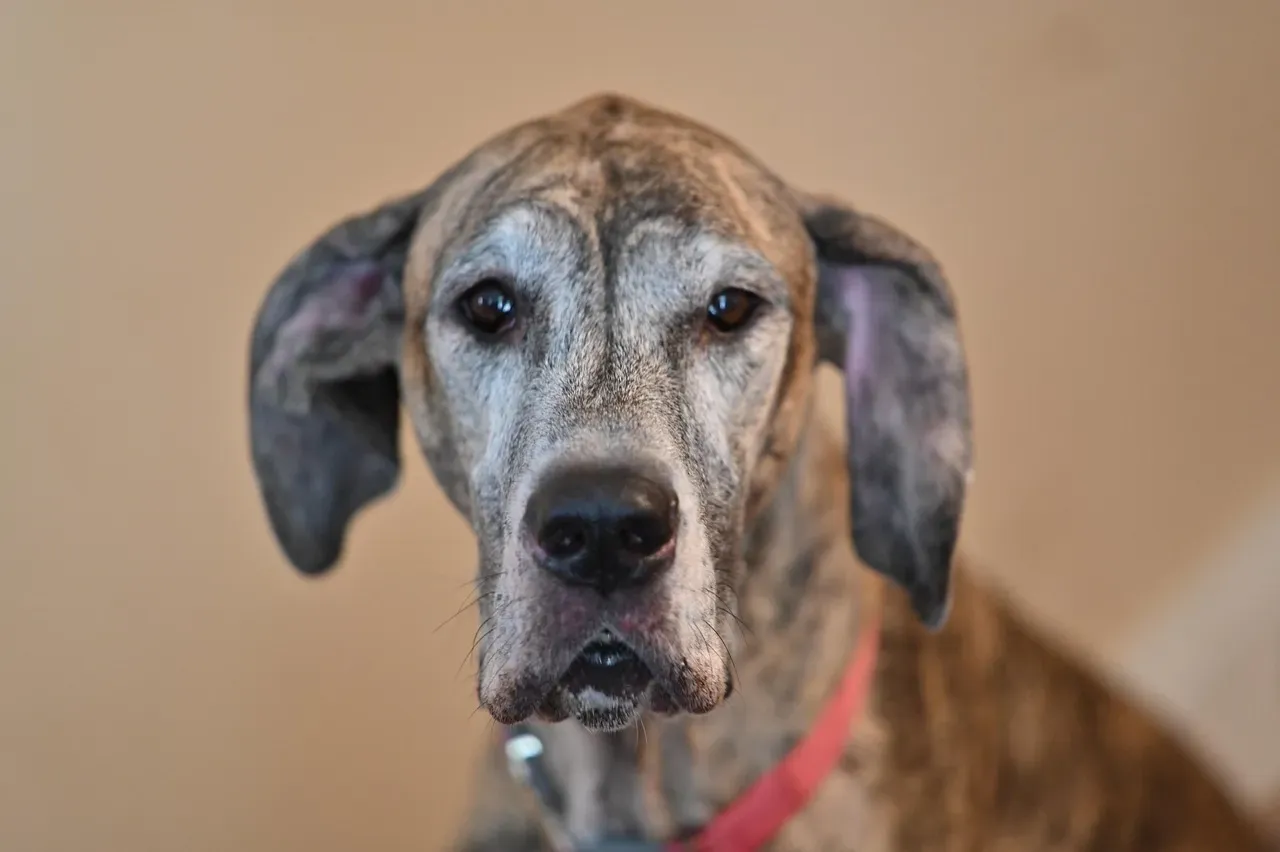
As dogs get older, their eyesight and hearing often fade, sometimes so gradually you hardly notice until their behavior changes. Imagine walking through your neighborhood with one ear plugged and fogged-up glasses; sounds become harder to place, shapes look unfamiliar, and that rustle in the bushes is no longer clearly just a squirrel. For an aging dog, the familiar yard or sidewalk right near home can feel manageable, while the wider world turns hazy and overwhelming.
A dog that used to stride ahead confidently might start walking right at your side, or even behind you, seeking reassurance. They may balk at unfamiliar routes, darker streets, or busy areas with lots of movement. Staying close to home is a protective strategy: in the places they know well, their mental map makes up for what their eyes or ears have lost, and that stability feels a lot like safety.
Cognitive Changes: Canine Dementia And Confusion
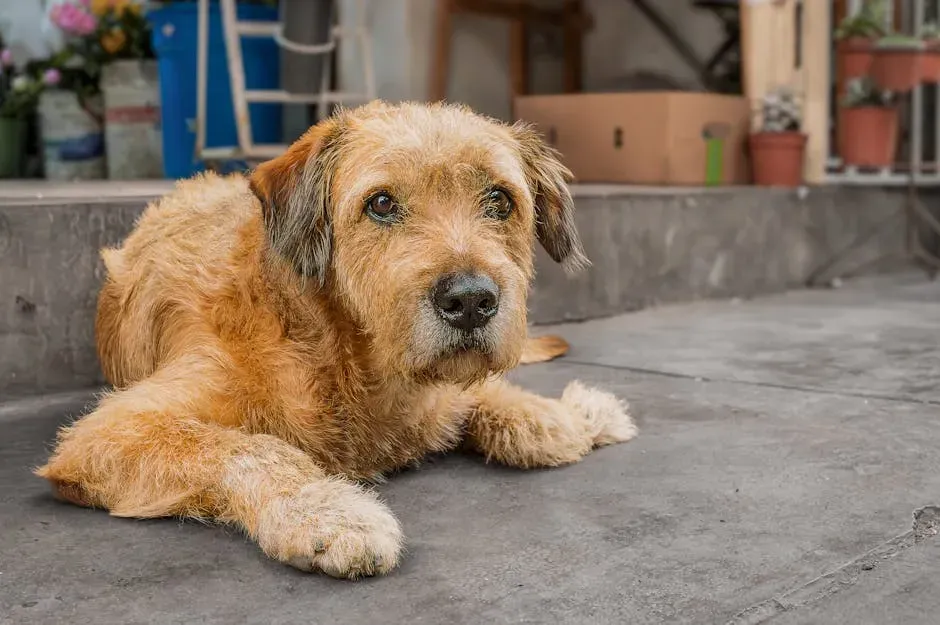
Another serious but often overlooked reason is canine cognitive dysfunction, basically the dog version of dementia. Dogs with cognitive decline can get disoriented more easily, even in familiar areas. The further they get from home, the more their internal compass starts to wobble, and that can be frightening. Sticking near the house becomes a way to avoid getting “lost” in their own neighborhood.
You might notice other small signs along with the clinginess to home: staring at walls, getting stuck in corners, pacing at night, forgetting housetraining, or seeming to “forget” where a favorite door is. Just like older people who feel safer staying close to their favorite chair, a dog with cognitive changes often narrows their world down to what feels most predictable. It is not stubbornness or laziness; it is their brain quietly changing how they navigate life.
Heart, Lung Or General Fatigue: Walks Become A Workout
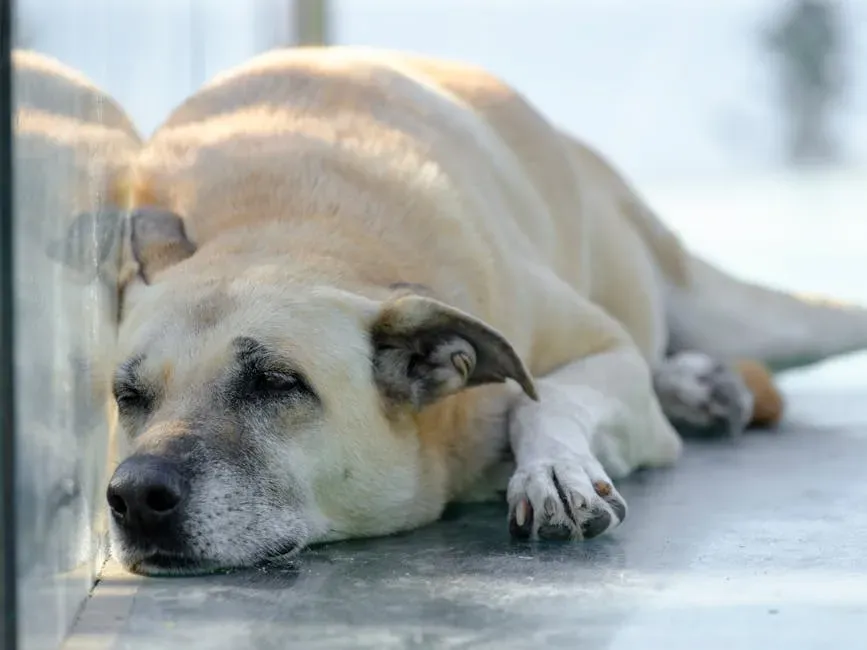
Sometimes, an older dog is not staying close to home because they are scared or confused, but simply because they are exhausted. Heart disease, lung problems, anemia, and other systemic issues can make long walks feel like a marathon. What looks like “I prefer the yard today” might actually be “I do not have the breath or stamina I used to.”
If your dog starts slowing dramatically on walks, stopping to rest more often, panting harder than usual, or lying down quickly after coming back, their reluctance to roam can be a big red flag. Dogs rarely complain the way humans do; instead, they shrink their activity level until it matches what their body can handle. The driveway, the block around the house, or even just the front yard become the entire exercise plan because anything more feels like too much.
Anxiety, Fear And Changing Emotional Needs
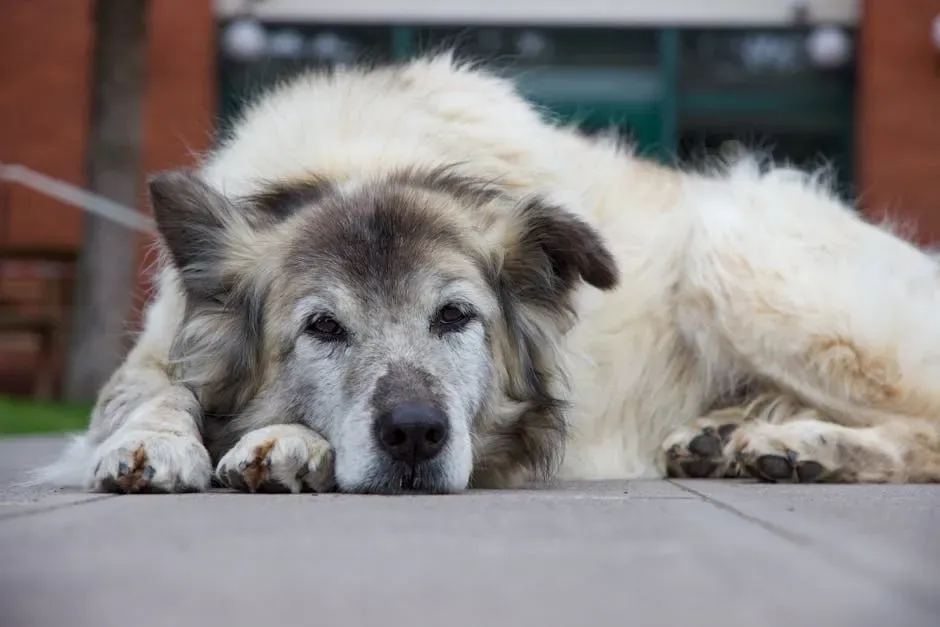
Older dogs can become more anxious over time, even if they were solid and confident in their younger years. Strange sounds, fast bikes, off-leash dogs, or unexpected crowds that used to be mildly annoying can turn into full-blown stressors when your dog’s resilience is lower. Home becomes their emotional anchor, the one place where they can predict the script.
You might notice them startling more easily, jumping at noises, or scanning their surroundings instead of sniffing normally. They may refuse certain parts of the route or insist on turning around at the same spot. This is not them being dramatic; it is their nervous system telling them that the outside world now feels like a busy, overbright shopping mall when all they want is a quiet corner café. Staying close to home is the canine version of protecting their peace.
Temperature, Terrain And Environmental Stressors
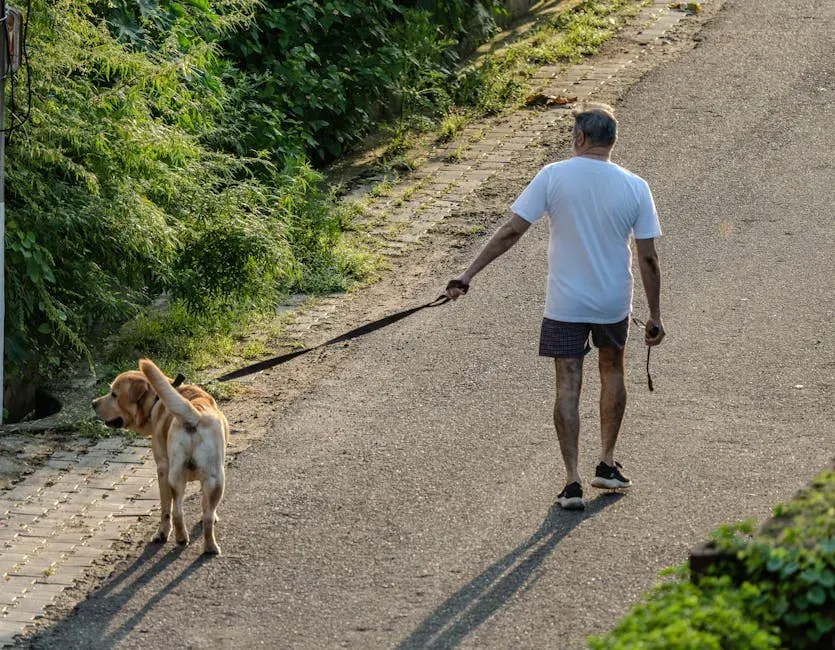
Senior dogs are often less tolerant of heat, cold, humidity, and rough surfaces. Pavement that used to be a minor discomfort can now feel like walking on hot coals or sandpaper to older paws. Steep hills, long grass, slippery sidewalks, or uneven trails can all become obstacles. When every step requires more effort or caution, the short, predictable circuit around your house suddenly looks like the best deal on the menu.
Pay attention to when your dog resists going farther. Do they turn back quicker when it is hot, cold, windy, or noisy? Do they hesitate on gravel, stairs, or slick floors? Sometimes the issue is not age alone but the combination of age and environment. In that case, their preference to stay near home is a perfectly rational adjustment, not a random quirk, and it is your cue to adapt walks and routines to what feels comfortable for their changing body.
Deep Attachment And The Subtle Approach Of The Final Chapter
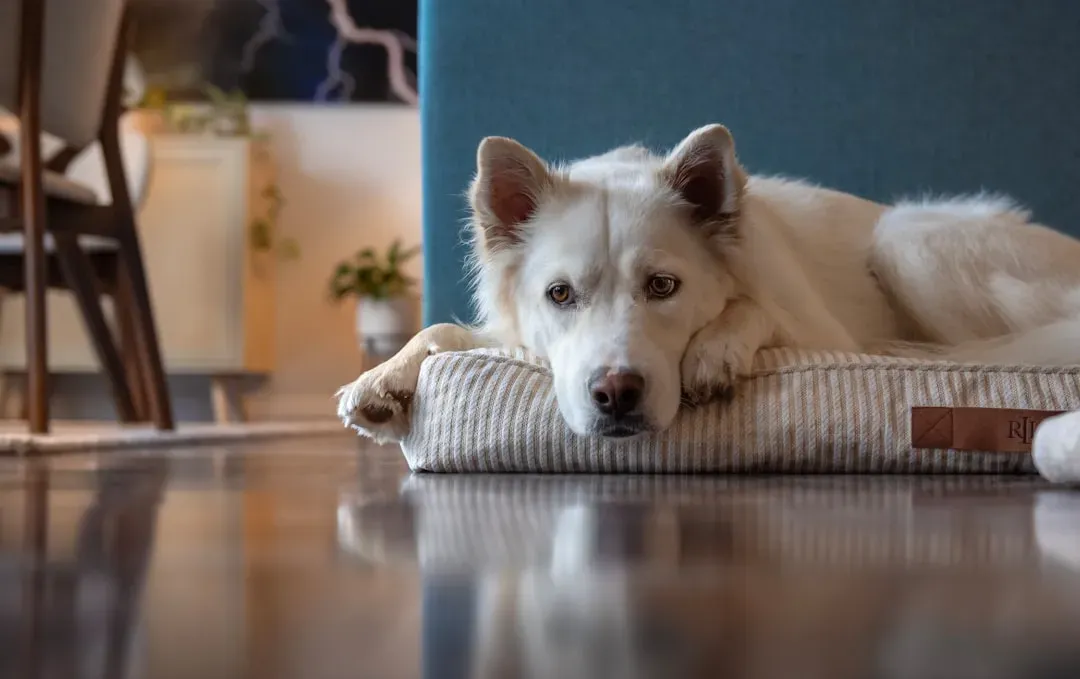
There is also a softer, more emotional possibility that is harder to measure but very real. Many older dogs naturally become more attached and home-focused as they sense, on some instinctive level, that they are in the later chapters of life. They may choose the spot where their favorite people sit, nap by the front door waiting for you, or resist going too far, as if they do not want to be separated from the center of their world for long.
Sometimes, a sudden desire to stay close can even be an early sign that a dog is not feeling well in a way that is hard to detect otherwise. They may not be in obvious crisis, but they may be conserving energy or quietly seeking comfort. It is bittersweet, but also strangely beautiful: as their world shrinks, they choose to fill it mostly with you, your home, and the routines that have always made them feel safe.
When To Worry, When To Adapt, And Why Your Gut Matters
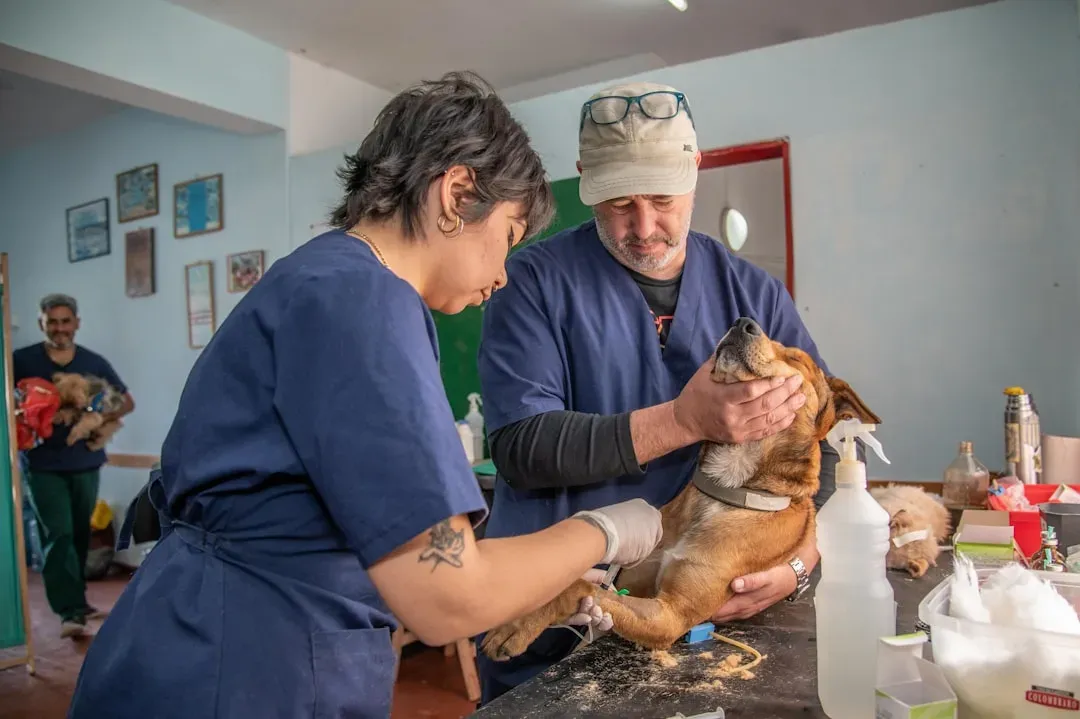
So when should you pick up the phone and call the vet, and when is it okay to just accept that your dog prefers shorter adventures now? Any sudden, dramatic change is worth checking out, especially if it comes with other signs like limping, coughing, heavy panting, confusion, weight loss, or changes in appetite, thirst, or sleep. A good rule of thumb is this: if your gut says “this feels off,” listen to it. You know your dog better than anyone.
At the same time, trying to force your senior dog to walk like they did at age three is a bit like demanding your grandfather start training for a marathon. Instead, think in terms of gentle adaptation: shorter, more frequent walks, softer surfaces, quieter routes, and a lot more patience. When you treat their new limits as information rather than disobedience, you turn frustration into care, and that shift can change both of your lives for the better.
Opinionated Conclusion: Love The Smaller World They Choose
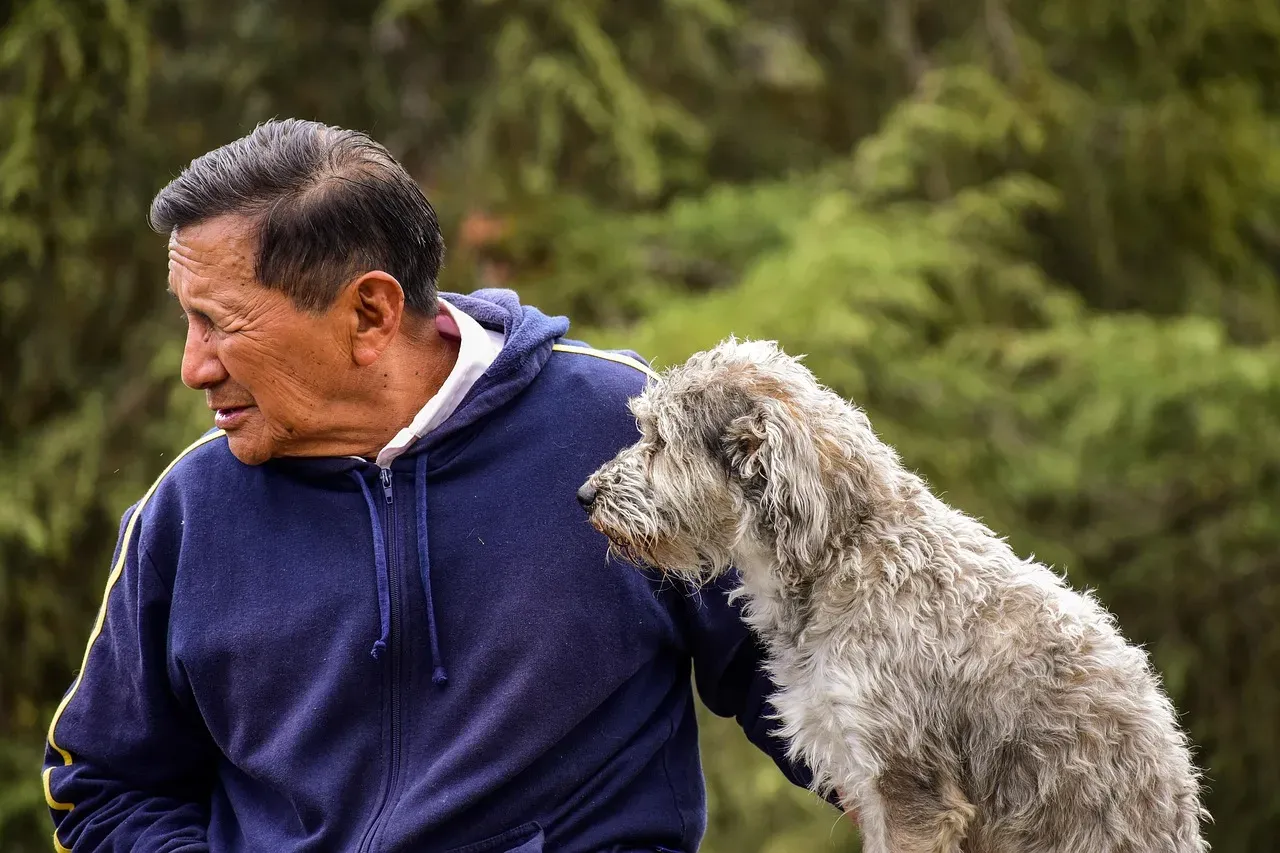
If your older dog suddenly wants to stay closer to home, it is not them giving up on life; it is them editing the parts of life that no longer fit. In my view, one of the biggest mistakes we make is clinging to what they used to be able to do, instead of honoring who they are now. We count the miles they no longer walk instead of noticing the quiet, content minutes they spend simply sitting next to us on the porch.
Yes, you should rule out pain and illness, and yes, you should take any gut concern seriously. But once you have done that, I think the kindest thing you can do is meet your dog exactly where they are, even if that is just a slow shuffle around the yard or a sniffing tour of the driveway. Their world may be shrinking, but your role in it is only getting bigger. In the end, the real question is not how far they still want to go, but how fully you are willing to walk with them in this last, quieter stretch of the journey.


