

#1: They Flinch at Ordinary Movements

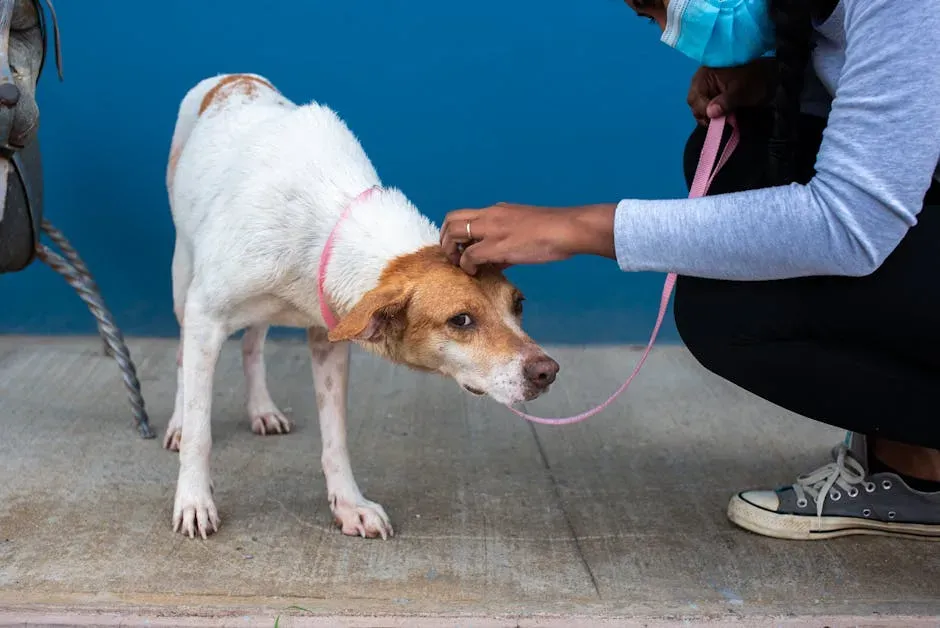
You reach down to scratch their ear and they duck. You grab a jacket off the couch and they back away. These aren’t random tics. Dogs who have been abused often display intense fear of humans, with common signs including flinching or pulling away when someone approaches or tries to touch them, often being especially sensitive to hands.
The flinch response is one of the most telling signs because it’s involuntary. It reveals a deeply learned association between human movement and incoming pain. Pets that have been abused may display a large emotional reaction to certain objects or situations – for example, a dog with a history of being punished with a belt may cower, crawl away, hide, or urinate in place when a new person picks up a belt to wear. The trigger doesn’t have to be dramatic. A raised hand, a quick step toward them, even the sound of a rustling plastic bag can set it off.
#2: They’re Terrified of Specific People or Objects
A dog can show signs of previous abuse as a result of interacting with objects or situations that remind them of the abuse – for example, seeing a belt can trigger a reaction in a dog that has been beaten with a belt before. What looks like random fear is actually highly specific memory. The dog isn’t being irrational. They’re remembering.
Triggers may arise naturally during routine care of the dog – reluctance to have their feet touched, fear of men with beards, or fear of white vans similar to the one they were transported in. Pay close attention to the pattern of what sets them off. A dog that shuts down around tall men in hats, or goes rigid when someone raises their voice, is telling you something precise about their past. These reactions are data, not drama.
#3: Extreme Submission That Goes Beyond Politeness

Submission in dogs can be normal, but when it becomes excessive, it may indicate emotional trauma. Overly submissive behavior is often a sign of abuse, especially when it’s rooted in fear, intimidation, or harsh discipline. There’s a clear difference between a dog that rolls over for belly rubs and one that rolls over and goes completely still just because you walked into the room.
While some dogs are naturally more submissive than others, an overly submissive dog may be displaying signs of abuse. Signs of extreme submission include rolling over with tail tucked when approached, cowering, and lying down or cowering while urinating. This kind of behavior often develops when a dog has been punished harshly, yelled at frequently, or exposed to unpredictable environments – creating a sense of learned helplessness where the dog tries to avoid any behavior that might result in conflict.
#4: Separation Anxiety That Seems Way Out of Proportion

Separation anxiety is one of the most common emotional signs of abuse, particularly in dogs who have been rehomed, abandoned, or frequently relocated. When these dogs are left alone, even for a few minutes, they can experience overwhelming distress rooted in fear of abandonment. It’s not clingy behavior for attention. It’s survival-level panic.
Dogs who have experienced abandonment or prolonged isolation may develop an intense fear of being left alone, exhibited through excessive barking, whining, destructive behavior, attempts to escape, or self-harming behavior. Psychological abuse of animals may also lead to the development of separation disorders such as separation anxiety. If your dog loses it completely the moment you head toward the door – shaking, howling, destroying things – their history almost certainly includes instability or abandonment.
#5: Hypervigilance and the Inability to Relax

A dog who has lived in an environment of constant stress may be on permanent high alert for potential threats. You may notice constant scanning of the environment, overreacting to sounds or movements, jumping or barking at seemingly minor stimuli, and difficulty relaxing. This isn’t an energetic dog being playful. It’s an exhausted nervous system that never learned how to power down.
If your dog is extra alert, startles quite easily, or scans their environment constantly, this signifies they are suffering from hypervigilance – a common symptom of trauma. This uncertainty causes dogs to always have their guard up, making them more excitable. Always being prepared for a precarious situation may also explain the hyperactivity of abused animals. You’ll notice these dogs rarely sprawl out comfortably. They sleep with one eye open, always bracing for something to go wrong.
#6: Defensive or Fear-Based Aggression
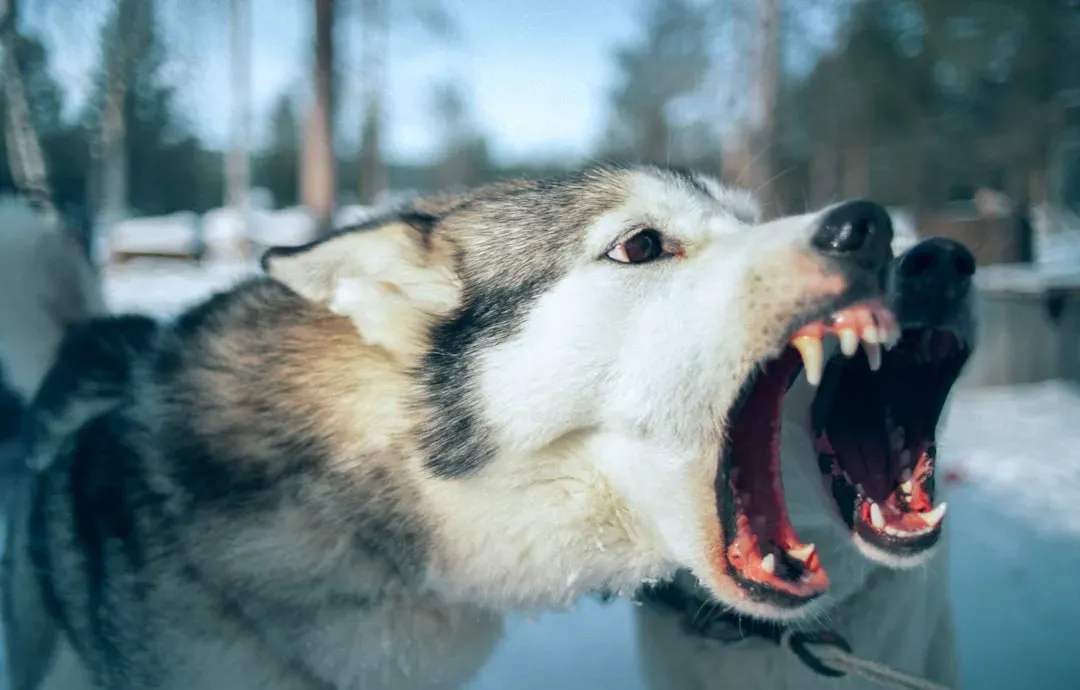
People often misunderstand aggression in abused dogs as unprovoked, but it is typically defensive – a way to protect themselves from further harm. A dog that growls, snaps, or lunges when cornered isn’t being dominant or dangerous by nature. They’re operating from a very honest place of self-protection.
Aggression in rescue dogs can stem from fear or past experiences of abuse. This type of aggression is often defensive, as the dog feels the need to protect itself from perceived threats. Signs can include growling, barking, snapping, or biting. It’s important to recognize that this behavior is not a sign of a “bad” dog, but rather a coping mechanism developed to survive in a threatening environment. Dogs experiencing stressful events early in life tend to develop behavioral disorders such as increased hostility towards people and other dogs.
#7: Food Guarding or Eating Like Every Meal Might Be the Last

When a dog has experienced hunger or food insecurity, eating becomes tied to survival rather than comfort. The fear of losing a meal can cause them to react defensively, even in safe environments. This behavior is rooted in emotional trauma, not dominance or stubbornness. Watch how your dog approaches their bowl. A dog who trembles, eats frantically, or guards their food aggressively is carrying a very specific kind of memory.
Dogs that have experienced food scarcity or deprivation may become protective of food, toys, or even their resting area. Does your dog scarf their food down so quickly that you wonder if they’re actually tasting it? That frantic pace isn’t just habit. It’s the body acting as though food could disappear at any moment, the way it once did. Consistent, calm mealtimes can gradually help ease this, though it often takes considerable time.
#8: Withdrawal, Hiding, and Social Shutdown
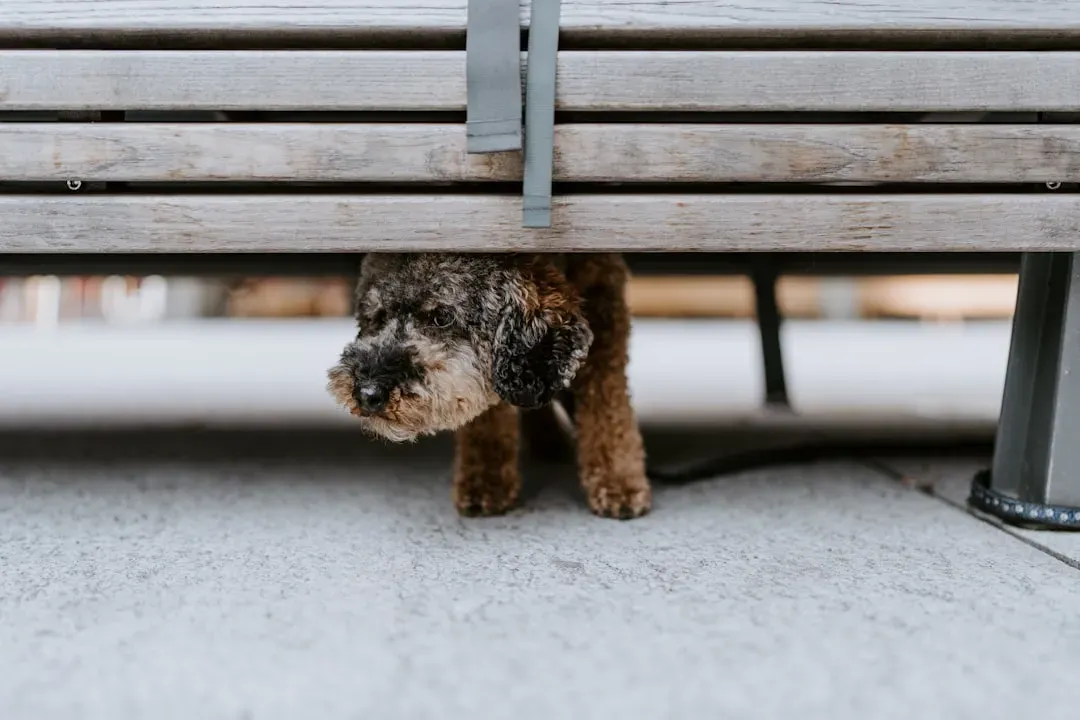
Traumatized dogs may exhibit withdrawal behaviors, appearing lethargic or uninterested in play and interaction. They may isolate themselves, avoid eye contact, and seem disinterested in activities that typically bring joy to dogs, such as playing with toys or going for walks. This withdrawal can be a defense mechanism, as the dog may have learned that engaging with others leads to negative experiences.
Previously abused dogs can display different signs and a wide variety of emotions, including shyness or social withdrawal, mistrust, physical inactivity, fear, and depression. Seeking refuge in small, enclosed spaces within the home, such as under furniture or in crates, is a common indicator. A dog that consistently disappears into a corner or under a bed isn’t being antisocial. They’re telling you that open, exposed spaces don’t feel safe to them yet.
#9: Unexplained Physical Signs That Don’t Quite Add Up

If your dog was too skinny or had healing wounds when you adopted them, it’s fairly obvious they were neglected in their previous home, but some symptoms are more subtle. Nails that are longer than they should be, fur that doesn’t seem very healthy, walking with an unusual gait, and having places on their body that they don’t like to be touched are all signs that they may have been abused.
Dogs who have experienced physical abuse or harsh handling may become fearful of being touched, especially in specific areas associated with negative experiences. A dog that recoils when you touch their back, or goes stiff when you reach near their muzzle, may be telling you exactly where they were hurt before. While dogs typically receive a veterinary assessment upon arrival at a shelter, it’s still important to take your dog to a veterinarian for an evaluation shortly after adoption to establish proper care. A thorough physical exam can uncover things a brief shelter intake simply couldn’t catch.
What You Can Actually Do About It

Knowing these signs is the first act of real advocacy for your dog. Once you recognize what you’re dealing with, you can stop trying to “fix” behaviors that aren’t problems – they’re communications. Pets with a history of severe mental and physical trauma may need a lot of emotional support and management, and their new pet parents must understand that there are likely no quick fixes. Abused pets with behavioral disorders may need a more comprehensive behavior-modification plan, and may benefit from the assistance of a board-certified veterinary behaviorist or a certified applied animal behaviorist.
Creating a stable environment with a consistent daily routine is crucial for a formerly abused dog. Regular feeding times, walks, and bedtime routines provide a sense of safety and help them understand what to expect, reducing stress and fear. Although a dog who hasn’t undergone trauma may adjust to something in days, it can take an abused dog three to six months or more to adjust to a new environment, new people, and so on. That’s not a long time when you think about how much they’ve already been through.
A Final Thought

Here’s the thing about adopting a traumatized dog – you didn’t rescue them and then your work was done. In many ways, the real work started the day you drove them home. With steady kindness, predictable routines, and patient training, they gradually learn that not all people will hurt them. In safe environments, their nervous systems have a chance to reset. Instead of expecting punishment, they start to anticipate treats, walks, and gentle touch.
The signs in this article aren’t a checklist of problems. They’re a map of everything your dog survived before they found you. For some animals this shift takes months, for others years, and some may always carry traces of fear. Yet the capacity for trust often remains, even after severe trauma. That capacity is exactly what you’re nurturing every single day – whether you realize it or not.
The dog curled at your feet, the one still learning that a raised hand means nothing but affection – they chose to stay. That says more about resilience than most of us will ever fully understand.


