
9 Things a Dog May Do Differently Once They Finally Feel Like Your Home Is Theirs Too
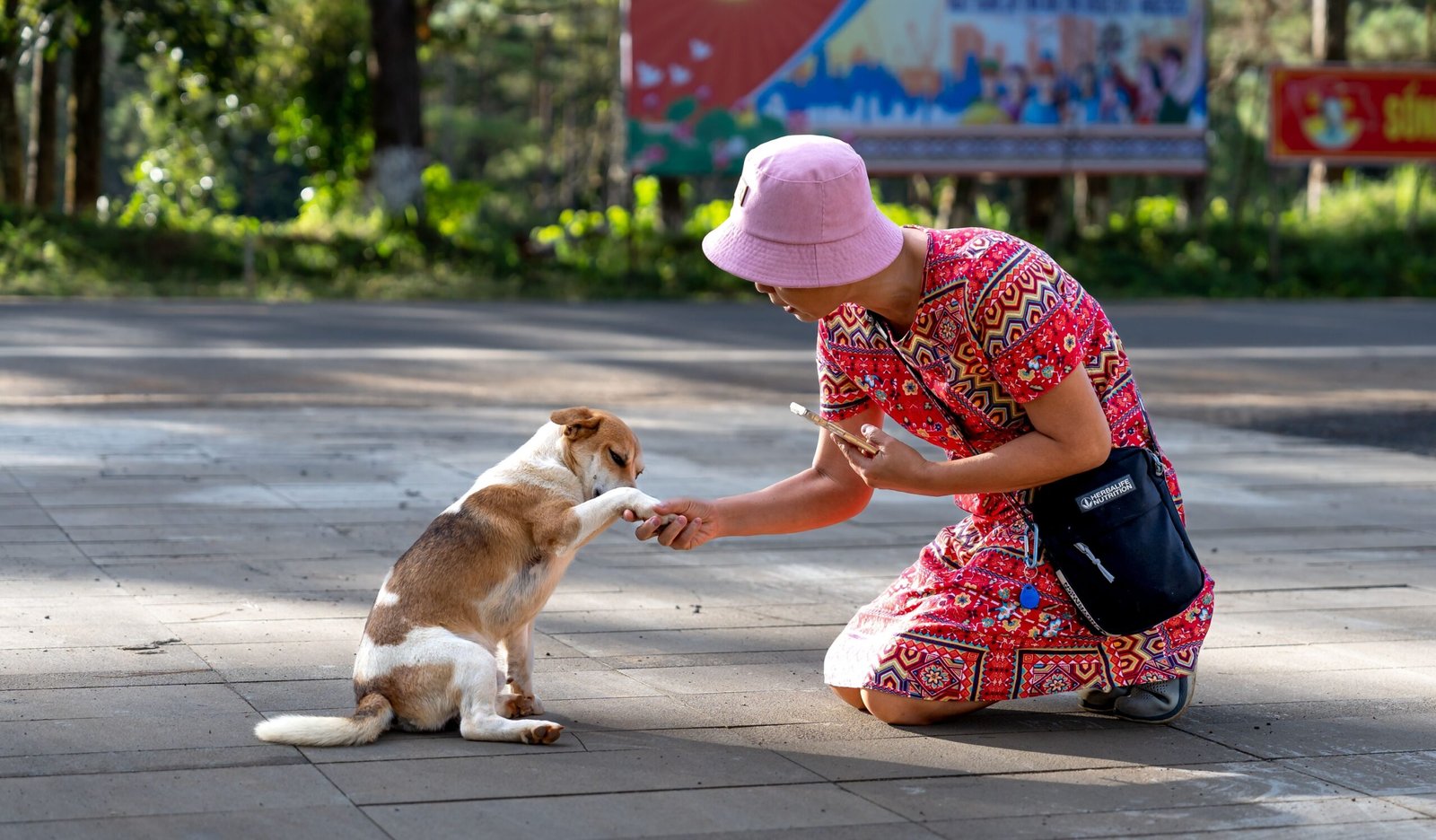
You can tell the exact moment a house starts to feel like a home. The air changes a little, routines settle, and suddenly the quiet feels comforting instead of empty. Dogs go through their own version of that shift, but they do not announce it with words. They show it through tiny, funny, sometimes chaotic changes in how they move through your space and how they move through your life.
If you have ever wondered whether your dog actually feels like they belong with you, or if they still seem a little on edge or unsure, the signs are often hiding in plain sight. As they start to relax, trust you, and claim the space as their own, their behavior can transform in ways that are both heart-melting and occasionally inconvenient. Here are nine of the clearest (and most adorable) .
1. They Choose “Their Spot” And Actually Settle There
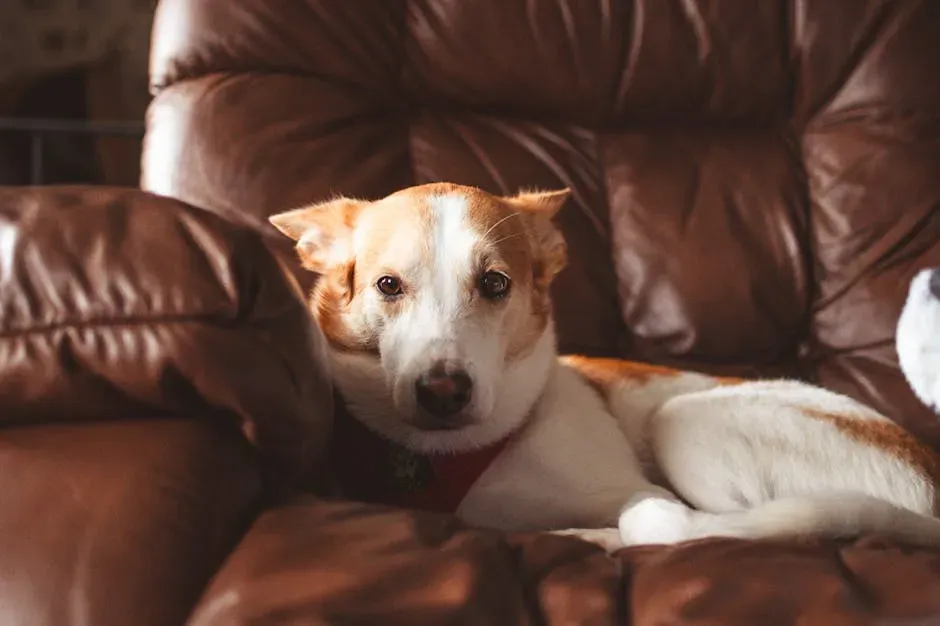
One of the first signs a dog truly feels at home is when they stop hovering and start claiming. Instead of pacing, lingering by doors, or sticking to the edges of rooms, they pick a spot – maybe the corner of the couch, the rug by the window, or the foot of your bed – and you notice they keep going back there. It is not random; it is their version of hanging a little mental sign that says, “This is my place now.”
Over time, you might see them sprawl out, roll on their back, or fall into that deep dog sleep where their lips twitch and paws wiggle like they are chasing dreams. Dogs in unfamiliar or stressful environments rarely relax this way because staying alert feels safer. When they finally curl up without flinching at every sound, that is their body telling you what their words never could: they trust that this space – and the people in it – are safe.
2. They Start Following You Around For Comfort, Not Just Survival
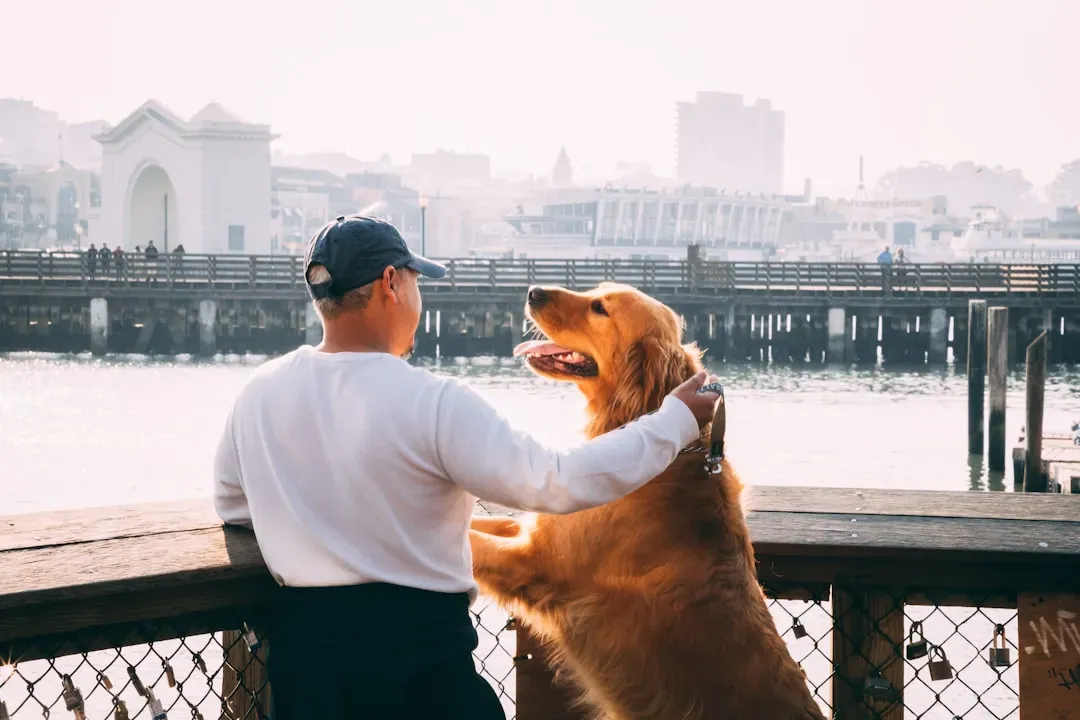
Plenty of dogs are shadows from day one, but there is a big difference between anxious trailing and relaxed companionship. A dog who does not quite feel at home may follow you with tense body language, stiff posture, and wide, watchful eyes, as if they are constantly checking what comes next. When your home becomes their home too, that same following behavior softens into something more like quiet loyalty and curiosity.
Instead of tracking your every move like a security guard, they casually pad after you, flop at the bathroom door, or nap nearby while you work. They know you will come back, so they do not panic; they just like being near their person. It is a subtle shift, but when you notice the vibe change from clingy or uncertain to “I just like being where you are,” that is a huge emotional milestone for both of you.
3. They Play More Freely And Get Goofier
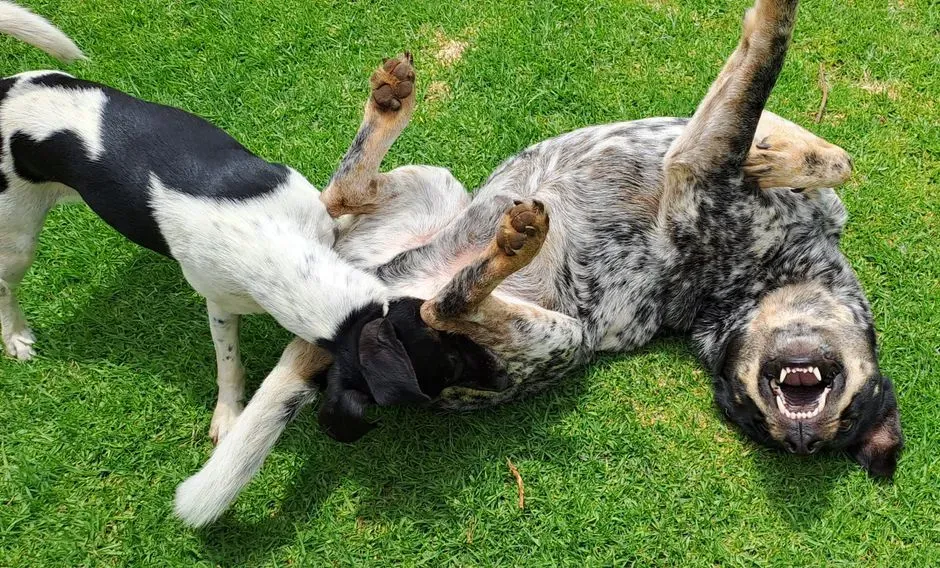
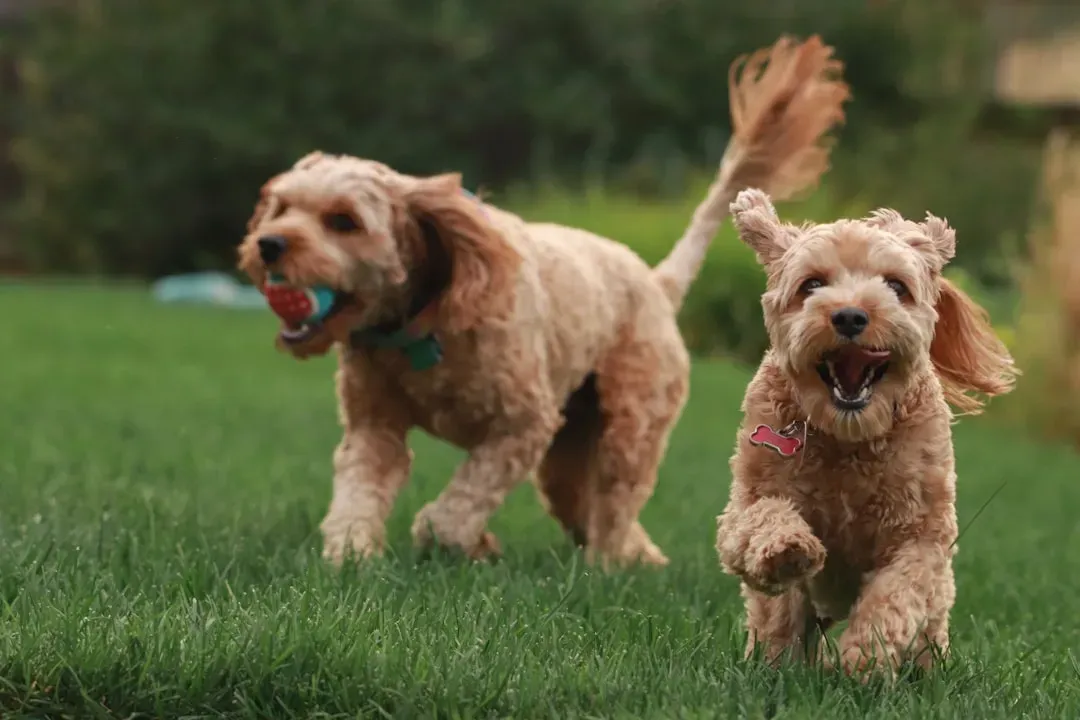
Real comfort in a space often looks like silliness, and dogs are no exception. A dog that is unsure, newly adopted, or still adjusting can seem a little restrained in play: short bursts, quick stops, watching your reaction constantly. Once they feel that they truly belong, you may see wild zoomies down the hallway, epic toy tosses in the living room, or those ridiculous full-body wiggles that look like their joy cannot fit inside their skin.
Play is not just entertainment for dogs; it is also a powerful sign of emotional safety. When a dog feels secure in a home, they are more likely to initiate games with you, bring you toys, or invite you into their fun with a bouncy bow or a teasing trot just out of reach. The living room suddenly turns into their playground, and you go from “person who feeds me” to “partner in crime,” which is when the real bond starts to deepen.
4. They Sleep Deeper, Longer, And In More Vulnerable Positions
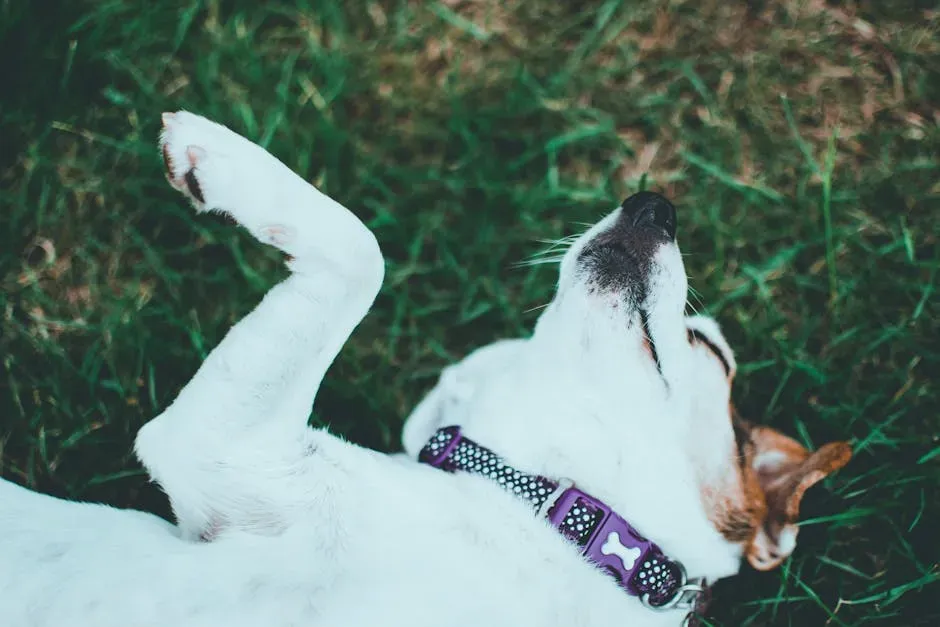
Sleep is one of the most honest things about a dog. In a place they do not fully trust, many dogs stick to curled-up, tight positions in corners or near exits so they can spring up quickly if something feels off. When your home truly becomes theirs, they start stretching out, exposing their belly, or sleeping on their side with limbs flopped in every direction, sometimes snoring loud enough to rattle the furniture.
That “dead to the world” sleep you see is not laziness; it is trust in action. A dog that can sink into long, uninterrupted rest is a dog whose nervous system finally believes, “I am safe here.” You might also notice they move their sleeping spot closer to where you sleep over time. That drift – maybe from crate in the kitchen to bed in the bedroom – often mirrors the emotional shift from guest to family.
5. They Show More Of Their True Personality (Even The Naughty Parts)
When dogs are new or unsure, they often act a little reserved, like a guest on their best behavior. At first you might think, “Wow, what a calm, quiet dog,” only to discover months later that you actually adopted a mischievous sock thief with a secret talent for counter surfing. As their comfort grows, their real quirks, preferences, and opinions start coming out, sometimes in ways that make you laugh and occasionally in ways that test your patience.
This shift can be surprising, especially with rescue dogs, but it is usually a good sign. It means they feel safe enough to express themselves, to push tiny boundaries, and to communicate what they like and dislike. Maybe they start “talking” more, nudging your hand for pets, objecting when you stop playing, or insisting on the exact spot on the couch they want. Underneath the minor chaos, what you are really seeing is a dog who no longer feels like a visitor in your life.
6. They Become Braver About Exploring The House
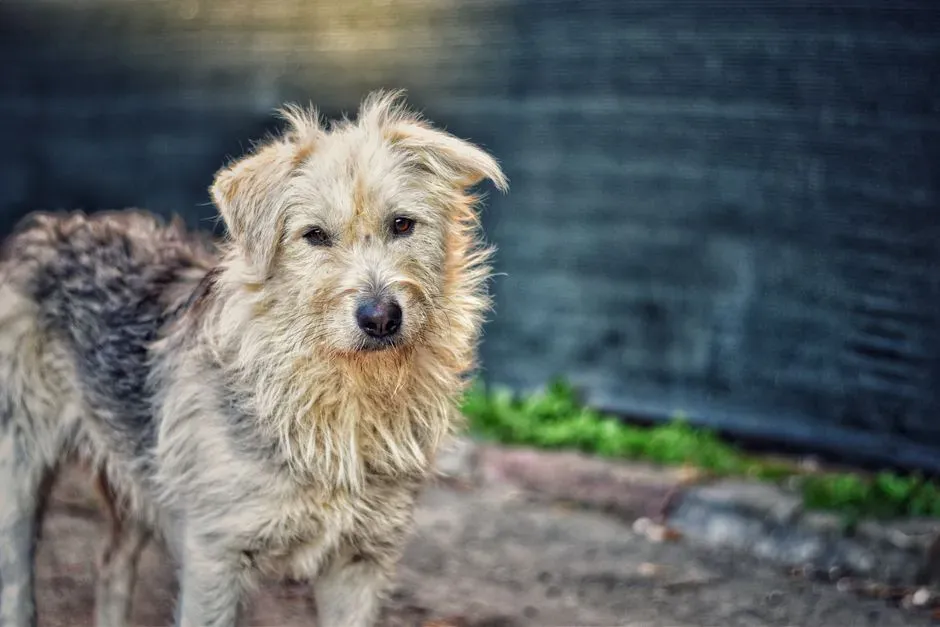
In the beginning, many dogs stick to one or two “safe” zones and avoid the rest of the house, especially hallways, stairs, or rooms with odd echoes or slippery floors. Once your home feels familiar, those no-go areas slowly turn into curious adventures. You might catch them sniffing around rooms they used to ignore, confidently trotting up and down the stairs, or finally walking into that weird back room they used to peek at from a distance.
This growing curiosity usually comes with more relaxed body language: tail held at a natural height, ears soft, and movement that is less stop-and-start. In a way, they are mentally mapping the space and making it part of their internal “territory,” which is completely different from territorial aggression. It is more like how you feel when you finally walk around your own neighborhood instead of just driving through it as a stranger.
7. They Greet You Like You Are The Best Part Of Their World
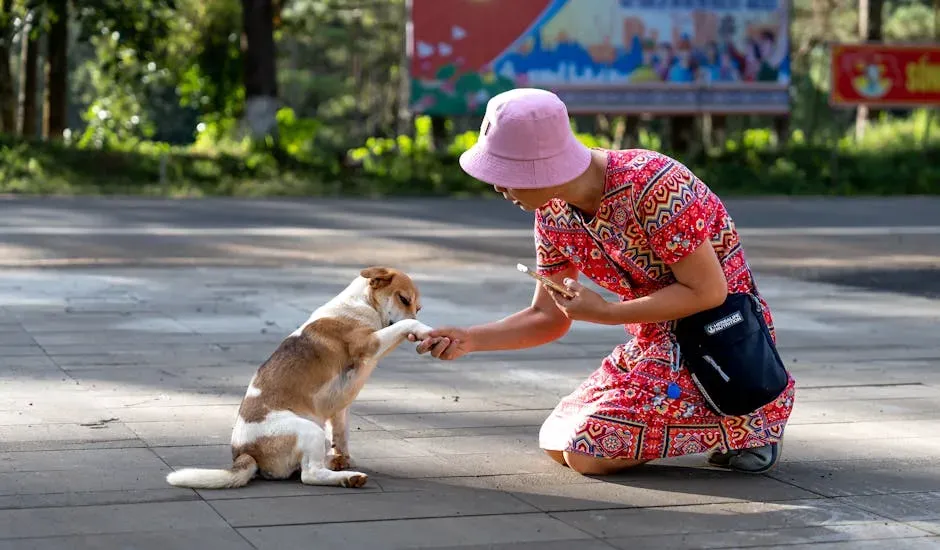
Even shy or introverted dogs often develop some kind of signature greeting once they feel secure at home. At first, a dog who is not quite settled might greet you cautiously or not at all, unsure how you will react or if you are even coming back. As their sense of belonging grows, that front door moment can turn into a small daily celebration – tail swishes, happy spins, maybe a toy proudly paraded around like a trophy.
What matters is not how dramatic the greeting looks but how consistent and relaxed it becomes. You start to see hope instead of worry in their eyes when they hear your keys or footsteps. They are no longer just relieved that you returned; they are genuinely excited because in their mind, you are no longer just “the human in this house.” You are home, and they are too.
8. They Trust You More In Scary Or Unfamiliar Situations
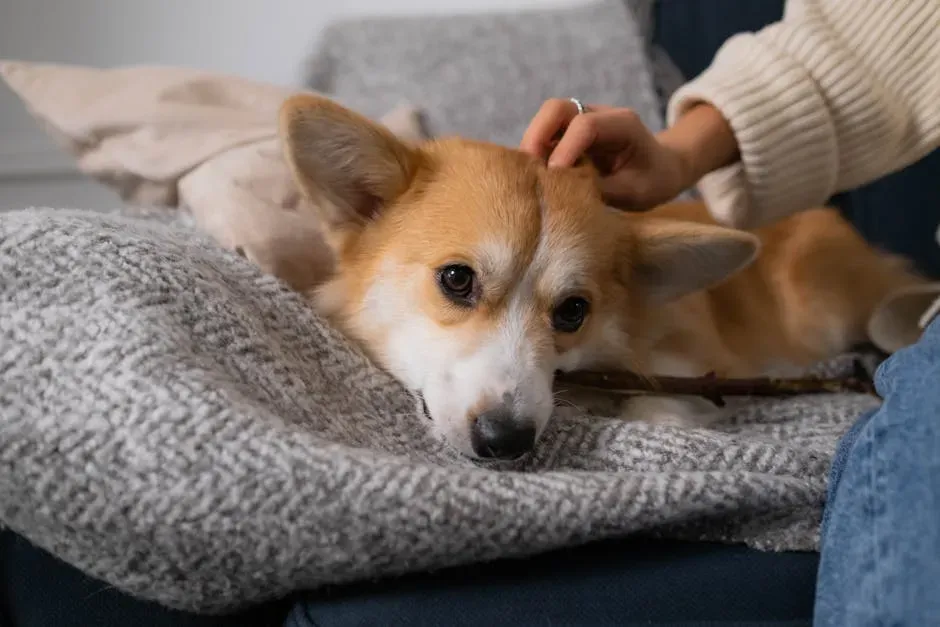
Feeling at home is not only about what happens inside your four walls; it is also about who they turn to when the world feels overwhelming. A dog that does not fully feel like they belong may shut down, hide, or panic during scary moments, barely noticing whether you are there. As your bond deepens and your home becomes their emotional base, they often start using you as a kind of anchor when they are unsure.
You might notice them leaning into your legs during thunderstorms, checking your face when they hear a strange noise, or coming to you after something startles them outside. That little glance or lean says, “What do we do about this?” instead of “I am alone with this.” It is one of the most humbling signs of trust, and it grows out of a daily foundation of safety, routines, and gentle consistency inside the home.
9. They Relax Into The Routine – and Start Shaping It Too
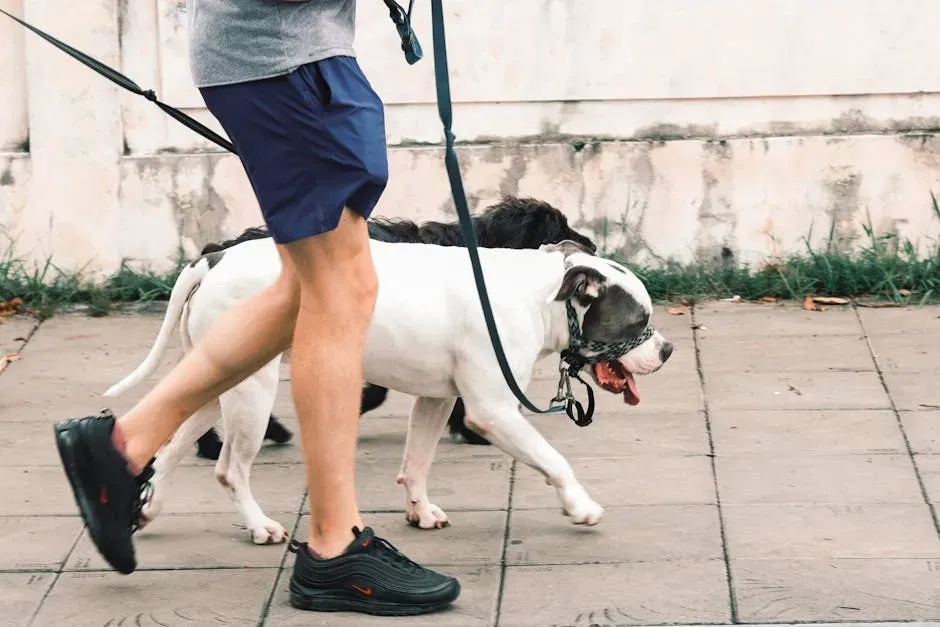
Dogs are creatures of habit, and once they feel like they truly belong in a home, they learn the rhythm of the household and then begin to nudge it in their favor. At first they may just observe: when you wake up, when you eat, when you leave, how evenings flow. Later, they start to anticipate and participate, like showing up at the door around walk time, heading to bed when you turn off the lights, or reminding you that dinner is “late” by their standards.
When they really own the space emotionally, they sometimes reshape your routine entirely. Maybe you now take morning walks you never used to, or you find yourself going to bed earlier because they are snoring on your lap and you do not want to move them. That mutual adjustment – where you both adapt to each other – is the quiet proof that the house is no longer just yours. It is a shared life, and your dog is a full, opinionated member of it.
Conclusion: When A House Becomes “Ours” Instead Of “Mine”
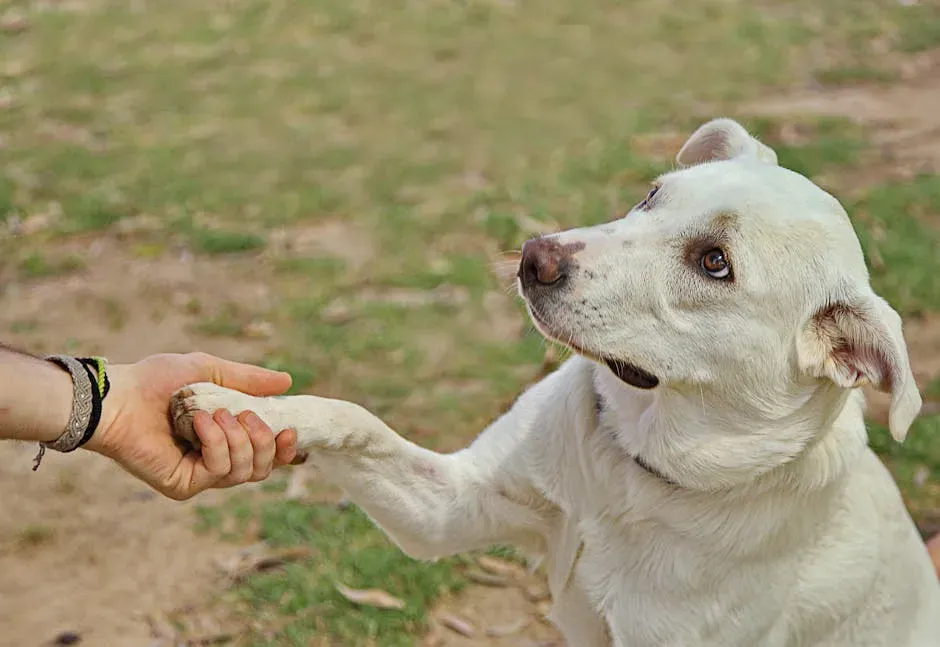
Watching a dog slowly shift from guest to co-owner of your space is one of those subtle, everyday miracles that is easy to miss if you are not looking for it. The zoomies in the hallway, the stretched-out naps, the bratty little quirks that suddenly appear months in – these are not just random behaviors. They are the story of trust being built piece by piece, in the small details of shared days and predictable routines.
I honestly think the goal is not a perfectly obedient dog in a perfectly controlled house; it is a life where you can feel your dog relax into belonging and where you let them change the shape of your days a little. Some fur on the couch, a few chewed toys, and a dog snoring loudly in the corner are often the real signs of success. When you look around and realize the place feels less like “my house with a dog in it” and more like “our home,” that is when you know you are both finally where you are meant to be. Did you expect the clearest signs of that to be this small and this beautiful?