

Dogs notice the small shifts in a household long before suitcases appear by the door. They pick up on changes in schedules, the sound of drawers opening more often, and even the way conversations turn toward plans that do not include them. Owners often wonder how their pets seem to sense an upcoming trip days or even a full week ahead.
These behaviors rarely look dramatic at first. Instead they unfold quietly through everyday habits that suddenly feel slightly off. Paying attention to the pattern can reveal just how tuned in a dog really is to the rhythm of home life.
They Follow You From Room to Room More Closely
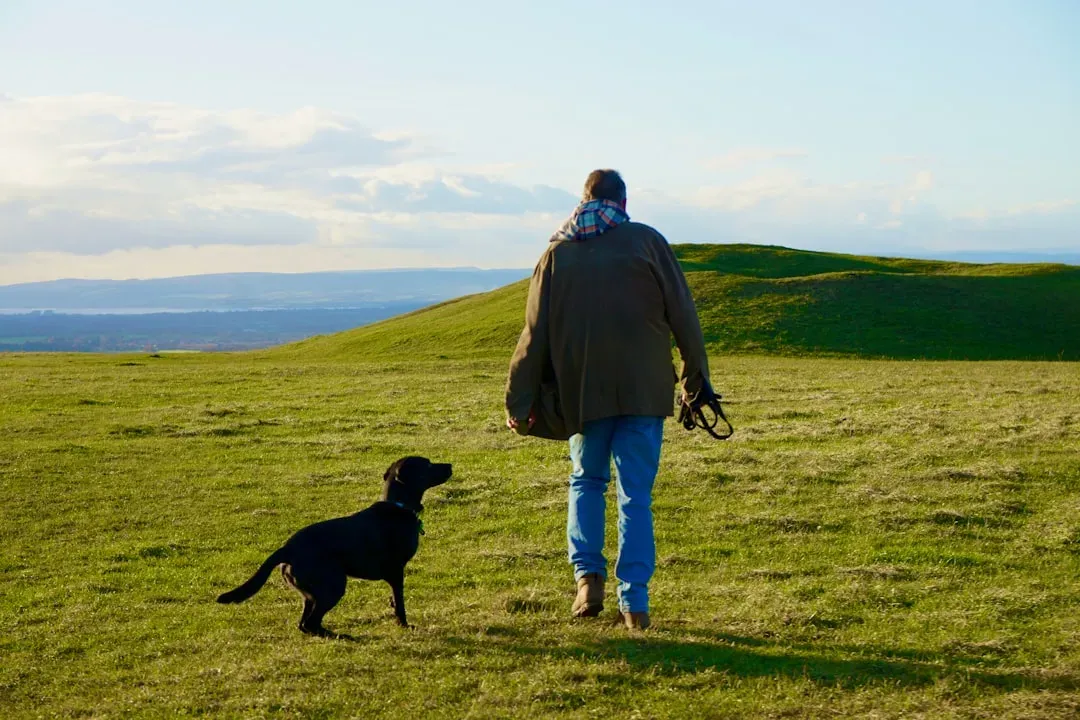
Many dogs begin to trail their owners with unusual persistence in the days leading up to a trip. What once felt like normal companionship turns into constant presence, almost as if the dog refuses to let anyone out of sight. The behavior often starts gradually, showing up during routine tasks like making coffee or folding laundry.
Owners report that the dog positions itself in doorways or sits just outside the bathroom, waiting for the next move. This shadowing can feel endearing at first, yet it carries a quiet intensity that differs from ordinary attachment. The pattern tends to build as the departure date draws nearer.
Their Eating Habits Shift Without Obvious Reason

A dog that normally finishes meals quickly may begin to pick at food or leave portions untouched. Others suddenly show interest in treats they usually ignore, almost as if seeking extra reassurance through familiar flavors. These changes rarely stem from illness and instead align with the household preparing for absence.
Some dogs eat faster than usual, finishing bowls in record time as though worried the food might disappear. The shift often appears midweek before travel and can last until the routine settles again after return. Owners who track feeding times notice the inconsistency stands out against the rest of the calendar.
They Become More Vocal in Subtle Ways

Whining or sighing at odd moments replaces the usual quiet companionship. A dog might vocalize softly when an owner packs a bag or steps out for a short errand, even though departures normally pass without comment. The sounds carry a different tone, less demanding and more observational.
These vocalizations tend to occur during moments of transition, such as when suitcases emerge from storage or when phone calls mention flights. The dog does not bark in alarm but instead offers small comments that feel like quiet protests. The pattern repeats across several days rather than appearing as a single outburst.
Suitcases Trigger Intense Investigation

Once luggage appears, many dogs spend extra time sniffing the edges and circling the bags with focused attention. They may rest their chin on the edge of an open suitcase or lie beside it for longer stretches than normal. The interest goes beyond casual curiosity and feels almost investigative.
Owners often find the dog returning to the same spot repeatedly throughout the day. The behavior intensifies as more items get added to the bags. It serves as one of the clearest early signals that the dog connects the objects with upcoming change.
Sleep Patterns Grow Restless

A dog that usually settles quickly at night may pace before lying down or wake earlier than its typical schedule. Short naps during the day become fragmented, with the dog checking on owners more frequently between dozing periods. The restlessness rarely involves outright distress yet stands out against the usual calm.
Some dogs choose new sleeping spots closer to the bedroom door or even on the threshold. The change often begins several days before departure and eases once the trip concludes. Owners notice the difference most clearly when comparing the week before travel to ordinary weeks.
They Seek Extra Affection at Unexpected Times

Dogs may lean against legs more often or request petting during moments when they normally entertain themselves. The requests feel gentle rather than pushy, almost as though the dog wants to store up contact before a gap appears. These moments cluster around times when owners handle travel documents or check weather forecasts.
The extra affection sometimes appears in the form of bringing toys over or initiating short play sessions that end with the dog staying close afterward. Owners describe the behavior as a quiet campaign for reassurance. It tends to fade once the trip begins and the new routine takes over.
Mild Signs of Anxiety Surface During Routine Tasks
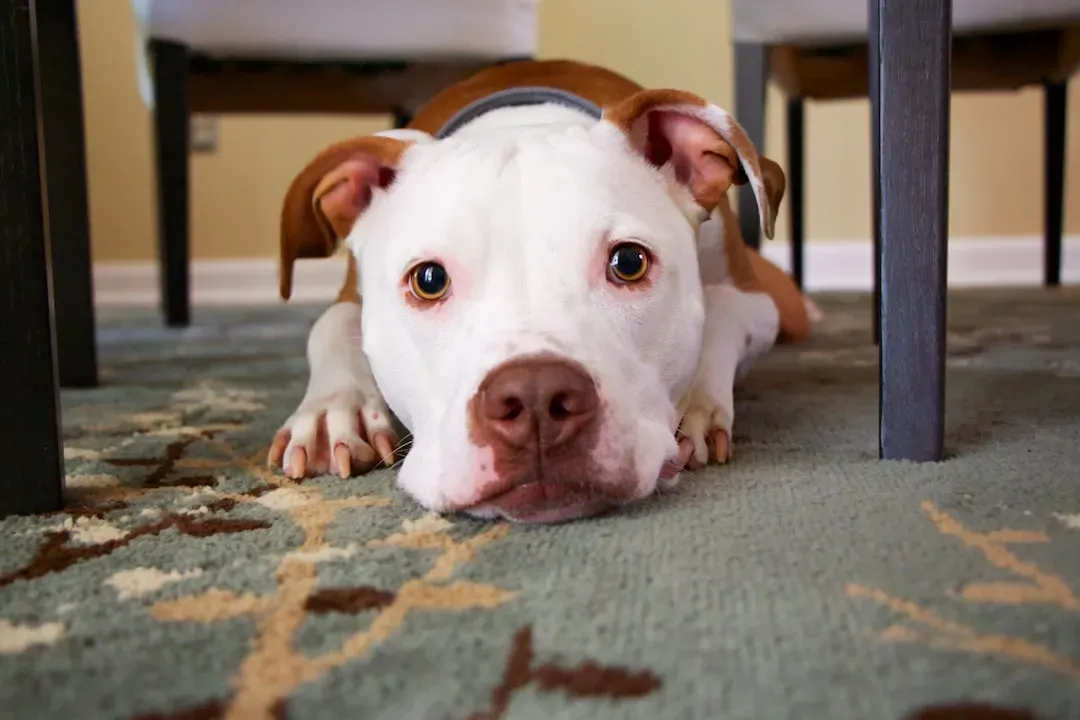
Light paw licking or yawning at moments that never triggered it before can appear in the days leading up to departure. A dog might stretch more frequently or shake its coat as though releasing tension. These signals remain subtle and do not escalate into full anxiety episodes.
The behaviors often coincide with specific triggers such as the sound of the washing machine running extra loads or the smell of laundry detergent used for travel clothes. Owners who know their dog well recognize the difference from ordinary habits. The signs usually resolve once the household returns to its normal rhythm.
They React to Small Changes in Daily Schedule
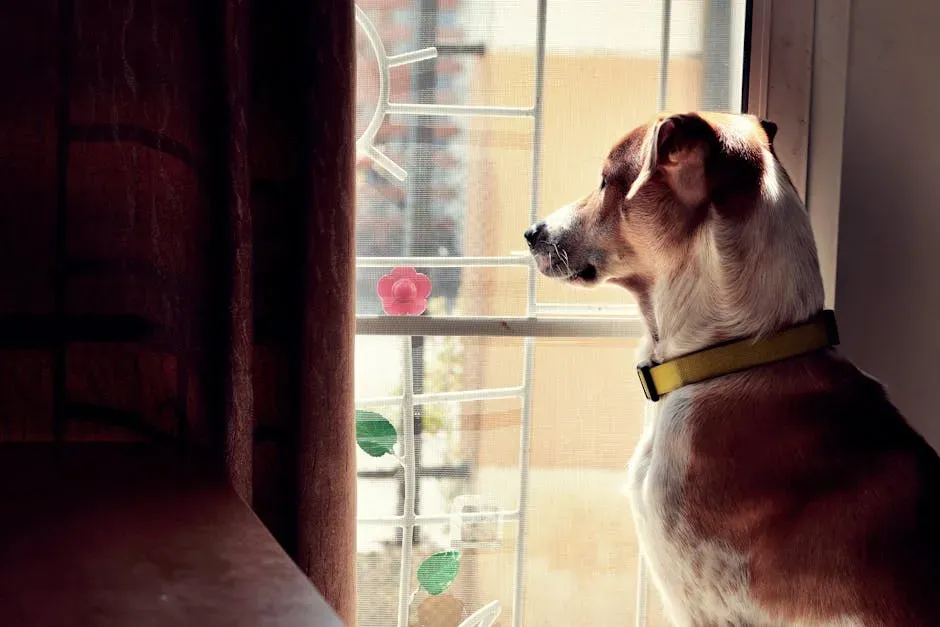
Even minor adjustments, like an earlier walk or a skipped evening game, draw more notice than usual. The dog may pause at the door or glance toward the clock as though expecting the regular sequence to continue. These reactions highlight how closely the animal tracks household timing.
Owners sometimes observe the dog waiting by the leash hook at the usual hour even when plans shift. The sensitivity extends to meal times and bedtime routines that drift by even half an hour. The pattern underscores the dog’s awareness that something larger is approaching.
They Show Unusual Calm or Withdrawal on the Final Day
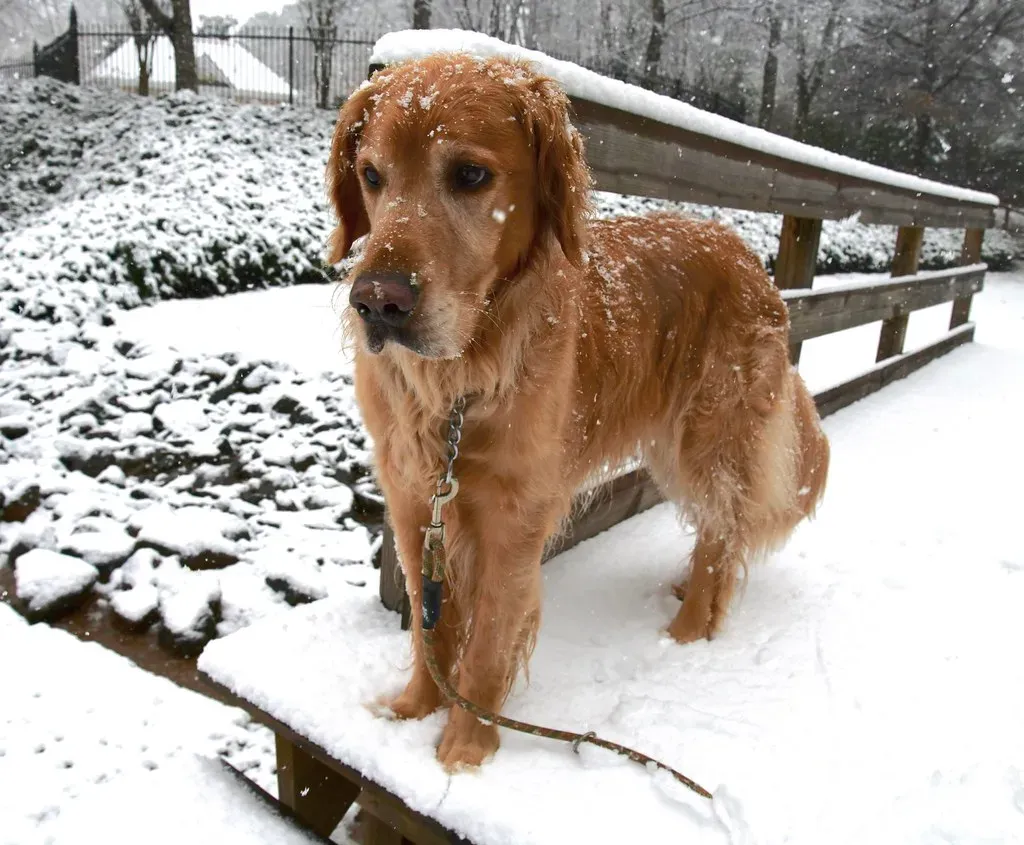
Some dogs grow unusually quiet the morning of departure, choosing a spot with a clear view of the front door. Others display a brief burst of energy followed by settling into a corner as though conserving energy for the change ahead. The shift feels deliberate rather than random.
This final-day behavior often contrasts with the increased activity of the preceding week. Owners interpret it as the dog acknowledging the moment has arrived. The calm or withdrawal serves as the last clear indicator before the household separates for the trip.
Dogs demonstrate remarkable sensitivity to the rhythms that shape a home, and these small signals remind owners how closely their pets observe daily life. Recognizing the pattern can help ease the transition for everyone involved. In the end, the bond between dog and owner often feels stronger precisely because both sides notice the upcoming change.


