
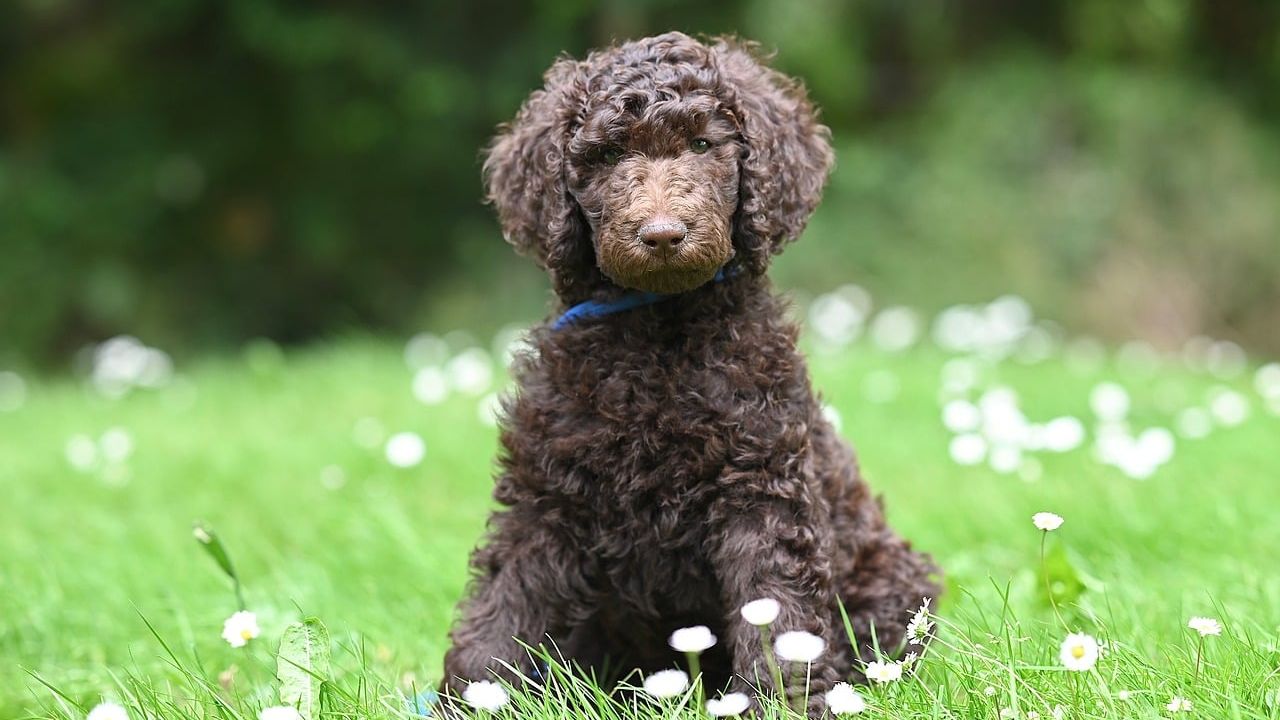
Dogs often pick up on subtle shifts in our bodies long before we notice them ourselves. Their noses detect changes in scent that signal the early stages of illness, and their loyalty keeps them close during those moments. This quiet attentiveness turns some breeds into natural companions when health feels uncertain.
Labrador Retriever
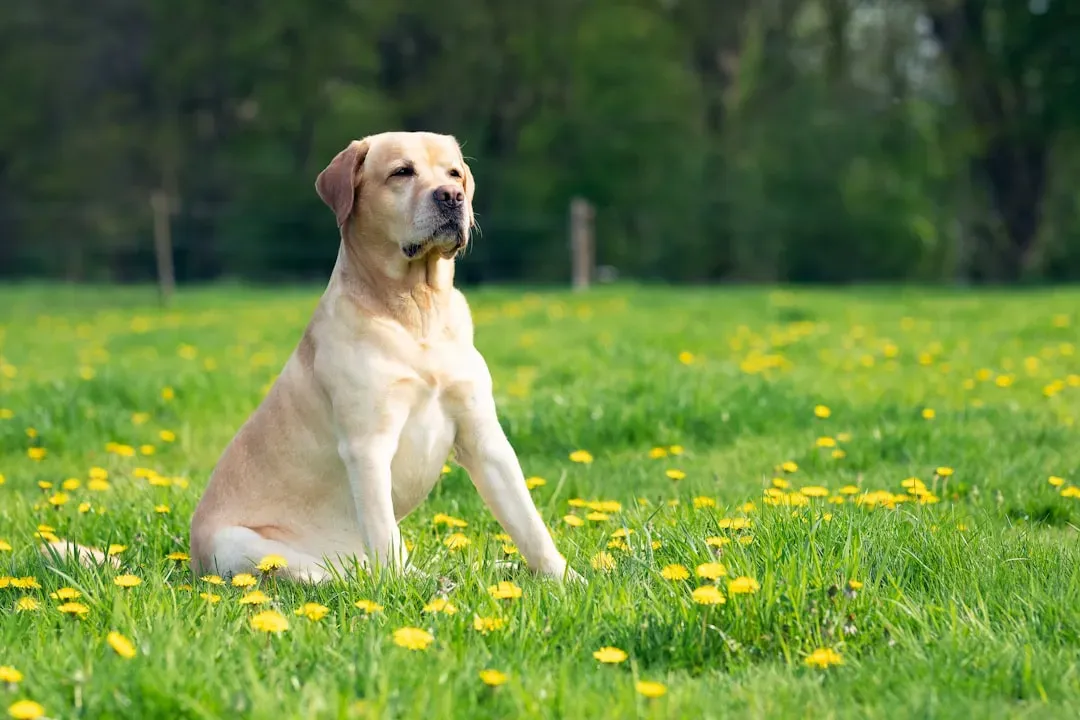
Labrador Retrievers bring a steady presence that many owners notice during times of discomfort. Their strong sense of smell helps them register small chemical changes in the air around a person. These dogs tend to stay nearby rather than wander off, offering quiet company through rest or recovery. Their friendly nature makes them easy to have close without feeling intrusive.
Bred originally for work, Labs carry an instinct to assist that shows up in daily life. They often position themselves where they can watch over someone resting on the couch or in bed. This breed adapts well to routines that involve extra care, whether that means shorter walks or more time indoors. Owners frequently describe them as reliable shadows during periods of feeling off.
Golden Retriever
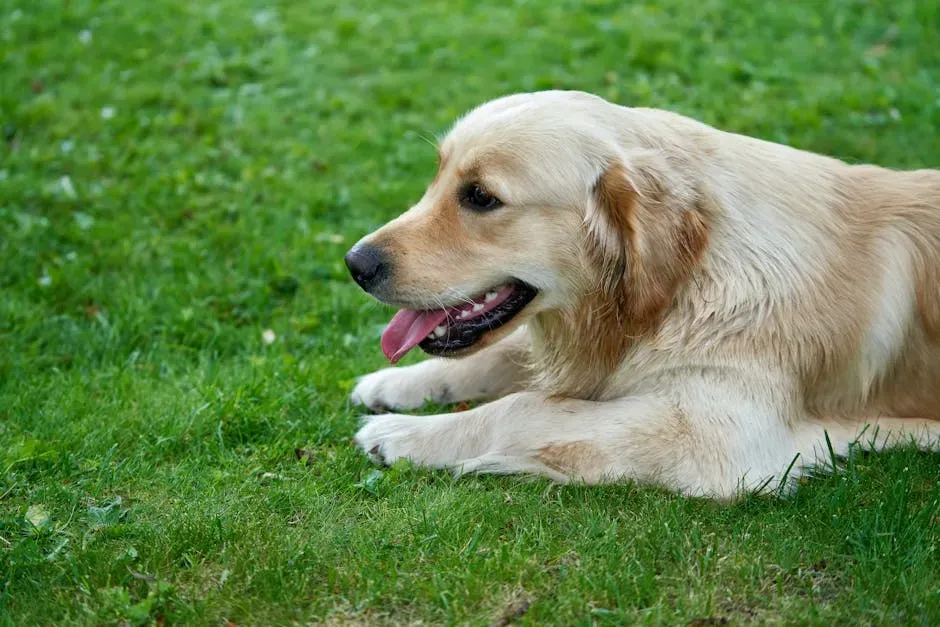
Golden Retrievers form deep attachments that lead them to monitor their people closely. Their gentle temperament allows them to remain calm even when sensing something different in the household. These dogs use their noses to pick up on variations that might point to upcoming symptoms. They often choose spots right beside a favorite chair or bed to keep watch.
Their history as retrievers translates into a desire to stay engaged with family activities. When someone starts to slow down, a Golden will adjust its own pace without prompting. This breed shows patience during longer stretches at home. Many families find their Goldens become especially attentive companions through minor health dips.
German Shepherd
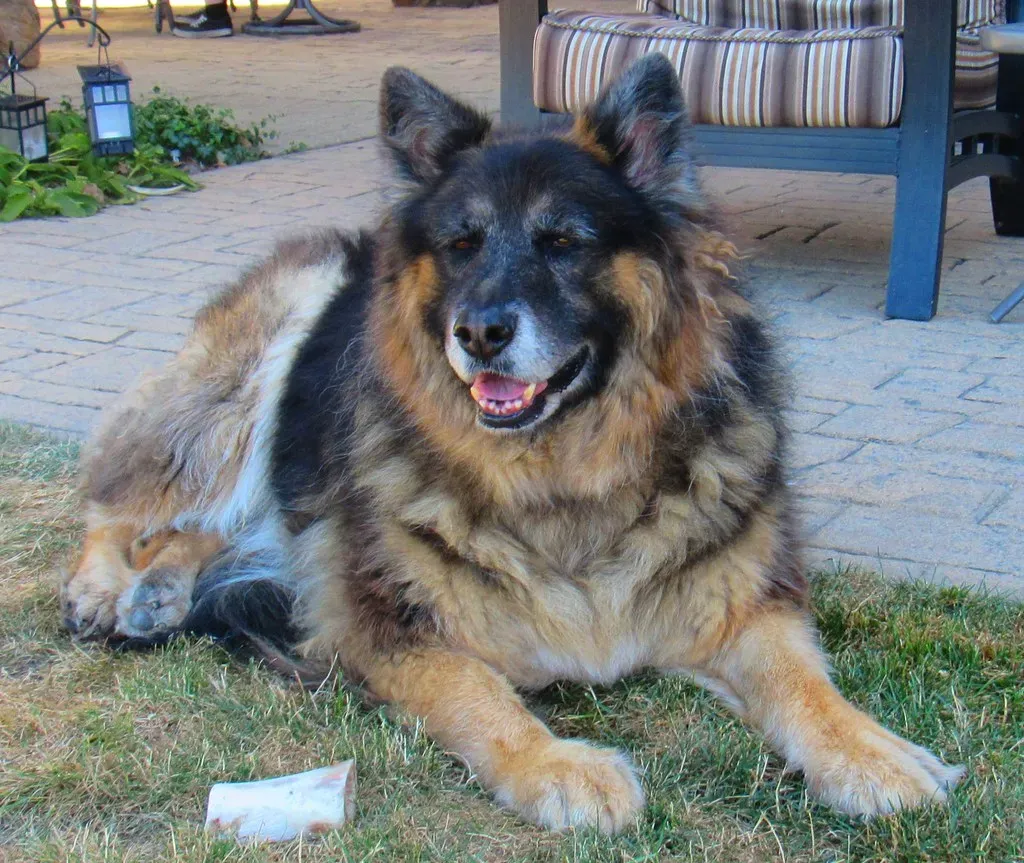
German Shepherds combine sharp senses with protective instincts that keep them alert to changes. Their powerful noses help detect shifts that humans miss entirely. These dogs often remain in the same room, adjusting their position only to stay near the person they focus on. Their intelligence lets them learn household patterns quickly.
Originally developed for herding and guarding, they apply that focus to watching over family members. A German Shepherd might lie at the foot of the bed or beside the sofa during quieter days. They respond to subtle cues like slower movement or different breathing patterns. This breed tends to offer consistent presence without demanding much attention in return.
Beagle

Beagles rely on their exceptional scent abilities to notice differences in their surroundings. Their curious nature turns into focused attention when something feels off with a person. These smaller dogs often curl up nearby instead of exploring the rest of the house. Their compact size makes them easy companions during rest periods.
Bred as scent hounds, Beagles carry an instinct to track changes that extends to human health signals. They stay close through the day, sometimes following from room to room. Owners appreciate how they settle in without creating extra noise or fuss. This breed brings a persistent but low key form of support.
Boxer

Boxers show loyalty through their energetic yet attentive personalities. Their strong bond with owners leads them to stay nearby when routines shift. These dogs use both sight and smell to register when someone needs extra space or closeness. They often choose a spot on the floor or at the edge of furniture to keep an eye out.
Their playful background does not stop them from becoming steady during quieter times. A Boxer will adjust its activity level to match a slower pace at home. This breed tends to remain in the same area for extended periods without growing restless. Families value how they provide company without overwhelming the space.
Poodle
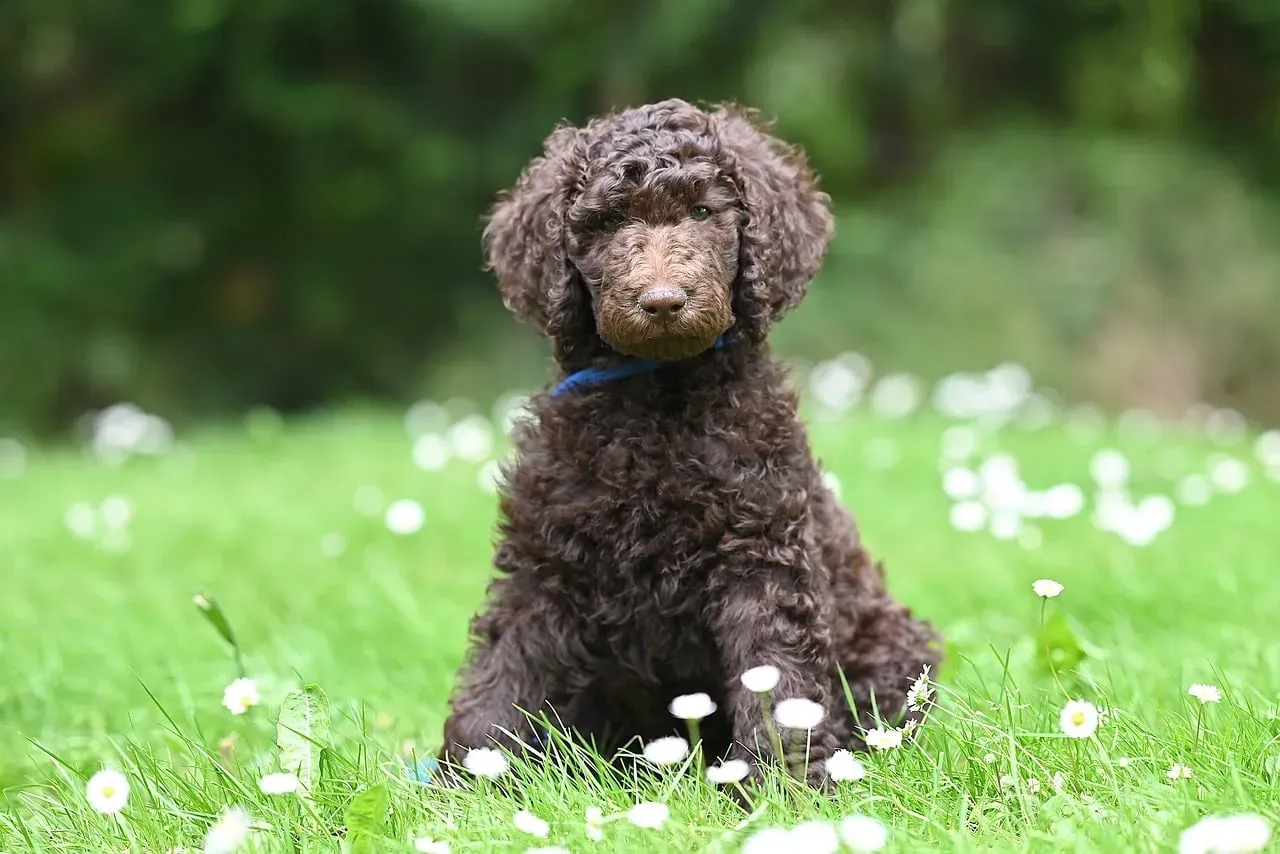
Poodles combine intelligence with a sensitive awareness of their people. Their noses help them pick up on faint changes that might signal the start of feeling unwell. These dogs often stay close, whether on the couch or near a workspace. Their adaptable size means they fit easily into different living situations.
Originally water retrievers, Poodles bring focus and trainability to everyday life. They notice patterns in movement or energy and respond by remaining present. This breed settles into routines that involve more time together at home. Owners often find their Poodles become reliable companions through short periods of adjustment.
Border Collie
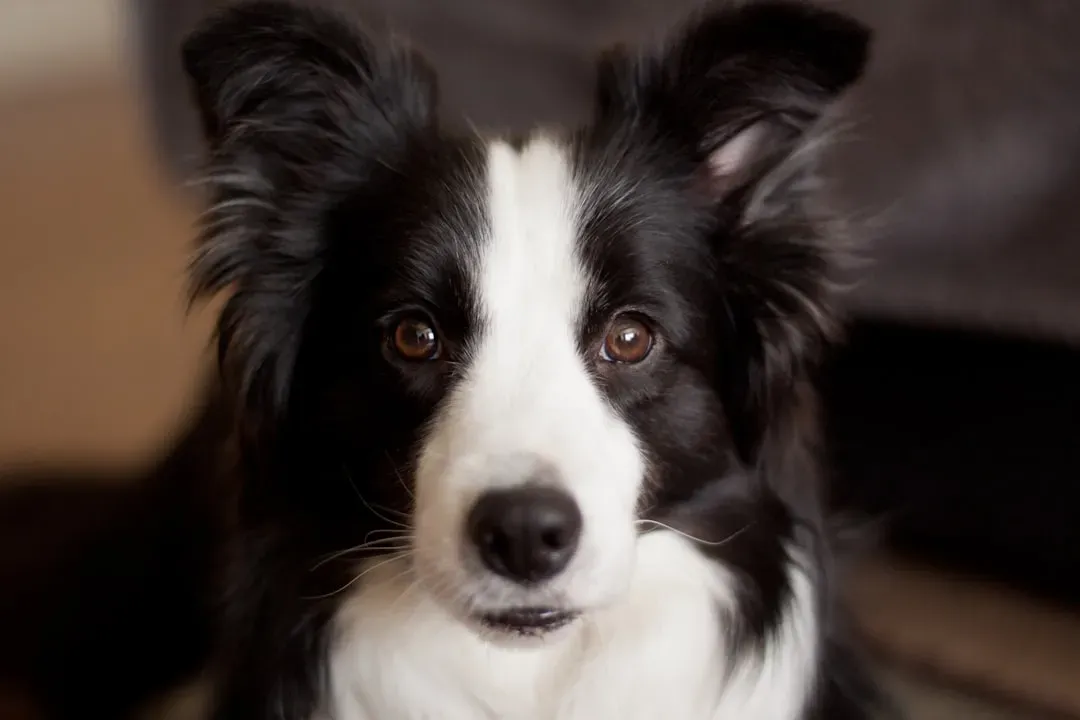
Border Collies bring high awareness and a desire to stay engaged with their families. Their sharp senses allow them to detect small shifts in scent or behavior. These dogs frequently position themselves nearby during the day, watching without constant movement. Their herding background shows up as quiet vigilance.
They adapt their energy to match slower household rhythms when needed. A Border Collie might lie at a distance yet remain ready to follow if someone moves rooms. This breed learns individual habits quickly and responds with consistent closeness. Many people describe them as attentive partners through everyday changes.
These breeds highlight how dogs can become quiet anchors during uncertain health moments. Their natural abilities and loyalty create a form of support that feels personal rather than trained. Choosing a dog often comes down to matching energy and temperament with daily life. In the end, the real value lies in the steady companionship they offer when it matters most.


