
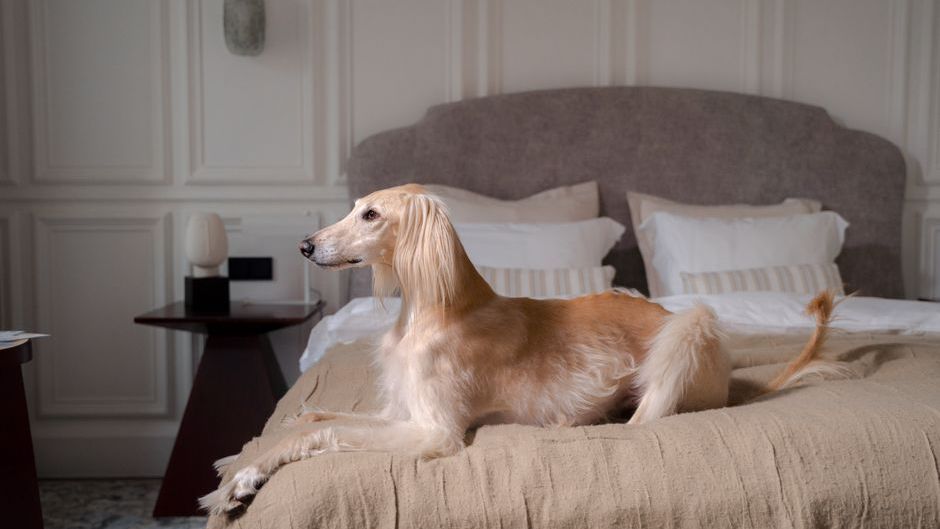
Your dog has always claimed the foot of the bed or curled up right beside you, yet one night the spot sits empty. The change feels abrupt, and it leaves you wondering what shifted in their world. Small adjustments in routine often carry bigger messages than they first appear.
A Possible Sign of Physical Discomfort
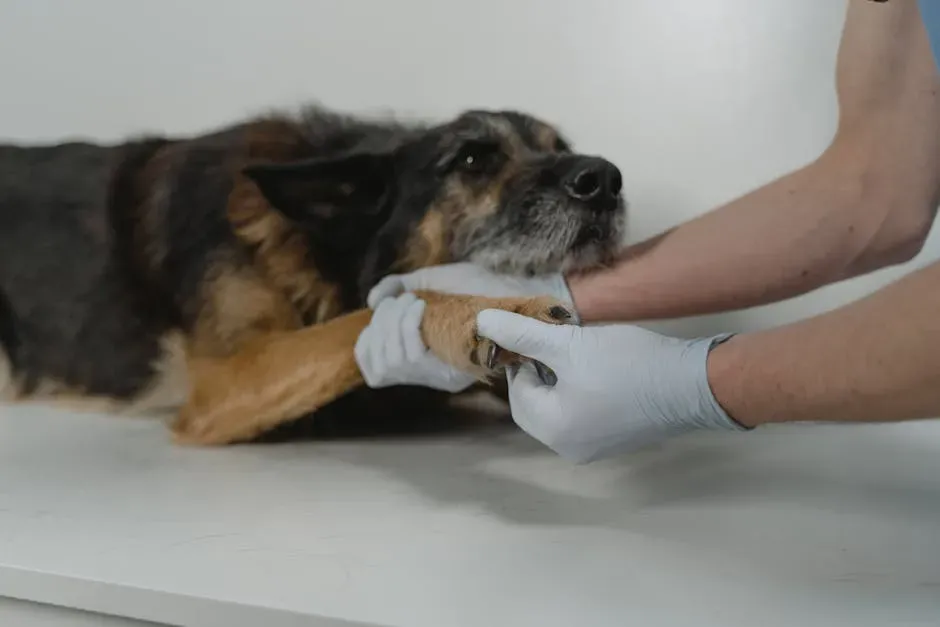
Dogs rarely announce pain the way people do. They simply find a new spot that feels easier on their joints or muscles. If your companion suddenly prefers the floor or another room, stiffness from arthritis or a minor injury could be the quiet culprit.
Watch for subtle clues like slower movements in the morning or hesitation when jumping onto furniture. These details often appear before more obvious limping shows up. A quick check with your veterinarian can rule out issues that need attention sooner rather than later.
Changes in the Sleeping Environment
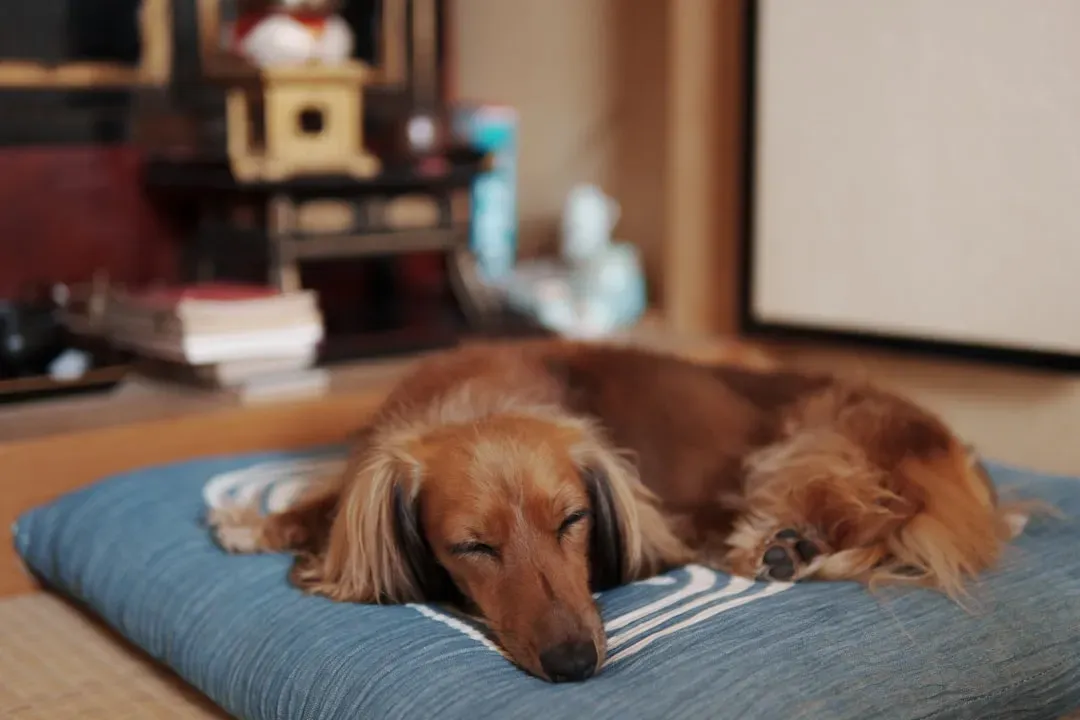
The room itself might have become less inviting without you noticing. A new draft from an open window, warmer summer nights, or even a recent switch in bedding texture can push a dog to seek cooler or softer ground elsewhere. Temperature sensitivity rises with age and certain breeds.
Try placing a familiar blanket in their new favorite spot to test whether comfort plays the main role. Small tweaks like a fan or adjusted thermostat sometimes bring them back without any other intervention. Observation over a few nights usually reveals whether the environment is the real factor.
Shifts in Household Dynamics

New people, another pet, or even rearranged furniture can alter the sense of security in the bedroom. Dogs notice these details and may choose distance while they adjust. The change does not always signal rejection; it can reflect a need for personal space during transition periods.
Pay attention to whether the move coincides with visitors staying over or a recent schedule change at home. Reassuring routines like evening walks or calm greetings help many dogs settle back into old patterns. Patience during these adjustments often restores the previous sleeping arrangement naturally.
The Influence of Age and Life Stages

Puppies explore independence as they grow, while senior dogs sometimes prefer cooler floors for joint relief. Middle-aged dogs might simply test new boundaries after years of close contact. Each stage brings its own set of preferences that evolve over time.
Tracking when the shift began relative to your dog’s birthday or recent milestones provides useful context. What looks sudden to you may actually follow a gradual internal change. Understanding these life-stage patterns helps owners respond with appropriate support rather than worry.
Underlying Anxiety or Behavioral Issues
Occasional restlessness or noise sensitivity can prompt a dog to leave the shared space. Thunder, street sounds, or even a new appliance hum might drive them toward a quieter corner. The behavior often stems from a desire for calm rather than any issue with the owner.
Consistent evening wind-down activities, such as dim lights and soft music, sometimes ease this type of restlessness. If the pattern persists across multiple nights, noting triggers in a simple journal helps identify patterns worth addressing with a trainer or behaviorist.
Medical Conditions Worth Checking
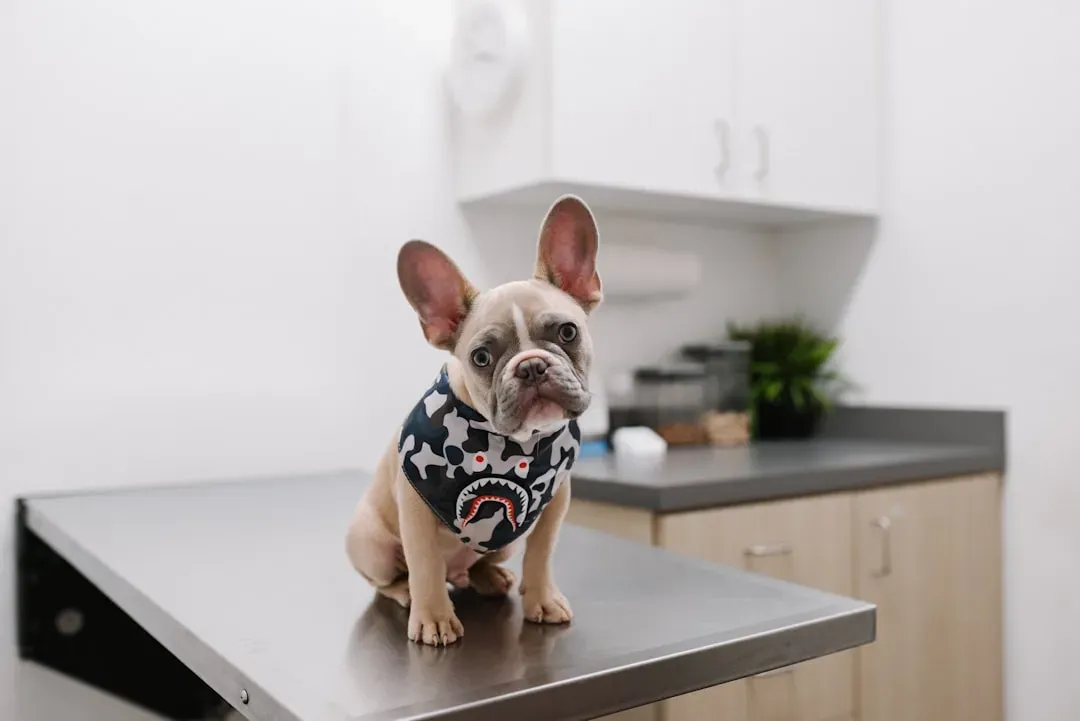
Conditions like urinary tract discomfort or digestive upset can make sharing a bed less appealing overnight. Incontinence or frequent need to move can lead a dog to choose a spot easier to exit quickly. These situations benefit from professional evaluation rather than guesswork.
Regular wellness exams catch many of these concerns early, especially in older dogs. Mentioning the sleeping change during the visit gives the veterinarian a fuller picture. Early attention often prevents minor issues from becoming larger ones.
Understanding Your Dog’s Needs Moving Forward
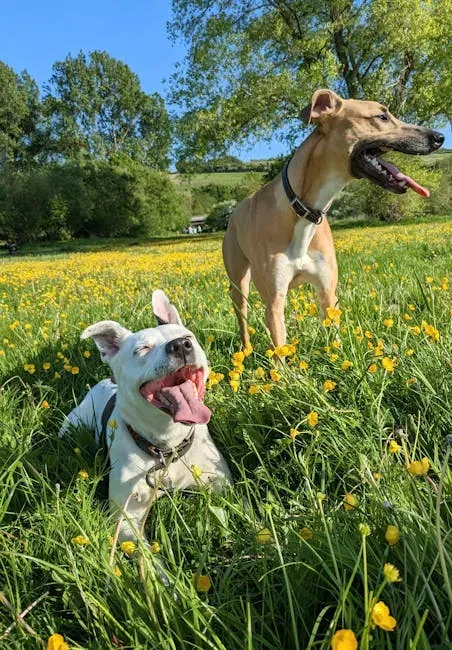
Most sudden shifts reflect normal adjustments rather than dramatic problems. Paying attention to accompanying signs like appetite, energy, or mood provides the clearest guidance on next steps. Many owners find that small environmental or routine tweaks resolve the situation quickly.
The real takeaway lies in treating the change as useful information instead of a personal slight. Your dog continues to communicate through actions, and responding thoughtfully strengthens the bond over time. Staying observant keeps both of you comfortable in the long run.


