
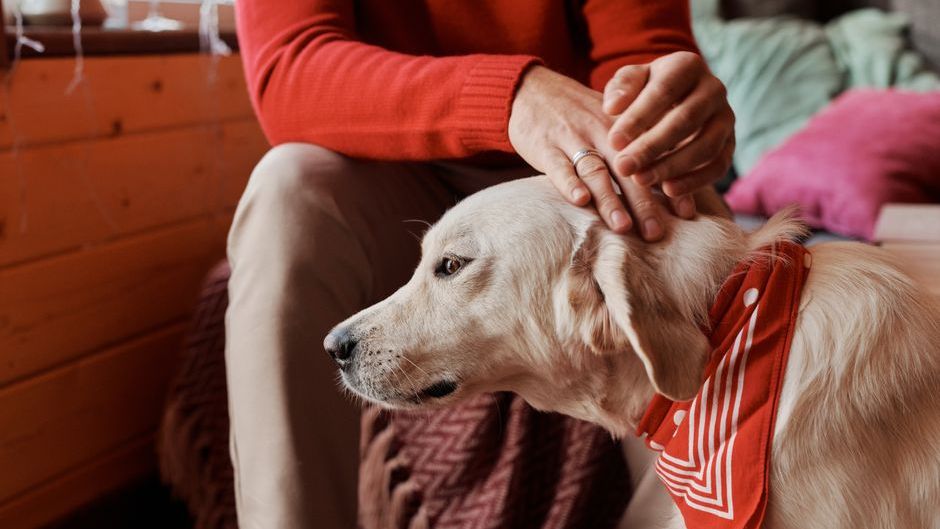
1. Increased Sensitivity to Your Emotional State

Dogs are remarkably attuned to their owners’ emotions. As you navigate the complexities of midlife, your dog may become more responsive to your moods, offering comfort during stressful times. This heightened sensitivity can lead to a deeper, more empathetic bond between you and your furry friend.
For instance, if you’re feeling anxious about health concerns or career changes, your dog might stay closer to you, providing silent support. This behavior underscores the profound connection between human and canine emotional worlds.
2. Adjusted Activity Levels to Match Yours
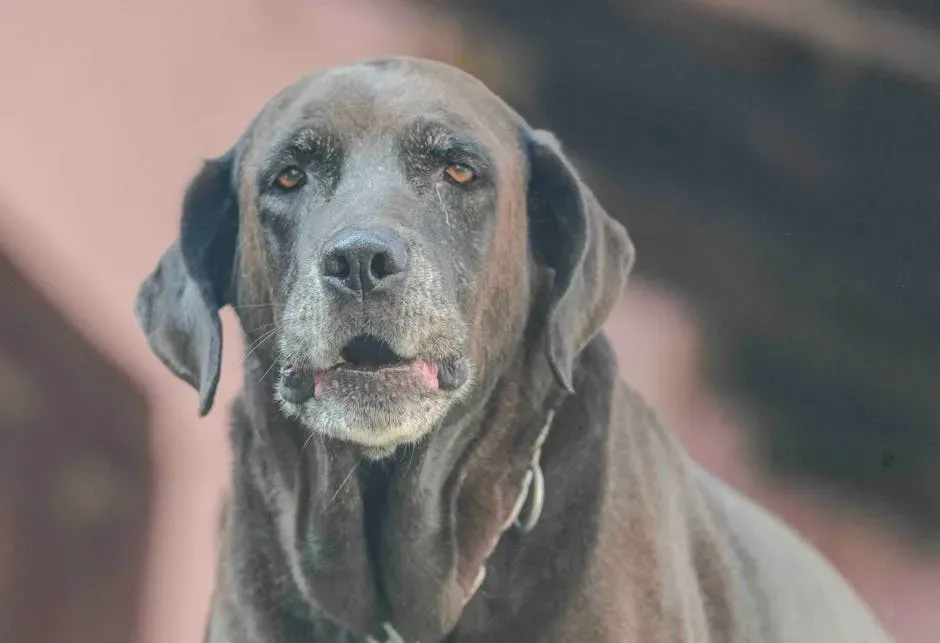
Entering your 50s often brings changes in energy levels and physical activity. Your dog may instinctively adjust their own activity to align with yours, opting for more leisurely walks or shorter play sessions. This synchronization helps maintain harmony in your shared routines.
However, it’s essential to ensure your dog still receives adequate exercise to stay healthy. Incorporating gentle activities like swimming or interactive games can keep both of you engaged without overexertion.
3. Enhanced Protective Instincts
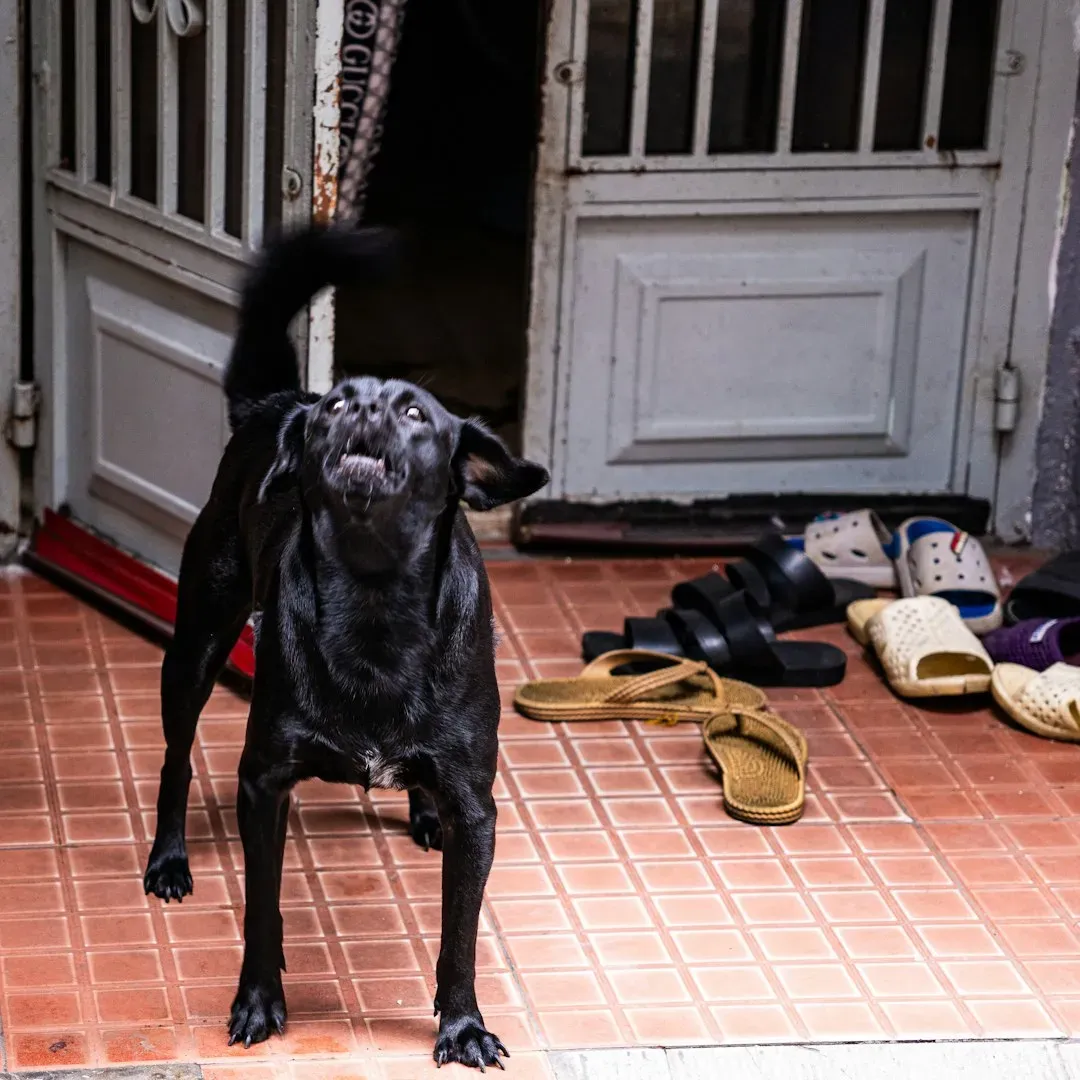
As you age, your dog might exhibit stronger protective behaviors. This could manifest as increased alertness to strangers or a more pronounced guarding of the home. Such changes reflect your dog’s instinct to safeguard their cherished companion.
While this protective nature is endearing, it’s important to manage it appropriately to prevent overprotectiveness. Positive reinforcement training can help maintain a balanced demeanor.
4. Greater Patience and Calmness

With the passage of time, both you and your dog may find a new sense of calm. Your dog might become more patient, tolerating situations that previously caused excitement or anxiety. This mutual mellowing can lead to a more relaxed household atmosphere.
This change is particularly beneficial in social settings, where your dog’s composed behavior can make gatherings more enjoyable for everyone involved.
5. Increased Affection and Closeness
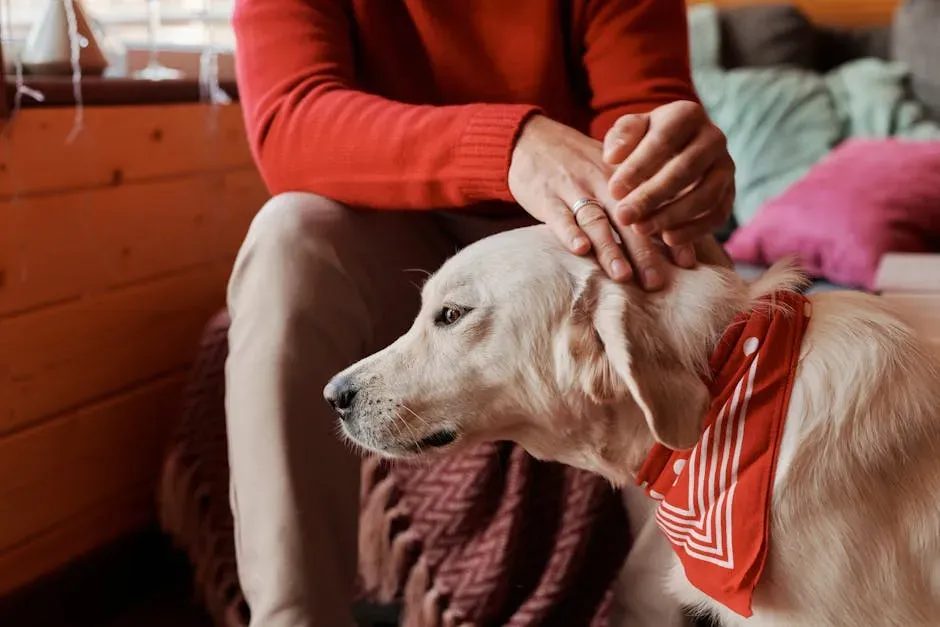
Many owners report that their dogs become more affectionate as they age. This could be due to a deepening bond formed over years of companionship. Your dog may seek more physical closeness, such as cuddling on the couch or resting their head on your lap.
Embracing this increased affection can be mutually rewarding, reinforcing the emotional connection that has grown over time.
6. Heightened Sensitivity to Routine Changes
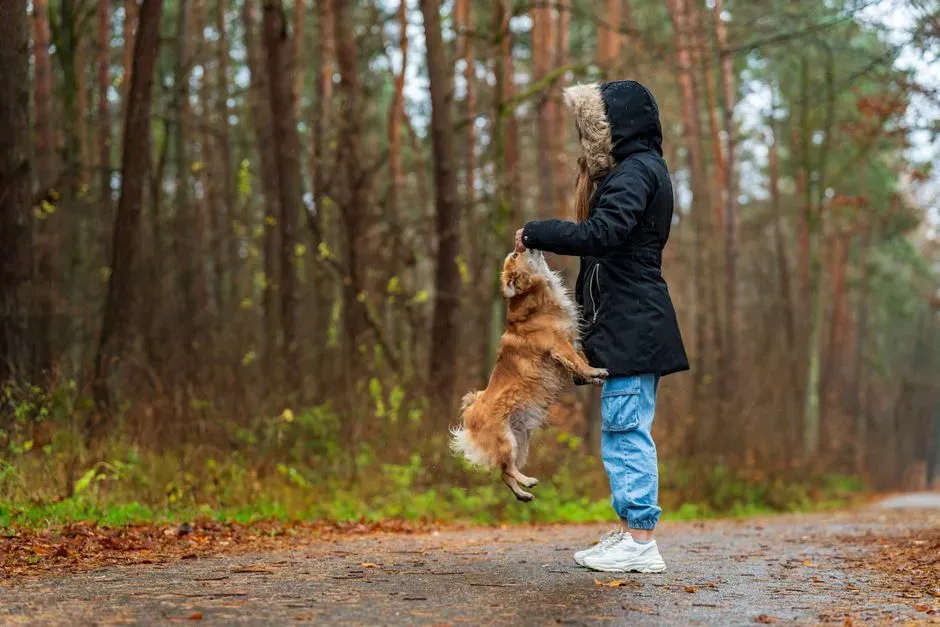
As routines evolve in your 50s – perhaps due to retirement or lifestyle adjustments – your dog may become more sensitive to these changes. Dogs thrive on consistency, and alterations can cause stress or confusion.
To ease this transition, try to implement changes gradually and maintain as much consistency as possible in feeding and exercise schedules.
7. More Pronounced Separation Anxiety

If your lifestyle becomes more home-centered, your dog might develop stronger attachment behaviors, leading to separation anxiety when you’re away. This can result in behaviors like excessive barking or destructive tendencies.
Addressing this requires patience and training. Providing engaging toys and creating a comforting environment can help alleviate anxiety during your absence.
8. Changes in Play Preferences
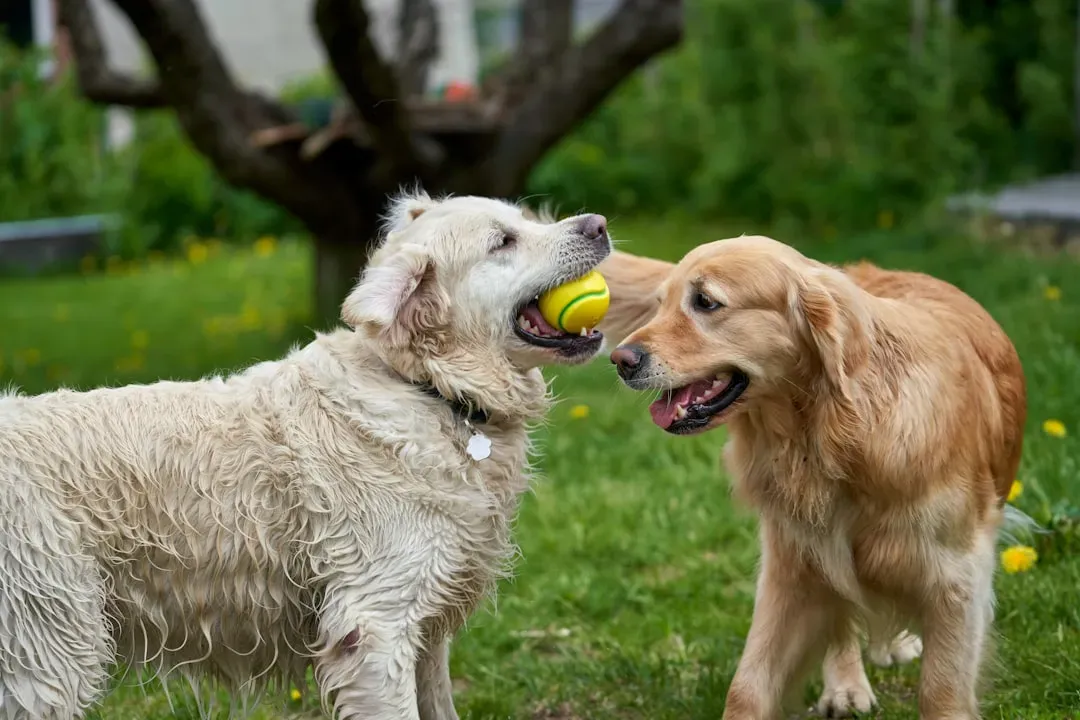
As both you and your dog age, there may be a shift in play preferences. High-energy games might be replaced with more subdued activities like gentle tug-of-war or puzzle toys that stimulate the mind without physical strain.
Adapting playtime to suit both your needs ensures continued enjoyment and bonding without overexertion.
9. Increased Vocalization
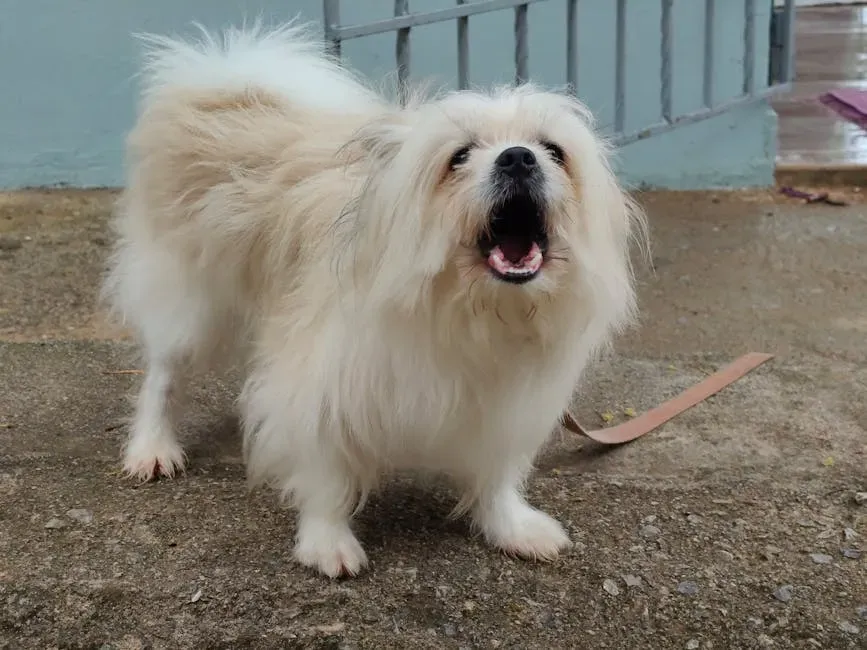
Some dogs become more vocal as they age, possibly due to changes in hearing or cognitive function. You might notice more frequent barking or whining, especially in response to unfamiliar sounds or situations.
Understanding the cause of this increased vocalization is key. Regular veterinary check-ups can help identify any underlying health issues contributing to this behavior.
In conclusion, as you enter your 50s, your dog’s behavior may change in ways that reflect the evolving dynamics of your life. Recognizing and understanding these changes can deepen the bond you share, ensuring that both you and your canine companion continue to thrive together. Have you noticed any of these shifts in your dog’s behavior?


