
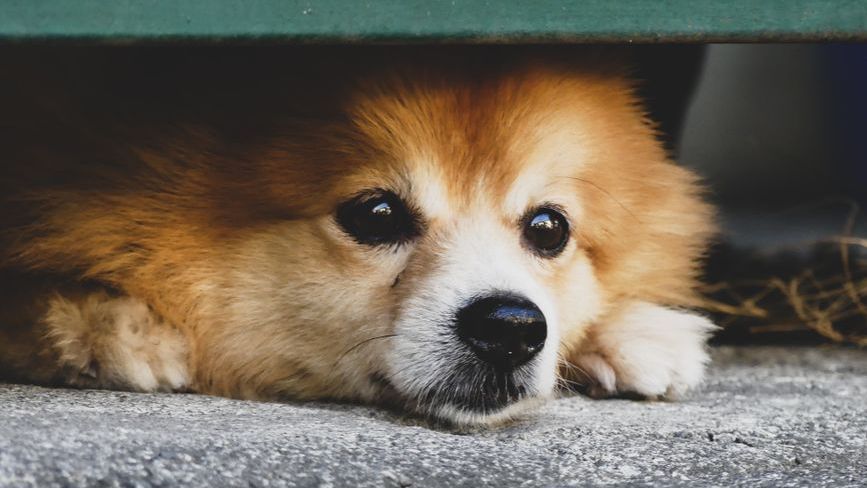
Imagine the scene: you turn the key in the lock after a long day, and instead of the usual enthusiastic greeting, your dog sits quietly, eyes filled with a mix of relief and reproach. Have you ever wondered what goes through their mind when you’re late? Let’s delve into the emotional world of our canine companions and uncover the impact of our tardiness on their well-being.
Dogs Are Creatures of Habit

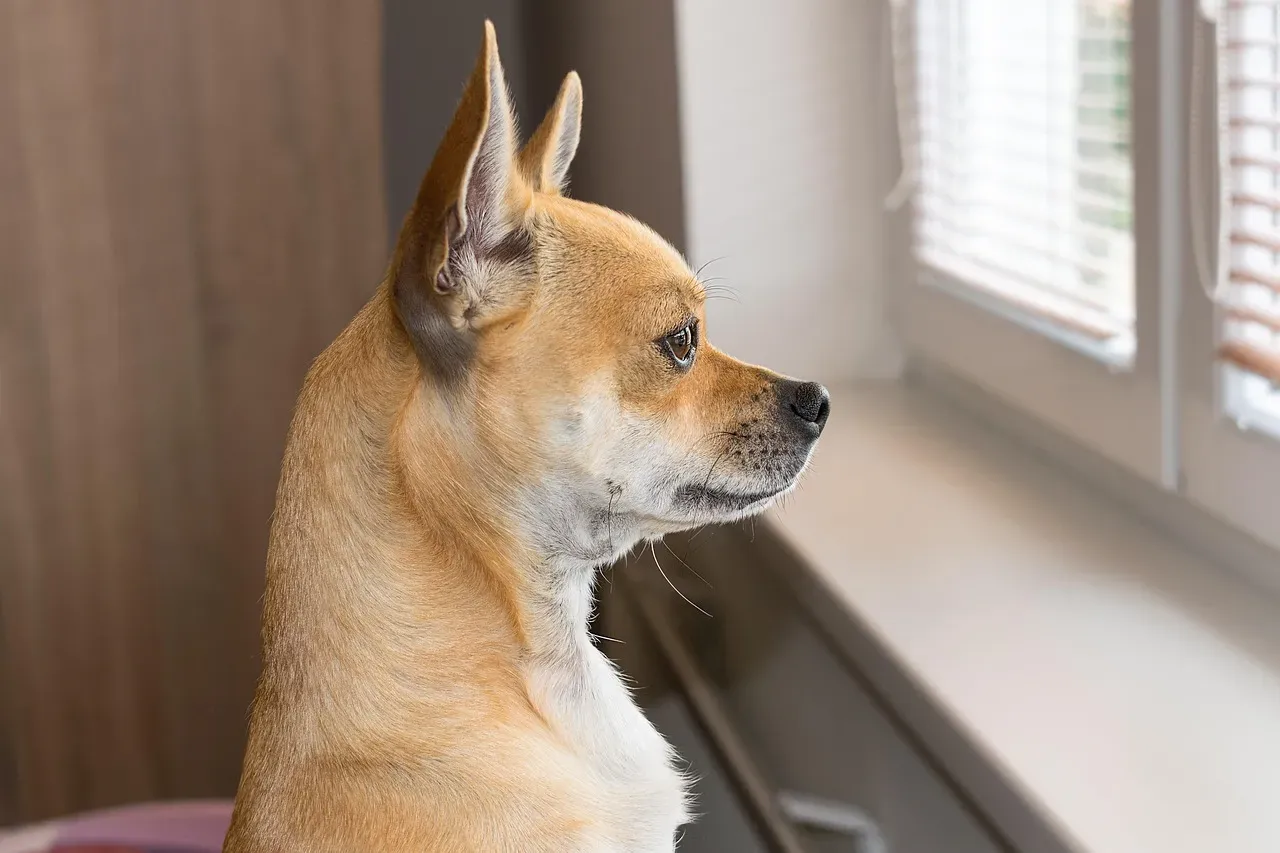
Dogs thrive on routine. They find comfort in the predictability of daily schedules, from meal times to walks and, importantly, your arrivals and departures. When you come home late, it disrupts this established pattern, leaving your dog confused and anxious. They may spend hours waiting by the door or window, anticipating your return, only to be met with prolonged absence.
This disruption can lead to stress-related behaviors. Some dogs might pace restlessly, while others could resort to destructive activities like chewing furniture or scratching doors. The uncertainty of your return time can make them feel insecure in their environment.
The Emotional Toll of Waiting
Dogs form deep emotional bonds with their owners. When you’re late, they don’t just miss your presence; they experience a sense of loss. This emotional turmoil can manifest in various ways, such as whining, barking, or even howling. These vocalizations are their way of expressing distress and seeking comfort.
In some cases, prolonged waiting can lead to depression-like symptoms in dogs. They might lose interest in play, exhibit changes in appetite, or become withdrawn. The longer the wait, the more profound the emotional impact.
Separation Anxiety Intensifies
For dogs prone to separation anxiety, your late arrival can exacerbate their condition. They may start to associate your absence with negative experiences, leading to heightened anxiety each time you leave. This can result in behaviors like excessive salivation, trembling, or attempts to escape the house to find you.
Over time, this heightened anxiety can affect their overall health, leading to issues like digestive problems or a weakened immune system. It’s crucial to recognize these signs early and address them appropriately.
Physical Signs of Distress

Beyond emotional symptoms, dogs can exhibit physical signs when they’re distressed by your late arrival. You might notice them panting excessively, pacing, or even having accidents indoors despite being house-trained. These behaviors are indicators of their internal turmoil.
Some dogs might also develop compulsive behaviors, such as excessive licking or chewing on themselves, leading to skin irritations or infections. Monitoring these signs can help in understanding the depth of their distress.
Building Trust Through Consistency
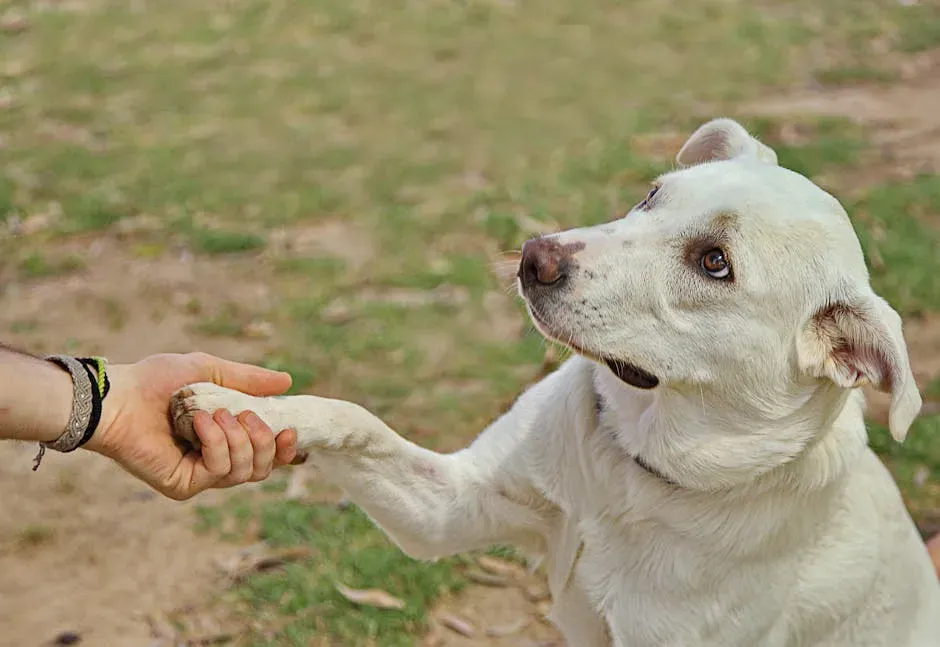
Consistency is key in building and maintaining trust with your dog. Regular schedules help them feel secure and understand what to expect. When you’re consistently late, it can erode this trust, making them feel uncertain about their environment and your relationship.
To rebuild this trust, try to adhere to a consistent schedule as much as possible. If you anticipate being late, consider arranging for someone to check in on your dog or provide them with engaging toys to keep them occupied.
Mitigating the Impact of Late Arrivals
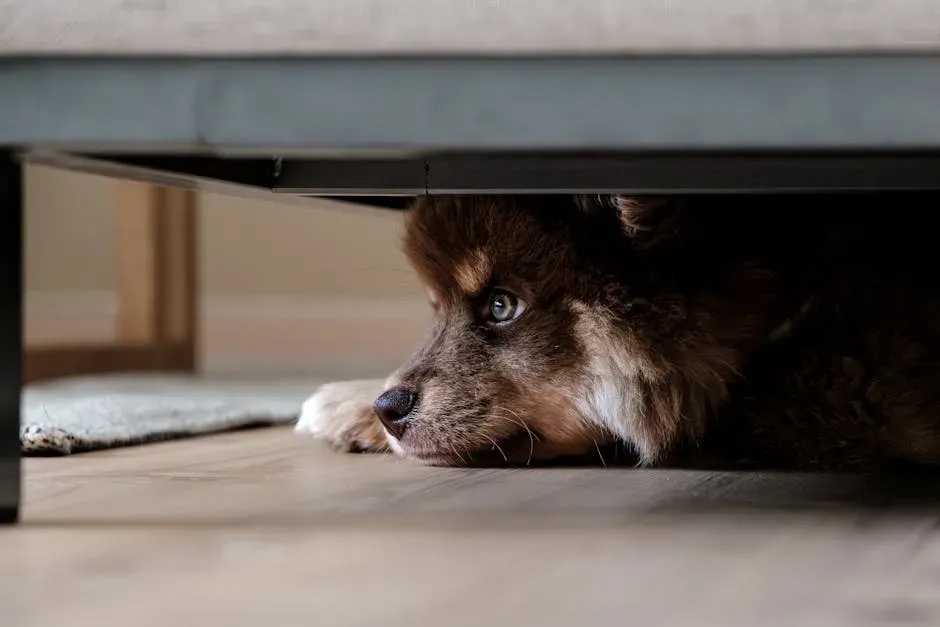
Life is unpredictable, and sometimes being late is unavoidable. To minimize the impact on your dog, consider implementing strategies like leaving a piece of your clothing with them, as your scent can provide comfort. Interactive toys or treat-dispensing gadgets can also keep them engaged during your absence.
Additionally, practicing short departures and gradually increasing the time can help desensitize them to your absence, reducing anxiety when you’re late. Positive reinforcement when you return can also help them associate your arrivals with good experiences.
Recognizing and Addressing Behavioral Changes
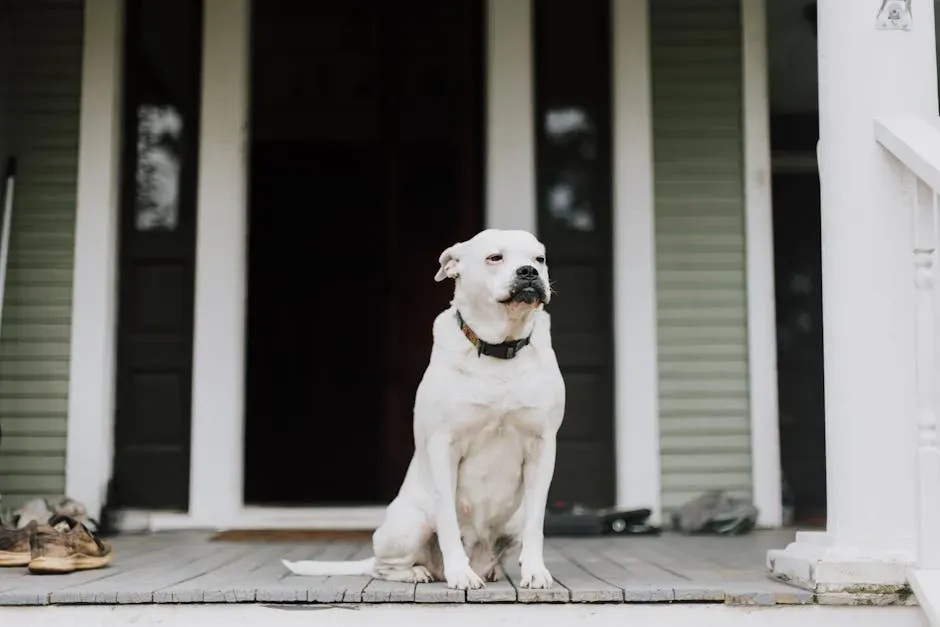
It’s essential to be observant of any behavioral changes in your dog due to your late arrivals. If you notice signs of distress, consider consulting with a veterinarian or a professional dog behaviorist. They can provide guidance tailored to your dog’s specific needs and help develop a plan to address and alleviate their anxiety.
Remember, your dog’s well-being is closely tied to your actions and routines. Being mindful of their emotional state and taking proactive steps can make a significant difference in their quality of life.
In conclusion, while our lives can be hectic and unpredictable, it’s vital to consider the impact our schedules have on our canine companions. Their world revolves around us, and our actions directly influence their emotional and physical well-being. By understanding their perspective and making conscious efforts to maintain consistency, we can ensure a happy and healthy relationship with our beloved pets. After all, isn’t their unwavering loyalty worth our attention and care?


