
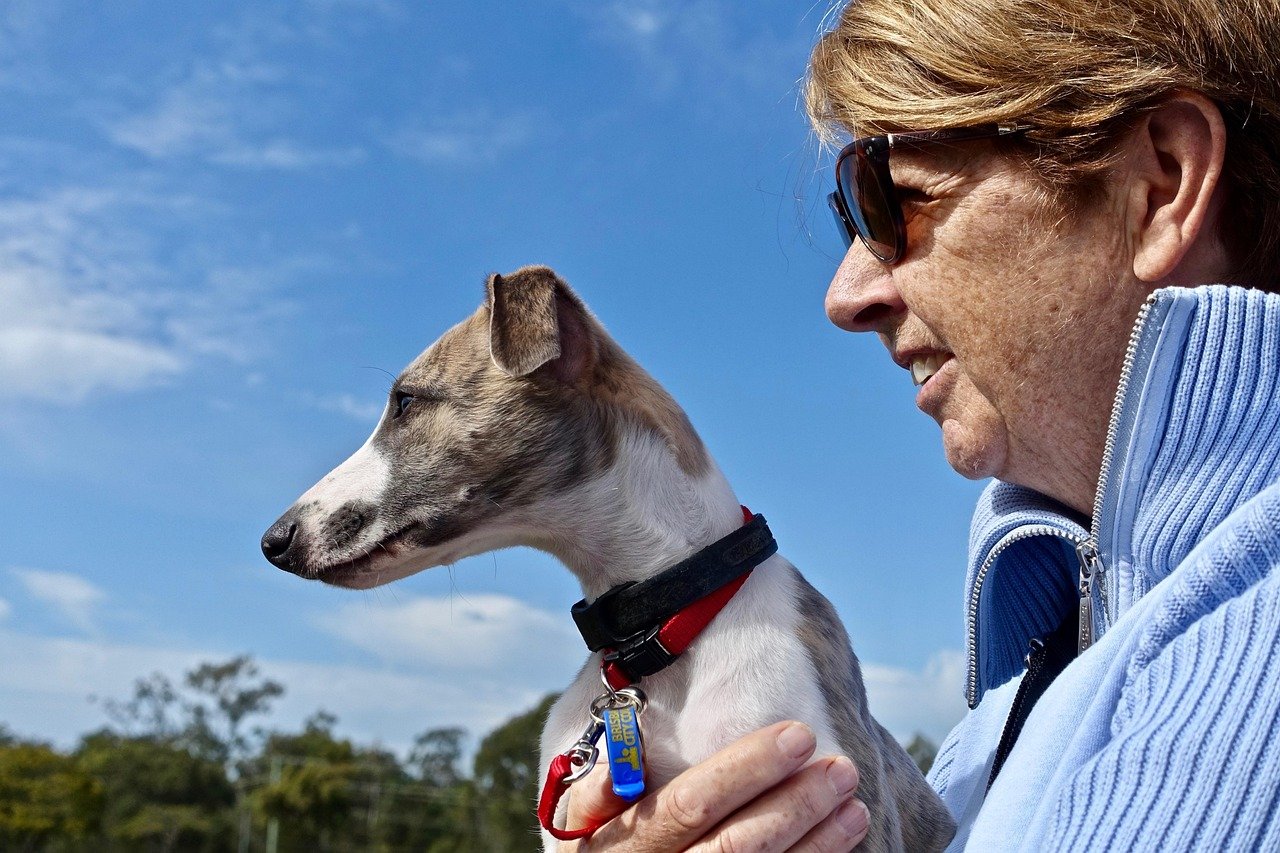
The bond between dogs and their humans is something truly magical. Unlike any other relationship in the animal kingdom, our furry companions form deep emotional connections that mirror the attachments we see between human caregivers and children. Dogs have shown behaviors indicative of an attachment relationship, defined according to Bowlby.
What makes this connection even more fascinating is how our dogs communicate their feelings without words. They rely entirely on body language, behaviors, and subtle cues to show us just how much we mean to them. Understanding these signs not only deepens your relationship with your four-legged friend but also helps you recognize when your dog truly sees you as their safe haven and secure base in this big, sometimes overwhelming world. Let’s dive into the unmistakable signs that your dog has formed a deep emotional attachment to you.
They Follow You Everywhere Like a Furry Shadow

If your dog has turned into your personal shadow, congratulations – you’ve got yourself an emotionally attached pup. An emotionally attached dog will follow their human around the house from the moment they wake up, making sure that they are always within sight. This isn’t just casual wandering; it’s purposeful companionship that speaks volumes about their emotional state.
This behavior stems from their deep need to remain close to their attachment figure. Following you from room to room, they demonstrate their desire to be close to you. This behavior reflects comfort in your presence and a willingness to spend as much time with you as possible.
Whether you’re heading to the kitchen for a snack or making your way to the bathroom, your devoted companion wants to be part of every moment. Whether you’re brushing your teeth, washing the dishes, or doing a workout, your four-legged friend wants to be involved.
Overwhelming Joy When You Return Home
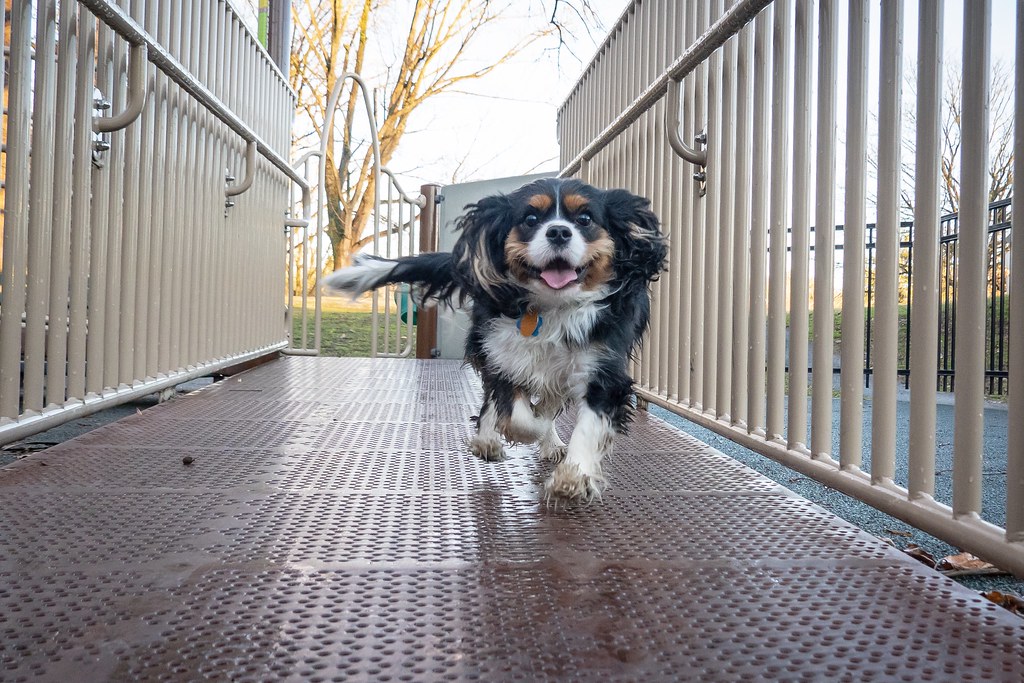
The moment you walk through that door, does your dog transform into a wiggling bundle of pure excitement? One of the most obvious signs of attachment is the enthusiastic, full-body greeting you receive whenever you return home. Your dog may jump, wag their tail vigorously, and even bark out of excitement.
This isn’t just happiness to see any human – it’s specifically joy about YOUR return. A dog’s excitement when you return home is a heartwarming indicator of emotional attachment. Whether it’s wagging tails, joyful barking, or happy dances, these reactions highlight their happiness at your return. This behavior is an expression of their loyalty and the strong bond they feel.
Think about it this way: your dog could have been perfectly content moments before, but your arrival triggers an immediate emotional response that’s impossible to fake. That full-body wiggle and those excited whimpers? That’s pure, unfiltered love expressing itself.
They Bring You Their Most Treasured Possessions
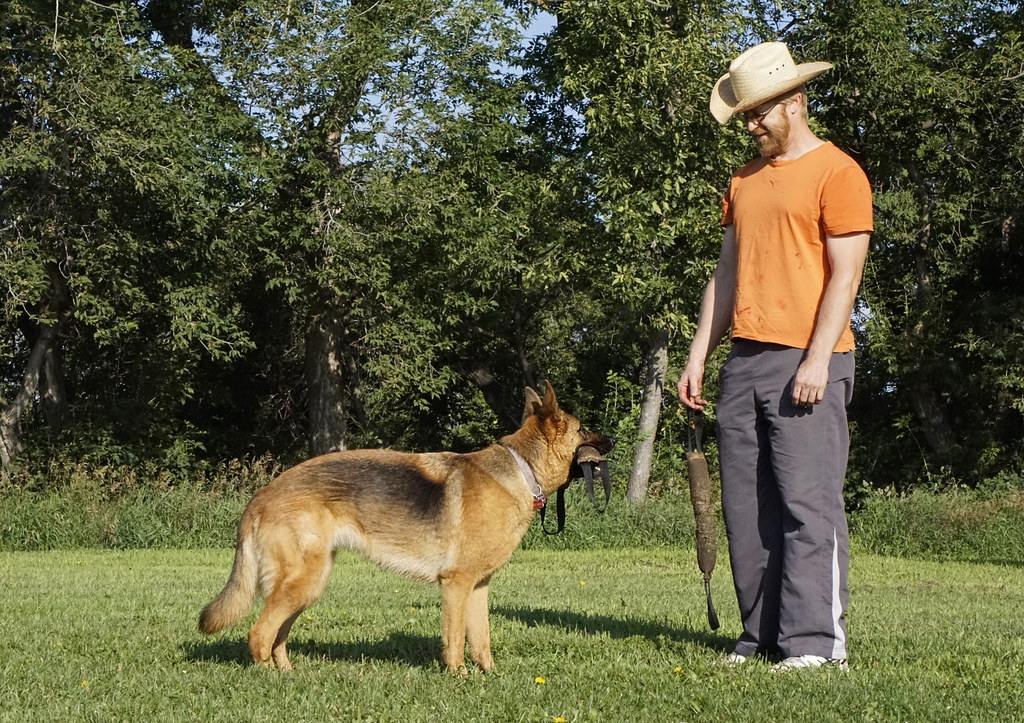
When your dog approaches you with their favorite toy, a stick from the yard, or even their food bowl, they’re doing something incredibly meaningful. Some dogs express their attachment by bringing you toys or other items as gifts throughout the day. This behavior is similar to how a mother dog might bring food to her puppies, showing that they want to provide for you.
Coming to you with their prized possessions is a sign of trust. Your dog sees you as a leader or alpha, willing to share what they most treasure. It can also be an invitation to play, showing they enjoy and value your companionship.
This gift-giving behavior reveals their desire to share what’s most important to them with the person who’s most important to them. It’s their way of saying, “Look what I found! I want to share this special thing with you because you’re special to me.”
Seeking Physical Closeness and Contact
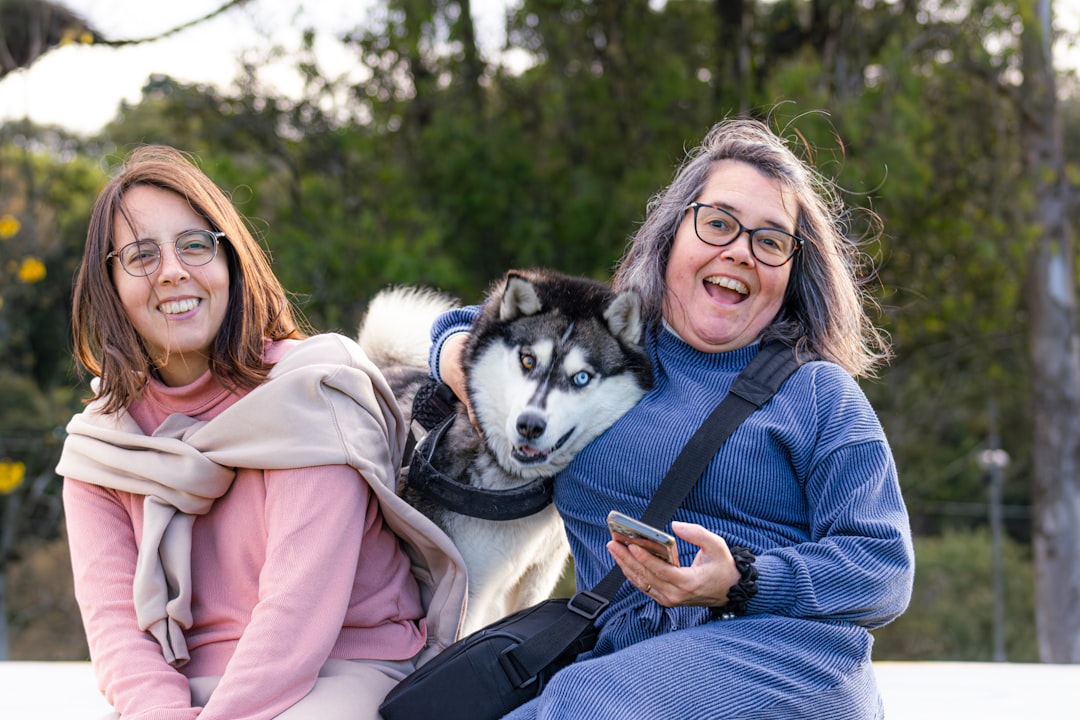
Physical touch is a natural way for dogs to show their love. This can come in many forms, including leaning up against you, laying on you, nudging you for pets and attention, licking you, and snuggling with you. When your dog consistently seeks out your touch, it’s a clear sign of emotional attachment.
If your dog leans their body weight against you or rests their head on your lap, it’s a sign of trust and attachment. They only do this with people they feel comfortable and secure around. This behavior demonstrates incredible vulnerability on their part.
Physical closeness also extends to sleeping arrangements. Sleeping next to you or up against you is also a sign that they consider you a packmate, signalling their loyalty to you. Other positions, such as sleeping between your legs, can mean they seek comfort from you as you make them feel more secure and safe.
Maintaining Eye Contact With Soft, Loving Gazes
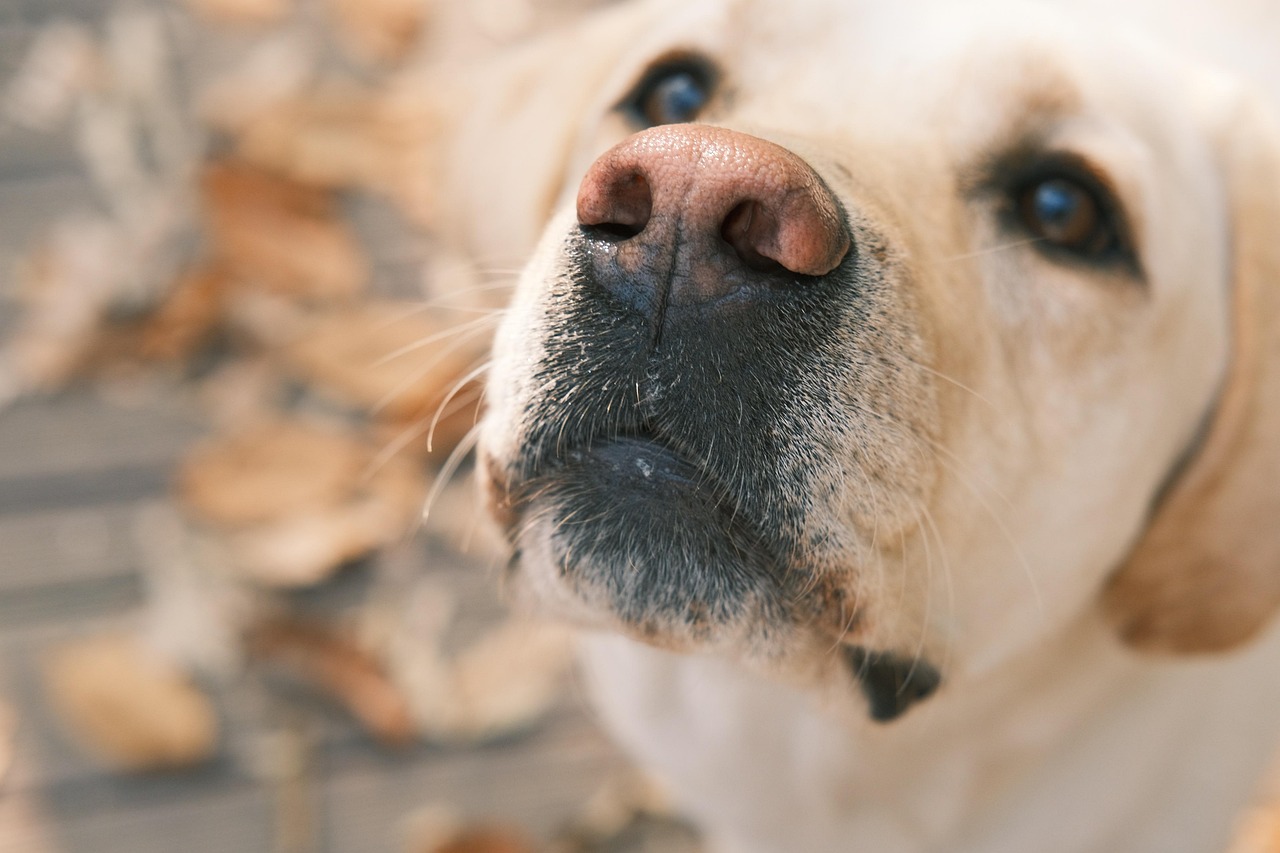
Eye contact between you and your dog creates something special – a moment of pure connection that speaks to the depth of your bond. Dogs that are emotionally attached to their owners tend to maintain eye contact, looking at them with soft, relaxed eyes.
Eye contact, especially when it’s sustained, is a sign of love from your pooch. In fact, when dogs are uncomfortable or stressed, they’re much less likely to make eye contact than when they feel happy and safe.
This isn’t the hard stare of a nervous or aggressive dog – it’s the soft, gentle gaze of a dog who feels completely secure with their person. Think of it as their way of saying “I love you” without words, a silent communication that speaks directly to your heart.
Responding to Your Voice and Emotional State
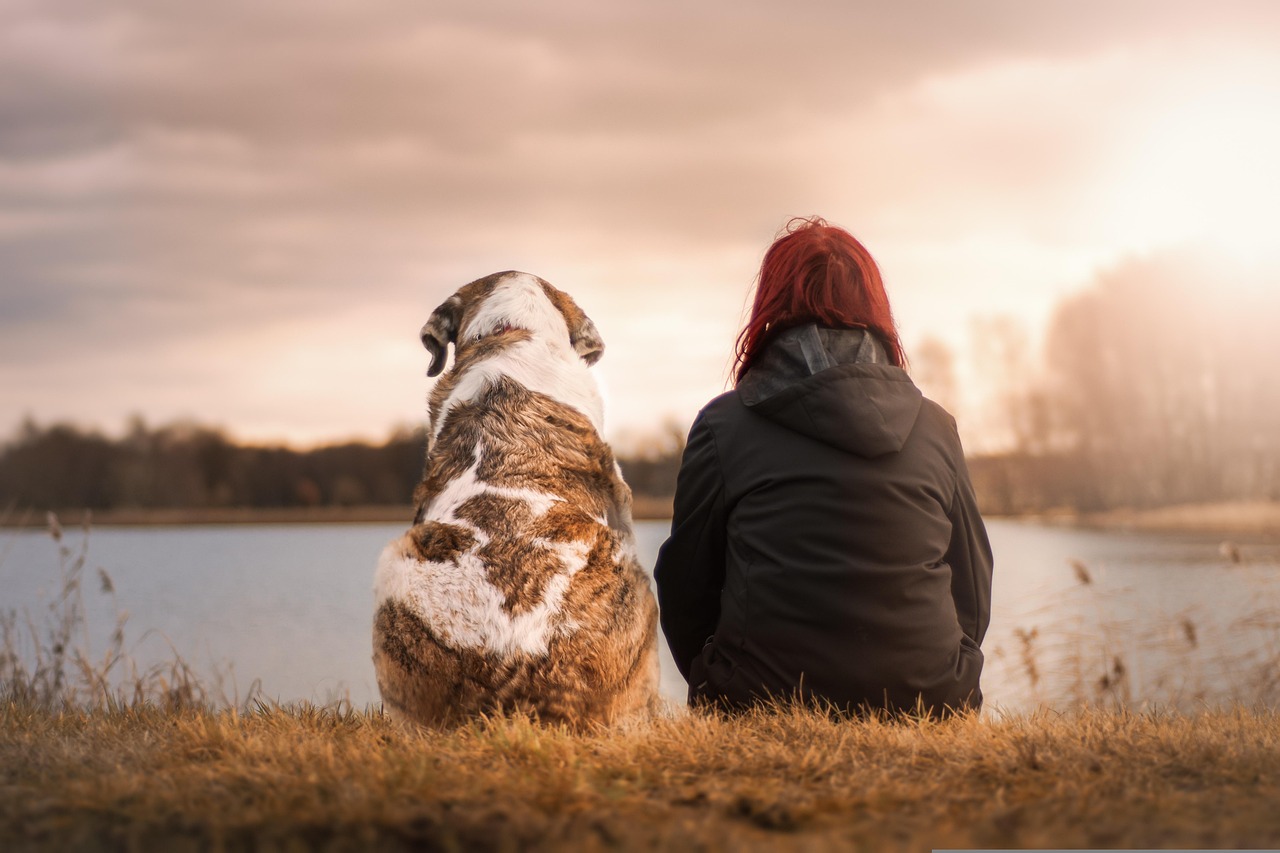
Dogs can sense emotions through tone of voice. If your dog responds with excitement, wagging their tail and becoming more alert when they hear you, it indicates they are emotionally connected to you. Your voice is a source of comfort and security for them.
What’s even more remarkable is their ability to pick up on your emotional needs. Emotionally attached dogs are highly intuitive and can often sense when you’re feeling joyous, stressed, or upset. They may respond by staying closer to you or trying to comfort you. This ability to empathize with your emotions demonstrates a deep bond and understanding.
Dogs with strong emotional attachments will be very in tune with their pet parent’s emotions. They can pick up on feelings of anxiety or sadness and will try to provide comfort by nuzzling or licking your face.
Checking In on You Throughout the Day
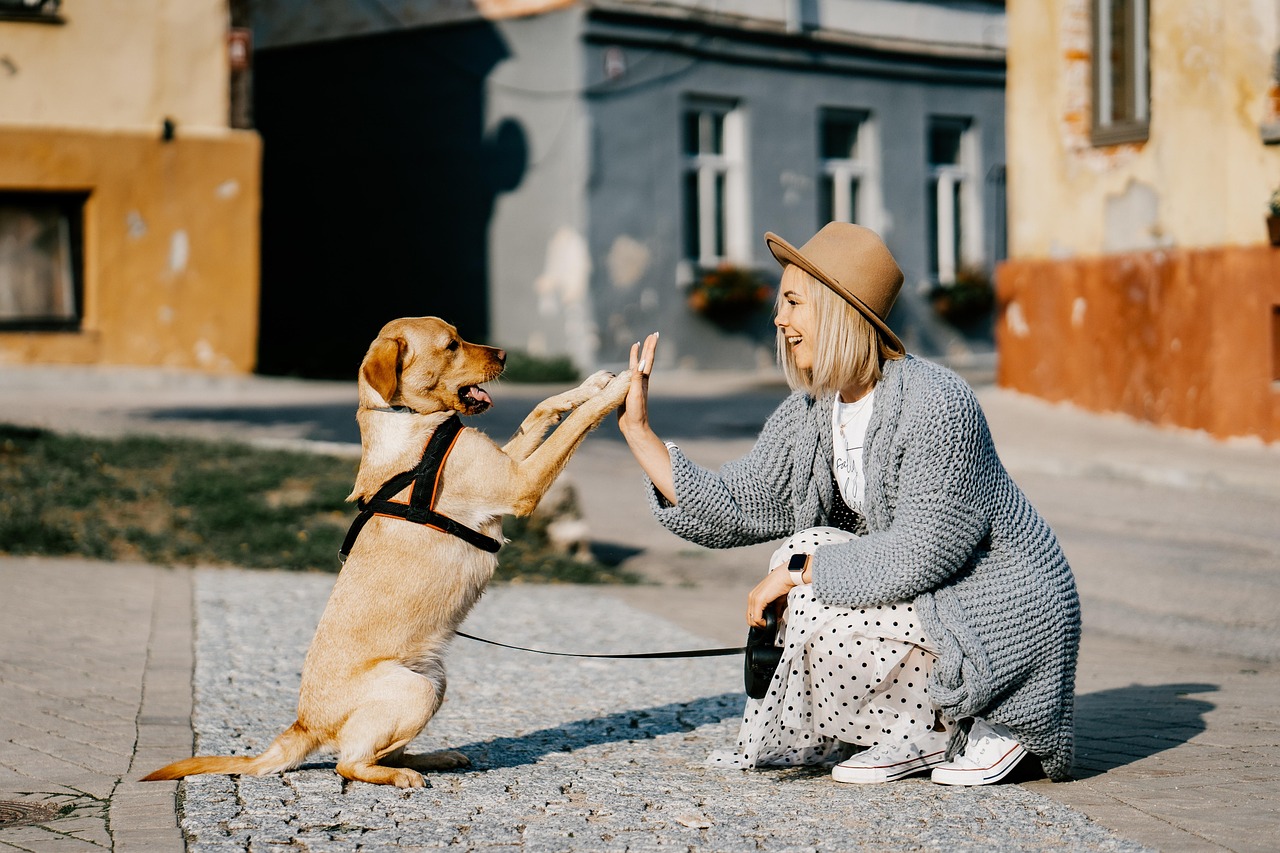
Have you noticed your dog periodically coming to find you, even when they were seemingly content in another room? Dogs who check on you throughout the day are expressing their attachment and concern. Whether you’re in a different room or engrossed in a task, your dog may occasionally come to you to ensure everything is alright. This behavior demonstrates their protective instincts and affection.
The simple explanation is that they want to know you’re okay and show you affection by making the effort to check on you. It’s like they’re taking attendance to make sure their most important person is still safe and sound.
In addition to making sure you’re okay for your sake, your dog may check in on you because they recognise you as the leader of their pack. Knowing where you are and that you’re okay is comforting to your dog as it means that all is well with their leader.
Eagerness and Enthusiasm During Shared Activities
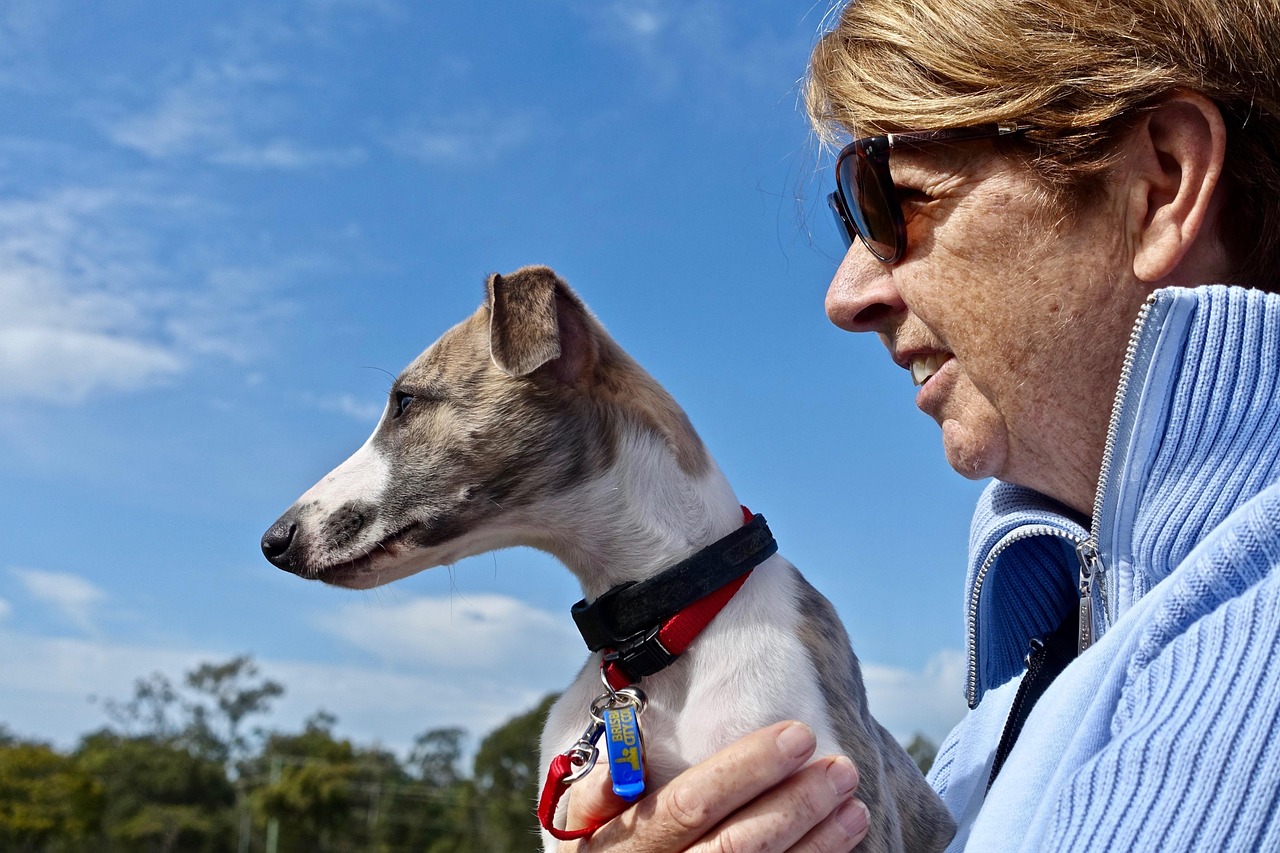
Dogs that are emotionally attached to their humans often show a lot of enthusiasm during activities they enjoy together, like walks, playtime, or training sessions. This isn’t just general excitement – it’s specific joy about doing things WITH you.
You might notice your dog becomes significantly more animated when you grab the leash for a walk or pick up their favorite ball. Their whole body language changes, and they radiate pure happiness at the prospect of spending quality time together.
This enthusiasm extends beyond just fun activities. Even mundane tasks like training sessions become exciting adventures when they get to do them with their favorite person. It’s their way of saying that any time spent with you is good time.
Showing Protective Behaviors Around You
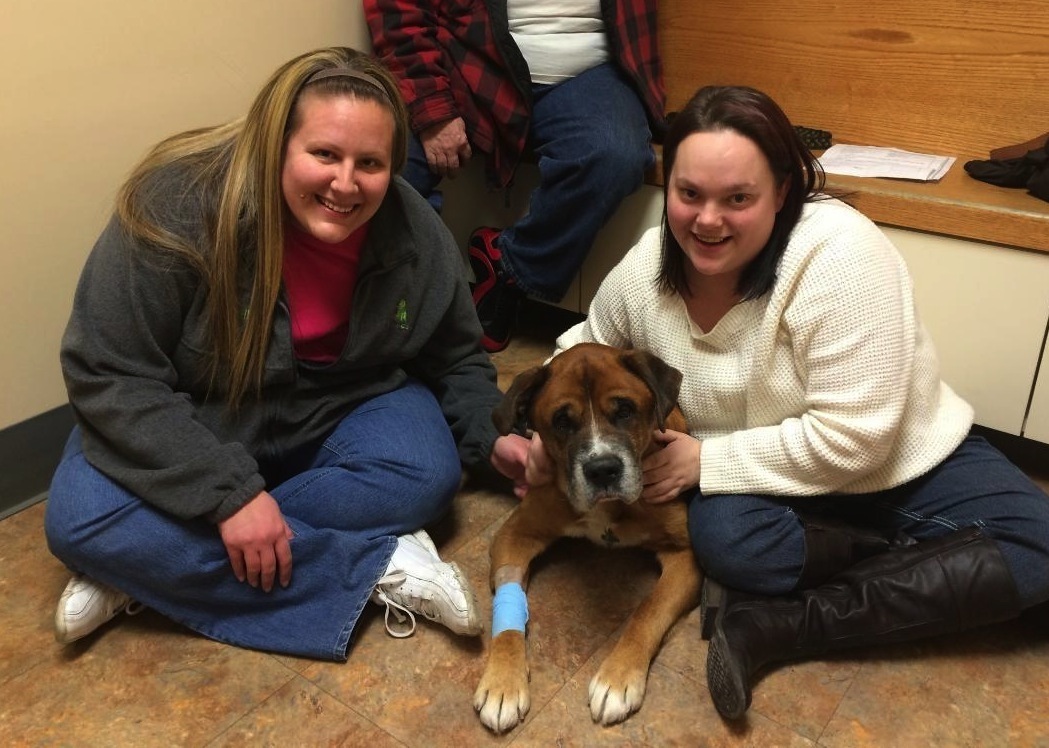
When dogs feel a strong bond with their human companions, they may display guarding behaviors. This could include positioning themselves between you and potential threats or getting defensive when strangers approach. This protective behavior stems from their loyalty and attachment to you.
This protection isn’t necessarily aggressive – it might be as simple as your dog placing themselves between you and a stranger, or becoming more alert when someone new approaches your home. They’re essentially saying, “This is my person, and I want to keep them safe.”
Some dogs will even “guard” you while you sleep, positioning themselves where they can keep an eye on both you and any potential entrances to the room. This protective instinct is a natural extension of their deep emotional attachment.
Displaying Separation-Related Behaviors When You Leave
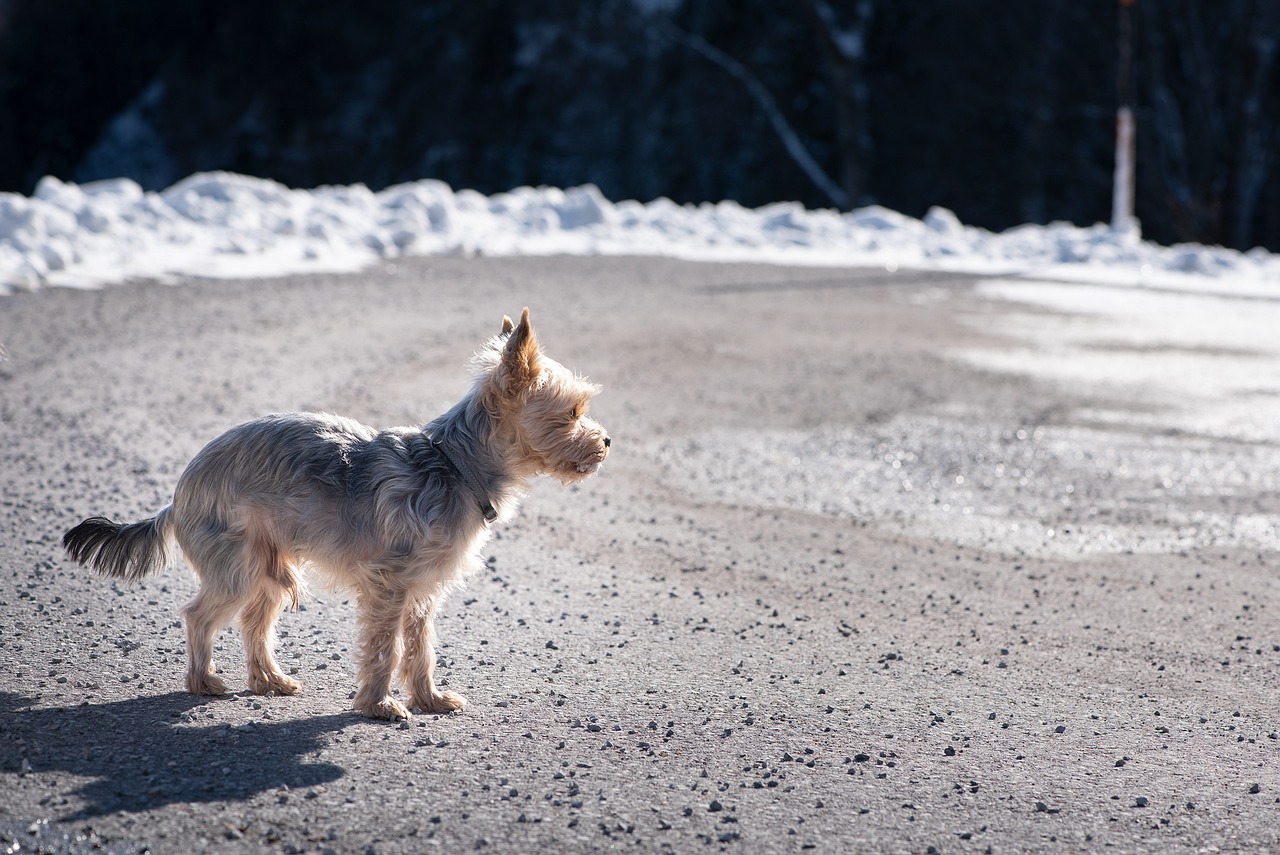
While we don’t want our dogs to experience anxiety, some level of distress when you leave can actually indicate a strong emotional bond. While most dogs are emotionally attached to their owners, anxious dogs exhibit more attachment behaviors than dogs that are less anxious. In addition to performing unwanted behaviors in the owner’s absence, dogs with separation-related problems will often show signs of excessive attachment to their owners.
A dog might start to pace, pant and whine when he notices his guardian applying makeup, putting on shoes and a coat, and then picking up a bag or car keys. Guardians of dogs who become upset during predeparture rituals are unable to leave – even for just few seconds – without triggering their dogs’ extreme anxiety.
The key is recognizing the difference between normal attachment and problematic separation anxiety. Some whining or following you to the door is normal for an attached dog – it becomes concerning when it escalates to destructive behavior or extreme distress.
Conclusion

These ten signs paint a beautiful picture of canine devotion – the kind of pure, unconditional love that makes dogs such extraordinary companions. If you feel that your dog loves you, they do. If they’re acting in ways that make you feel cherished and adored, there’s no doubt the love they feel for you is strong and everlasting.
Remember, every dog expresses attachment differently, and the intensity of these behaviors can vary based on personality, breed, and individual experiences. The most important thing is recognizing that these behaviors represent your dog’s way of saying “you are my person, my safe place, my everything.” What signs does your dog show you? Tell us in the comments!


