

The mystery of canine licking behavior puzzles pet owners everywhere. When your furry companion showers you with endless tongue kisses, it’s easy to assume they’re simply expressing their overwhelming love for you. The truth, however, runs much deeper than simple affection.
While some licking is indeed a heartwarming display of canine love, persistent and intense licking often signals something entirely different brewing beneath the surface. Understanding the complex language your dog speaks through their licking behavior could be the key to strengthening your bond and addressing potential concerns before they escalate.
The Affectionate Side of Licking
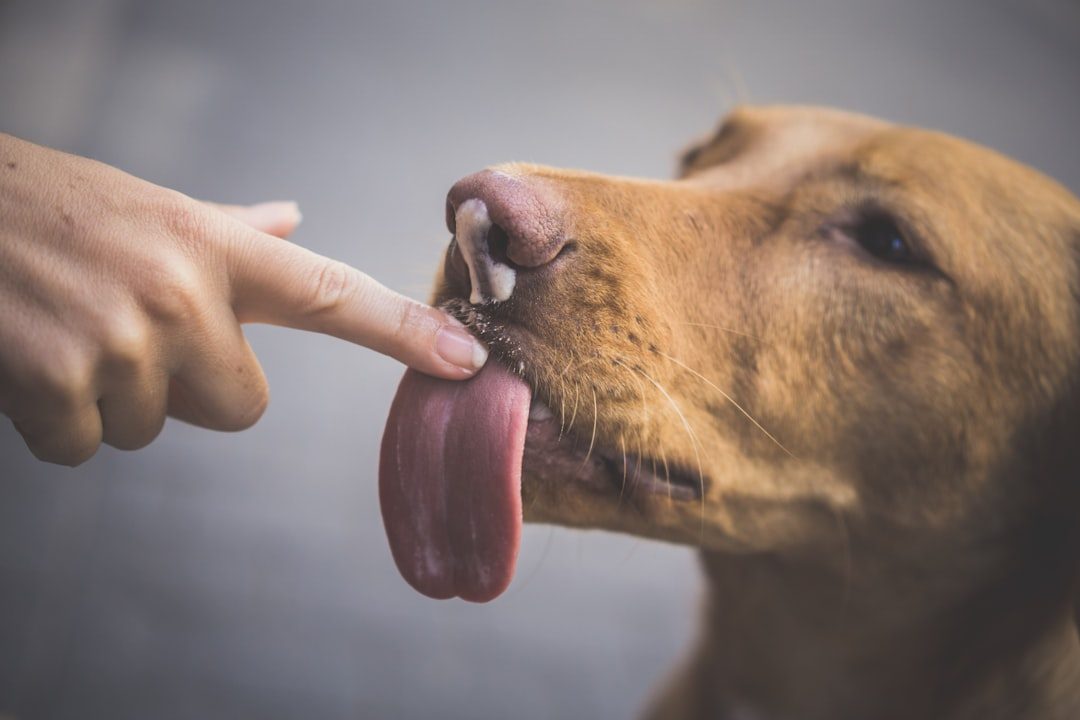
At its core, licking is an instinctive behaviour that’s linked to the comfort they felt when their mother licked them as a puppy. Licking plays an important part of how they bond with others, causing them to release dopamine and endorphins that help make them feel relaxed, calm and happy.
Studies have shown that licking releases endorphins in a dog’s brain. feel calmer and more relaxed. This then leads to a release of dopamine, another neurotransmitter associated with pleasure and motivation. When your dog approaches you with gentle licks after a long day, they’re sharing this natural high with you.
When Licking Becomes Excessive
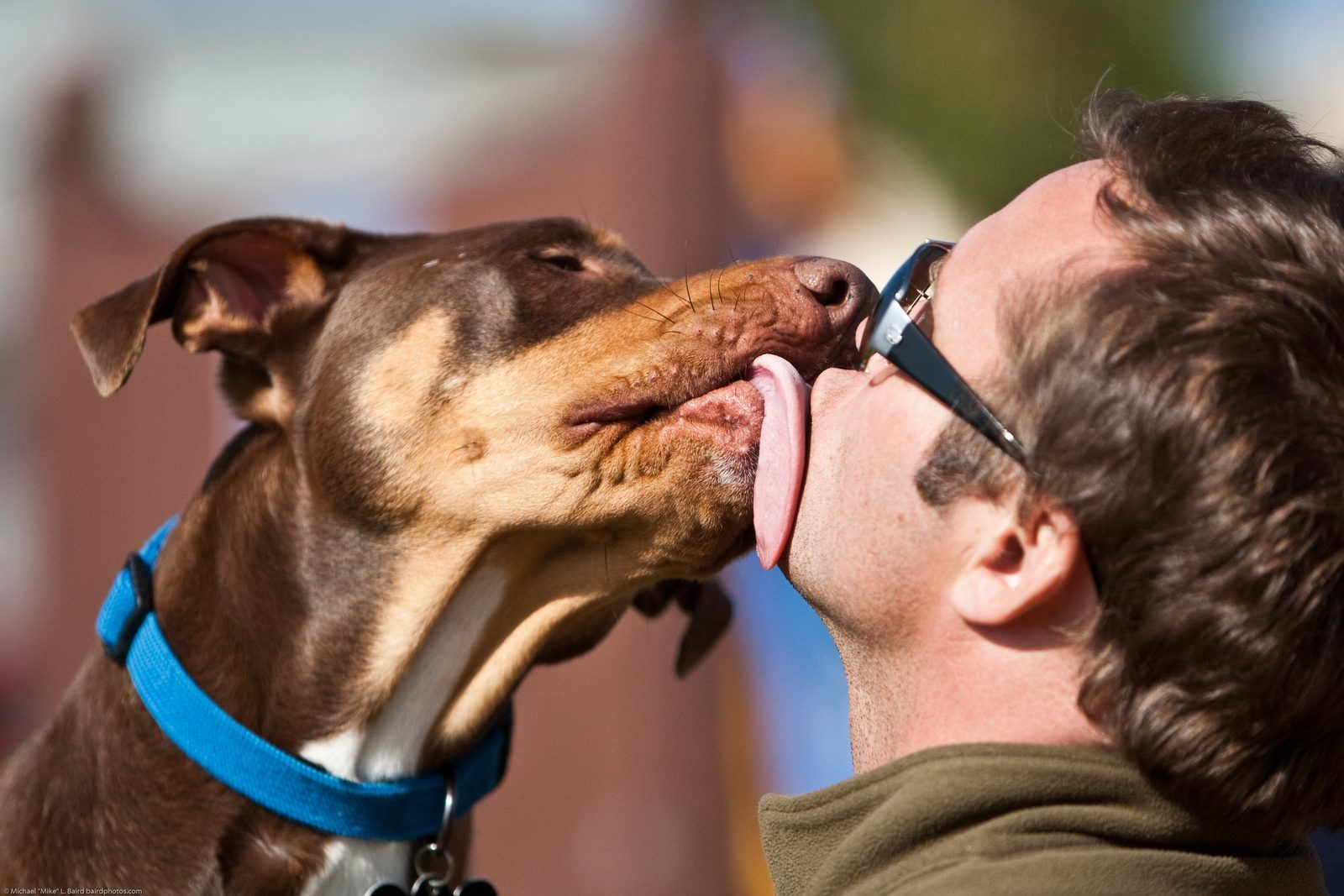
Licking that is more than grooming , exploring their world or showing affection should be considered excessive. When considered excessive, licking can cause harm to the underlying skin, or can be compulsive and difficult to curb. The line between normal and problematic behavior isn’t always obvious to pet owners.
Occasional licking is normal, but when it becomes constant and disruptive, it’s time to take action. Honestly, I’ve noticed that many dog owners dismiss early warning signs because they interpret all licking as love. This perspective, while understandable, can delay important interventions.
Anxiety and Stress as Hidden Culprits
Just like humans might nervously tap their feet or bite their nails, dogs can develop excessive licking as a coping mechanism for stress or anxiety. This could be triggered by separation anxiety, loud noises, changes in their environment, or even boredom. The licking can release endorphins, providing a temporary sense of calm.
It is often a stressed and fearful dog who is exhibiting licking behavior and these behaviors have become so ritualized that an anxious dog may lick even when there is no dog or person close enough to be licked. Think of it as your dog’s version of stress eating, except instead of reaching for comfort food, they turn to compulsive licking behaviors.
Medical Issues Behind the Licking
Dogs may lick excessively due to health issues, including allergies, infections, parasites, pain, and nausea. Nausea, acid reflux, or other digestive discomfort can prompt dogs to lick excessively. They might be trying to soothe their upset stomach or alleviate a feeling of unease.
Toothaches, gum disease, or foreign objects lodged in the mouth can cause a dog to lick frequently to relieve the pain or irritation. Itchy skin due to allergies, parasites, or dry skin can lead to relentless licking of the affected areas. Sometimes what appears to be affectionate behavior is actually your pet’s attempt to communicate physical discomfort.
Attention-Seeking Behaviors

Licking is a great way of getting your attention. If your dog licks you, you probably stroke them, talk to them kindly, pet them or make a fuss over them. This, in turn, encourages them to lick you and makes them more likely to do it next time. Your positive response creates a powerful feedback loop that reinforces the behavior.
Dogs are intelligent creatures and quickly learn what behaviors elicit a response from their owners. Sometimes that innocent face lick is actually your dog’s calculated strategy for securing belly rubs, treats, or simply your undivided attention.
Distinguishing Normal from Problematic Licking
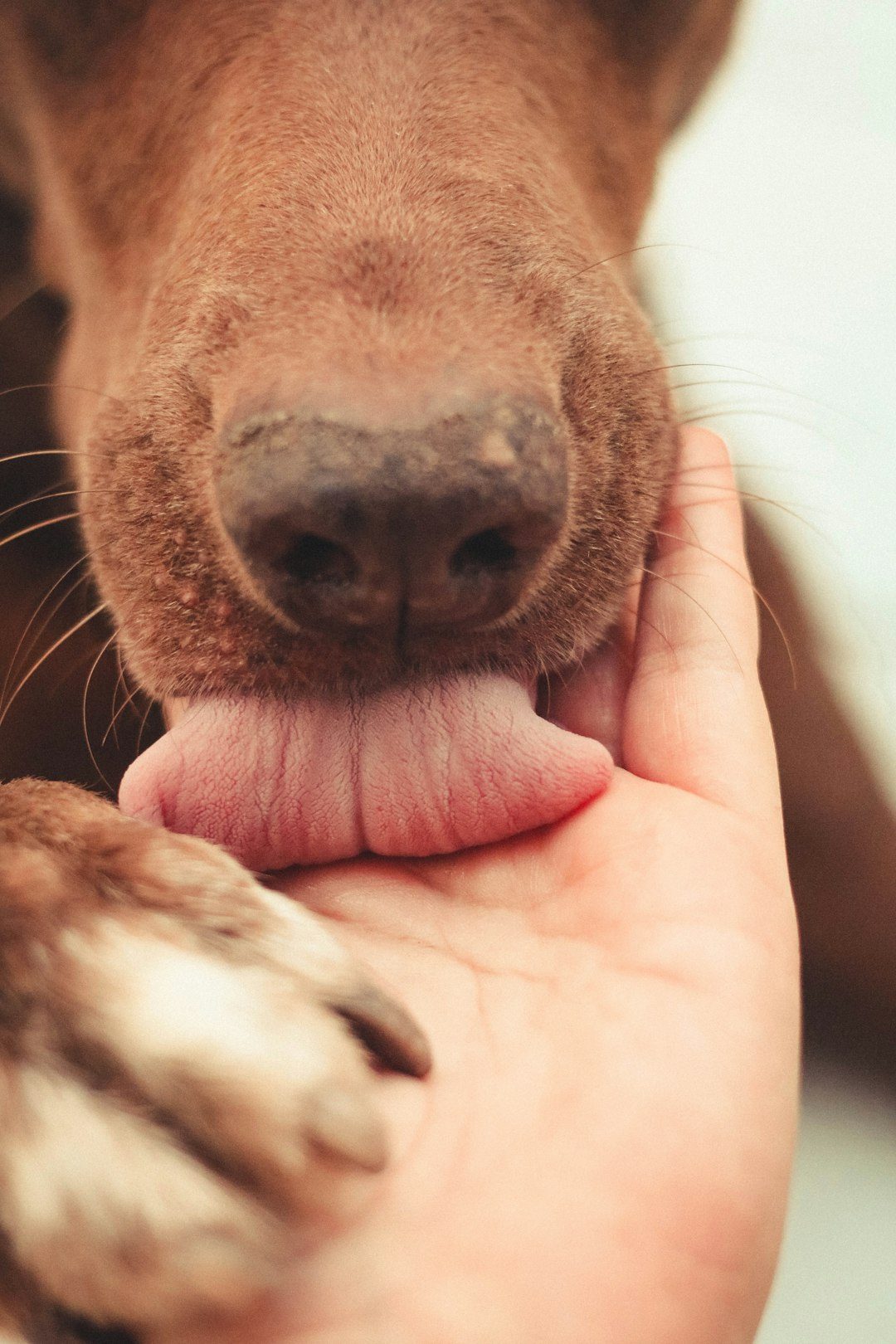
Gentle licking – Often a sign of affection or a greeting behavior. Intense licking – May suggest overexcitement or underlying discomfort. Behaviorally, licking that occurs frequently in response to an event but is difficult to interrupt can be a sign of anxiety.
Some dogs may lick lots, while others may do it less, but if your dog suddenly starts licking you a lot then it could be a sign that something is going on. Dogs may lick more frequently if they have increased anxiety or a health issue, such as an allergy, injury or arthritis. Changes in frequency or intensity should always raise a red flag for concerned pet parents.
When to Seek Professional Help
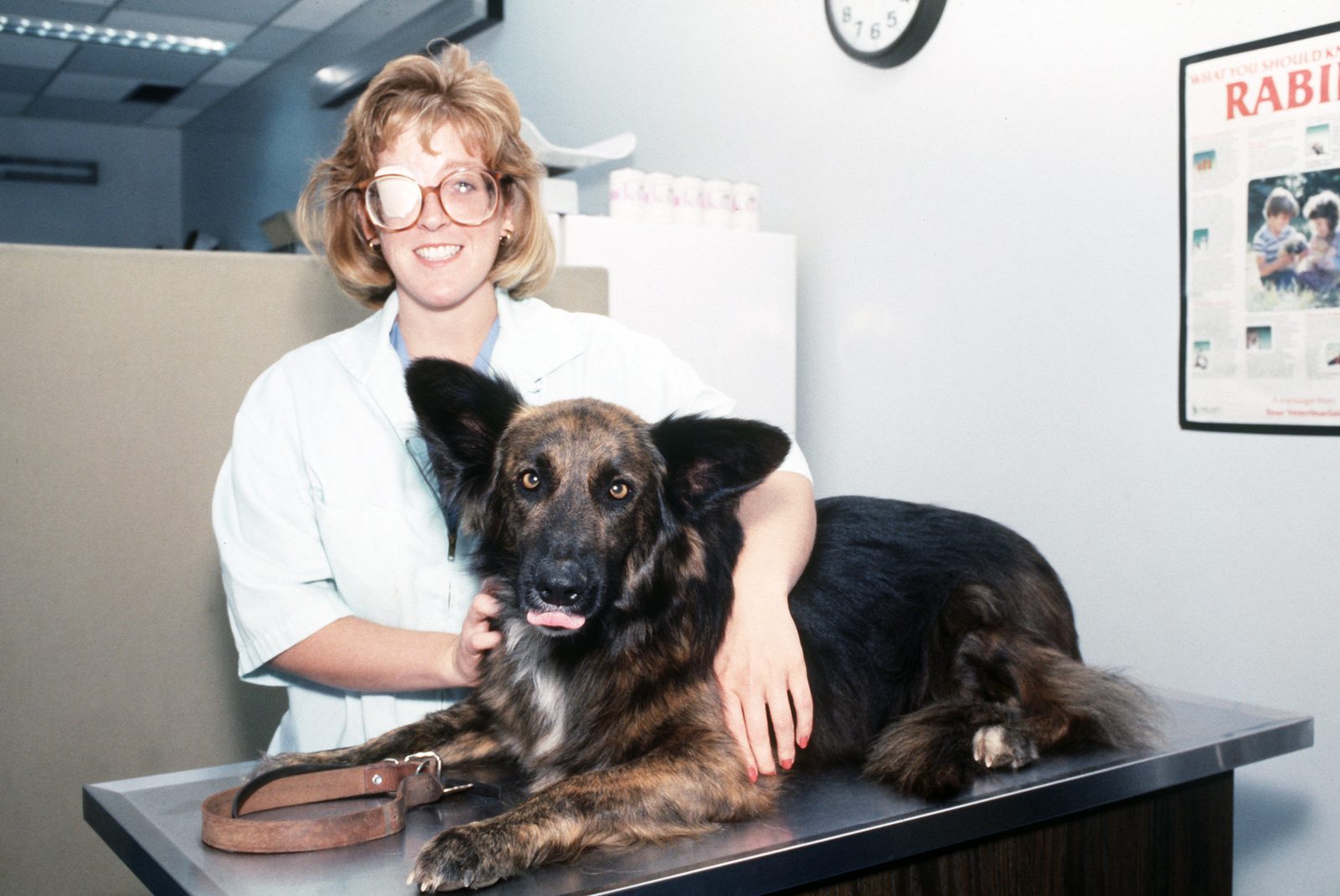
If licking is persistent, causes wounds, or seems linked to pain, contacting your vet promptly is the best step for your pet’s health. If your dog is licking more than normal, your first step is to contact your veterinarian. Constant licking can be a sign of an underlying medical issue that you’ll want to rule out BEFORE consulting a behavior professional.
Trust your instincts as a pet owner. If something feels off about your dog’s licking patterns, it probably is. Early intervention often prevents minor issues from developing into major behavioral or health problems that require extensive treatment.
Conclusion
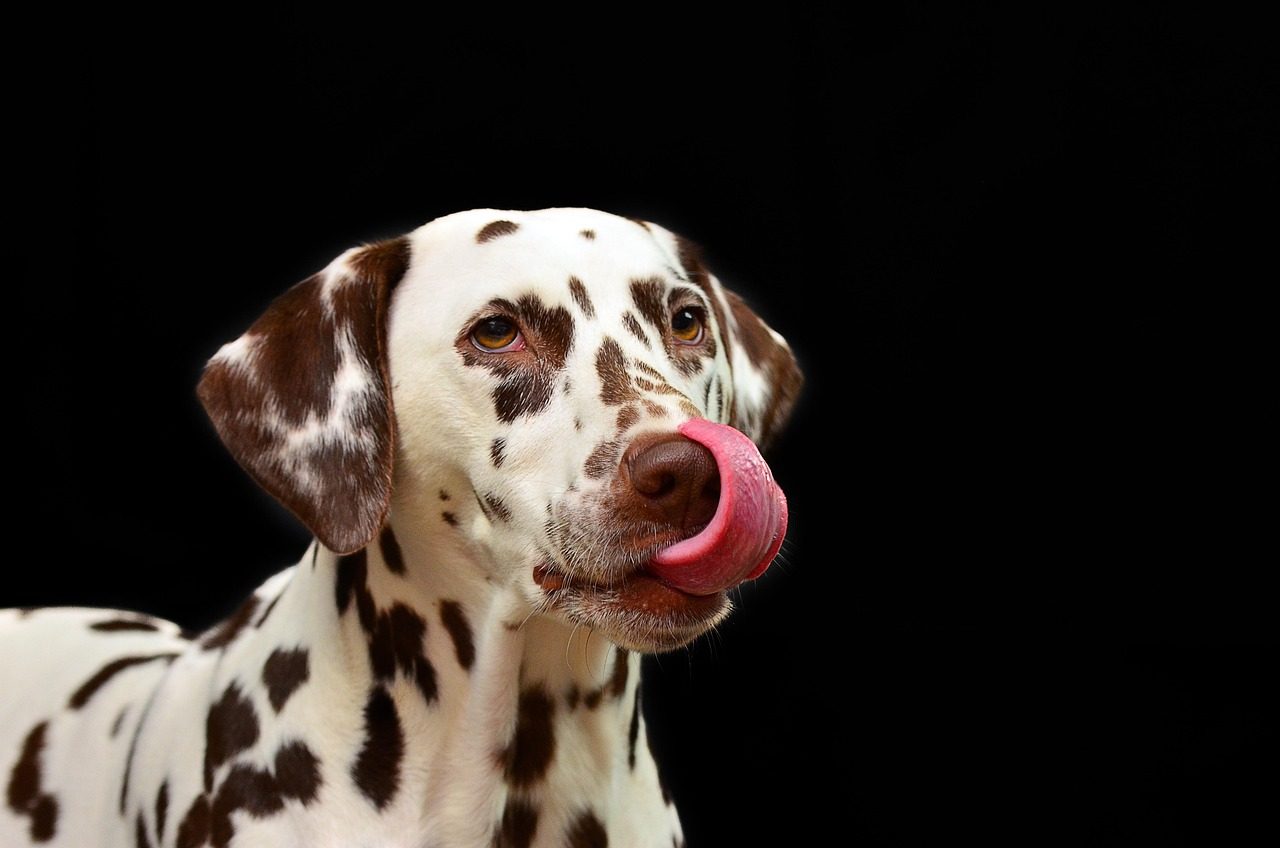
Your dog’s licking behavior tells a complex story that goes far beyond simple affection. While those gentle morning kisses might indeed be expressions of pure love, persistent or intense licking often signals underlying anxiety, medical issues, or attention-seeking behaviors that deserve your attention.
The key lies in observing patterns, noting changes, and responding appropriately to what your furry friend is trying to communicate. What stories do you think your dog’s licking behaviors are telling you? Pay attention to the details, and you might discover a whole new level of understanding with your canine companion.


