
These 6 Dog Breeds Are Notoriously Stubborn (And 5 That Are Eager To Please)

You know that moment when you’re calling your dog and they just stare at you with that look? The one that says, “I heard you, but I’m choosing to pretend I didn’t.” Maybe they’re across the yard, maybe they’re two feet away, maybe they’re actually watching you while completely ignoring the command. If this sounds familiar, you might be living with one of the notoriously stubborn breeds.
Here’s the thing, though: stubbornness isn’t always about being difficult. Sometimes it’s intelligence wrapped in independence. Sometimes it’s centuries of breeding for specific jobs that required making their own decisions. Whatever the reason, these dogs keep us humble, patient, and occasionally laughing through the frustration. Let’s dive into the breeds that make training an adventure, and then celebrate those eager-to-please souls who live to make us happy.
The Afghan Hound: Elegance With Selective Hearing
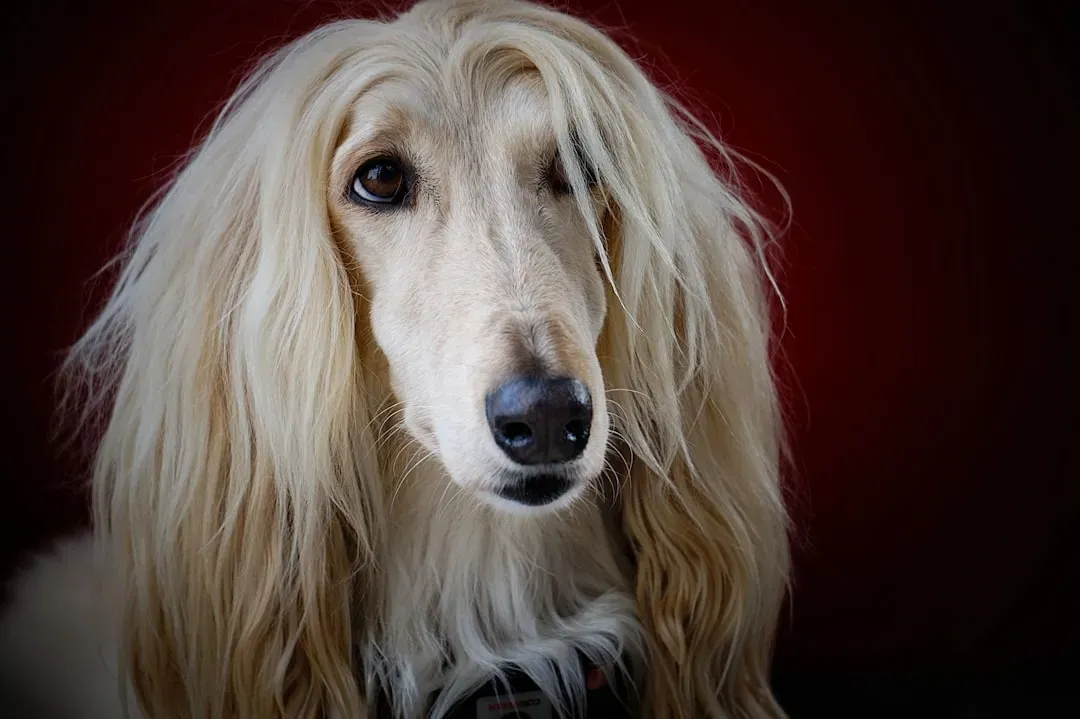
With its elegant appearance and aloof demeanor, the Afghan Hound has a strong independent streak and can be aloof during training sessions. I think what makes them particularly challenging is their cat-like personality. They’re highly intelligent but tend to think for themselves, often displaying selective hearing when given commands and will often ignore instructions if they aren’t in the mood.
Afghan Hounds can be incredibly aloof, often displaying a cat-like demeanor that leads them to question every command, and they’re notorious for their short attention spans, especially when they catch a tantalizing scent outdoors. They’re also sensitive and quickly pick up on negative emotions or harsh corrections, and if you become overly frustrated, they might shut down or lose interest altogether. Training these graceful creatures requires creativity, patience, and buckets of positive reinforcement.
The Basenji: The Barkless Independent Thinker
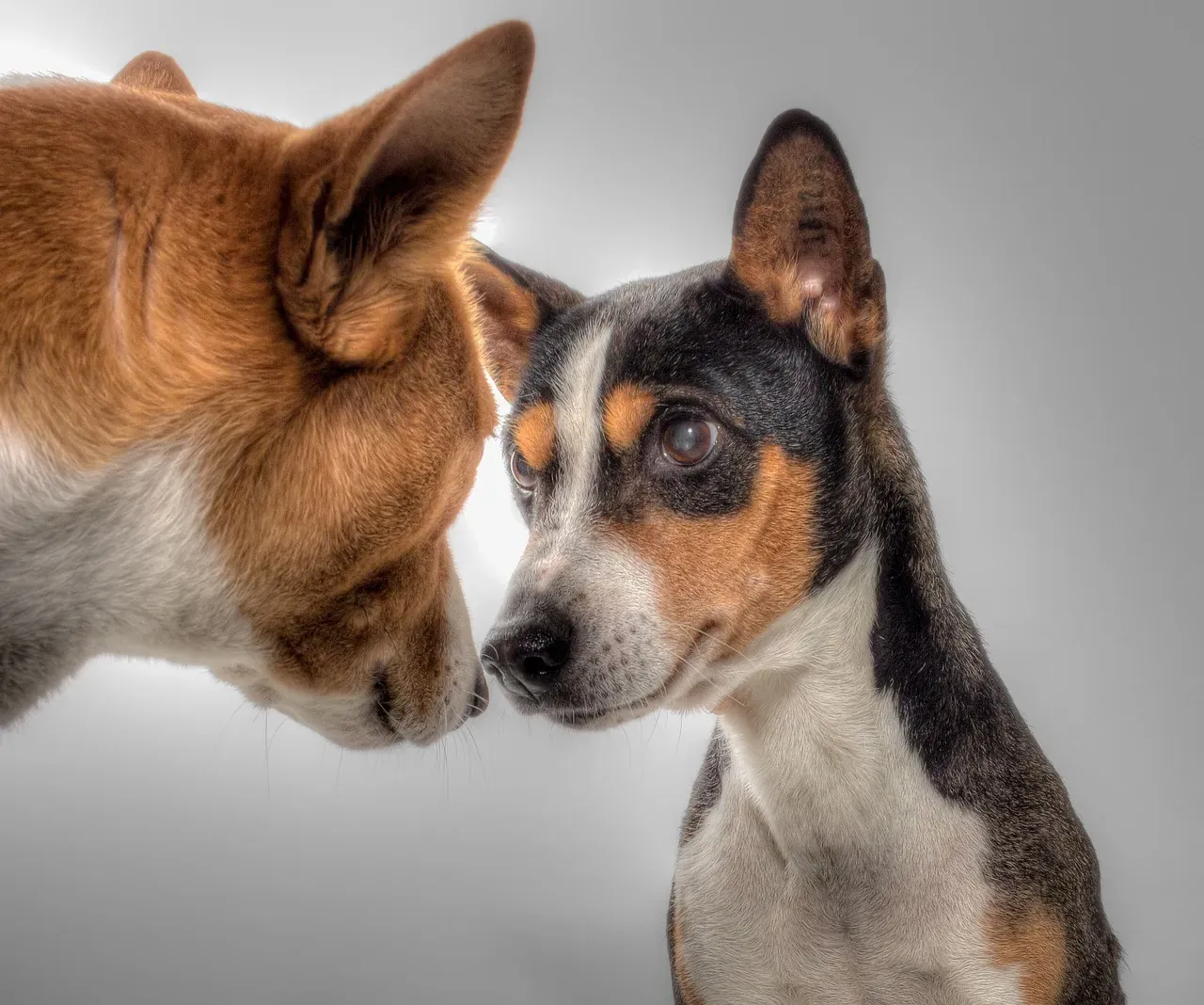
Sometimes referred to as the “barkless dog,” the Basenji is intelligent and curious, but their strong sense of independence can make training a challenge. They are also known for being a bit stubborn, which can make training a challenge, and you should start to train them early, continue consistently and be very patient, with some people describing training a Basenji like training a cat!
The Basenji’s boundless curiosity and high energy levels can be both entertaining and exasperating for owners, and they’re equally intelligent and mischievous, with an independent nature that can clash with conventional training methods as they thrive on exploration and get bored quickly if they aren’t mentally stimulated. They make unique vocalizations that sound like yodels instead of barking, which honestly just adds to their quirky charm. Let’s be real, you need a sense of humor and endless patience to succeed with this ancient African breed.
The Siberian Husky: Beautiful Escape Artists
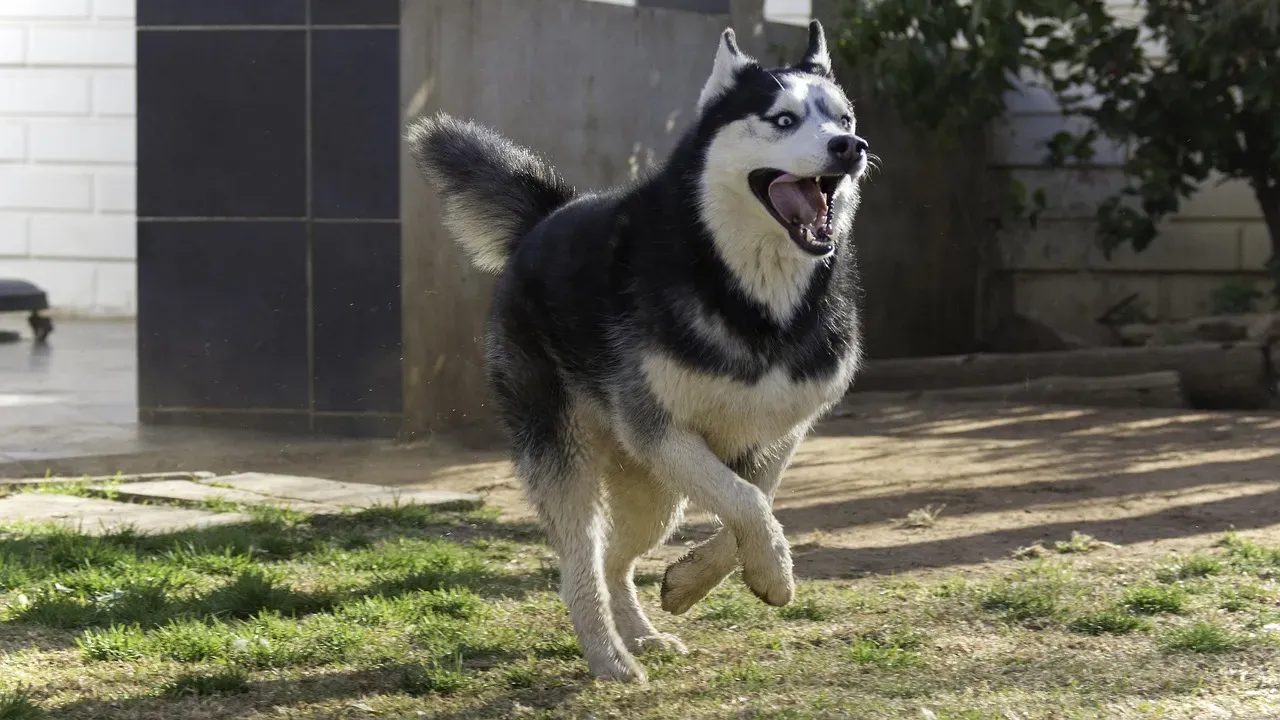
Those striking blue eyes and wolf-like features come with a price. At the top of the list sits the strikingly beautiful Siberian Husky, a breed as independent as it is energetic, bred to pull sleds across vast icy landscapes with endurance to spare and needing constant activity to stay focused. Several studies and experts have confirmed that Huskies are indeed one of the most stubborn dogs in the world, with short attention spans that frequently lead to temper tantrums.
Huskies are stubborn, high energy, have small prey drive, are escape artists of the dog world, and very vocal at all hours. Their intelligence works against you because they use it to figure out how to get what they want rather than what you want. They need experienced handlers who can keep up with both their physical demands and their clever minds. Once they spot something interesting, good luck getting their attention back without serious training investment.
The Beagle: Following Their Nose, Not You
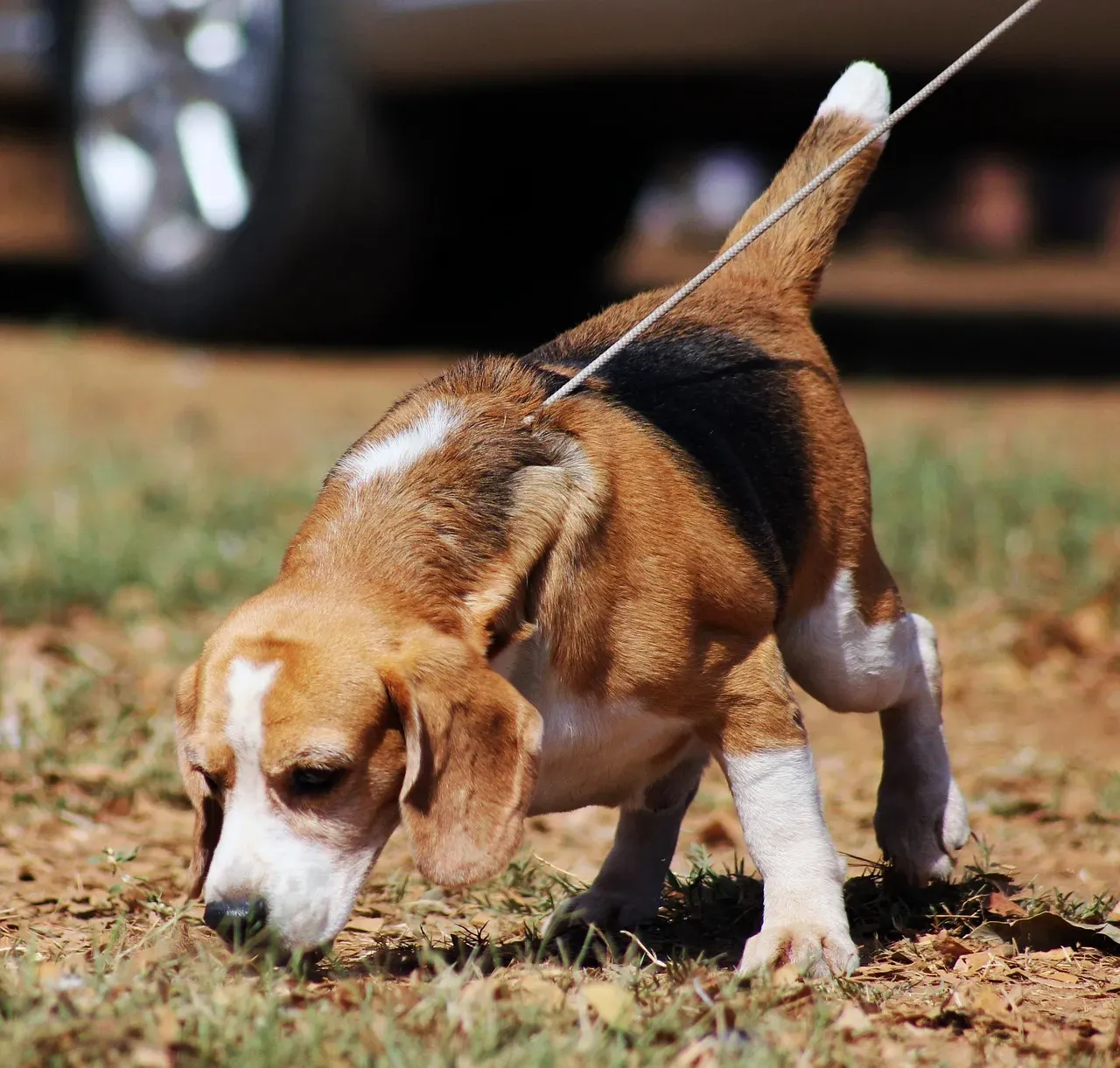
Another scent hound, the Beagle is friendly, loving, and notoriously difficult to train. The problem isn’t that Beagles are unintelligent. Far from it. Bred for scent tracking, they’ll follow their noses over your voice any day. When a Beagle catches an interesting scent, the rest of the world simply ceases to exist.
Their stubbornness stems from their breeding purpose. These dogs were designed to trail rabbits for hours without human direction, making independent decisions based on what their incredible noses told them. Their stubbornness combined with a laid-back nature means dog owners need lots of patience. Training requires high-value treats, consistency, and understanding that their nose will always be their primary guide through life.
The Dachshund: Small Dog, Big Attitude
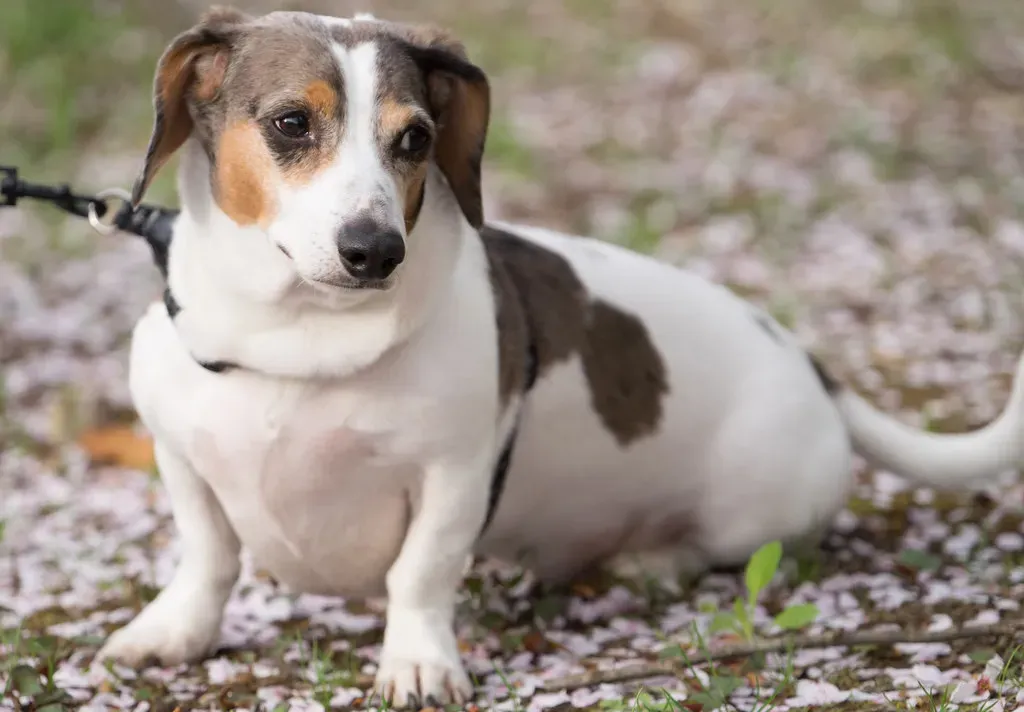
The short wiener dog is well-known for their lively and independent attitude, as well as their intelligence, hunting ability, and stubbornness, and Doxies like to do things their own way, often digging holes, chewing on shoes, or chasing other pets on a daily basis. Don’t let their size fool you. These little hunters have massive personalities and equally massive stubborn streaks.
Boredom is the Dachshund’s worst enemy, and without enough activity or attention, they can become destructive and stubborn, making it essential to keep them mentally and physically engaged to maintain their balance. Their intelligence means they know exactly what you want, they just decide whether it’s worth their time. Honestly, living with a Dachshund is like negotiating with a tiny, adorable dictator who happens to be excellent at emotional manipulation.
The Shiba Inu: The Cat-Dog Hybrid
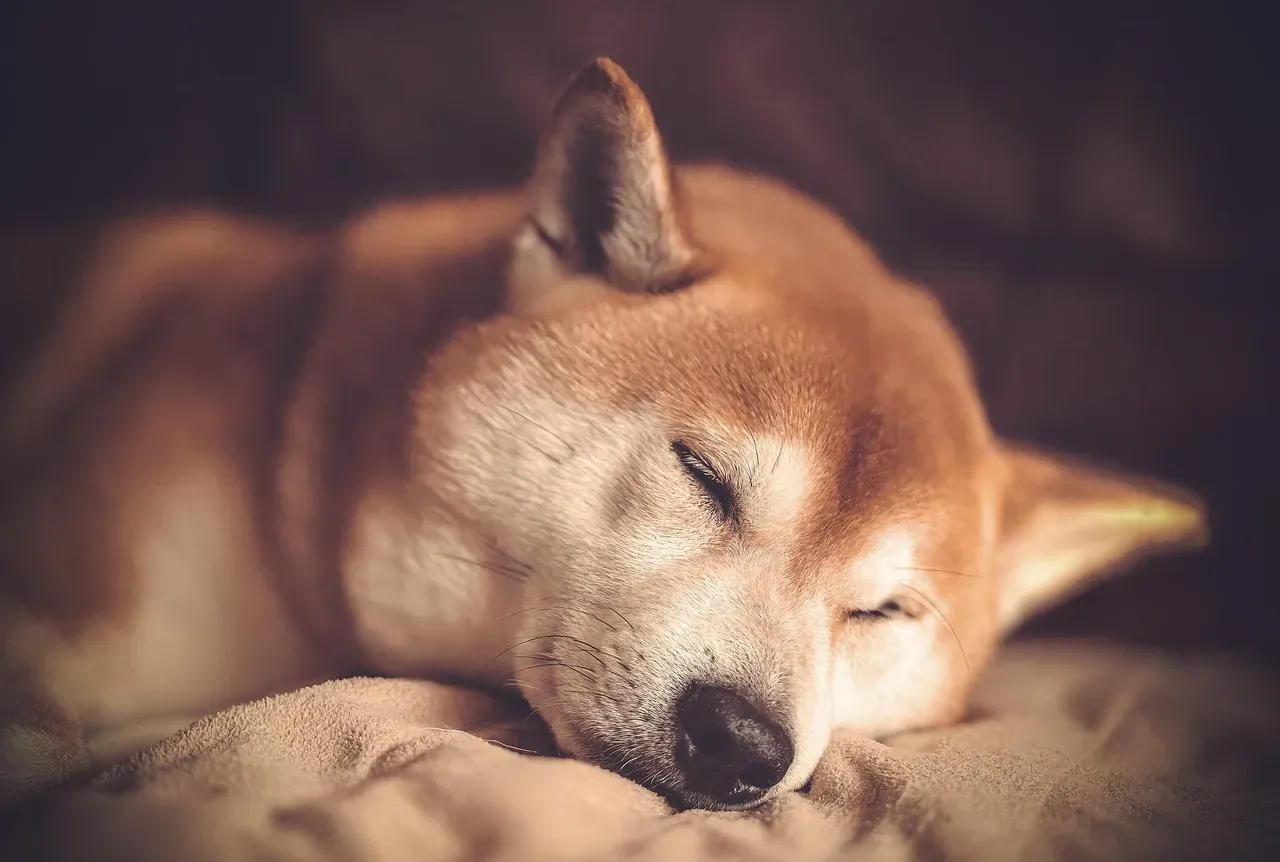
Shiba Inu, a small breed originally from Japan, should be on the list of the most stubborn dog breeds because of its bold and independent personality, accompanied by a stubborn characteristic that makes this breed highly disobedient and needs consistent and assertive training techniques. Many people believe that Shiba Inus are very feline-like, with this perception built around three of their strongest characteristics: independence, aloofness and determination, and they’re one of the most ancient dog breeds with a dash of “wilderness” that often comes with a hint of unwillingness to be cuddly.
They are very intelligent, highly alert and attuned to their environs, and are quick to form perceptions about the world which can be difficult to change, which is where their “stubbornness” is most highlighted. Training must start young with these spirited Japanese dogs. They need experienced owners who understand that the Shiba will always maintain a certain level of autonomy, no matter how much training you provide.
The Golden Retriever: Your Devoted Student
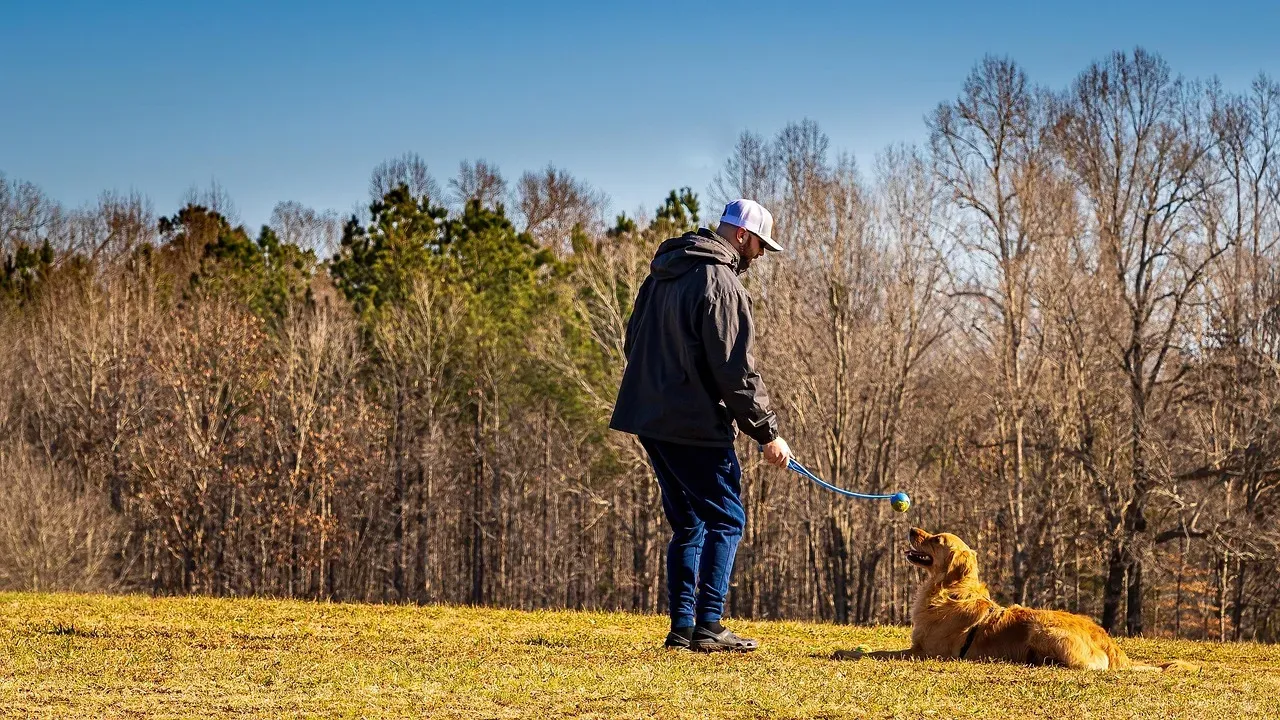
Now let’s talk about the dogs that make training feel like a partnership rather than a battle. Goldens are often known for being a bit goofy, but they’re also extremely loyal to their people and eager to please, with their friendly and patient nature making them excellent candidates for obedience training and advanced skills, such as search and rescue or therapy work.
Golden Retrievers are well-known for their friendly, outgoing nature and their exceptional trainability, often praised for their intelligence and eagerness to please, which makes them one of the easiest breeds to train. Goldens are successful in obedience and a delight to live with because they want to work closely with people, with something in their make up that gives them a higher desire to do whatever it takes to please their human partner. They’re the students who sit in the front row, take notes, and actually enjoy homework.
The Labrador Retriever: America’s Eager Learner
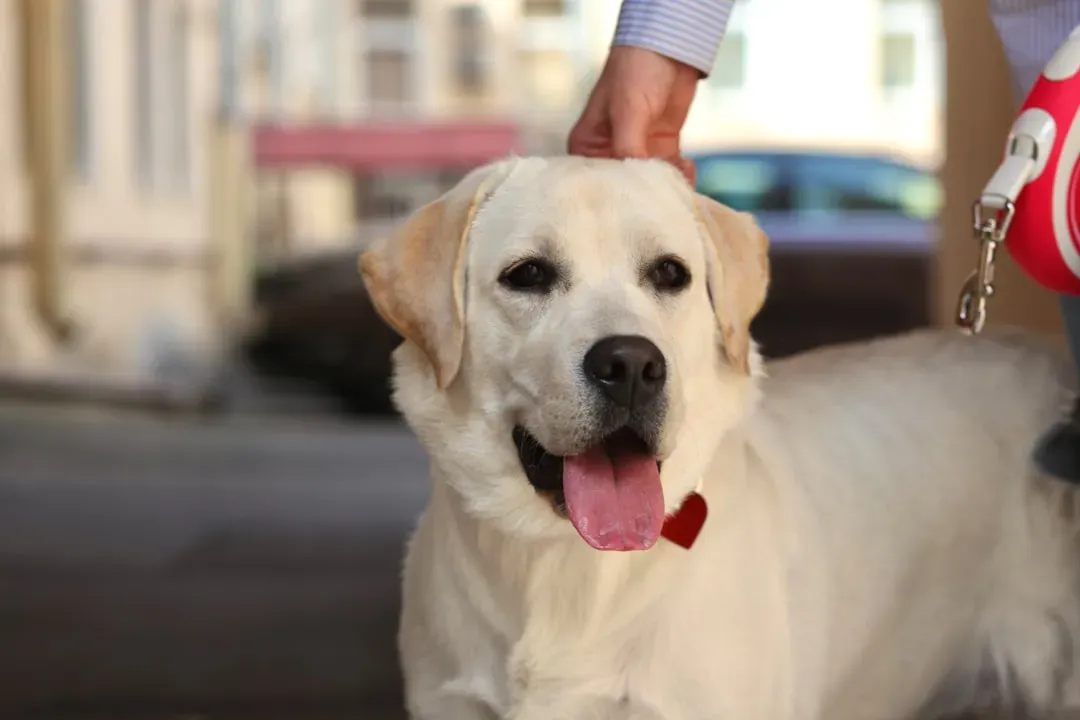
The Labrador Retriever is friendly, energetic, and eager to please, often considered an ideal first pet as you begin learning how to train dogs. There’s a reason Labs have been among the most popular breeds for decades. Consistently ranked as one of the most popular breeds in the United States, Labrador Retrievers win hearts with their intelligence and adaptability, and Labs love to please their owners, which makes them fast learners.
These clever pups love a challenge, which makes training them a pleasure, and their ease of training and their calm and gentle nature has made them a top choice for guide dogs around the world. Whether you’re teaching basic commands or complex tasks, Labs approach every training session with enthusiasm and focus. Their food motivation doesn’t hurt either, though you do need to watch their waistlines.
The Border Collie: The Canine Einstein
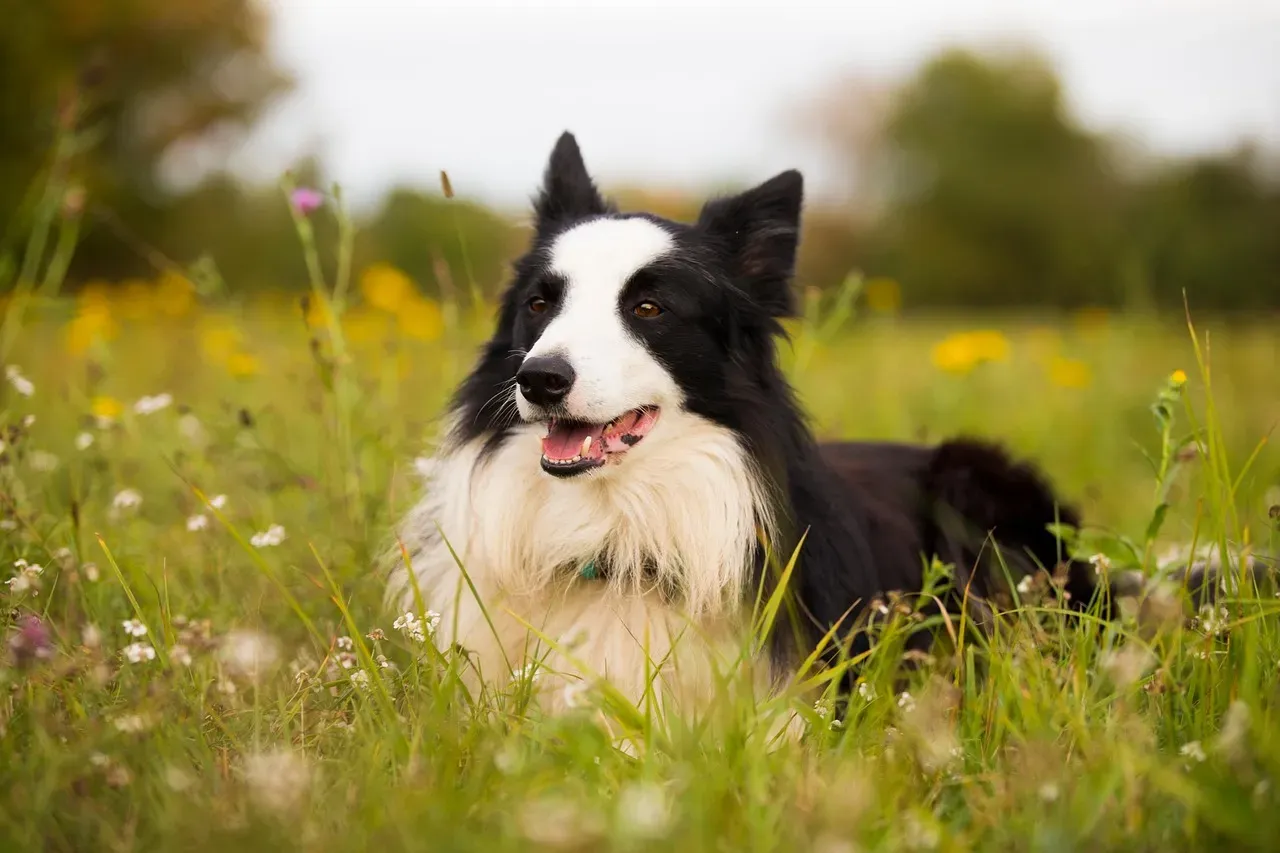
When it comes to intelligence, the Border Collie is in a league of its own, known as the “Einstein of the dog world” with unmatched problem-solving abilities. Border Collies are widely regarded as the most intelligent and trainable dog breed in the world, known for their herding abilities, with an extraordinary level of intelligence that makes them exceptionally quick learners.
Training a Border Collie can be both rewarding and demanding, as they learn new commands in just a few repetitions, but they also need constant stimulation. These dogs were bred to make split-second decisions while herding sheep across vast landscapes, so their brains are always working. The challenge with Border Collies isn’t getting them to learn, it’s keeping them challenged enough that they don’t get bored and invent their own entertainment, which usually involves redesigning your furniture.
The German Shepherd: Loyal Working Partner
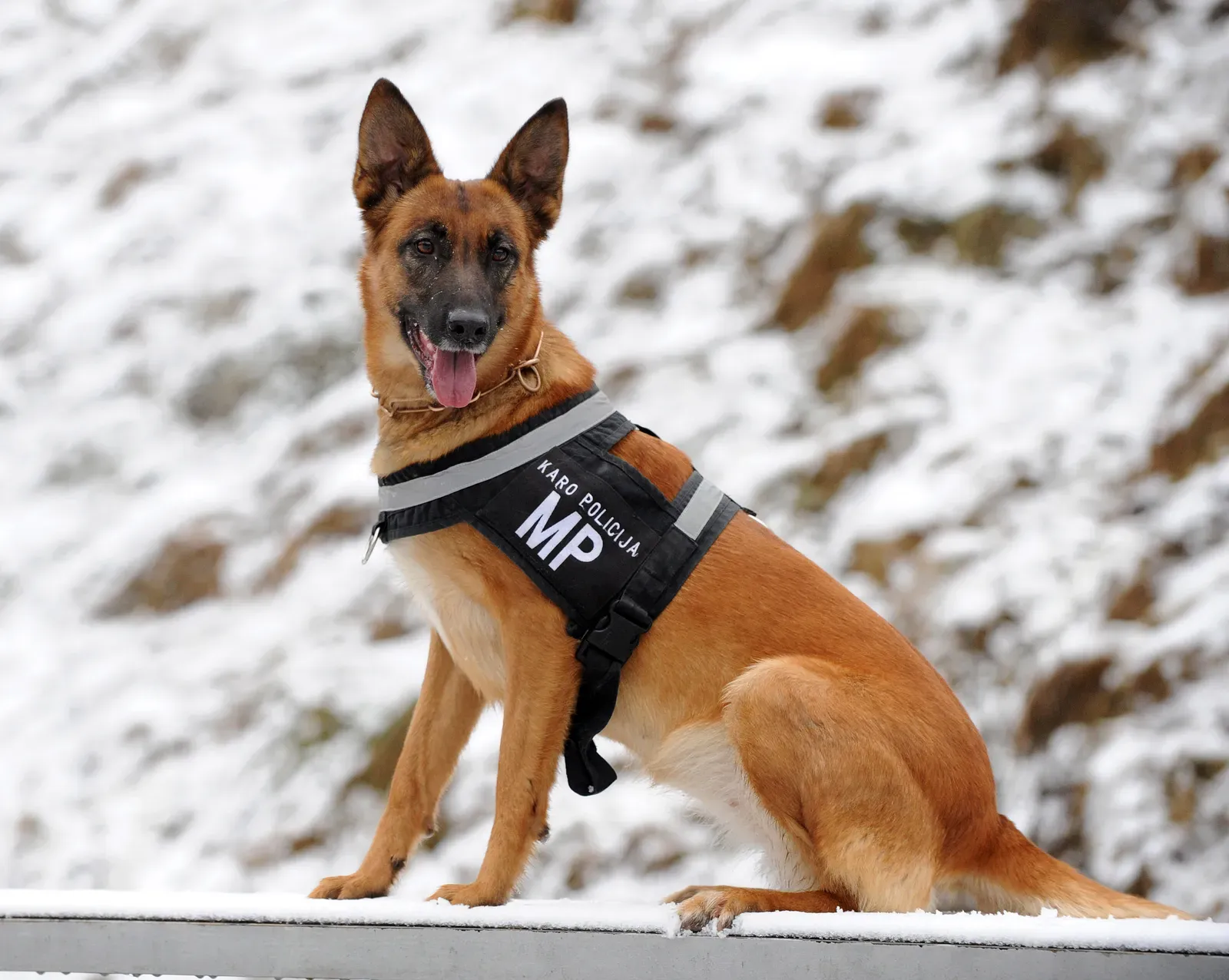
German Shepherds are quick learners and highly versatile, often used in police and military roles due to their trainability, and with proper socialization and everyday skill training, these intelligent and courageous dogs can adapt easily to life as family companions. The German Shepherd Dog is a tireless worker and wants nothing more than to please their handlers.
German shepherds were bred for their responsiveness and obedience, and we often see German shepherds trained to be police dogs, guide dogs, service dogs, and search and rescue dogs. They form strong bonds with their handlers and thrive when given jobs to do. Their combination of intelligence, loyalty, and trainability makes them exceptional students who genuinely enjoy the learning process. They want clear leadership and consistent expectations, and in return, they offer unwavering devotion and reliability.
The Papillon: Tiny Package, Big Brain
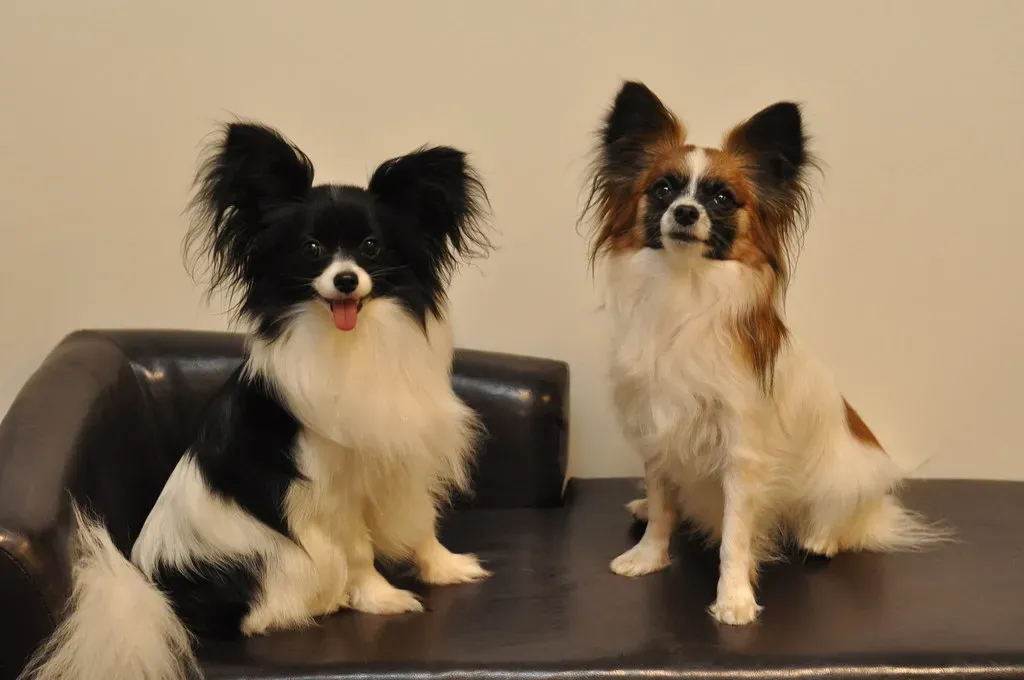
Named for their butterfly-like ears, this alert toy breed is eager to please their owners, and Papillons are curious, quick studies, and enjoy learning new things. Papillons are great, easy to train, small dogs who are highly intelligent and friendly, tenacious and do wonderfully in obedience training, with their eagerness to learn and playful, affectionate nature making them an excellent choice for first-time pet owners.
Don’t judge these little butterflies by their delicate appearance. They tend to be friendly, alert, and very energetic, meaning they won’t get easily bored or tired during training sessions, and Papillons can also learn a variety of tricks and commands, making them a surprisingly popular choice for certain dog sports like agility. It’s hard to say for sure, but I think people often underestimate these tiny dynamos. They prove that size has nothing to do with trainability or intelligence.
Conclusion: Every Dog Deserves Understanding
Whether you’re negotiating with an independent Afghan Hound or celebrating your Golden Retriever’s latest achievement, every breed brings something special to our lives. The most stubborn dog breeds tend to be intelligent, independent, and occasionally infuriating, but while stubborn dogs may be harder to train, they often make fiercely loyal and clever companions when handled with patience.
The eager-to-please breeds make training feel effortless, sure. They’re the dogs who live for your approval and celebrate every opportunity to work with you. The stubborn ones? They teach us patience, creativity, and humility. They remind us that not everything in life comes easily, and sometimes the greatest rewards require the most work.
What matters most isn’t whether your dog is on the stubborn list or the eager list. What matters is understanding their nature, respecting their breeding history, and adapting your training approach to meet them where they are. Every dog, regardless of breed, deserves an owner who sees their unique personality and works with it rather than against it.
So whether you’re the proud parent of a selective-hearing sighthound or a devoted retriever, celebrate what makes your dog uniquely them. Did your breed make the list where you expected? What training challenges have surprised you most?