
6 Signs Your Dog Trusts You Completely (And How to Build an Even Stronger Bond)
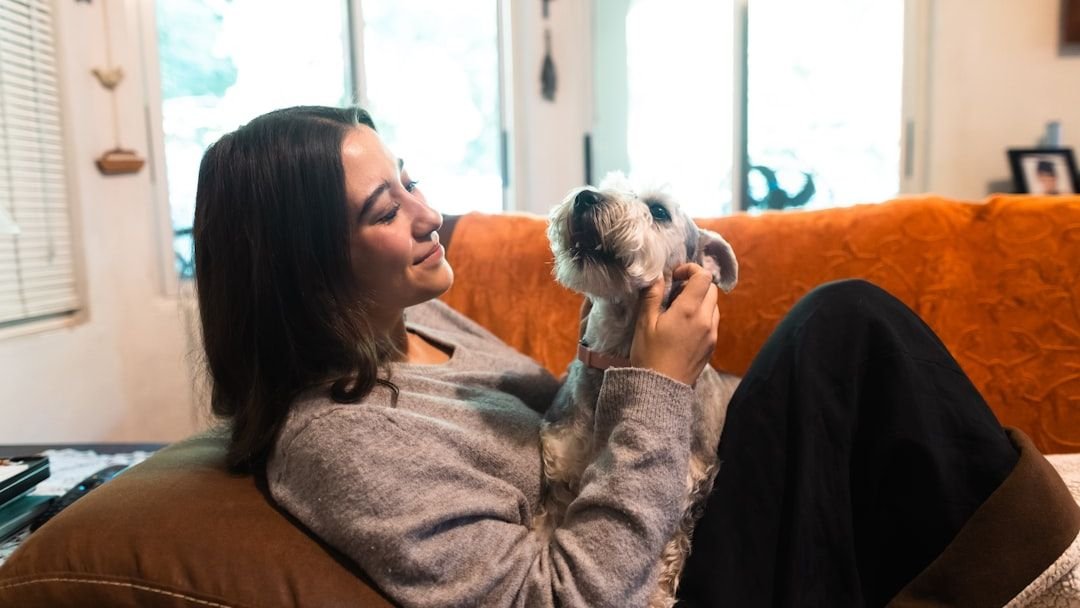
Have you ever caught your dog gazing up at you with those soulful eyes and wondered what they’re really thinking? Dogs can’t exactly tell us how they feel in words, so they communicate through actions, body language, and those quiet, tender moments that often go unnoticed. Trust is the invisible thread that weaves through everything in your relationship with your dog. It’s what makes them follow you from room to room, curl up beside you at night, and look to you when they’re uncertain.
The bond between humans and dogs is a bidirectional attachment bond that resembles the typical human caretaker and infant relationship, which means your dog sees you as their safe harbor in a big, sometimes overwhelming world. So how can you tell if your pup truly trusts you with their whole heart? Let’s dive into these unmistakable signs.
They Make Soft, Loving Eye Contact
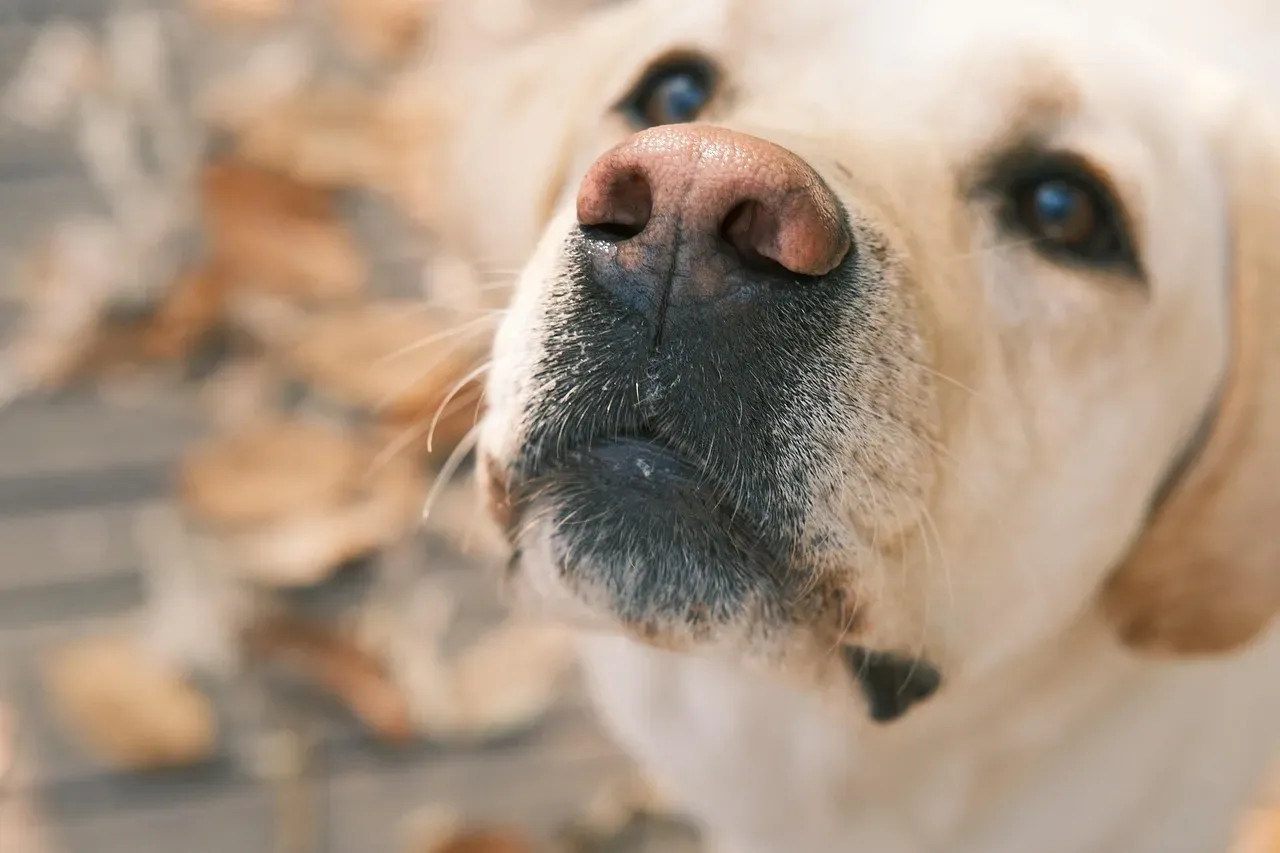
When your dog locks eyes with you in that gentle, relaxed way, something magical happens beneath the surface. Research shows that when dogs and humans gaze into each other’s eyes, they activate the same hormonal response that bonds us to human infants. This isn’t just a cute moment – it’s chemistry.
Sustained eye contact between dogs and their trusted humans triggers the release of oxytocin in both parties, which is often called the love hormone. Think of it as nature’s way of cementing your bond. Dogs who don’t trust someone will actively avoid eye contact, viewing prolonged staring as confrontational or threatening. Yet when your dog chooses to gaze at you with soft, relaxed eyes, they’re saying something powerful without uttering a single bark.
It’s worth noting this differs completely from a hard stare. That tense, unblinking look with a stiff body signals discomfort or aggression. Loving eye contact, though, comes with a loose posture, maybe a gentle tail wag, and an overall sense of calm.
They Sleep Near You or in Vulnerable Positions
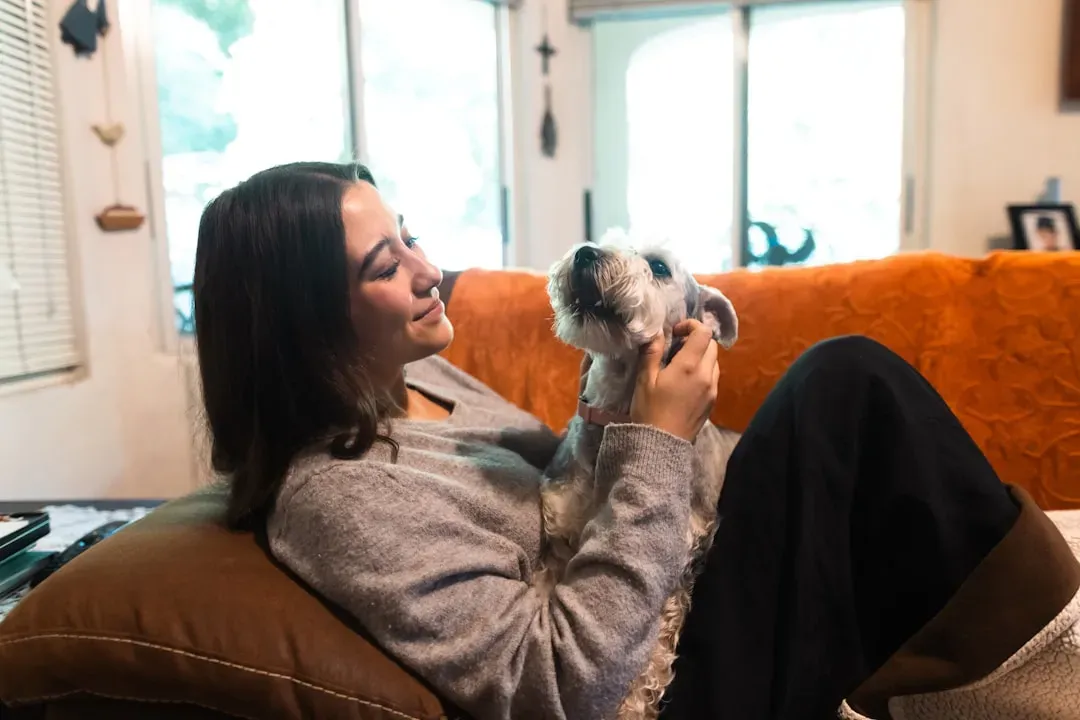
Sleep is when animals are at their most defenseless. Dogs choose to sleep where they feel most comfortable and at ease, and if your dog enjoys sleeping in your bed or snuggling up to you for a nap, they feel trust in you that they will be safe. This behavior traces back to their wolf ancestors, who slept close together with pack members for warmth, protection, and social bonding.
Does your dog sprawl out on their back with their belly exposed while napping nearby? That’s next-level vulnerability. The belly is one of the most vulnerable parts of a dog’s body, so when a dog feels comfortable enough to roll onto their back in your presence, they trust you enough to voluntarily roll into this exposing position. I think it’s one of the sweetest sights – a dog so relaxed they’re practically melting into the floor.
Even if your dog prefers their own bed, choosing to sleep in the same room as you speaks volumes. They want to be near their safe person, the one they’d protect and the one who protects them.
They Bring You Their Favorite Toys or “Broken” Things
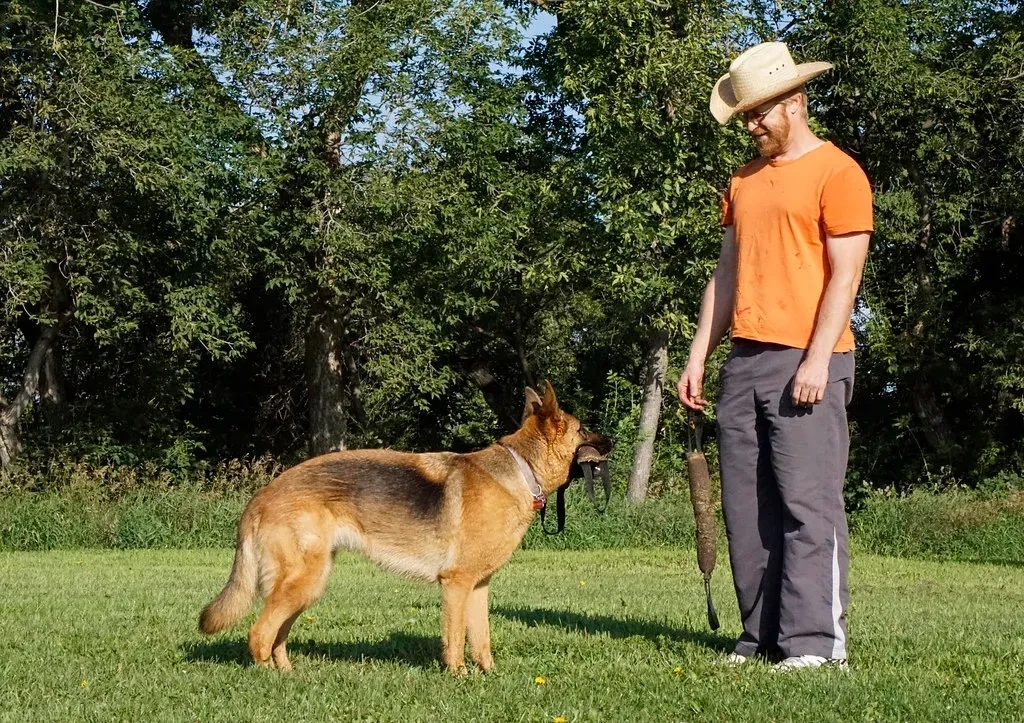
Ever had your dog trot up to you with their most prized possession – a slobbery tennis ball, a tattered stuffed animal, or that squeaky toy they guard fiercely? When your dog brings you their favorite toys or special items, they’re demonstrating both trust and a desire to share experiences with you, mirroring social bonding practices observed in wild canid populations.
Here’s the thing – dogs can be possessive of their belongings. Trusting you with their treasured items shows they believe you’ll respect what matters to them. Sometimes they’re inviting you to play, which is its own form of affection. Other times, especially if the toy is broken, they’re showing faith that you can fix it. They see you as capable, intelligent, and worthy of handling their important stuff.
They Check In With You During Walks or New Situations
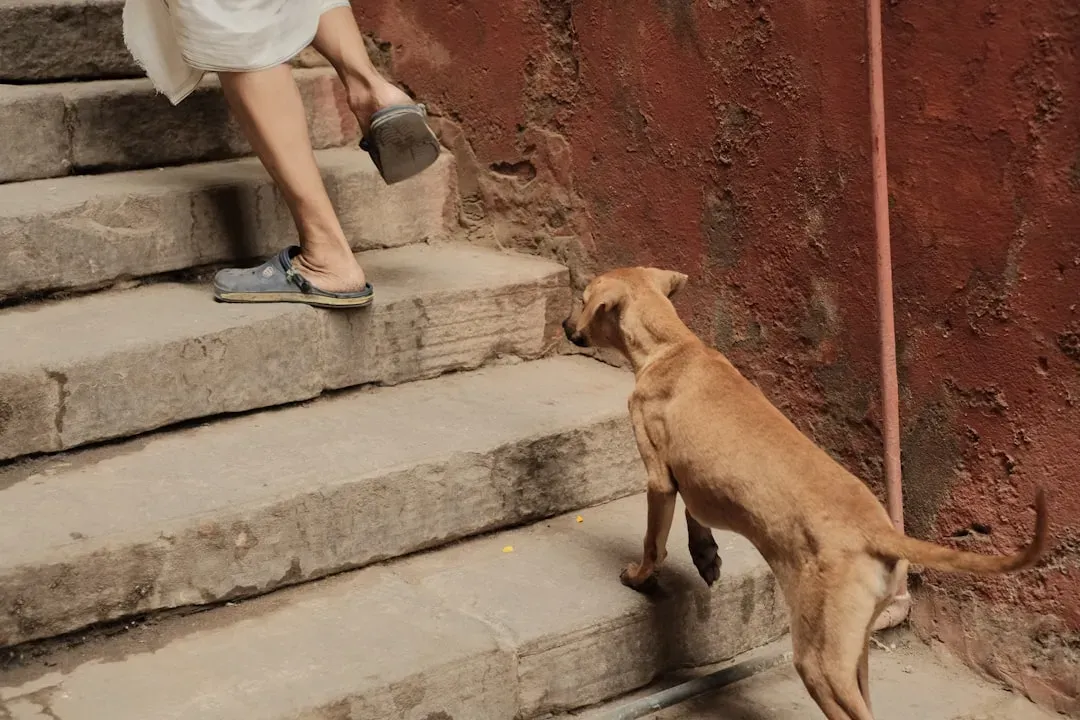
When you’re visiting the dog park or out on the trail, if your dog frequently pauses to check in with you, you have a strong bond. This behavior is called social referencing, and it’s absolutely fascinating. Your dog is essentially asking, “Is this okay? Should I be worried?”
In new or potentially stressful situations, a trusting dog will look to their owner for cues about how to react, demonstrating they value your judgment and rely on you for safety signals. Think about it – if your dog encounters something unfamiliar, like a strange noise or an unusual object, and they glance back at you before reacting, they’re trusting your emotional response to guide theirs.
Dogs who lack trust might bolt, hide, or make decisions entirely on their own without seeking your input. But a dog who trusts you? They’re constantly keeping tabs on where you are and how you’re feeling.
They’re Calm During Grooming and Care Tasks
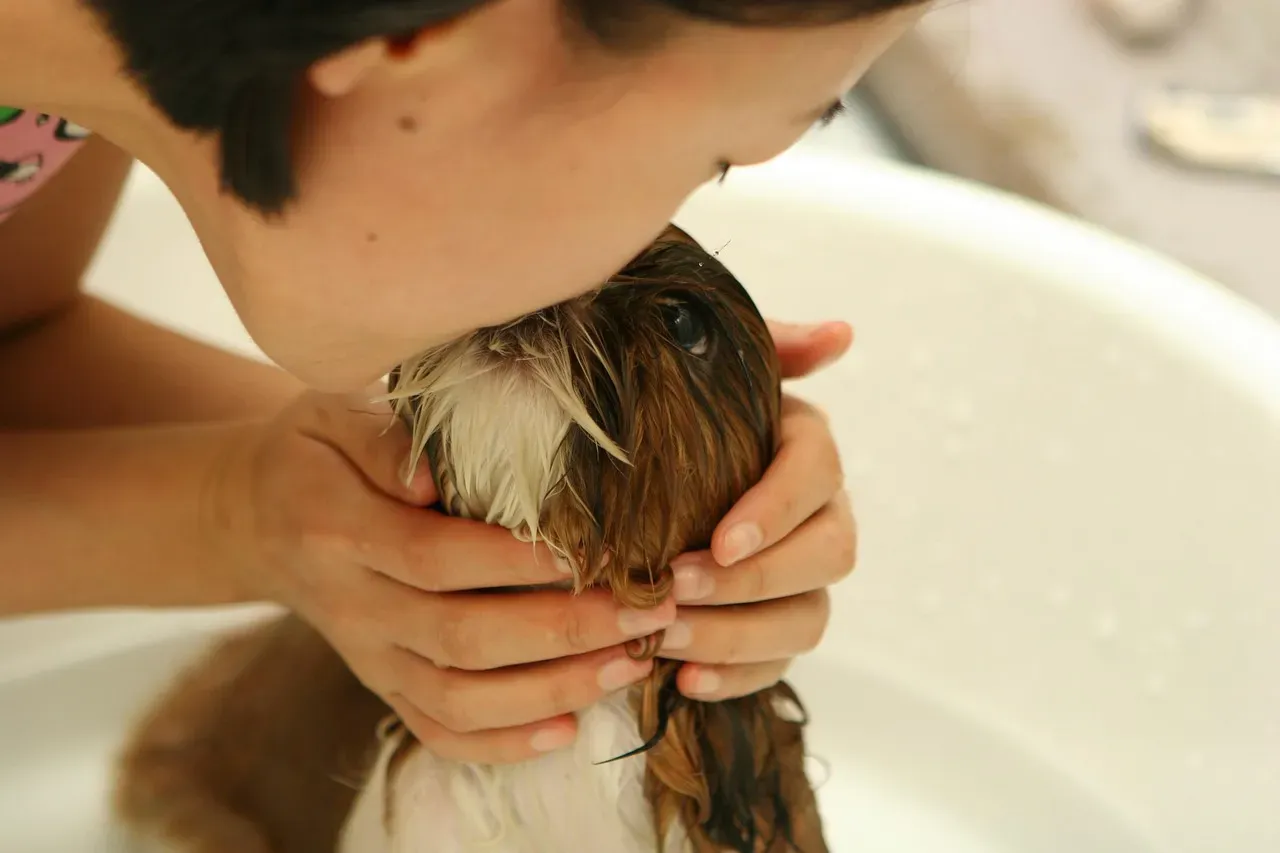
Let’s be real – nail trims, teeth brushing, and ear cleaning aren’t exactly spa days for most dogs. Allowing us to perform grooming and care tasks without a fuss is a clear indicator that your pup trusts you, since most of the handling required for care is awkward if not a little uncomfortable for dogs.
A dog who trusts you understands you’re not trying to hurt them, even when you’re doing something they find unpleasant. They might not love getting their nails clipped, but they’ll tolerate it because they have faith you won’t harm them. This is huge. If a dog doesn’t trust their person, these moments can turn into wrestling matches filled with anxiety and fear.
Building this trust takes patience and positive reinforcement. Going slowly, using treats, and respecting their boundaries during handling sessions teaches them that care routines are safe, not scary.
They Lean Against You or Seek Physical Contact
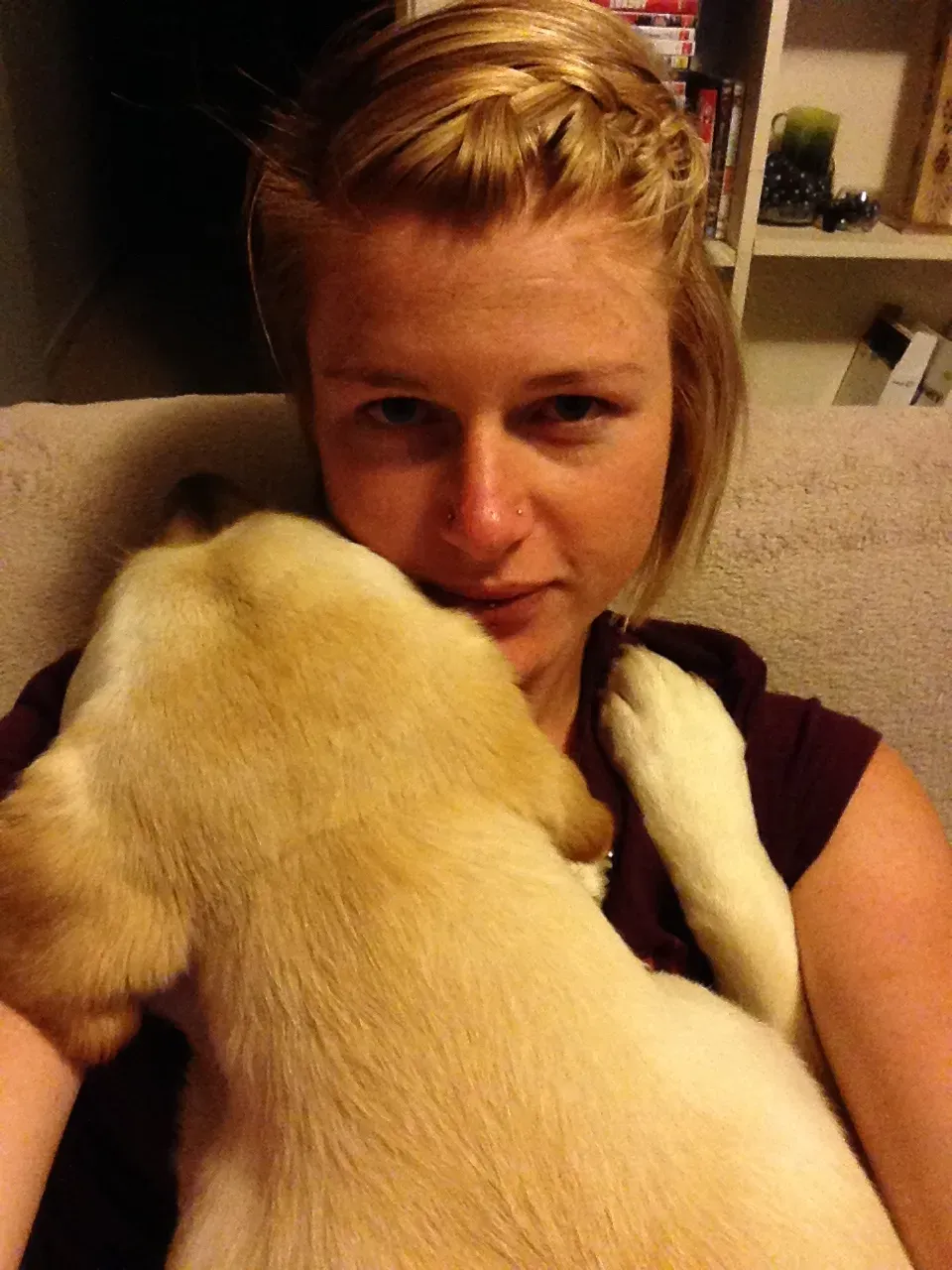
Some dogs are subtle about their affection, and leaning is one of those understated gestures that carries enormous weight. When a dog leans on you, it’s a sign of affection and trust, with your dog saying they feel safe and secure with you. It might seem like they’re just being clingy or getting in your way, but honestly, it’s so much more.
This behavior shows your dog views you as their protector and safe place. They’re literally putting their weight on you, trusting you to support them both physically and emotionally. Large dogs can make this particularly challenging when you’re trying to cook dinner or work, but try to appreciate it for what it is – pure love.
Similarly, dogs who follow you around the house, curl up at your feet, or rest their head on your lap are demonstrating their desire to be close to their trusted person. They could be anywhere, but they choose to be with you.
Building an Even Stronger Bond
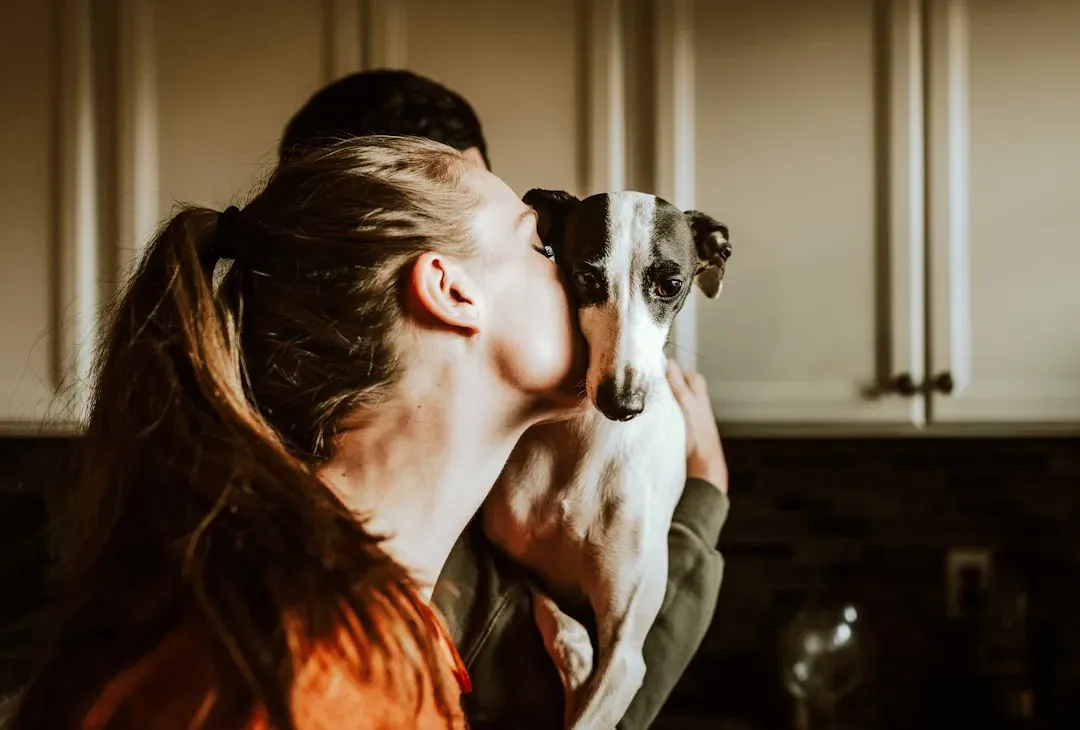
Understanding these trust signals is just the beginning. Deepening your connection requires ongoing effort, consistency, and empathy. Trust isn’t automatically given – it needs to be earned and maintained through consistent positive interactions, predictable routines, using positive reinforcement training methods, and respecting your dog’s boundaries.
Create stability through regular feeding times, walks, and bedtime routines. Dogs thrive on predictability because it helps them feel secure. Use rewards-based training that celebrates good behavior rather than punishing mistakes. Remember, yelling or harsh corrections erode trust quickly.
Learn to read your dog’s body language so you can respond appropriately to their needs. Practice consent-based interactions – if your dog moves away when you reach to pet them, respect that boundary. Routines are key to creating a predictable environment, keeping feeding, sleeping, and exercise times regular to create stability, and using positive reinforcement to reward desired behaviors.
Spend quality time together doing things your dog enjoys, whether that’s playing fetch, going on adventures, or simply sitting quietly in the same room. The human-canine bond is strengthened or diminished depending on the quantity and quality of the time spent with the canine and through activities such as routine walking, feeding, grooming, and play.
Trust is the foundation of everything beautiful in your relationship with your dog. When you recognize these six signs – the loving gazes, the vulnerable sleeping positions, the toy offerings, the constant check-ins, the calm during care, and the physical closeness – you’re witnessing something truly special. Your dog has chosen you as their person, their safe harbor, their family. Nurturing that trust creates a bond that enriches both your lives in ways that go far beyond simple companionship. What small sign of trust did your dog show you today? Pay attention – you might be surprised by what you discover.