
8 Dog Breeds That Excel At Living In Apartments (And 4 That Need Space)
Picture this: it’s a quiet Tuesday morning, you’re sipping your coffee in your cozy city apartment, and curled up beside you on the couch is the most perfectly matched canine companion you’ve ever known. It sounds ideal, right? The truth is, not every dog gets to live that story. Choosing the wrong breed for a small living space can turn that dream into a daily struggle – for both you and your pup.
Size of your living space isn’t the only consideration, because many large breed dogs have lower activity levels and are more than happy to lounge on the sofa. Surprising, I know. Honestly, some of the best apartment dogs I’ve come across aren’t the tiny ones you’d expect. A 10-pound Jack Russell Terrier with high energy and vocal tendencies might cause more apartment problems than a calm, 60-pound Greyhound who sleeps 20 hours per day. Size matters, but temperament and energy level often matter more.
So whether you’re a first-time dog parent or a seasoned lover of four-legged souls navigating city life, this guide is for you. Let’s find your perfect match – and steer clear of a few heartbreaking mismatches too. Let’s dive in.
1. French Bulldog: The Ultimate Urban Couch Companion
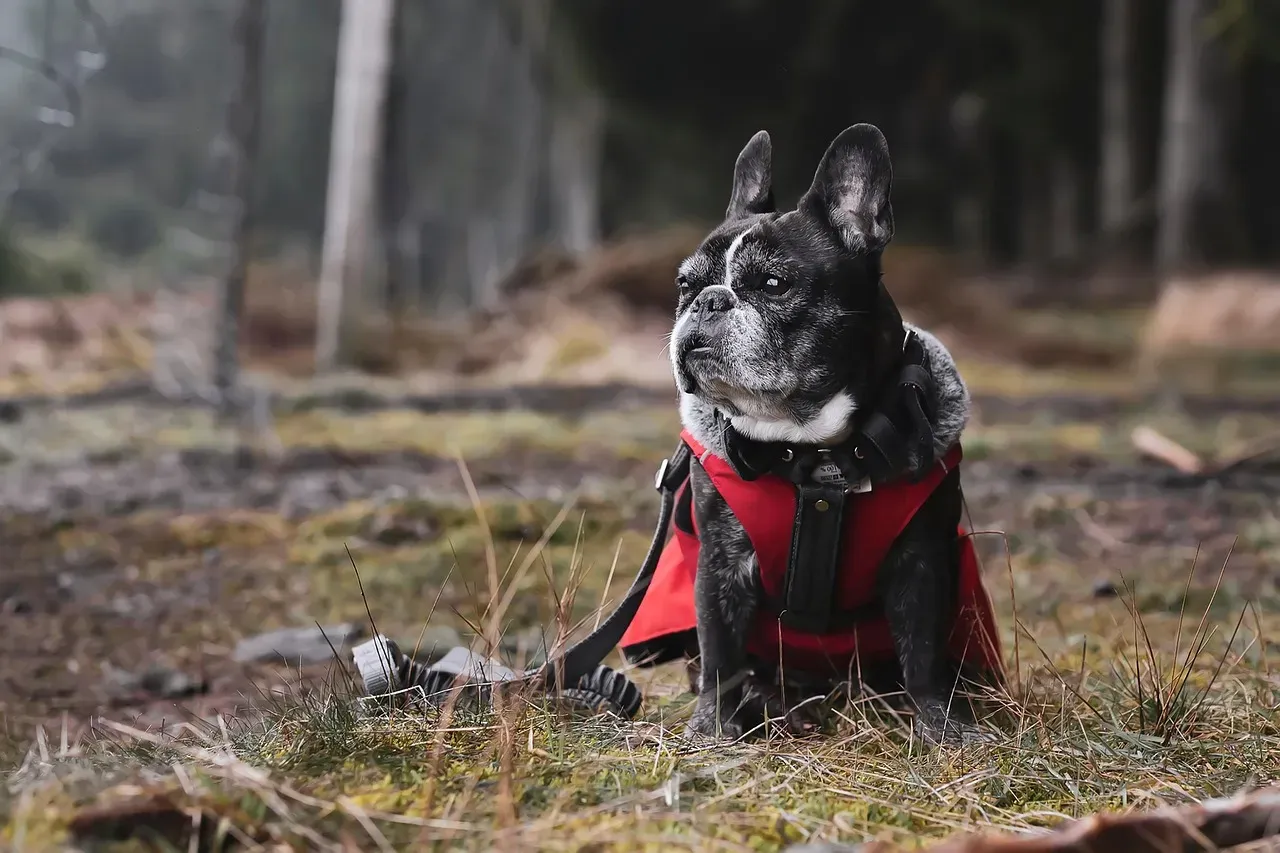
Here’s the thing – if there were a dog literally designed for apartment life, the French Bulldog would be it. French Bulldogs are adored for their enchanting personalities and stocky build. These dogs are mainly designed for apartment life. They are compact, under 28 pounds, and well-known for being friendly, calm, and quiet.
They love lounging, which outweighs any desire for vigorous exercise. They are one of the least vocal dog breeds, making them perfect for buildings with thin walls. Their laid-back nature fits effortlessly into slow-paced urban homes, and their short coats mean they need less grooming. Think of them as the Netflix-and-chill dog of the canine world.
One small health note worth knowing: Frenchies are a brachycephalic breed, meaning their flat faces can cause breathing issues in heat or during intense activity. Keep their exercise moderate, especially on warm days, and schedule regular vet checkups to monitor their airways. They’re not built for long runs – and they’d be the first ones to tell you that.
2. Cavalier King Charles Spaniel: Royally Suited to Small Spaces
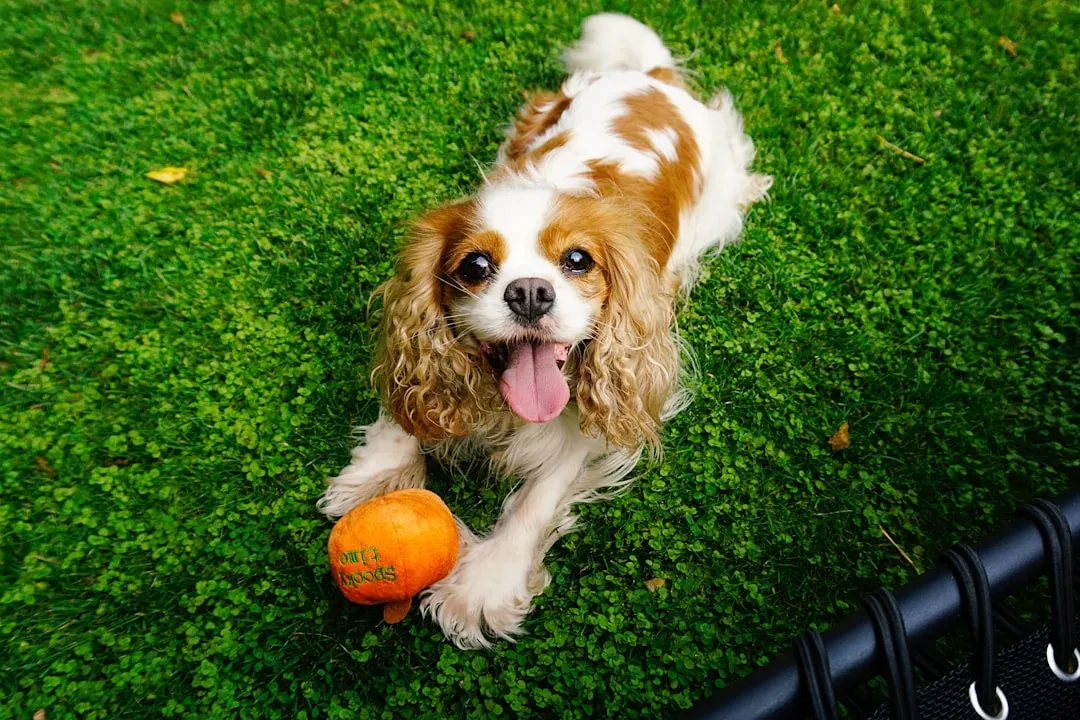
Adaptability is the strong suit of the Cavalier King Charles Spaniel, which makes the breed an excellent pick for apartment life. Bred to be a lapdog but descended from sporting dogs, this small spaniel is game for outdoor adventures but also relishes time spent snuggling with human companions.
These dogs thrive with indoor cuddle time and daily walks. Cavaliers are well-known for being good with guests, children, and other pets, making them ideal for those who live in apartments or share walls. Their gentle spirit makes elevator rides and busy hallways feel like a walk in the park.
On the downside, Cavaliers are prone to separation anxiety. Leaving them alone for long hours can lead to barking or destructive behavior. They also require regular grooming and monitoring for heart-related health issues. If you work from home or have flexible hours, this breed will absolutely thrive beside you.
3. Shih Tzu: The Little Lion Who Loves Your Couch

Translated literally from Mandarin as “little lion,” the Shih Tzu is a lively toy dog breed with an easygoing and affectionate temperament. Their small size means they don’t need a large space to meet their exercise needs. Chasing after a toy in your apartment a few times per day is usually enough to keep them physically healthy.
They love their short bursts of activities followed by long naps on plush furniture, and they develop deep bonds with their owners. Their calm demeanor and compact size make them perfect for apartment settings, although their coats need frequent trimming or brushing.
Watch for dental health with this breed – Shih Tzus are known to develop dental problems if oral care is neglected. Early training also helps prevent excessive barking, a common small-breed challenge. A toothbrush and a good training routine go a long way with this little lion.
4. Greyhound: The Surprising Apartment Athlete

I know it sounds crazy, but one of the world’s fastest dogs is also one of the best apartment dwellers out there. Greyhounds are one of the best apartment dogs. They are sprinters, not endurance runners, which means they’re happy with short bursts of exercise followed by long naps. Greyhounds are also quiet and polite, making them excellent neighbors.
Walks of 30 minutes and occasional sprints in enclosed areas are enough to keep a Greyhound happy and healthy. Their lower exercise needs, adaptable personality, low-shedding coat, and trainability make the Greyhound excellent for apartment living.
Think of a Greyhound like a sports car that mostly sits in the garage – beautiful, surprisingly low-maintenance, and perfectly content as long as it gets its occasional spin. Many rescue Greyhounds (retired racing dogs) adapt wonderfully to apartment life and make deeply loyal companions. If you ever get the chance to adopt one, don’t hesitate.
5. Pug: The Apartment Clown You Didn’t Know You Needed
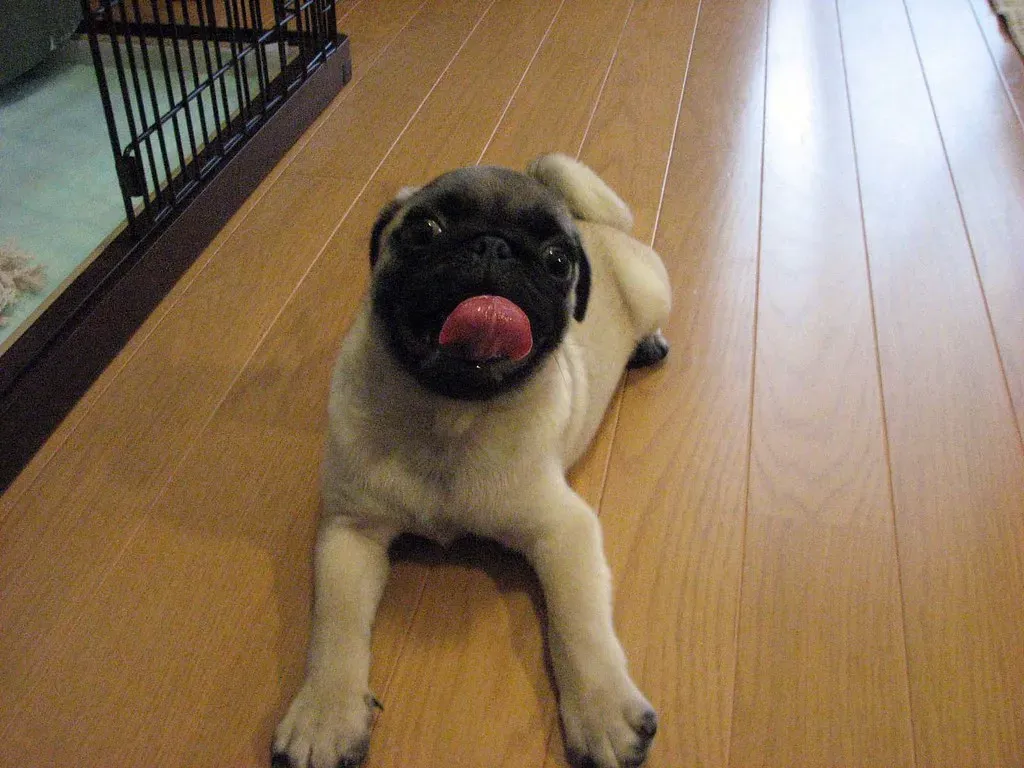
Pugs can be good candidates for apartment living – as long as their owners are around to give them the affection they need. They are not frequent barkers, but Pugs do tend to shed heavily in the Fall and Spring. If regularly cleaning up the fur they shed isn’t a problem for you, the Pug can be the perfect dog breed to live alongside in an apartment with their calm and affectionate temperament.
Pugs have this magical talent for making you laugh without even trying. Their expressive wrinkled faces and big personalities fill even the tiniest studio apartment with warmth. Like Frenchies, though, they are brachycephalic breeds, so monitor their breathing carefully, especially in summer heat. Keep them cool, keep them loved, and they will reward you tenfold.
6. Bichon Frise: The Happy-Go-Lucky Neighbor’s Favorite

One of the most affable, adorable breeds on the planet, the Bichon Frise is a happy-go-lucky people-pleaser who is easily one of the best apartment dogs. Their fluffy white coats and cheerful dispositions light up any room – or hallway, elevator, or lobby.
Although they need regular professional grooming to avoid matting, Bichons are super friendly with neighbors and strangers, making them well-suited for shared living. They thrive in spaces where they garner a lot of attention while staying perfectly happy with apartment-sized playtime routines.
One thing to keep in mind: Bichons can be prone to anxiety if left alone for extended periods. They’re social butterflies at heart. Interactive puzzle toys and short training sessions during your workday go a long way toward keeping their clever little minds engaged and happy.
7. Miniature Poodle: Brains, Beauty, and Brilliant Manners

The Miniature Poodle is much smaller than the Standard Poodle, standing 11 to 15 inches tall with an average weight of 15 to 18 pounds. It is the perfect dog breed for those who live in an apartment but have an active lifestyle. They are intelligent, social, and playful dogs who love spending time with their owners – both indoors and outdoors.
The Miniature Poodle’s intelligence, size, and hypoallergenic coat make them an ideal candidate for apartment living. As with any variety of Poodle, it is important to engage the breed in activities which will offer physical and mental stimulation. Think short training games, puzzle feeders, and a brisk daily walk.
The hypoallergenic coat is a genuine blessing in small spaces. Any dog lover who suffers from allergies can benefit from a hypoallergenic dog breed, but it is especially important for those who live in small, confined spaces such as an apartment. Many hypoallergenic dog breeds are also small dogs, making them great dog breeds for apartments.
8. Maltese: Tiny in Size, Enormous in Love
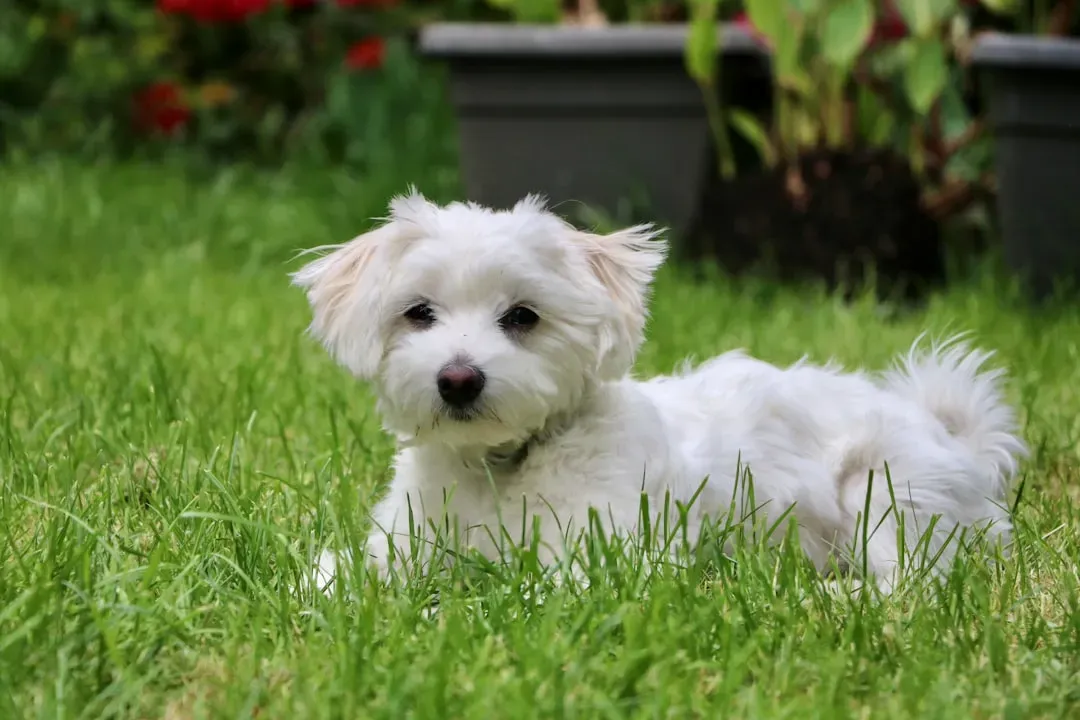
Their low energy levels, trainability, gentle temperament, and hypoallergenic coat make the Maltese a great fit for apartment living. However, they don’t enjoy spending time alone. If left alone for long periods of time, they can become jealous or resentful of other dogs or humans.
Maltese dogs are elegant and affectionate, making them ideal apartment companions. Their small size is complemented by their lively and playful nature. They bond closely with their families, offering warmth and joy. There’s something deeply moving about a dog that weighs less than seven pounds but carries the loyalty of a lion.
Watch for dental issues and keep up with regular vet checkups, as small breeds like the Maltese are prone to tooth problems. Regular brushing of both their coat and teeth makes a world of difference. If you’re home often and crave constant, gentle companionship, the Maltese might just be your soulmate in a fur coat.
9. Border Collie: Brilliant But Needs Room to Think and Run
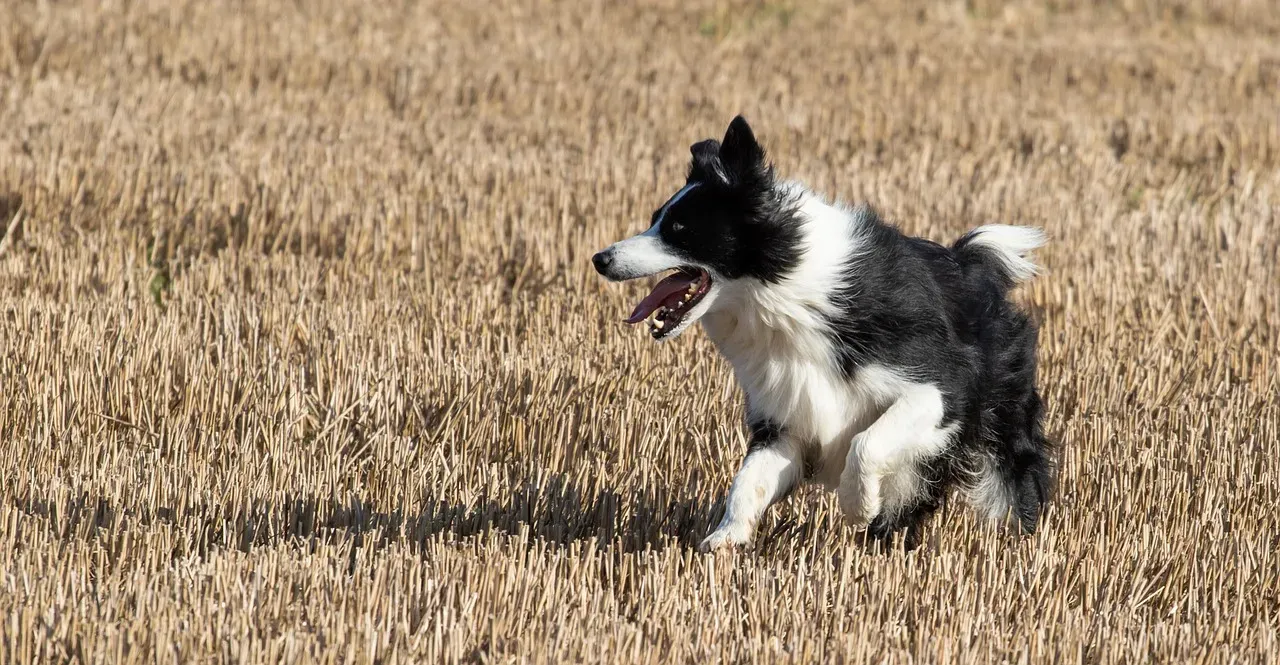
Now we get to the breeds that truly deserve a home with more space. Let’s be real about this one. In an apartment, a Border Collie isn’t just bored – they are almost ‘unemployed.’ Without a job, their extreme intelligence turns destructive. They may begin to obsessively shadow movement, stare at shadows, or tear open your cushions. They require constant mental stimulation.
Border Collies excel in agility, herding, and obedience tasks, requiring much mental and physical stimulation. Providing enough exercise and enrichment for a Border Collie can be challenging in an apartment. Without sufficient outlets for their energy, these dogs can become frustrated and develop behavioral problems. They are also known for their sensitivity and need for space to move freely.
It’s genuinely heartbreaking to see a Border Collie cooped up in a small space – not because they’re badly behaved, but because they’re so incredibly capable. These dogs are born to work, explore, and problem-solve on wide open terrain. If you adore the breed, do them justice and wait until you have a yard and land to offer.
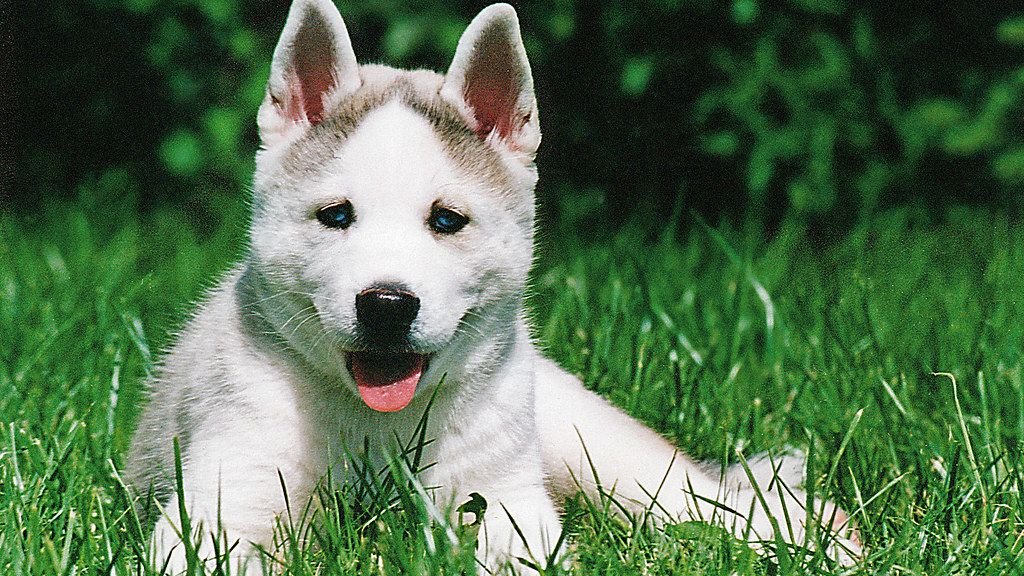
10. Siberian Husky: A Sled Dog in a Studio Apartment? Please, No.
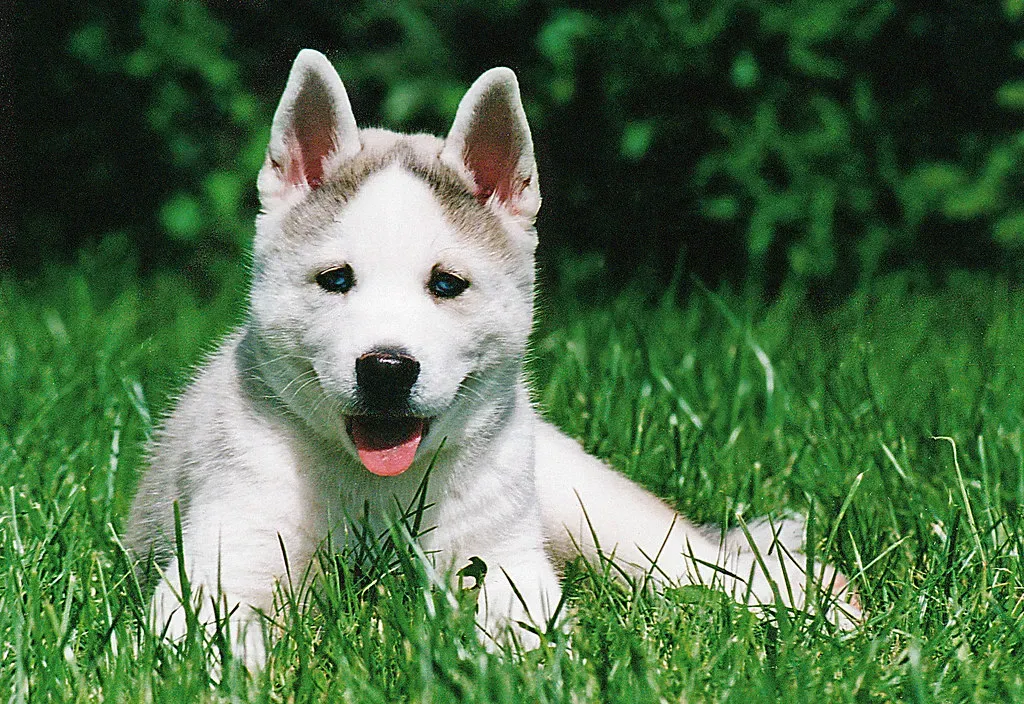
The Siberian Husky is an endurance athlete that was built for the Arctic. Their stamina is legendary and was designed to pull heavy sleds over hundreds of miles of frozen tundra. This speaks volumes about their energy level. Obviously, a quick walk around the block can’t satisfy that desire.
Without plenty of daily exercise, such as long walks or time to run, Huskies can become restless and destructive, turning your cozy apartment into their personal playground. These dogs also have a strong instinct to roam, so keeping them secure in a small space can be tricky. Their vocal tendencies – like barking and howling – can be disruptive in shared living environments, which isn’t ideal if you have close neighbors.
Huskies shed a lot. Twice a year, they blow their undercoats in a fur explosion that requires frequent brushing to keep your home and your clothes manageable. Combine that with the howling and the boundless energy, and you can see why your building manager might have a heart attack at the very thought. Give this magnificent breed the outdoor life it was literally built for.
11. Dalmatian: A Firehouse Dog That Needs the Whole Station
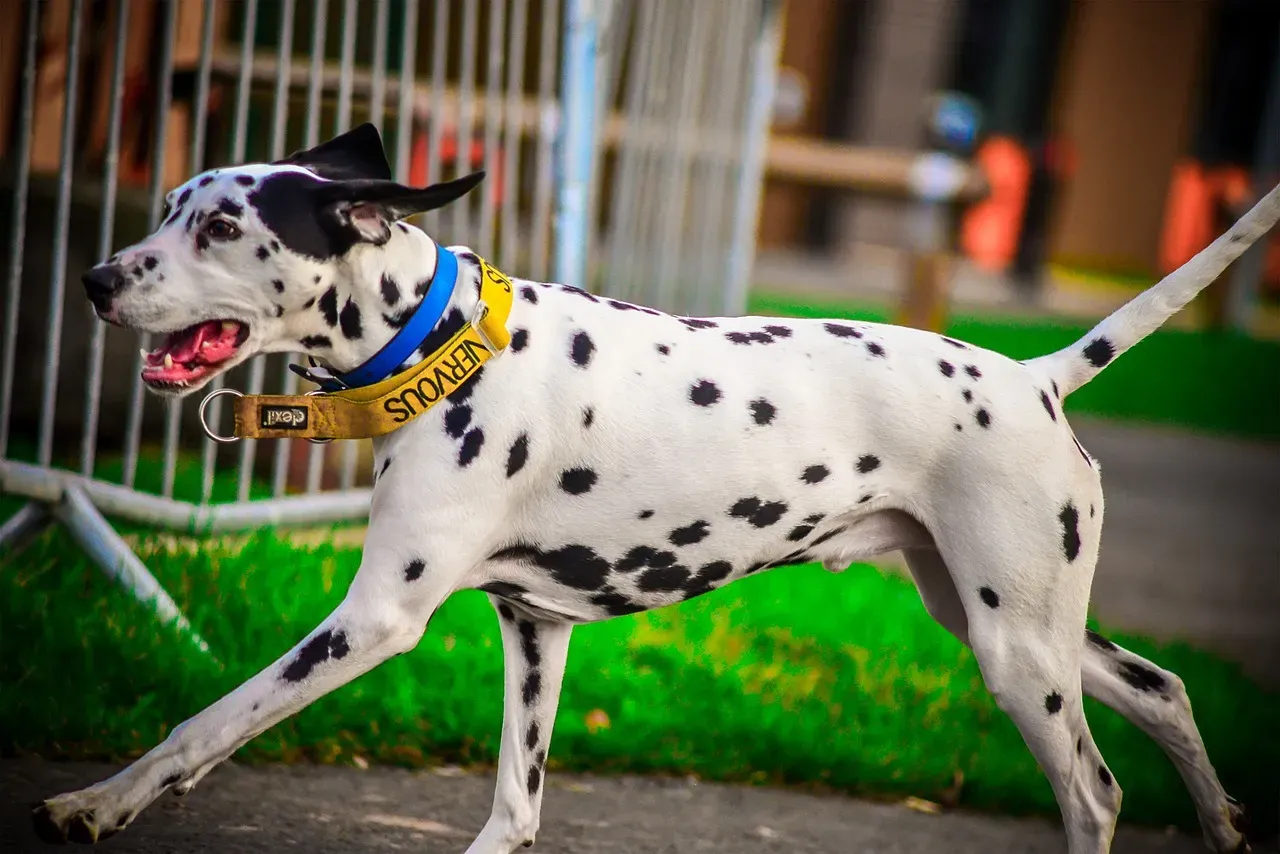
Dalmatians are generally not the best fit for apartment living due to their boundless energy and need for ample space to stay active. These dogs were originally bred to run alongside horse-drawn carriages, so they have a natural instinct to run and require significant daily exercise. Confined to an apartment, it can be challenging to meet their physical activity needs, which may result in frustration and destructive behaviors like chewing or digging.
Dalmatians also crave attention and involvement in family activities. If they feel ignored or under-stimulated, they may develop attention-seeking behaviors. Picture your sofa cushions in shreds and your neighbors filing a noise complaint – that’s what an under-exercised Dalmatian looks like in a tight space.
Dalmatians can become vocal when left alone for extended periods, barking out of boredom or anxiety, which can be disruptive in close quarters. Dalmatians are also heavy shedders, and their short, sleek coats shed year-round. They are extraordinary, athletic dogs – they just need extraordinary, open space to match.
12. Labrador Retriever: America’s Sweetheart Needs a Backyard

Labradors are great dogs, but they have lots of energy and require multiple walks a day to get that energy out. As an apartment dweller, you likely won’t have the physical space to allow your Lab to run free as it needs. Also, these dogs shed excessively, leaving behind a trail of fur no matter where they go.
Labradors need a fair amount of physical and mental stimulation, which they cannot get in an apartment. It’s not that they’re bad dogs – they’re among the most loving, joyful, and forgiving breeds on earth. The problem is that their enthusiasm is bottomless. Think of a Labrador like a golden retriever puppy who never quite finishes the puppy phase. Beautiful, lovable, and utterly overwhelming in 600 square feet.
If you’re a Lab lover living in an apartment, consider a senior Lab instead. Older Labs are calmer, more settled, and more adaptable to smaller spaces. If you want a dog from a breed that doesn’t usually suit apartments, adopt a senior dog. These dogs deserve love, and they often don’t get as much attention as puppies in shelters. They don’t need as much exercise and they’re more relaxed than younger canines, making them excellent for smaller living spaces.
A Final Thought for Every Dog Lover in a Small Space

Choosing a dog for apartment life isn’t just about square footage. It’s about truly understanding the heart and nature of the animal you’re inviting into your world. The key to happy apartment living is meeting your dog’s needs. Provide daily walks, play sessions, and mental stimulation. Investing in toys, puzzle feeders, and short training routines helps keep boredom and destructive habits at bay.
It’s not hard to live with a dog in an apartment if you don’t mind taking them on daily walks to the bathroom and making sure they have regular exercise and stimulation. If you are happy to go outside regularly with your dog, they probably won’t even notice that you don’t live in a house. That’s honestly such a reassuring truth.
Every dog in this list – whether it’s the laid-back Greyhound or the fiercely energetic Husky – deserves a home that honors who they truly are. The greatest act of love you can give a dog is to match your lifestyle honestly to their needs before you ever bring them home. So here’s the question worth sitting with: which of these breeds genuinely fits the life you actually live today – not the life you imagine you might live someday? Your future dog is counting on that honest answer.