
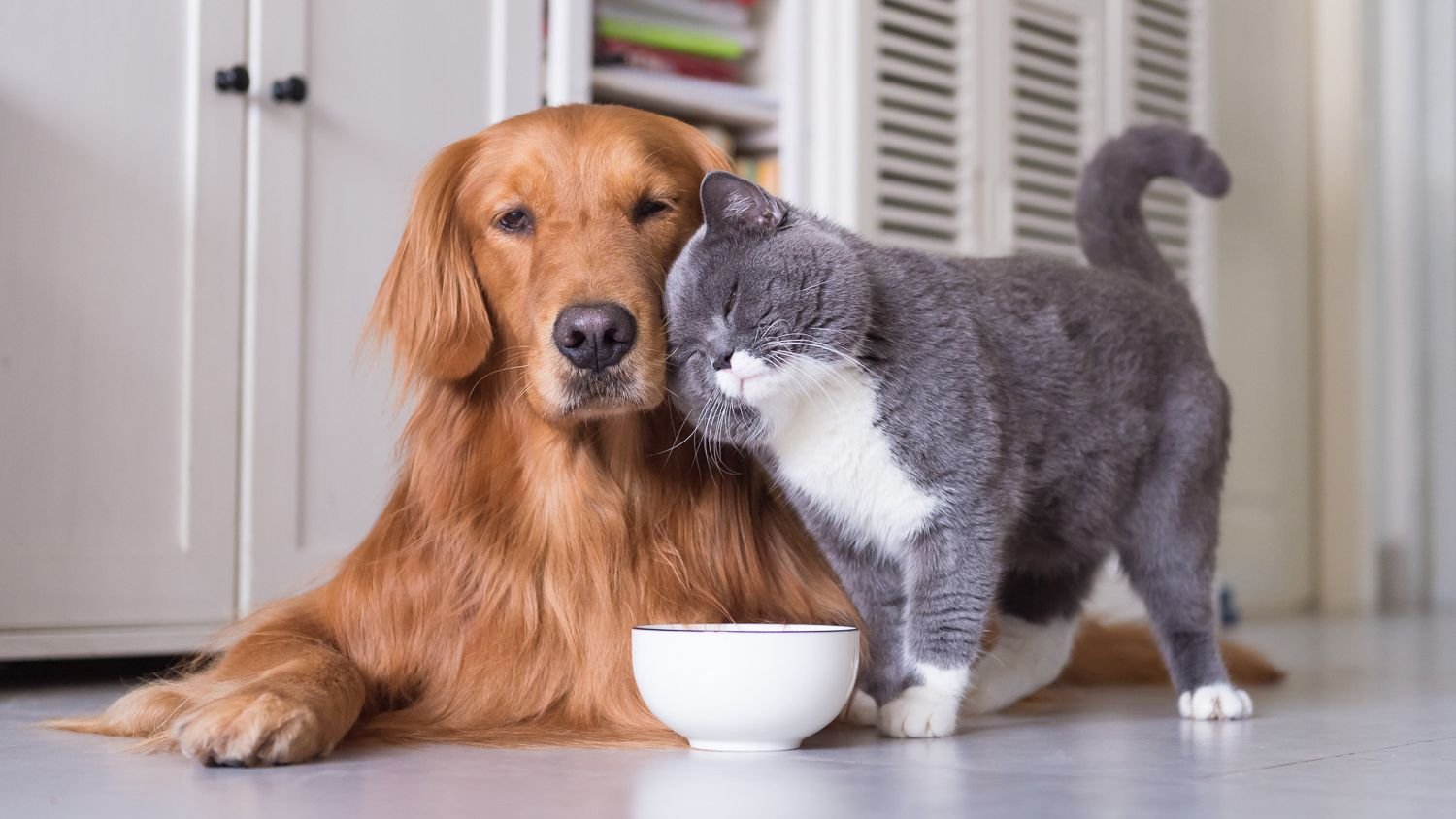
You picked the dog. You watched the YouTube videos. You bought the leash, the treat pouch, the training book. You were ready. Then your new furry companion looked you dead in the eyes, heard your command, and decided – with complete confidence – that they had better things to do.
Sound familiar? Honestly, you’re not alone. All dogs are good dogs, but some breeds just take a bit more effort and patience with their training. The truth is, the difference between a “challenging” dog and an “easy” dog often comes down to knowing what you’re working with before you even begin. Some dogs were born to obey. Others were born to think for themselves, and they’re very, very good at it. Let’s find out which is which.
1. The Siberian Husky: Beautiful, Dramatic, and Utterly Unfiltered
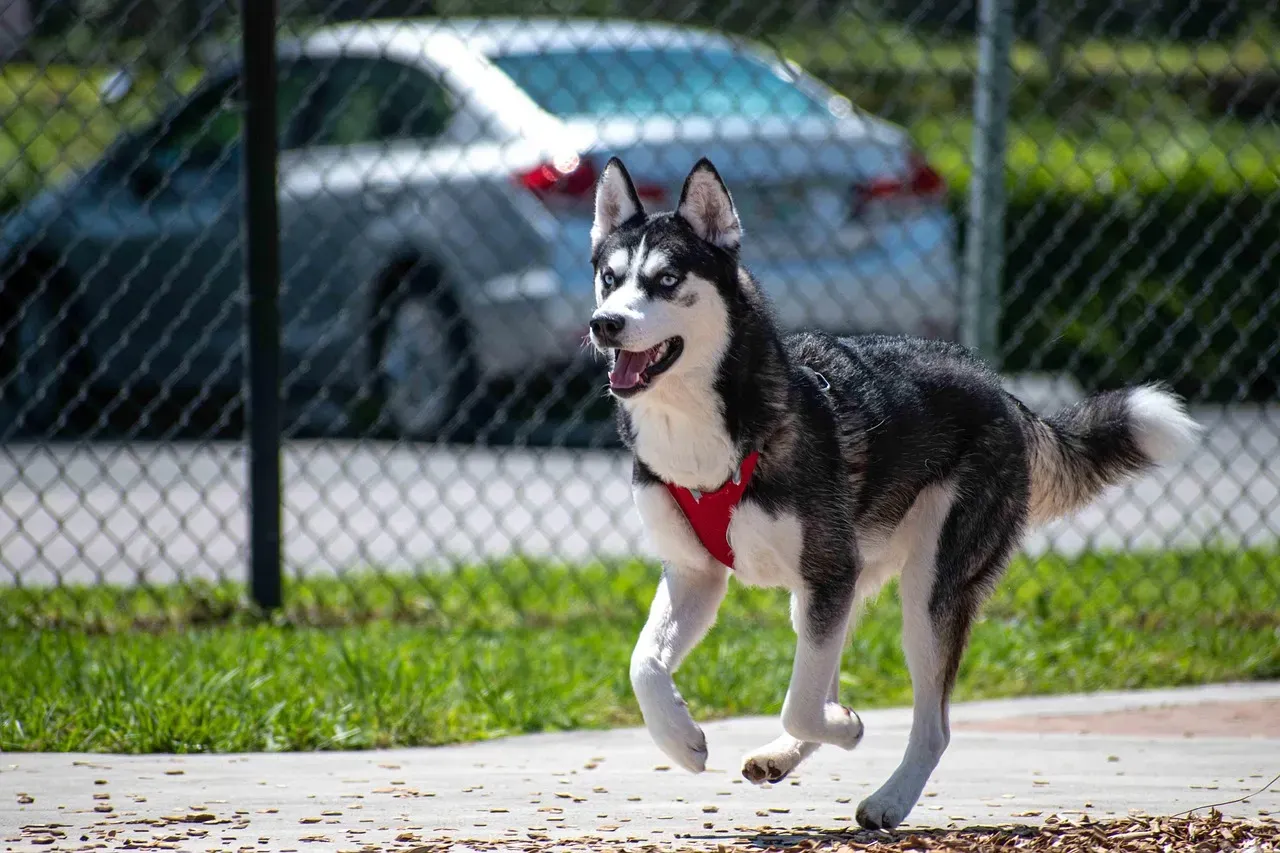
If you’ve ever tried to get a Husky to come back when called, you already know what we’re talking about. Although they’re one of the goofiest and loveliest dog breeds out there, Huskies are an extremely energetic breed that need loads of exercise – they were originally bred to run for miles on end in frozen tundra, and their souls are still born to run. That history is everything. You’re not dealing with a disobedient dog; you’re dealing with a dog whose entire genetic makeup screams “go.”
They were bred to be independent, as this ensured a mushing group of Huskies would ignore commands if the terrain was deemed unsafe – but all these years later, that independence means they have a stubborn streak when it comes to listening to commands. Think of it like trying to micromanage a seasoned explorer. They’ve done this before without you. They are also skilled escape artists and have trouble controlling their small prey drive around cats and small animals. Invest in a very secure fence, and accept that “recall” training will be a long-term project.
2. The Beagle: Nose First, Brain Second, You Third
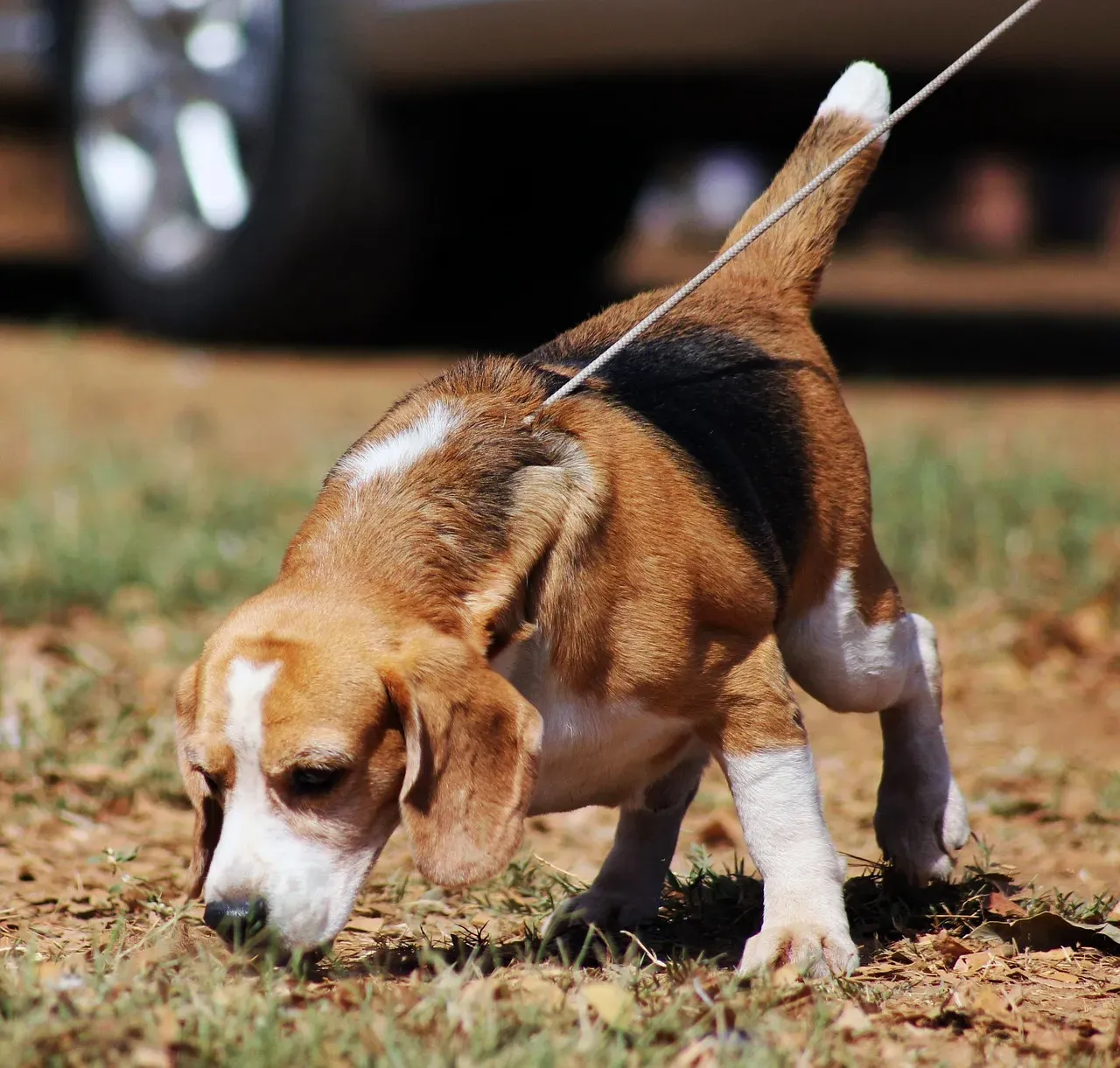
There’s something beautifully honest about a Beagle. They’re not being naughty – they’re being exactly what they were designed to be. The Beagle has a nose for everything – literally. This breed’s exceptional sense of smell often leads them to be easily distracted by scents, making training a real challenge. Imagine trying to have a serious conversation with someone who keeps getting distracted by the smell of fresh pizza. That’s your Beagle, every single day.
Most Beagles have high amounts of energy, which is why they are hard to train. They are independent and take longer to get used to commands, but with consistent training and a lot of patience, training a Beagle is certainly achievable. The key here is short, scent-free training environments and high-value treats. Think real chicken, not dry kibble. You need to compete with the entire world of smells, after all.
3. The Afghan Hound: Royalty That Doesn’t Take Orders
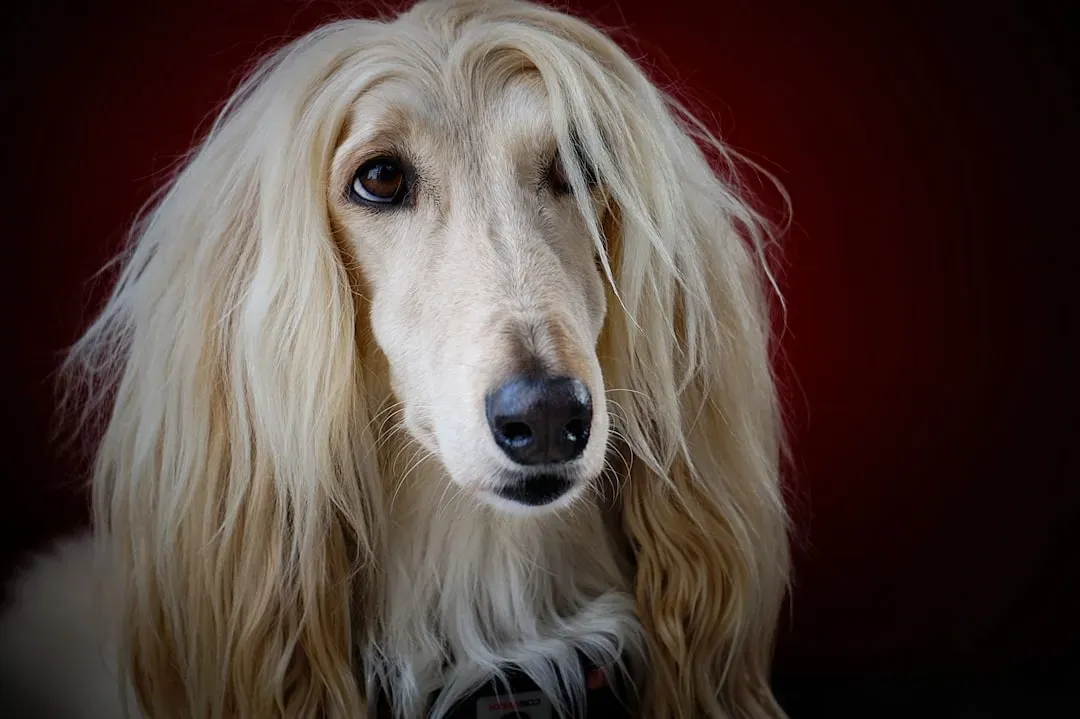
Let’s be real – the Afghan Hound is stunning. Flowing coat, regal posture, an air of complete indifference. That last part? That’s actually the problem. Like many sighthounds, Afghan Hounds can be aloof and distant, but also independent and stubborn. These traits make them hard to train, but that does not necessarily mean they are not smart. They simply prefer to think for themselves and do things on their own terms.
With its elegant appearance and aloof demeanor, the Afghan Hound is a classic stubborn breed. Originally bred for hunting, it has a strong independent streak and can be aloof during training sessions. Training them may require creativity, but their elegance, regal appearance, and devotion to humans make them special companions. If you can respect their tempo and make training feel like their idea, you’ll get somewhere. Slowly. Beautifully, but slowly.
4. The Chow Chow: The Dog That Invented “I Don’t Think So”
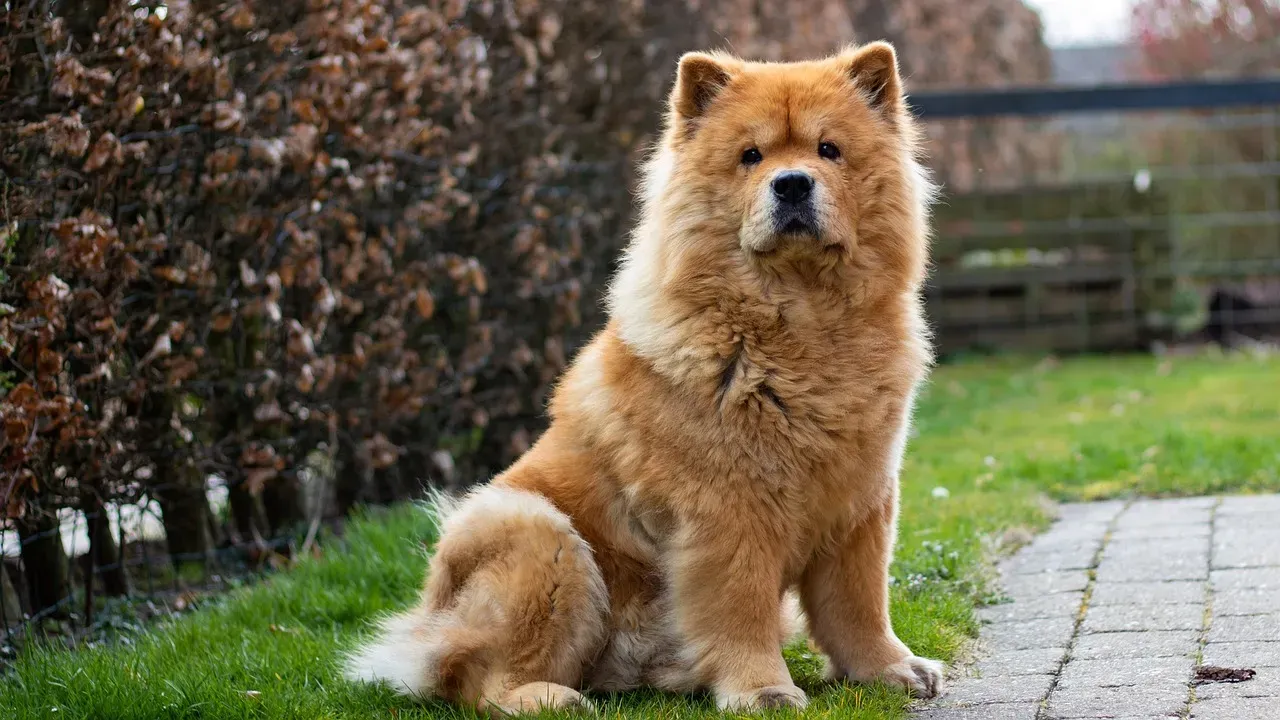
Walk up to a Chow Chow expecting cuddles, and you might get a look that says you’ve overstepped. These dogs have their own social rulebook, and it was written exclusively by them. Chow Chows are not just distinctive in appearance but also in personality. They tend to be aloof and very independent, which can make training a challenge. Chow Chows are not naturally inclined to obedience – instead, they’re independent thinkers who value autonomy.
Chow Chows look like big, fluffy teddy bears, but they are often obstinate and can use their intelligence against you. Honestly, it’s a bit impressive. Early socialization is non-negotiable with this breed. Without it, their natural territorial instincts can become a real management issue. The good news? A well-raised Chow is fiercely devoted to their family – on their own very particular terms, of course.
5. The Dachshund: Small Dog, Enormous Opinion
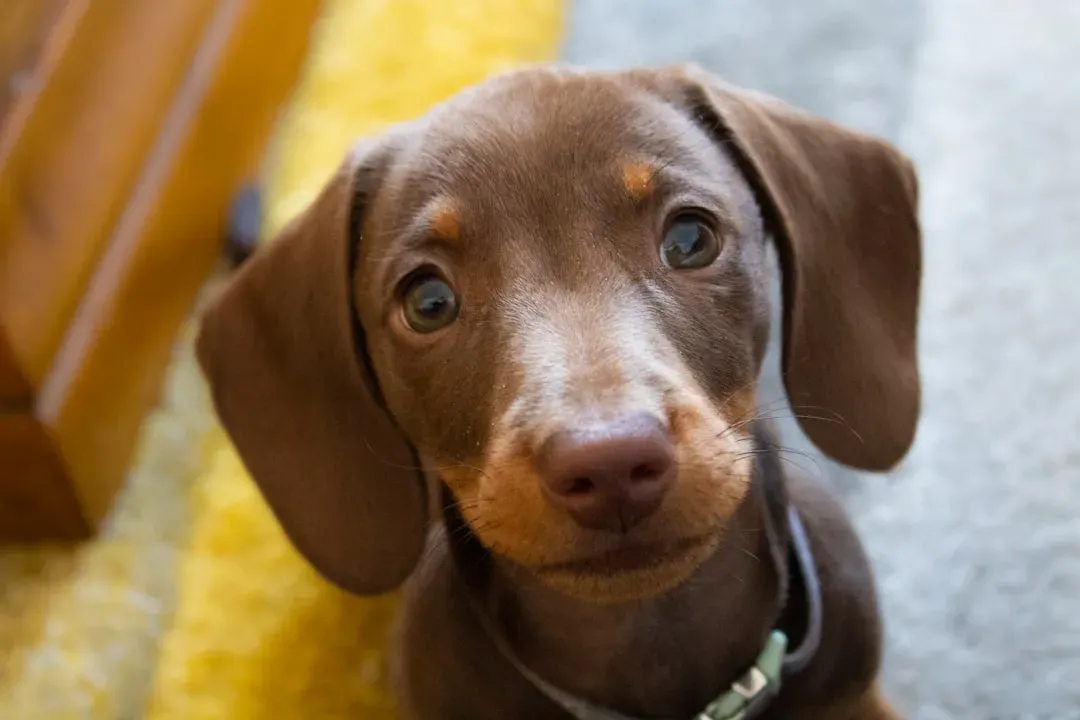
Don’t let the little legs fool you. Your Dachshund has places to be, holes to dig, and absolutely no interest in your schedule. The short Dachshund is well-known for their lively and independent attitude, as well as their intelligence, hunting ability, and stubbornness. Doxies like to do things their own way, and you are likely to find your Dachshund digging holes, chewing on shoes, or chasing your other pets on a daily basis.
Here’s the thing – Dachshunds were bred to hunt badgers underground, solo, making life-or-death decisions without any human input. So when you ask them to “stay” and they saunter off anyway, it’s not defiance. It’s heritage. Keep sessions short, fun, and reward-heavy. Training sessions that are a few minutes long and repeated several times a day can be quite effective in changing a dog’s behavior. Little and often wins every time with this breed.
6. The Jack Russell Terrier: Chaos in a Small, Adorable Package
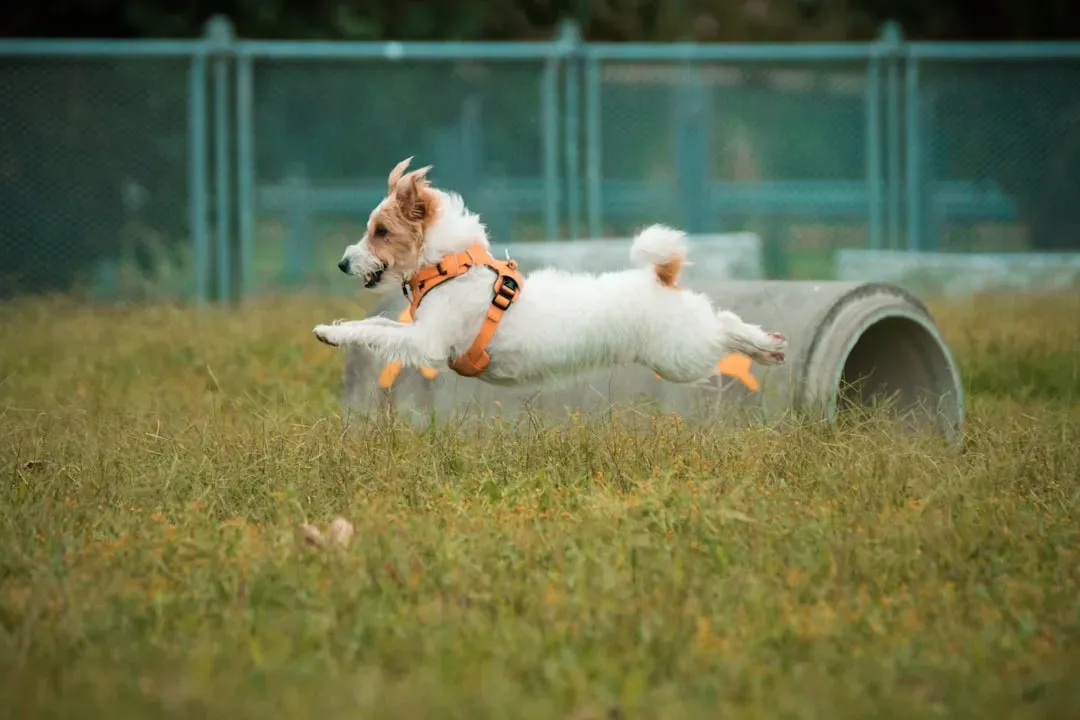
If someone bottled up raw energy, stubborn intelligence, and zero respect for your houseplants, they’d have a Jack Russell Terrier. For a small dog, the Jack Russell Terrier sure has a big personality. They are known for their fun-loving and independent attitude, with a streak of stubbornness that makes them difficult to train. They’re not being difficult on purpose – okay, maybe a little on purpose.
The Jack Russell Terrier was bred to hunt small prey like foxes, so it’s no surprise they often act like they’re on their own mission. Stubborn pups like these do best with structured routines and plenty of exercise. Think of physical exercise as the price of entry to a training session. A tired Jack Russell is a slightly more cooperative Jack Russell. Slightly.
7. The Basenji: The Cat That Thinks It’s a Dog
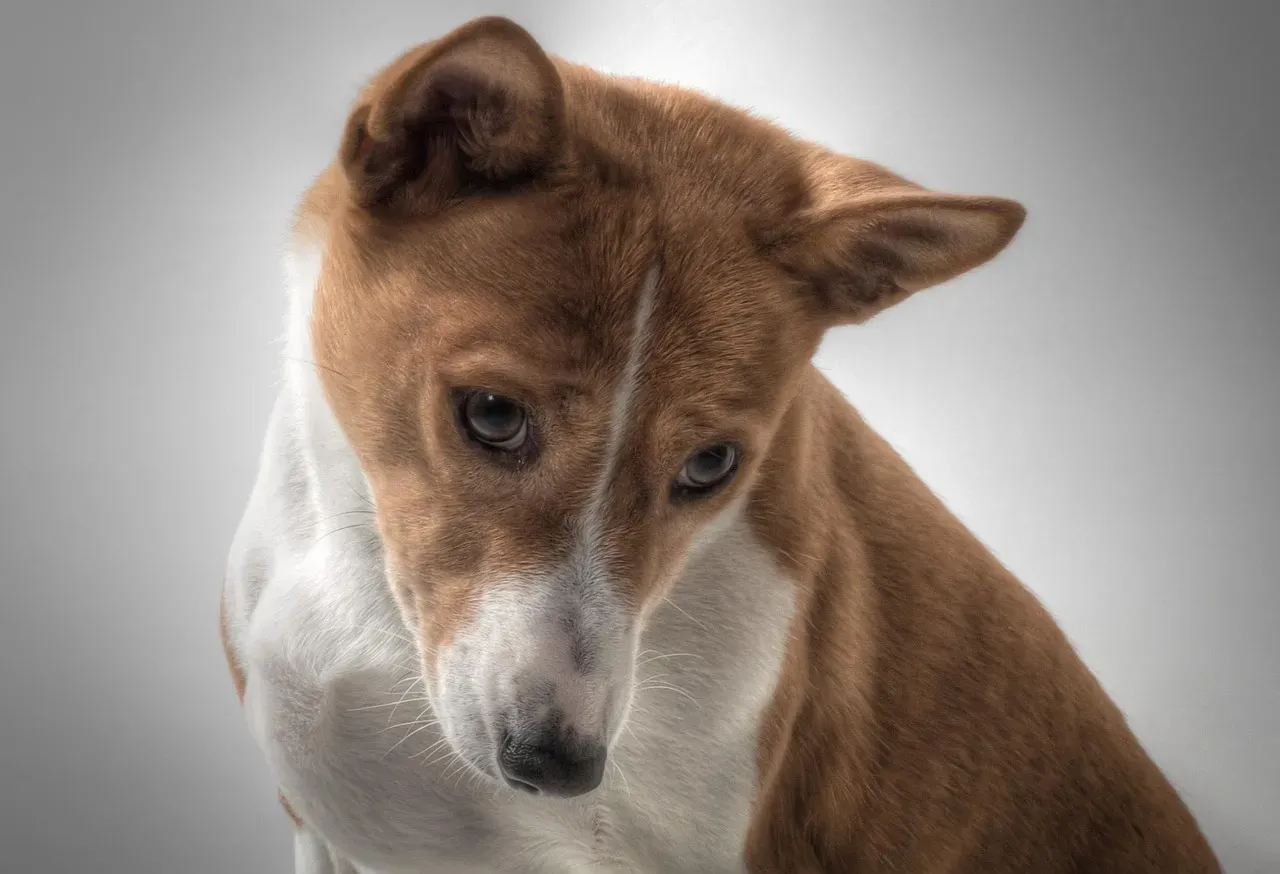
The Basenji is a fascinating creature – ancient, cat-like in behavior, and famously impossible to bore into submission. Basenjis are known for their cat-like personalities, being both independent and intelligent. This breed is notoriously difficult to train due to their stubborn nature. They are curious and easily bored, requiring creative training techniques to keep them engaged. If your training session looks like a drill, the Basenji has already clocked out mentally.
Basenjis are highly curious and playful. Like curious toddlers, they can get into trouble if not supervised. They are alert and suspicious, but also stubborn, so they do not obey consistently – though they can be trained. Puzzle toys, scent games, and short creative challenges work far better than repetition. Treat training with a Basenji less like school and more like an improvised game – one where they think they’re winning.
8. The Chihuahua: Pocket-Sized Boss Energy
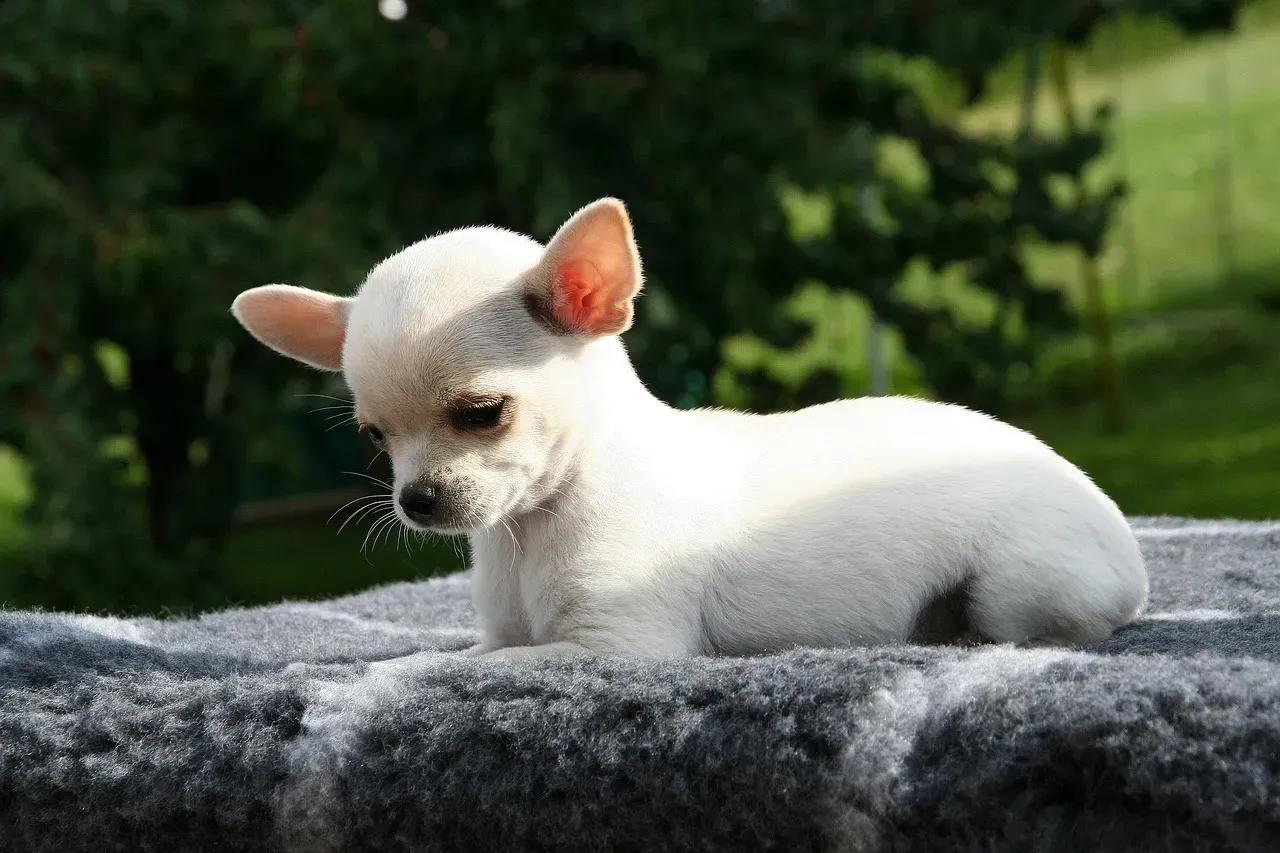
Tiny? Yes. Harmless? Absolutely not. The Chihuahua has built an entire empire on attitude, and they will defend it fiercely. Chihuahuas are likely less difficult to train than their reputation suggests, but they are so small and cute that many people think they hardly need to bother. As a result, there are plenty of badly behaved Chihuahuas running rings around their owners. The dog isn’t the problem. The spoiling is.
Experienced owners who can commit to early, consistent training are a must. Without early socialization and training, Chihuahuas can be aggressive. Start young, stay consistent, and stop carrying them everywhere like a little purse dog. This breed is also prone to small dog syndrome, where unwanted behaviors such as barking and jumping up are more frequent due to a lack of training. Set real boundaries, and you’ll find a genuinely loyal, loving little dog underneath all that bravado.
9. The Golden Retriever: The Dog That Actually Wants to Make You Happy
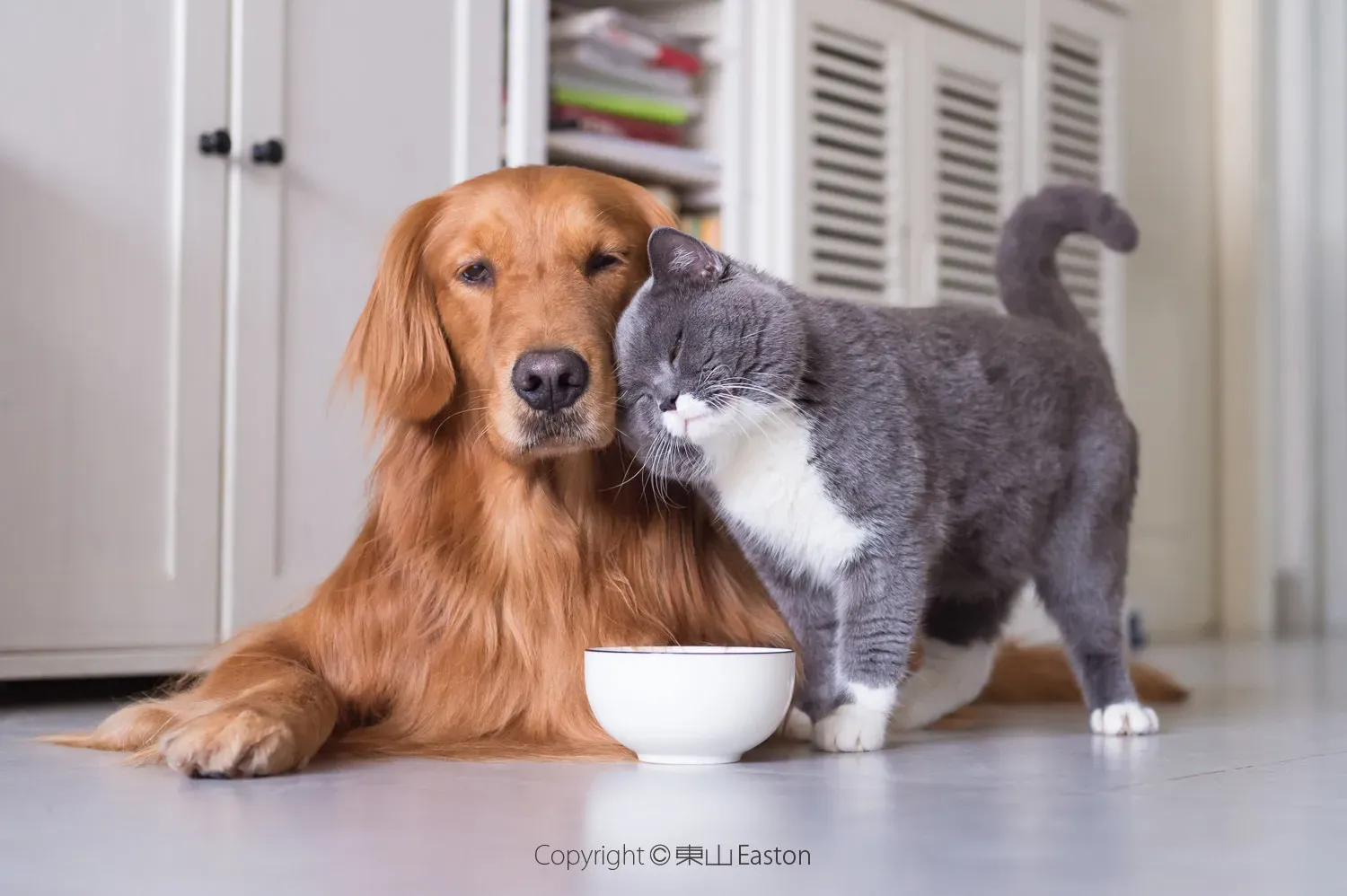
Now, a breath of fresh air. If stubborn dogs are like jazz – improvised, unpredictable, and totally on their own rhythm – then a Golden Retriever is a warm, familiar symphony. The Golden Retriever is an outstanding hunting dog and family companion due to their winning personality, desire to please, and high intelligence. Goldens are one of the most devoted and easy-going dog breeds, and because they’re eager to please, they usually are standouts for training. They generally love kids of all ages and easily make friends with strangers.
Similar to their Labrador cousins, Golden Retrievers are epitomes of patience. Known for their friendly and tolerant behavior, Goldens excel in environments where gentle interaction is valued, such as in therapy and assistance roles. Their patient nature is complemented by an intelligence that makes them highly trainable. Honestly, if you’ve just survived a Husky or a Chow Chow, a Golden Retriever will feel like someone turned the volume down to a gentle hum. A warm, waggy, golden hum.
10. The Labrador Retriever: The People’s Champion
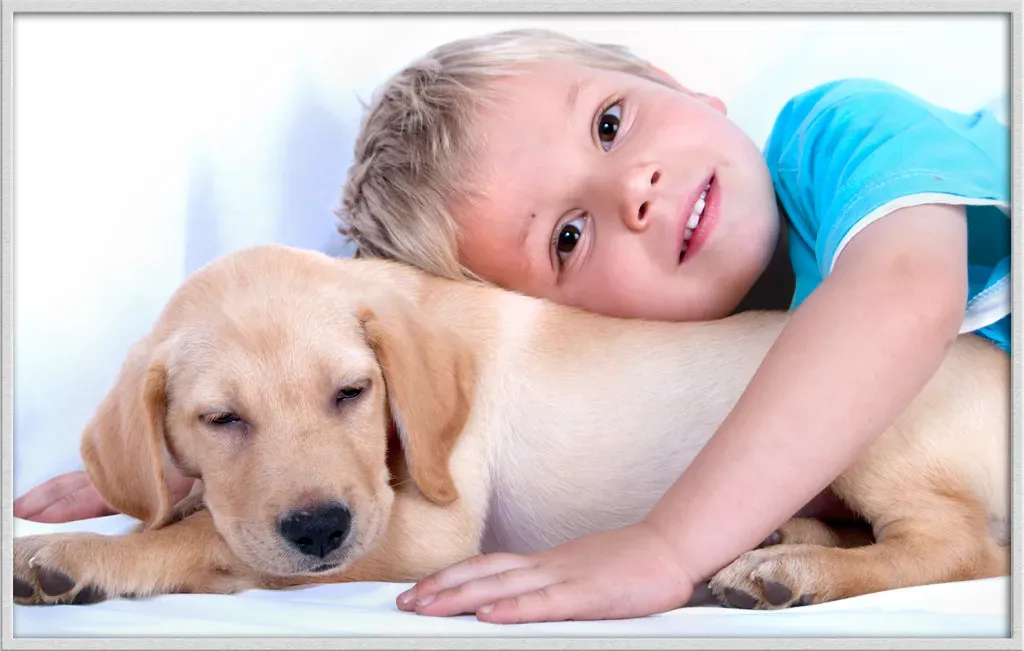
Is it surprising that the Labrador Retriever appears on nearly every “best family dog” list ever written? Not even slightly. The Labrador ranks number one on the AKC popularity list starting in 1991 for a very good reason, with a child-tolerance score of 94 out of 100 and the lowest bite risk of any breed over 50 pounds. Those aren’t just feel-good numbers. That’s decades of data confirming what dog lovers already knew.
Labs remain America’s favorite for good reason. These gentle giants adapt beautifully to family life and require moderate exercise. Their patient, friendly nature makes them excellent with children of all ages. They’re also remarkably food-motivated, which makes training sessions genuinely productive and – dare I say – fun. A Lab doesn’t challenge your authority. They just ask, very enthusiastically, what they need to do to get the treat.
11. The Cavalier King Charles Spaniel: Born to Be Gentle
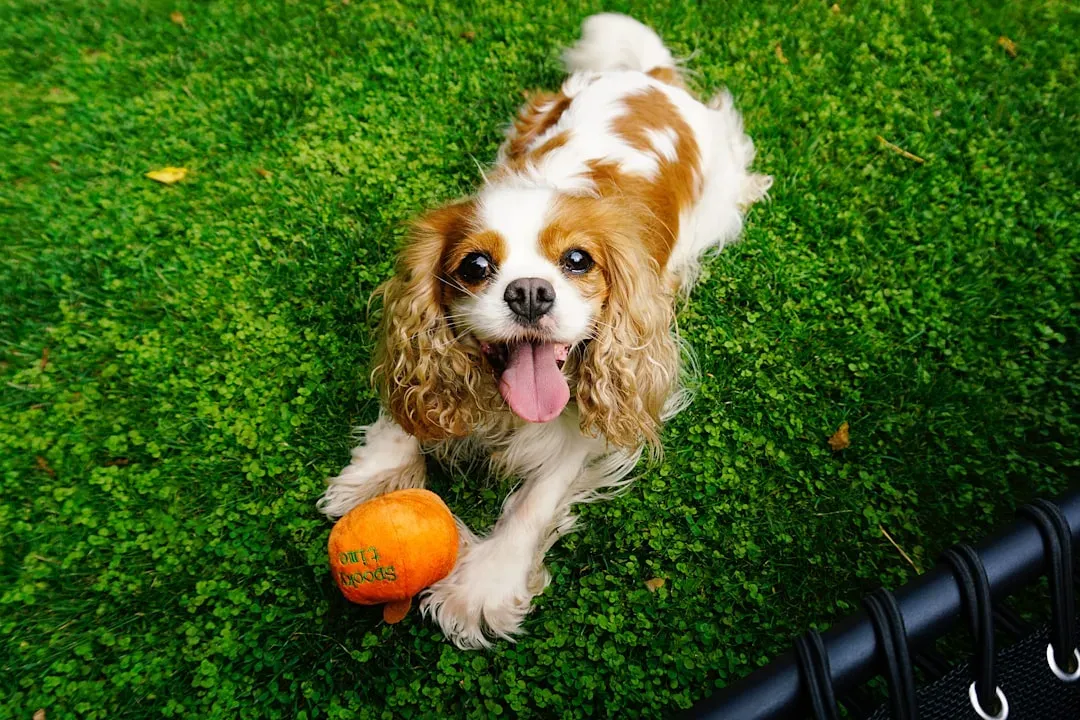
If you need a dog that brings calm into a chaotic home – one that won’t argue back, won’t escape over the fence, and won’t judge your life choices – meet the Cavalier King Charles Spaniel. Cavalier King Charles Spaniels are widely regarded as one of the gentlest companion breeds and are known for being tolerant and patient with children, often making excellent family pets. According to breed profiles, Cavaliers are typically friendly, calm, and rarely show aggression.
Loyal, affectionate, and patient, Cavalier King Charles Spaniels are one of the best dogs for families. Their smarts and eagerness to please their people make Cavs easy to train with positive reinforcement. For hundreds of years, these dogs were bred to sit next to kings and queens and just be comforting – and you can still see that in how they attach themselves to their families today. They’re not just easy to train. They actively want to be near you, which changes everything.
12. The Labrador Retriever’s Cousin: The Gentle Newfoundland
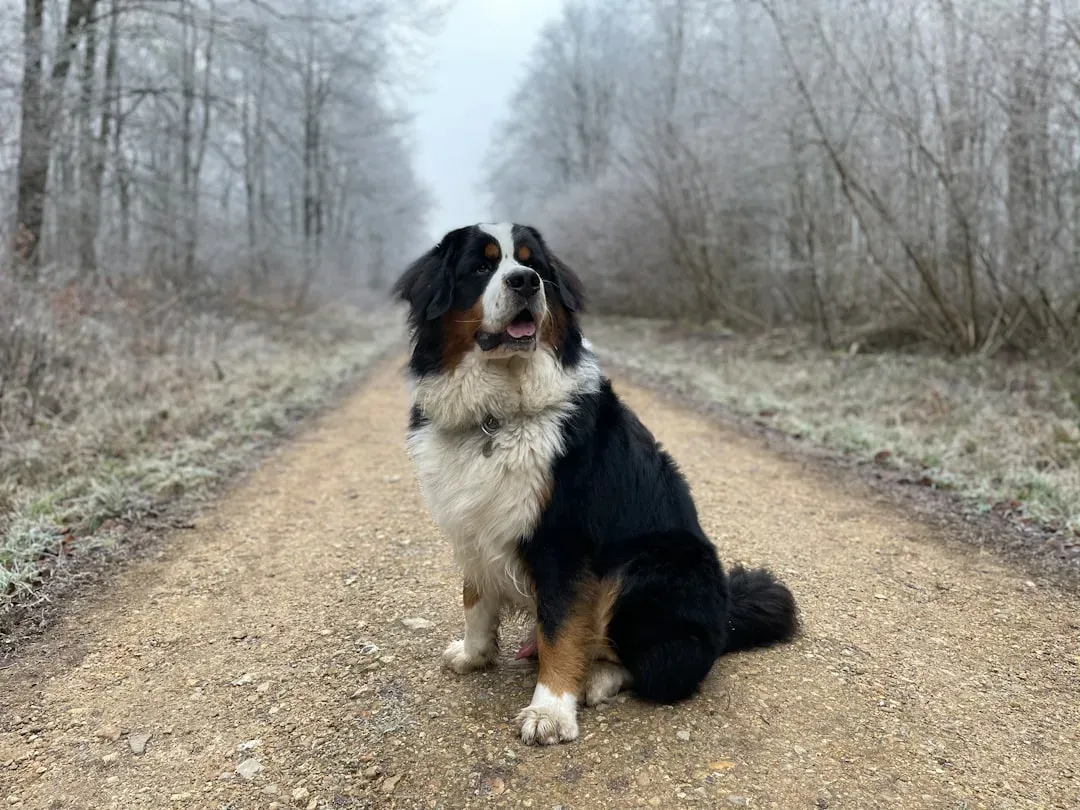
If patience had a dog breed, it would be the Newfoundland. These massive, bear-like dogs carry themselves with a quiet dignity that somehow never feels intimidating. Newfoundlands are big dogs with big hearts to match. Loving, friendly, and exceptionally patient with small children, the gentle Newfie does well in families who have the space for a 100-pound pooch. Space is the only real ask – emotionally, they’re endlessly giving.
Saint Bernards are the epitome of patience and endurance, originally bred for rescue in the Swiss Alps. Their size and strength are matched by a calm and patient demeanor, suitable for families with children. Saint Bernards are known for being gentle and patient, even in chaotic environments, making them excellent family pets. The Newfoundland shares that same steady energy – the kind that makes young children feel safe, toddlers feel unhurried, and first-time dog owners feel like they finally made the right choice.
A Final Thought Worth Sitting With
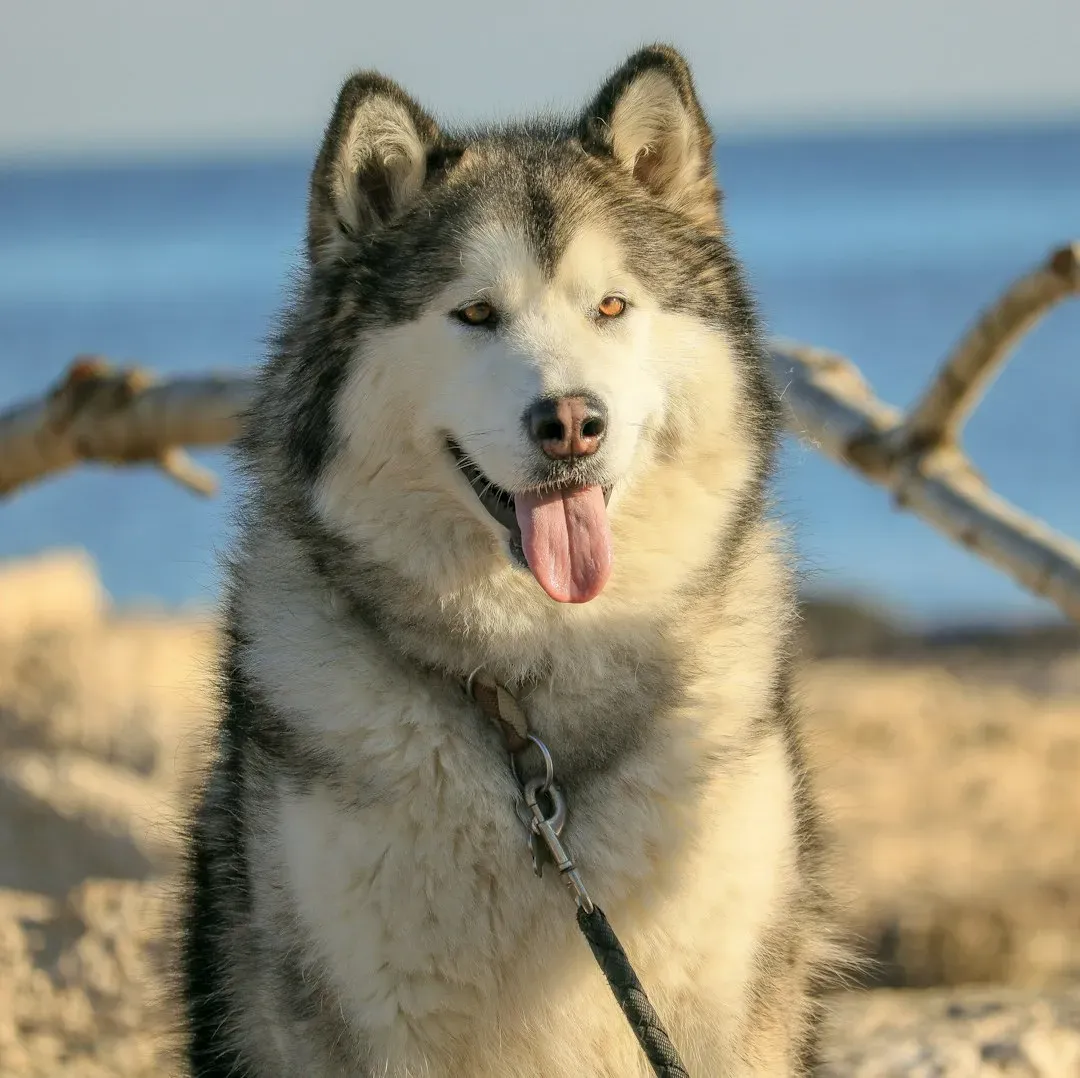
Here’s what nobody tells you when you bring a “difficult” dog home: the breeds that test your patience the most are also often the ones that bond with you the deepest. While stubborn dogs may be harder to train, they often make fiercely loyal and clever companions when handled with patience. Stubborn dog breeds aren’t bad; they’re just more independent. Understanding your dog’s behavior, using positive reinforcement, and staying consistent can turn a willful pup into a loving, well-trained pet.
The “saintly” breeds give you ease. The “challenging” breeds give you growth – in them and in yourself. Focus on the relationship and building trust. Being worthy of trust will go a long way towards getting your dog to want to spend time with you and do what you say. Whether you’ve got a stubborn Basenji or a biddable Golden, that bond – built on patience and understanding – is the whole point.
So, which breed did you choose? And honestly, would you trade them for anything in the world?


