
How to Stop a Little Dog’s Aggressive Behavior
Picture this: your tiny Chihuahua is growling at the postal worker again. Or maybe your fluffy Shih Tzu just snapped at your nephew for no obvious reason. You love your little dog more than anything, but honestly, the behavior is becoming a real problem. And here’s the thing – you’re far from alone.
Small dog aggression is one of the most talked-about concerns among dog parents worldwide. It’s confusing, sometimes embarrassing, and can feel downright heartbreaking when your sweet little companion turns into what some trainers affectionately call a “land shark.” The good news? This is fixable. With the right knowledge and a bit of patience, you can help your dog feel safer, calmer, and genuinely happier. Let’s dive in.
Understanding Why Small Dogs Get Aggressive in the First Place
Here’s a truth that surprises a lot of dog parents: aggression in small breeds like Chihuahuas, Dachshunds, and Terriers often stems from fear and insecurity rather than dominance. Their compact size makes them more vulnerable, and barking or snapping becomes a way to defend themselves. Think of it like this – imagine being the size of a loaf of bread in a world full of giants. You’d probably feel a little on edge too.
No dog is born aggressive, which means all aggression is learned. In small breeds, it is often learned via scary experiences and then unknowingly reinforced by the people who love them most. That stings a little, right? It did for me too when I first understood it. The people doing the most damage are often the most devoted owners.
Small dogs had higher odds of displaying aggressive behavior than medium and large-sized dogs, and fear had the strongest association with aggression. Dogs that were identified as highly fearful had over five times higher odds of showing aggressive behavior than non-fearful dogs. That is a staggering number, and it really puts things into perspective.
The Role We Play: How Owners Accidentally Fuel the Fire
One of the primary causes of small dog syndrome is how small dogs are treated differently than larger dogs by their human companions. Due to their diminutive size, small pups often aren’t seen as threatening when acting aggressive. Let’s be real – if your Golden Retriever growled at a guest, you’d act fast. A tiny Yorkie doing the same thing? Too many owners just laugh it off.
Small dogs don’t know that they’re small. They have the same instincts as large dogs. We need to learn as humans that WE are both the cause and the solution to “Small Dog Syndrome.” A helpful daily question to ask yourself is: would I let my Rottweiler do this? If the answer is no, it’s time to act.
Affection is great, but when a dog is coddled, they can learn that they can get away with things that a bigger dog would not. Change the response by treating your dog as you would any other canine. Tough love really is love, sometimes.
Spotting the Warning Signs Before Things Escalate
It’s easy to assume that frightening behaviors like growling and snapping are the primary examples of canine aggression, but the behavior exists on a spectrum. Some aggressive behaviors are subtle, to the point that many pet parents miss them and don’t recognize the signals that our dogs are giving us until it escalates into more obvious responses. Early signs are everything. Catching them quickly makes the whole journey much easier.
Some of the behaviors that make up small dog syndrome include jumping on their owners or others, growling at other people or dogs, not listening to commands, acting nervous or even neurotic, constant or frequent barking, lunging, snapping, or nipping, and demanding attention. Sound familiar? If you’re nodding, you’re in the right place.
Dogs with orthopedic problems, thyroid abnormality, adrenal dysfunction, cognitive dysfunction, seizure disorders and sensory deficits can exhibit changes in irritability and aggression. So before assuming it’s purely behavioral, always rule out the physical. A vet visit should be your very first step.
Practical Steps to Calm the Chaos and Retrain Your Dog
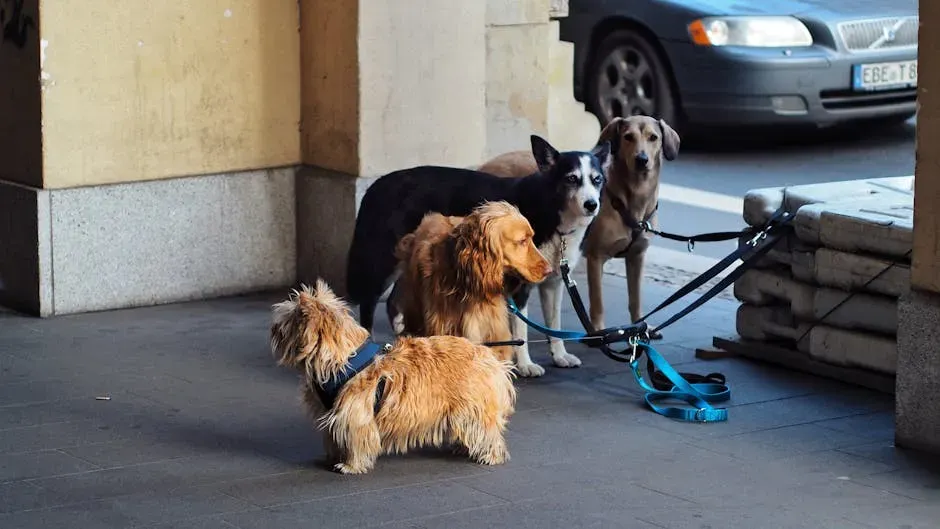
First, determine what triggers your dog’s aggression. Keep a log of incidents to help you identify patterns, and use this information to avoid or manage these situations while working on behavior modification. It sounds simple, but this one habit is genuinely game-changing. Patterns reveal everything.
Teaching your dog basic commands such as “sit,” “stay,” and “leave it” can help them feel more secure and provide you with better control in challenging situations. Consistent, reward-based training is key to success. Structure gives small dogs confidence. It tells them someone else is in charge, and they can finally relax.
Leash walking helps your small dog understand that you are the leader and helps make them more confident. It’s very easy to just pick these little guys up instead of making them walk on the leash, but when you stop doing that, they actually feel safe because they learn to follow your lead. Walking on a leash is not just exercise. It is communication.
Avoid punishing your dog for aggressive behavior, as it can increase fear and aggression. Punishment makes fearful dogs more fearful. Reward the calm. Ignore the drama. Redirect with confidence.
When to Call in the Experts and What to Expect
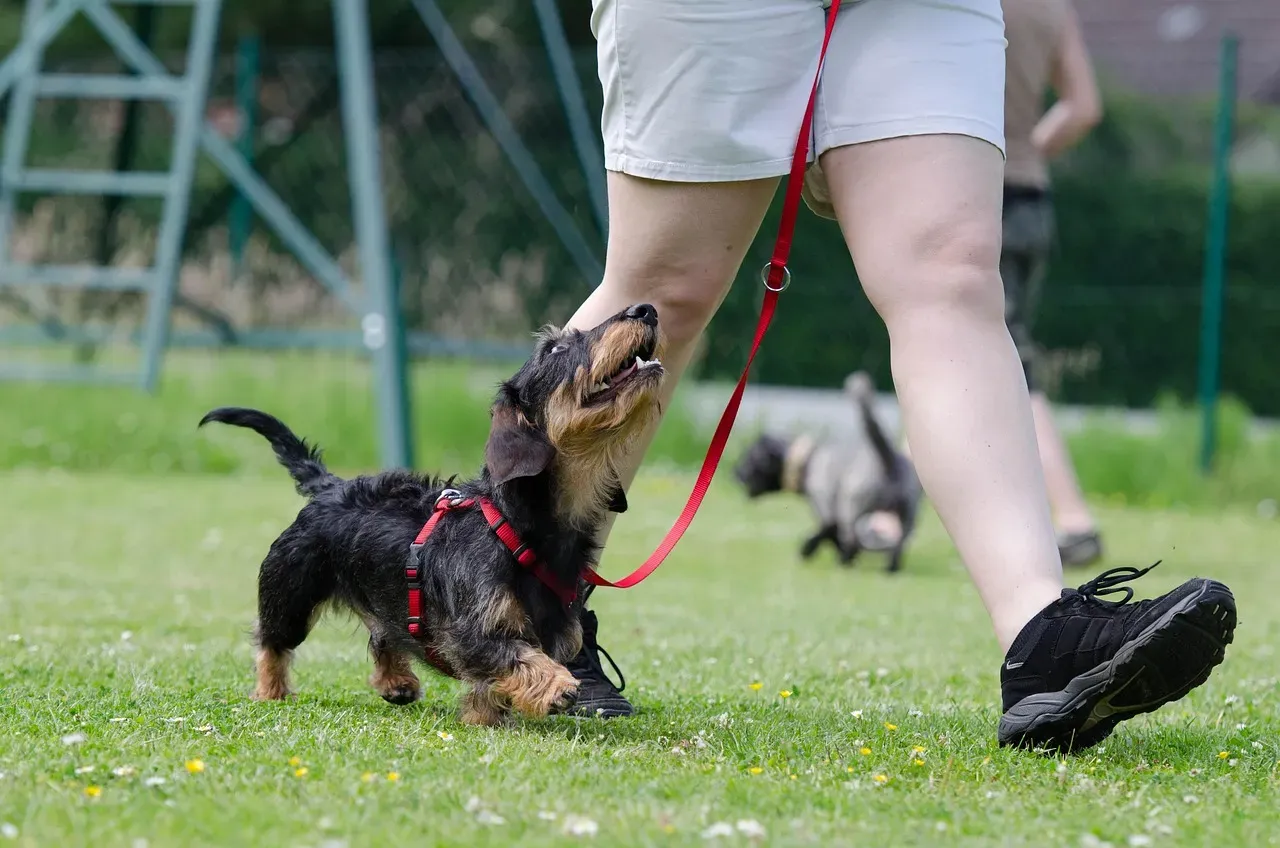
It is highly advisable to have a professional trainer and/or behaviorist work with the dog. Professional trainers can provide valuable insight into dog behavior, and they can often pick up on very subtle clues and triggers that most of us are unable to discern. There is absolutely no shame in asking for help. Honestly, it’s one of the kindest things you can do for your dog.
Behavior modification takes time and commitment. Be patient with your dog as they learn new behaviors and remain consistent in your approach. Think of it like learning a new language. Nobody becomes fluent overnight, and your dog is essentially unlearning years of reinforced habits.
Taking into account the behavior modification techniques that affect aggression, the current understanding is that the incidence and frequency of some types of aggression can be reduced and sometimes eliminated. However, there’s no guarantee that an aggressive dog can be completely cured. That’s the honest truth. Progress, not perfection, is the real goal here.
Conclusion: Your Small Dog Deserves a Calmer, Happier Life
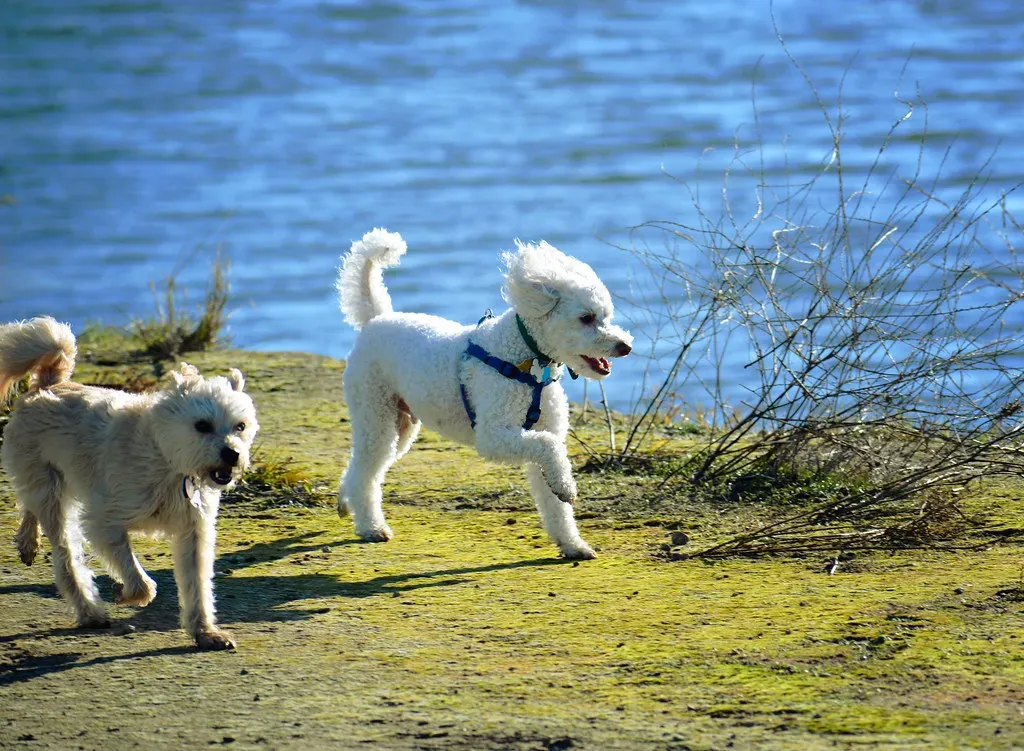
Your little dog is not broken. They are not bad. They are scared, possibly undertrained, and desperately hoping you will take the lead. Small dogs are not “mean” – they’re passionate, brave, and deeply attached to their humans. Once they feel secure, that fiery energy turns into playfulness and loyalty. By combining emotional understanding, positive training, and physical comfort, you can help your small dog live with calm confidence, without losing their spirited charm.
Every growl is a sentence your dog is trying to say. Your job is to learn the language, respond with compassion, and show them they are safe with you. The transformation won’t happen overnight, but every single consistent step you take is a deposit in the bank of trust between you and your dog.
So, what do you think is the biggest mistake small dog owners make? Drop your thoughts in the comments – this community would love to hear your story.