
9 Dog Breeds That Are Known for Their Stubbornness (And How to Work With Them)
Picture this: you’ve said “sit” for the eleventh time in five minutes, your dog is staring at you with the calm energy of someone who absolutely heard you, and they just… don’t. Sound familiar? You’re not alone, and honestly, you’re not failing as a dog owner either.
In reality, what we often call “stubbornness” is tied to intelligence, independence, or the very purpose a breed was originally developed for. These dogs aren’t being difficult on purpose. They’re just wired differently. And once you understand that, the whole game changes. Let’s dive in.
1. Siberian Husky: The Free Spirit Who Does Things on His Own Schedule
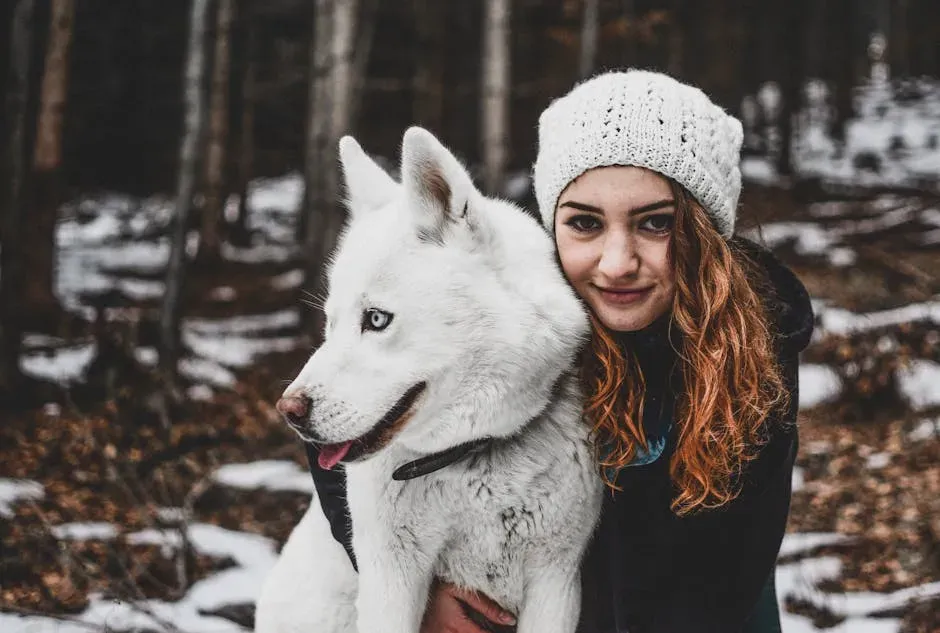
If you’ve ever owned a Husky, you know that “selective hearing” is practically their love language. Known for their striking appearance and love of outdoor adventures, Siberian Huskies were originally bred to pull sleds over long distances, often working in teams but making independent decisions. That backstory matters more than most people realize.
Siberian Huskies are known not just for their stunning looks and energy, but also for their independence and stubbornness. The first Huskies were bred to make independent decisions in the frigid Siberian wilderness, so their modern-day descendants aren’t always eager to follow commands on the first or second try. Think of training a Husky like negotiating with a very charming coworker who has their own agenda. You’ll need energy, patience, and a good sense of humor.
The key with a Husky is physical exercise first, training second. A tired Husky is a well-behaved one. Wear them out with a long run or rigorous play before any training session, and you’ll get a much more cooperative partner. Keep sessions short, varied, and filled with high-value rewards.
2. Beagle: The Nose That Runs the Show
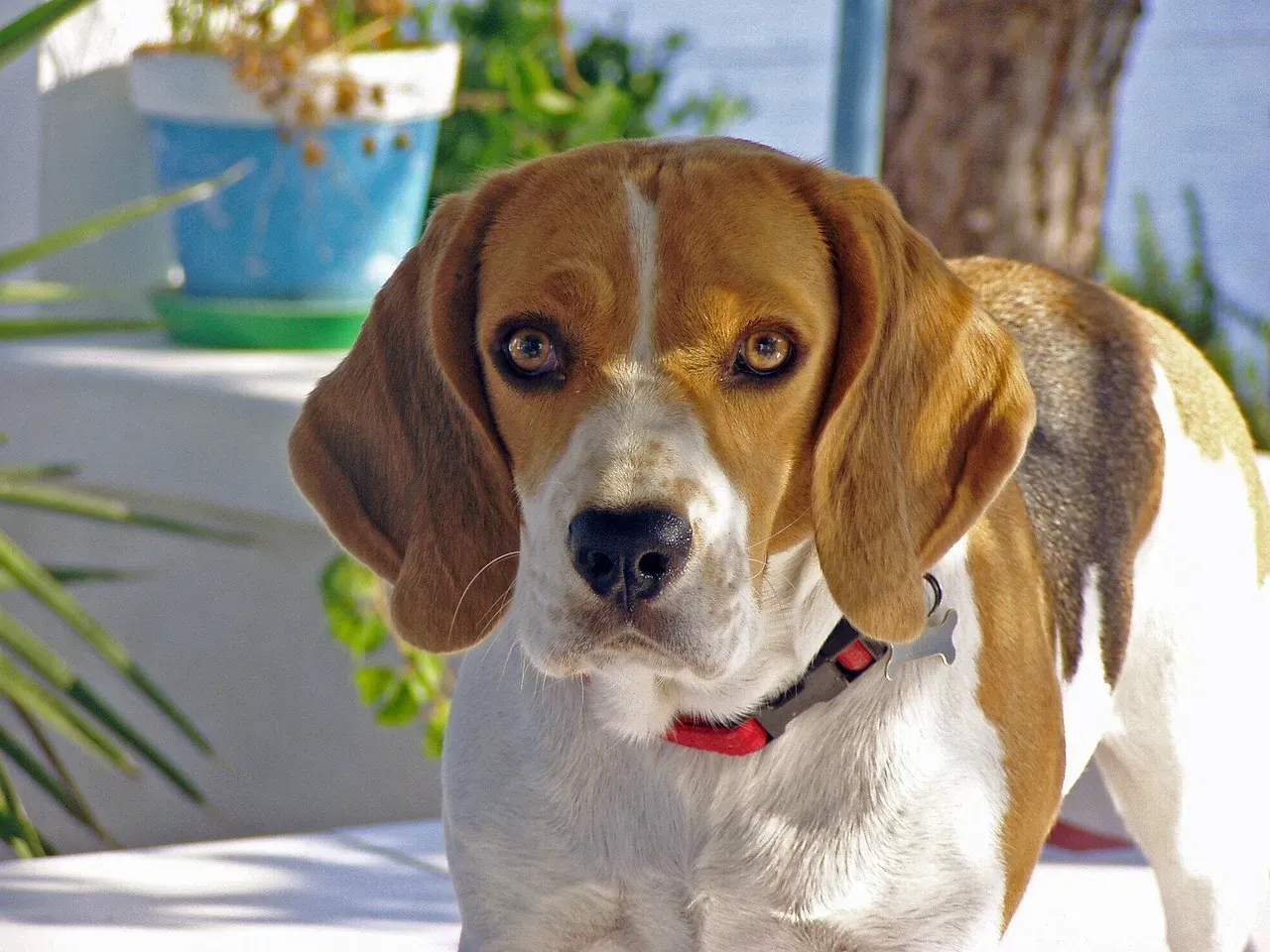
Beagles are irresistible. Those soulful eyes, those floppy ears, that wagging tail. And then you let them off leash near a bush, and they vanish into an invisible world of smells you can’t even begin to comprehend. Beagles, with their incredible sense of smell and tracking ability, were bred for hunting and often exhibit a stubborn streak when on a scent trail. Their single-minded focus can make them seem indifferent to commands, especially if they’ve picked up an interesting scent.
Here’s the thing: a Beagle’s nose is thought to be tens of thousands of times more sensitive than a human’s. Asking them to ignore an amazing smell is like asking you to ignore a fire alarm. Beagles are friendly and affectionate but require patience and creative training techniques to manage their selective hearing. Providing them with plenty of exercise and mental stimulation can help mitigate their stubborn tendencies. Scent-based games and nose work activities are honestly some of the best training tools for this breed, since they channel what the Beagle naturally loves.
3. Shiba Inu: The Cat in a Dog’s Body
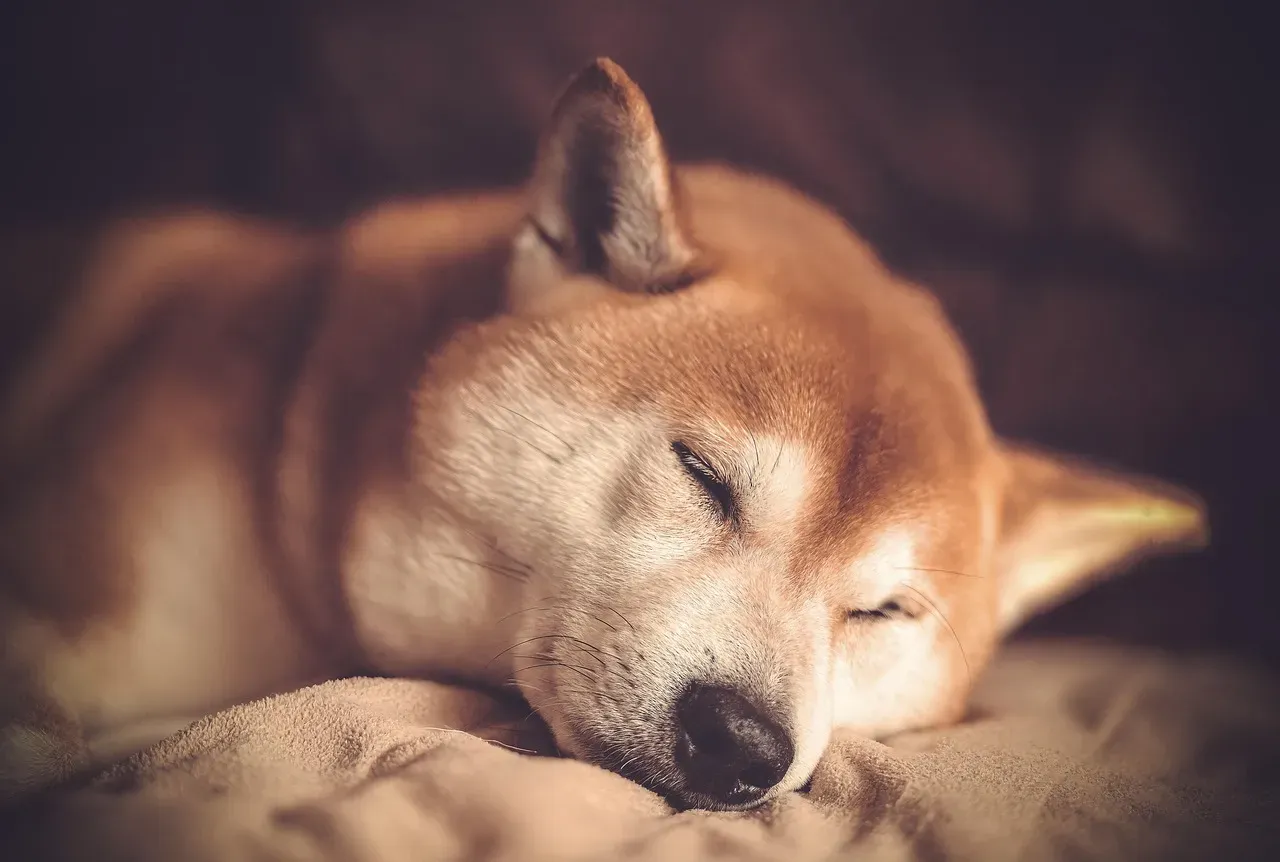
If you’ve never experienced the famous “Shiba scream,” consider yourself lucky. Shiba Inus are known for their bold and fiery personalities, often accompanied by a stubborn streak that can make training a test of wills. They’re fiercely independent and intelligent, qualities that require consistent, patient training techniques. Honestly, training a Shiba sometimes feels less like dog training and more like diplomacy.
The Shiba Inu is confident, alert, and often described as cat-like in its independence. This breed tends to think for itself and may resist repetitive training. Shibas are loyal to their family but may appear aloof. Early socialization and consistent obedience training are important to manage their strong-willed nature. Short, engaging sessions work best. Repetition bores them, so switch things up frequently and always make it feel like their idea.
4. English Bulldog: The Couch Philosopher
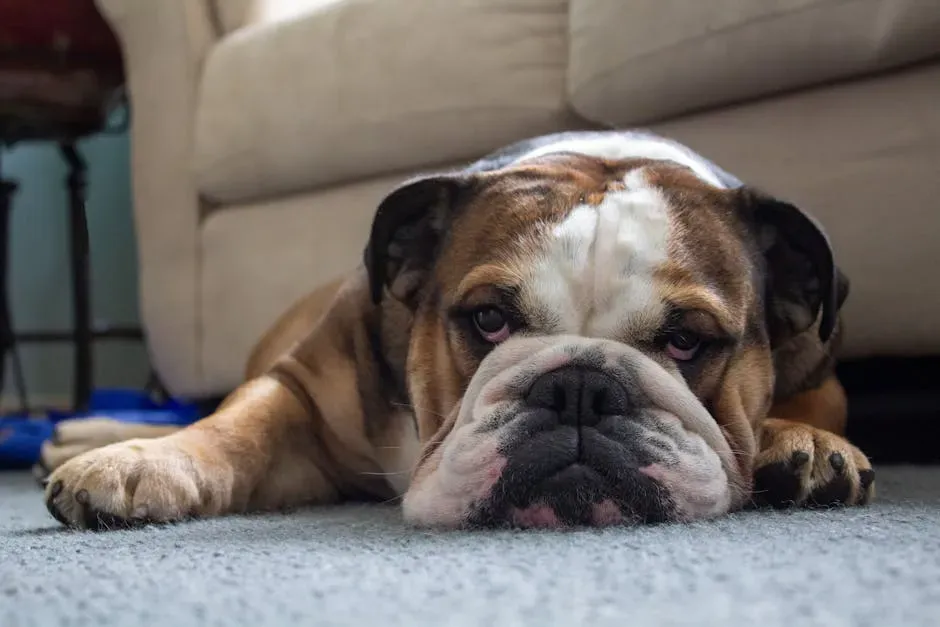
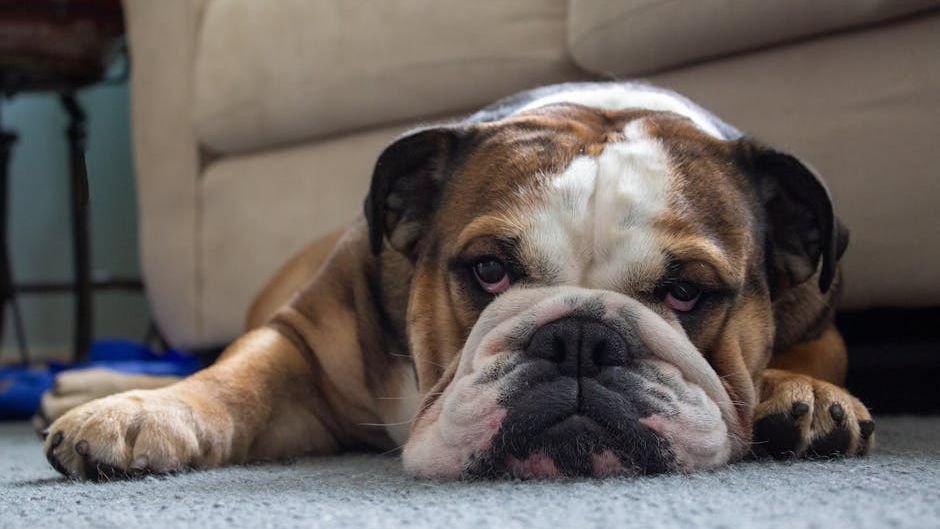
Don’t mistake the Bulldog’s calm, lovable nature for obedience. These dogs are operating on their own internal clock, and “training time” is rarely on their calendar. Bulldogs are known for their lazy lifestyle, strong will, and super high intelligence, which is a triple threat to obedience training. I think that combination is what makes them so uniquely challenging and endearing at the same time.
The stubbornness seen in Bulldogs can be traced back to their history as fighting dogs. They are tenacious and often require firm but gentle handling. This isn’t a breed you push through with force or frustration. Short training sessions of five to ten minutes, followed immediately by their favorite reward, work far better than long, repetitive drills. Their stubborn dog tendencies are softened by their sweet nature. Use treats and short, engaging training sessions.
5. Dachshund: Small Dog, Enormous Opinion
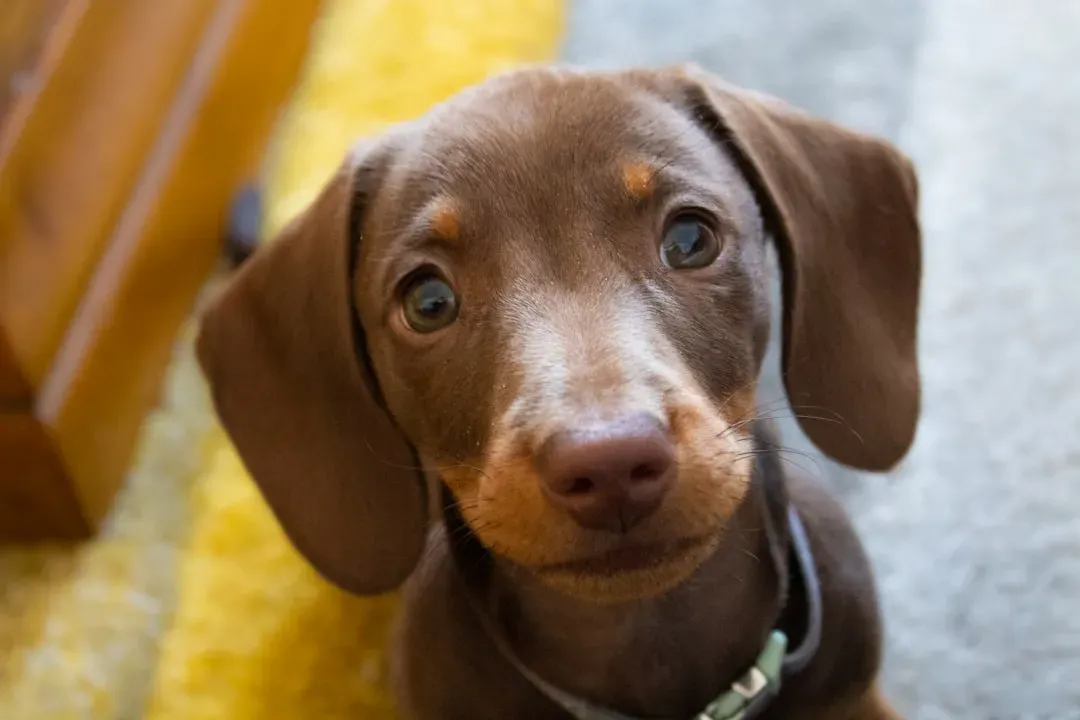
Don’t let the tiny legs fool you. Dachshunds are brave and bold, often showing no fear despite their small size. This courage, combined with a strong sense of independence, can make them quite stubborn when it comes to training or obeying commands. They were literally bred to go into badger dens alone. That’s not a dog who was designed to take orders.
Dachshunds were originally bred to dig into badger dens and flush out the badgers, so make sure they exercise, or they will be digging holes, chewing shoes, or chasing your other pets. Channel that determined energy by giving them jobs to do. Short commands, immediate rewards, and a consistent routine are your best friends here. They’re best suited for owners who can match their determination with patience and consistency.
6. Akita: The Dignified One Who Won’t Be Rushed
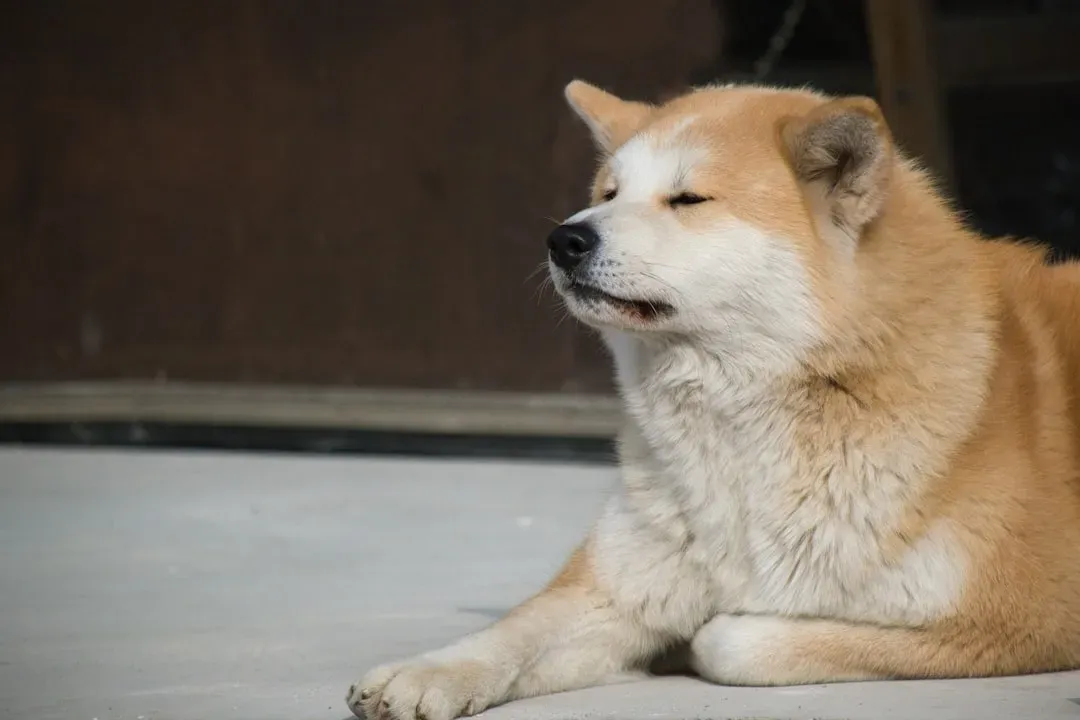
The Akita carries itself like royalty, and honestly, it knows it. Akitas are known for being protective, deeply loyal, dignified, brave, and affectionate with family and friends. They need to be socialized at a young age because they have a high prey drive from their hunting genes. That majestic quality comes with a price, though: getting an Akita to comply on your schedule is an exercise in patience.
The dominant Akita is such a stubborn dog that they may just walk away mid-training session. Truly, I’ve heard from Akita owners who describe exactly this scenario, and it’s equal parts humbling and hilarious. They are one of the stubborn dog breeds, but training with positive reinforcement at a young age should yield great results. Early socialization, firm boundaries, and a calm but authoritative approach will take you much further than raised voices or repeated commands ever will.
7. Jack Russell Terrier: A Tornado With Fur
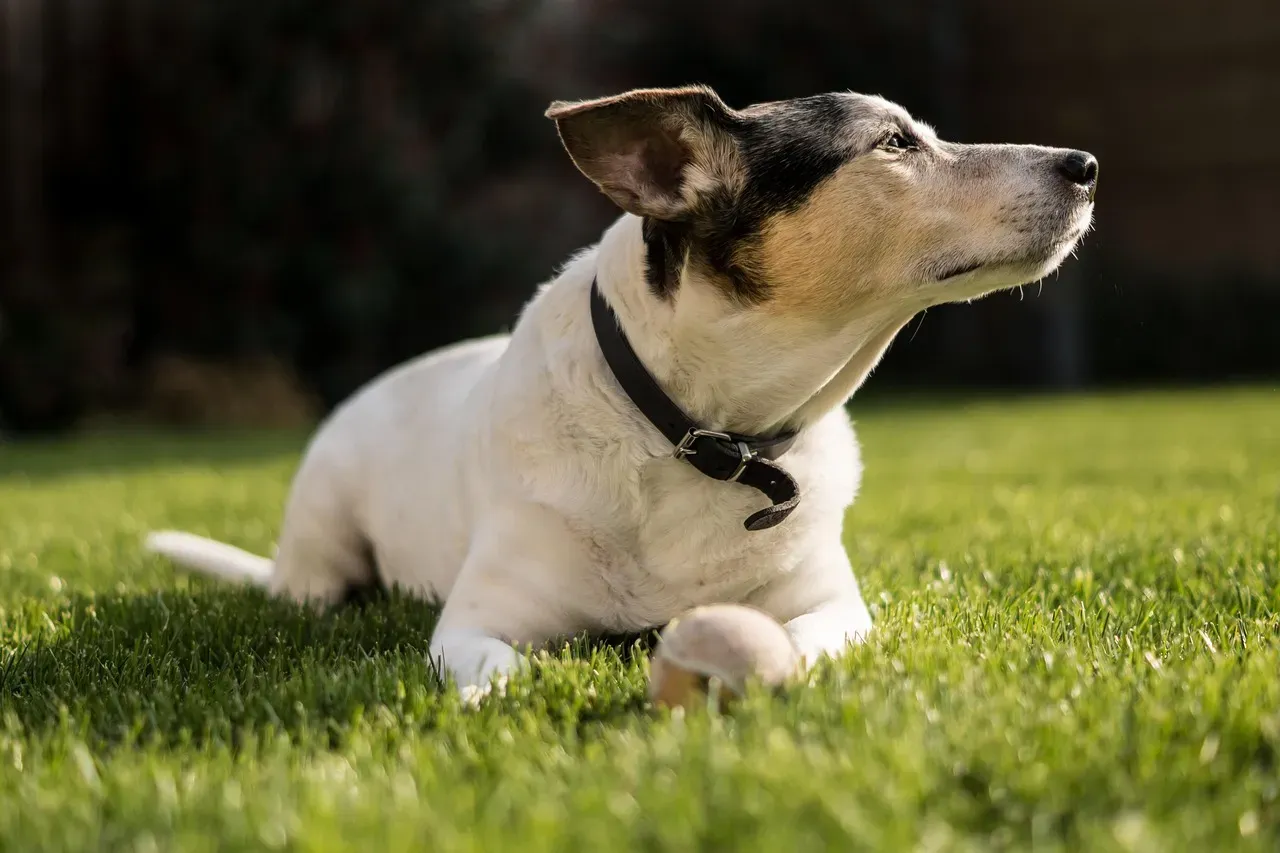
Jack Russell Terriers are the kind of dog who will learn every command perfectly and then decide, in the moment, that the squirrel across the yard is simply more important. Originally bred to chase and hunt small animals, this breed has a strong prey drive and independent streak. Jack Russells are intelligent and quick learners, but they can become bored easily. If training isn’t engaging or fun, they may decide to follow their own rules.
Jack Russells are quick learners but may choose not to comply if they’re not interested or adequately motivated. Engaging their natural curiosity and desire for activity can help overcome their stubbornness, channeling their energy into positive behaviors. Think of training a Jack Russell like producing a live show for the world’s most demanding audience. Keep the energy high, the sessions unpredictable, and the rewards irresistible. A bored Jack Russell will find its own entertainment, and you probably won’t enjoy what it chooses.
8. Chow Chow: The Aloof Aristocrat
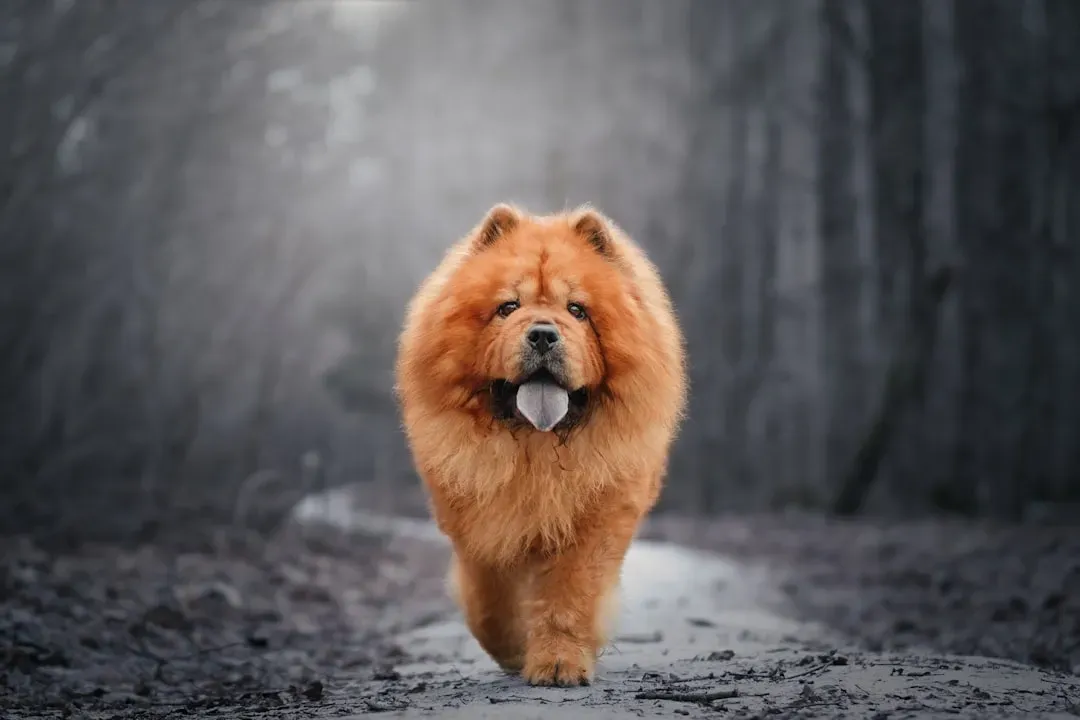
The Chow Chow doesn’t just have an independent streak. It practically invented one. Chow Chows are not just fluffy but also known for their aloof and independent nature. This can often be perceived as stubbornness, especially regarding training. The thing is, these dogs aren’t trying to frustrate you. They’re simply not hardwired to please people the way a Labrador is.
Chow Chows are fluffy, possessive dogs often compared to cats for their meticulous grooming. They need plenty of space. Building trust is key to successfully instilling commands in your Chow, as is consistency. Respect is the foundation here. Chow Chows respond to owners they genuinely trust, not those who simply demand obedience. Earn that trust through calm, consistent leadership and you’ll be surprised how cooperative this dignified breed can actually become.
9. Chihuahua: The Tiny Dog With an Enormous Ego
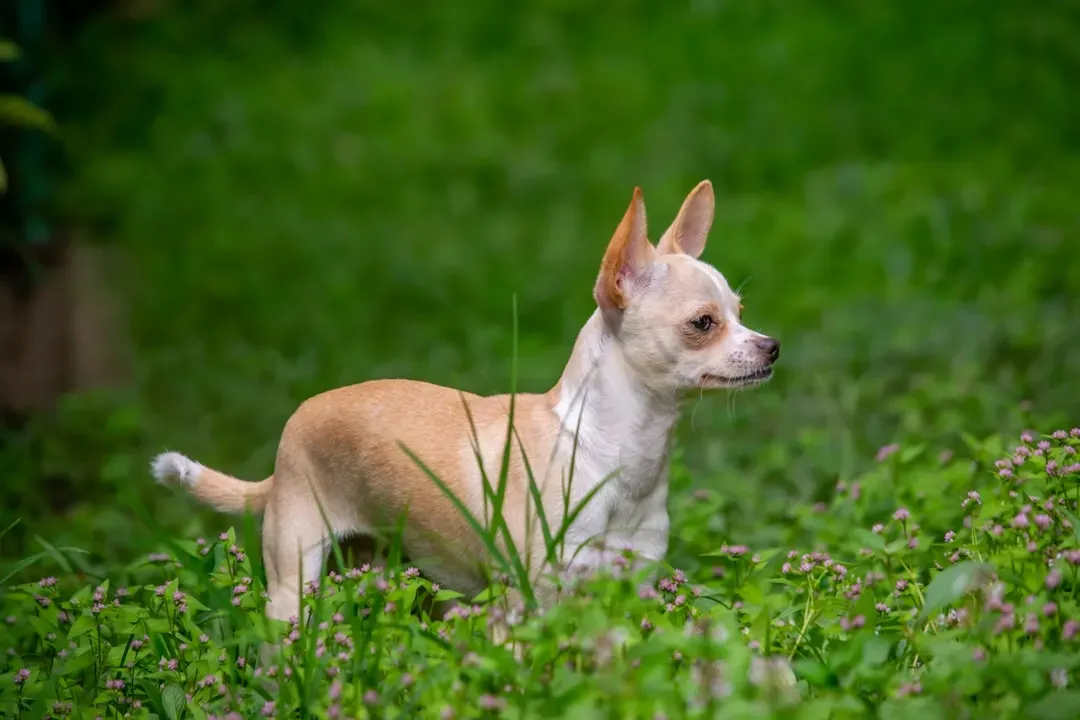
Let’s be real: the Chihuahua has absolutely no idea it’s one of the smallest dogs in the world. Chihuahuas may be small, but their personalities are gigantic. Known for their loyalty and strong-willed nature, they can be surprisingly stubborn, often believing they’re the alpha in the household. That confidence, charming as it is, makes for a training session that can test even the most patient owner.
This breed requires a firm, gentle hand in training and thrives in environments where they can be the center of attention. The mistake most Chihuahua owners make is letting the small size lead to small expectations. These dogs need real boundaries and genuine training, just like any larger breed. Make sessions feel like a game, reward generously, and never underestimate what a motivated Chihuahua can learn.
The Bigger Picture: It’s Not Stubbornness, It’s a Language Barrier
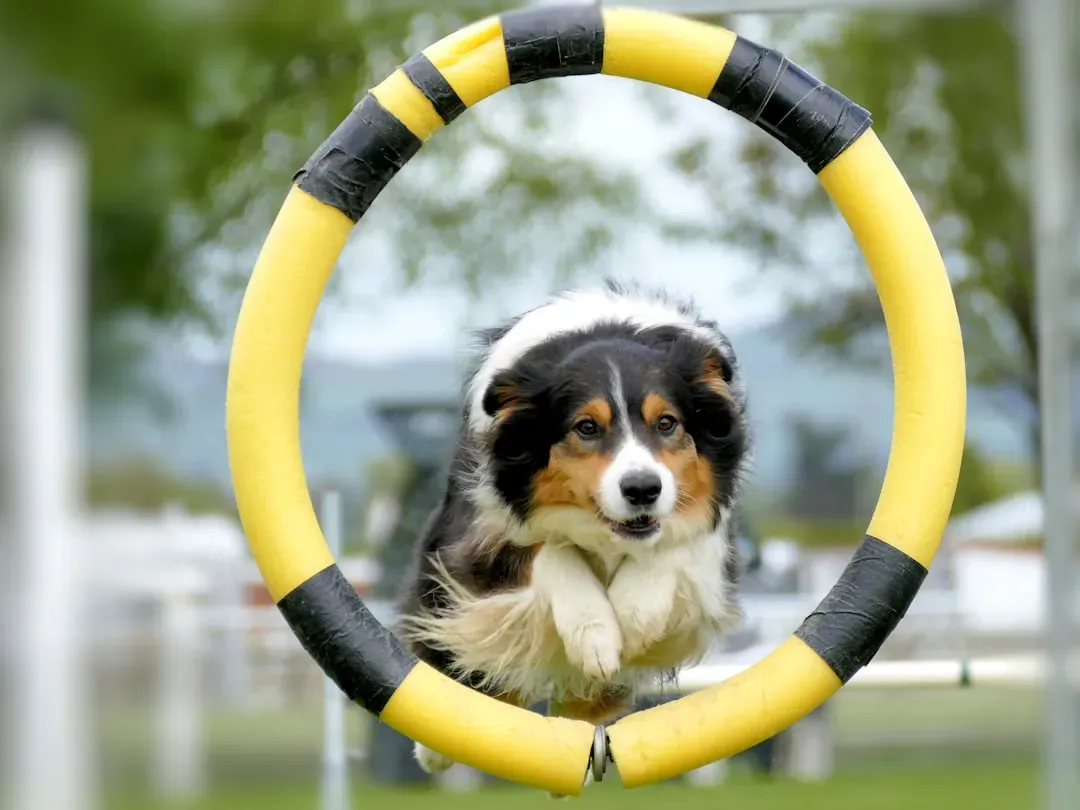
Here’s something worth sitting with. Too often, people interpret their dog’s behavior through a human lens, and that’s most apparent when their dog doesn’t listen or obey cues. The dog is labelled as stubborn when, in reality, the dog either didn’t understand what was asked or didn’t think it was worth their effort. That reframe is honestly everything.
Dogs respond best to positive reinforcement training, not punishment. When training stubborn breeds, the reward needs to be irresistible. Think about it this way: you wouldn’t keep showing up to a job that never paid you. Your dog operates by the same logic. Make the reward worth the effort, keep your cues consistent, and approach every session with curiosity instead of frustration.
Consistency and a supportive environment are essential. Manage your dog’s environment to minimize opportunities for unwanted behaviors, ensure everyone in the household uses the same training cues and rules, and don’t hesitate to reach out to a certified professional dog trainer for personalized guidance. It really does take a village sometimes, and there’s no shame in asking for help.
Owning a so-called stubborn breed is not a punishment. It’s an invitation to become a better communicator, a more patient human, and honestly, a more self-aware person. These dogs push you. They challenge you. They make you earn every single milestone. And the bond you build on the other side of all that effort? It’s unlike anything else. So keep going, stay consistent, and never stop seeing the brilliance hiding behind that stubborn little stare. What do you think about it? Drop your own experience in the comments below – we’d love to hear which breed has tested your patience the most.