

You love your dog with every single fiber of your being. That tail wag, those sleepy sighs, the way they follow you from room to room like a devoted little shadow. But then comes the barking. The relentless, ear-splitting, neighbor-aggravating barking. Or maybe you’re the opposite – you’re looking for your first dog and the idea of a midnight bark-fest gives you serious anxiety.
Here’s something most people don’t realize: barking is deeply wired into a dog’s DNA. It’s not just attitude. Some breeds tend to bark more than others, especially if barking was part of their original job. That means before you fall head over heels for a fluffy face at the shelter or breeder, it’s worth knowing what you’re getting into. Let’s dive in.
The Beagle: Born to Bay, Built to Be Heard

The Beagle is a small-to-medium-sized hound known for its keen sense of smell and unmistakable sound. And that sound? It’s less of a bark and more of a full-bodied, soul-shaking bay that carries across an entire neighborhood. I know it sounds dramatic, but Beagle owners will absolutely back this up.
Beagles are famous for their loud “bay” that is often heard when they’re tracking or excited. This vocalization is deeply ingrained in their hunting instincts, and they bark constantly when they catch a scent or are left alone. If you have a Beagle, mental enrichment and scent games are your best friends. A bored Beagle is a LOUD Beagle – no question about it.
The Chihuahua: Small Dog, Enormous Opinions

Let’s be real – Chihuahuas act like they’re 200-pound guard dogs trapped in a two-pound body. Despite their tiny size, Chihuahuas have a big personality and tend to bark as though they are much bigger than they are. These pint-sized pups are often quite vocal, using their barks to communicate their feelings and needs.
The tricky part is that Chihuahuas are genuinely devoted to their people. That devotion, though, comes with a side of fierce protectiveness. Chihuahuas may be small, but they have big voices. Historically bred as companion dogs and watchdogs, Chihuahuas are notorious for barking at anything they perceive as a threat, including visitors. Early socialization really is non-negotiable with this breed. Start young, stay consistent, and reward calm behavior like your life depends on it.
The Yorkshire Terrier: Tiny Terror With a Mighty Voice

Yorkies are without a doubt one of the most popular small dogs in the world, and honestly, it’s easy to see why. They’re spirited, affectionate, and full of personality. The diminutive Yorkie seems to enter the world barking. Right from the start, this adorable dog likes to assert himself and enter the fray whenever there is something going on.
Both the standard and tiny-sized versions of the Yorkshire Terrier can be an earful for their owners. This is because they are quite territorial and small, so their best bet against intruders is to be loud. Think of it this way: if you were tiny and felt the need to defend your home, you’d probably be loud too. A little empathy goes a long way, but consistent training goes even further.
The Miniature Schnauzer: The Noisiest Watchdog You’ll Ever Love

The Miniature Schnauzer is one of those breeds that practically invented the concept of “alert barking.” These dogs are sharp, smart, and absolutely convinced it’s their personal job to protect you at all times. There are many reasons why the mini schnauzer tends to bark a bunch. This breed speaks up when it’s feeling hungry, distressed, depressed, or bored. It can be a headache for some, but for those looking for a great watchdog, this breed may be the one for you.
The good news is that their intelligence makes them highly trainable. The bad news? That same intelligence means they can easily become manipulative barkers if you accidentally reinforce the behavior by giving them what they want every time they sound off. Structure and routine are everything with this breed.
The Pomeranian: Fluffy, Fabulous, and Freakishly Loud

Pomeranians look like little clouds of joy, and in many ways they are. Fluffy, friendly, and incredibly adorable, the Pomeranian is a much-loved breed. However, their small stature can lead to them speaking up quite loudly when they want to be noticed. Honestly, they’ve got a bit of a “main character” complex, and they fully intend to be heard.
Pomeranians tend to bark loudly and frequently, making them less ideal for apartment living if you value peace and quiet. If you live in a condo or have neighbors with paper-thin walls, go in with a solid training plan from day one. Positive reinforcement, the “quiet” command, and daily exercise can genuinely help keep the volume manageable.
The Maltese: Sweet, Silky, and Surprisingly Vocal
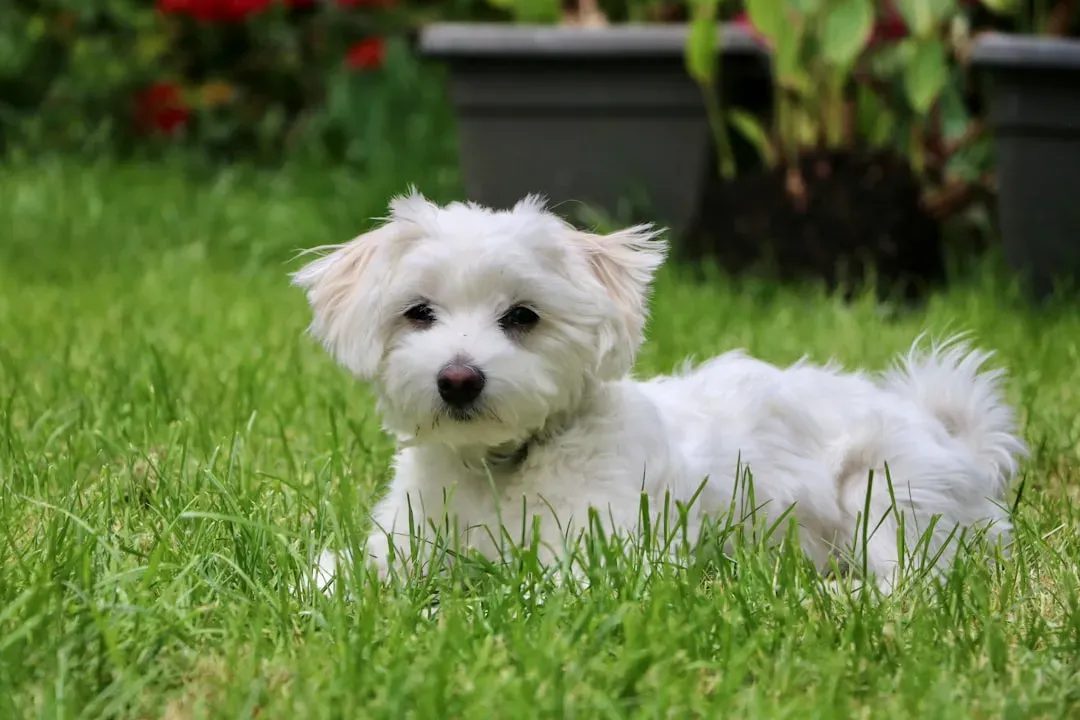
The Maltese seems almost too delicate to be loud. Those flowing white coats and gentle eyes suggest an aristocratic calm. Spoiler alert: not so much. The Maltese are quite protective over their home and are prone to thinking just about anyone is an intruder. No matter what noises they hear in the night, they may start to bark away if they hear something out of the ordinary.
The Maltese get very attached to their owners. If ever rehomed, they can adjust to the right situation. However, it might take them a long time to learn to trust again. That deep attachment is often a root cause of their barking – it comes from love and anxiety more than aggression. Addressing separation anxiety early with gradual alone-time training can make a huge difference.
The Bearded Collie (and Herding Breeds Generally): Barking Is Literally Their Job
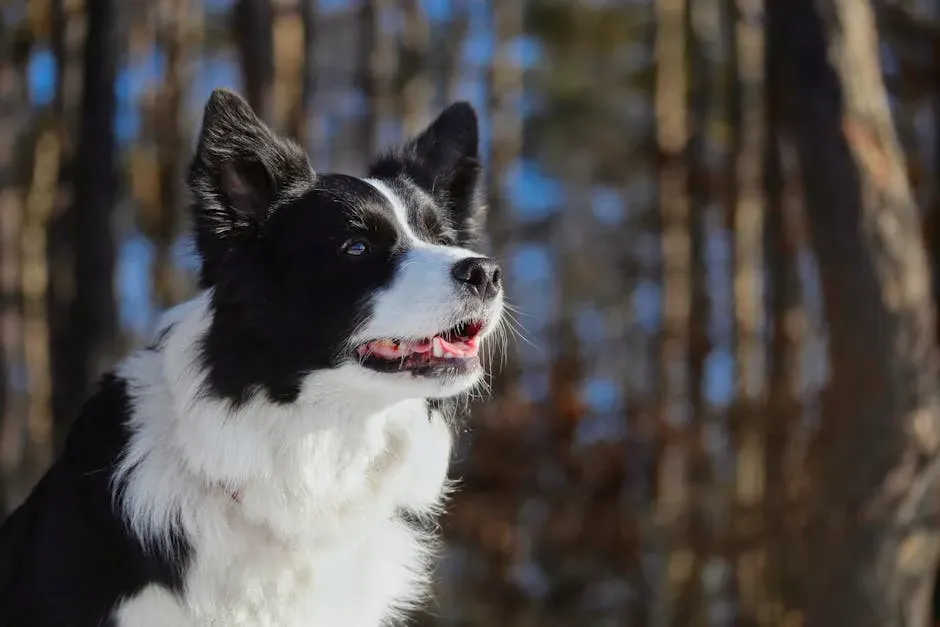
Herding dogs are wired to vocalize. It’s not a flaw – it was literally bred into them over generations. Border Collies are one of the most intelligent dog breeds, bred to herd livestock using vocal commands and barks. Their high intelligence and need for mental stimulation can result in frequent vocalization, especially if they’re not getting enough exercise.
Australian Shepherds are prone to barking. They are easily visually stimulated, natural watchdogs, and can resort to testing out the range of their vocal cords when they are either bored or lonely. The fix here isn’t complicated, but it does require commitment: give these dogs a job. Agility training, puzzle feeders, long hikes – when their brain and body are busy, the barking drops dramatically. Neglect those needs, and oh boy, the whole street will know.
The Basenji: The Dog That Literally Cannot Bark

Now we shift gears entirely – and this is where things get genuinely fascinating. The Basenji is basically bark-free. In fact, this breed is known as “the barkless dog” because its larynx simply does not have the correct shape to let it bark. They do yodel though, so look out for that.
This African breed is known for its intelligence, independence, and cat-like demeanor. They are curious and playful, making them great companions for those who appreciate a quieter dog. However, their silence doesn’t mean they’re not expressive; they communicate their emotions through a variety of sounds and body language. Think of the Basenji as the strong, silent type who communicates through meaningful glances and the occasional operatic yodel. Quirky, yes. Noisy, no.
The Cavalier King Charles Spaniel: Royally Relaxed and Blissfully Quiet

If there were an award for “most chill small dog on the planet,” the Cavalier King Charles Spaniel would win it every single time. The Cavalier King Charles Spaniel has royal roots, so it’s no wonder they have a poised demeanor. Instead of guarding the home with an aggressive woof, you’re more likely to find the Cav calmly greeting strangers or cuddled up from a long day of napping.
Their calm and gentle demeanor means they are a relatively quiet breed, only yapping when they are bored or stressed or want to get your attention when someone is at the door. They may also bark when left alone for long periods, but overall, Cavalier King Charles Spaniels enjoy the company of others and are known for forming strong bonds with their owners. They thrive on companionship, so just make sure they’re never left alone for too long.
The Greyhound: The World’s Fastest Couch Potato
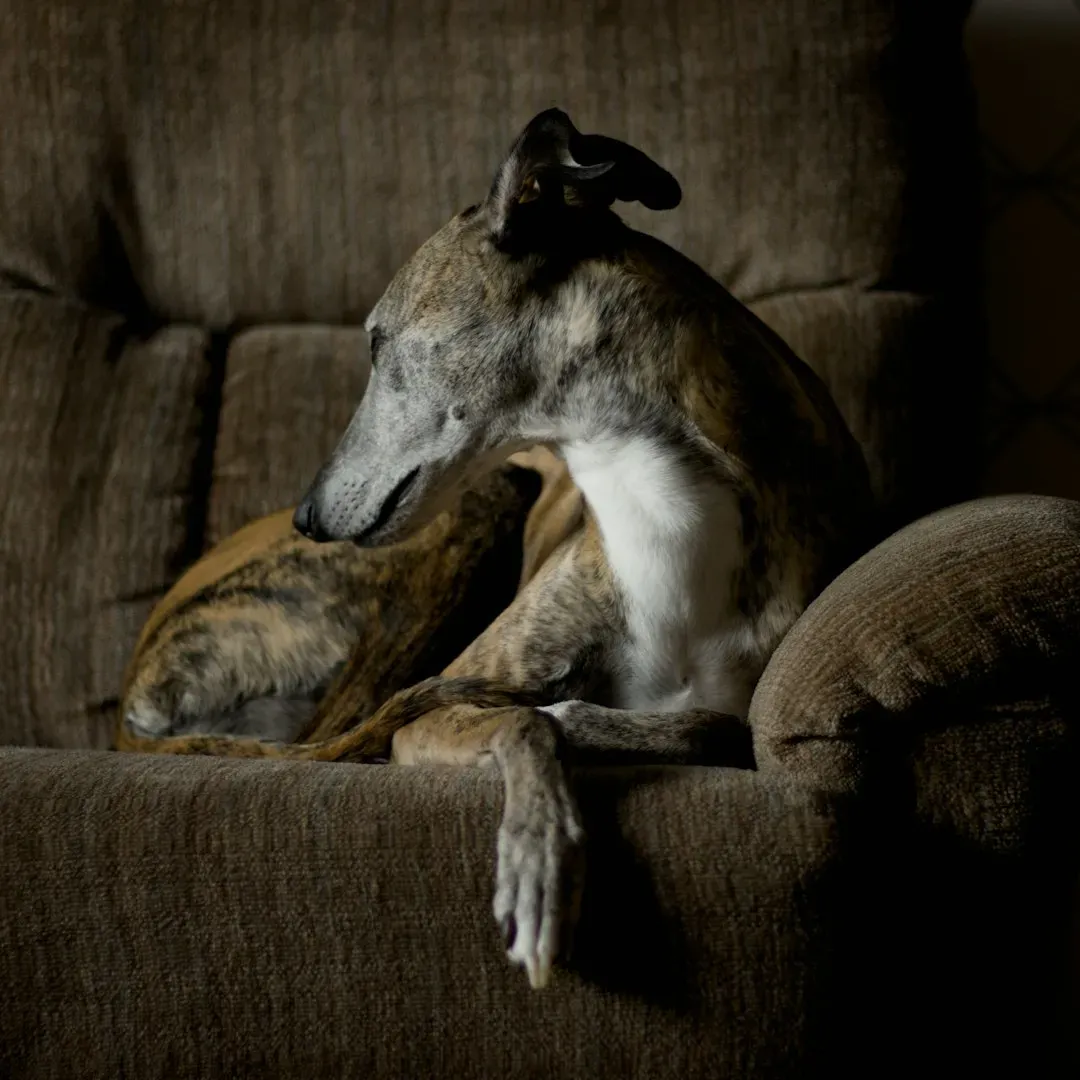
You’d think a dog bred for high-speed racing would be wound up and noisy all the time. The reality is almost comically opposite. Despite their racing background, Greyhounds are quiet and calm indoors. They are gentle and affectionate, often preferring to lounge around the house. Greyhounds need regular exercise but are not known for being vocal.
The greyhound and other members of the sighthound family rarely bark when hunting, and all members of this family tend to be quiet. Surprisingly, they do well for apartment dwellers, as they are fairly inactive indoors. Honestly, the Greyhound is the perfect contradiction: built like a sports car, lives like a sleepy retiree. If you want a low-bark, low-drama companion, a retired racing Greyhound might just be your perfect match.
The Bernese Mountain Dog: Gentle Giant, Gentle Voice
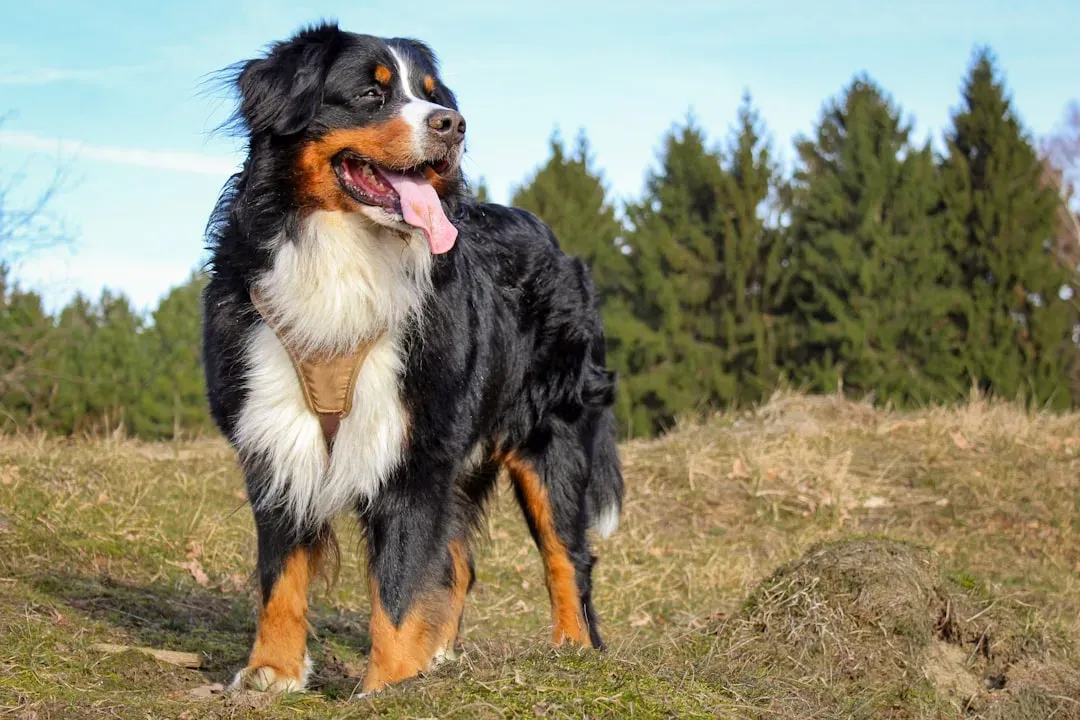
There is something deeply peaceful about the Bernese Mountain Dog. These are the kind of dogs who seem to carry a quiet confidence that makes the whole household feel calmer. Despite their large size, Bernese Mountain Dogs are known for their calm and serene nature. They are a Swiss breed, originally used as farm dogs. In a family setting, they are gentle giants, known for their loyalty and affectionate behavior. Bernese Mountain Dogs do not typically bark without cause, making them suitable for families and individuals who prefer a quieter dog.
They’re known for being among the dogs that don’t bark and are very placid. However, they’re also always ready to play or go on a long walk with their owner. They love to please people and are particularly good with children, which makes them a great addition to a family looking for a quiet but loving pet. Just be prepared for some serious grooming sessions. That gorgeous coat doesn’t maintain itself.
The French Bulldog: Apartment-Friendly and Happily Hushed

Frenchies have taken over the internet, and it’s not hard to understand why. Those bat ears, that smooshy face, that absolute delight in life. Little pups often get a bad rap for being yappy, but the French Bulldog is a small dog breed that doesn’t bark much. This playful companion thrives on human contact and generally has low energy, which makes them well-suited for apartment living.
Frenchies are popular small dogs who do well in apartments and quiet neighborhoods because barking is not their thing. They prefer to have their packs around them, and are playful and loving as well as cuddly. One small caveat worth knowing: Frenchies are a brachycephalic breed, meaning their flat faces can cause breathing difficulties. Regular vet checkups are a must. Their silence is golden, but their health needs your attention.
The Whippet: Graceful, Gentle, and Gloriously Quiet
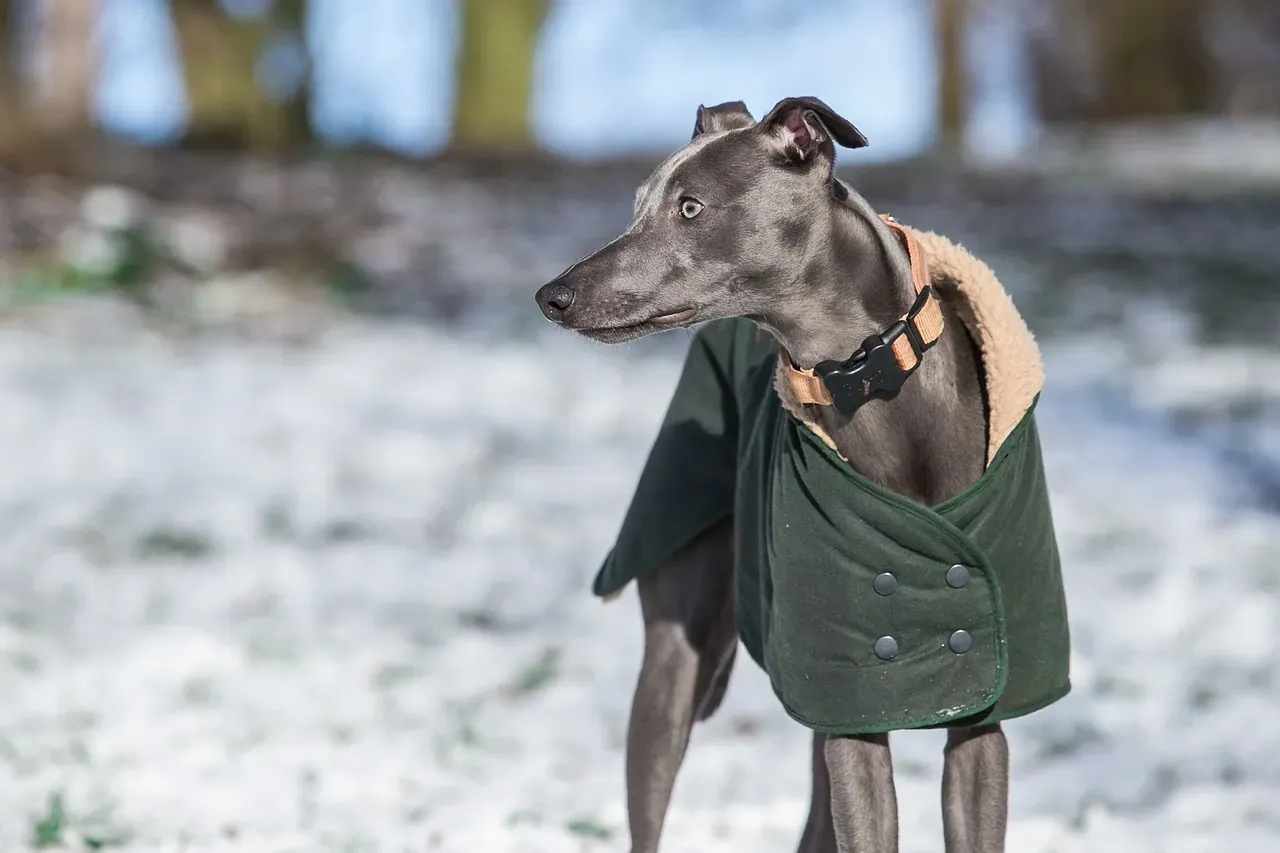
The Whippet is basically the Greyhound’s elegant younger sibling. Sleek, swift, and surprisingly laid-back indoors. Similar to the Greyhound, the Whippet is a quiet breed that rarely makes its presence known by barking. If you’re looking for a good guard dog, this may not be it. However, they’re the perfect breed for those looking for a quiet, peaceful dog. Whippets are considered low-barking dogs but may bark more depending on their early training or individual personality.
Whippets are affectionate and gentle, perfect for families and individuals alike. They enjoy running and playing but are content to relax indoors afterward. Give a Whippet a good run in the morning and a warm couch in the evening, and they’ll repay you with hours of blissful silence. It’s honestly a beautiful arrangement.
The Great Dane: When Size Does the Talking
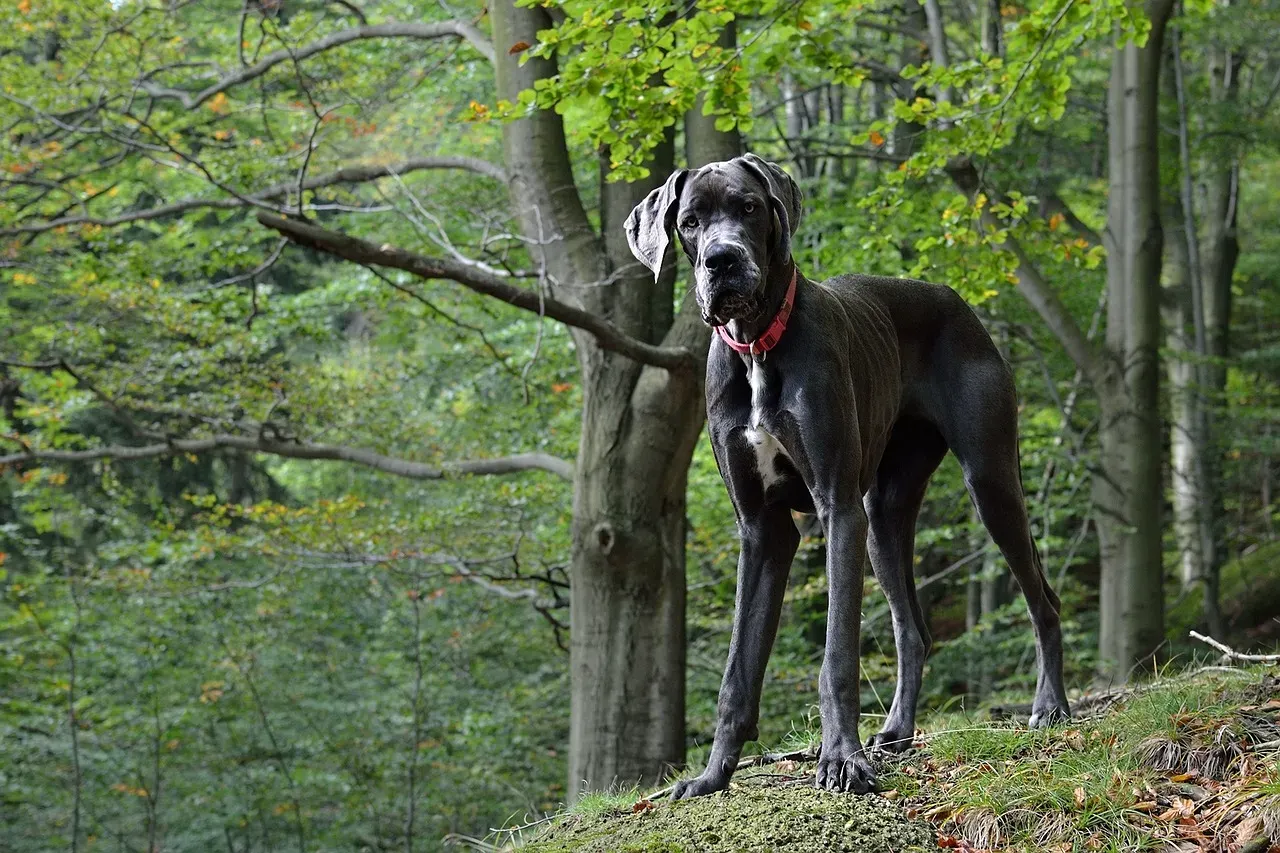
Great Danes are a walking paradox. They’re among the largest dogs in the world, yet somehow they move through life with the calm energy of a monk who’s just finished meditating. This gentle giant is huge, and when it does bark, it’s loud and deep, but that doesn’t happen very often. They tend to have a calm nature, which means they don’t bark often. Great Danes are bred to be people-pleasers, so they are great family dogs that are easy to train.
Great Danes, despite their size, are gentle and quiet. These giants are affectionate and loyal, often forming close bonds with their families. Great Danes are well-suited to indoor living due to their calm demeanor. Yes, you’ll need a bigger couch. Yes, your food bill will triple. Still, if peace and quiet matter to you, the Great Dane delivers that in spades – wrapped in a whole lot of love.
Final Thoughts: It’s Not Just the Breed, It’s the Bond

Here’s the thing – knowing your dog’s breed tendencies is just the starting point. Bear in mind that some dogs are more prone to barking than others. In addition, some breeds are known as “barkers,” and it can be harder to decrease barking in individuals of these breeds. That said, no dog is a lost cause.
Adequate exercise, training, enrichment, and socialization can help prevent issues that can lead to excessive barking. Whether you have a tiny Chihuahua with a Napoleon complex or a calm Great Dane who treats every room like a yoga studio, what truly shapes a dog’s behavior is the relationship you build with them. Consistency, empathy, and a little patience go further than any breed label ever could.
Every bark tells a story. Your job is simply to learn the language.
What kind of dog do you have – a talker or a silent type? Drop a comment and let us know. We’d love to hear your story.


