
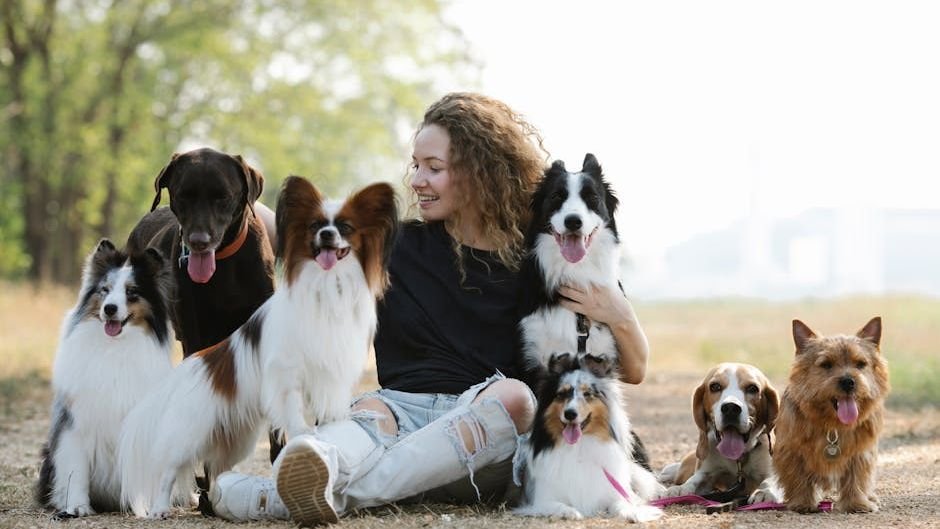
So you’ve finally decided to get a dog. Your heart is set, the excitement is real, and you’ve probably already started mentally naming the little furball. But here’s the thing nobody tells you before you dive in: not all dogs are created equal when it comes to being forgiving of first-time owner mistakes.
Imagine bringing home a dog that seems to outsmart every training technique you try, or one that shreds your couch within the first week because its needs weren’t met. The truth is, matching yourself with the right breed can make the difference between a joyful, bonded experience and an overwhelming, frustrating one. That said, this isn’t about ranking dogs as “better” or “worse.” It’s about honesty, empathy, and setting you and your future pup up for success. Let’s dive in.
1. Labrador Retriever: The Gold Standard for Beginners
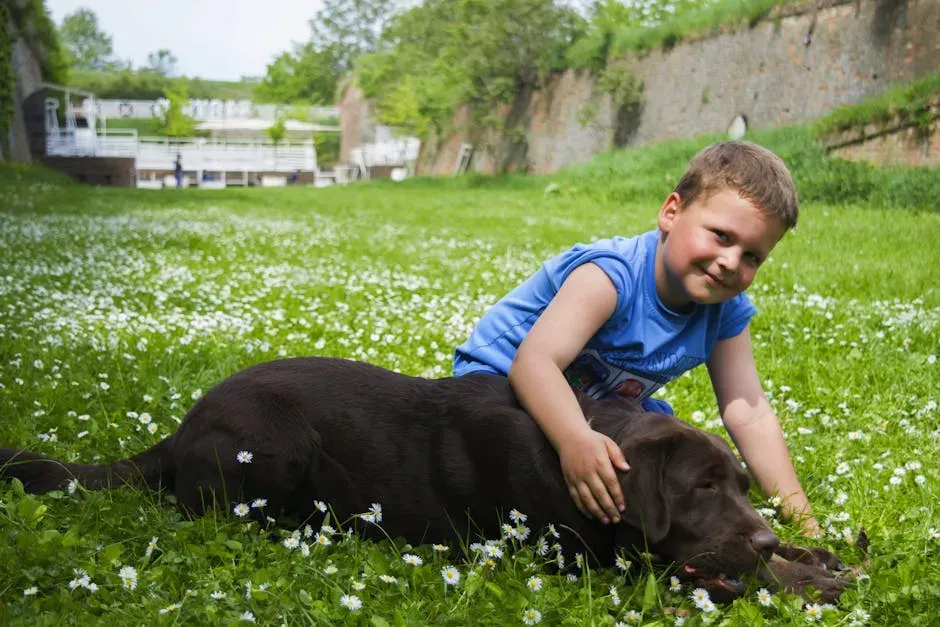
Let’s be real, there’s a reason the Labrador Retriever keeps topping every “best first dog” list year after year. Labrador Retrievers remain a top choice for first-time dog owners due to their friendly disposition, intelligence, and adaptability, forming strong bonds with families and enjoying participating in daily activities. They’re basically the golden retriever of golden retrievers, if that makes sense.
Their high trainability allows first-time owners to teach basic commands and social skills with relative ease, ensuring a positive learning experience for both dog and owner. One helpful behavior tip: Labs are notoriously food-motivated. Labs are food-motivated, making positive reinforcement training a breeze. Keep treats handy during early training sessions, and you’ll be amazed at how fast they pick things up.
Despite their energy, they are patient, especially with children, making them ideal for households that are still learning to integrate a dog. Just watch out for one thing: Labs are prone to separation anxiety if left alone too long and do require moderate exercise to stay out of trouble.
2. Golden Retriever: Forgiving, Warm, and Wonderfully Patient
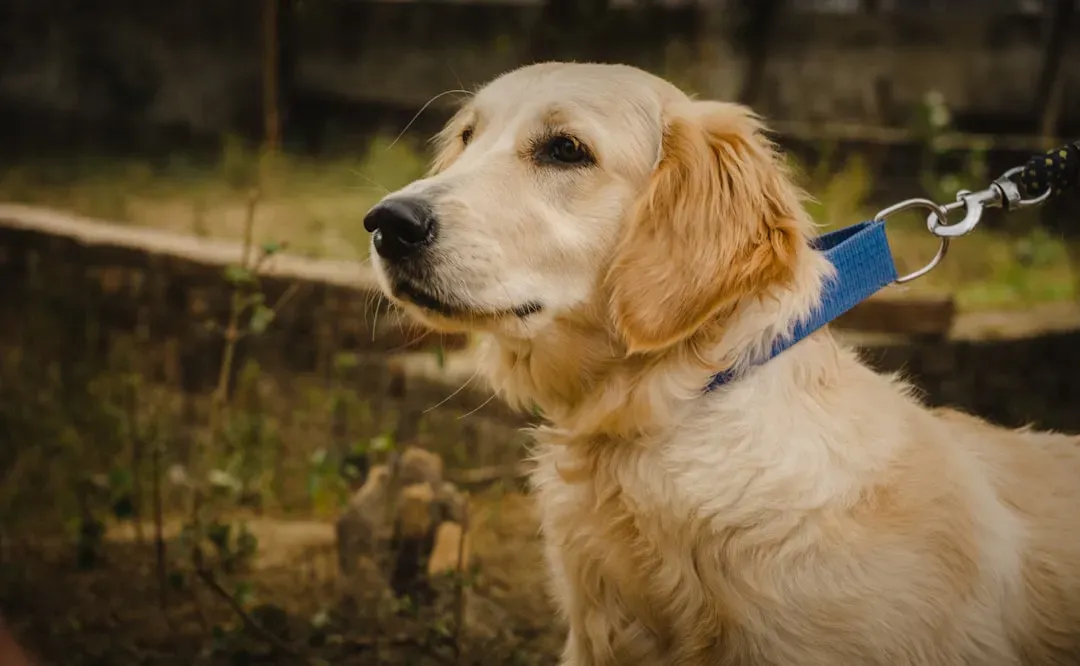
If the Labrador is the student of the year, the Golden Retriever is the one who also wins the kindness award. Golden Retrievers are patient, even-tempered, and forgiving, with an unusually high tolerance for inexperienced handlers who are still learning the ropes. Their eagerness to please makes training more straightforward and rewarding. Honestly, this breed almost makes you look like a better trainer than you are.
Golden Retriever temperament is known for being calm, loving, and loyal. They are highly social, making them one of the best dogs suitable for families with children. Goldens are patient, gentle, and excellent with other pets. Think of them as the big, warm hug of the dog world.
A real health heads-up though: while Golden Retrievers are adaptable and easygoing, they do require regular exercise to manage their energy levels and prevent obesity. Their thick coats need frequent grooming to avoid matting, and they’re prone to potential health issues like hip dysplasia and heart conditions. Budget for regular vet visits from day one.
3. Cavalier King Charles Spaniel: The Gentle Soul Who Adapts to Your Life
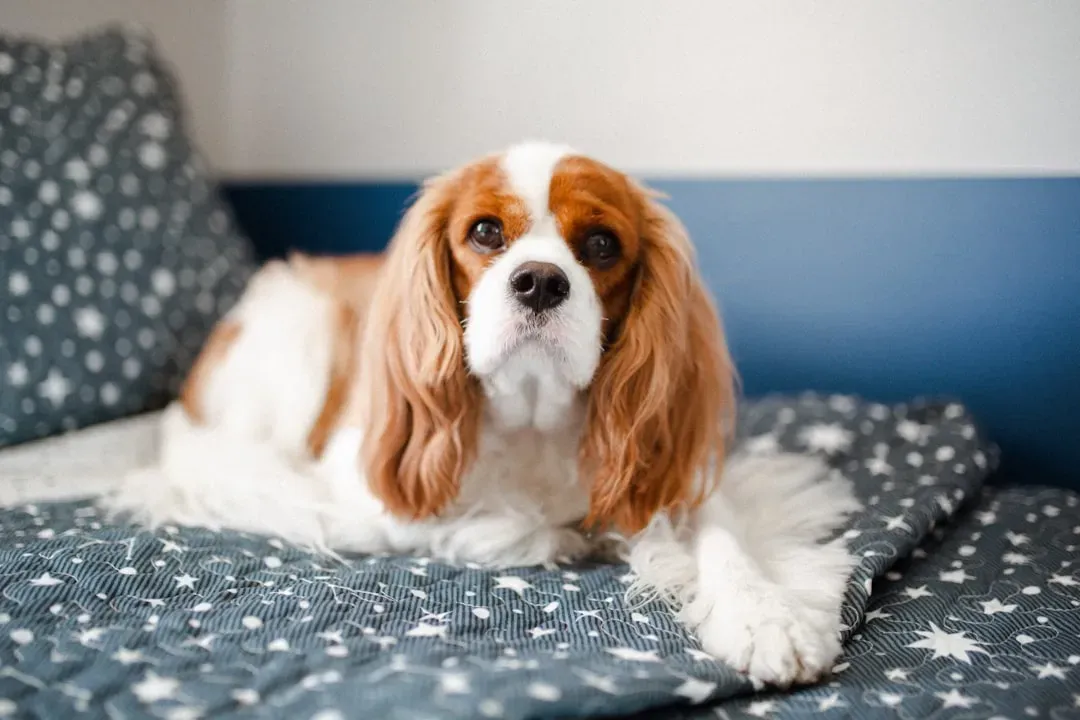
The breed is highly affectionate, playful, extremely patient, and eager to please. That’s honestly all you need to know to understand why this little dog has stolen so many first-time owners’ hearts. The Cavalier King Charles Spaniel is a gentle and intelligent toy breed that can be a perfect match for first-time dog owners and families.
What makes Cavaliers especially special is their remarkable flexibility. Cavaliers may be aristocrats, but they gladly descend from their royal high horse for a backyard frolic or a squirrel chase. They get along nicely with children and other dogs. Adaptable Cavaliers do equally well with active owners and homebodies. Couch potato lifestyle or long weekend walks, they’re happy either way.
One health note to keep close: Mitral valve heart disease is one of the leading causes of death in Cavalier King Charles Spaniels, caused by the deterioration of the heart’s mitral valve, which can lead to congestive heart failure. Annual cardiac screenings from a vet are a non-negotiable must for this breed.
4. Poodle: Brilliant, Adaptable, and Nearly Hypoallergenic
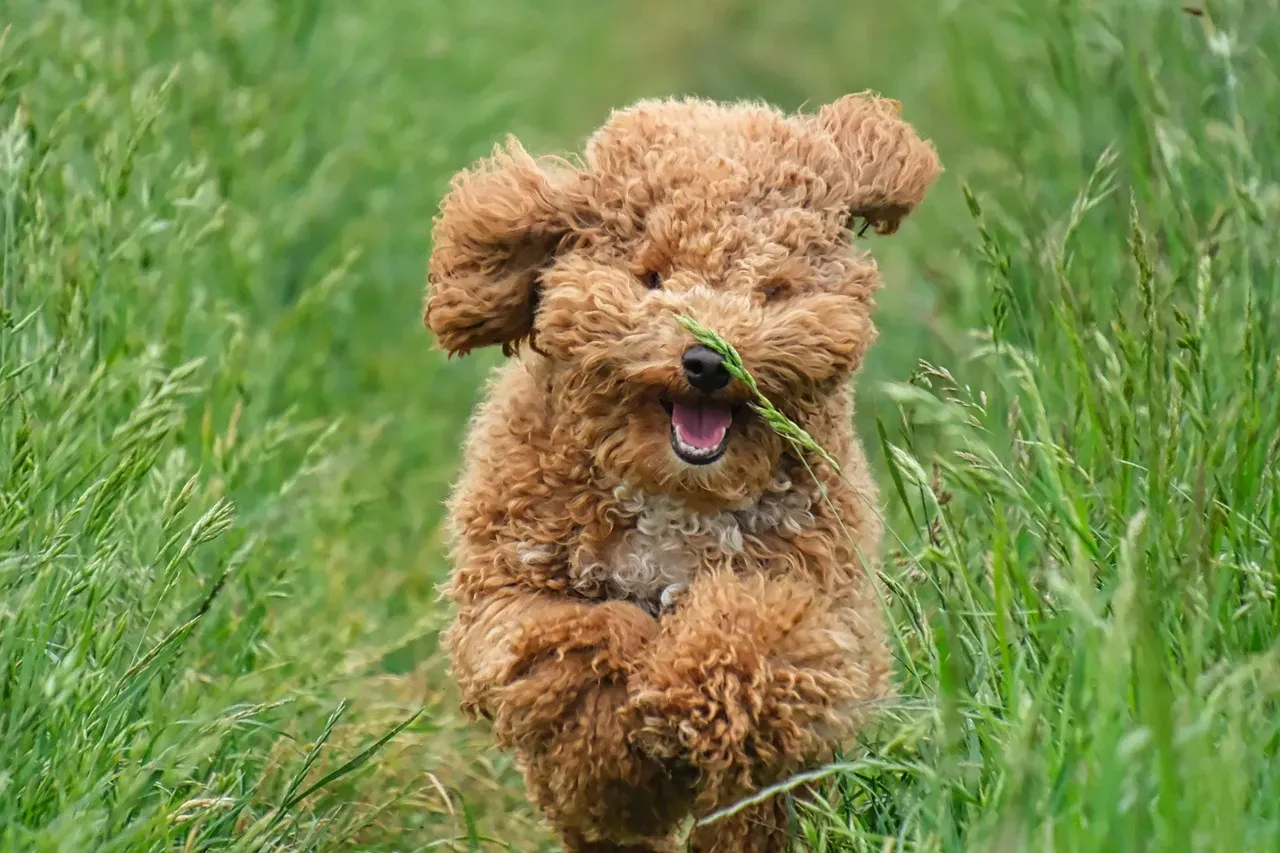
Don’t let the fancy haircuts fool you. Poodles are not just for show; they’re one of the most intelligent dogs around and highly adaptable to various lifestyles. They come in three sizes, too, which means whether you live in a studio apartment or a house with a yard, there’s a Poodle that fits your space perfectly.
Poodles are best known for their intelligence and hypoallergenic coat, which make them great family dogs for households with dog allergies. Because of Poodles’ intelligence, they are also very easy to train and make good service dogs. Think of them like the overachieving classmate who’s somehow also the nicest person in the room. Training sessions feel less like work and more like a fun game with this breed.
One thing to keep in mind: because Poodles are so intelligent, they need consistent mental stimulation. A bored Poodle will find its own entertainment, and that usually involves your shoes or furniture. Puzzle toys and daily training exercises are your best prevention strategy.
5. Beagle: The Curious, Cheerful, and Kid-Friendly Companion
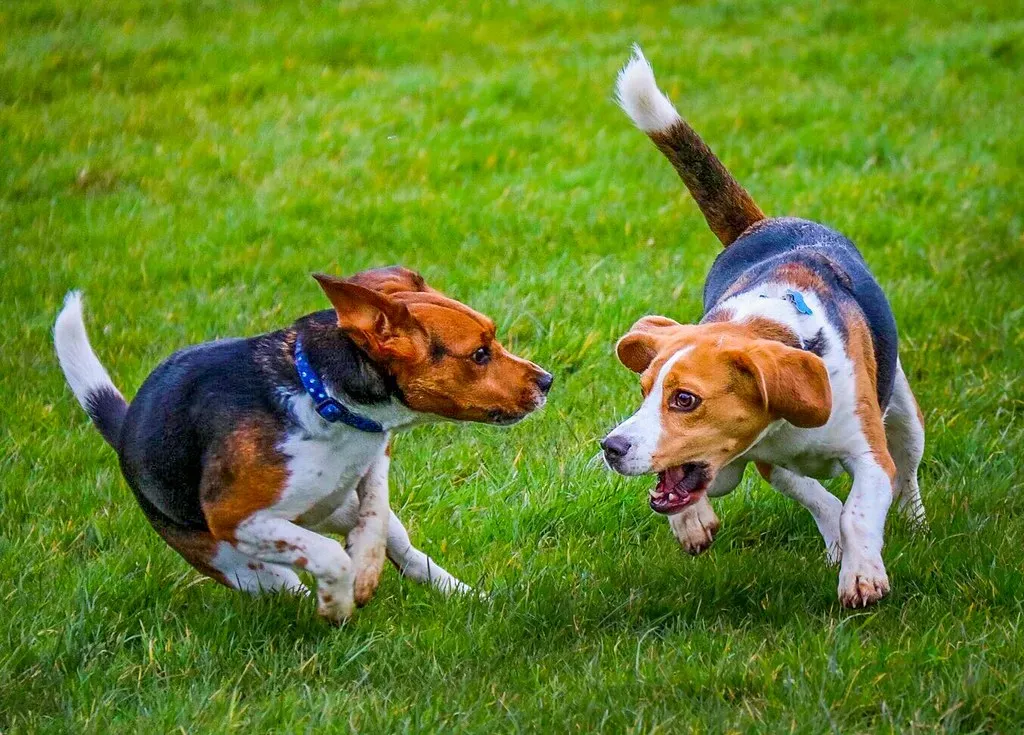
Playful, curious, and brimming with personality, the Beagle is a time-tested favorite for many first-time owners. They’re medium-sized, sturdy, and fit well in different home settings. Beagles enjoy human interaction and are generally patient with children, making them well-suited for family environments. They are eager to please, which allows beginners to teach basic commands and implement socialization routines effectively.
Here’s the thing about Beagles though: that incredible nose is both their most charming and most challenging feature. The Beagle’s independent streak and incredible nose mean it will often ignore its owner’s calls when on a scent trail. Leash training and mental stimulation help keep their focus. Always walk them on a leash. Always.
Beagles make excellent companions and are usually good with other dogs, kids, and even other pets. Their intelligence makes them highly trainable, but they can be stubborn, so consistent, positive dog training is essential. Patience and a good sense of humor go a long way with this breed.
6. Bichon Frise: Small, Joyful, and Built for Connection
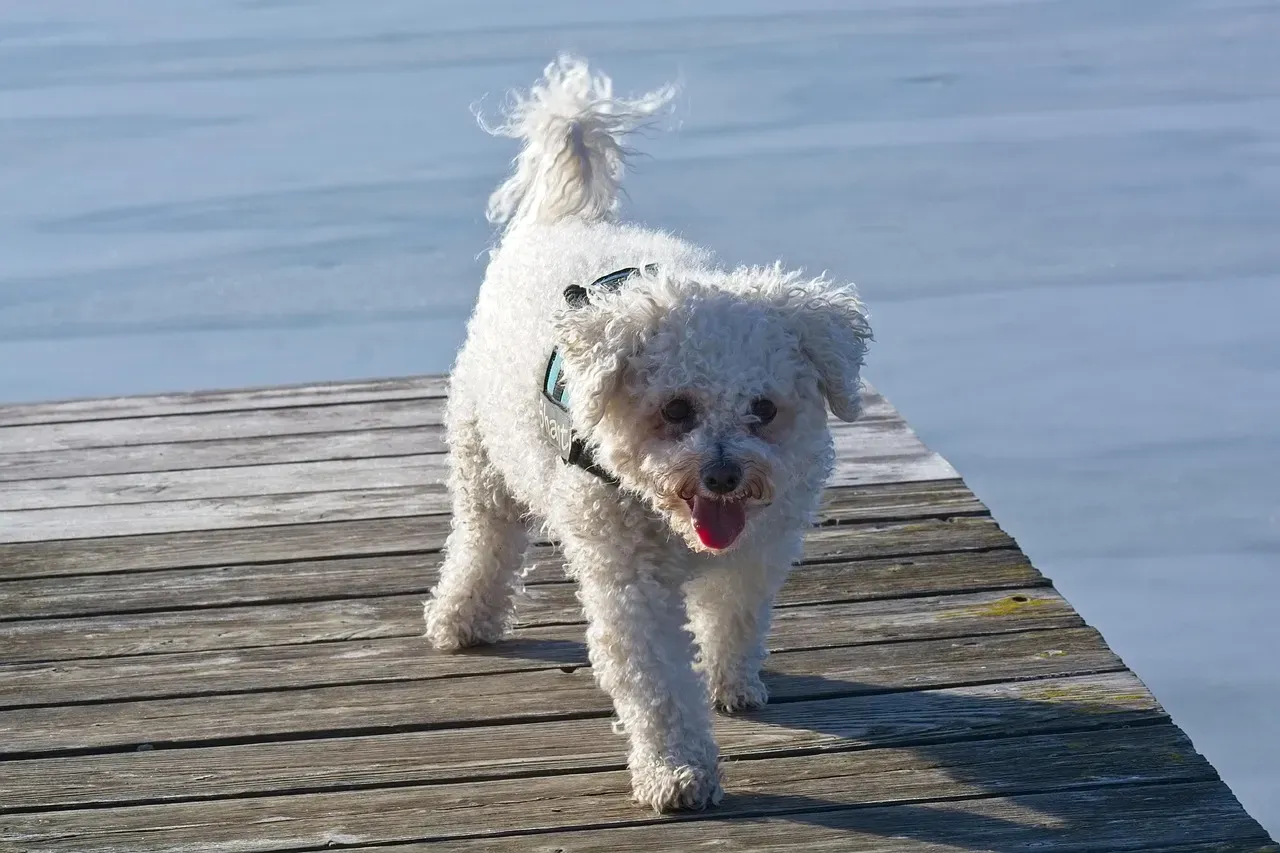
Bichon Frises are a small dog breed with fluffy coats, cheerful attitudes, and minimal shedding. They are typically a friend to everyone, which makes them a solid choice for families with young children as well as new dog owners. They also tend to get along with other household pets. If sunshine had a dog form, it would be this fluffy little cloud of happiness.
Their low-shedding coats are a huge bonus for those worried about dog hair on every surface of their home. They’re also compact enough for apartment living. The trade-off is that their curly coat does require regular professional grooming every six to eight weeks to stay clean and tangle-free. Skipping this leads to uncomfortable matting, which is both painful for the dog and costly to fix.
Bichons can be prone to separation anxiety since they bond so deeply with their people. If you work long hours from an office, this breed may not be the best fit. However, if you work from home or have a flexible schedule, a Bichon will reward you with nothing but love and laughs every single day.
7. Shih Tzu: Ancient Royalty With a Modern-Day Chill Attitude
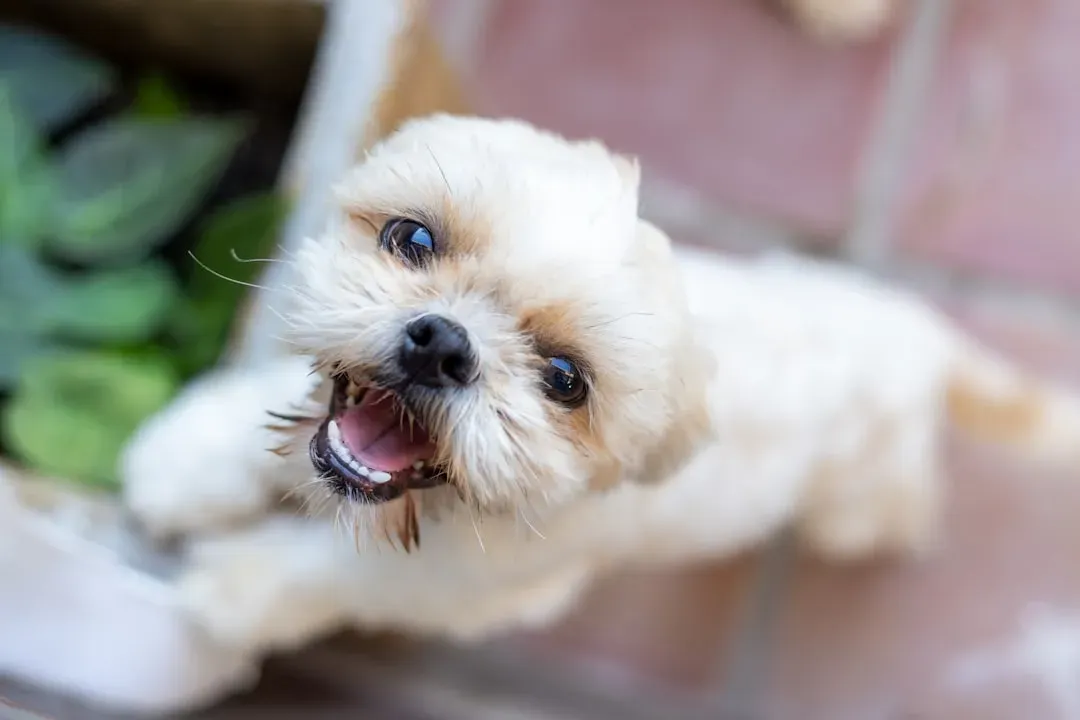
If you’re looking for a toy dog breed for your first pet, consider the Shih Tzu, a Tibetan dog breed developed from the Pekingese and Lhasa Apso breeds. The breed is known for adaptability, a bold but friendly attitude, and an affectionate nature toward people and other pets. They’ve been lap dogs for Chinese emperors for centuries, and honestly, they haven’t forgotten it.
Shih Tzus are calm yet playful, providing companionship and entertainment without the demanding exercise needs of larger breeds. Their affectionate nature and manageable size make them an ideal choice for novice dog owners seeking a loyal and loving friend. A short daily walk and indoor playtime is generally enough to keep them content and healthy.
One grooming reality check: that gorgeous flowing coat needs daily brushing to prevent painful tangles. Many Shih Tzu owners opt for a shorter “puppy cut,” which is much more manageable for busy households. Health-wise, as a brachycephalic breed, watch for breathing difficulties in hot or humid weather and always consult your vet if you notice snoring, labored breathing, or exercise intolerance.
8. Miniature Schnauzer: The Alert Little Friend Who’s Ready to Learn
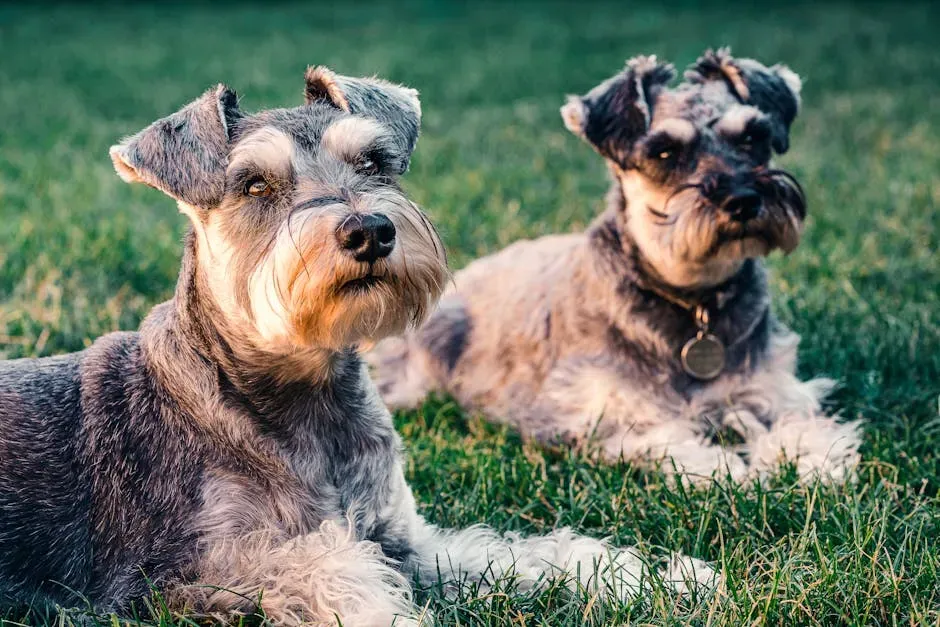
Miniature Schnauzers are ideal for first-time dog owners due to their intelligence, trainability, and adaptable nature. They are known for their alert and sociable personalities, which allow them to interact harmoniously with family members, children, and other pets. Picture a tiny, bearded professor who’s also somehow excellent at fetch. That’s essentially what you’re getting.
Miniature Schnauzers are highly responsive to training, making it easy for beginners to teach commands, leash behavior, and house rules. They require regular mental and physical stimulation, which encourages consistent routines. Their hypoallergenic coat reduces shedding, though it does require periodic grooming to maintain its signature appearance.
Miniature Schnauzers combine loyalty, energy, and curiosity in a compact package, offering first-time owners a manageable yet engaging companion. Their adaptable nature allows them to thrive in apartments, suburban homes, or active households. It’s hard to say for sure, but I think this might be one of the most underrated first-dog choices out there.
9. Boxer: The Loyal Clown With a Heart of Gold
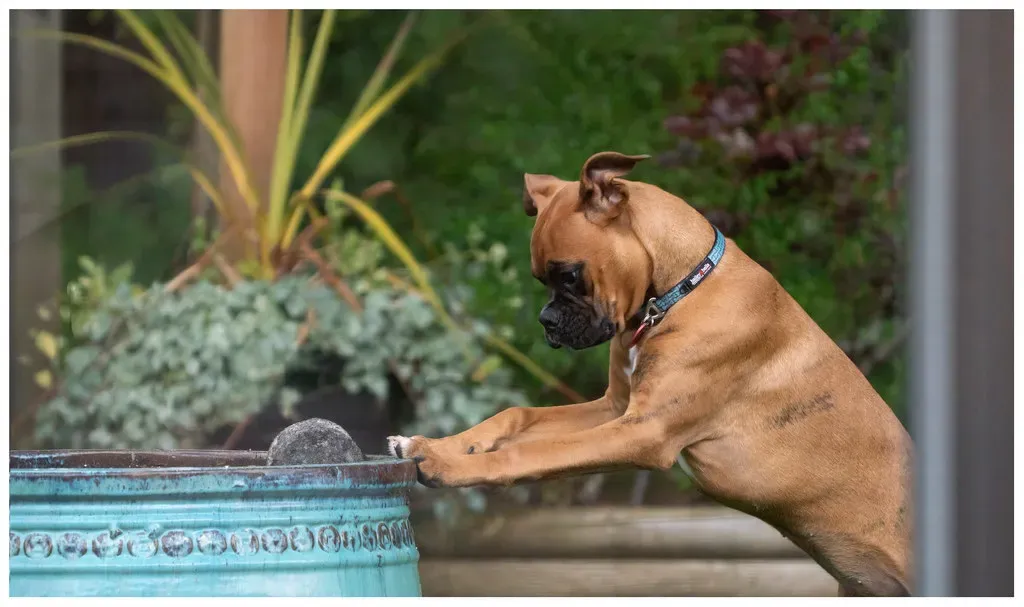
Boxers boast boundless energy and profound loyalty, combined with a protective nature that doesn’t overshadow their friendliness. This makes them excellent for first-time owners looking for a dog who’s both a companion and a protector. They’re also absolute goofballs. Watching a Boxer discover a butterfly for the first time is genuinely one of life’s simple pleasures.
They’re playful, patient, and highly trainable. The ideal first-time owner for a Boxer is someone who enjoys an active lifestyle and can provide plenty of exercise and engagement. Boxers are well-suited to families with older children who can match their high energy and playfulness.
While Boxers are adaptable and joyful, they require consistent exercise, training, and socialization to manage their exuberance and prevent them from becoming destructive or overprotective. Consistency is the key word here. Set clear routines from day one and this breed will absolutely thrive under your care.
10. Bernese Mountain Dog: The Gentle Giant Who Just Wants to Be Near You
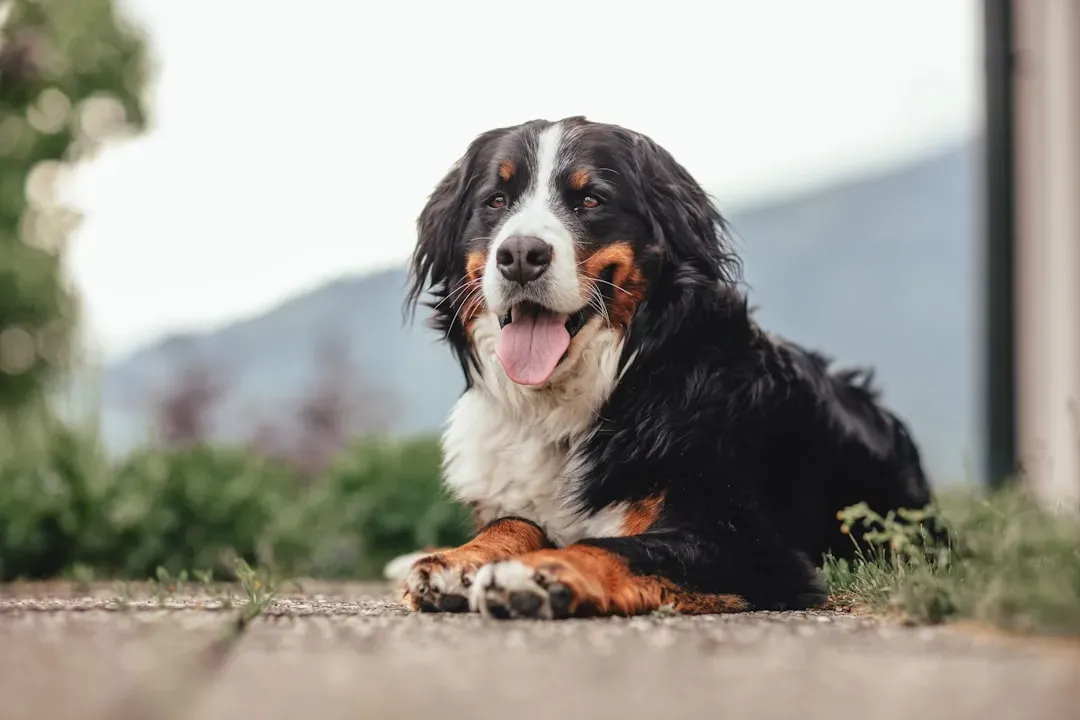
The Bernese Mountain Dog can be accurately described as a “gentle giant.” These dogs are incredibly affectionate with their family. Although they will have plenty of love to go around, they will commonly form a special bond with one specific person in the household. They are careful with young children and good with other pets.
Bernese Mountain Dogs are eager to please their owners. They are much easier to train than some large breeds and are more likely to listen to your commands. They tend to be sensitive dogs, so stick to positive reinforcement methods and avoid harsh training methods that may create anxiety. Think of them like a big, fluffy sponge, they absorb your mood, so stay calm and positive during training.
One important heads-up on health: the Bernese Mountain Dog isn’t the healthiest dog breed, although responsible breeding practices can help reduce health risks. Hip and elbow dysplasia is common in this breed, as well as heart problems and eye conditions. Budget carefully, and always source from health-tested breeders.
11. Papillon: The Tiny Overachiever You Never Knew You Needed
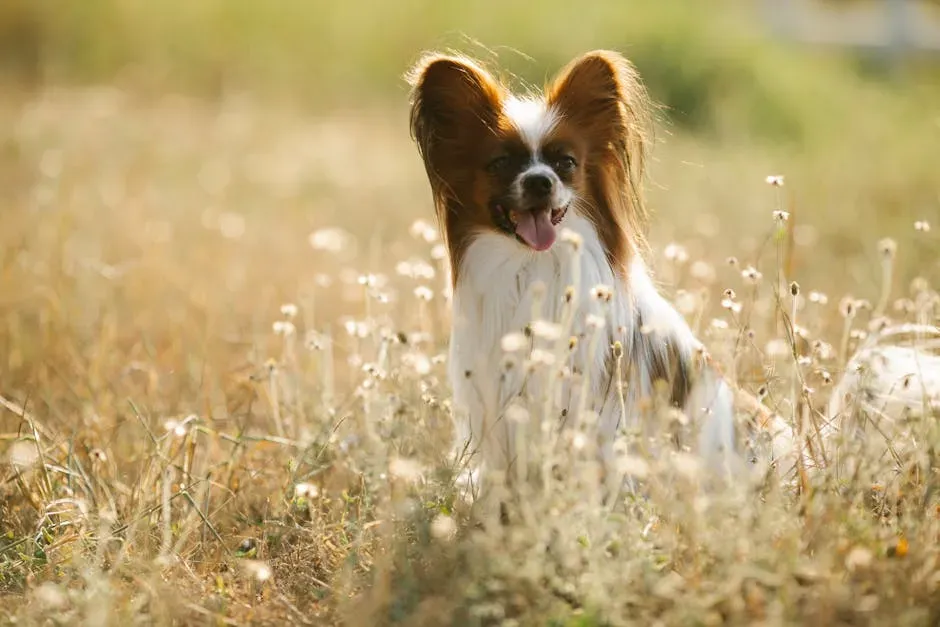
Don’t let the butterfly ears and petite frame fool you. The Papillon is one of the most trainable and responsive toy breeds in existence. They’re alert, energetic, and genuinely love learning new things, which means training sessions are actually fun rather than a battle of wills. First-time owners benefit from dogs that are easy to train, affectionate, and resilient to changes in routine, while also being able to handle socialization with children, other pets, and strangers. The Papillon checks every one of those boxes.
They’re agility champions in miniature form, curious about the world, and deeply devoted to their families. Their small size means they don’t need a huge backyard to stay happy, making them excellent city dogs. Just make sure you give them daily mental challenges and consistent socialization from puppyhood, because a Papillon with nothing to do will invent its own adventures.
Health-wise, they’re generally a sturdy toy breed, though like most small dogs, dental care is critical. Brush their teeth regularly and schedule professional dental cleanings annually to prevent the periodontal disease that plagues so many small breeds.
Now for the Other Side: 4 Breeds That Really Need Experienced Hands
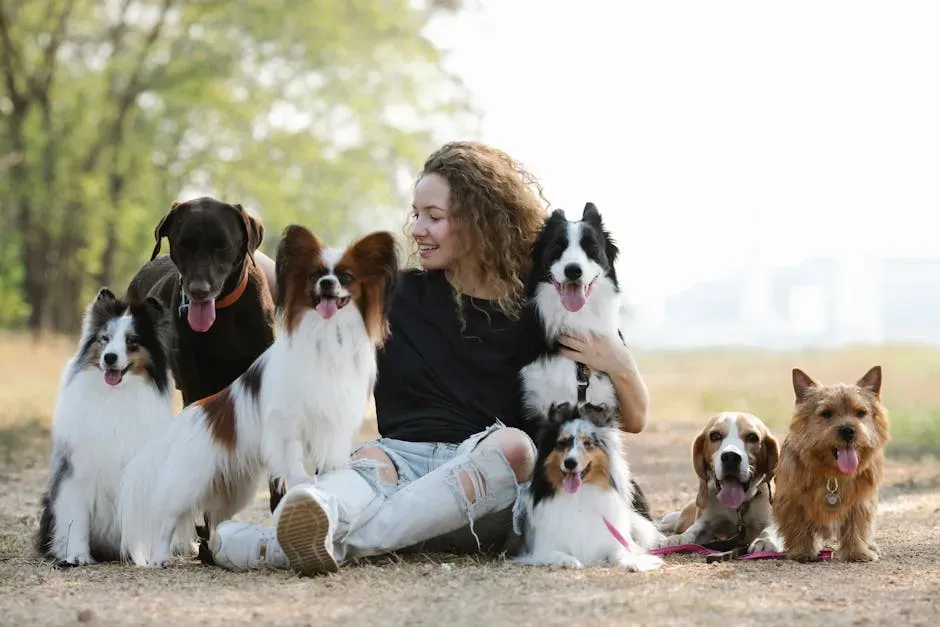
It’s not about these breeds being “bad.” It’s about honesty. Many dog lovers believe there’s no such thing as a bad dog, just bad training. While proper training and socialization can make a world of difference, some dog breeds are best suited to experienced owners. Those very traits that make certain breeds so good at the jobs they were bred to do can make them a challenge for someone who’s never trained a dog before.
Without much experience, highly independent, task-oriented, stubborn, aggressive, or anxious dogs can be very challenging for first-time pet parents and require intense training and attention. The four breeds below all fall into that category, and they deserve owners who are genuinely prepared for them.
12. Siberian Husky: Beautiful, Brilliant, and Wildly Independent
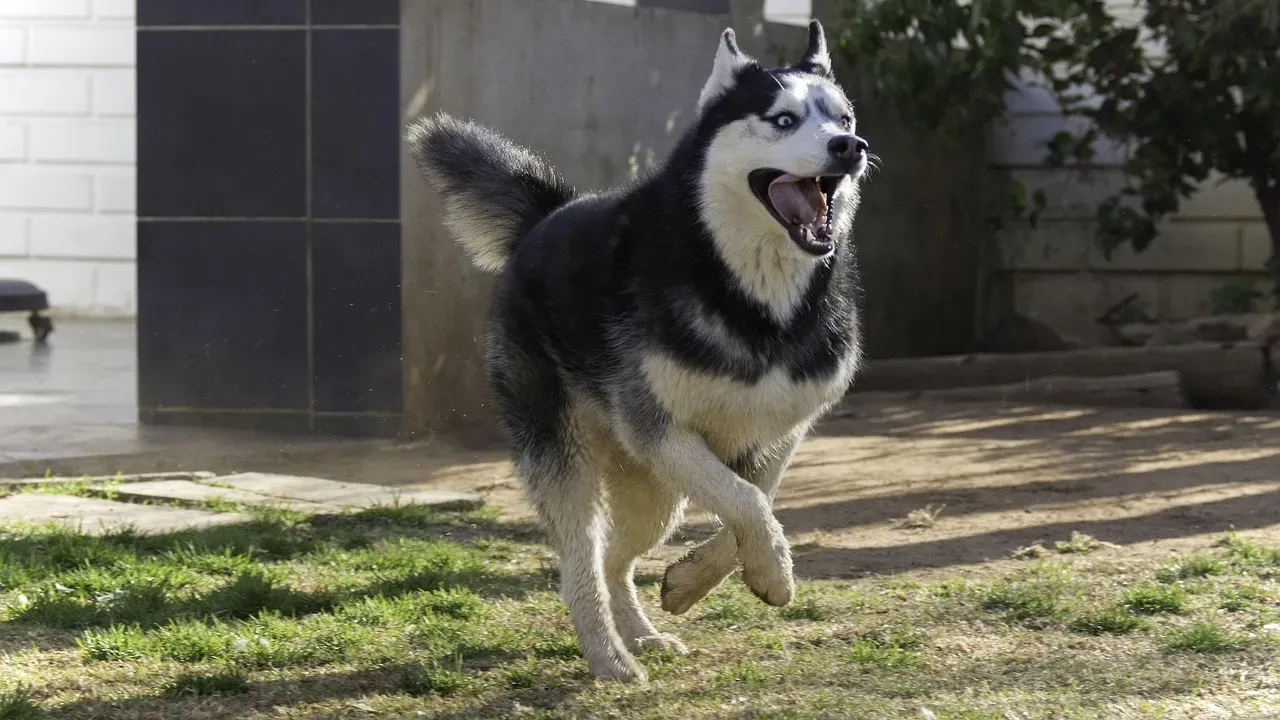
Siberian Huskies are beautiful dogs, but not generally recommended for first-time owners as they need a lot of looking after. They’re extremely active and need owners who are prepared to spend lots of time exercising them. Huskies are independent thinkers, so they need regular reward-based training to control their behavior.
Though gorgeous and often a lot of fun to be around, Siberian Huskies aren’t the easiest dogs to handle. Intelligent and energetic, these dogs are well known for their “talkative” nature and tendency to throw tantrums when they aren’t getting their way. These behaviors may be cute and funny initially, but they quickly become frustrating for inexperienced owners. Imagine negotiating with a very loud, furry teenager who could also outrun you. Every day.
Known to pull sleds for up to 100 miles in 24 hours, these dogs have incredible endurance and can literally run all day. It’s very difficult to meet their intense exercise and mental stimulation needs, and they are often destructive when those needs aren’t met. A secure fence and a seriously active lifestyle are non-negotiable requirements for this breed.
13. Chow Chow: Regal, Reserved, and Not for the Faint-Hearted
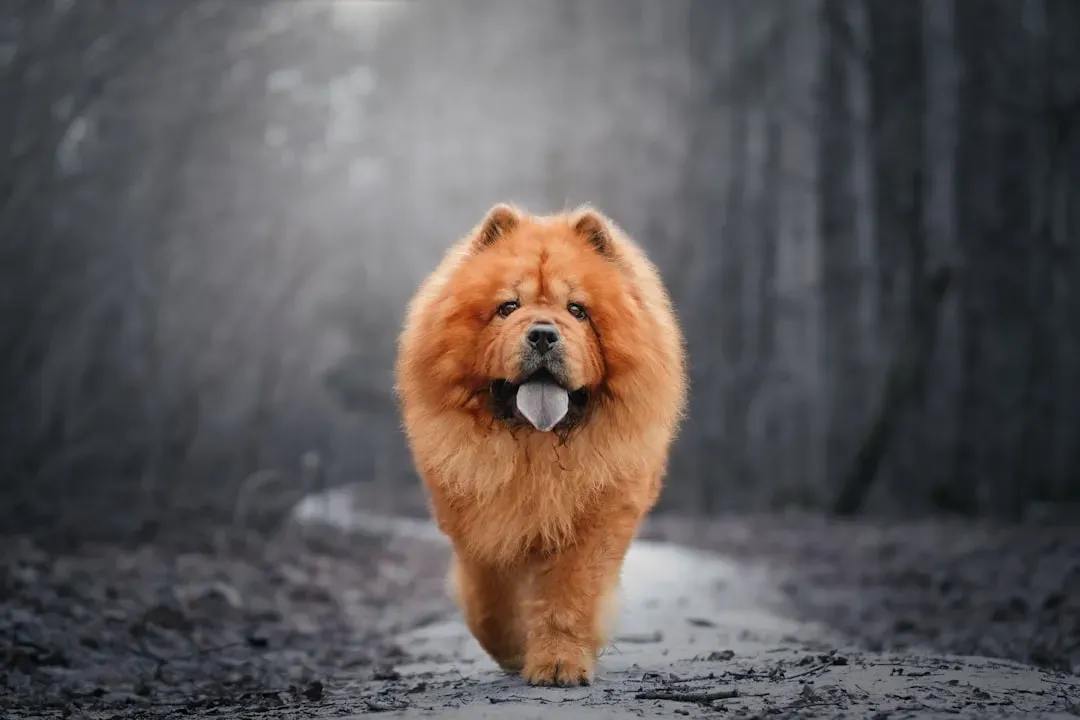
Chow Chows are a compact, powerful breed known for their lion-like mane and aloof demeanor. Originally bred for guarding temples and pulling carts in China, they retain strong territorial instincts today. They are best suited to experienced, assertive owners. Their dignity is real, and they expect it to be respected.
While intelligent, these dogs are stubborn. Raising a well-mannered and well-adjusted Chow takes a lot of training and patience, so these dogs do best with experienced owners. Because of their long double coats, Chows also have relatively intense grooming needs. If an experienced owner slides on consistent structure, a Chow may become downright unruly and challenge for pack leadership.
14. Border Collie: The Smartest Dog Alive, and That’s Exactly the Problem
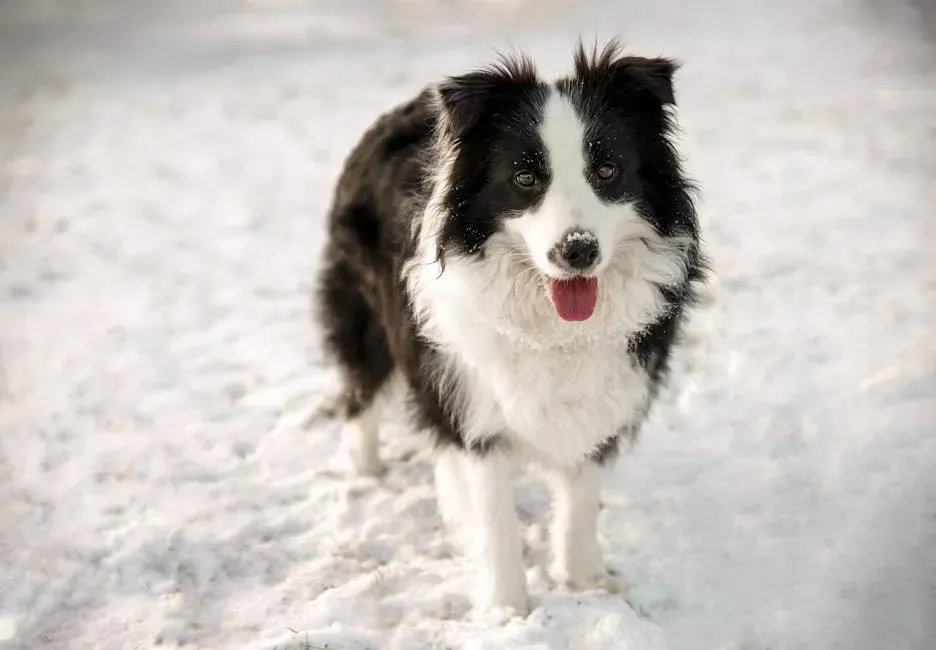
Border Collies are among the most intelligent, fascinating dog breeds, but with that intelligence comes a need for mental stimulation that’s hard to match. They also come with loads of energy, so not only is it hard to keep their minds stimulated, but it’s also challenging for most dog owners to meet their intense exercise needs.
Border Collies are extremely intelligent and bursting with energy. These qualities make them exceptional workers. Unfortunately, they also lead to plenty of mischief when there is no job to be done. These dogs are best suited to country life and do not do well as urban apartment dwellers because of their intense need for physical activity. Without proper mental and physical outlets, they’ll basically redesign your home for you, whether you like it or not.
15. Rottweiler: Deeply Loyal, But Needs a Confident Leader
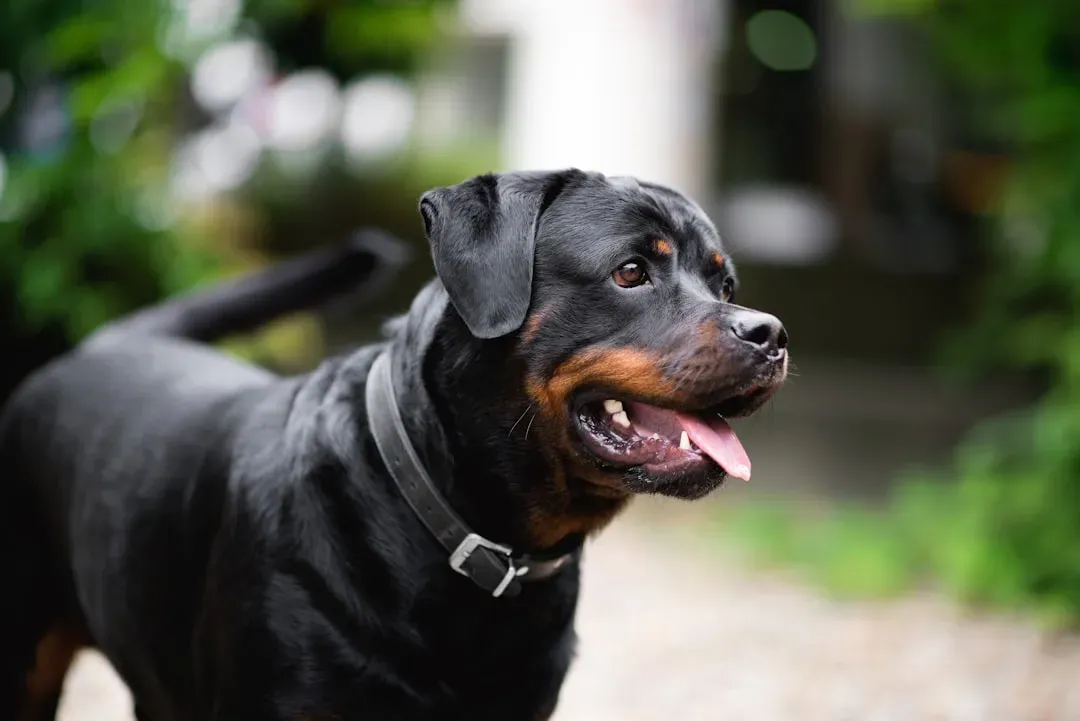
The Rottweiler’s size alone can be very overwhelming for a first-time dog owner, but they are also very strong-willed and have a reputation for aggression when not properly trained and socialized. This is a lot of dog to handle, and since they require a firm, confident, experienced handler, they are never recommended for brand-new dog owners.
Rottweilers are loyal, calm with family, and naturally protective. Moderate daily walks and playtime keep them balanced. They excel as family guardians and protectors of property. In the hands of a dedicated, experienced owner who starts training and socialization early, the Rottweiler is an incredible companion. That’s the key phrase though, experienced owner. This breed demands nothing less.
Conclusion: The Right Match Changes Everything
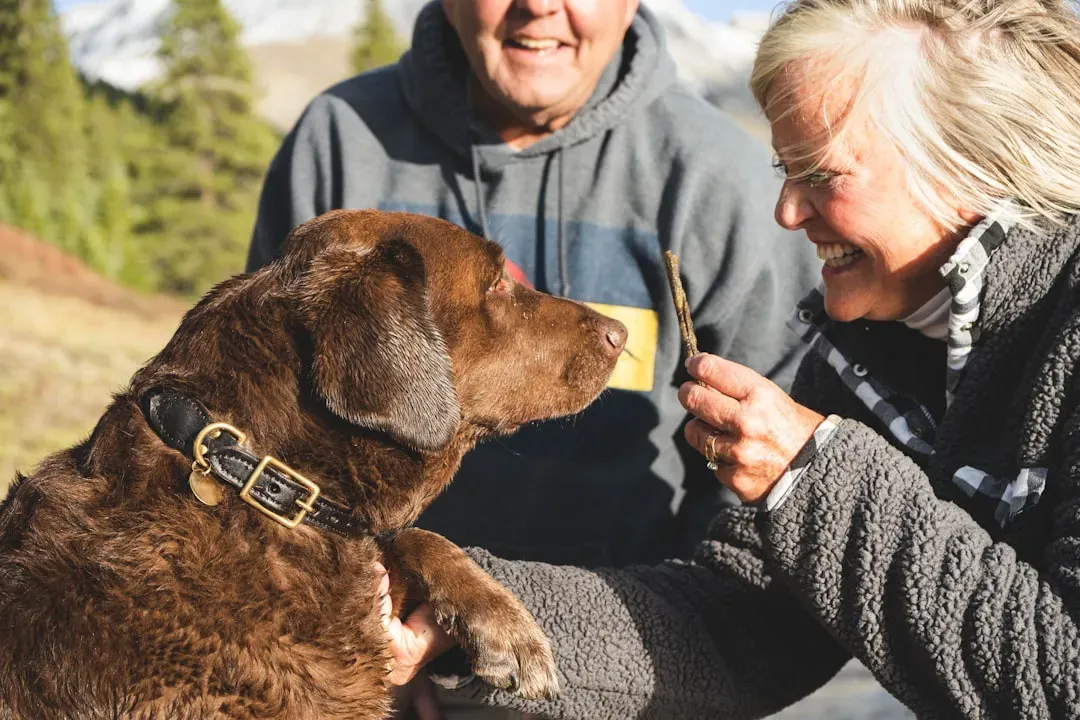
Choosing your first dog is one of the most meaningful decisions you’ll ever make. Choosing the right dog is more than just picking a cute puppy. It’s about matching a dog’s personality and energy with your lifestyle. The breeds in this article that shine for first-timers all share a common thread: they’re forgiving, adaptable, and patient with the inevitable learning curve every new owner goes through.
The breeds that need experience aren’t “bad dogs.” They’re just high-stakes partnerships. They deserve owners who understand their needs before they sign up. And at the end of the day, no dog breed is inherently good or bad. However, some are much more challenging for their owners than others. Choosing a breed that suits your lifestyle and experience level is crucial as a new pet parent.
Every dog deserves an owner who was prepared for them. So take your time, be honest with yourself about your lifestyle, energy levels, and patience, and then choose accordingly. Your future dog is counting on you to get this right. Which of these breeds surprised you most? Drop your thoughts in the comments, we’d love to hear from you.


