
You’ve probably met that one dog who completely ignored their owner at the dog park, casually strolling off to sniff whatever pleased them, entirely unbothered. Meanwhile, across the park, another dog was practically glued to their human’s ankle, trembling at even a two-step distance. Funny how different dogs can be, right?
The truth is, not all dogs are created equal in the attention department. Some breeds were literally bred over centuries to think and act on their own, making decisions without a human directing their every move. Others were engineered to be devoted companions who live for your presence. Understanding which category your dog falls into isn’t just fascinating trivia. It can genuinely transform how you raise, train, and connect with them.
Whether you’re a first-time dog parent trying to find the right match, or a seasoned owner suddenly wondering why your pup seems perfectly happy while you’re away, this guide is for you. Let’s dive in.
The Akita: Quietly Loyal, Deeply Independent
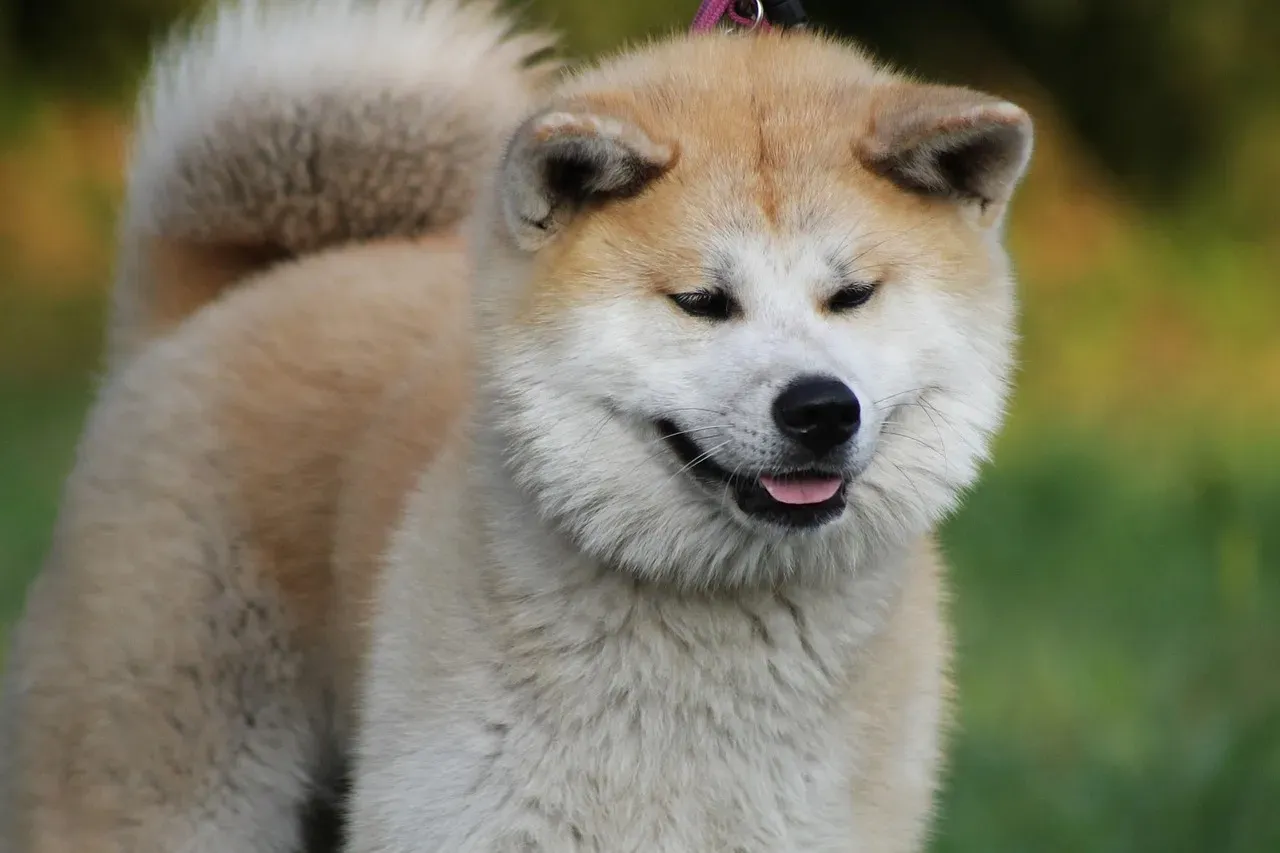
The Akita is a large and powerful breed known for its loyalty and independence. Originally bred in Japan for hunting and guarding, Akitas are incredibly self-sufficient. Think of them like that one stoic colleague who never asks for help but always gets the job done flawlessly. They don’t need your validation, but they absolutely have your back.
Akitas thrive on routine and structure but are content to spend time alone when their humans are busy. Their independent mindset means they don’t constantly seek attention, allowing them to be dignified companions who are satisfied with their own company. That said, early socialization is non-negotiable. Without it, their reserved nature can tip into wariness around strangers.
The Chow Chow: The Cat of the Dog World
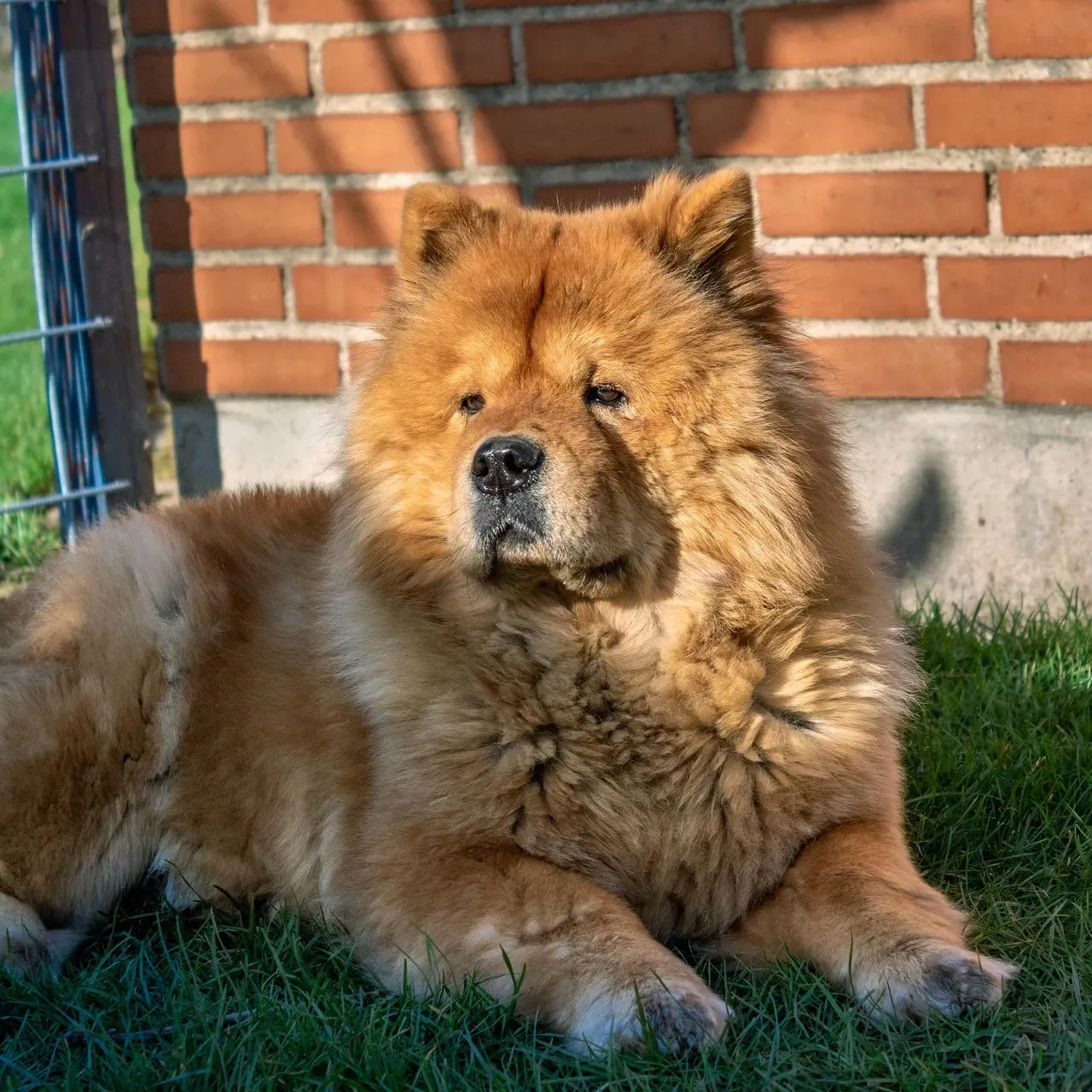
Chow Chows are known for their distinctive lion-like appearance and aloof nature. This ancient breed, originating in China, was historically used for guarding and pulling carts, which required a degree of independence. Chow Chows are often described as cat-like in their behavior, preferring to do things on their own terms. Honestly, if you’ve ever owned one, you know that “cat-like” is an understatement.
Naturally composed, the Chow Chow bonds deeply with its family while maintaining a strong sense of independence. It doesn’t demand nonstop attention or playtime, but would rather enjoy relaxed days and predictable schedules. If you respect their space, they’ll respect yours. It’s almost like having a very fluffy, opinionated roommate.
The Basenji: The Barkless, Self-Sufficient Wanderer
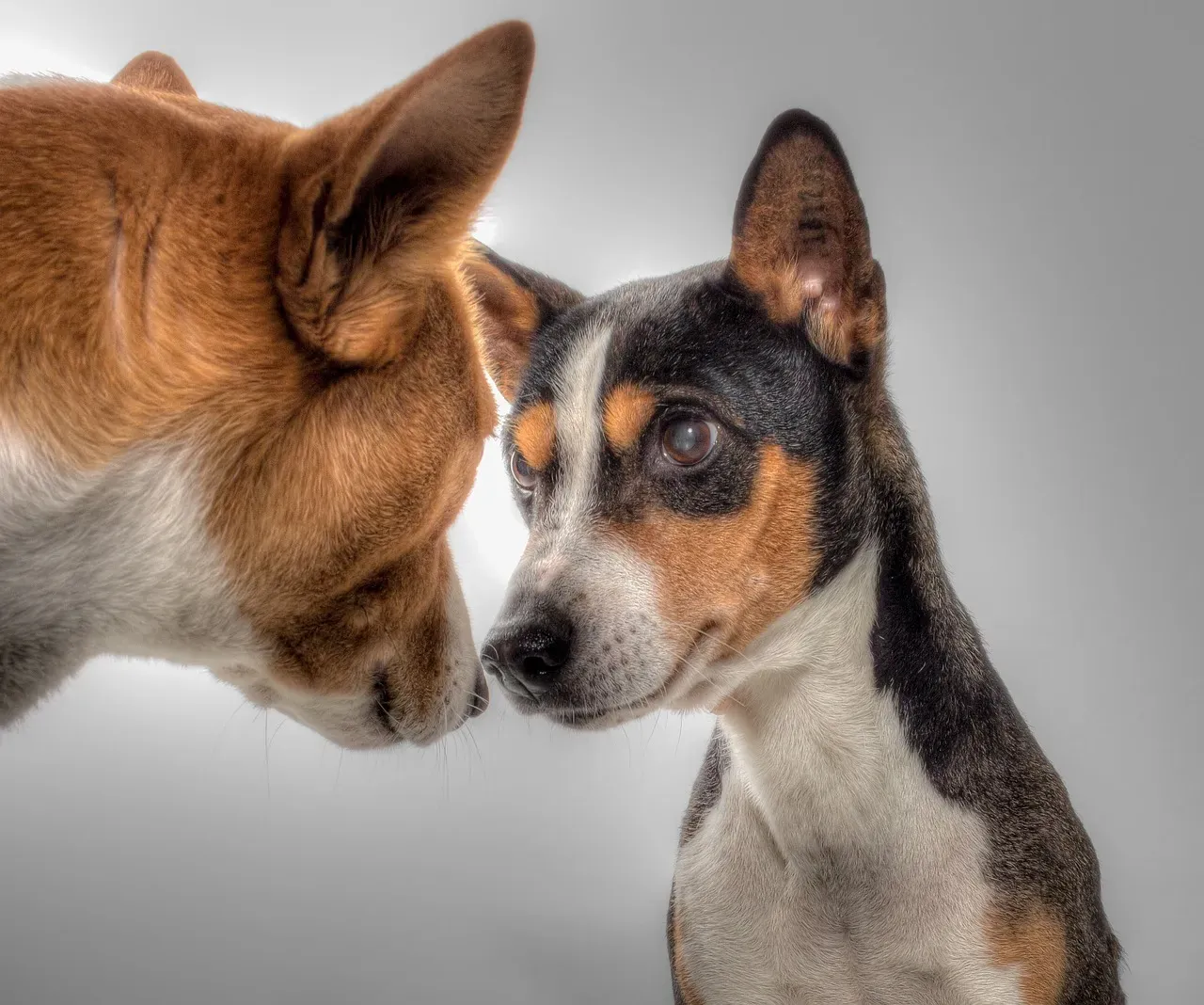
The Basenji, often called the “barkless dog,” is a small, elegant breed known for its independence and unique personality. Originating from Central Africa, this breed was initially bred for hunting, where self-reliance was crucial. Basenjis are highly intelligent and curious, but they tend to be aloof, often preferring to observe rather than engage actively with their humans.
The independent Basenji is notorious for being quiet and is frequently described as having a catlike personality because of their aloof temperament, reserved nature, and tendency to groom themselves. They’ll keep your home refreshingly calm. Just don’t expect them to greet you at the door with dramatic tail wags. They’ve got their own agenda.
The Shiba Inu: Spirited, Smart, and Stubbornly Solo
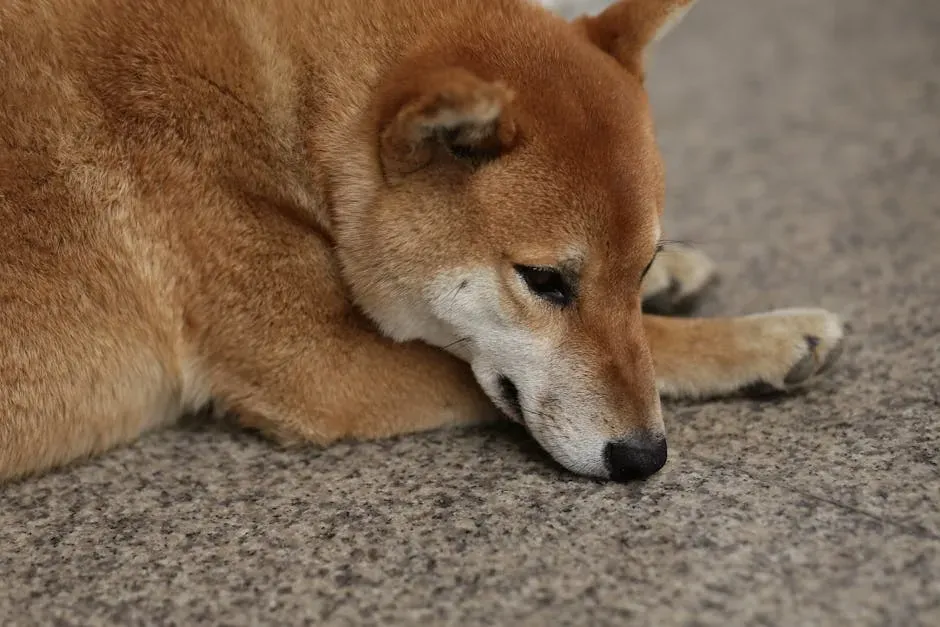
Hailing from Japan, Shiba Inus were originally used for hunting small game. Their spirited and confident demeanor often translates into a strong-willed nature, making them less reliant on human interaction for happiness. Let’s be real, this is the dog equivalent of a teenager who loves you but definitely doesn’t need you hovering.
Shiba Inus are known for their intelligence and can often figure things out independently. This breed enjoys spending time outdoors and exploring its environment and is often content to curl up alone when it needs some quiet time. Their dignified demeanor adds to their appeal, making them both captivating and self-sufficient companions. Give them enrichment, clear boundaries, and a secure yard, and they’ll thrive.
The Greyhound: A Couch Potato in a Sprinter’s Body
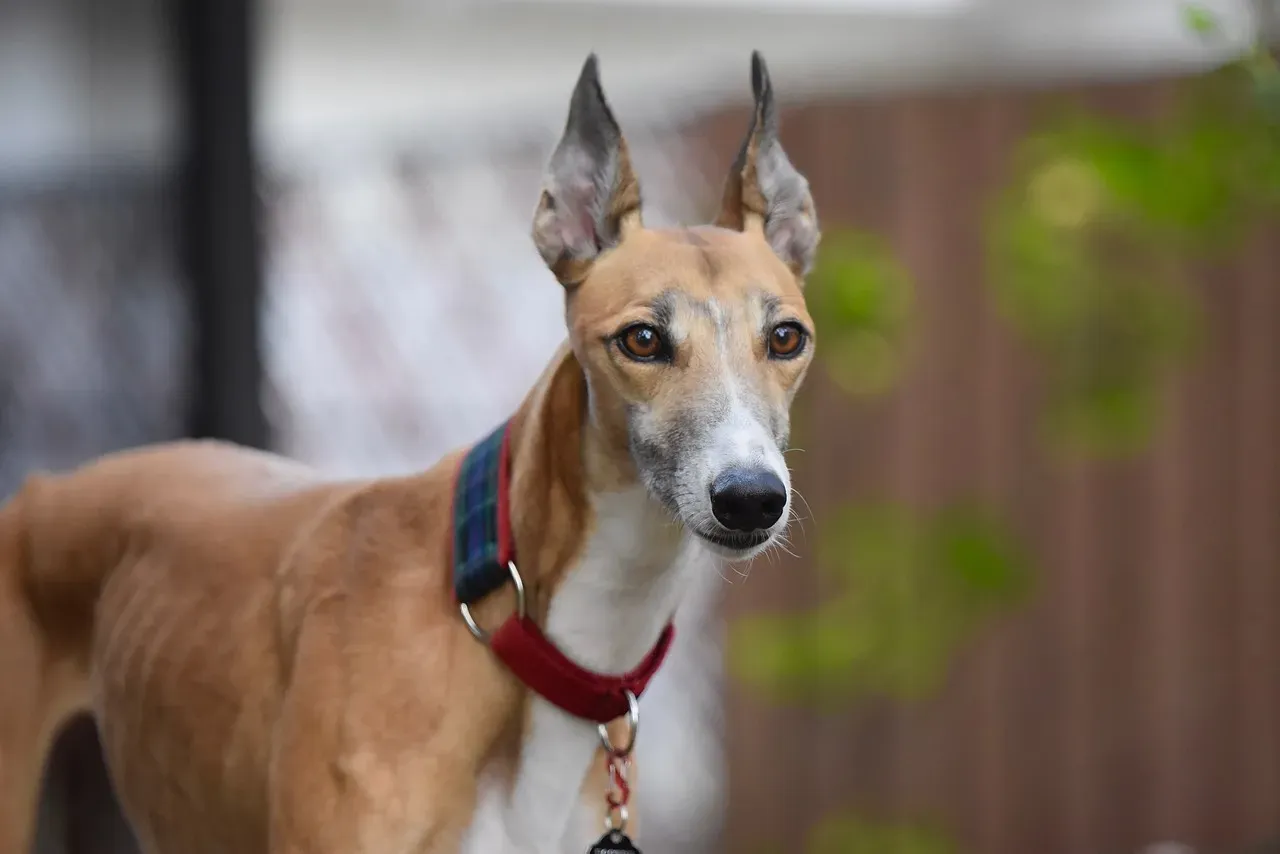
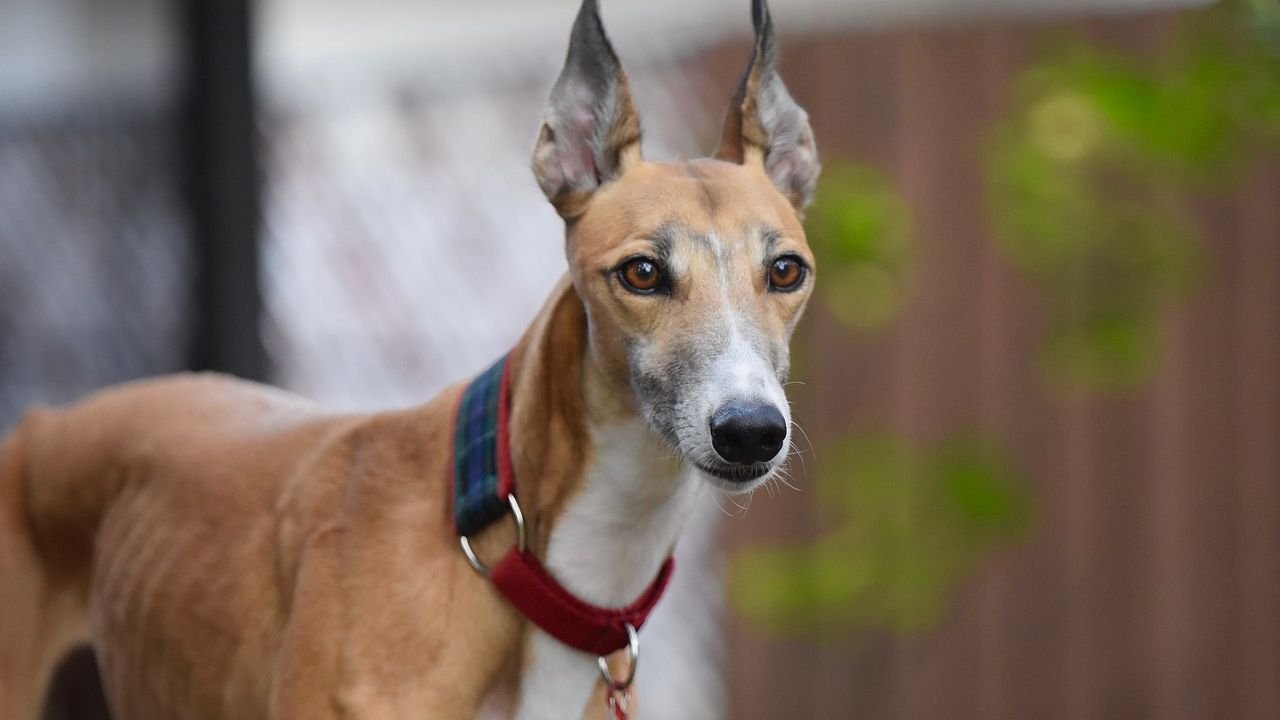
Here’s the thing that surprises most people. Greyhounds, the fastest dogs on earth, are actually one of the most low-maintenance and independent breeds you can own. Despite their reputation as racing dogs, Greyhounds are surprisingly independent and low-maintenance in a home environment. Known for their speed and agility, they were originally bred for hunting. However, their calm demeanor makes them excellent couch companions. Greyhounds enjoy a good sprint but are also content to lounge around for most of the day.
Greyhounds are independent and calm, with a reputation for their elegance and the ability to be content alone. They do bond closely with their owners, but they don’t require as much attention as many other breeds out there. If you wanted a dog who won’t collapse dramatically every time you leave the room, a Greyhound might be your match.
The Alaskan Malamute: Powerful, Pack-Minded, and Proudly Independent
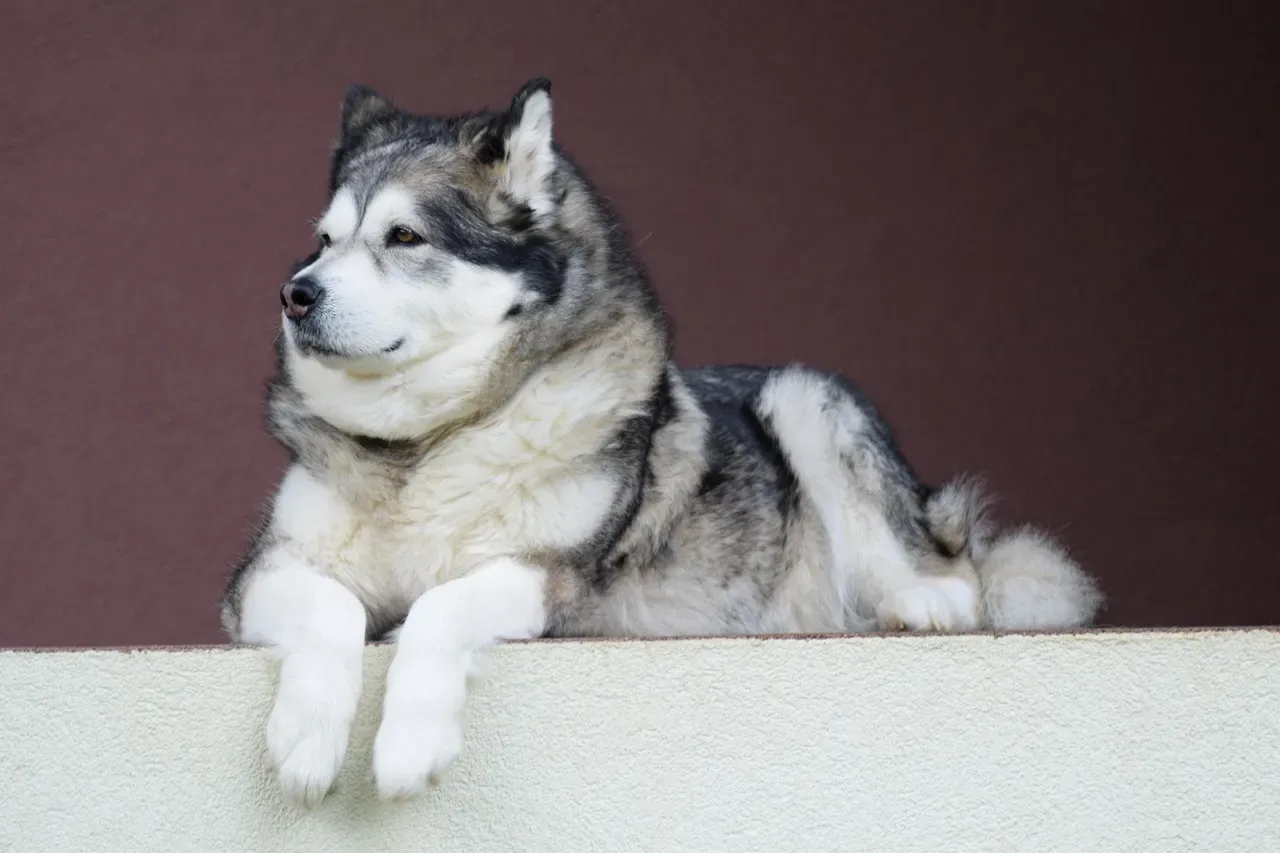
Known for their independent nature, Alaskan Malamutes can be dominant and have a strong pack mentality. While they make great family dogs, they require extra training as they’re not motivated to please humans in the same way other breeds might be. They’re not unfriendly. They’re just selectively cooperative, which is a whole different thing.
Used for dog-sledding and hauling in cold environments, the fact that these hard-working, heavy-coated large dogs have been welcomed into warm, cozy family life hasn’t changed their personalities from self-contained and the opposite of needy. Preferring to hang out on the floor unless they’re outdoors, the Malamute’s quiet temperament is soothing and peaceful. Experienced owners will find them magnificent. First-timers may find them a humbling experience.
The Afghan Hound: Elegance With an Attitude
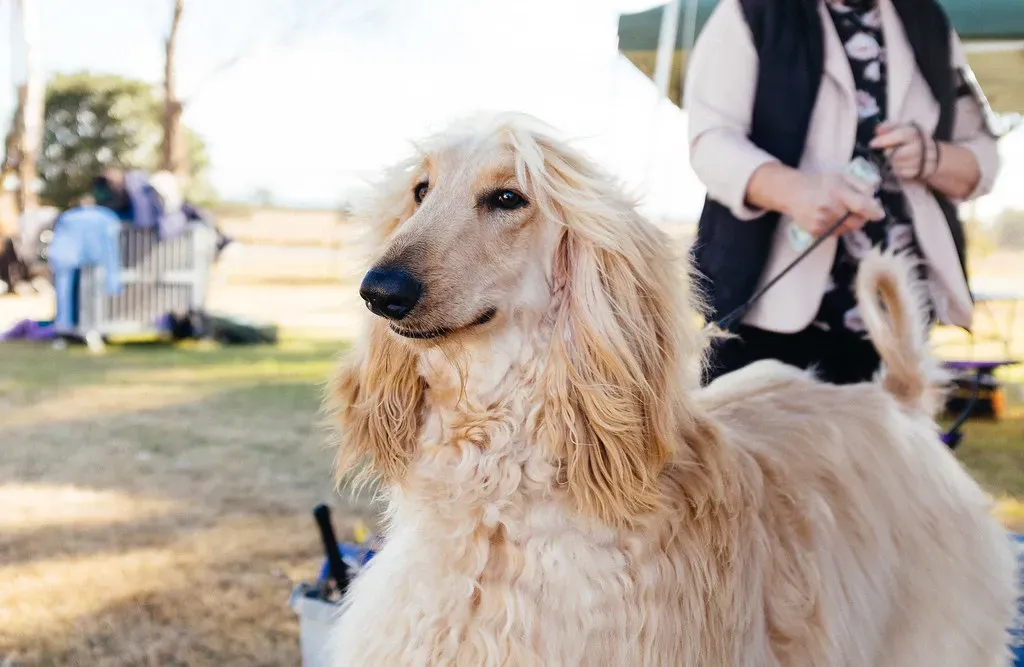
The Afghan Hound is a large, elegant sighthound originally used for hunting and coursing. They are one of the most ancient dog breeds still in existence. They are aloof and dignified dogs that are relatively independent of their owners, but are known for being affectionate and clownish at times. I know it sounds contradictory, but Afghan Hounds contain multitudes.
Dignified and alert, Afghans often seem to have their attention distracted by almost anything else, and are unlikely to squirm themselves into a pretzel when you come home from work. Getting and giving love is on their terms. They’re stunning to look at and surprisingly hilarious to live with, but don’t expect them to be people-pleasers. That’s just not the Afghan Hound way.
The Siberian Husky: Independent Thinker With an Escape Plan
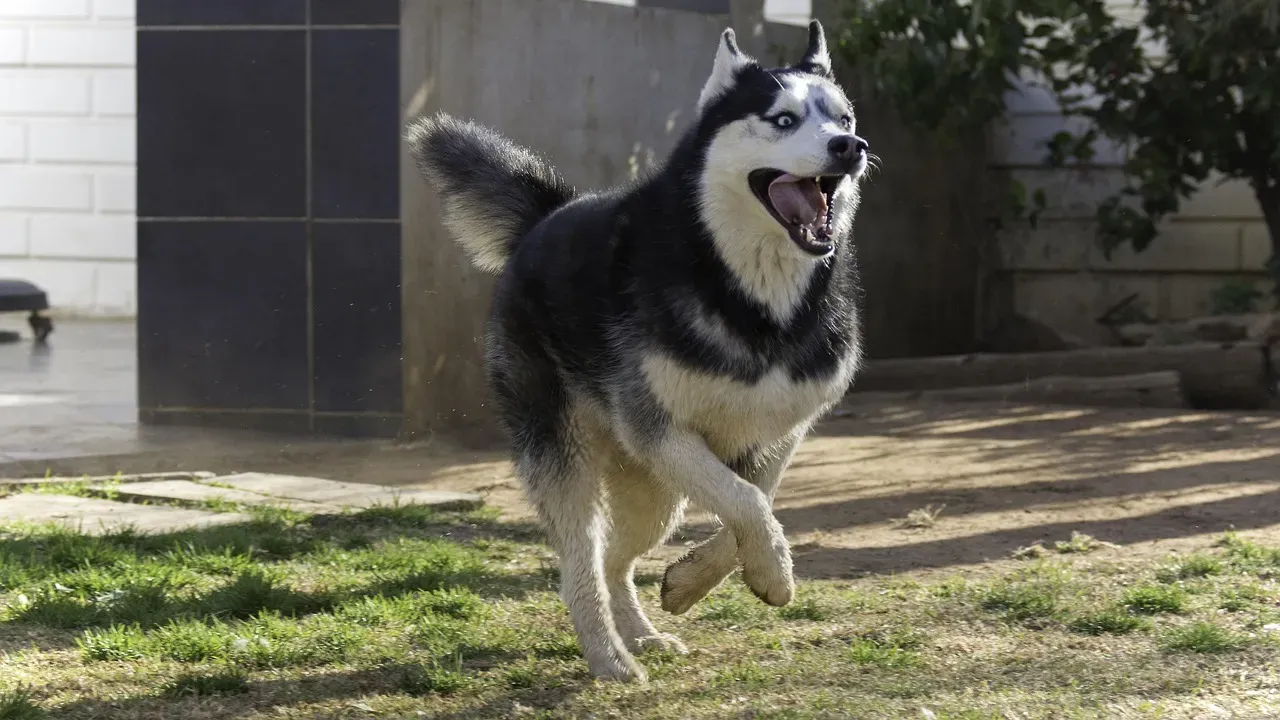
Although bred to pull sleds in packs, the Siberian Husky is an independent and intelligent breed that has adapted well to life in the far north. They exhibit primitive behavior, are very active and known for being excellent escape artists. If you’ve ever watched a Husky decide it simply won’t come when called, you understand this breed’s relationship with authority.
Siberian Huskies are “friendly and intelligent but somewhat independent and stubborn.” They thrive on human company, but need firm, gentle training from puppyhood. The key word there is “firm.” A Husky will test every boundary you set, and honestly, respect you more for holding them. Puzzle toys, secure fencing, and daily exercise are your three best friends with this breed.
The Chinese Shar-Pei: Wrinkled, Watchful, and Wonderfully Self-Reliant
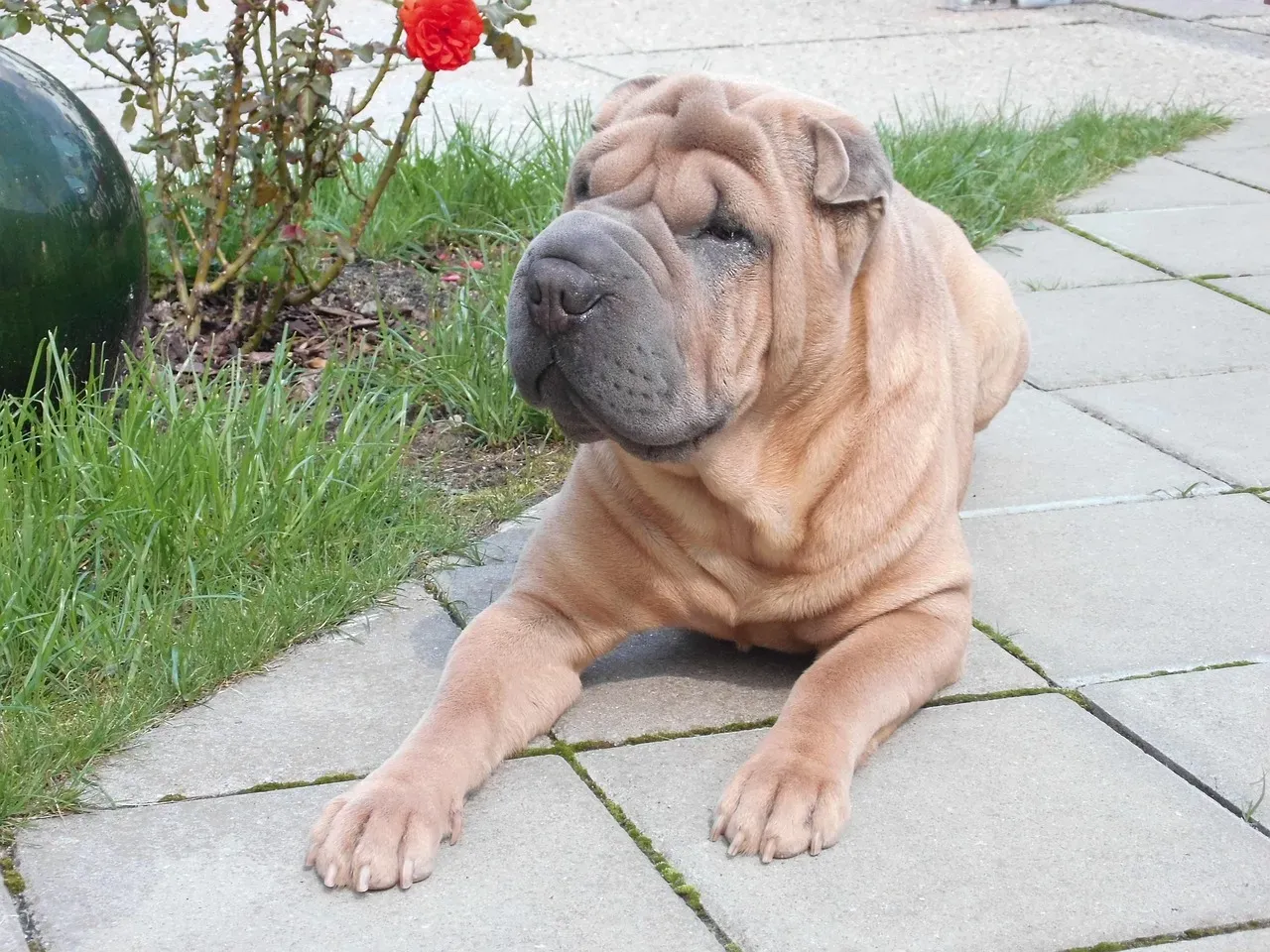
The Shar-Pei is a Chinese dog notable for its excessive wrinkles and prickly fur. Originally used as guard dogs, they are suspicious of strangers and are loyal to but independent of their owners. Early training and socialization is especially important in this breed to avoid aggression problems later. Start socialization young. This isn’t optional. It’s the difference between a well-adjusted companion and a deeply distrustful one.
Chinese Shar-Pei dogs are another breed originally bred for hunting and guarding, giving them an independent personality that still shows through today. Early training and socializing this breed is important so they are confident and comfortable no matter the situation. With the right foundation, a Shar-Pei is a loyal, calm, and truly fascinating companion. Without it, they can become a handful.
The Labrador Retriever: Your Devoted, Dramatic Shadow
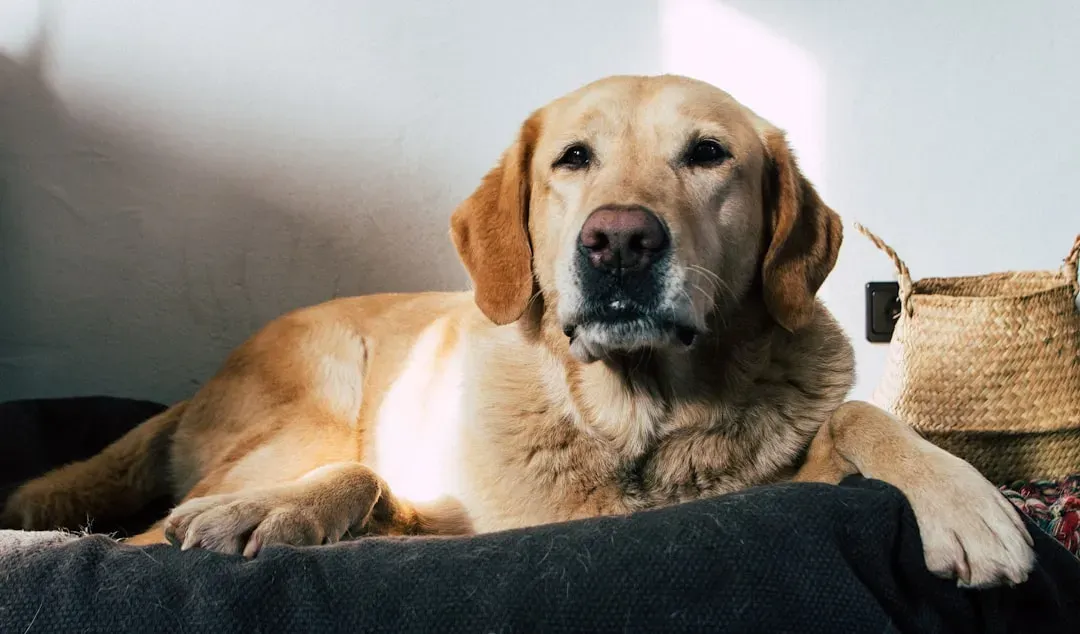
Now let’s talk about the breeds that need you, really need you. First up, the Lab. The Labrador Retriever is known for loyalty, charm, and a slightly clingy side that often turns into jealousy. They crave affection so deeply that any distraction like a phone or another pet can trigger a gentle sulk or strategic nudge. If you’ve ever had a Lab stare mournfully at you while you were on a video call, you know exactly what this means.
Labrador Retrievers are among the friendliest and most affectionate breeds on the planet. They don’t just love their owners, they love everyone. Labs are known for their happy-go-lucky personalities, constant tail wagging, and enthusiasm for snuggles. Whether they’re curling up at your feet, leaning against you for attention, or following you from room to room, Labs want nothing more than to be close to their humans. They’re pure joy, wrapped in fur and powered entirely by love.
The Cavalier King Charles Spaniel: The Ultimate Velcro Dog
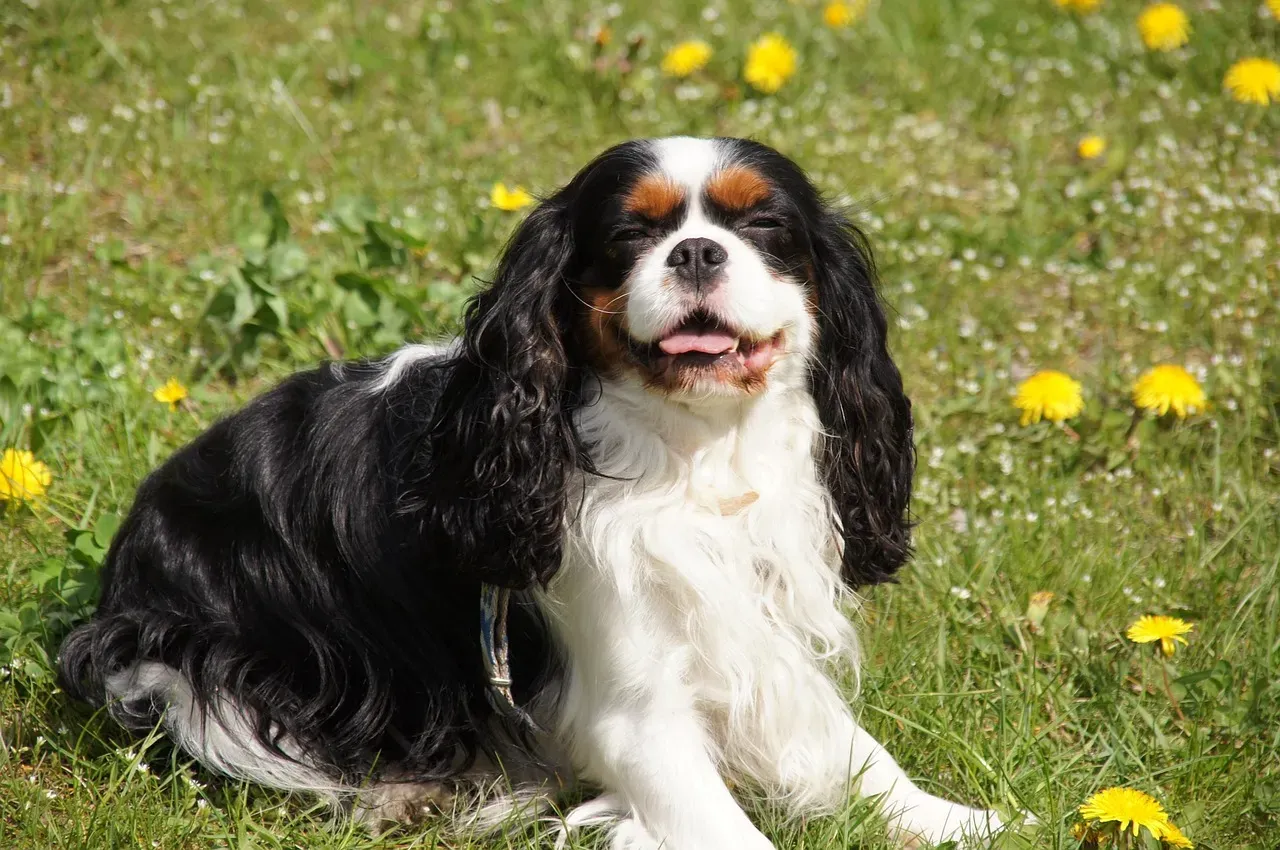
Cavaliers are the definition of a companion breed. They’re not just content to sit in your lap; they prefer to be as close to you as possible, all the time. They’re calm, kind, and incredibly responsive to emotion, which makes them ideal for families, seniors, or anyone needing emotional support. Honestly, these dogs weren’t just bred for companionship. They were perfected at it.
Nicknamed the “Love Sponges” of the dog world, Cavaliers are the epitome of affection and adoration. If you are sitting on the couch you can be sure your King Charles will be snuggled in your lap. Because they are so deeply devoted and dependent on their humans for happiness, Cavvies don’t do well when left home alone for long periods. If you work long hours regularly, make sure you have a plan. These dogs genuinely struggle with solitude.
The Border Collie: Brilliant, Bonded, and Borderline Obsessive
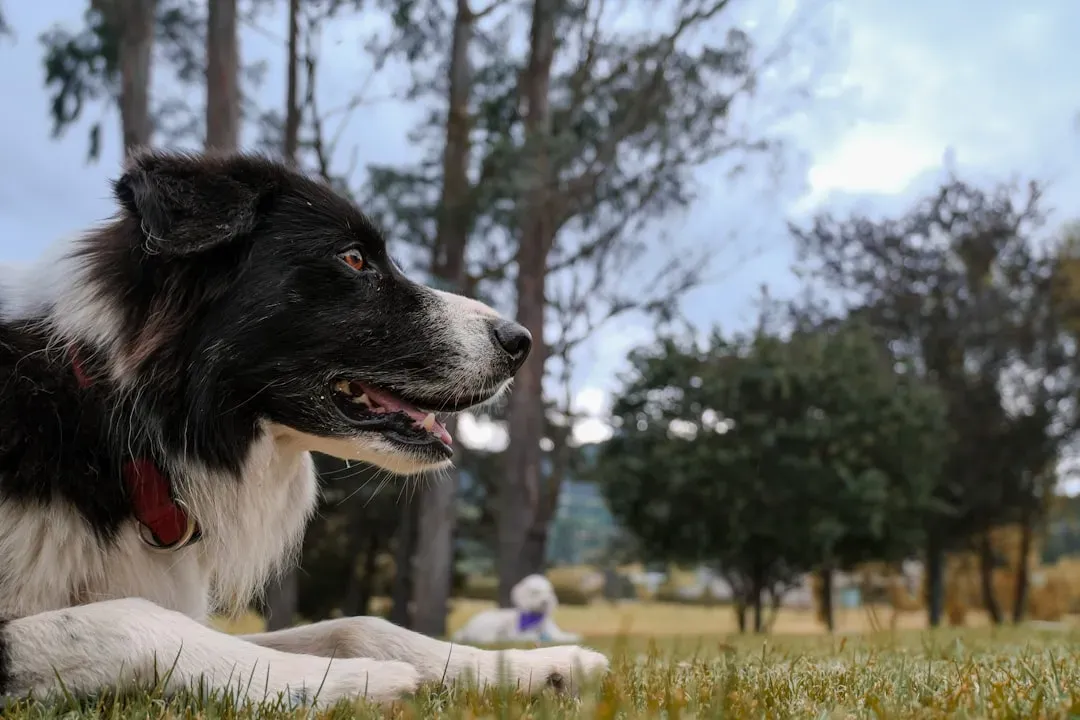
Known for their boundless energy and exceptional intelligence, Border Collies crave constant engagement. They are energetic, athletic, and highly intelligent dogs. Whether it’s herding, playing, or learning new tricks, Border Collies thrive on interaction. Without consistent attention and tasks to focus their minds and bodies, they can quickly become anxious or destructive. Think of their brain as a sports car engine. Leave it idling too long and something’s going to break.
Border Collies are smart, energetic, and emotionally wired. They read your body language like a book and respond to your every move. These dogs need mental and physical stimulation, but they also crave connection. Their attention-seeking often comes with intense eye contact, paw taps, and a whole lot of tail wagging. Leave a Border Collie alone too long and expect some side-eye when you get back. They’re not just a breed. They’re a full-time commitment wrapped in a stunning black and white coat.
Every Dog Deserves to Be Understood
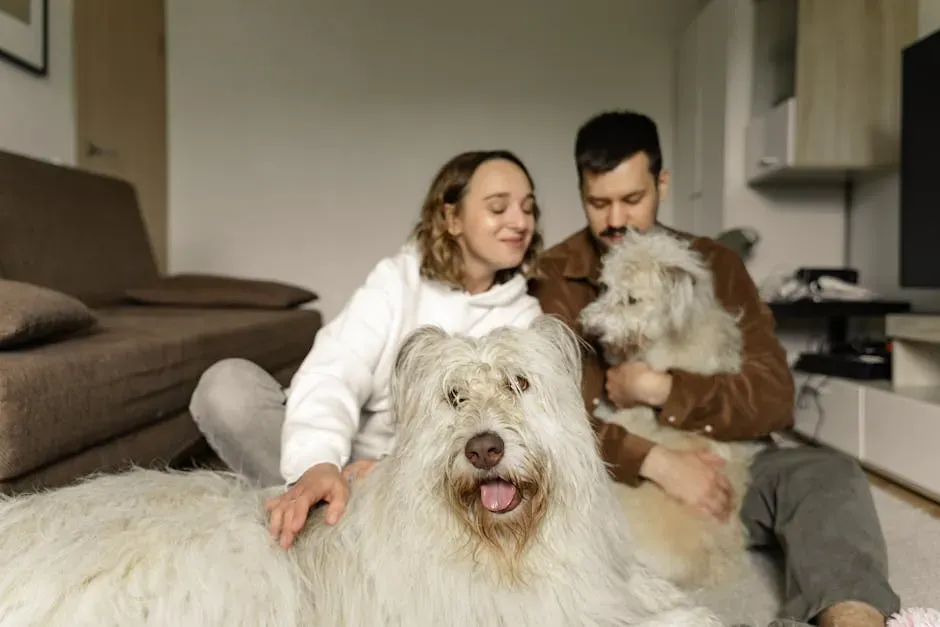
Here’s what I want you to take away from all of this. Whether your dog prefers to lounge independently in the corner or follows you to every single room, neither behavior is wrong. An independent dog is comfortable and confident without constant interaction from a human companion. That said, independent dogs have love and loyalty to give, they just might express it differently than other dog breeds. Understanding that distinction changes everything.
No dog, including independent dog breeds, should be left alone constantly or consistently, as this can lead to anxiety and behavior issues. Every pet relies on you to fulfill their needs, so be prepared to give your dog the daily time and attention necessary for a happy, healthy, and well-adjusted pet. The breed gives you the blueprint, but your relationship fills in the rest.
The most important thing you can do is meet your dog where they are. Not where you wish they were. Respect the quiet independence of a Chow Chow. Honor the emotional need of a Cavalier. Push mental boundaries with a Border Collie. When you align your expectations with your dog’s true nature, something remarkable happens. You stop trying to change them, and you start truly loving them.
What kind of dog personality fits your life best? The quiet, independent type or the devoted shadow who follows you everywhere?


