
The Hidden Power of a Dog’s Unconditional Love: How It Heals Our Hearts

There is something almost magical that happens the moment you walk through the door after a brutal, exhausting day, and a wagging tail rushes toward you like you hung the moon. No judgment. No conditions. Just pure, electric joy directed straight at you. Honestly, it is one of the most quietly powerful things a human being can experience.
We know dogs are loyal. We know they are loving. But the depth of what they actually do for us, physically, emotionally, and even neurologically, goes so much further than most people realize. Science is only just beginning to catch up to what dog lovers have always instinctively felt in their bones.
Whether you already share your home with a four-legged best friend or you are simply curious about what all the fuss is about, you are in for something genuinely moving. Let’s dive in.
The Oxytocin Connection: Your Brain on Dog Love

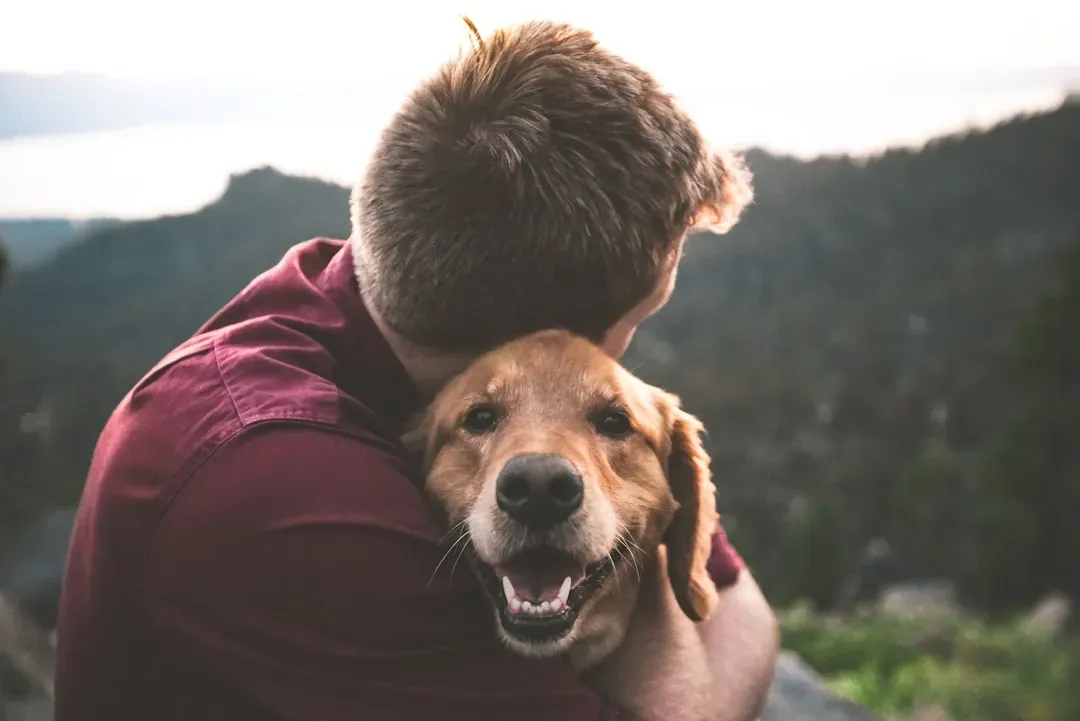
Here’s the thing about dogs that blew my mind when I first read about it. When we interact with dogs, our bodies release oxytocin, often called the “love hormone,” which creates feelings of attachment and trust. This is the very same hormone released between a mother and her newborn baby. Think about that for a second.
Oxytocin is released during positive interactions between humans and dogs, especially during eye contact and physical touch, and this creates a mutual bonding cycle that strengthens the emotional connection between both species. It is a two-way street. Your dog feels it too.
Studies have shown that interacting with dogs can lower cortisol levels, the stress hormone, while increasing oxytocin, the “love hormone” associated with bonding and relaxation. So the next time you feel your shoulders drop and your breathing slow down when your dog curls up next to you, that is not your imagination. That is chemistry.
Your Dog Actually Knows How You Feel

Ever had that moment where you are crying on the couch and your dog silently comes over and just… rests their head on your lap? That is not a coincidence. Dogs have been empirically shown to be particularly sensitive to human emotions, and they discriminate and show differential responses to emotional cues expressed through body postures, facial expressions, vocalisations, and odours.
Numerous studies have found that dogs use three main senses, including sight, smell, and hearing, to determine human emotions. Dogs can recognize six basic emotions including anger, fear, happiness, sadness, surprise, and disgust. Due to their elevated sense of smell, dogs are also highly sensitive to changes in our body odor that are undetectable to other humans.
Research found that dogs behaved differently depending on the owner’s emotional state, and they gazed and jumped less at owners when they were sad. They are reading you constantly, with tools we do not even fully possess ourselves. It is hard not to find that a little humbling.
The Stress-Busting Science Behind a Simple Pet

We live in a world that seems wired for stress. Deadlines, notifications, noise. It never really stops. Spending quality time with dogs reduces stress and increases the power of brain waves associated with relaxation and concentration, according to a study published in the open-access journal PLOS ONE. That is actual measurable brain activity changing, just from being with your dog.
The Frontiers in Veterinary Science review reveals that even short interactions with dogs can decrease cortisol levels, the hormone tied to stress. We are not talking about long walks or training sessions. Short interactions. Just being near them works.
Participants in one study also reported feeling significantly less fatigued, depressed, and stressed after all dog-related activities. Whether it was grooming, playing, or simply sitting together, every single type of interaction helped. I think that tells us something important about presence over performance when it comes to our dogs.
Dogs and Mental Health: More Than Just Good Company

Dogs offer a natural and effective way to manage anxiety through their unconditional love, emotional support, and the structure they bring into their owners’ lives. Scientific evidence underscores the numerous benefits of canine companionship for reducing anxiety, highlighting the unique bond between humans and dogs as a powerful tool for emotional healing.
Dog attachment was associated with reduced depression, anxiety, and overall anxiety and depression symptoms, especially among abuse survivors, and these results suggest that strong bonds with pets, especially dogs, may alleviate anxiety and depression, aiding mental health interventions particularly for vulnerable groups. This is not just feel-good fluff. This is peer-reviewed research pointing toward dogs as legitimate mental health support.
The emotional benefits can be especially valuable for individuals struggling with anxiety, depression, or PTSD. For those in recovery from substance use, the emotional support provided by dogs can be a lifeline, as dogs offer unconditional love and acceptance without judgment or criticism. Let’s be real, that kind of non-judgmental presence is something many people struggle to find anywhere else in their lives.
Your Heart Literally Beats Better With a Dog

This is where things get genuinely surprising. Researchers found that dog ownership was associated with a roughly one-quarter reduced risk of death from any cause among the general public, and a lower risk of death among heart attack survivors who live alone. That is not a small number. That is the kind of statistic that makes you look at your dog differently.
One mechanism by which dog ownership could reduce cardiovascular risk and mortality is by alleviating psychosocial stress factors such as social isolation, depression, and loneliness. These factors have been linked to increased risk of coronary heart disease, cardiovascular death, and all-cause mortality. Dog ownership has also been associated with elevated parasympathetic and diminished sympathetic nervous system activity, lower reactivity to stress, and faster recovery of blood pressure following stressful activity.
Among pet owners studied following heart attacks, the one-year survival was notably higher compared to those who were not pet owners. That is not a metaphor. That is survival. The dog on your couch may be doing more for your longevity than you ever suspected.
The Gift of Routine: How Dogs Quietly Anchor Our Days

There is something almost invisible that dogs do for us that does not get talked about nearly enough. Beyond companionship, pets also contribute to mental health by adding structure to daily life. Dogs need regular walks, and this routine keeps pet parents active and engaged, preventing stagnation and boosting overall well-being. Having responsibilities centered around a beloved animal gives life direction and meaning.
Think about it like this. A dog is essentially a gentle but non-negotiable daily schedule. They need feeding at consistent times, walks at predictable intervals, play, rest, connection. For someone battling depression or anxiety, that invisible scaffolding can be the difference between staying in bed all day and actually getting up. The daily routine and responsibility of caring for a pet can instill a sense of purpose and structure in life, fostering a positive outlook and emotional well-being.
Dogs inherently live in the moment, and spending time with them can help individuals do the same, providing a temporary respite from anxious thoughts. Honestly, dogs might be some of the best mindfulness teachers most of us will ever have, and they do it without saying a single word.
Dogs as Healers: From Therapy Rooms to Hospital Wards
Though all pets can provide emotional support and love for their owners through the human-animal bond, dogs have a history of being used for therapy work, and there are special animals such as therapy dogs that are trained to provide unconditional love, affection, and comfort to groups of people. This is not a niche fringe practice anymore. It is mainstream medicine.
Therapy dogs can comfort people in hospitals, long-term care facilities, hospice, schools, and disaster areas. The dogs can help people accomplish goals in physical, occupational, and speech therapy, and people are excited to come to their therapy sessions when the dogs are present. There is something about the simplicity of a dog showing up without an agenda that reaches people in ways trained human professionals sometimes cannot.
Animal-assisted interventions, like canine therapy, are widely used in hospitals, schools, and beyond to help reduce anxiety, relieve stress, and foster feelings of trust. What was once considered alternative or supplemental is now being integrated into mainstream healthcare settings around the world, and for very good reason.
Conclusion: Love That Asks for Nothing in Return

When you step back and look at all of this together, what dogs offer us is genuinely remarkable. They lower our stress, calm our hearts, read our emotions, anchor our days, and in some cases may even help keep us alive longer. All without ever asking for anything beyond food, a walk, and your company.
Research highlights that the human-dog bond is most similar to a child-parent relationship due to its nurturing and supportive nature, and dogs offer companionship and unconditional love, often without the conflicts that can strain human friendships. There is a simplicity and a purity to it that is almost impossible to find anywhere else in life.
So the next time your dog looks up at you with those wide, patient eyes, remember that the love you feel looking back is backed by thousands of years of co-evolution, mountains of scientific evidence, and something even science quietly struggles to fully explain. Take care of that dog. Love them well. They are doing more for you than you probably know. What part of your dog’s love has healed you the most? Tell us in the comments below.