
Dog-Friendly Venues Surge Across UK: Business Boost or Inclusivity Challenge?
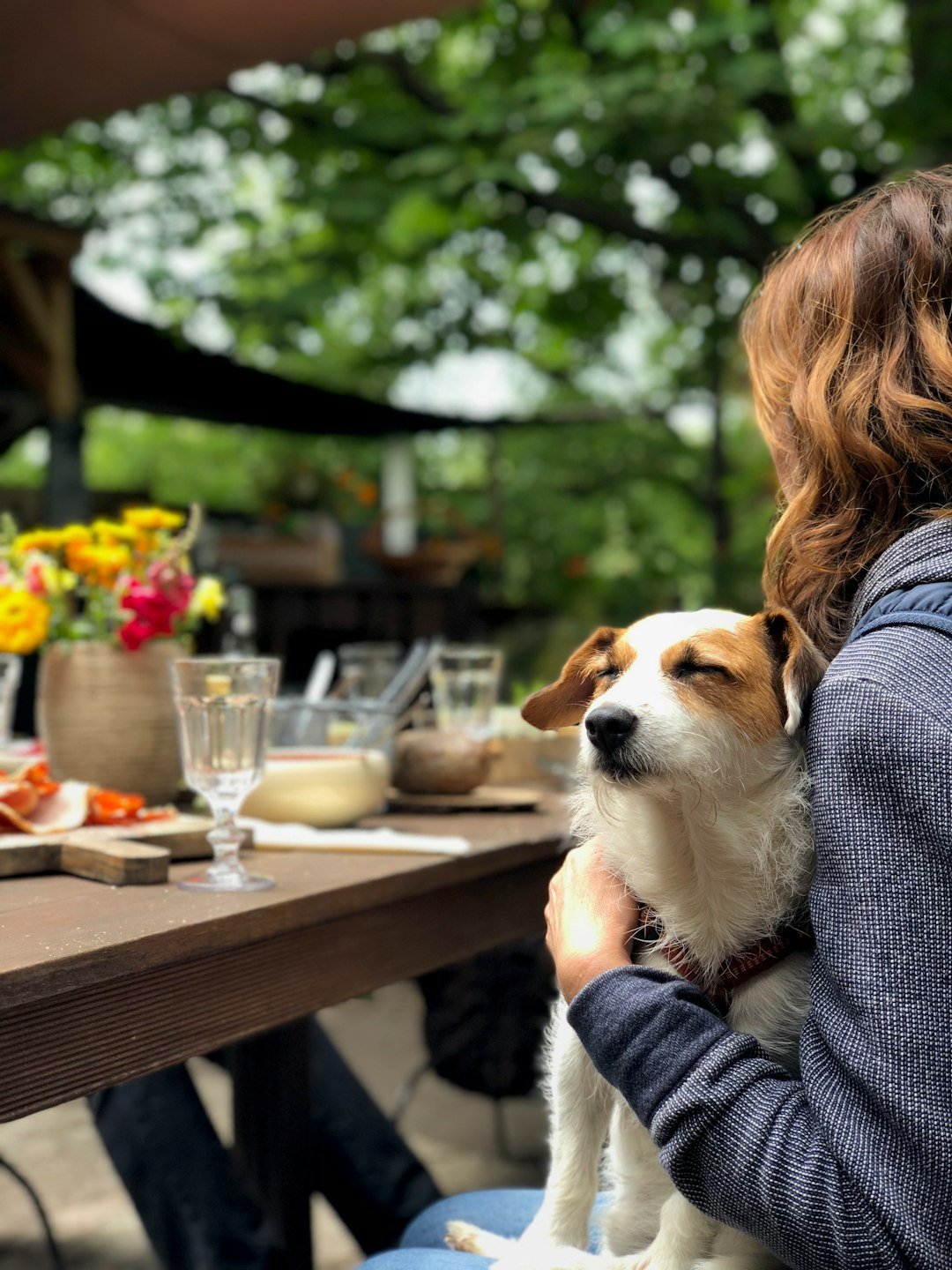
Britain’s high streets and shopping centres have increasingly opened their doors to four-legged visitors, reflecting a nation where dogs hold a cherished place in family life. An estimated 13.5 million pet dogs share homes with 36 percent of households, driving demand for welcoming spaces.[1][2] Cafes serve up puppacinos alongside lattes, while retailers like Ikea and John Lewis accommodate leashed companions. This shift promises economic perks but stirs debate over access for allergy sufferers and those with phobias.
Statistics Reveal a Clear Business Edge
The Kennel Club highlighted that 72 percent of dog owners favor restaurants, pubs, or cafes permitting pets, a figure underscoring the potential customer draw.[1][3] Additional data showed 55 percent of owners linger longer at such spots, with 52 percent ready to spend more. Over 9,000 dog-friendly eateries now dot the landscape, from urban coffee shops to rural pubs.
Businesses adopting these policies often report gains in footfall and dwell time. Owners noted strangers chatting more freely, fostering a communal vibe. Two in three new dog guardians believed venues profited from the policy, turning casual stops into social hubs.
Coffee Shops Lead the Pet-Welcoming Charge
Huw Williams launched Big Dog Coffee in Blackwood, south Wales, in 2020, alongside a second outlet in Merthyr Tydfil. Inspired by his black Labrador Clyde during lockdown, he made pet-friendliness core without fanfare. “It has never been a marketing ploy for me… but I never had any idea how much it would facilitate our business,” Williams reflected.[1]
Customers arrive for coffee but stay to mingle, with dogs sparking conversations among patrons. Williams enforced simple rules: leads on, paws off furniture. His sibling Hannah joined the venture, adding puppuccinos and partnering with local treat makers. The setup filled a gap in dog-walking hotspots lacking nearby refreshment.
Phobias and Allergies Cast a Shadow
Not everyone celebrates the trend. Abi Wilson, a 20-year-old from Evesham, Worcestershire, has battled cynophobia lifelong, limiting outings to rare events. She checks policies rigorously, yet many former safe havens quietly shifted. “I never go out unless I am 100% sure that a place does not allow dogs,” she explained.[1]
Symptoms strike at the thought of venturing out – nausea, sweating, hyper-vigilance. Therapy attempts, including cognitive behavioral sessions and hypnotherapy since age eight, faltered; current waits exceed a year despite medication. Wilson called for mandatory policy disclosures, at least half the venues dog-free, and owner licensing to enforce training. Support networks like Dog Free UK echo her push for balance.
Behaviorists Stress Cafe-Ready Training
Pet behaviorist Vanessa Ward from Tredegar, Blaenau Gwent, observed puppy classes now emphasize public poise amid distractions like chatter and treats. Owners face pressure for pets to sit calmly in bustling cafes. Ward takes her 10-year-old bulldog Bear to high teas and beyond, deeming bans unwelcoming.
She acknowledged the flip side: “It would become difficult” for the fearful or averse. Businesses spaced tables for easy access, offered water bowls, and displayed welcome signs. Yet etiquette remained key – short leads, no table feeding, pre-visit exercise.
- Research venues via sites like dogfriendly.co.uk.
- Book quiet slots and dog-suited spots.
- Train for stays amid noise and smells.
- Pack distractions; monitor comfort.
- Respect non-pet patrons’ space.
Finding Harmony in a Paw-some Shift
The UK teeters on fully dog-embracing turf, with perks evident in lively cafes and boosted tills. Policies evolved to include shaded patios and treat menus, yet voices like Wilson’s remind operators of broader duties. Clear signage and zoned areas could bridge divides, ensuring all feel invited.
Key Takeaways
- Pet policies lift visits by 72 percent among owners, per Kennel Club data.[3]
- Rules like leads and no-furniture keep spaces inclusive.
- Training adapts pups for cafe life, easing tensions.
As dogs integrate deeper into daily routines, businesses weigh loyalty against equity. What balance strikes right for your local spot? Share your views in the comments.