
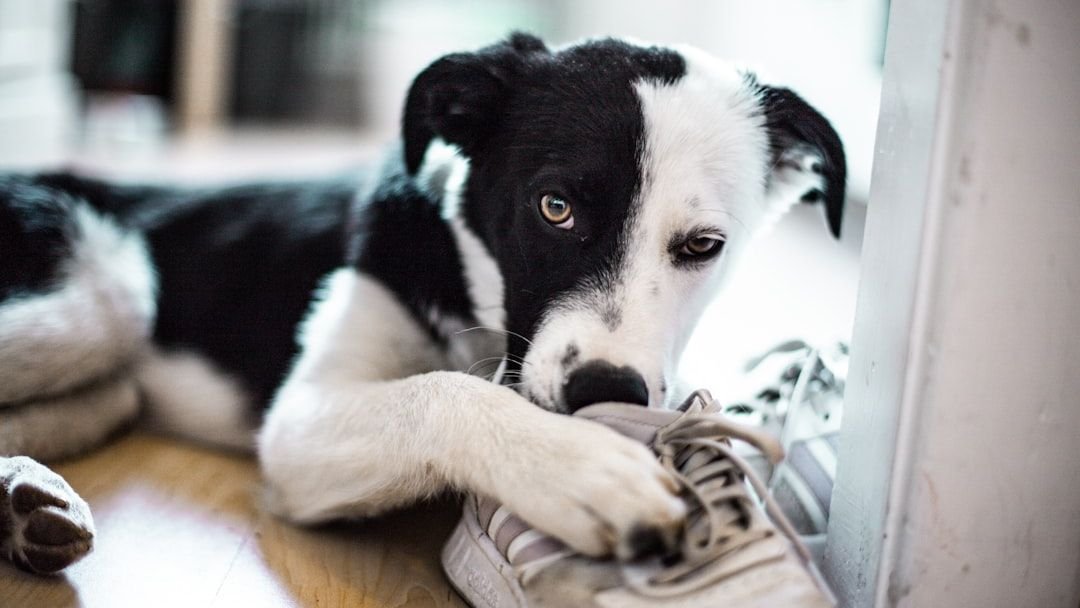
You love your dog deeply. You’ve given them a warm bed, good food, and endless belly rubs. So why does it feel like something is still off? Why does your pup flinch at certain sounds, hide for no obvious reason, or seem perpetually on edge in the very space you’ve worked so hard to make cozy?
Here’s the hard truth that many devoted dog owners haven’t been told: a dog can be completely physically safe and still not feel safe. Those two things are very different. An animal can be physically safe but not feel secure. For example, a dog who is afraid of thunderstorms is safe but not secure. Understanding this distinction could change everything about how you relate to your dog.
The signs are there. They’re just quieter than you might expect. Let’s dive in.
1. They Won’t Stop Pacing or Shaking
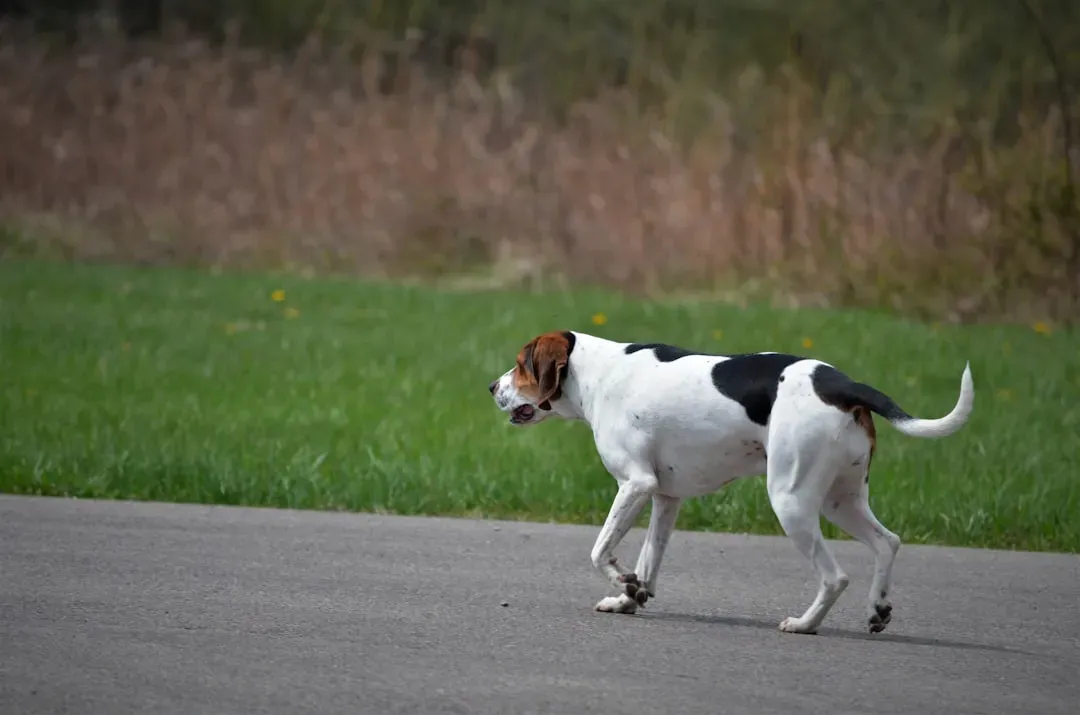
You’ve probably seen your dog do a full-body shake after bath time and laughed it off. Adorable, right? That whole-body shake can be amusing and is quite normal – unless it occurs as the result of a stressful situation. The “shake off” that dogs often do after they descend from the veterinarian’s exam table is likely triggered by stress. The same can happen at home more often than owners realize.
When dogs are pacing back and forth, it’s a sign they can’t settle down because something is stressing them. If this happens during mealtimes or for short periods, it might not be a big deal. Noticing when your dog engages in this behavior can give you clues as to what’s triggering their anxiety. Think of it like a person nervously tapping their foot during a tense meeting. It’s not random. It’s a signal.
Prevention tip: Keep a short journal of when the pacing happens. Is it when the TV gets loud? When kids are running around? Identifying the pattern is the first step toward making a real difference.
2. They’re Constantly Hiding or Trying to Escape
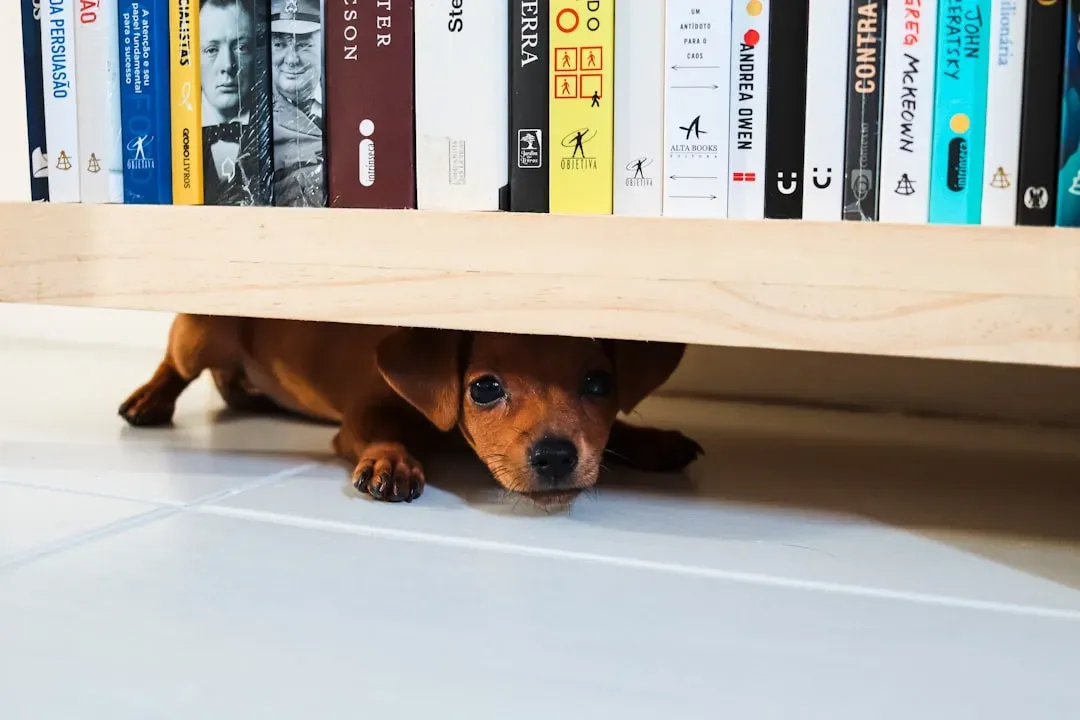
Hiding, trembling, or showing excessive stress during normal activities can indicate deeper emotional issues. If your dog keeps retreating behind the couch, squeezing under the bed, or bolting to a corner room whenever guests arrive, that’s not just introversion. That’s a dog desperately seeking a safe bubble.
Hiding or escape behavior is an extension of avoidance. Some tense dogs move behind a trusted person or behind a nearby object. They may even nudge or jump on their person to prompt them to move along. It’s their version of tugging your sleeve and saying “please, let’s leave.”
If this is your dog, create a designated quiet retreat in your home, like a crate with the door open or a cozy corner away from foot traffic. Let it be their sanctuary, completely on their terms.
3. Their Ears Are Pinned Back and Their Tail Tells a Story
Most people think a wagging tail means a happy dog. Honestly, that’s one of the most common misconceptions in the dog world. A tail tucked tightly between the legs is a classic stress signal. A low tail with a stiff, quick wag can also mean worry, not joy. Context matters enormously here.
Ears are expressive. A dog with their ears pinned back or turned outward is probably feeling nervous. This signal is easier to read in breeds with upright ears, but it can be observed in all dogs if you know their normal posture. The key is knowing your dog’s baseline. What does “relaxed” look like for them specifically?
Stress signs to look for include whale eye (when dogs reveal the whites of their eyes), tucked ears or tail, raised hackles, lip-licking, yawning, and panting. If you’re seeing a cluster of these together, your dog is sending a loud message in a very quiet voice.
4. They Growl, Snap, or Show Their Teeth Inside the Home
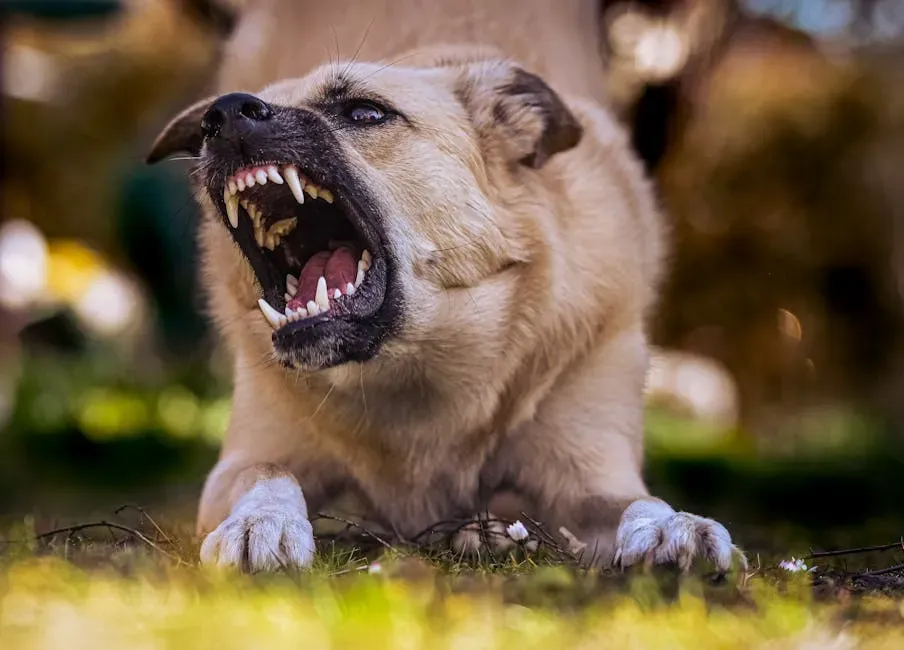
Let’s be real – a growling dog inside the house can feel alarming, even embarrassing. But here’s the thing: growling is communication, not aggression. Growling is an obvious way to tell if your dog is uncomfortable. It could mean that someone is in their space, they feel threatened, or that something hurts. It’s not usually meant to be aggressive but is rather often a warning that your dog feels uncomfortable.
The worst thing you can do? Punish the growl. When we punish growling, we often remove this important cue, and the next time, the dog may skip the warning and go straight to snapping. Think of the growl as a smoke alarm. You don’t rip out the alarm. You look for the fire.
Give your dog space when they growl, identify what triggered it, and if it persists, consult a certified positive-reinforcement trainer. Never force a confrontation.
5. They Freeze or Go Completely Still
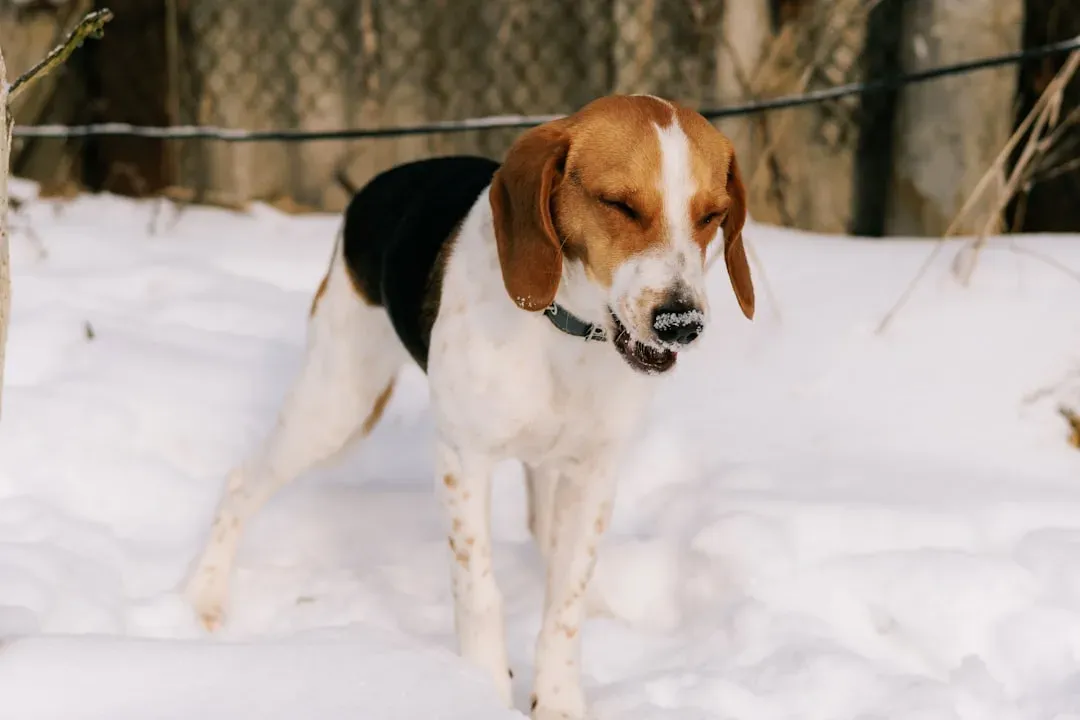
A dog that suddenly freezes in place is not being “stubborn” or dramatic. A dog who suddenly goes still – freezes in place – has gone into an alert or defensive mode. This is often the last warning sign before a more serious reaction like snapping or growling. Think of it like a hard reset in their nervous system. Everything stops because the threat feels overwhelming.
When your dog freezes or gets stiff, they’re often stressed about something they see. In a training context, this can sometimes be seen as “submission,” but modern dog training practices tell us that the dog is actually shutting down. This can be very dangerous for both you and your dog. It’s a warning sign that the dog is so stressed that they can’t handle the situation.
If freezing happens during family interactions, like with young children approaching or during loud arguments, it’s time to restructure those environments immediately. Remove the trigger, not the dog’s ability to communicate.
6. They’re Showing Unusual Eye Changes

The eyes really are a window to your dog’s emotional world. Stressed dogs, like stressed people, may have dilated pupils and blink rapidly. They may open their eyes wide and show more sclera (white) than usual, giving them a startled appearance. This is sometimes called “whale eye,” and once you know what to look for, you’ll spot it easily.
Whale eye – when the whites of the eyes are visible – often shows tension or unease. Imagine how you’d feel if someone suddenly invaded your personal space. That wide-eyed, slightly panicked expression? Your dog wears that same face when they feel cornered or unsafe in their own home.
Pair this with other signals like flattened ears or a tense jaw, and you’ve got a dog clearly communicating distress. The good news is, catching it early means you can intervene before the stress escalates.
7. They’re Lip Licking, Yawning, or Panting Without Obvious Reason
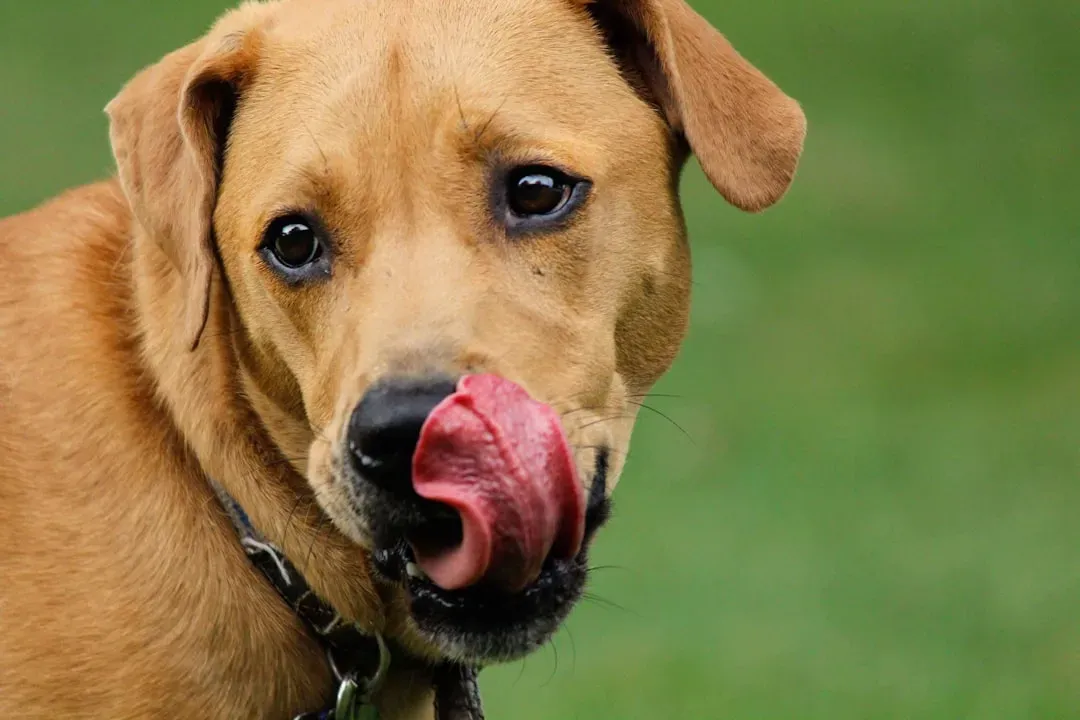
It’s easy to dismiss lip licking as “my dog just ate” or yawning as tiredness. But timing is everything. Lip licking is often misread as “just a cute habit,” but in dogs, it’s typically a calming signal – a way to self-soothe or de-escalate tension. If your dog licks their lips during training, while meeting new people or dogs, or in new environments, it’s a red flag that they’re feeling uncertain or uneasy.
Panting is a normal way for dogs to cool down, especially after playing or in hot weather. But when panting happens indoors, in cool temperatures, or during quiet activity, it can point to stress. This is the kind of signal that gets overlooked for months before an owner realizes something was wrong all along.
Yawning can mean boredom or sleepiness but it is also the first-level response to a mild stressor. Yawning relieves stress and helps a dog release anxiety that’s building up internally. Next time your dog yawns during a family gathering, pay attention to the context. It might not be bedtime at all.
8. They’ve Stopped Eating or Have Digestive Problems
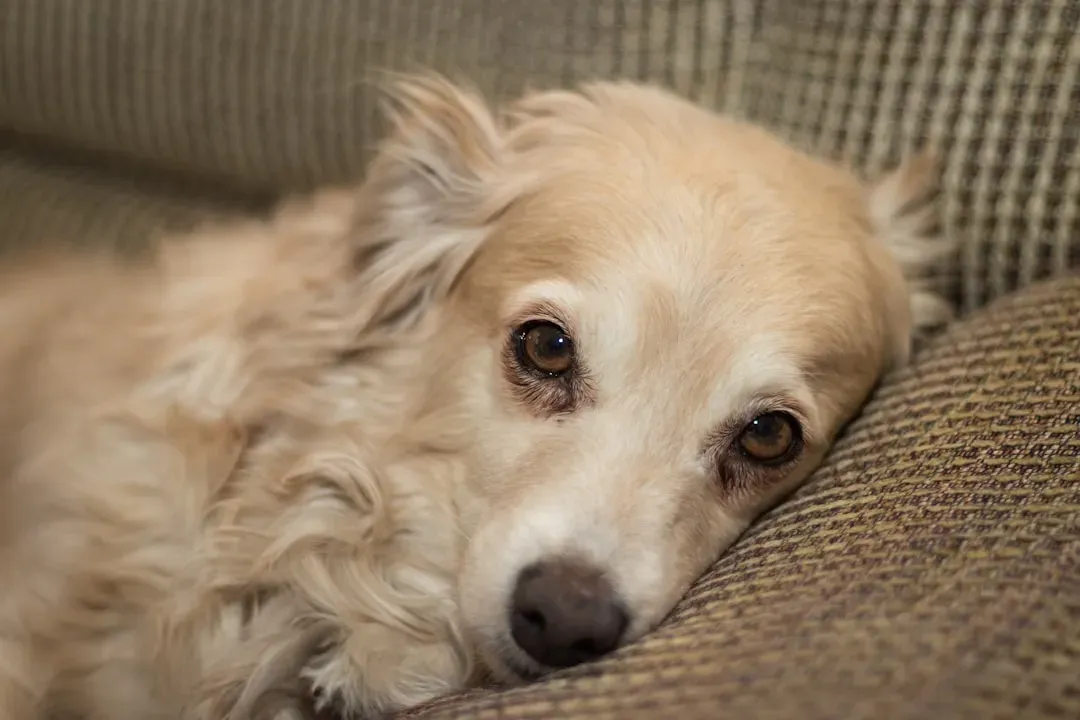
A dog turning up their nose at food is more than just being picky. A common sign of chronic stress is reduced appetite or increased digestive problems. Dogs, even dogs who are overweight, will still eat regularly when they are healthy. However, if your dog suddenly refuses food, it’s a sign of stress.
Fear can decrease appetite, accelerate heart rate and breathing, increase cortisol and adrenaline production, disrupt sleep patterns, and shut down the thinking and learning part of the brain. This is not a minor thing. Chronic fear has real, measurable physical consequences on your dog’s body, similar to what long-term stress does to humans.
Like people, nervous dogs may experience an increased urgency to urinate or defecate. Dogs may experience gastrointestinal upset that can include vomiting, diarrhea, and refusing food. If your vet has ruled out illness and these signs persist, anxiety is a very likely culprit worth addressing seriously.
9. They Avoid Certain Rooms, People, or Areas of the Home

Have you ever noticed your dog refuses to enter a specific room? Or slinks away whenever a particular family member walks in? When faced with an unwelcome situation, dogs may “escape” by focusing on something else. They may sniff or dig the ground, lick their genitals, or simply turn away. Avoidance is not defiance – it’s self-preservation.
A dog might move away or actively try to avoid whatever is worrying them. In some situations, it might be you that they are worried about, or someone you are with. Some dogs will try to hide or withdraw from a situation. That can be a hard reality to sit with, but acknowledging it is the most loving thing you can do.
Prevention tip: If your dog avoids interaction with other dogs or people, do not force the issue. Respect their choice. Forcing interactions only deepens the fear and destroys the trust you’ve been building.
10. They’re Destructive or Regressing in House Training
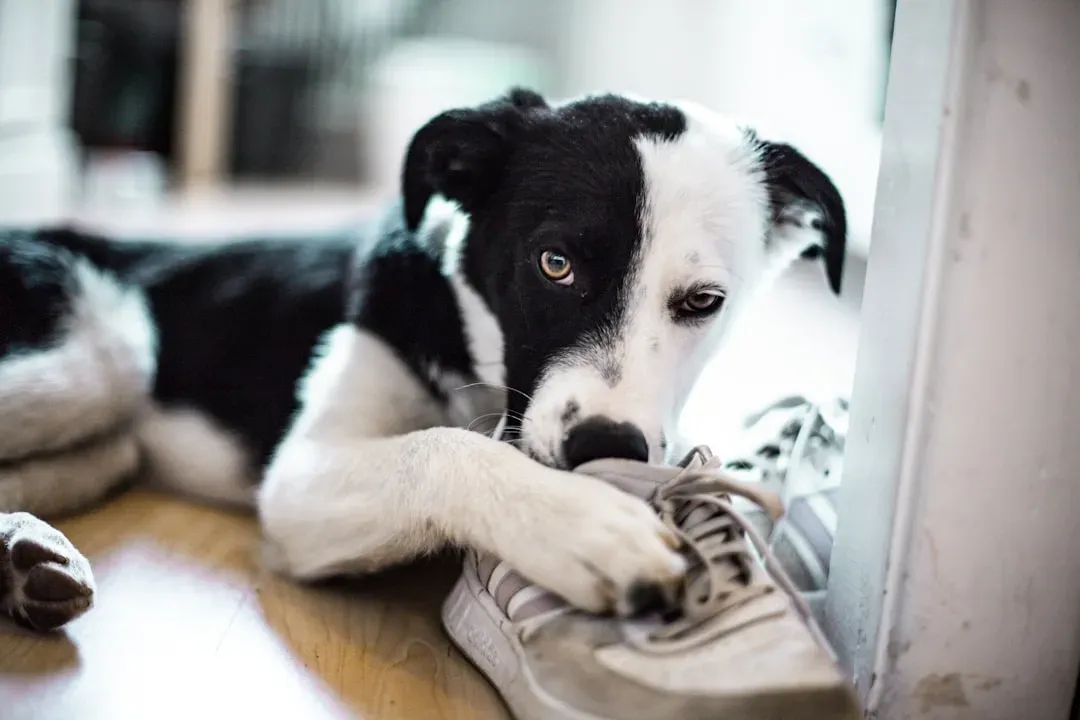
Chewed-up furniture, accidents indoors after months of perfect house training, constant scratching at doors – these behaviors often get labeled as “naughty.” They’re actually cries for help. Destructive behavior like chewing furniture, digging holes, or destroying household items often indicates insufficient mental or physical stimulation. Dogs with separation anxiety may also engage in unruly behaviors.
Previously house-trained dogs may suddenly start having accidents indoors, which can signal health issues or emotional distress requiring professional evaluation. In fact, urination in the house in this case (as well as defecation) is a sign of anxiety, not resentment or anger, which is a common misconception among dog owners.
If you live in a chaotic home – with young children, vocal pet parents who are constantly shouting, people coming in and out, other pets present – there is a good chance your dog will take on that stress and may start to exhibit insecure behaviors. A predictable, calmer environment can work wonders faster than any chew deterrent spray ever will.
Conclusion: Your Dog Is Talking. Are You Listening?
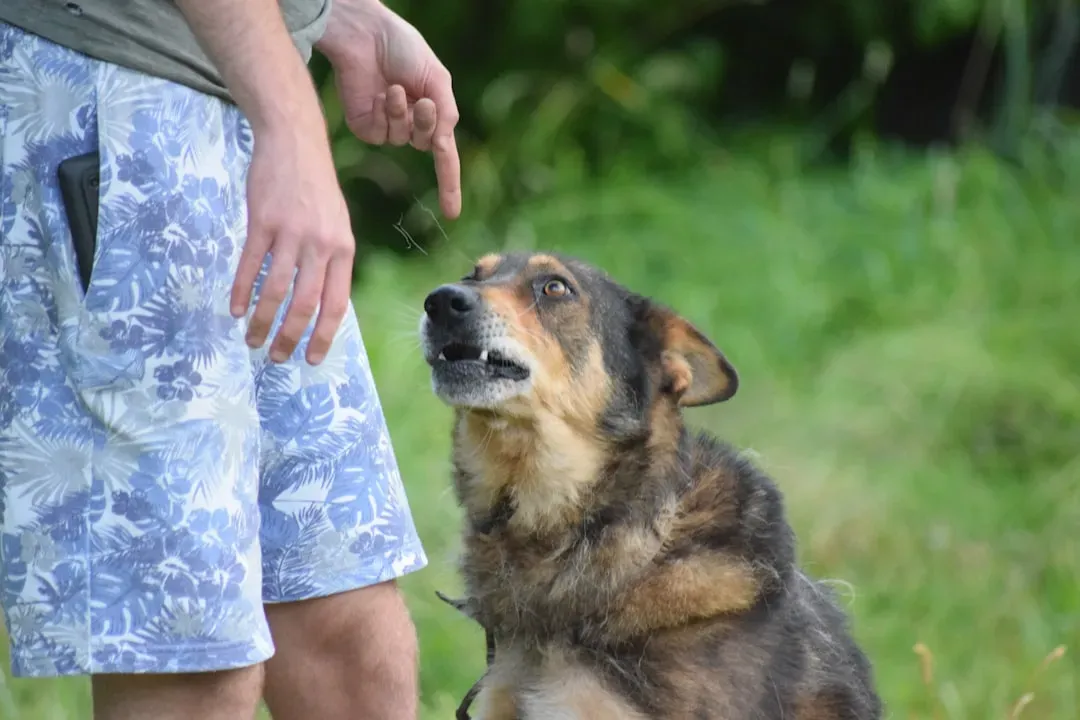
Here’s what I’ve come to believe after spending so much time around dogs and the people who love them: most dogs aren’t acting out. They’re asking for help. Every tucked tail, every frozen moment, every chewed couch cushion is a sentence in a language we’re still learning to read.
A fearful dog isn’t being “bad” or “stubborn” – they’re communicating discomfort or distress. By learning to recognize these signals early, you can help your dog avoid overwhelming situations, prevent behavior problems, and strengthen your bond built on empathy and respect.
The most powerful thing you can do today is simply observe. Slow down, watch your dog closely, and ask yourself honestly: does my home feel safe through their eyes? The good news is dogs are incredibly forgiving and resilient. When we start to listen and respond fairly, we can rebuild their confidence and shape safer, happier behaviors.
You don’t have to be perfect. You just have to be present. Your dog already loves you – now it’s time to make sure they also feel truly, deeply safe. What signs have you noticed in your own dog that made you stop and think? Share your experience in the comments below.


