
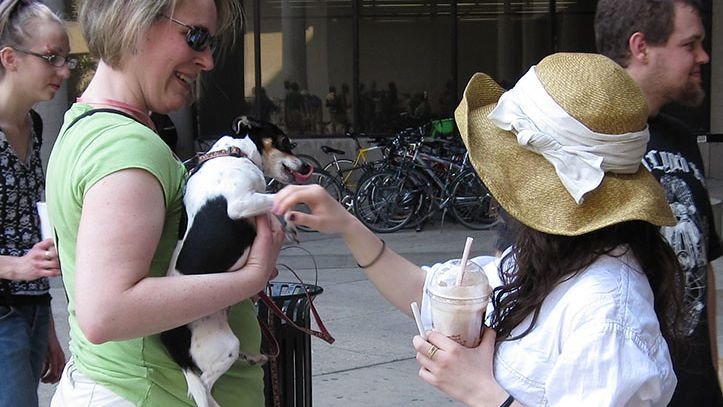
Imagine walking through your front door after a long, exhausting day. Before you can even kick off your shoes, a warm, wiggling body crashes into your legs, tail going like a propeller, nose buried into your clothes like you’re the most fascinating thing on the planet. Sound familiar? That’s not chaos – that’s your dog saying hello with every single thing they’ve got.
Here’s the thing: dogs don’t use words. They never have. Yet somehow, they manage to communicate with breathtaking precision, using a rich and layered system of body language, scent, and sound that most of us only scratch the surface of understanding. Once you start decoding it, the world opens up in a whole new way.
So if you’ve ever wondered what your dog is actually trying to say when they greet you, or how you can say “hello” right back in a way they actually understand, you’re in exactly the right place. Let’s dive in.
The Tail Tells the Whole Story (Almost)
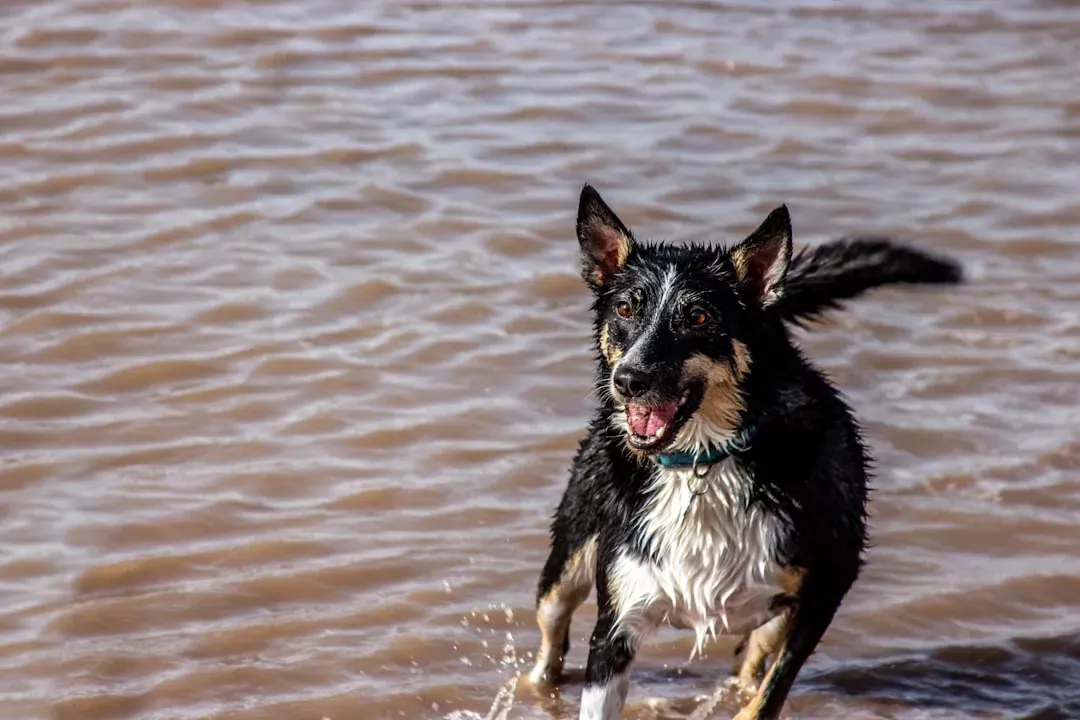
Ask any dog lover what “hello” looks like in dog language, and nine times out of ten they’ll point to the wagging tail. Honestly, that’s not wrong – but it’s not the complete picture either. Tail-wagging seems like an obvious body language signal, and you’d assume a wagging tail means a happy dog. All a wagging tail truly means, though, is that the dog is emotionally aroused.
A rapidly wagging tail, moving from side to side or even in circular motions at or slightly above neutral level, is the stereotypical “happy dog” signal. The dog is usually excited and positive – and the wider and more rapid the wag, the more enthusiastic the emotion behind it. Think of it like a smile: the broader it is, the more genuine and intense the feeling.
Research has revealed that if a dog encounters something it wants to approach, it wags more to the right side of its body, whereas if there’s something it wants to withdraw from, it wags more to the left. That’s an astonishing level of detail packed into one simple movement. So next time your dog runs to greet you, take a second look – that tail is writing a full emotional paragraph.
A relaxed, mid-level wag is usually a friendly greeting, while a stiff, high tail wag can indicate dominance. If a dog tucks its tail while meeting another dog, it is likely feeling submissive or anxious. In other words, not every wag is a welcome mat.
The Power of the Nose: When Sniffing Is Saying Hi
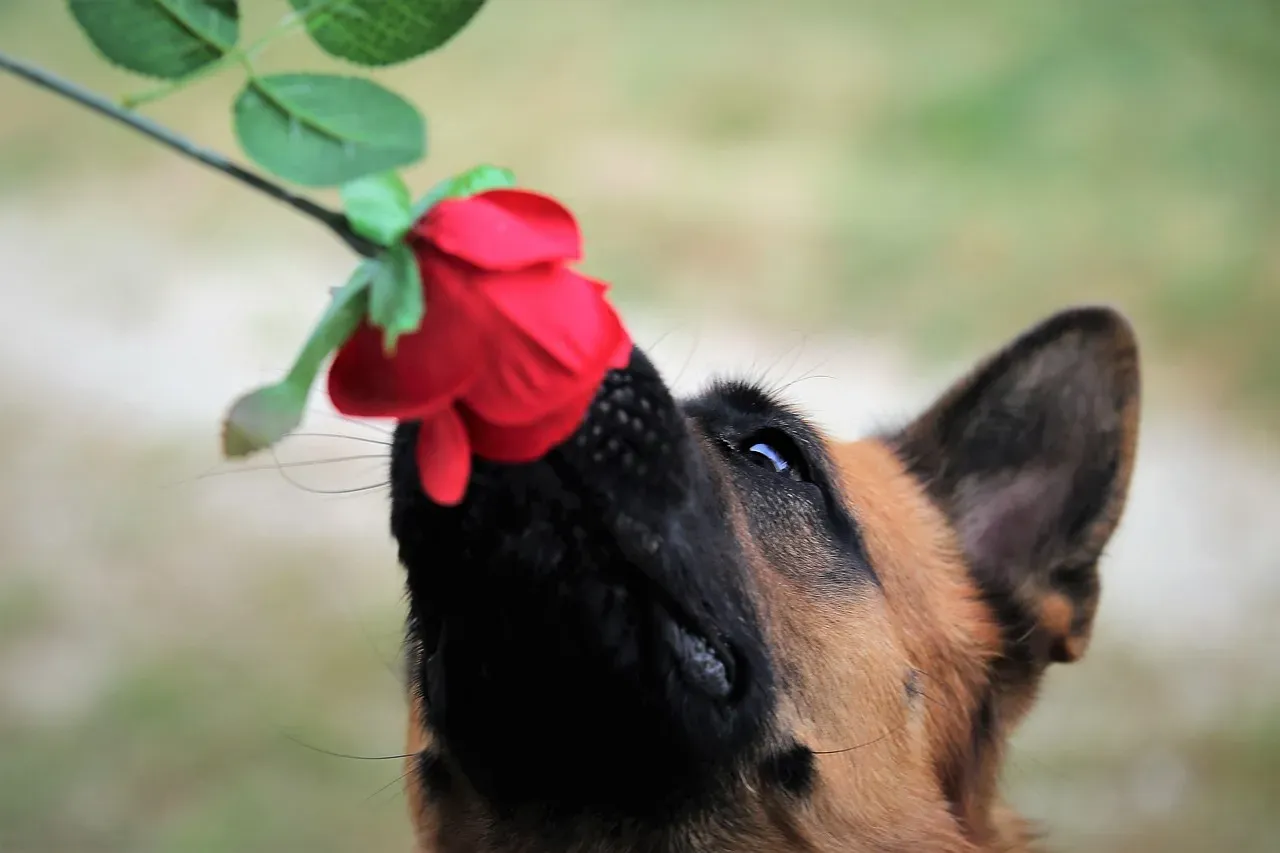
Let’s be real – if you’ve ever been at a park and a stranger’s dog has jammed its nose somewhere deeply inappropriate, it felt like anything but a polite greeting. Here’s the reassuring truth: dogs don’t shake hands like people do; they use their nose to say hello. It’s their version of a firm handshake and a full background check rolled into one.
By simply smelling a companion, a dog can determine whether they are male or female, happy or aggressive, healthy or ill. That is genuinely remarkable. What takes us humans an entire conversation to figure out, a dog can assess in a single, focused sniff.
Through complex scent analysis, dogs gain insight into emotional states, hierarchical status, and even stress levels, making sniffing not only a greeting ritual but also a sophisticated tool for navigating their social world. It’s less of a nosy intrusion and more of a full-body biography being read in real time.
Dogs also sense fear and anxiety through their noses. When we are stressed or scared, we secrete adrenaline – the fight-or-flight hormone – which dogs detect even though we cannot smell it. When we are anxious, increased heart rate and blood flow carry body chemicals to the skin surface where dogs can smell them more easily. You simply cannot fake calm around a dog. They know.
The Play Bow: Dog Language’s Most Joyful Hello
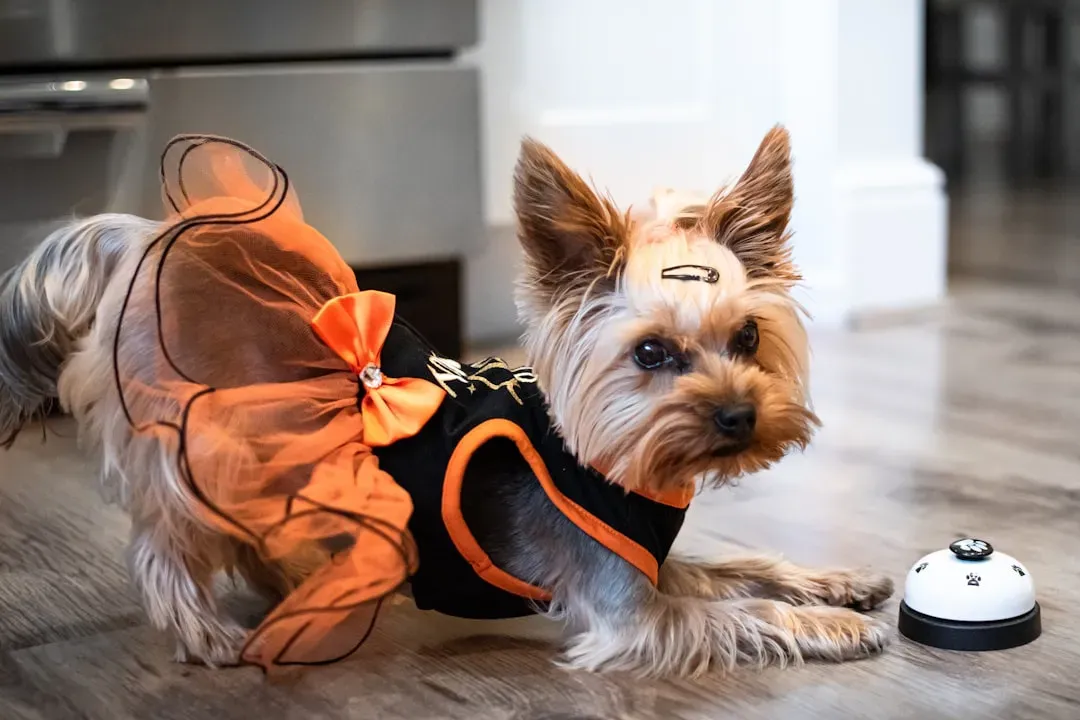
A common way dogs say hello is through a play bow, where they lower their front end while keeping their hind end up, signaling friendliness and readiness to play. If you’ve ever seen this in action – that sudden, theatrical drop of the chest to the ground with the rump hiked happily in the air – it looks almost like a yoga stretch. Think of it as the canine equivalent of someone flinging their arms wide open and yelling “Let’s go!”
Bowing by stretching the forelimbs evolved to become a highly ritualized signal for inviting dogs to play, have fun, or continue to play if things get rough or otherwise testy. That’s millions of years of social evolution packed into one adorable, wiggly gesture. I think that’s stunning.
If your dog is play bowing at you, they’re likely either doing so as a greeting or as a request to interact. For instance, if you’ve been away all day and come home to your dog bowing at the door, it’s safe to bet they’re saying hello. The context matters enormously here.
Frequent prayer bows – a more elongated version of the stretch – could indicate gastrointestinal distress or abdominal discomfort. So while most bows are pure joy, a repeated, rigid bow after meals is worth a vet visit. Always read the whole picture, not just the pose.
Body Language Beyond the Bow: Posture, Eyes, and Ears
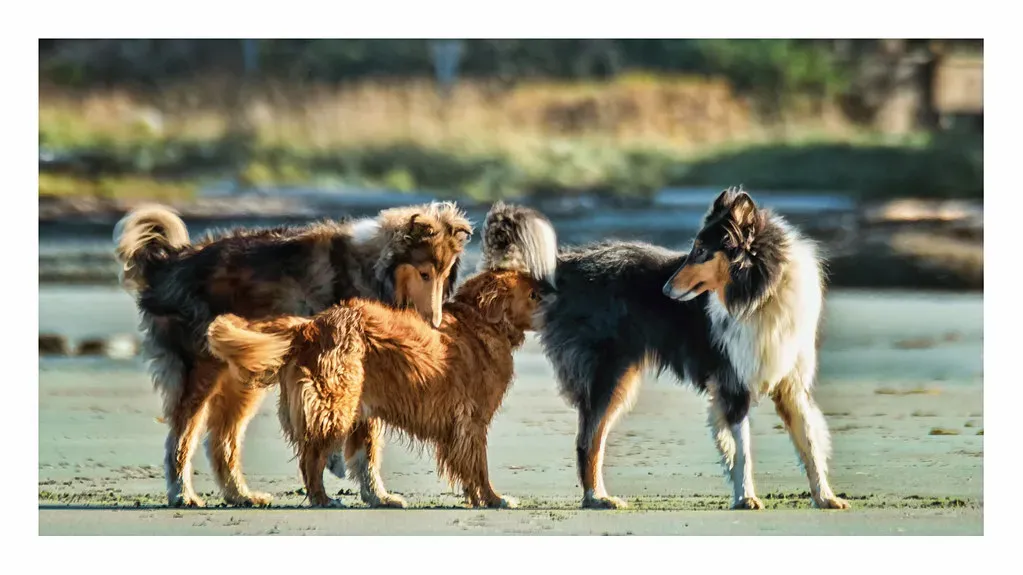
Relaxed body postures usually show a happy, calm dog, while tense movements could show aggression or caution. It’s as simple and as complex as that. A dog whose body is loose and wiggly, whose mouth is open and soft, is speaking the universal canine language of welcome.
To make yourself appear as friendly as possible to a dog, turn your body slightly to the side and look at the dog with your peripheral vision. In dog language, head-on approaches and direct eye contact are threatening. This is one of those moments where human instincts and dog instincts are almost perfectly opposite – we look someone in the eye to show respect; dogs see it as a challenge.
A soft gaze is a sign to your dog that you mean no harm. When meeting a dog, make sure to provide soothing and welcoming expressions with your eyes. Try a slow, deliberate blink – it works like a spoken word of kindness in dog language.
If your dog’s body is loose and wiggly, their mouth is open and relaxed, and they’re moving or leaning toward the person, they’re ready to meet and greet. That full-body enthusiasm is your green light. When the opposite signs appear – stiff posture, pinned ears, averted gaze – respect that boundary as you would any firm “no.”
Vocalizations: Barks, Whines, and the Hello in Between
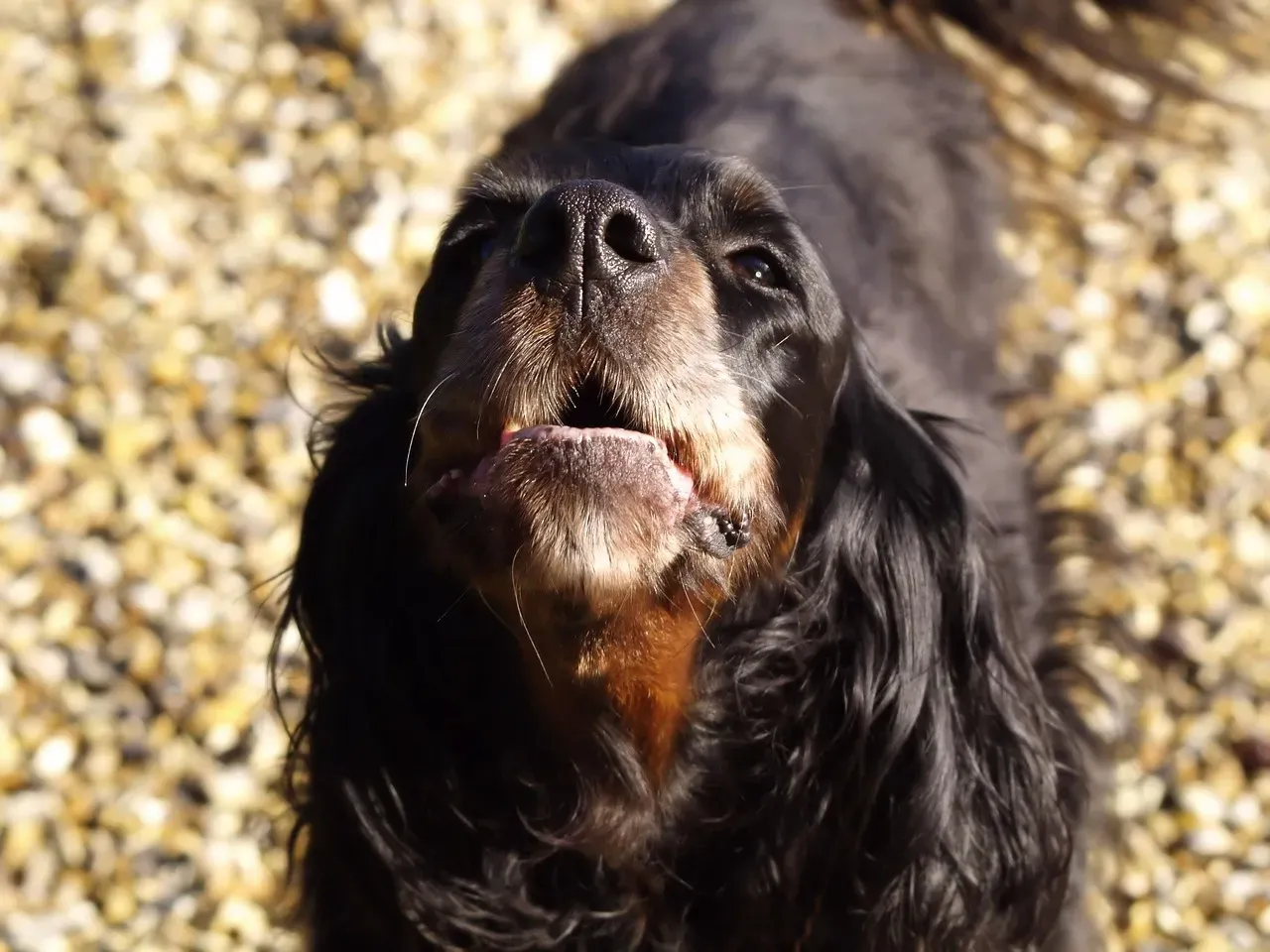
Dogs use barking as a means to communicate, with attention-seeking behavior, alertness, and greetings being some of the reasons behind it. The tone, pitch, and context vary the meaning. A short, sharp bark at the door is completely different from a low, drawn-out growl, even if both technically involve the same mouth.
Research published in Scientific American shows that MRIs reveal dogs process language in much the same way that humans do. Dogs process the words we speak in the left hemisphere of the brain, just like humans, and use the right side to decipher intonation. When both the words and inflection match, the dog’s reward center lights up. So it truly does matter not just what you say to your dog, but how you say it.
Dogs communicate primarily through body language and vocalizations rather than spoken language. However, you can greet a dog with a friendly “hello” by using a high-pitched, cheerful tone of voice and approaching slowly with an open hand for sniffing. That combination – warm tone plus respectful approach – is one of the clearest hellos you can offer.
Based on current research, dogs who are surrounded by speech regularly will have a greater understanding of human words and their meanings. Talk to your dog. Narrate your day. Tell them about your morning. It isn’t silly – it’s science.
How to Say Hello Back: Greeting Your Dog the Right Way
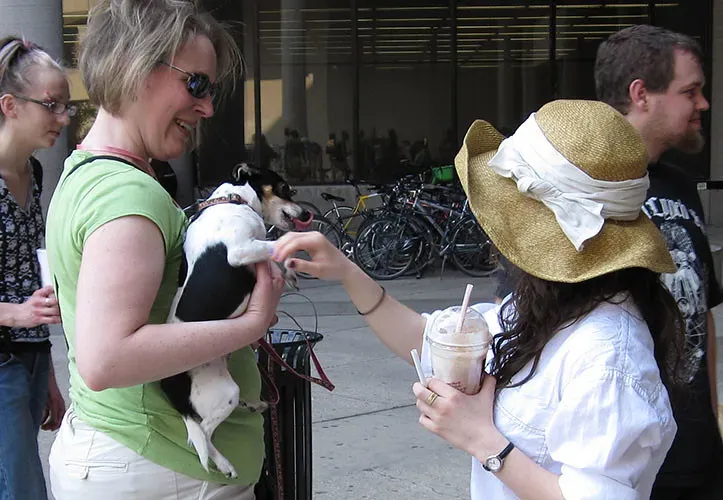
In dog body language, careful negotiation of space and polite body language is key. Direct eye contact and a direct frontal approach could be seen as confrontational. This is especially important when greeting a dog you don’t know well – think of yourself as a diplomat entering a foreign culture. Slow, respectful, non-threatening.
Once you’ve asked for a dog owner’s permission to greet, it’s time to ask for the dog’s. Rather than sticking your hand in the dog’s face or reaching out for pets, wait for the dog to come to you. If the dog approaches, they are saying they want to meet you. Letting them lead the interaction is one of the most respectful things you can do.
A hands-off greeting is perfectly polite in dog terms – being respectful of space will help build trust and will ultimately start your friendship on the right note. You don’t have to hug every dog you meet. In fact, for most dogs, especially unfamiliar ones, please don’t.
The relationship between dogs and humans is strengthened through shared communicative behaviors. Research suggests that dogs may tailor their greeting behavior based on their owner’s emotional cues, emphasizing the depth of the unique bond shared between dogs and their human companions. When you learn to speak even a little dog language, the bond doesn’t just improve – it deepens in ways that are hard to put into words.
Conclusion: A Language Worth Learning
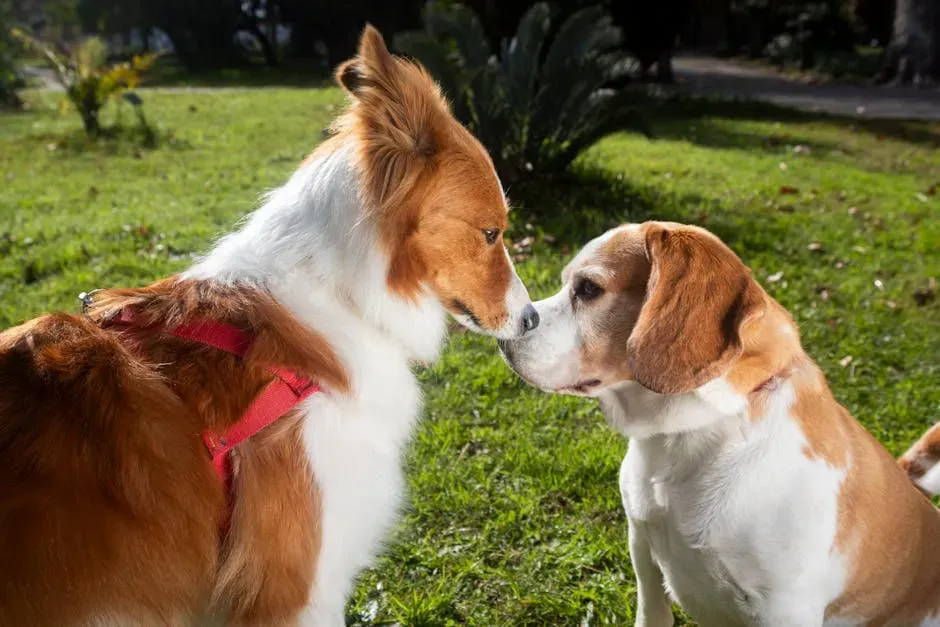
There is no single word for “hello” in dog language. No bark you can make, no sound you can produce that perfectly translates. Although dogs do not understand our words, they have developed their own complex system of communication which ranges from simple tail wags to complex body movements. And the beauty of it is that this system is available to all of us – we just have to choose to pay attention.
Think of it this way: every time your dog wags their tail, sniffs your shoes, drops into a play bow, or leans gently against your leg, they are reaching across an evolutionary divide to connect with you. That effort deserves an equally thoughtful response. Lower your body, soften your gaze, let them sniff first, and speak gently. That, in every language on earth and in every wag and nuzzle, is how you say hello back.
The more fluent you become in your dog’s language, the richer and more joyful your relationship becomes. It’s one of those rare pursuits where the learning itself is the reward.
So here’s a thought to leave you with: your dog has been saying hello to you every single day, in a dozen different ways. How many of those hellos have you truly heard? Share your experience in the comments – we’d love to know what your dog’s favorite greeting looks like!


