
Campo Grande, Brazil — Delegates from over 130 nations concluded the 15th Conference of Parties to the UN Convention on the Conservation of Migratory Species last week with a bold step for global wildlife. Held from March 23 to 29, 2026, in the heart of the Pantanal wetlands, the COP15 gathering approved additions and upgrades for 40 species, subspecies, and populations across the CMS appendices. These measures target animals that traverse continents, oceans, and skies, many facing steep declines amid habitat loss and overexploitation.[1][2]
Milestone Achievements Amid Mounting Pressures
Nearly half of the species already protected under CMS showed population declines entering the conference, with one in four threatened by extinction. Parties responded by expanding the appendices to over 1,200 species total. The week-long talks in Bosque Expo, attended by more than 2,600 participants including the European Union, produced 39 resolutions on conservation, habitats, and connectivity.[2]
CMS Executive Secretary Amy Fraenkel highlighted the urgency. “We came to Campo Grande knowing that the populations of half the species protected under this treaty are in decline,” she stated. “Implementation has to begin tomorrow.”[3]
Iconic Species Step into the Spotlight
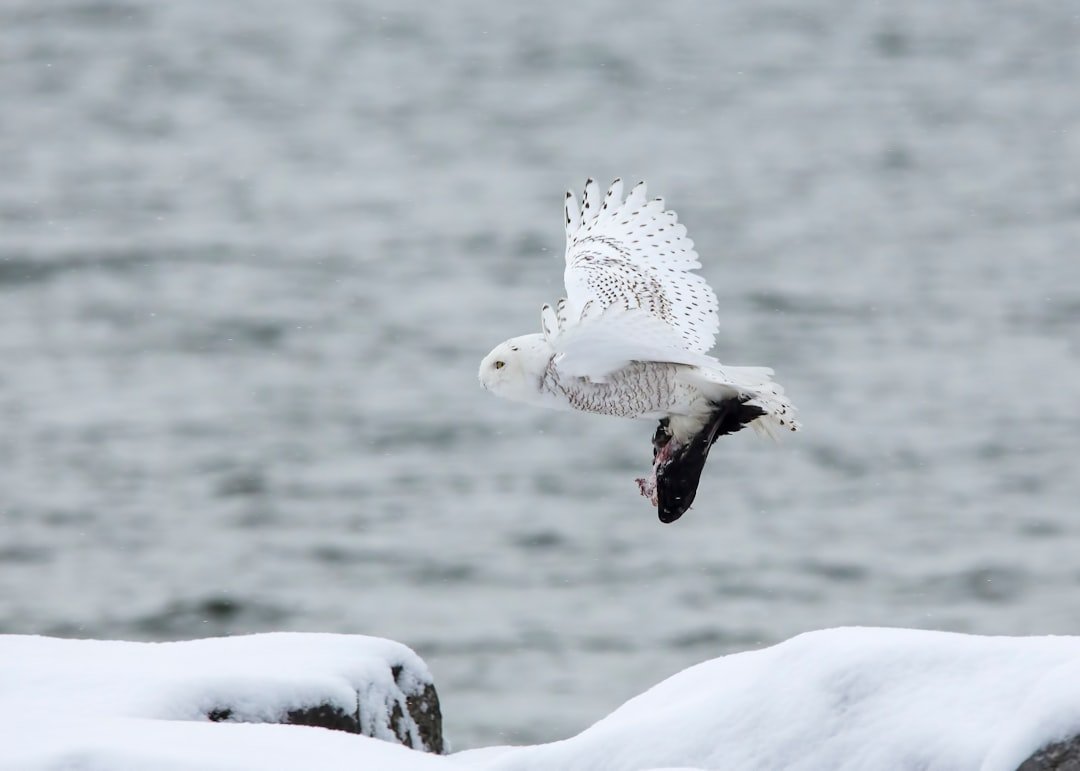
The snowy owl, known for its Arctic breeding grounds and dramatic irruptions southward, earned a place on Appendix II. Proposed by Norway, the listing calls for coordinated monitoring as climate change disrupts lemming populations, its primary prey. Cheetahs in Zimbabwe and striped hyenas also gained dual Appendix I and II status, bolstering safeguards for Africa’s fastest land animal and this elusive scavenger.[1]
Giant otters, apex predators of South American rivers, joined both appendices amid habitat fragmentation from dams and deforestation. Shark species dominated aquatic additions: great and scalloped hammerheads, plus three thresher varieties, upgraded to Appendix I while retaining II status. These ocean travelers suffer from bycatch and finning.
- Snowy owl (Bubo scandiacus) – Appendix II
- Cheetah (Acinonyx jubatus, Zimbabwe population) – Appendices I/II
- Giant otter (Pteronura brasiliensis) – Appendices I/II
- Great hammerhead shark (Sphyrna mokarran) – Appendix I (maintaining II)
- Hudsonian godwit (Limosa haemastica) – Appendix I
- Striped hyena (Hyaena hyaena) – Appendices I/II
Birds featured prominently, with 16 gadfly petrels added to Appendix II and nine to I, alongside species like the flesh-footed shearwater and Iberá seedeater.[2]
Decoding Appendix I and II Commitments
Appendix I targets species endangered across significant portions of their range. Parties commit to strict protections: no deliberate capture, killing, or disturbance, plus habitat restoration and obstacle removal. Appendix II covers those needing international agreements for favorable conservation status, fostering action plans and data sharing.[2]
| Category | Example Species | Protection Level |
|---|---|---|
| Terrestrial | Cheetah (Zimbabwe), Striped hyena | I/II |
| Avian | Snowy owl, Hudsonian godwit | II / I |
| Aquatic | Giant otter, Hammerhead sharks | I/II |
Such listings bind CMS parties legally, though major nations like the United States, China, and Japan remain absent. Canada has not ratified the treaty.[1]
Borderless Threats Fuel the Push for Unity
Migratory species ignore political boundaries, amplifying risks from climate shifts, industrial fishing, and infrastructure. Hammerheads fall victim to global fin markets; otters lose river links to hydropower. A new CMS report underscored freshwater fish declines from the Amazon to Europe, vital for ecosystems and communities.
Fraenkel noted progress: “Expanded protections for cheetahs, snowy owls, giant otters, great hammerhead sharks and many more demonstrate that nations can act when the science is clear.”[1] Regional pacts, like Amazon multi-species plans, emerged from the talks.
From Agreement to Action: The Road Ahead
COP15 launched 15 Concerted Actions, 10 updated plans, and tools like a migratory fish assessment. Brazil assumed the CMS presidency for three years; Germany hosts COP16 in 2029 for the treaty’s 50th anniversary. Success hinges on turning resolutions into on-ground efforts, integrating Indigenous knowledge and partnering with CITES.
Key Takeaways:
- 40 additions bring CMS protections to 1,200+ species amid 49% decline rate.
- Focus spans birds (petrels, owls), mammals (otters, cheetahs), and sharks.
- Implementation starts now, emphasizing connectivity and cross-border cooperation.
This conference reaffirmed international solidarity for nature’s wanderers. As Fraenkel urged, the species wait for no one. What steps should follow to ensure these protections endure? Share your thoughts in the comments.


