
11 Unexpected Benefits of Adopting a Dog Later in Life
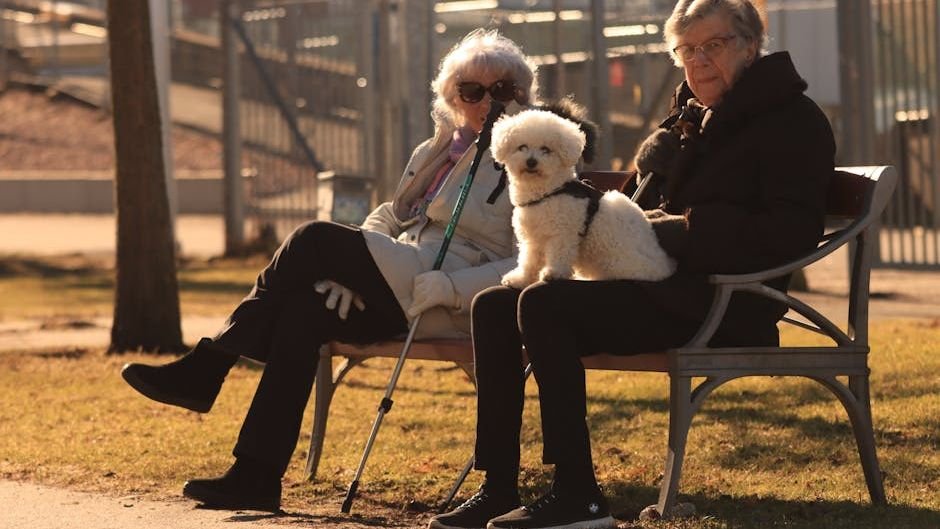
You might think adopting a dog in your 60s, 70s, or beyond is a young person’s game. Maybe someone in your family has even raised an eyebrow at the idea. There’s a certain social script that says older adults should be “settling down,” not bringing home a new furry companion with muddy paws and a wagging tail. Honestly, that script couldn’t be more wrong.
The truth is, the bond between an older adult and a dog can be one of the most quietly transformative relationships a person will ever know. Science is catching up to what many dog lovers have felt in their bones for years. The research coming out of major universities and health institutions tells a compelling story about longevity, joy, cognitive sharpness, and a profound sense of belonging. Be ready to be surprised by what the evidence actually shows.
1. Your Heart Gets a Powerful Ally

Let’s be real – heart health is one of the top concerns for adults in their later years, and this is where dogs genuinely shine. The American Heart Association issued a statement supporting the role dog ownership can play in reducing the risk of cardiovascular disease, noting that pet ownership is “probably associated with decreased cardiovascular disease” and may have some causal role in reducing that risk. That is not a small claim coming from one of the most respected medical institutions in the world.
Regular walks, outdoor play, and even the calming presence of a pet have been linked to lower blood pressure, reduced cholesterol, and a decreased risk of heart disease. Think of your dog as the most enthusiastic personal trainer you never hired. The presence of a pet has been associated with lower blood pressure in older adult patients with hypertension. One walk around the neighborhood at a time, your cardiovascular system quietly thanks you.
2. You’ll Move More – Whether You Plan to or Not
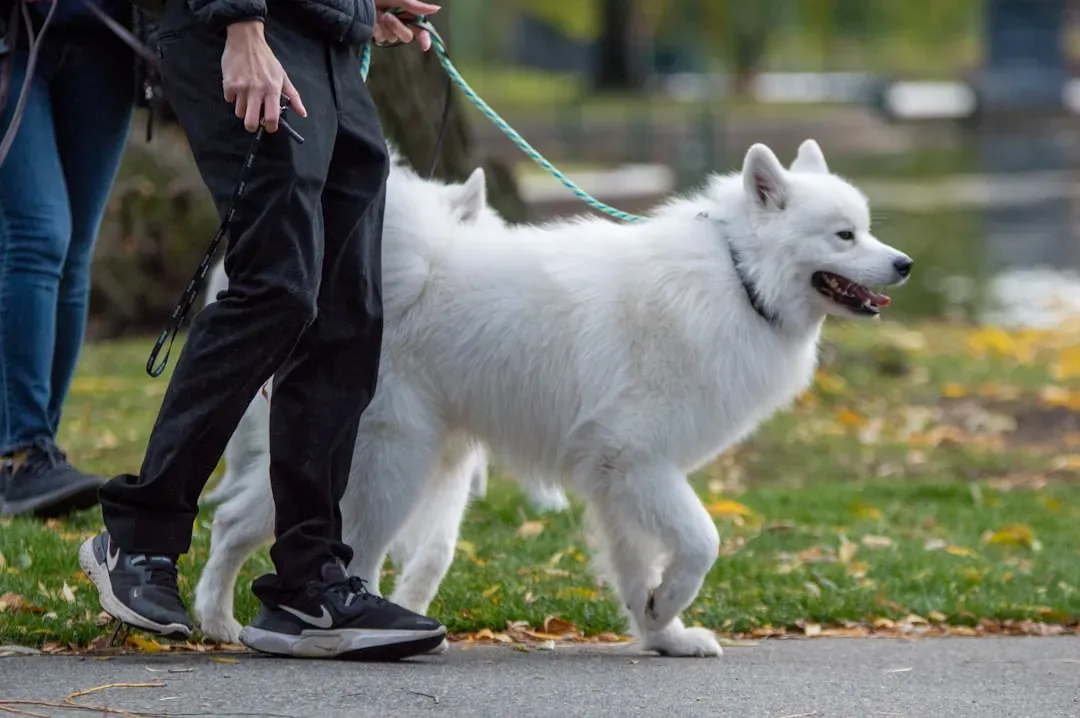
Here’s the thing about dogs: they are completely unbothered by your intentions to stay on the couch. They need walks, and that need becomes your need too. Adults over 50 who frequently walked their dog were more likely to achieve the recommended levels of physical activity of at least 150 minutes per week. In one study, they achieved an average of 22 additional minutes of walking per day compared to non-dog owners. That adds up to something genuinely significant over weeks, months, and years.
Results from the Health and Retirement Study’s longitudinal survey indicated that dog walking was associated with more frequent moderate and vigorous exercise, lower body mass index, fewer limitations in activities of daily living, and fewer doctor visits. Fewer doctor visits. I think that alone makes a compelling case. Caring for pets encourages us to stay active and avoid long periods of sitting. Whether it’s walking your dog around the block or playing a game of fetch in the park, these activities involve consistent movement that helps improve balance, coordination, and flexibility.
3. Cognitive Decline Slows Down
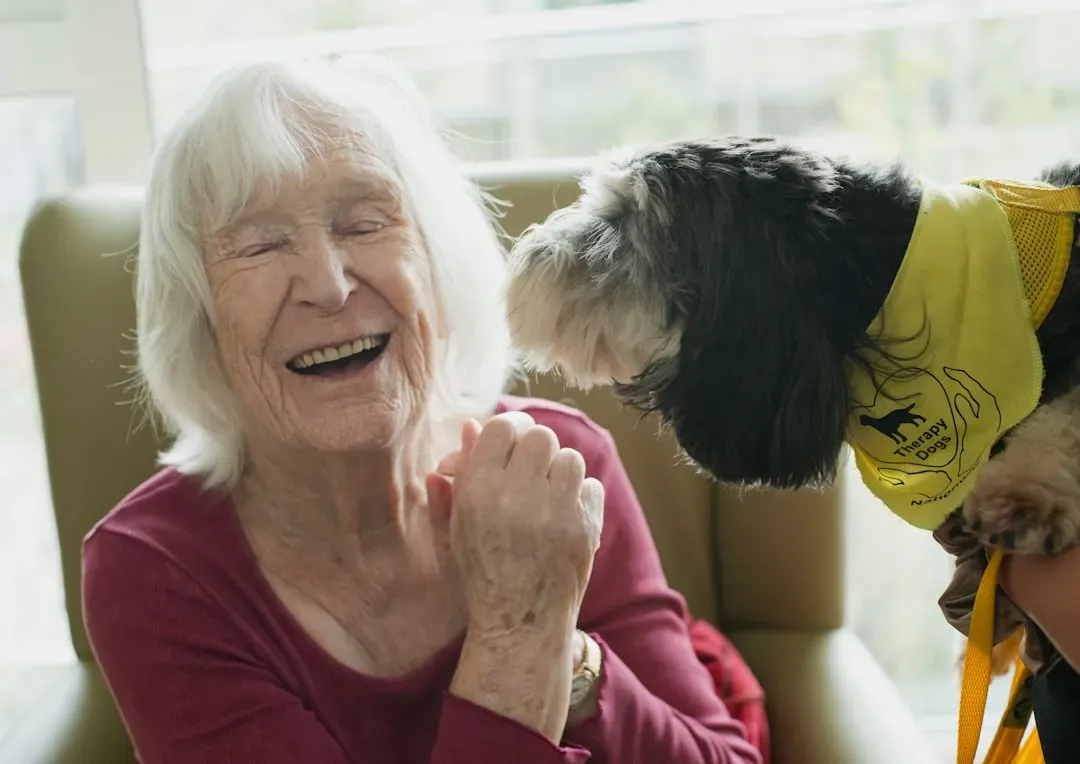
This one surprises most people. Research confirmed that pet ownership is associated with slower decline in both executive functioning and episodic memory. We’re talking about the kind of brain functions that help you plan, remember, and stay mentally organized in everyday life. In one study, four years after participants were initially assessed, current dog owners were 40 percent less likely to be suffering from dementia than people who did not have a dog.
Routine walks, daily feeding schedules, and even the social interactions that come from having a dog can support brain function over time. Simply put, a dog gives you purpose – and that purpose can translate into better mental health and stronger cognitive resilience. It’s not magic. It’s the compounding effect of small daily habits, a walking routine, training sessions, social interaction with neighbors, all of it woven into your day because your dog needs it. Interacting with pets can provide valuable cognitive stimulation for older adults. Engaging in activities like training and teaching pets new tricks or routines can challenge the mind and enhance problem-solving skills.
4. Loneliness Loses Its Grip
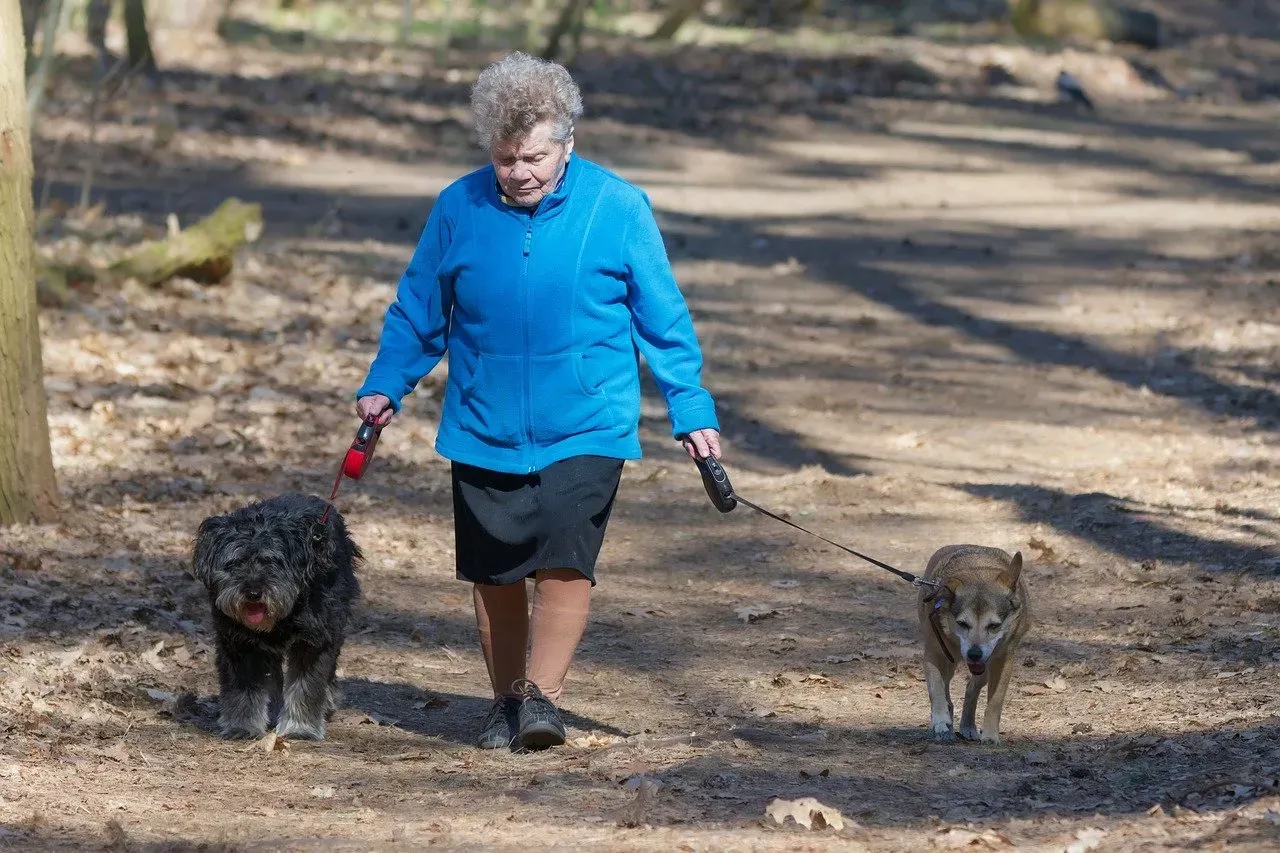
Loneliness in later life is not just an emotional inconvenience. It is a health crisis. The effect of loneliness and isolation on mortality is comparable to the impact of well-known risk factors such as obesity and smoking cigarettes. That is a sobering comparison. Loneliness can be as harmful to our health as smoking 15 cigarettes a day and it disproportionately affects older adults. Fortunately, the constant companionship pets provide can help combat social isolation and give us a strong sense of purpose.
Pets offer humans opportunities to nurture and feel needed, to provide a purpose, structure and routine for daily life, to enhance feelings of security, to give and receive affection. Beyond physical benefits, pets may help us meet our basic need to connect with another being. Pets can provide a reason to get out of bed in the morning, a partner for walks through the neighborhood, and a positive topic of conversation with friends and neighbors. That is a full social ecosystem built around a dog. In surveys, 80 percent of pet owners say their pet makes them feel less lonely.
5. Your Stress Hormones Actually Drop
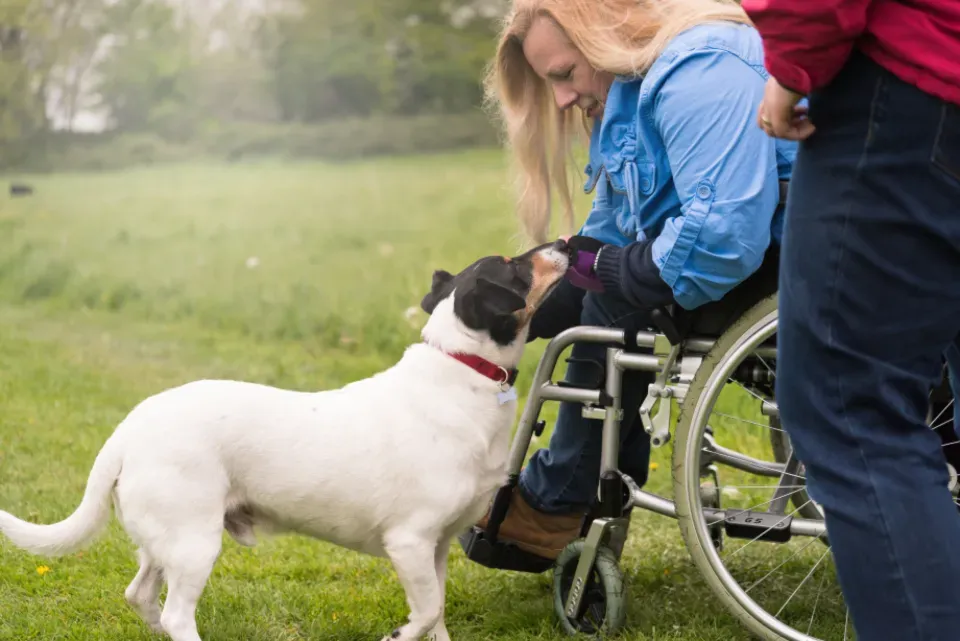
Picture this: you’ve had a hard day. You come home and that dog looks at you like you hung the moon. Something shifts in your body in that moment, and science has actually measured it. Physiologically, interacting with animals lowers stress hormones like cortisol and boosts oxytocin levels, which promote relaxation, bonding, and positive emotions. This is not just a warm feeling. It is a measurable biochemical response.
Spending time with animals has been found to increase our levels of oxytocin, dopamine, and serotonin, collectively known as the happy hormones because they promote a sense of wellbeing and contentment. Think of a daily petting session as nature’s stress management program, no prescription required. Seniors who own pets frequently report improved sleep patterns and fewer instances of insomnia. Stress levels can be lowered by a pet’s soothing presence, improving the immune system and heart health. Better sleep alone is worth celebrating.
6. A Dog Brings Back Purpose and Daily Structure
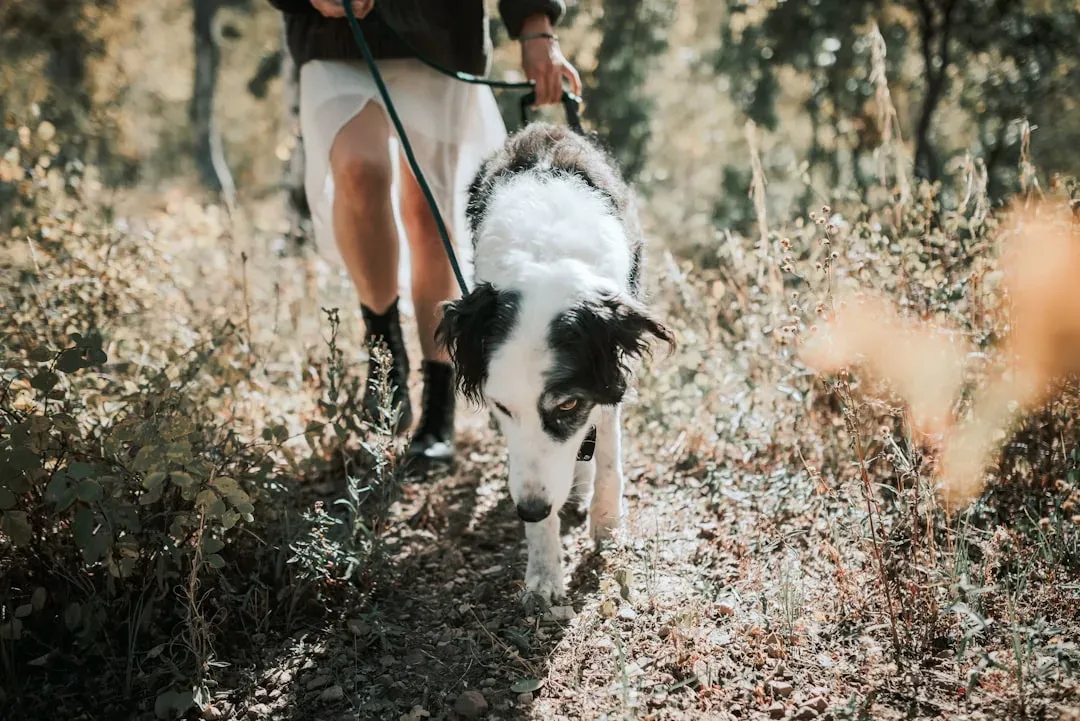
Retirement and the empty nest years can quietly unravel a person’s sense of purpose. When the calendar clears and old roles fall away, it’s surprisingly easy to lose the rhythm of daily life. A dog changes that almost immediately. Owners benefit from having a structured daily routine that includes feeding, grooming, and walking their dogs. This routine can provide much-needed stability and purpose, encouraging seniors to manage their time effectively and engage in meaningful activities rather than spending time alone.
Research findings suggest that the role of pet ownership may benefit community-dwelling older adults by providing companionship, giving a sense of purpose and meaning, reducing loneliness and increasing socialisation. There’s a real dignity in being needed. Establishing routines can be a game-changer, and a pet can be your reliable routine partner. On those challenging mornings when getting out of bed seems daunting, a pet can motivate you to kickstart your day. It’s a small but mighty shift that changes the entire emotional texture of the day.
7. Your Social World Expands in Surprising Ways

I know it sounds crazy, but a dog is genuinely one of the most effective social networking tools ever invented. Dogs have been shown to increase the likelihood of their owners meeting other people within their immediate streets and wider suburbs, ranging from prompting greetings among strangers to the formation of casual acquaintances, deeper friendships, and social networks. That neighbor you’ve lived next to for years but never spoken to? Your dog will fix that within a week.
Older dog owners had an increased opportunity for contact and social interaction with new people and neighbors, particularly when walking the dog. Establishing social and support networks for dog owners contributes to their satisfaction with life and ability to overcome loneliness. Pet ownership, particularly dog ownership, is linked to higher levels of social capital and civic engagement. What starts as a five-minute chat at the park can evolve into a genuine friendship, and those kinds of connections become more precious with age.
8. Physical Function Holds Up Longer

One of the most striking findings in recent research goes beyond fitness and touches something deeper: the rate at which your body ages. A longitudinal study provided evidence suggesting that pet ownership moderates age-related declines in physical functional status later in life. That is a meaningful distinction. We all age, but the pace of that decline is not fixed.
The physical decline was slower among pet owners in overall physical performance, rapid gait speed, usual gait speed, cardiorespiratory fitness, and physical well-being. Gait speed, by the way, is one of the metrics doctors use to predict longevity in older adults. It’s a window into overall health. Controlling for age, dog ownership predicted better physical function, specifically in daily energy expenditure. Walking a dog is one of the gentlest, most sustainable forms of daily movement available, and it happens naturally because the dog simply asks for it.
9. Mental Health Stabilizes and Lifts
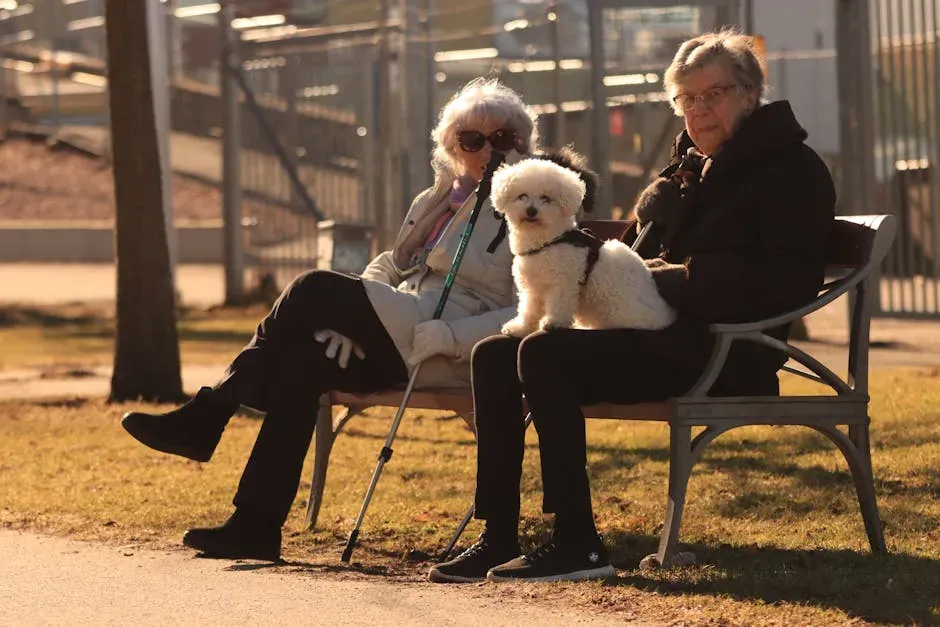
Depression and anxiety are not inevitable parts of aging, but they are common. The losses that accumulate over time, partners, friends, roles, health, can weigh heavily on the spirit. Dogs address this in a way that is hard to replicate with any other intervention. Dogs can help alleviate negative feelings including depression, grief, or anxiety, providing a calming presence that softens the emotional challenges many seniors face.
Owning a pet can bring numerous mental health benefits to seniors, such as increased companionship, improved physical activity levels, reduced stress, and improved self-esteem. Companionship is perhaps the greatest benefit – it can give seniors something to look forward to each day and provide them with an outlet to express their emotions. After adjusting for demographic and potential confounders of age, sex, income level, and living arrangements, socially isolated current or past dog owners had better psychological health than socially isolated individuals who were never dog owners. That finding carries real weight for anyone living alone.
10. Intergenerational Bonds Bloom
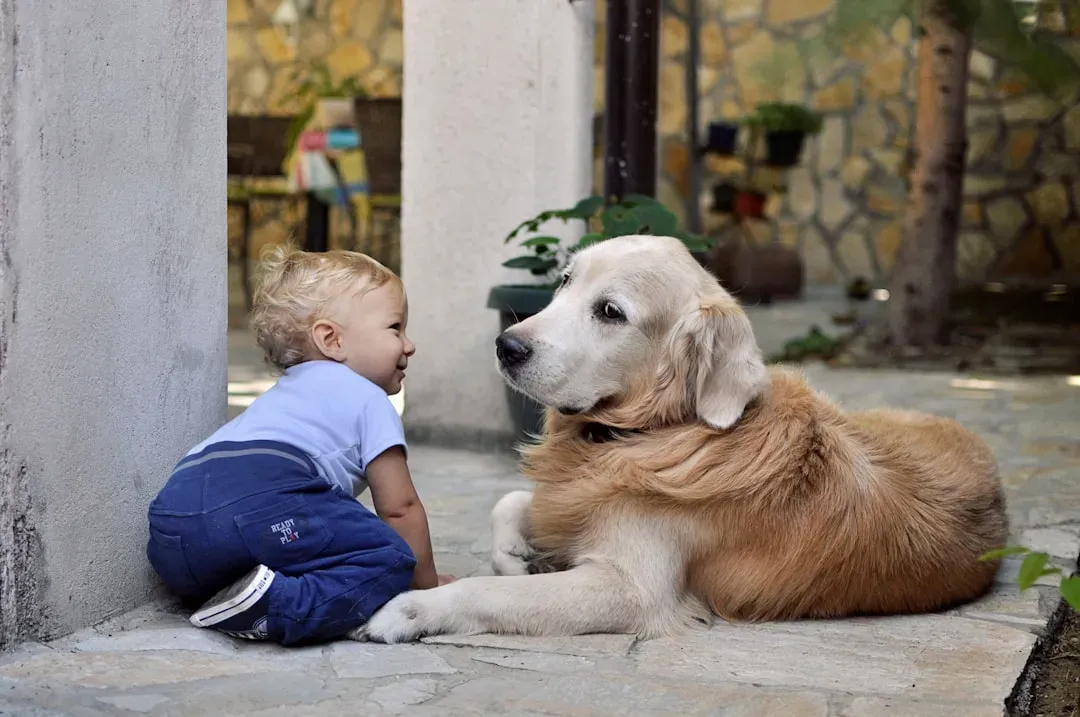
Here’s a benefit that often gets overlooked entirely. A dog doesn’t just connect you to neighbors and new friends. It can quietly rewire the relationships you already have, especially with grandchildren and younger family members. Dogs help build relationships between younger and older family members by acting as a mediator between the generations. If pets are in the house, grandchildren might be more likely to visit and spend time with their grandparents, which could lead to opportunities for bonding and shared experiences.
Think about that for a moment. A visit that might have been short and awkward suddenly stretches into an afternoon of playing fetch and laughing at a puppy’s antics. The dog becomes a shared language. It reduces the pressure to perform conversation and replaces it with something effortlessly warm and alive. Pets offer humans opportunities to nurture and feel needed. Beyond physical benefits, pets may help us meet our basic need to connect. Opportunities to provide nurturance to others and to give and receive affection may decrease as we age, but pets are constant companions who can make us feel needed, valued, and loved.
11. The Gift You Give a Dog Is Just as Powerful
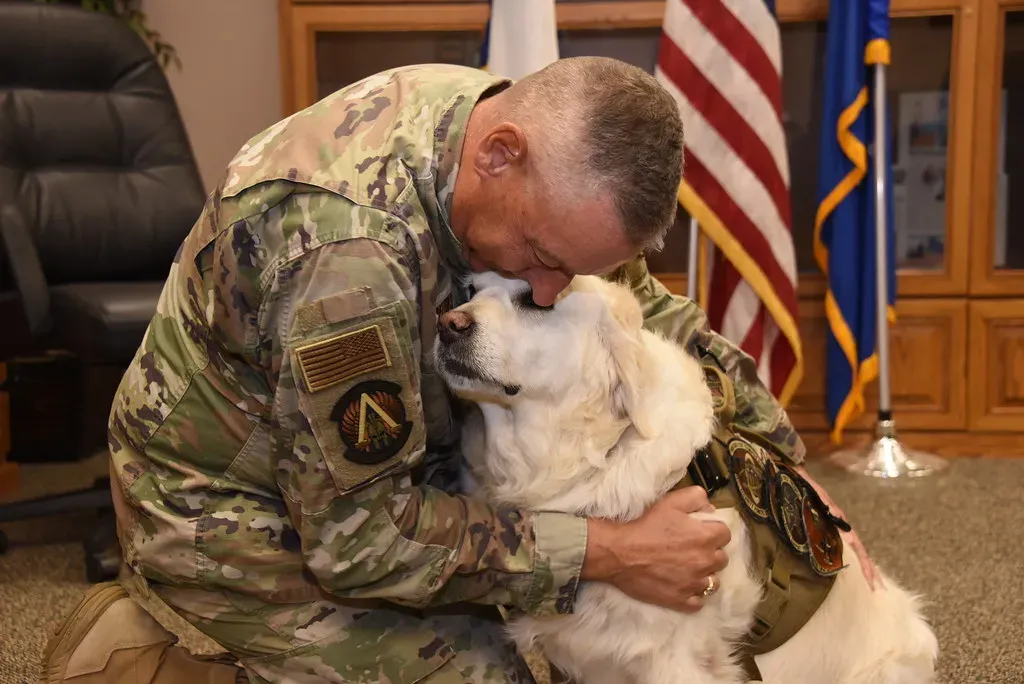
There’s a dimension to later-life dog adoption that rarely makes it into health articles, and it’s one I think deserves its own moment. Providing a senior dog with a loving home for their remaining years can be an incredibly fulfilling experience and a meaningful contribution to their well-being. When you adopt an older dog, you are essentially rescuing a life that might otherwise be overlooked, and the emotional return on that act is something special.
Caring for a pet such as a dog fosters a sense of responsibility and purpose. This regular interaction can help reduce loneliness and boost mood. The dynamic of giving care to a creature that genuinely needs you, and receives that care with total loyalty and love, is profoundly healing. Taking care of a dog or a cat can provide a sense of purpose and a feeling of validation when you wake up or come home and there’s someone who’s happy to see you. That daily greeting alone can change the emotional temperature of an entire life.
A Final Thought Worth Sitting With
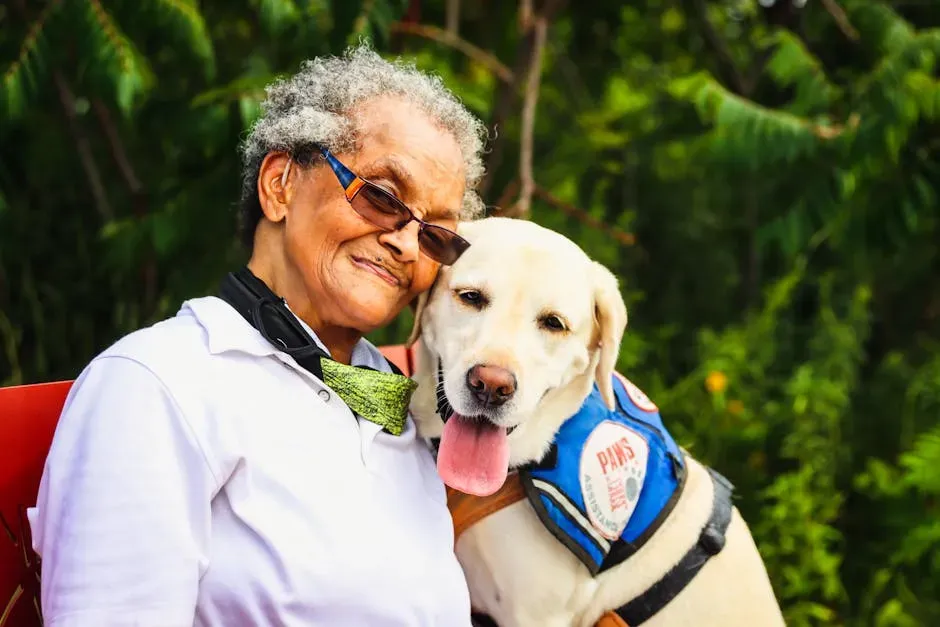
The research is clear, and if you’ve made it this far, you already sense the truth in it. is not a reckless indulgence. It is, in many ways, one of the most evidence-backed wellness decisions an older adult can make. The benefits reach into every corner of health, physical, cognitive, emotional, and social, in ways that no single pill or program can replicate.
Of course, it’s wise to choose a breed and energy level that suits your lifestyle. A senior dog from a rescue shelter, calm and grateful and already trained, might be the perfect match for someone looking for companionship without chaos. The key is thoughtful preparation, not hesitation born from doubt.
At the end of the day, a dog doesn’t care about your age. It cares about you, consistently, joyfully, and without condition. So here’s a question worth sitting with: what are you waiting for?