
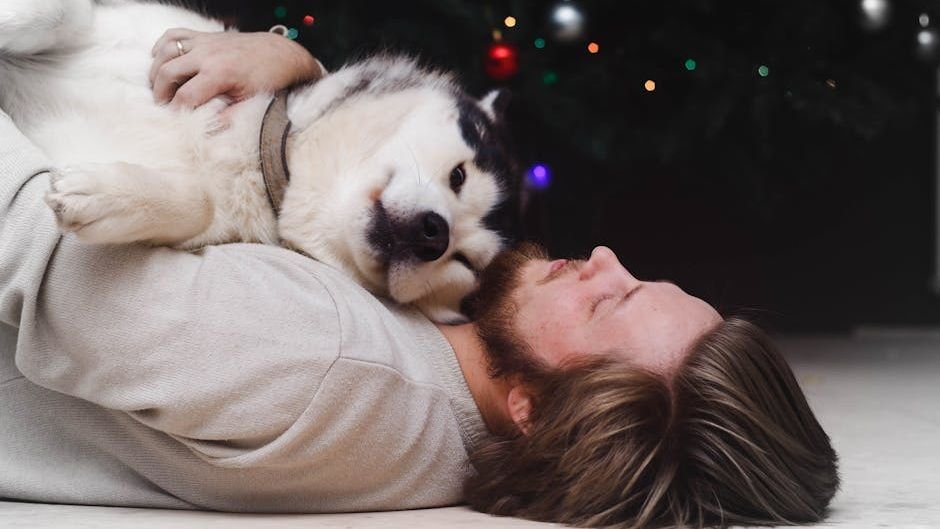
You’ve probably caught yourself mid-scroll on a Tuesday afternoon, wondering if your dog actually loves you back or just tolerates your presence in exchange for meals. Most of us know the obvious signs: the frantic tail wag at the door, the enthusiastic face wash. Those are real, no question. Yet dogs have a much richer emotional vocabulary than most people realize, and the deepest expressions of love are often the quietest ones.
The truth is, your dog has been telling you something important every single day. You might just have been reading the wrong signals. Once you know what to look for, those small, easy-to-miss moments transform into something genuinely moving. Here are seven ways your dog is already saying “I love you,” no sound required.
The Long, Soft Gaze That Actually Triggers a Chemical Reaction
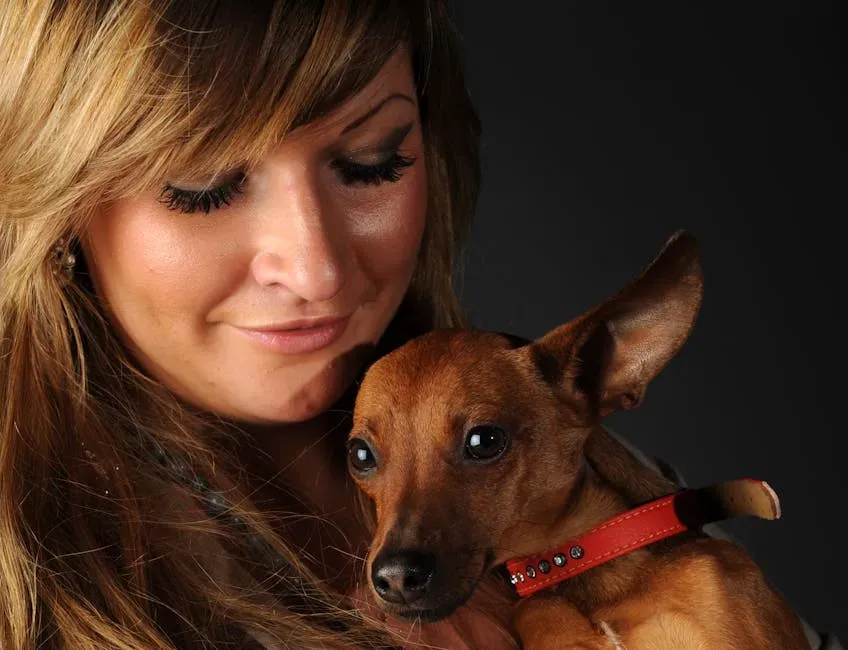
When your dog looks at you with those relaxed, half-lidded eyes, something real is happening at a biological level. When your dog gazes into your eyes, both you and your pet experience a surge in oxytocin, often called the “love hormone,” and studies have shown that this mutual gazing can increase oxytocin levels by up to 130% in dogs and an astounding 300% in humans. That’s not sentimentality. That’s chemistry, and it mirrors the bond between parents and their children.
Studies show that domesticated dogs have learned to use eye contact differently than their wild ancestors, and soft eye contact is a special way that dogs communicate with us, the same way humans connect with each other. The key distinction here is context. If your dog is making eye contact with you, not blinking, and looking stressed or agitated, there’s a chance they’re uncomfortable and trying to tell you something else. A loving gaze comes with a soft face, a relaxed body, and slow blinking. Watch for all of those together, not just the eyes alone.
The Full-Body Lean: Your Dog’s Version of a Hug
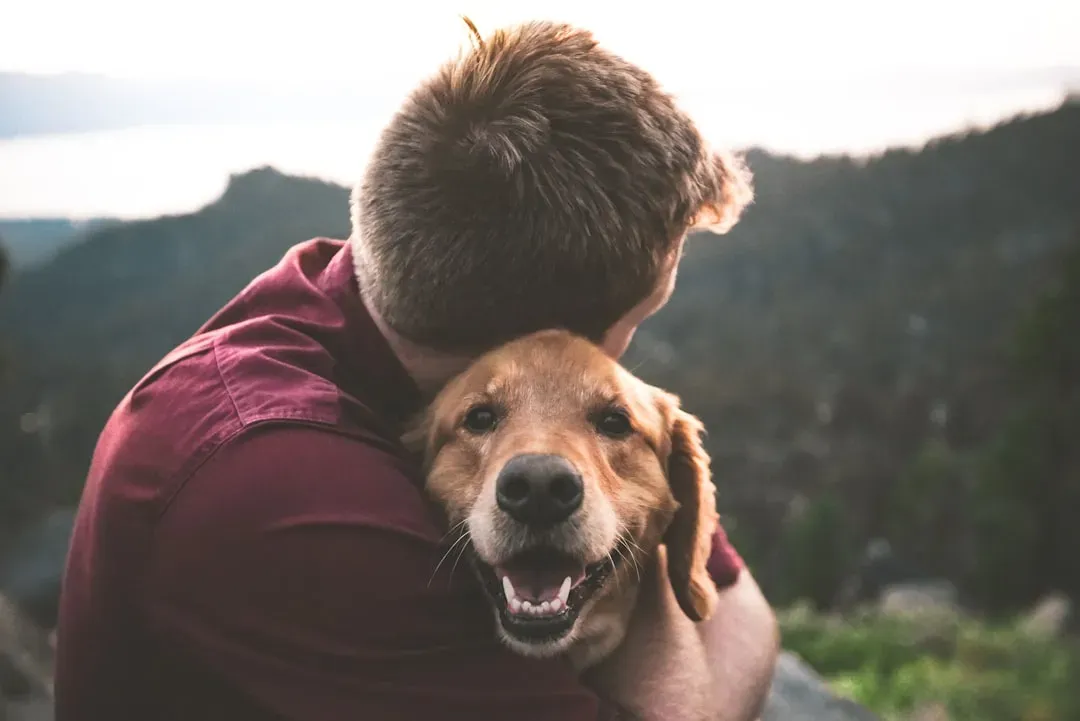
If you’ve ever been standing in the kitchen and felt a warm weight press against the back of your legs, that wasn’t your dog being clumsy. When dogs lean their full weight against you, it signifies complete trust. It means your dog sees you as a protector, and when they lean against you, it is the equivalent of a full-body hug. It’s subtle, calm, and deeply intentional.
This kind of contact helps dogs feel grounded and calm. Your presence actually regulates their nervous system, even if you’re not actively petting them. To your dog, leaning on you feels like comfort, protection, and closeness all wrapped into one. There’s a small but important caveat: an affectionate lean is relaxed and calm, so look for a slightly open mouth, soft eyes, and a gently wagging tail. A lean can also indicate that your dog is feeling stressed, in which case they will likely show other signs of stress. A loved-up lean feels melty. A stressed lean feels stiff.
Bringing You Their Toys: It’s Not Always About Playing
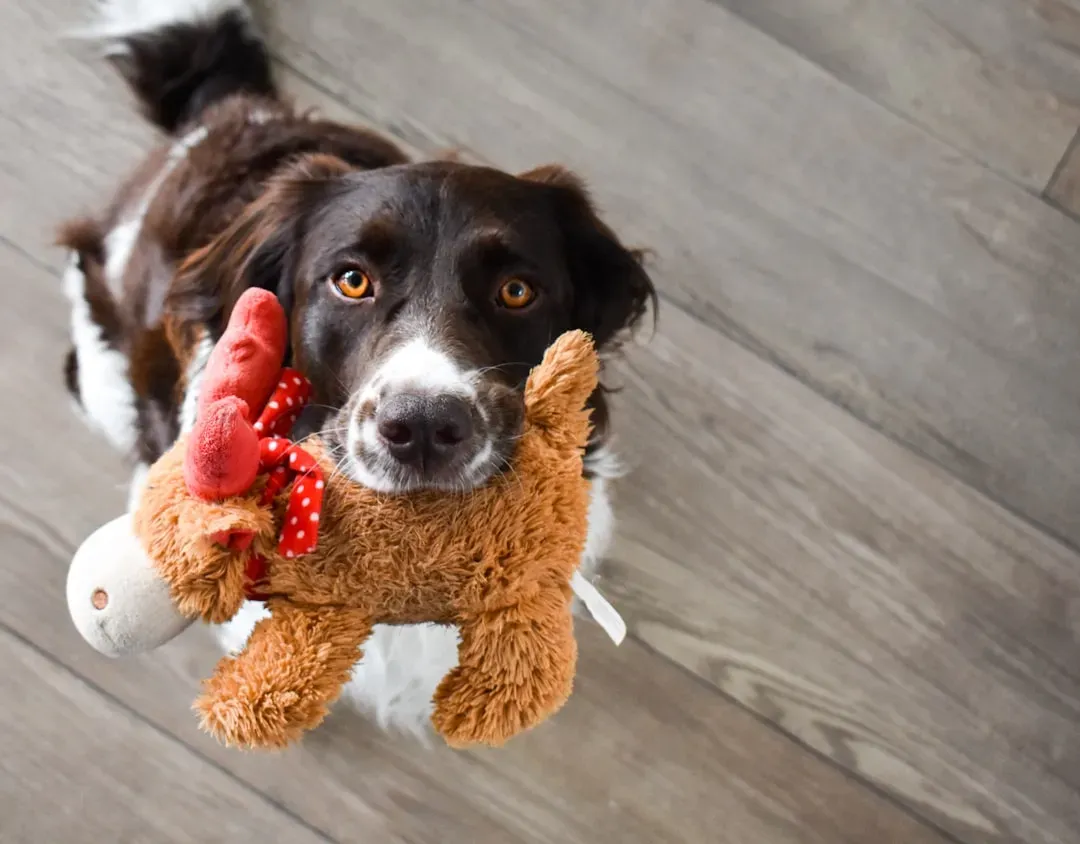
When a dog brings you a toy, it’s not just an invitation to play. It’s often a sign of trust and shared joy, as they’re offering their “prize” to you. Think about how much a dog values their favorite chew or squeaky ball. Handing it over willingly is a meaningful gesture in canine terms.
Dogs will often give gifts to the leaders of their pack to show affection, respect, and trust. They can be possessive of their belongings, so trusting you with their favorite toys could be their way of expressing their faith in you to take care of their treasured items. Some breeds are particularly prone to this. Some breeds are more predisposed to this type of behaviour than others, and some learn it from the other dogs around them. Golden retrievers, for example, are trained to retrieve, so bringing things to their humans is second nature to them and serves as a natural way to show their love. If your dog drops a soggy tennis ball in your lap, consider it a compliment.
Following You Everywhere, Including the Bathroom
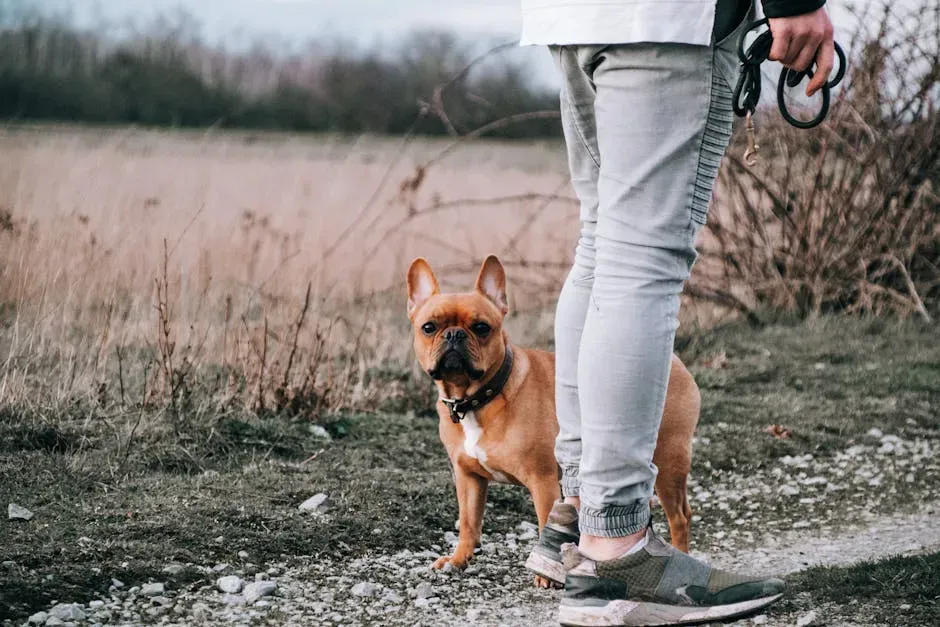
It can feel a little much when your dog plants themselves outside the bathroom door like a furry security guard. In reality, this shadowing behavior is one of the clearest signs of emotional attachment in the canine world. If your dog follows you everywhere, kitchen, bathroom, hallway, you name it, they’re saying “you’re my safe place.” Shadowing is a sign of trust and attachment, not clinginess, and many dogs simply feel happiest being wherever their person is.
If your dog follows you from room to room or lies nearby while you’re doing something boring, studies have found that dogs stick closer to their owners than to other people, which is a strong sign that they feel safe, bonded, and emotionally connected to you. Worth noting: if the following is frantic, persistent, and paired with whining or destructive behavior when you leave, that could tip into separation anxiety. It’s called hyperattachment, and it often stems from genetics or inconsistent attachment figures early in life. It can lead to separation anxiety or protective aggression, and you can work on these behaviors with a certified trainer or behaviorist who practices positive reinforcement. Regular, quiet following is love. Panic is something to gently address.
The Contented Sigh When They Settle Next to You
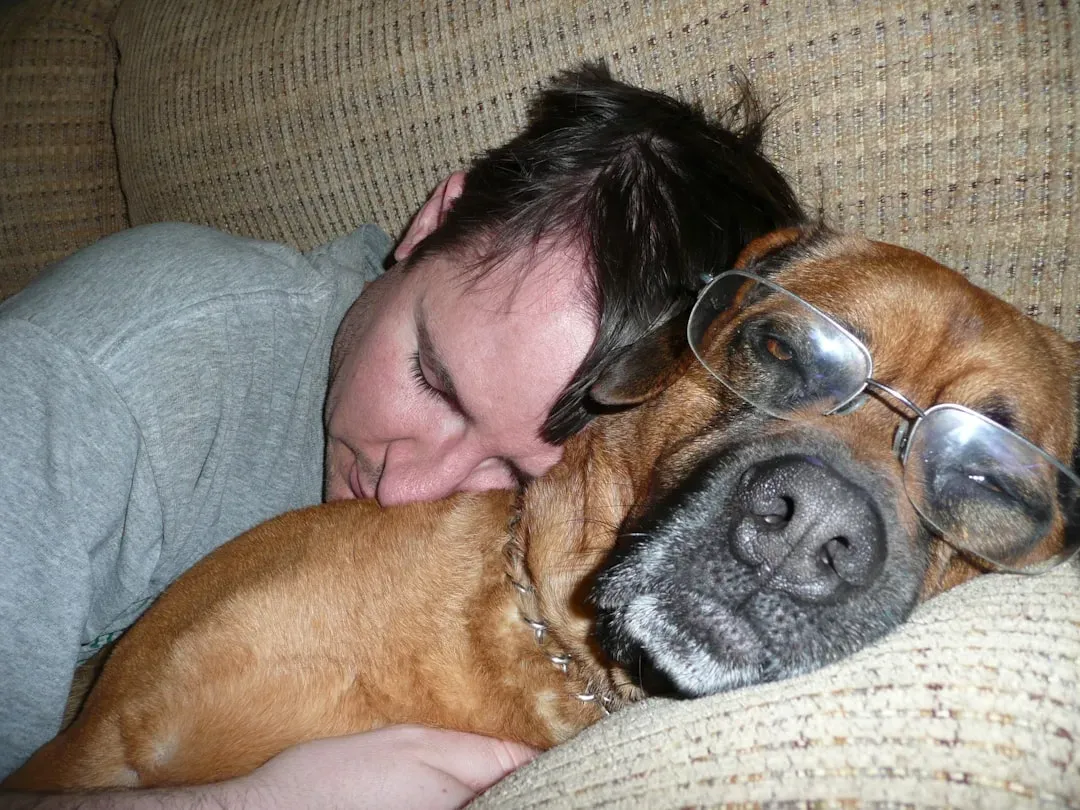
That long exhale your dog lets out when they finally flop down beside you on the couch? It means more than you might think. That’s not just relaxation. Dogs often sigh when they feel safe and happy, especially after settling beside their favorite person. If your pup sighs when cuddling up to you or resting at your feet, it’s their way of saying, “This is my happy place.”
While sighs can sometimes be a sign of annoyance or frustration in dogs, they’re most commonly a sign of contentment, especially when you’re relaxing with them. It can be comical to hear your dog sighing like they’ve worked a long day, but it’s truly a sign of love. They’re feeling safe, comfortable, and happy. That long sigh before sleep is a sign they feel safe, settled, and deeply relaxed. You don’t need a grand gesture to earn it. Just your presence on the couch will do.
Sleeping Close to You: Trust in Its Most Vulnerable Form
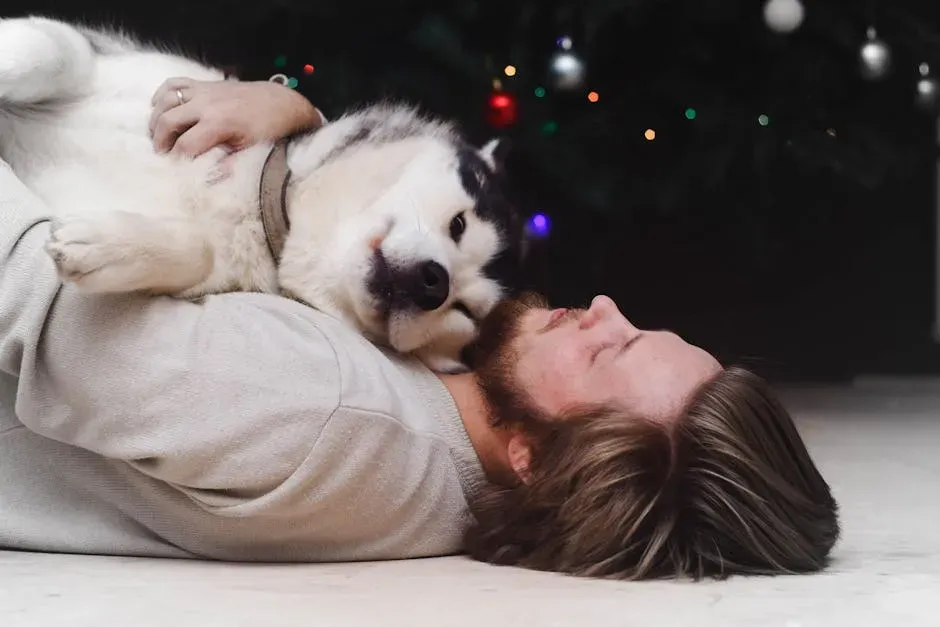
Sleep is when a dog is at their most defenseless. Where they choose to sleep, then, says a great deal about who they trust. If your dog sleeps curled up next to you or touches you while they sleep, they’re showing ultimate trust. Dogs sleep close to pack members in the wild to stay warm and safe. If your dog chooses to sleep near you, whether resting their head on your feet or snuggling beside you, they consider you family.
Sleeping together with their pack is a natural instinct for dogs, something they did as newborn puppies with their littermates. Your dog wanting to sleep next to you, either in your bed or in your room, is a sign of affection and closeness. Every dog has their own comfort preference, though. Some dogs may want to curl up on your lap or snuggle next to you on the couch or in bed. Others might prefer to lean against your legs or lie on your feet. Others may just be happy being near you without much physical contact at all. Don’t mistake a dog who prefers their own bed for one that loves you less. The choice to be in the same room is already the message.
The Slow Blink and Relaxed Face: A Silent Conversation
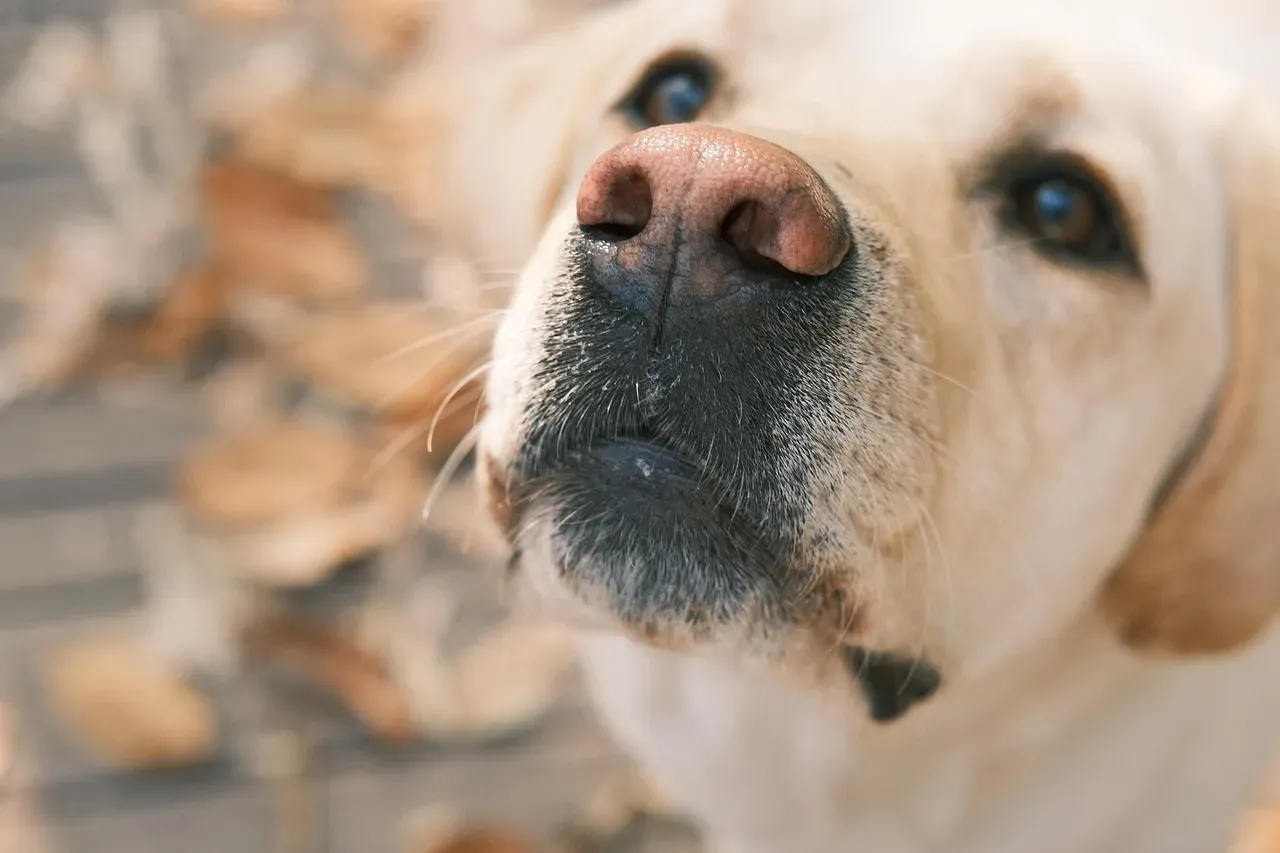
Most people associate slow blinking with cats, but dogs do it too, and when they do, it carries real weight. When your dog locks eyes with you and slowly blinks, they’re giving you the ultimate sign of trust and love. This behavior is often compared to how cats show affection, but dogs do it too. A slow blink means your dog feels completely safe in your presence, relaxed enough to let their guard down. If you slowly blink back, you may just get another blink in return, a little silent conversation of love between you and your pup.
Beyond blinking, the face as a whole tells a story. Dogs make more facial expressions when their human is paying attention, suggesting that these expressions are deliberate attempts at communication. The most notable is the canine smile, a sign of a happy pup. The eyebrow raise can also be an expression of love. When dogs raise their inner eyebrows, their eyes appear larger and even more puppy-like. If your dog is making eye contact with you, blinking, and maintaining a calm and relaxed demeanor, they are trying to express their love to you. Learning to read these facial cues is one of the most rewarding things you can do as a dog owner. It changes every quiet moment together.
Conclusion: You’re Already Being Loved
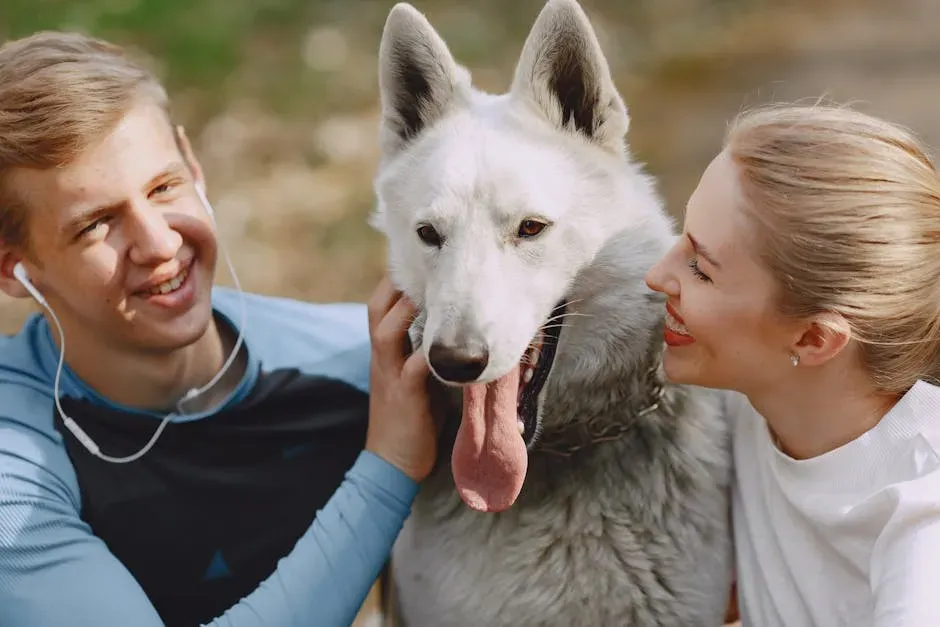
Here’s what’s worth sitting with: your dog is probably already doing most of these things, every single day. The lean against your leg while you cook. The slow blink from across the room. The sigh that escapes the moment they settle at your feet. These aren’t random behaviors. Dogs have a unique language that doesn’t rely on words, or even barks, to express themselves. Through subtle gestures, body language, and behaviors, they communicate a wide range of emotions, from joy and excitement to affection.
Each dog is unique, and their ways of expressing love can vary. Paying attention to your dog’s individual behavior and cues is how you deepen your bond and understanding of their affectionate nature. Through thousands of years of interaction, humans and dogs have co-evolved strategies for connection. This has cemented the bond, and as in any loving relationship, we seek to understand each other.
Once you start noticing the quiet language, it doesn’t go unheard again. The love was never missing. You just needed to know where to look.


