
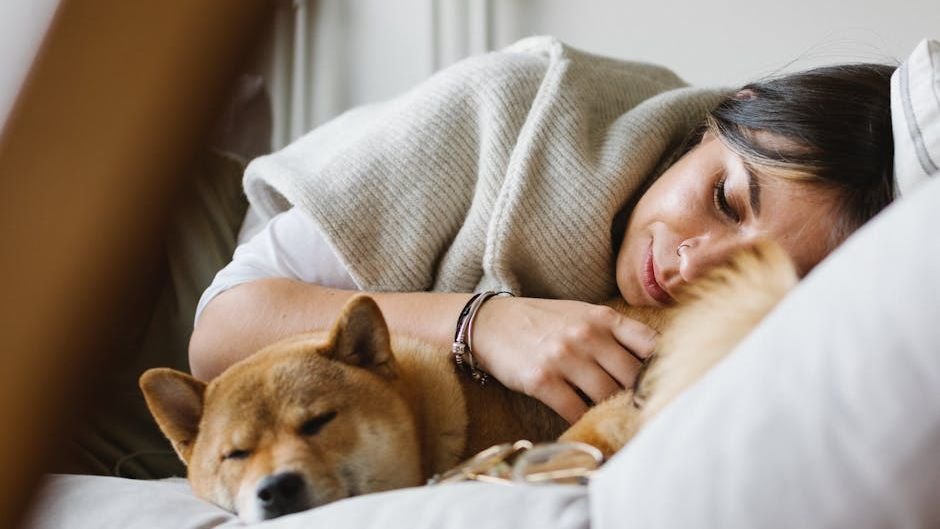
Picture this: your dog is curled up in their favorite spot, breathing slowly and deeply. Then, out of nowhere, their paws start to twitch. A soft whimper escapes. The tail does a tiny, almost imperceptible wag. You lean in a little closer, heart full, and quietly wonder: are they dreaming about me?
It turns out that question isn’t just wishful thinking. Science has been slowly, convincingly building a case that the answer is very likely yes. Research by Dr. Deirdre Barrett, a clinical and evolutionary psychologist at Harvard Medical School, concluded that dogs dream very much in the same way humans do, replaying daily experiences in ways that can appear creative and slightly surreal. Since you are the most constant, emotionally significant presence in your dog’s day, it stands to reason you’d show up in their sleep too.
What’s remarkable isn’t just that dogs dream. It’s that those dreams carry emotional weight. Dogs form strong emotional attachments to their humans. Your voice, scent, and presence are deeply ingrained in their daily experiences. When a dog dreams, their brain revisits what feels safe, rewarding, and meaningful. That often means you. So the next time your dog drifts off beside you, pay attention. The clues are quiet, but they’re real.
Their Paws Start Moving Like They’re Walking Somewhere Familiar
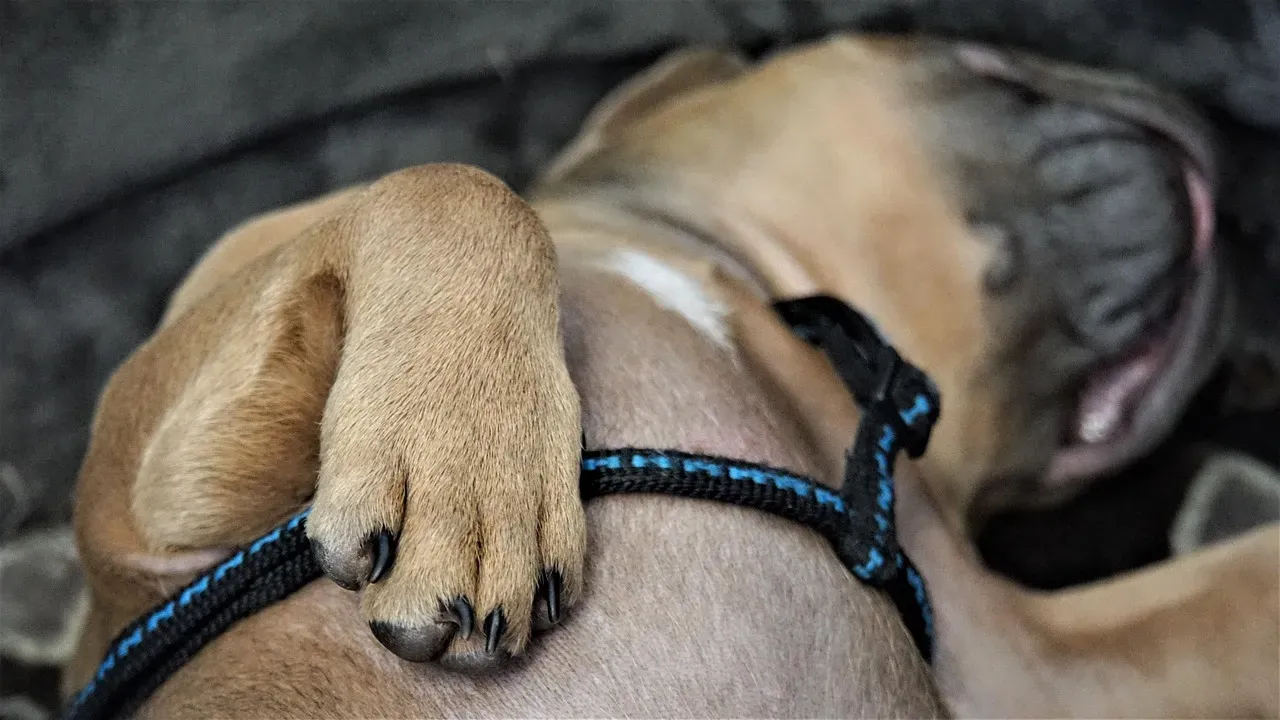
One of the most recognizable signs that your dog has slipped into a dream is that slow, rhythmic paddling of the paws. It’s gentle, almost deliberate, and nothing like the jerky movements of a seizure. The small movements you see when your dog sleeps, like paw twitching, tail wagging, or muffled barks, are normal physical responses during REM sleep. These actions happen because the brain sends signals that trigger minor muscle contractions. The brain stem, however, prevents full muscle activation, keeping dogs from physically acting out their dreams.
If those paws are moving in a steady, almost purposeful way, your dog may well be retracing a path they know by heart. Think about your regular morning walk, the trail through the park, or even the familiar route from the kitchen to your bedroom. Dogs and people dream about things that occurred during their waking hours. Information gathered during the day is processed and may be relived in dreams. Those little legs aren’t going nowhere. They’re probably following you.
A Soft, Muffled Bark Slips Out Mid-Nap
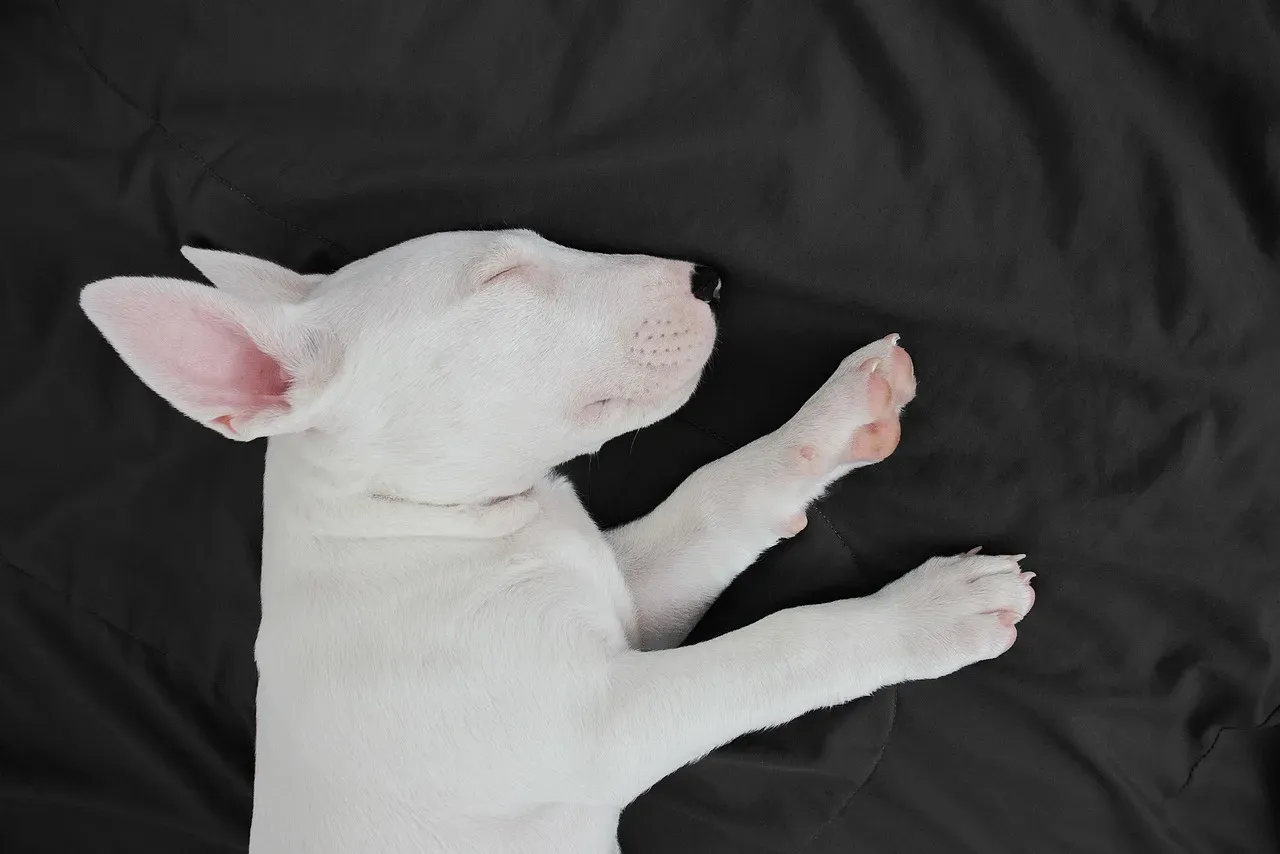
Beyond paw twitching, it’s very common for dogs to react subconsciously to dream images by also wagging their tail, whining, snarling, lip curling, or even barking, often surprising themselves awake in the process. When the bark is soft and brief, almost polite, it’s rarely a distress signal. It reads more like your dog is mid-conversation with someone they know well.
Dogs use barking as communication. This doesn’t necessarily mean your dog is having a nightmare. Rather, they are barking at something they would normally bark at during the day. It is, after all, a form of communication for them. That little dream-bark could just as easily be your dog announcing your arrival somewhere wonderful as it could be reacting to the neighbor’s cat. Context from their waking life usually tells you which is more likely.
Their Eyes Move Under Closed Lids
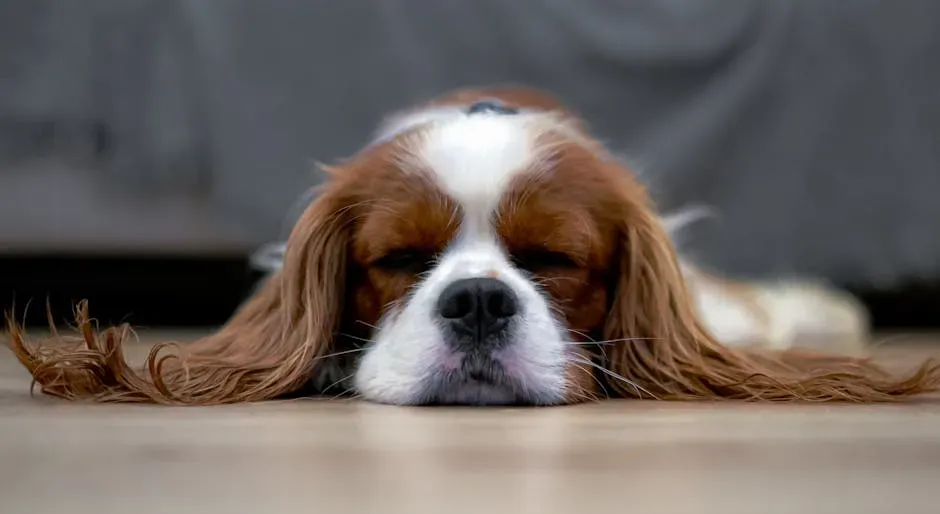
This one is subtle enough that many owners miss it entirely. Look closely the next time your dog is in a deep sleep. A dog’s eyes move behind the closed lids and dart about as if the dog is looking at something. It is believed that during this REM sleep, dogs visualize dream images much as their owners do in this phase of sleep. It’s a striking thing to witness the first time, almost like watching someone watch a film from behind frosted glass.
A single sleep cycle usually lasts around 20 minutes in dogs, most of which is spent in the drowsy and slow-wave sleep stages. But for about six of those 20 minutes, your dog will be in REM sleep, when most dreaming occurs. So the window is real, and if you catch your dog’s eyes moving during that window, there’s a strong chance they’re actively seeing something in their mind. Given what we know about what dogs dream of, there’s a fair chance it involves your face.
Their Breathing Shifts Into Something Shallow and Irregular
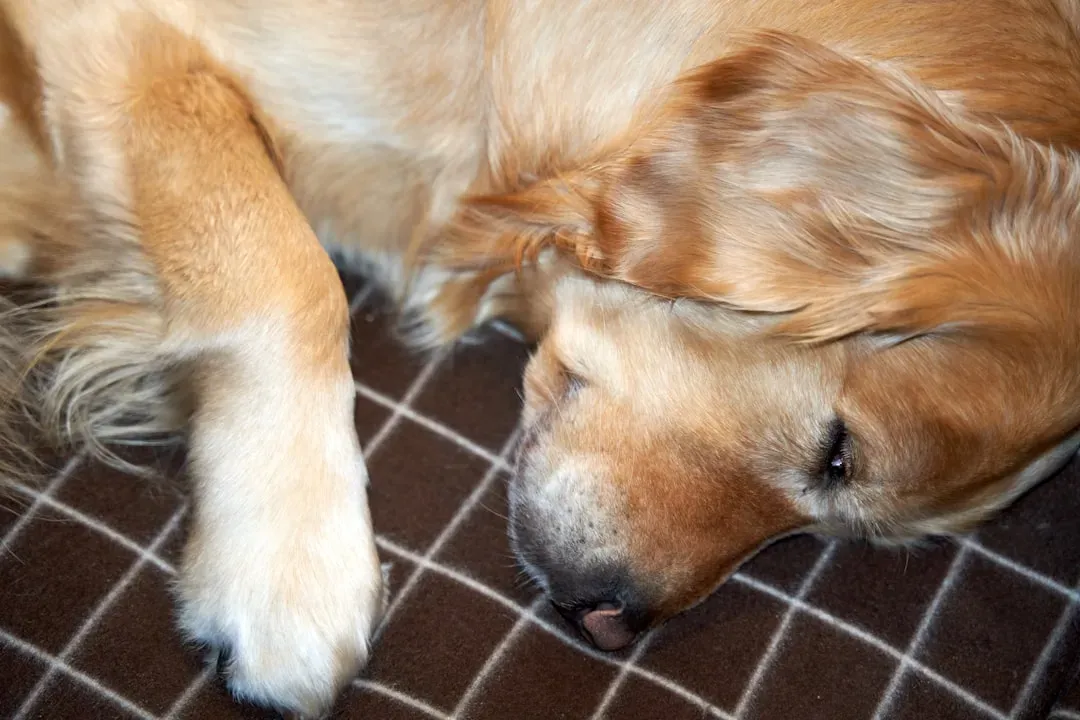
Steady, slow breathing signals simple rest. When the rhythm breaks and becomes uneven, that’s your cue that something more interesting is happening. Signs that your dog is in REM sleep and probably dreaming include eyes that are closed but quickly moving back and forth, breathing that becomes rapid, shallow, and irregular, and muscles that are twitching or legs that are moving. These aren’t signs of distress. They’re signs of an active, dreaming brain.
Dreams usually begin for the average dog after about 20 minutes of slumber, while in REM sleep. While dreaming, the dog’s breathing may become shallow and irregular, and muscles may twitch. Once you know this pattern, you’ll start noticing it clearly. It’s a reliable cue that your dog has crossed from passive rest into something far more vivid. Try to resist nudging them awake. Let it play out.
Their Tail Does a Sleepy Little Wag
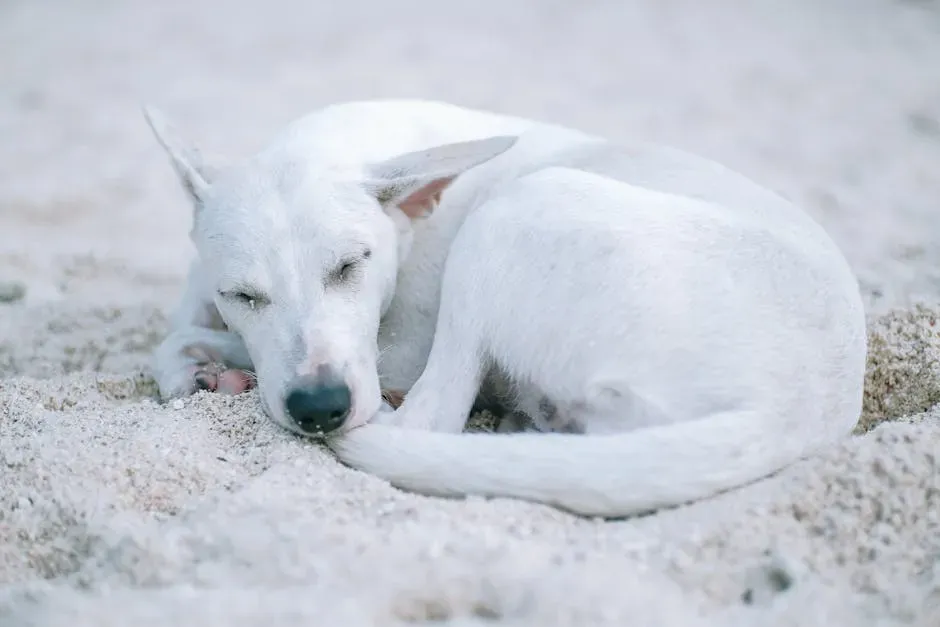
A tail wag during sleep is genuinely special. Unlike stress-related movements, a soft wag carries the unmistakable signature of happiness, specifically, the kind of happiness that comes from being with someone you love. Subtle tail wags, relaxed facial muscles, or quiet whimpers can all indicate a pleasant dream. These moments are often tied to comfort and security.
Think about what reliably makes your dog’s tail move during the day. Your voice. Your footsteps. Your scent walking through the door. Experts theorize that dogs dream not in a logical way, but more visually about what they find interesting and the things they are emotionally attached to. As Dr. Barrett explains, since dogs are generally extremely attached to their human owners, it’s likely your dog is dreaming of your face, your smell, and of pleasing or annoying you. A sleeping wag, then, might be the most honest expression of love your dog can offer.
Puppies and Senior Dogs Show It Most Clearly
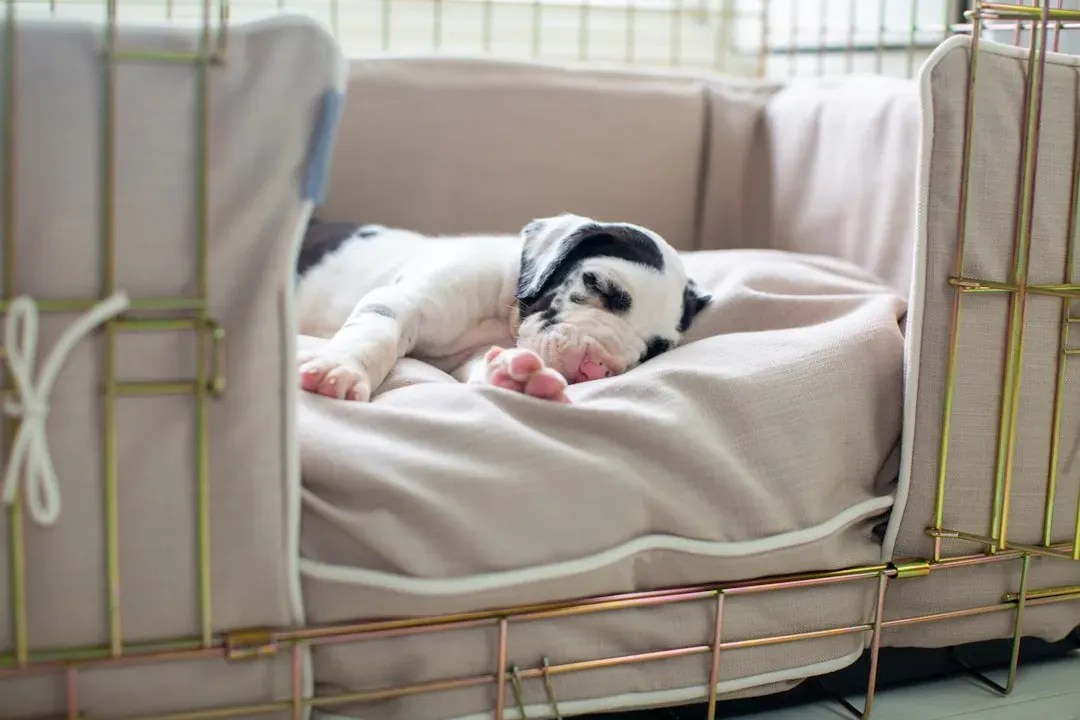
If you have a young puppy or an older dog, you’ve probably already noticed that they seem to dream more vividly and more visibly than adult dogs in their prime. This isn’t your imagination. Puppies and older dogs twitch and move a lot in their sleep. This is because the pons is underdeveloped in puppies and less efficient in older dogs, according to Stanley Coren, a professor emeritus of psychology at the University of British Columbia.
Young puppies spend more time in REM sleep than adult dogs, which explains all those little twitches and squeaks during nap time. Their brains are rapidly developing, and dreams help them make sense of the new world around them. For a puppy, everything is new, and you are the anchor in all of it. The person who feeds them, plays with them, and keeps them safe. Of course you’d feature prominently in their dreams.
They Wake Up and Come Straight to You
Some dogs wake from a dream and immediately seek out their person. Not the food bowl. Not the back door. You. In an interview with a Harvard psychologist, one owner reported that he suspected his dog had recently had a nightmare about bath time. This dog didn’t like baths, and when the bath was over, he always ran to the owner and hid between his legs. He did not perform this behavior any other time. Then one day, the owner observed his dog having a dream. When the dog woke up, it bolted and hid between his legs, leading the owner to conclude that the dog had just had a scary dream about his bath.
This behavior reveals something important. Whether the dream was joyful or unsettling, their first instinct upon waking is to find you. That’s attachment. Dogs are highly emotional creatures, and their bond with their owners is profound. The emotional attachment a dog feels towards its owner is akin to the bond between a child and a parent. When your dog wakes up and immediately searches for your face, you’re not imagining the reunion energy. It’s very real.
Their Dream Movements Mirror Your Shared Routines
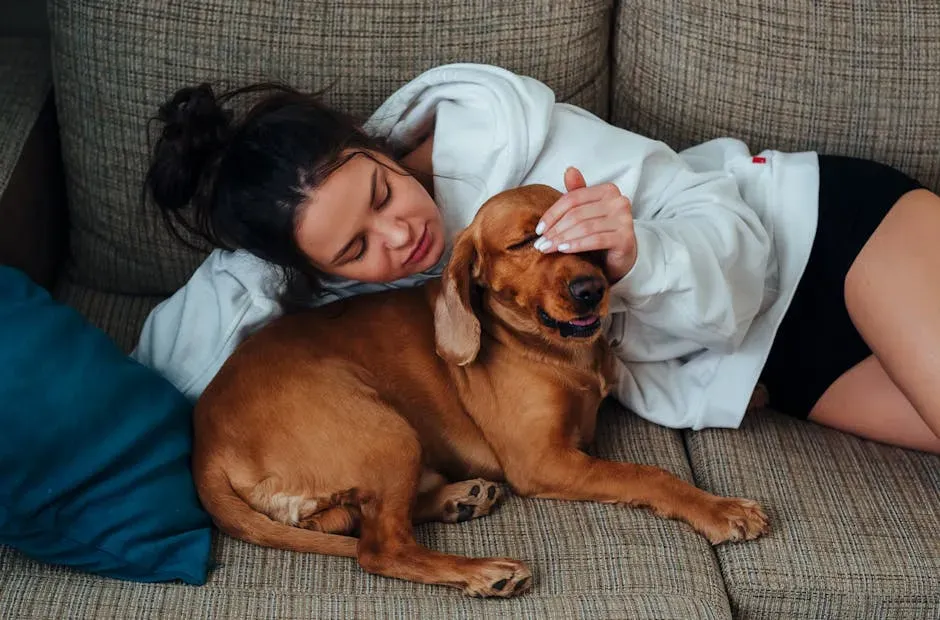
Pay attention to what your dog actually does while they dream. A Pointer might freeze and lift a paw. A retriever might make fetch-like motions. A dog who loves morning runs might paddle their legs with surprising urgency. Similar studies temporarily deactivating the pons were done in several different dog breeds. With the pons deactivated, the dogs were free to act out their dreams and often acted out activities they enjoyed while awake. Pointers would point at dream birds, dogs who liked to chase would “run” in their sleep.
Dogs dream about daily experiences, and similarly to humans, these may often seem more creative and slightly strange compared to what actually occurred. So if your dog’s sleep movements look oddly familiar, they probably are. That dream run might be your Saturday trail. That dream dig might be your garden. Behavioral patterns can also influence what dogs dream about. A dog that enjoys playing with a specific toy or engages in a particular activity frequently may have dreams revolving around those experiences. The same can be said for their interaction with their human owners. If your dog is particularly attached to you, it is likely that you are a recurring character in their dreams.
They Sleep More Soundly When You’re Nearby
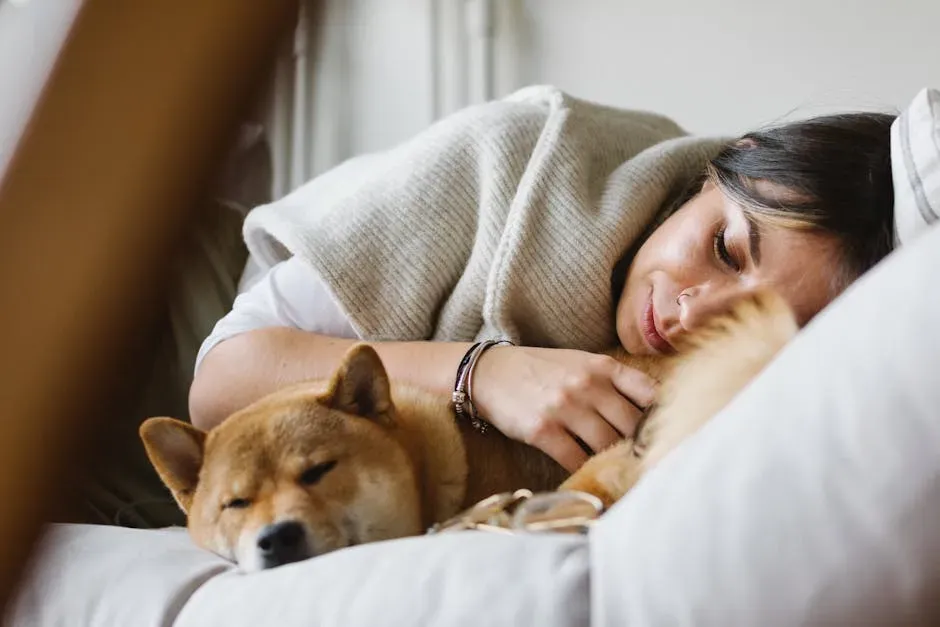
There’s a difference between your dog sleeping and your dog truly resting. When you’re close, many dogs drop into a deeper, more settled sleep much faster. Dogs who share strong bonds with their owners tend to sleep more soundly. Trust allows the nervous system to relax, which makes dreaming more vivid and uninterrupted. Consistent affection, training, and shared routines reinforce that bond. Over time, these repeated positive interactions become the mental snapshots your dog revisits while dreaming.
A dog that feels safe, well cared for, and mentally stimulated is more likely to experience calm, positive sleep cycles. This means the quality of your dog’s dreams is, in a very practical sense, something you directly influence. More shared adventures during the day, more positive moments, more connection: all of it feeds into what their sleeping brain revisits at night. You’re not just in their dreams. You’re shaping them.
They React to Distressing Dreams by Seeking Your Comfort Upon Waking
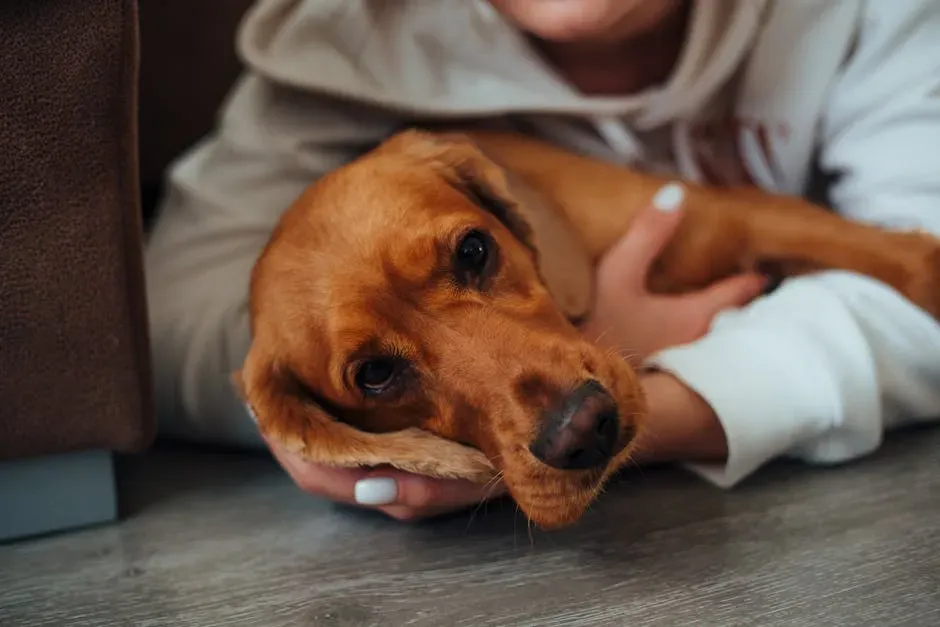
Dreams may even include nightmares, often replaying stressful events. When your dog wakes from what seems like a bad dream, disoriented and unsettled, the way they recover tells you a great deal. A dog with a secure bond will move toward their person. Their breathing steadies. Their muscles relax. If your dog is twitching or making slight noises when sleeping, it’s perfectly normal and they’re likely in the middle of a restful dream, good or bad. Rather than waking a sleeping dog, fostering a safe and stress-free environment during the day can help prevent nightmares.
If you suspect your dog is having a rough dream, the instinct to wake them is understandable. Resist it when you can. Experts caution against waking dogs mid-dream, since startling them can cause confusion or aggression. Comfort, they say, is best given once the dog wakes naturally. When they do wake up on their own and find you right there, that moment of relief is its own kind of reassurance. For them, and honestly, for you too.
Conclusion: Every Twitch Is a Little Story About You
It’s a quietly remarkable thing, the idea that while your dog rests, their brain is busy replaying a version of their life, and that you are very likely the central character. Just like us, dogs dream about their daily experiences, which can often appear creative and somewhat surreal. It’s theorized that dogs don’t dream in a logical fashion; rather, they conjure visual experiences related to what captivates them and what they have emotional connections to.
When we dream, we digest our day. It’s our way of building up emotional resilience so that when we’re faced with a situation again, we can better cope with it. It is thought that dogs’ dreams are of equal importance to their wellbeing. So good daily experiences aren’t just good for your dog’s mood. They’re good for their sleep, their memory, and their sense of safety in the world.
The next time your dog twitches, sighs, or wags their tail in the middle of a nap, you don’t need to wonder too hard about what’s happening. Science, behavior, and the bond you’ve built together all point in the same direction. You’re there. In the dream. Right where they want you to be.


