
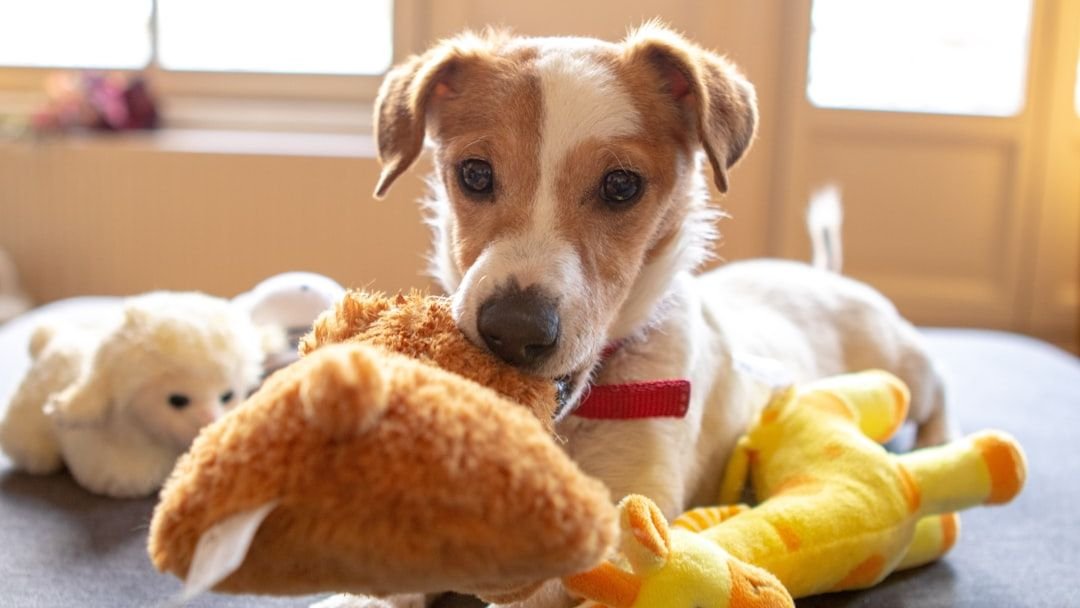
Think about that one raggedy, half-chewed plush your dog refuses to give up. You’ve tried replacing it. You’ve tried hiding it. Nothing works. That toy, worn beyond recognition, is still the first thing your dog grabs when you walk through the door. For most dog owners, this behavior sparks a smile and then a quiet question: why that toy, of all things?
The answer runs much deeper than squeaking or chewing. A dog’s reaction to a favorite toy is actually a window into the canine psyche. Dog toys are more than simple playthings – they reveal a combination of instincts, preferences, and emotions. Understanding what’s really going on can help you become a more attuned, thoughtful companion to your dog.
The Emotional Bond Is Real – and Rooted in Brain Chemistry
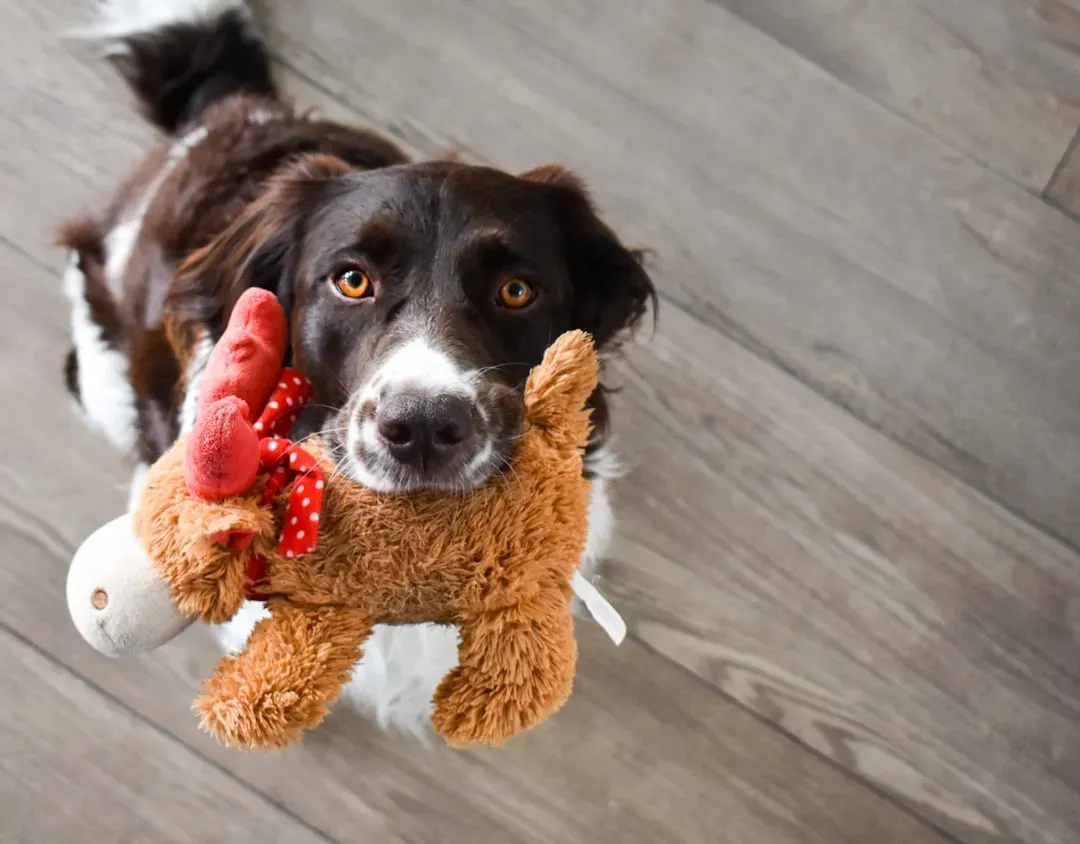
When your dog carries their favorite toy around the house or sleeps with it tucked under their chin, that’s not just quirky behavior. The emotional bond between a dog and their favorite toy can be strong, with some dogs becoming distressed if they lose or are separated from their beloved item. This attachment is thought to be linked to the release of oxytocin, often referred to as the “love hormone,” which is associated with feelings of attachment and bonding.
Squeaky toys, in particular, activate a feedback loop that is a key driver of motivation, because the sound of squeaking triggers reward centers in the brain to release the feel-good chemical dopamine. So every time your dog bites down on that squeaky hedgehog and hears that little noise, their brain is essentially rewarding them for it. It’s not random enthusiasm – it’s neurological reinforcement.
A toy can simply be a source of comfort and support because of positive associations. If a toy or blanket was introduced during a sensitive developmental stage, that toy may become an emotional anchor for the dog, because the pup formed a positive association when the toy came into the picture. This can often happen when your dog is a puppy, and they may find emotional comfort and support from the smell or texture.
It’s Not Just a Toy – It’s a Comfort Object
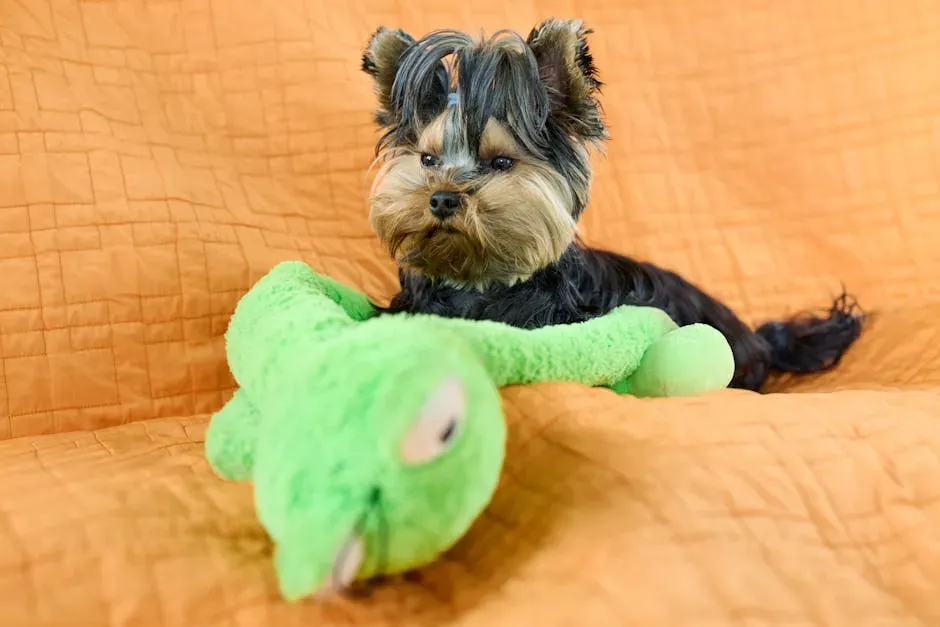
Some dogs become deeply attached to specific toys, treating them as comfort objects. This behavior is especially common among puppies and dogs with separation anxiety. Soft, plush toys in particular can serve as a source of comfort, as their texture and warmth may remind dogs of their mother or littermates.
These comfort toys can become emotional support items, and dogs may carry them around, sleep with them, or even groom them. For dogs experiencing anxiety, having a consistent, comforting object can provide reassurance, helping them feel secure in unfamiliar or stressful environments. Think about a dog trembling during a thunderstorm but noticeably calmer with their favorite plush pressed against their body. That’s not coincidence.
Sometimes, dogs use toys as comfort objects during moments of excitement or mild anxiety. The act of carrying a familiar toy can help them manage the emotions that arise when their owner returns home. This behavior can serve as a healthy coping mechanism, helping your dog regulate their excitement and maintain emotional balance during transitions. So when your dog sprints to grab a toy before greeting you, they’re actually self-soothing in the most wholesome way possible.
When Your Dog Brings You That Toy, There’s a Deeper Message
Some dogs bring toys as a way of inviting their owner to play, while others use it as a form of communication. For certain dogs, presenting a toy may be a greeting ritual that signals happiness and emotional bonding. Others may bring a toy as a way to seek comfort or security, much like a child carrying a stuffed animal.
By offering something they enjoy or find valuable, they are sharing a piece of their world. This is particularly meaningful when a dog brings a favorite or well-worn toy, as it suggests that they view their owner as someone worthy of their most treasured possessions. For deeply bonded dogs, this behavior may go beyond simple play and into emotional territory.
Dogs may also bring their owners their favorite toys as a sign of trust. They can be possessive of their belongings, so trusting you with their treasures could be their way of expressing their faith in you to take care of their favorite toy for them. When you understand it that way, a soggy tennis ball dropped in your lap feels a lot more meaningful.
Instinct Drives the Choice – But Memory Cements It
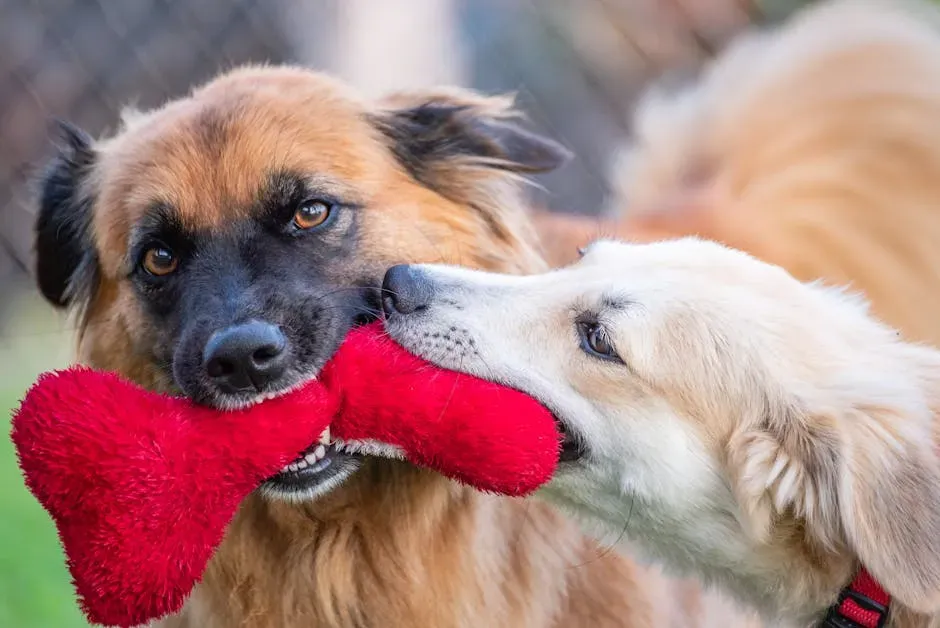
A dog’s preference for specific toys isn’t random; it’s deeply rooted in instinct, breed tendencies, and sensory appeal. Dogs have different ways of having fun, and this can be influenced by their breed. For example, terriers and shepherds may prefer retrieval games involving frisbees and tennis balls, in part because their ancestors functioned as hunting and herding dogs.
Some toys may have significant, positive memories and associations attached to them. For example, your dog may have a memory of receiving a lot of praise or yummy rewards when they first started playing with a toy. This special moment can have a big impact on them and last forever. That’s why a toy introduced during a joyful, bonded moment can outlast a dozen “better” replacements sitting in the corner untouched.
Dogs’ ability to remember and recognize specific toys is impressive, with some studies showing that dogs can recall their favorite toys even after several months of separation. Their attachment to a particular toy can also be influenced by their owner’s interactions with the toy, such as playing with it together or simply placing it near them. Every time you pick up that toy and engage with your dog, you’re deepening the emotional value of it in their mind.
When the Attachment Becomes a Concern: Signs to Watch For
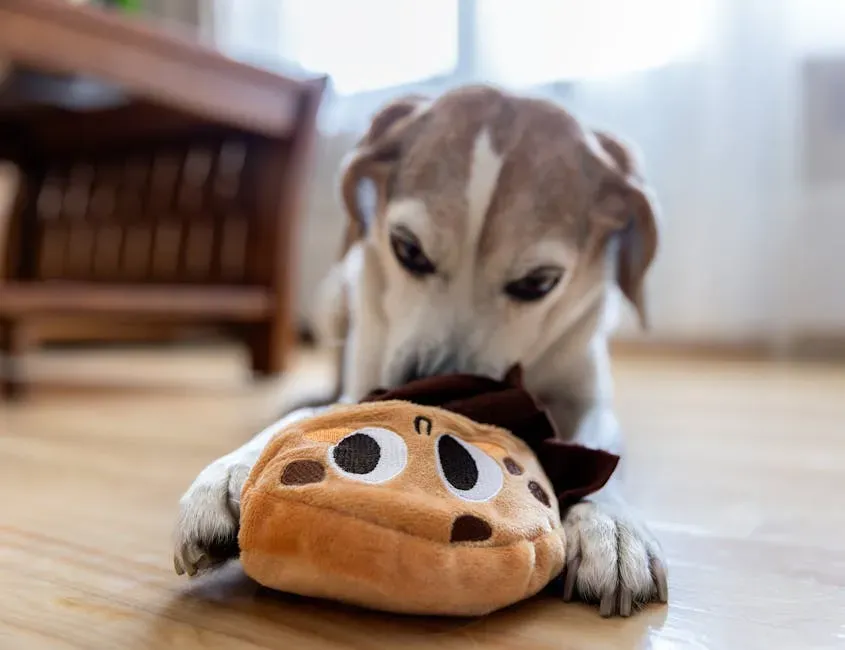
An attachment to a favorite toy is mostly all fine and good. It’s normal for dogs to have a favorite toy, but occasionally it may be a signal that there is an underlying issue. Repetitive or compulsive behaviors related to the toy, such as obsessive licking, chewing, or carrying it around everywhere, could be signs of underlying stress, anxiety, or boredom.
Research found that some dogs exhibit addictive-like behaviors, including being excessively fixated on their toy, showing a lack of interest in food or playing with their owner, making persistent efforts to access their toy when it was not there, and not calming down 15 minutes after all toys were removed. If your dog can’t eat, sleep, or engage normally without the toy, it’s worth a conversation with your vet.
Dogs that are extremely attached to their toys may also become overprotective of them, which may lead to issues with aggression. Possessive aggression is a type of aggression directed toward humans or other animals that approach dogs when they’re in possession of something they view as highly valuable. If this is the case with your pup, it’s important to address such behavior as soon as possible. A qualified trainer or behaviorist can help redirect this safely and effectively.
How to Honor the Bond – and Use It Wisely
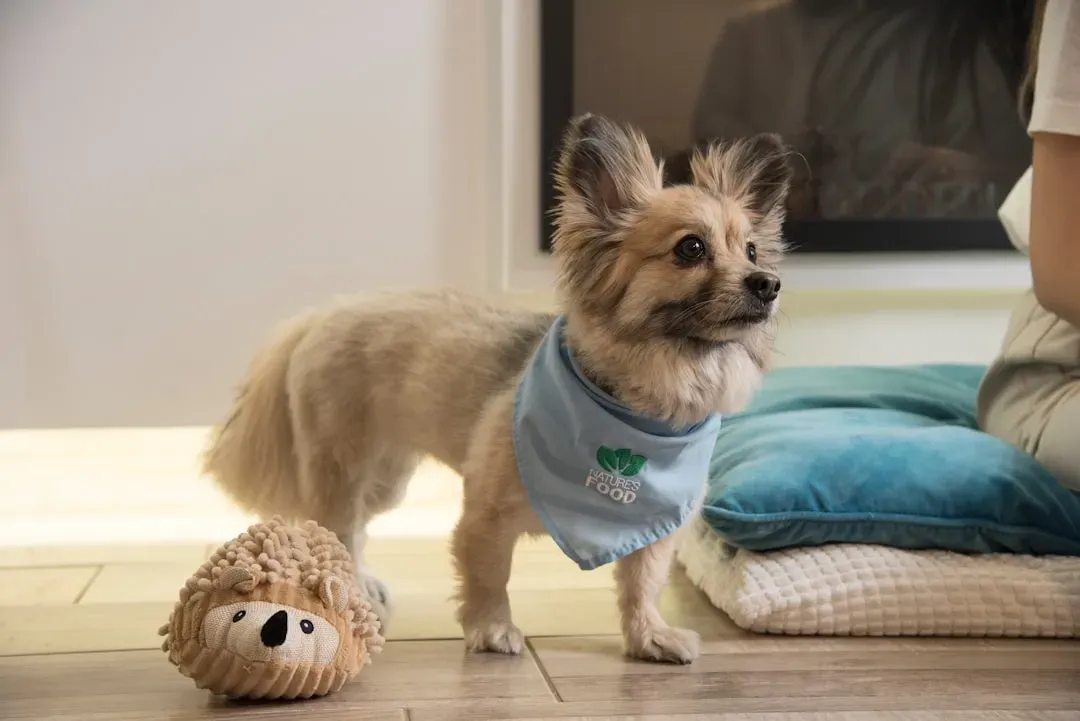
More often than not, an attachment to a toy can be a positive thing, and pet parents can use it as a reward in stressful situations. A great practical tip is to secretly bring your dog’s favorite toy with them to vet appointments. Some dogs arrive at the vet with their favorite toy in their mouth, and a vet will do the entire exam like that; the toy soothes them and helps them feel at ease. It’s a small act that makes a real difference.
Toys can play an important role in positive reinforcement training, making certain toys more meaningful to dogs. If a dog consistently receives a specific toy as a reward for good behavior, it becomes associated with positivity and excitement. Training-focused dogs may develop a special preference for toys used during training sessions. By associating toys with praise, playtime, or treats, owners can help create a strong emotional attachment between the dog and the toy, making it even more desirable.
There’s nothing wrong if your dog has a preferred toy, but you’ll need to prepare for when this favorite toy is due for replacement. Toys that have begun to rip or break can become a choking hazard and must be taken away from pets for their own safety. It would be good to have a plan in place to reduce your dog’s stress when this happens. Slowly introducing a similar replacement alongside the old toy, rather than abruptly swapping, can ease that transition considerably.
Conclusion: That Worn-Out Toy Tells You Everything
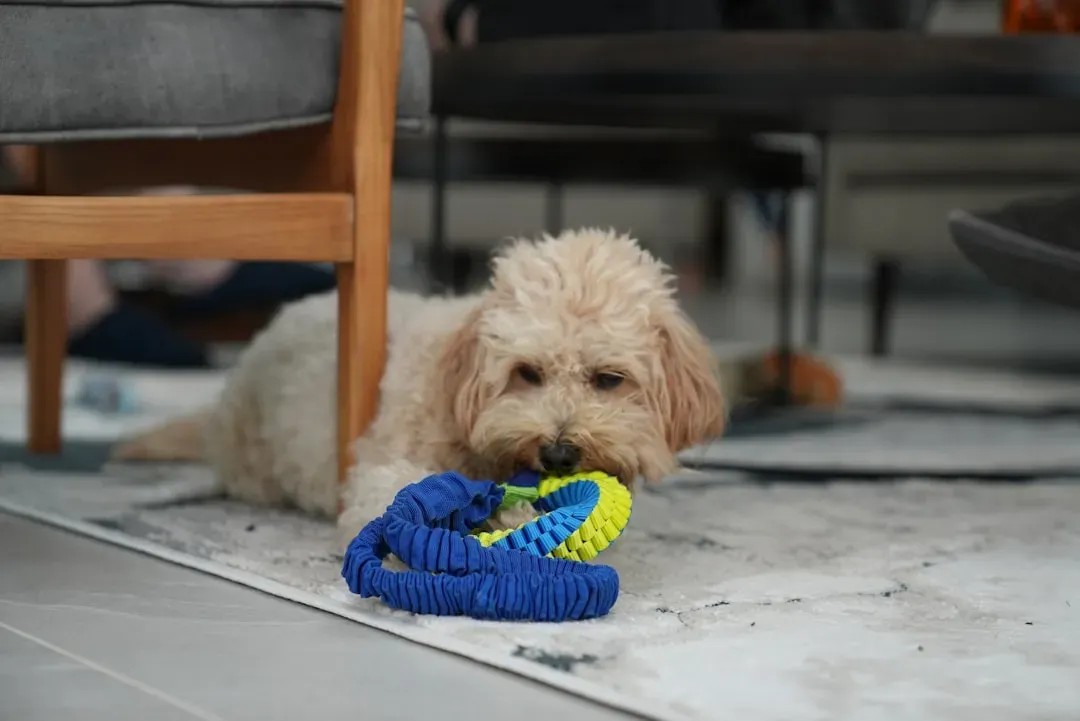
A favorite toy is rarely just a toy. It’s a record of shared moments, a source of emotional grounding, and sometimes a quiet signal about how your dog is feeling on the inside. Dog toys offer more than entertainment – they’re insights into your furry friend’s mind. By understanding their preferences, instincts, and emotions, you can make playtime even more enriching.
The dog who greets you with that half-destroyed plush every evening isn’t just being playful. They’re reaching for something that makes them feel safe, connected, and understood. Recognizing that changes how you see the toy basket entirely.
Pay attention to what your dog chooses, how they carry it, and when they reach for it most. Those details tell a story worth listening to. Sometimes the most meaningful thing you can do is simply sit down on the floor and play with them, and that beloved, battered toy they’ve chosen for the thousandth time.


