
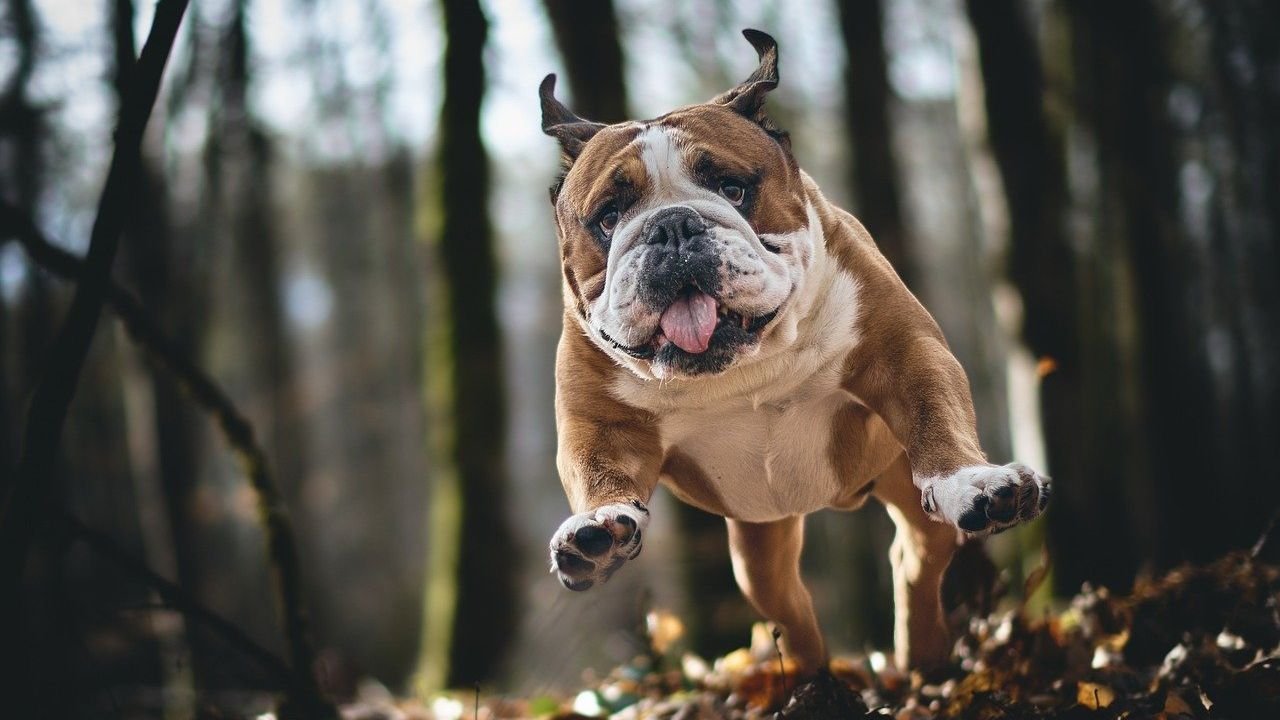
You’ve probably done it at least once. Your dog does something puzzling, maybe a sudden growl, a wide-eyed sprint through the living room, or that soulful head tilt while you’re talking to them, and you find yourself wondering what on earth is going on in that furry little head. Most of us love our dogs deeply, yet we still misread them, sometimes daily. The reason isn’t a lack of caring. It’s that dogs speak an entirely different language, one built on body posture, subtle signals, and ancient instincts that don’t always map neatly onto how humans express themselves.
New research from Arizona State University has revealed that people often do not perceive the true meaning of their dog’s emotions and can misread them, partly because of a deeply human bias toward projecting our own emotions onto our pets. That gap between what we assume and what our dogs are actually communicating can quietly affect the bond we share with them. The good news is that once you understand the real meaning behind these behaviors, everything clicks. Your relationship deepens, your responses improve, and your dog feels genuinely understood.
1. Growling: Not Aggression, But an Honest Conversation

Many dog owners instinctively feel fear or frustration the moment their dog growls. It feels confrontational, even threatening. The impulse to scold or punish is understandable, but it can backfire in a significant way.
In reality, studies show that dogs use growling to communicate all sorts of things: as a warning, in a playful way, and even to communicate their size or confidence. While growling can appear aggressive, it’s often a dog’s way of expressing discomfort, fear, or stress. It’s frequently a warning signal, not a sign of aggression itself. Understanding the context and triggers behind the growl is crucial.
It’s actually a positive thing when your dog communicates discomfort through growling, because you can act on it and prevent escalation. Should you punish a dog for expressing discomfort this way, they may feel like they have to skip to the next escalation step, which could mean snapping or biting. Think of a growl as your dog saying “I need space right now.” Respect that message, and you’ll both be safer for it.
2. The Zoomies: Pure Joy in Motion, Not Chaos
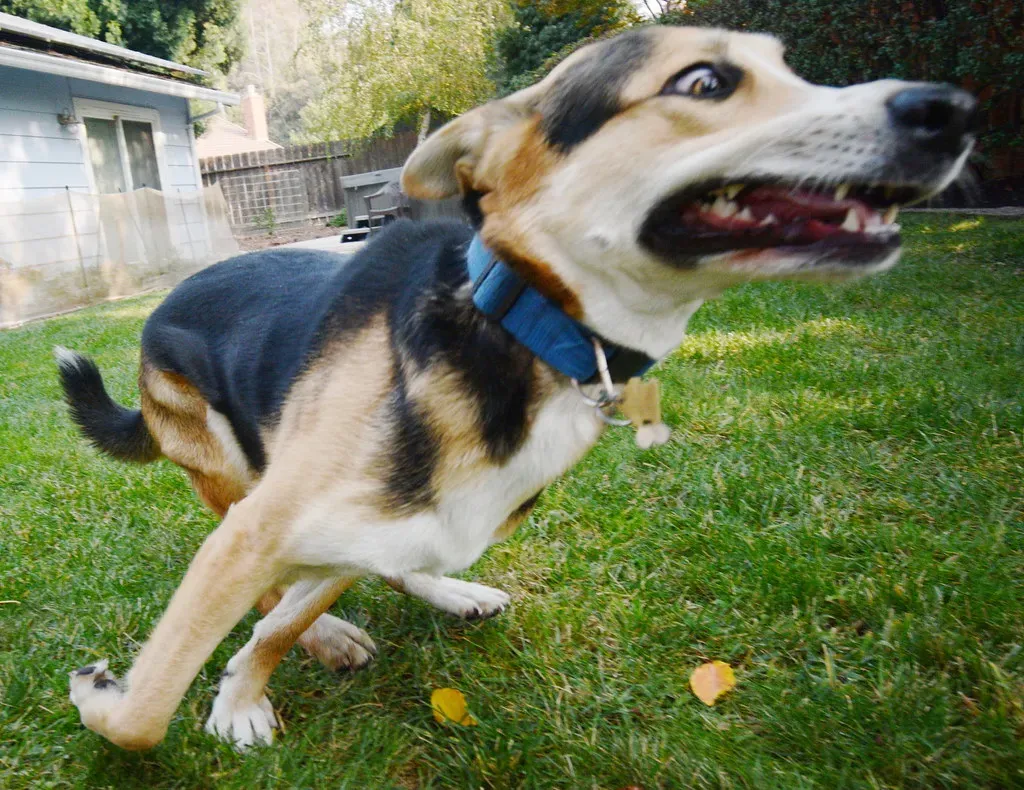
It starts with a wild look in the eyes, a tucked rear end, and then a full-speed lap around the coffee table. If you’ve ever thought your dog had temporarily lost their mind, you’re not alone. These bursts have a proper scientific name: frenetic random activity periods, or FRAPs, though dog owners have given them equally vivid nicknames like “midnight madness” and “crazy eights.”
Experts believe these episodes appear to be a way to release pent-up energy or alleviate stress. A dog who has been home alone all day with nothing to do may feel the need to zoom around to expend some of that energy, and FRAPs can also occur whenever a dog becomes very excited, such as when an owner returns after a long absence. They can also follow stressful events like a bath or a vet visit, serving as a healthy physical reset.
Your dog’s posture during and after a FRAP episode tells you whether they’re having fun or feeling upset. Many dogs tuck their tails as they run, as if trying to keep it out of a playmate’s grasp. A typical happy zooming dog will be loose and even wiggly, bouncing around you when they slow down. So next time your dog goes full tornado mode, take it as a compliment. They feel safe, happy, and full of life.
3. Tail Wagging: It’s More Than Just “Happy”
A wagging tail feels like a universal guarantee of a friendly dog. It’s the one signal most people feel certain about. The truth is considerably more nuanced, and misreading it can occasionally land you in an uncomfortable situation.
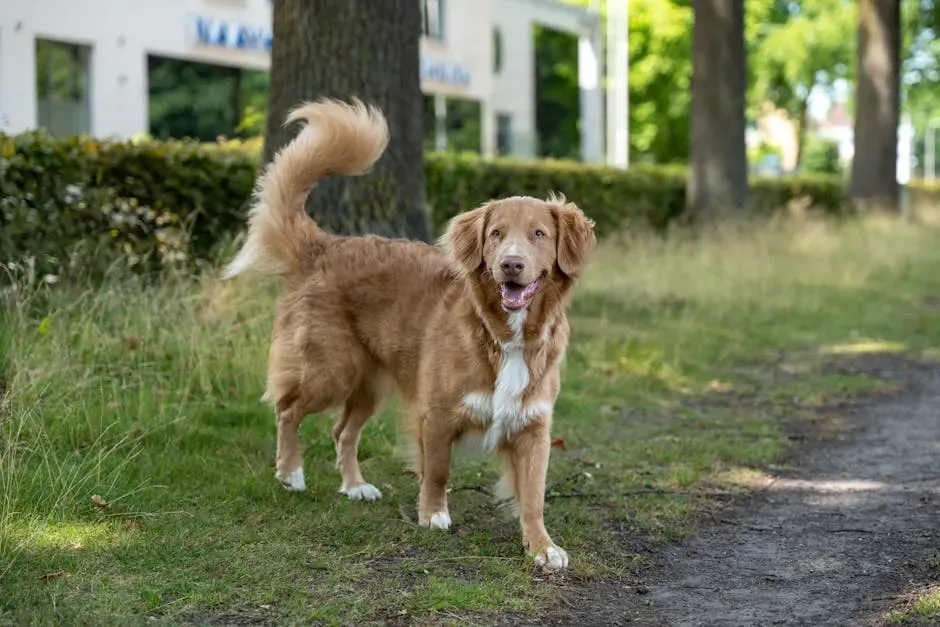
Tail wagging isn’t always a sign of friendliness. It depends entirely on how the tail is moving. The speed, height, and stiffness of the wag can convey very different emotions. A fast, high wag might indicate excitement or arousal, while a slow, low wag could signal insecurity or potential aggression.
A tail held high and stiff, vibrating quickly, indicates high arousal and potential reactivity. A tail tucked between the legs is a universal sign of fear, insecurity, or severe physical discomfort. A wide, sweeping wag that moves the dog’s entire hips is the classic sign of a relaxed, joyful, and friendly dog. The hips don’t lie, as they say. Watch the whole tail, not just the fact that it’s moving.
4. Jumping Up: Enthusiasm, Not Disrespect
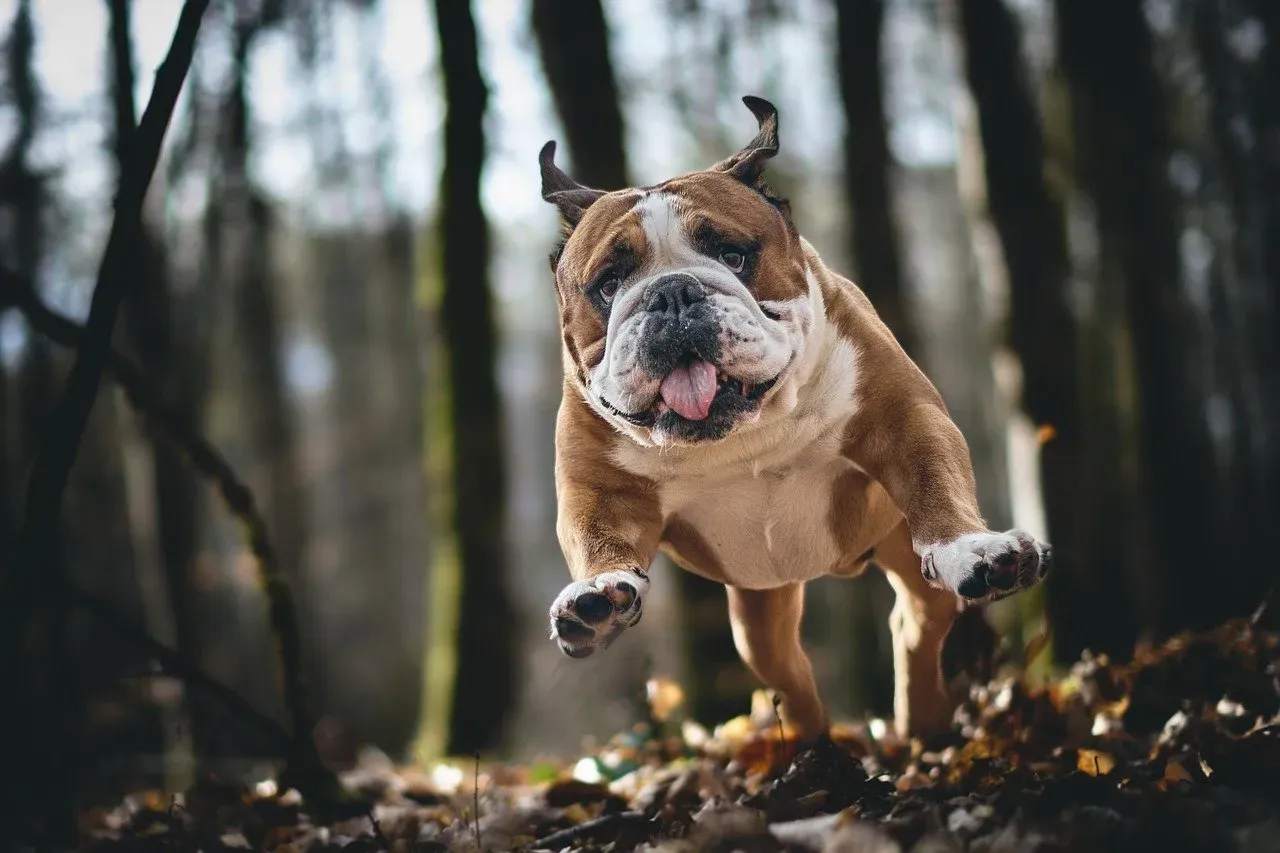
Few behaviors test a dog owner’s patience like a dog launching itself at every person who walks through the front door. It feels rude, even dominant. Guests don’t always share your enthusiasm for being greeted at chest height.
Dogs often jump up to greet people, and this behavior can be misunderstood as dominance or aggression. In reality, it’s most often a result of excitement and a genuine desire for attention. In dog terms, getting close to someone’s face is a perfectly natural and affectionate greeting. They’re not being bad. They’re thrilled to see you.
When your dog jumps up, calmly redirect them to sit. Once they are seated, shower them with love and attention. Consistency is everything here. If jumping works sometimes to get affection, your dog will keep trying it. Reward the calm greeting every single time, and the jumping will gradually lose its appeal. Patience paired with positive reinforcement works far better than frustration.
5. Leaning Against You: A Doggy Hug in Disguise
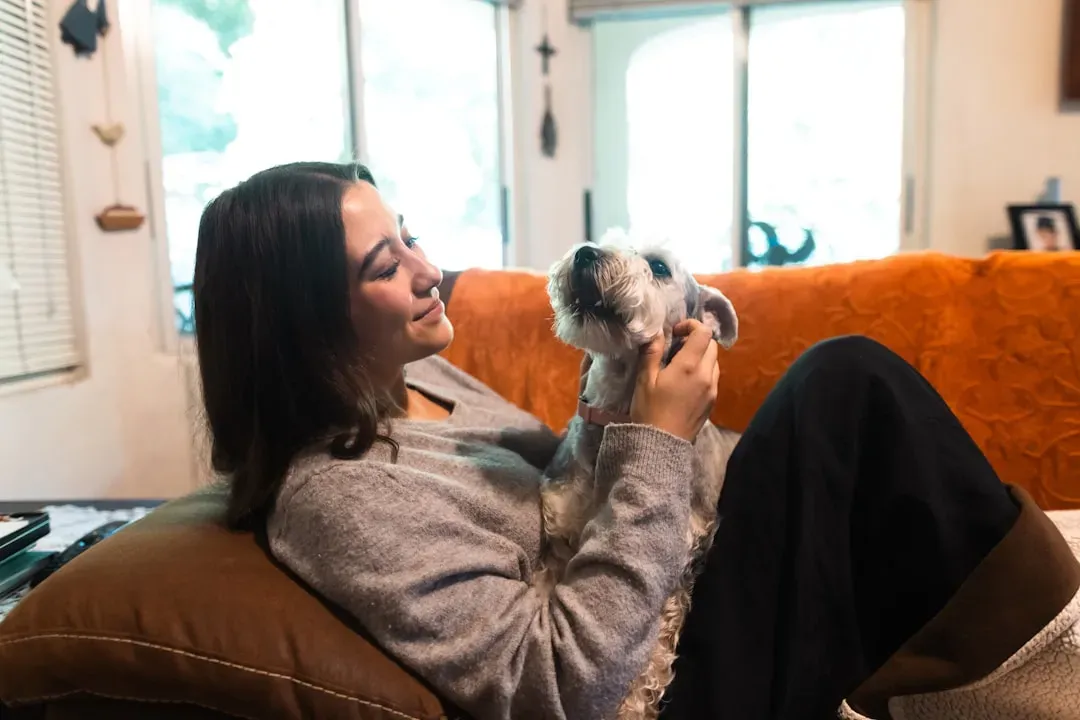
There’s something quietly wonderful about a dog pressing their full weight into your legs. Some people interpret this as the dog being clingy or trying to assert dominance. Neither reading is typically accurate.
Dogs lean on people for comfort, security, affection, expressing trust, and bonding. This behavior can also indicate a need for attention or reassurance, especially in new or stressful environments. According to veterinary behaviorists, dogs use leaning as an affiliative behavior, a way to forge social and emotional bonds. It’s their version of reaching out and holding your hand.
Leaning is a tactile way dogs show trust and attachment. Physical contact releases oxytocin in both dog and human, reinforcing the relationship. That said, context matters. Dogs also lean when they want to feel safe, such as during noisy events, after a vet visit, or when something unfamiliar happens, using you as a secure base. Pay attention to what’s happening around them, and you’ll quickly learn whether it’s love or a little anxiety driving the lean.
6. The “Guilty Look”: It’s Fear, Not Remorse

You walk in. The couch cushion is destroyed. Your dog immediately drops into a crouch, ears back, eyes wide and soft, tail sweeping low. The guilt seems obvious. Except it isn’t guilt at all.
Dogs don’t feel guilty. You come home to a chewed-up shoe or an upended garbage can, you say “Bad dog, shame on you!” and you get the look. Because we tend to attribute human emotions to dogs, we think the dog feels guilty. What’s actually happening is that your dog is reading your body language and tone, and bracing for what’s coming next.
When you yell at your dog for something and they make that “guilty face,” is it really guilt, or is it because they’re scared you’re going to reprimand them further? Taking a moment to focus on your dog’s behaviors and the situation around them, rather than just the dog, can go a long way in getting a true read on their emotional state. The takeaway is practical: scolding after the fact doesn’t teach your dog anything useful. They simply won’t connect your reaction to something that happened an hour ago.
7. Yawning at the Wrong Time: A Calming Signal Worth Knowing
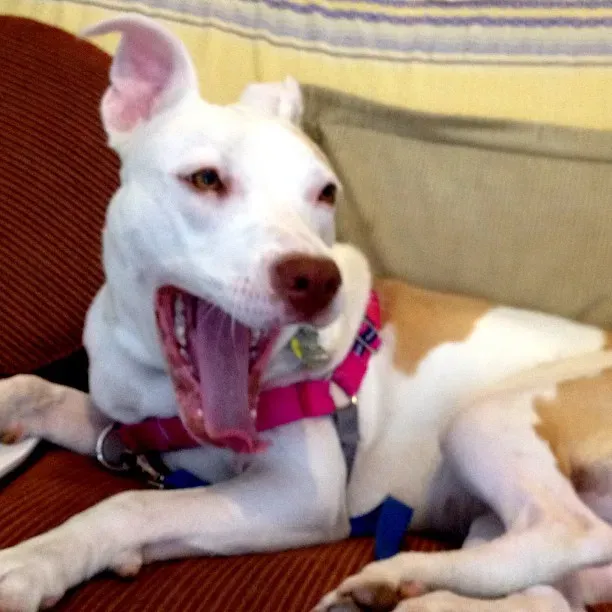
When your dog yawns during a training session, a hug, or while meeting a new person, it can feel like boredom or indifference. In reality, it’s one of the most expressive signals dogs use to communicate their emotional state.
When a dog feels threatened, such as when meeting an unfamiliar dog, they may yawn to appease the other animal. This behavior is known as a calming signal. The yawning dog is essentially trying to say they’re friendly and don’t want any trouble. Yawning can also act as a self-soothing mechanism, helping slow a dog’s breathing and calm them in stressful situations.
There’s also a warmer side to this behavior. Research shows that dogs do participate in contagious yawning. A 2013 study suggested that the contagiousness of yawns could be dependent on how emotionally close a dog feels to the person. In other words, a dog may yawn because they feel genuinely bonded to you. So when your dog yawns in response to your yawn, it may just be an act of quiet connection.
8. Lip Licking When No Food Is Around: Your Dog Is Telling You Something
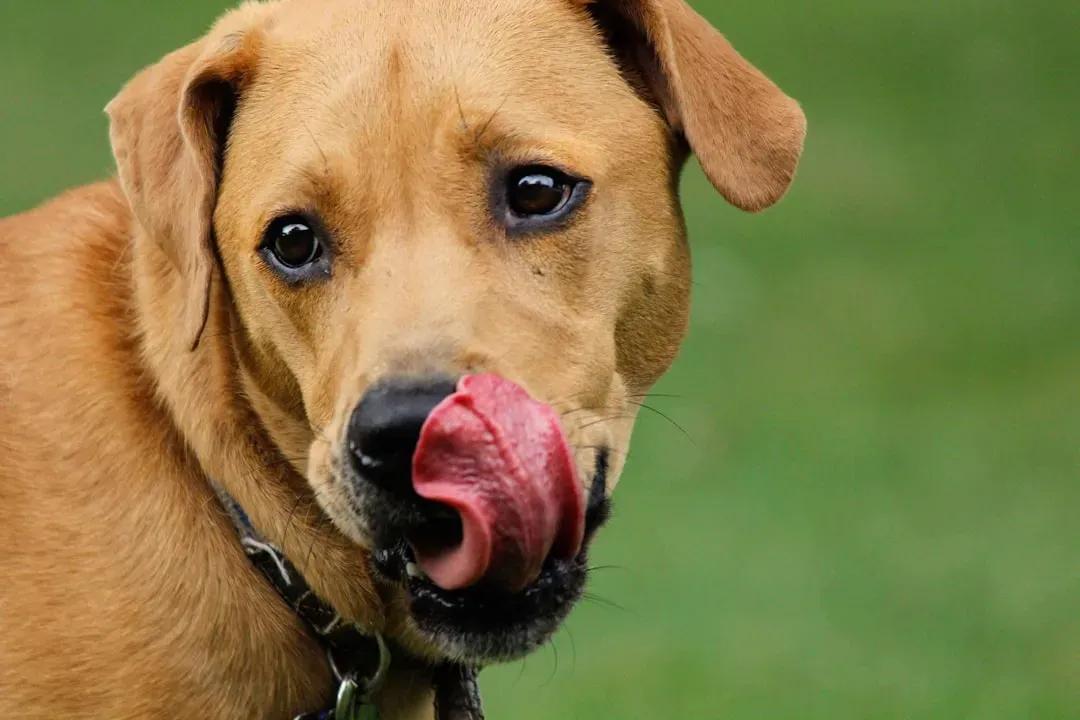
You’re at the vet, at the groomer, or introducing your dog to a new family member. You notice your dog keeps licking their lips over and over, though there’s nothing edible in sight. This is easy to overlook, but it shouldn’t be.
Dogs naturally lick their lips or noses when eating, drinking, or after getting wet. If your dog is repeatedly licking when no food or water is around, it may be a calming signal, a way to self-soothe during a stressful moment. Lip licking is a stress signal that’s often misinterpreted as hunger or thirst. While dogs may lick their chops in anticipation of a treat, excessive lip licking can indicate discomfort or anxiety, and you may notice it during nail trims, car rides, or other stressful situations.
If your dog is frequently licking their lips, take a step back and assess their environment. Are there potential stressors you can remove? Providing a safe space, like a crate or a quiet room, can help your pup feel more at ease. Positive reinforcement training can also build confidence and reduce anxiety over time. Catching this early signal means you can step in before your dog becomes truly overwhelmed.
9. Excessive Barking: A Distress Call, Not Just Noise
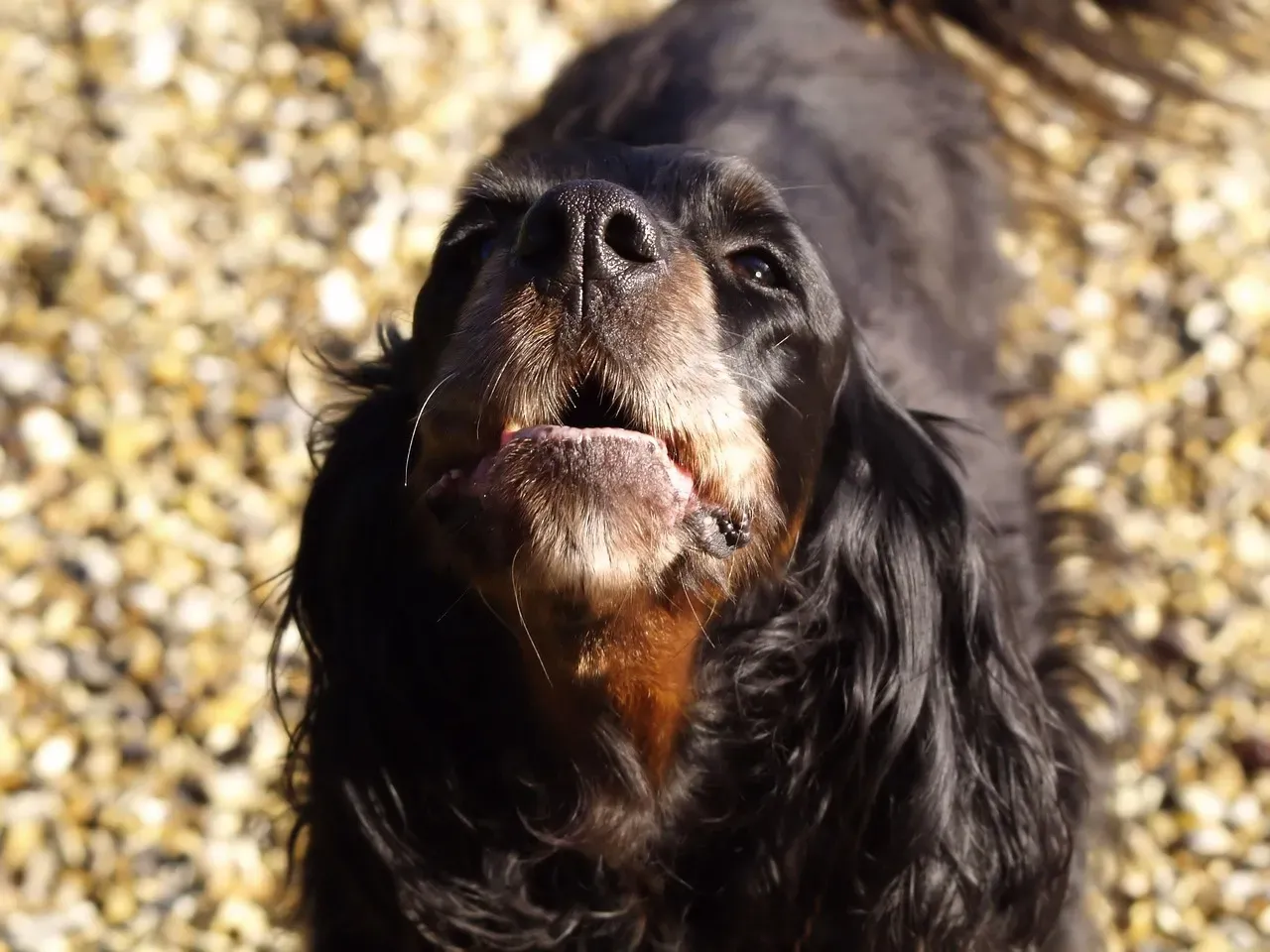
Persistent barking is one of the most common complaints from dog owners, and also one of the most frequently misunderstood. It’s easy to label a barking dog as difficult, attention-seeking, or simply noisy. The deeper story is usually more important.
Barking can be a form of alerting their pack or seeking attention. Excessive barking can be a sign of boredom, anxiety, or a need for stimulation rather than just noisiness, yet it is often misunderstood and regarded as purely a nuisance. Dog anxiety is frequently misunderstood as “bad behavior.” Destructive chewing, house accidents, or excessive vocalization might all be signs of an anxious dog rather than a disobedient one. Separation anxiety, resource guarding, and sound sensitivity are common forms of anxiety that need understanding and management, not punishment.
Before reaching for a quick fix, ask what’s driving the sound. A dog barking all afternoon while you’re at work is communicating something real, whether that’s loneliness, boredom, or stress. Dogs need a variety of different types of mental and physical stimulation, and some breeds crave human contact. Left alone too long, ignored, or missing playtime, they may find other, more destructive outlets. Addressing the root cause is always more effective than trying to suppress the symptom.
10. The Head Tilt: Active Listening and Deep Attention

Few things are more instantly charming than a dog tilting their head to one side while you talk. Most people assume it’s purely adorable and little else. The science behind it is actually quite interesting.
Research published in the Animal Cognition journal suggests that dogs tilt their head when they process something meaningful, or when they expect to be told something important. According to canine behaviorists, head tilting is linked to auditory processing, memory recall, emotional response, and learned behavior. A head tilt usually means your dog is paying very close attention, and it’s often a sign of mental engagement, curiosity, or communication, not just a random cute quirk.
Dogs can hear emotion in your tone, and tilting may be their way of saying “I’m listening and I care.” They’re especially tuned in when you sound excited or stressed, and it’s part of how dogs have evolved to bond with humans by becoming remarkably good at reading us. Worth noting: a persistent head tilt that appears alongside stumbling, ear scratching, or disorientation can occasionally signal an ear infection or balance issue, so it’s always worth a vet check if the tilt seems stuck.
11. Leash Pulling and Lunging: Curiosity and Overstimulation, Not Defiance
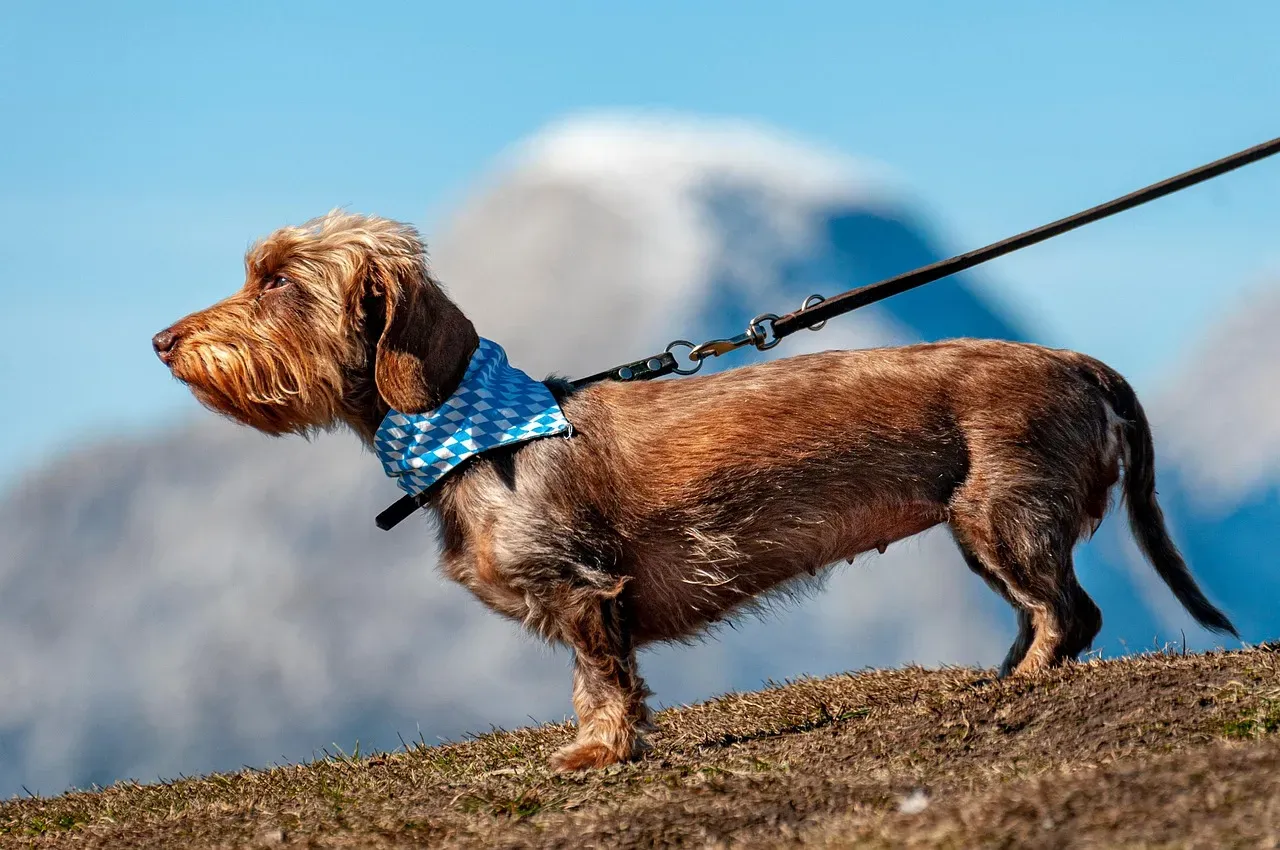
A dog who pulls hard on the leash or suddenly lunges toward another dog can feel genuinely embarrassing on a walk. The instinct is to see it as stubbornness or even aggression. Canine behaviorists tell a different story.
Leash pulling can be mistaken for stubbornness or disobedience. However, dogs are simply responding to their environment. The world is full of exciting smells, and walking in a straight line isn’t natural for them. What looks like aggressive lunging and barking on leash is often fear-based reactivity rather than outright aggression. When a dog is uncomfortable with another dog, person, or something else, their threat display is meant to make the big, scary thing go away.
Positive reinforcement-based training is the most effective and humane way to address pulling. By viewing leash pulling as natural curiosity and using humane training methods, dog owners can help their dogs explore safely while keeping walks enjoyable for both humans and pets. The answer in cases of reactive lunging is never to punish the behavior, which is really just a symptom, but to address the underlying emotional state. A good trainer can make a world of difference here.
Conclusion: Listening with New Eyes
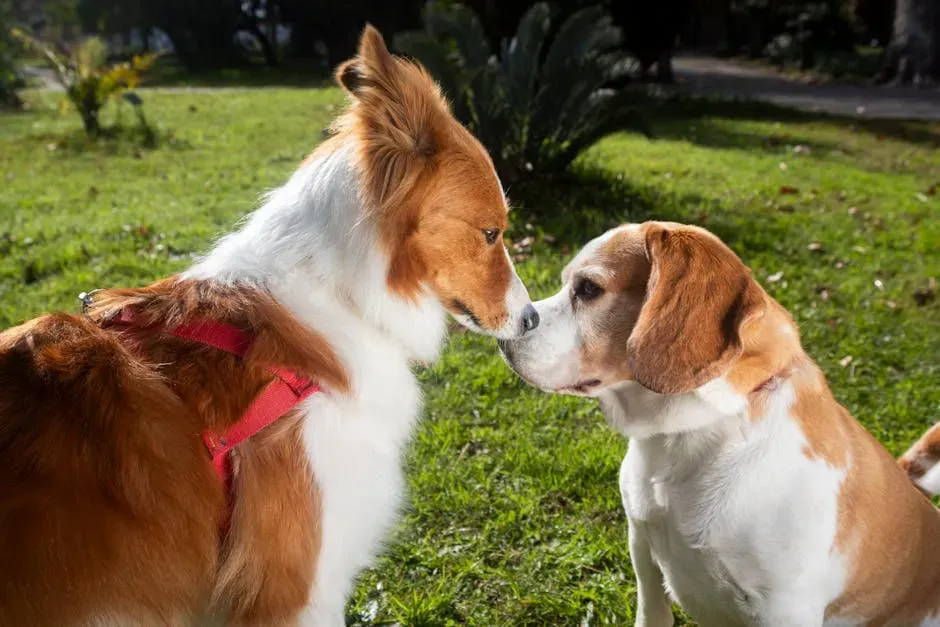
Dogs have been communicating with us for thousands of years, and they haven’t stopped. They growl instead of staying silent. They lean in instead of pulling away. They zoom around the room because they’re overflowing with life. Every quirky behavior carries a signal, an invitation to understand them a little better.
As dog owners, we often wish our pets could speak, but the truth is they’re communicating with us every second, just not with words. Understanding dog body language and the intent behind their actions is more than a curiosity; it’s a vital skill for ensuring your dog’s health and happiness.
The shift from frustration to understanding doesn’t require years of study. It asks for something simpler: a moment of curiosity instead of a snap judgment. Every dog is an individual, and while general guidelines provide a strong foundation, observing your dog’s unique personality is the real key to mastering their personal language. The more you listen, the more they’ll feel safe enough to keep talking to you. That’s where the real bond lives.


