
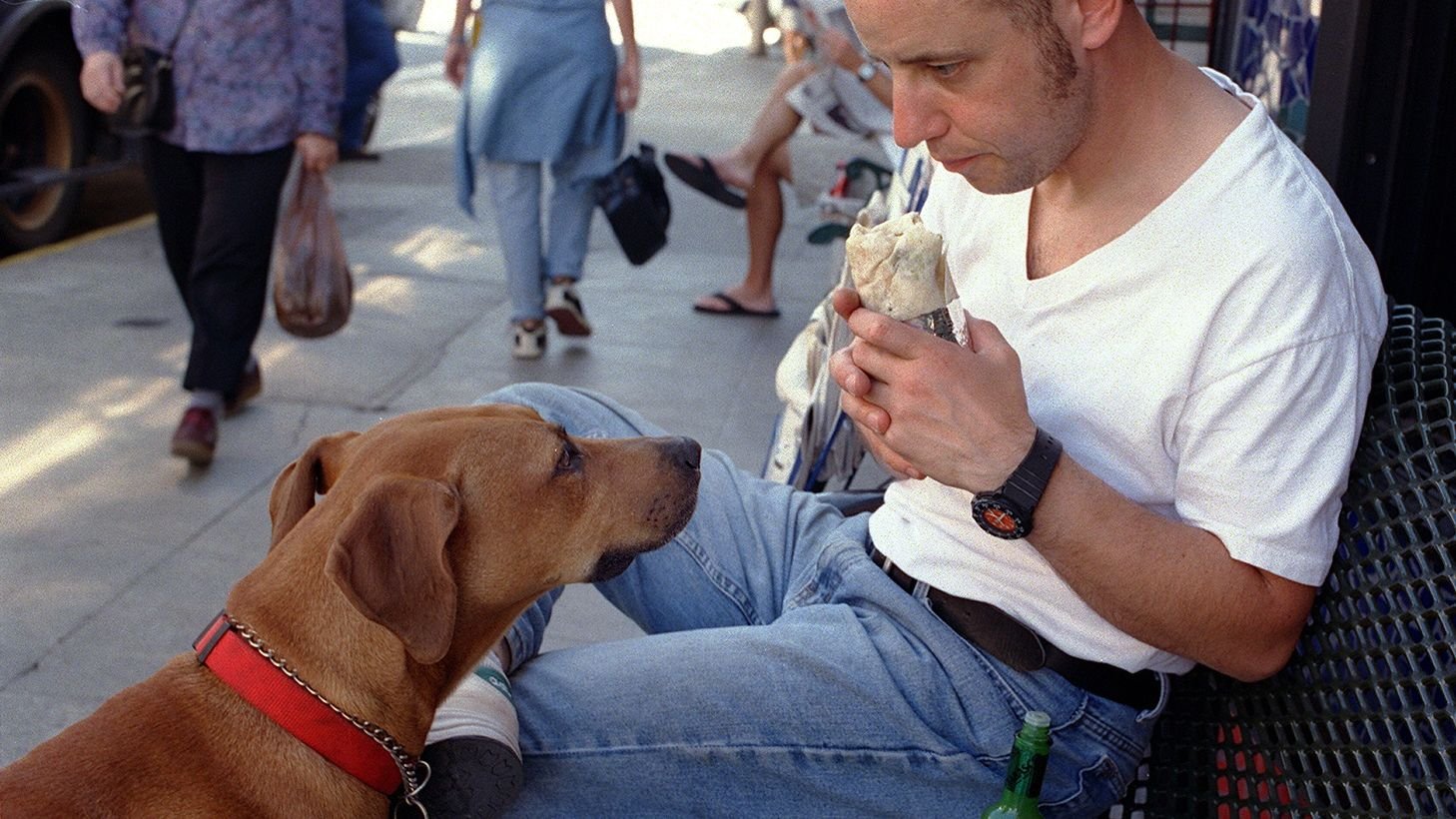
Picture this: you’re sitting down to a quiet dinner, fork halfway to your mouth, and you feel it. That steady, unblinking gaze drilling into the side of your face. You look over, and there’s your dog, locked in on you like you’re the most fascinating thing on the planet. No barking. No whining. Just those big, liquid eyes doing all the talking.
Most of us laugh it off as classic begging behavior. Maybe we feel a little guilty, slip them a nibble, and tell ourselves we’ll be firmer tomorrow. But the truth is richer and more surprising than that. This mealtime ritual your dog performs has roots in ancient pack behavior, cutting-edge neuroscience, and something that looks a lot like love.
It’s Not Just About the Food (Even When It Kind of Is)

Let’s be honest about the obvious part first. The most common reason dogs stare at you while you eat is simple: they want your food. Even if they’re not actually hungry, the mouthwatering smell of your meal is enough to grab their full attention. Dogs have a sense of smell that’s estimated to be tens of thousands of times more powerful than ours, so when you’re eating pasta or grilled chicken, your dog is experiencing a full sensory event.
Dogs are social animals who want to share the moment with their family, they are curious about the smells of the food, and they have a natural hunting instinct to take advantage of any opportunity to get more food in case it runs out later. That last part is worth pausing on. The instinct to opportunistically seek food isn’t greed. It’s survival wiring that has never quite been switched off.
If you’ve ever slipped your pup a piece of food during dinner, even just once, they may have learned that staring leads to a reward. Dogs are quick learners, and the pattern sticks fast. What started as pure curiosity can become a very deliberate strategy in a surprisingly short time.
The Ancient Pack Instinct Behind the Stare
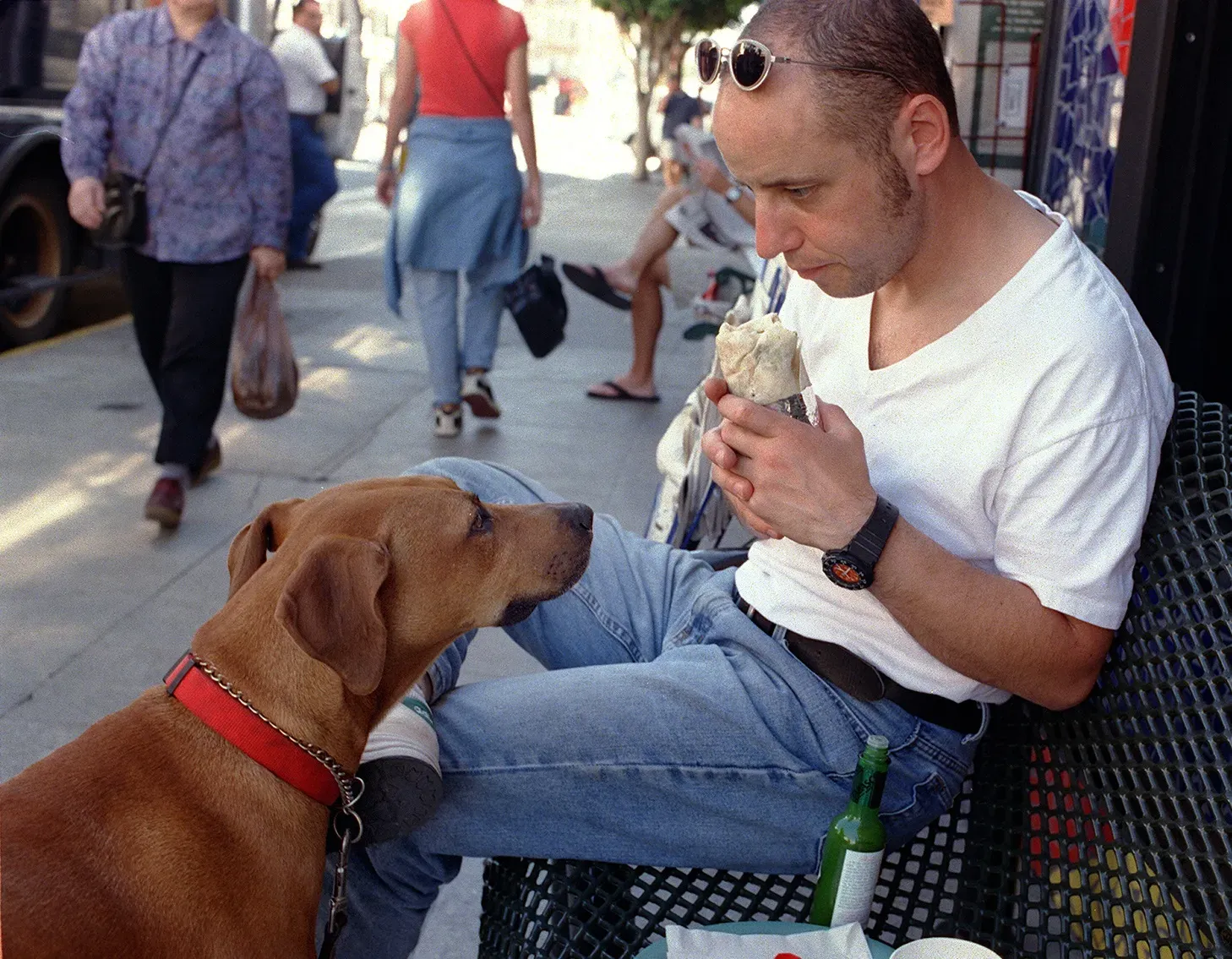
This behavior has roots in their wild ancestry. Dogs evolved from wolves, who hunted in packs and followed a social hierarchy. Dominant pack members typically ate first while lower-ranking wolves had to wait for their turn. Staring was a passive way to show interest, essentially a polite request for leftovers. When your dog watches you eat, they may simply be playing out a script written thousands of years ago.
Staring at other creatures while they are eating is embedded in your dog’s DNA. Dogs are pack animals, and this behavior is based on the hierarchy of the pack. Wild dogs stare at higher-ranking dogs or the pack leader while they eat, letting the leader know they are hungry and to leave scraps behind for them to eat. In your home, you are the pack leader, and your dog is simply observing the ritual with quiet patience.
In ethological circles the term “affiliative food begging” describes this kind of behavior, not just “feed me” but “I’m with you.” The dog is saying, I trust you, I’m part of your circle. There’s something genuinely moving about that framing. It reframes the whole scene from manipulation to membership.
The Science of That Gaze: Oxytocin and the Love Loop
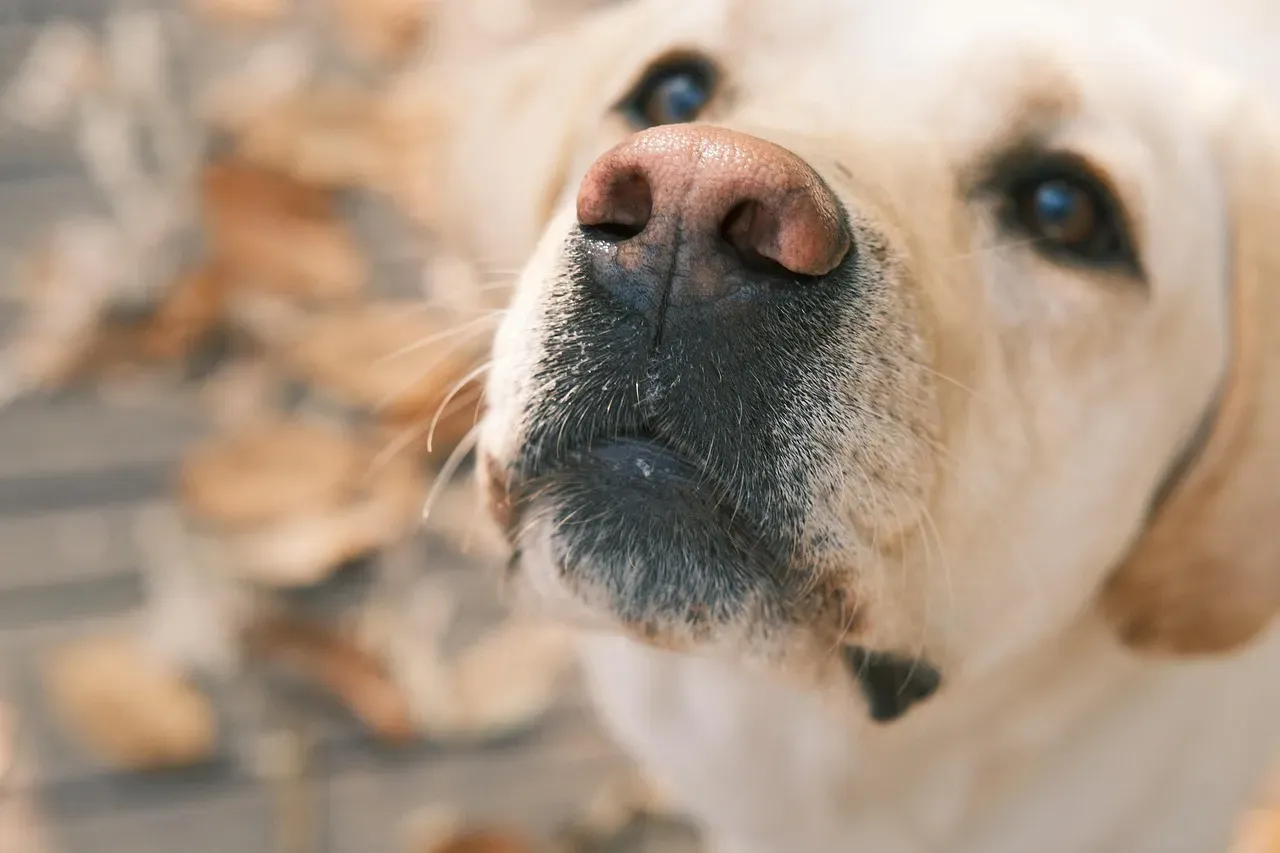
A lot of dog staring is exactly what it seems: an expression of love. Just as humans stare into the eyes of someone they adore, dogs will stare at their owners to express affection. In fact, mutual staring between humans and dogs releases oxytocin, known as the love hormone. This chemical plays an important role in bonding and boosts feelings of love and trust. That warm feeling you get when your dog looks up at you? It has a biological explanation.
Research has shown that gazing behavior from dogs, but not wolves, increased urinary oxytocin concentrations in owners, which consequently facilitated owners’ affiliation and increased oxytocin concentration in dogs. Further, nasally administered oxytocin increased gazing behavior in dogs, which in turn increased urinary oxytocin concentrations in owners. These findings support the existence of an interspecies oxytocin-mediated positive loop facilitated and modulated by gazing. In plain terms, when your dog looks at you lovingly, your body responds, and your dog feels that response too.
Researchers found that when owners and their canine charges gazed into one another’s eyes during a 30-minute period, levels of oxytocin measured in their urine increased in both the humans and the dogs. The same hormone that is released when a new mother looks at her baby is also triggered when you look at your dog. That’s not a metaphor. That’s biology.
Breed, Personality, and Why Some Dogs Stare Harder Than Others
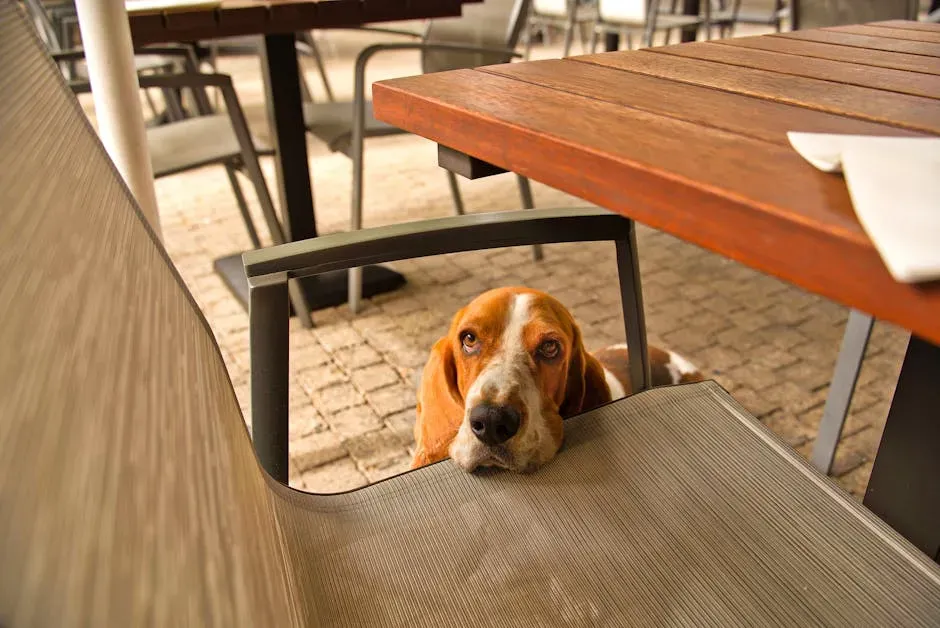
Not all dogs are equally prone to staring. Some breeds are more food-obsessed than others, with Labradors, Beagles, Bulldogs, and Corgis as examples of dogs who may fixate more persistently. Herding breeds like Border Collies and Australian Shepherds also use strong eye contact as part of their instinctive behavior, which can naturally show up during mealtimes. For herding breeds especially, the gaze is a deeply embedded communication tool, not just a mealtime habit.
Personality plays a role, too. A confident, bold dog might sit right in front of you and stare without shame, while a more timid pup might linger quietly nearby, hoping for a dropped morsel. If you’ve got a dog who practically climbs into your lap at dinner versus one who hovers three feet away looking hopeful, you’re simply seeing two different personalities expressing the same underlying drive.
According to the American Kennel Club, staring behavior in dogs differs by breed and genetic lineage, but the general effect holds: eye contact helps dogs communicate with humans and deepen their social connection. So whether your dog is a stoic Shiba Inu or an enthusiastic Golden Retriever, the meaning behind the gaze is more or less the same. The delivery just varies.
Setting Loving Limits: How to Respond Without Rewarding Begging
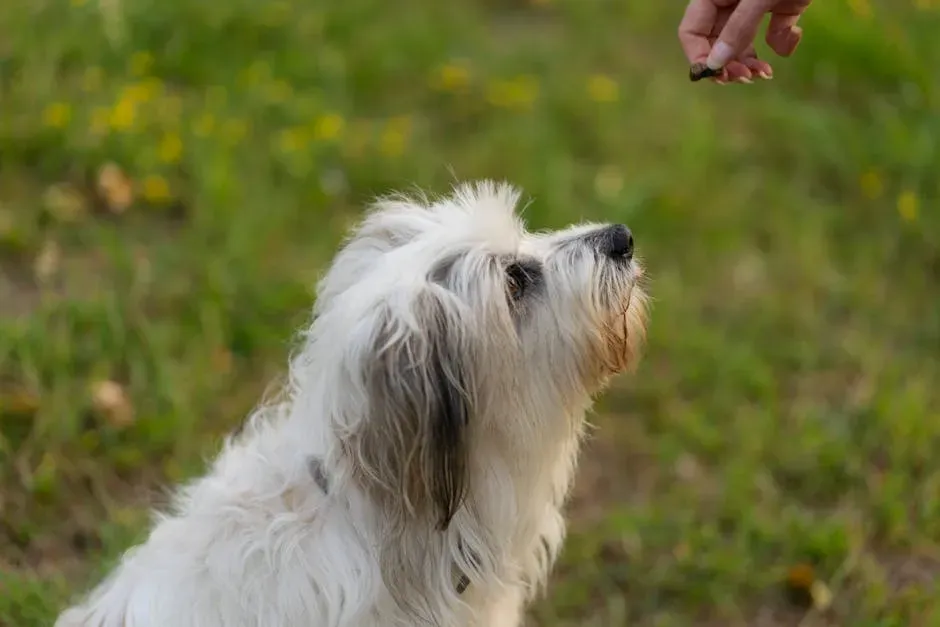
Whether you should stop your dog from staring depends on your pup’s behavior, your household rules, and whether it’s interfering with your mealtime peace. If your dog quietly watches from a distance without whining, pawing, or jumping, the behavior is usually harmless. They’re just curious and hopeful. But if the staring turns into vocal begging, table-surfing, or nose-in-your-plate behavior, it’s time to set some boundaries.
Feeding your dog at the same time you eat can help curb begging and staring. It keeps them occupied with their own meal and reinforces that food comes from their bowl, not yours. Using a command like “place” to direct your dog to a mat or bed during meals, then rewarding with praise for staying quietly in their spot, is also effective. If they remain calm, give them a dog treat after you finish your meal, not human food.
If you become aware of your reaction to your dog’s staring behavior and eliminate any rewards, your dog will eventually try new behaviors to get your attention. A better approach is to teach your dog what you would like instead. For example, your dog could chew a bone in a dog bed while you eat, or ring a doggie bell to let you know it’s time for an outdoor potty break. Consistency matters more than perfection here. One slip won’t undo your training, but a pattern of giving in will.
Conclusion: That Gaze Means More Than You Think
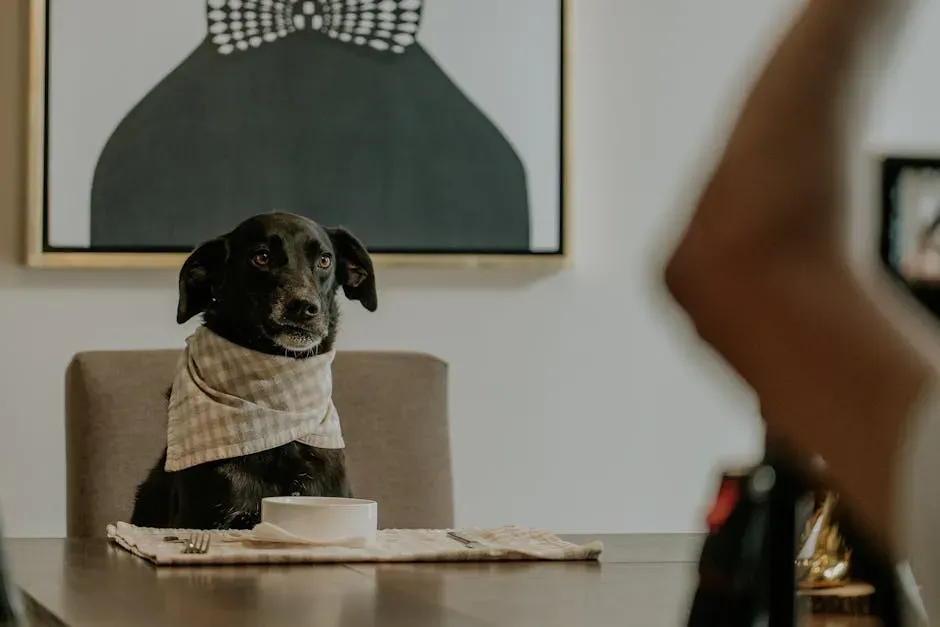
The next time your dog locks eyes with you over your dinner plate, try to resist the urge to look away or feel guilty. The stare your dog gives you while you eat is backed by science. It’s more than manipulation. It’s a silent ritual of emotional connection. Pack instinct, learned behavior, and genuine affection are all wrapped up in that one unblinking look.
More than almost any other animal on earth, dogs are in tune with humans. They sense our moods, follow our pointing gestures, and read us for information about what’s going to happen next. That gaze at the dinner table is part of a much larger conversation your dog is always trying to have with you.
You don’t have to share your plate to honor that connection. A calm glance back, a gentle word, or simply keeping your dog comfortable and well-fed nearby goes a long way. The bond being built across that dinner table is real, and it runs both ways.


