
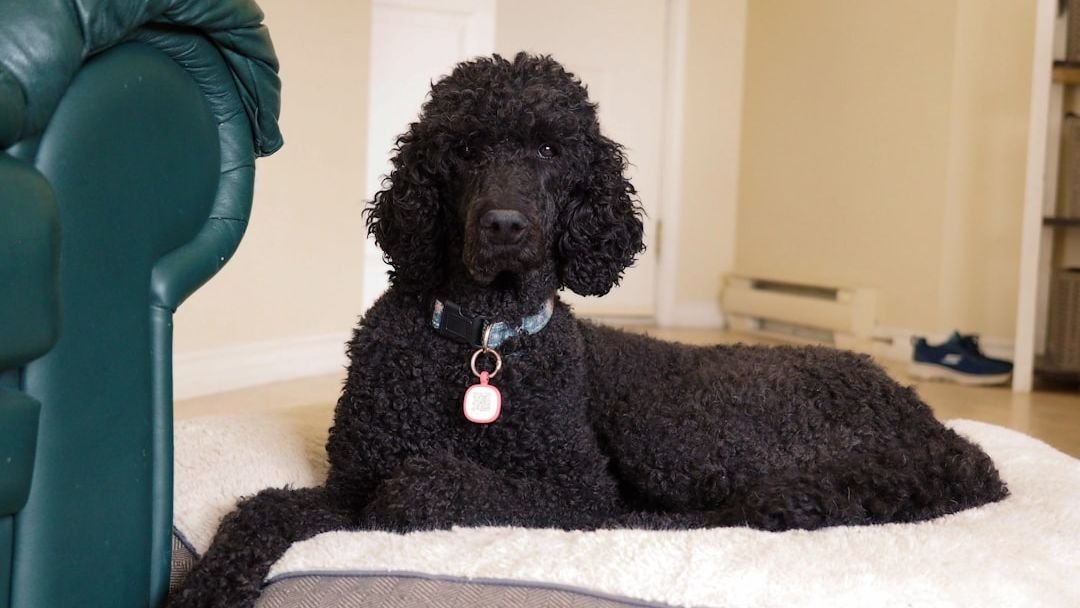
The house feels different once the kids leave. There’s a kind of quiet that settles in – not quite peaceful, not quite uncomfortable, but noticeable in a way you never expected. The spare bedroom sits empty. The dinner table feels wide. And then, somewhere between the silence and the new freedom, a thought creeps in: maybe it’s time for a dog.
Companionship and positive feelings become increasingly important for empty nesters, especially those who feel the absence of a busy household – and this is particularly true for those who have also lost a partner or close friend. Petting a dog has been found to reduce stress by increasing serotonin and oxytocin levels, while owning a pet has been linked to lower risks of heart disease, strokes, anxiety, and depression. The research is clear. The emotional logic is even clearer. What’s left is simply finding the right match.
When choosing a dog breed, empty nesters often look for characteristics such as manageable size, adaptability, moderate energy levels, and a temperament that suits a quieter household. This guide walks you through ten breeds that genuinely fit that life – each one chosen with care, context, and a little canine wisdom.
1. Cavalier King Charles Spaniel: The Gentle Soul You Didn’t Know You Needed
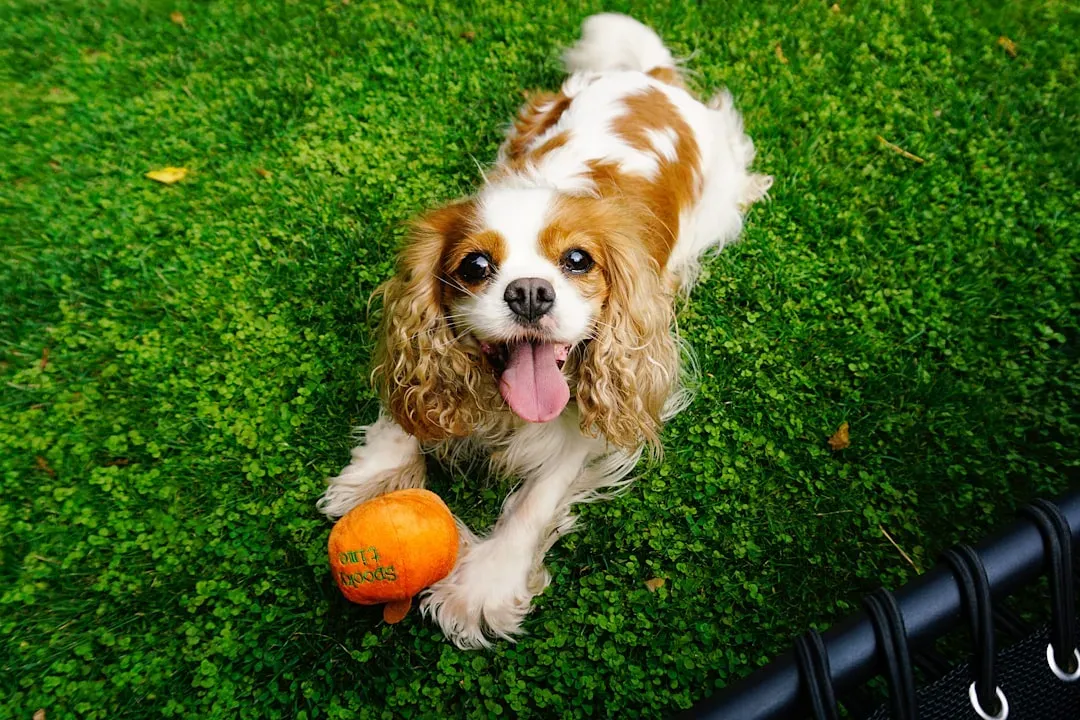
If there were a breed designed specifically for empty nesters, the Cavalier King Charles Spaniel would be a strong contender. This breed thrives on human companionship, forming strong emotional bonds and showing constant eagerness to please, while remaining friendly with strangers, children, and other pets. Picture curling up on the couch with a silky, warm dog tucked against your side – that’s Tuesday morning with a Cavalier.
Despite their elegant, almost regal appearance, Cavaliers are wonderfully adaptable, content to relax quietly indoors or enjoy light outdoor play, and with moderate exercise needs and a calm temperament, they suit a slower-paced lifestyle perfectly. While they enjoy walks and playtime, they do not have high exercise requirements, making them suitable for individuals who cannot commit to long periods of activity. One thing to watch: Cavaliers can be prone to heart conditions as they age, so scheduling regular veterinary checkups – especially cardiac screenings after age five – is genuinely important with this breed.
2. Bichon Frise: The Cheerful Little Cloud That Lives in Your Home
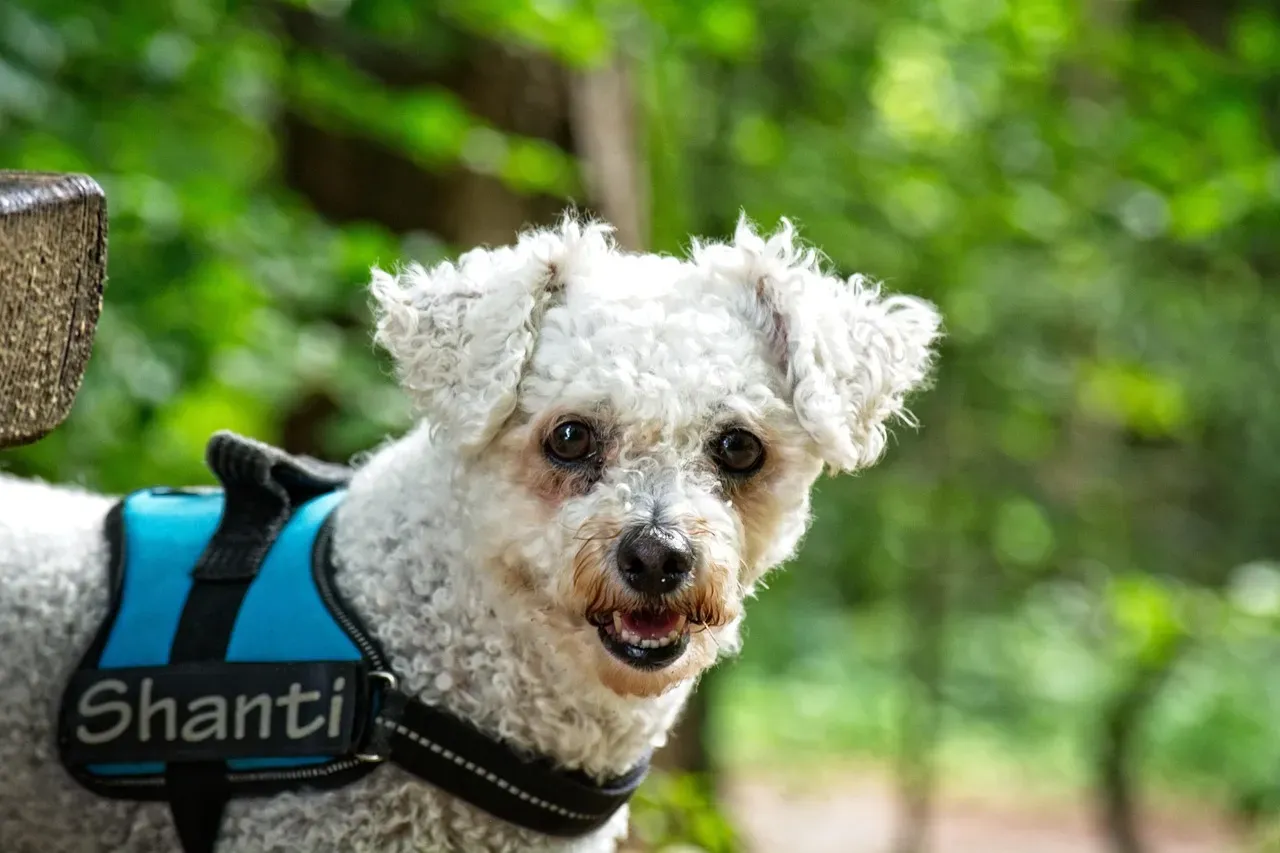
The Bichon Frise is a small breed known for its cheerful disposition and fluffy, hypoallergenic coat, particularly suitable for empty nesters due to their compact size and moderate energy levels, and they thrive on human companionship. Weighing in at just seven to twelve pounds, they’re light enough to carry, easy to travel with, and genuinely joyful in a way that’s hard not to find contagious.
These low-maintenance pups aren’t difficult to potty train and don’t shed much, which makes them one of the best dogs for older people. Bichons are gentle and playful and they get along well with other pets and children, so you don’t need to put them in another room if the grandkids stop by. Do plan for professional grooming every five to six weeks to keep that signature fluffy coat in good shape – think of it as a standing spa appointment for your dog.
3. Shih Tzu: The Devoted Companion Who Was Born for the Couch

Shih Tzus are small, sturdy dogs with a luxurious coat and a sweet, gentle temperament. Originally bred to be companions, they excel in that role, and their affectionate and relaxed demeanor makes them particularly suitable for empty nesters looking for a comforting, non-demanding companion. It’s worth knowing that “Shih Tzu” actually translates to “little lion” in Mandarin – though this breed is about as fierce as a stuffed animal.
The Shih Tzu is an affectionate dog who enjoys spending time with their pet parent – whether it’s cuddling or simply accompanying them throughout the house – and this breed is amiable and welcoming to other people and pets. Perfect for those with limited mobility, Shih Tzus enjoy prancing around the home and sitting near or on their favorite person, and firm training with lots of positive reinforcement is the key to instilling good habits. Their long coat does need regular grooming – many owners opt for a shorter “puppy cut” to reduce daily brushing time.
4. Poodle (Miniature or Toy): The Smartest Dog in the Room
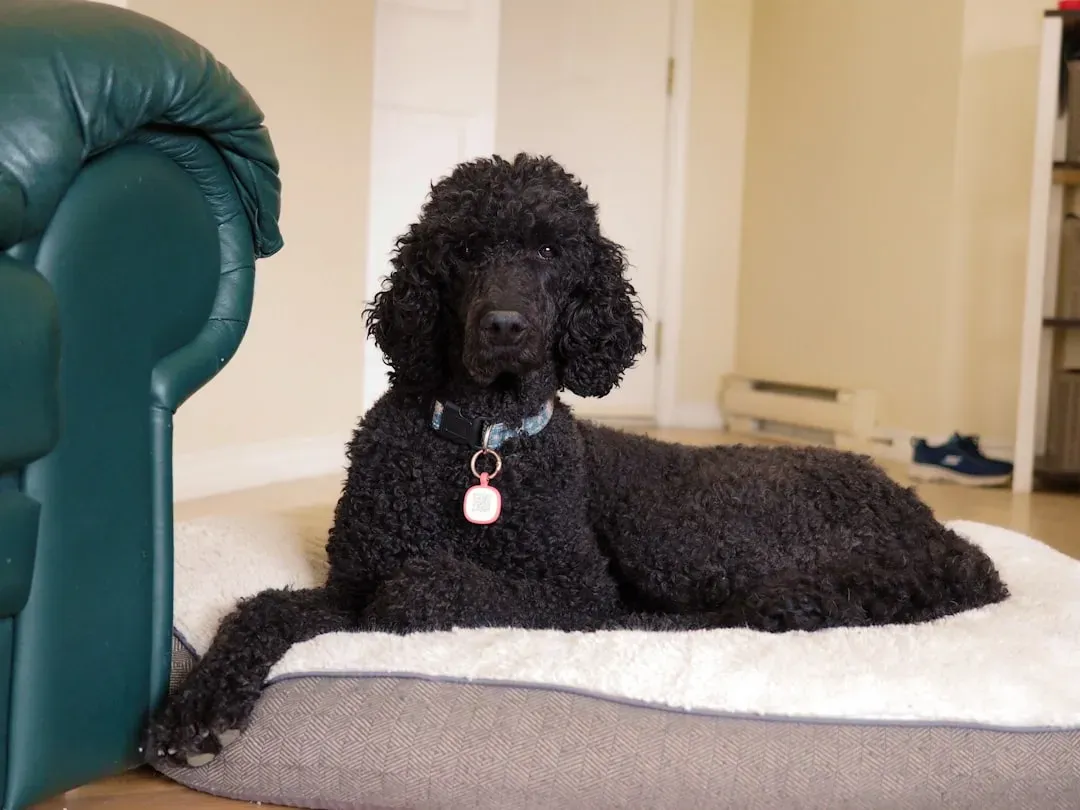
Poodles come in three sizes – standard, miniature, and toy – offering versatility to suit any living situation. Known for their intelligence and ease of training, Poodles make engaging companions capable of participating in a variety of activities, and their hypoallergenic coat is an added bonus for those with allergies. If you’ve ever wanted a dog that actually listens, a Poodle will make you feel like a genius trainer.
Poodles are an excellent option for older adults with allergies. Both the miniature and toy varieties are hypoallergenic, meaning they are less likely to trigger allergic reactions. Highly intelligent and hypoallergenic, Poodles are versatile companions who enjoy staying active but are also adaptable to calmer routines. Their social nature means they genuinely enjoy puzzle toys, gentle training games, and mental stimulation – great news for empty nesters who enjoy interactive time with their pet.
5. Golden Retriever: The Warm-Hearted Classic That Never Goes Out of Style
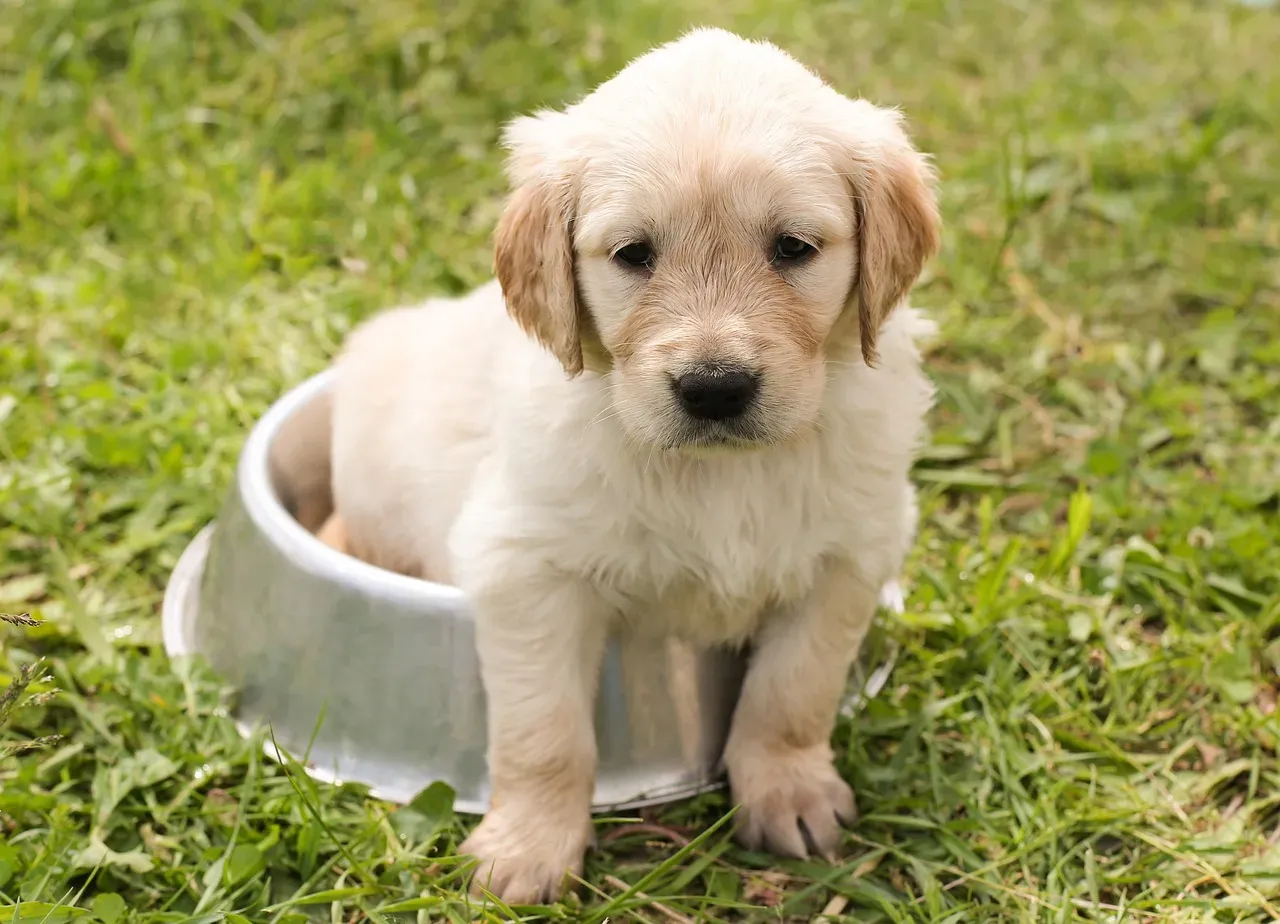
Golden Retrievers are not just family favorites – they’re excellent companions for empty nesters. Their friendly, tolerant attitude and intelligence make them suitable for a peaceful household, and they are known for their adaptability and can adjust to a more relaxed lifestyle, although they do appreciate regular exercise. They’re the kind of dog that greets you at the door with the same enthusiasm whether you’ve been gone five minutes or five hours.
Their sociable nature means they’re also great for social empty nesters who enjoy community walks or spending time in parks. Known for their steady temperaments and loyalty, Goldens thrive on companionship and do best with space and regular walks, but reward their owners with endless affection. Keep in mind that Goldens need daily exercise – think brisk morning walks or park visits – and regular brushing to manage their beautiful but shedding coat. Their lifespan is typically ten to twelve years, so adopting a young adult Golden is a very real and rewarding option.
6. French Bulldog: The Low-Key Companion with Maximum Personality
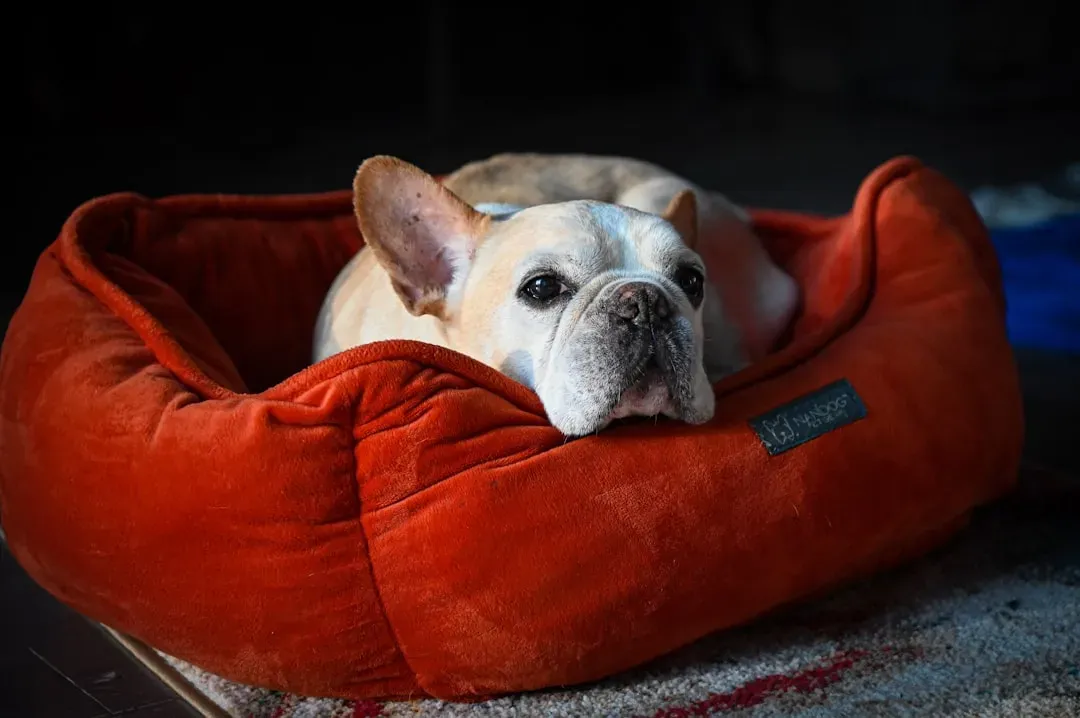
French Bulldogs are low-energy, compact, and quiet – three of the most valued traits for senior companions – and they thrive on human attention while generally not being demanding in terms of exercise. They don’t need a yard. They don’t need a marathon. They need you, the couch, and a good afternoon. That’s a lifestyle many empty nesters know well.
For older adults seeking a low-energy, low-maintenance dog, the French Bulldog is a perfect fit. These dogs are loyal and friendly, with a calm temperament that suits apartment living or smaller homes. One honest caveat: Frenchies are a brachycephalic breed, meaning their flat faces can cause breathing difficulties, especially in extreme heat or cold. Regular veterinary care and health checkups are important to address breed-specific concerns such as breathing issues due to their flat faces. Budget for that vet relationship – it’s worth every penny.
7. Labrador Retriever: For the Empty Nester Who Wants to Stay Active
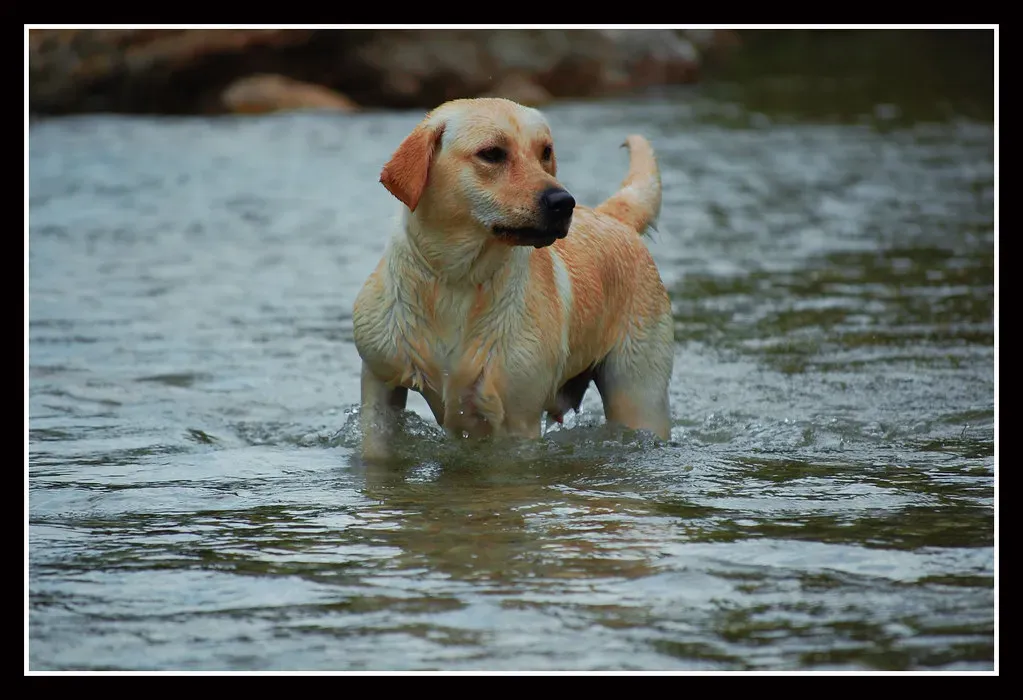
Labradors are athletic, playful, and the most popular breed of dog by registered ownership in the US and Canada. They’re friendly, respond well to training, and aren’t bouncing off the walls even though they are energetic. For empty nesters who want a reason to stay active, Labradors are a great match. Their loving and loyal personalities encourage daily walks and outdoor play, and although larger, they are gentle and family-oriented.
Labs are frequently trained to aid people who are blind and those with autism, act as therapy dogs, and perform screening and detection work for law enforcement. Sometimes you can even adopt a retired Lab when their working career is done. That’s a genuinely beautiful option – a dog that has spent years serving others, now ready to simply be loved. Labs do need consistent exercise and shed year-round, so invest in a good vacuum and a sturdy leash.
8. Greyhound: The Surprising Couch Potato with an Athletic Resume

With their lean bodies, flexible spines, and long legs, Greyhounds are known for their athletic ability and for being the fastest dog breed – but what is not as well-known is that their gentle and sensitive temperament and minimal grooming needs make them one of the best dogs for seniors. The contrast is almost funny: the world’s fastest dog, happiest when horizontal on your sofa.
Greyhounds are among the most low-maintenance large breeds. Known as “couch potatoes,” they enjoy lounging indoors but appreciate a daily walk, and their calm nature makes them wonderful companions for those seeking peaceful company. Adopting a retired racing Greyhound is a terrific route if you’re considering one of these gentle giants. Their short coat requires minimal grooming, and they tend to be quiet, non-barking dogs – ideal for quieter homes or neighborhoods where noise matters.
9. Pembroke Welsh Corgi: Big Heart, Short Legs, Endless Fun
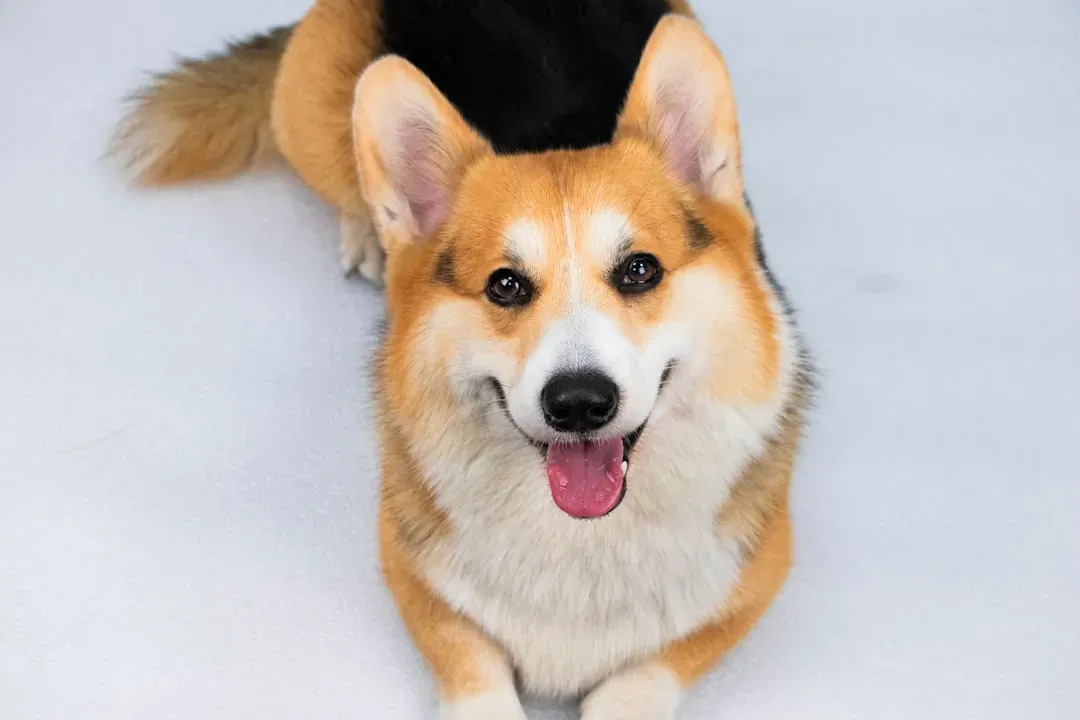
For more active empty nesters who enjoy outdoor exploration such as walking on nature trails, the lively and adventurous Pembroke Welsh Corgi is a great match. With their cute little legs and sparkly eyes, Corgis win over hearts easily, and the sociable Corgi wants to be included in every occasion, with an animated and fun-loving personality that makes this dog shine. They’re the dogs that have an opinion about everything and make sure you know it.
Corgis are protective, devoted to their families, and make excellent watchdogs – though this energetic breed is prone to barking when left alone too long or if they don’t receive sufficient exercise. They are intelligent and easy to train, making them good companions for empty nesters, but as herding dogs by nature, you must ensure your Corgi gets adequate exercise – which can be accomplished through daily walks that are healthy for both of you. Mental stimulation through puzzle toys or simple training sessions keeps a Corgi genuinely happy and well-behaved.
10. Maltese: The Tiny Aristocrat with a Heart Full of Devotion
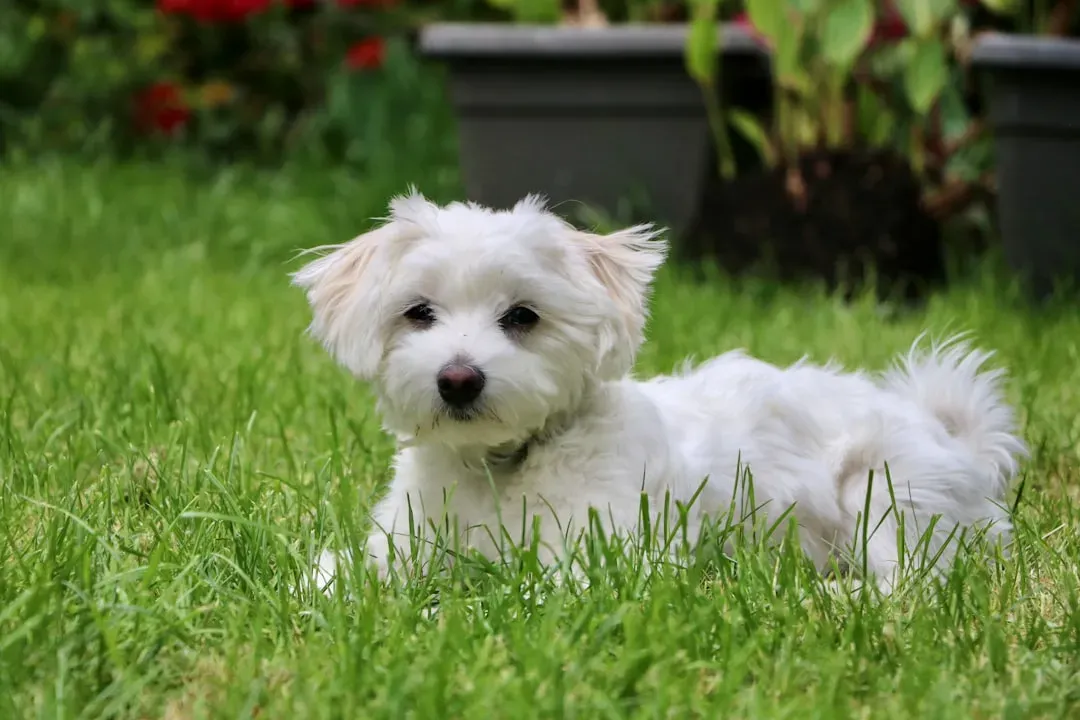
The Maltese is a timeless companion perfectly suited for seniors and peaceful, relaxed homes, offering a blend of elegance, affection, and gentle charm. Despite their small size, this breed carries a lively spirit and a loving nature, forming strong bonds with their owner, and they enjoy generally calm indoor living while still bringing a playful energy that keeps daily life engaging without being overwhelming. They’re the kind of dog you forget is small, right up until they fit neatly in your lap.
Highly intelligent and eager to learn, the Maltese responds well to consistent training and early socialization, which help shape their naturally friendly and gentle temperament – though they can become slightly protective or sensitive if overly spoiled, making balanced guidance important. The Maltese is a small, affectionate dog that thrives on attention, their compact size makes them easy to carry and manage, and despite their long silky coats, they are relatively easy to groom with routine care. A regular brushing routine and monthly professional grooming sessions will keep them looking their elegant best.
Finding the Right Fit: What to Consider Before You Decide
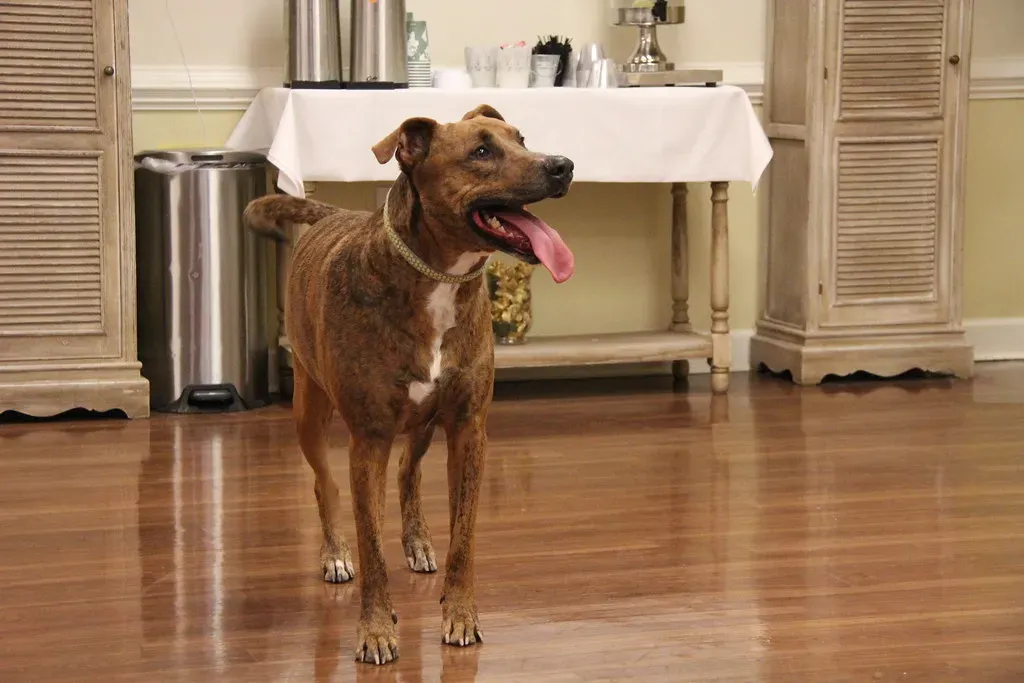
Some important points to think about when searching for the best dog as an empty nester include energy levels, the size of your home, the size of the dog, the breed’s sociability, and the dog’s age and temperament. No breed is perfect for everyone, and that’s exactly the point – the perfect dog for you is the one that fits your actual daily life, not the one that looks good on a list.
For most empty nesters, an adult or senior dog is often the more practical choice. Puppies require intensive supervision, consistent training, and high energy output for at least the first year, while an adult dog in a foster home has a known behavioral history and is typically past the most demanding phase. Countless dogs of all ages and sizes are waiting in shelters and rescue organizations for a loving home, and a senior rescue dog may be the best fit of all – older mixed-breed dogs in rescues tend to get overlooked, though they are just as loving and wonderful as younger pups.
The financial commitment – including food, vet visits, and grooming – as well as the time commitment involving longevity, walks, playtime, and vet visits, and both the human’s and dog’s energy levels, are important to keep top of mind. Go in with clear eyes and an open heart. That combination tends to lead to very good outcomes.
Conclusion: The Right Dog Changes Everything
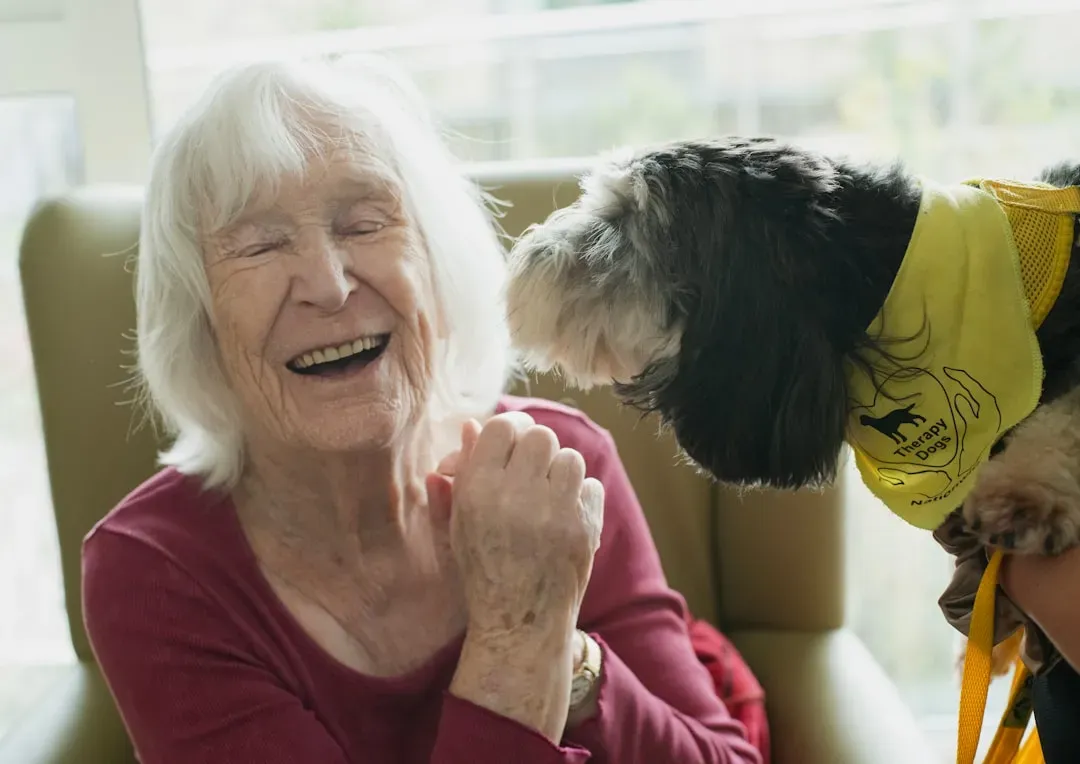
The empty nest phase isn’t a loss – it’s a shift. A dog can provide an empty nester with an added sense of purpose, since dogs look to their owners for love, attention, and protection, giving their owners a sense of responsibility and motivation. Having a dog can also help empty nesters be more socially connected and interactive, since walking your dog is a great way to get outside, meet new people, and stay connected to your neighbors and community.
Whether you choose a Cavalier who melts into your lap or a Labrador who drags you joyfully into morning walks, the right dog quietly reorders your days in the best possible way. Pet ownership is associated with reduced deterioration in physical health among older adults, increases the chances of social interaction, decreases loneliness, and has the potential to contribute to the maintenance of cognitive function, thus promoting healthy aging.
That quiet house? It won’t stay quiet for long. It’ll fill up with paw clicks on hardwood floors, the soft sound of steady breathing next to you at night, and the particular kind of warmth that only a dog knows how to give. Some companions arrive on four legs. The best ones stay for life.


