

Picture this: you’re out for a Saturday morning walk, your dog trotting happily beside you. A neighbor waves and steps closer to say hello. Suddenly, your happy-go-lucky pup freezes, tucks their tail, or erupts into a frantic round of barking. It’s a scenario that plays out in parks, doorways, and living rooms every single day. You’re not alone, and your dog isn’t broken.
Meeting new people may feel fun and exciting to you, but it can be extremely uncomfortable or even frightening for your dog. The good news is that with some patience, the right approach, and a pocket full of treats, introductions don’t have to be stressful. These nine gentle strategies can transform those nerve-wracking meet-and-greets into something your dog actually looks forward to.
1. Learn Your Dog’s Body Language Before Anything Else
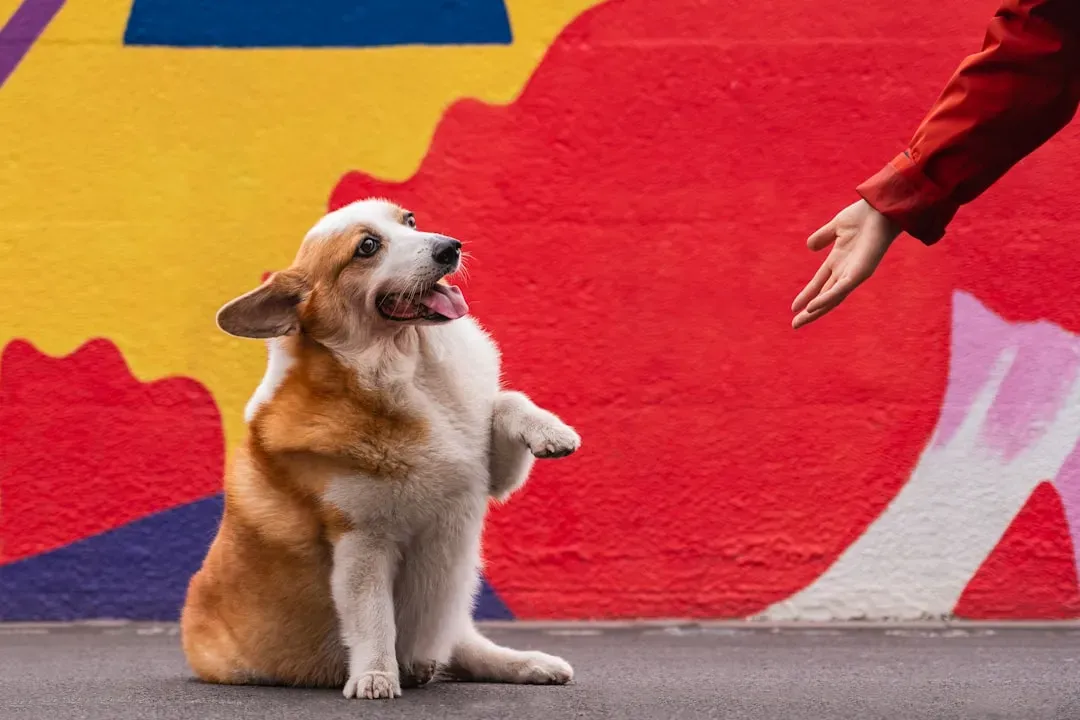
Before you put your dog in front of a single new person, you need to know what they’re telling you. A stiff body, yawning, lip licking, and hard eyes are all indications that your dog might not be comfortable engaging, even when they’re not barking or lunging. These quiet signals are easy to miss, especially in the excitement of a social moment.
Signs of stress or discomfort include lip licking, yawning, panting, a tucked tail, whale eye, trying to escape, and growling. Immediately remove your dog from the situation if you observe these signs. Think of these cues as your dog’s way of waving a small white flag. Familiarizing yourself with canine body language is essential so you can recognize the early stages of discomfort and intervene when necessary.
A dog’s overall body posture reveals their emotional state and intentions more clearly than any single signal. Confident dogs move freely with loose, flowing movements, while anxious dogs appear stiff and constrained. Once you can read these signs reliably, you become a far better advocate for your dog during every greeting.
2. Start in a Place Your Dog Already Feels Safe
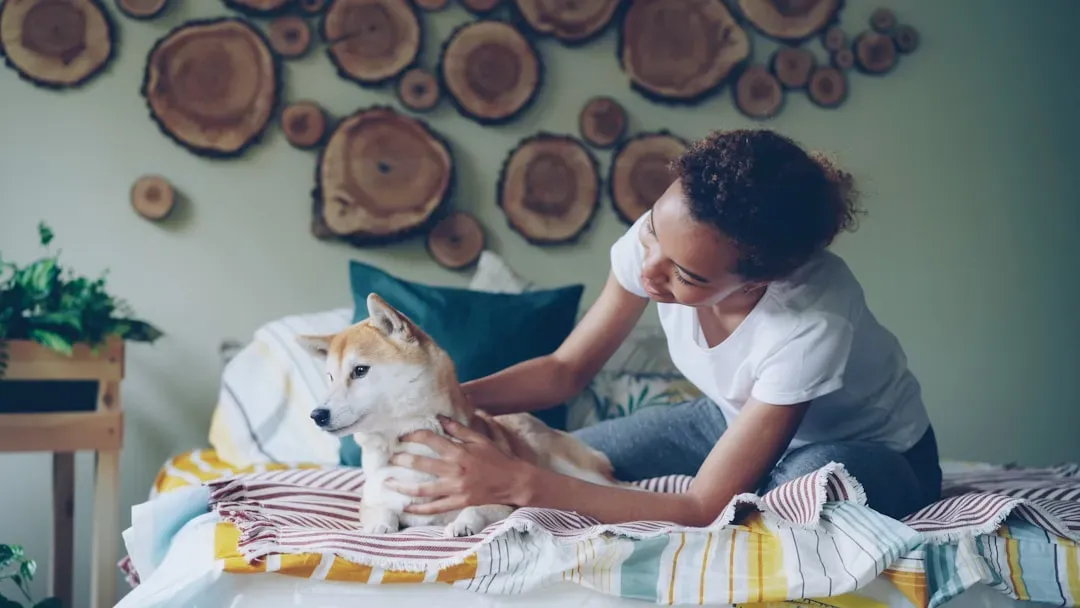
Location matters more than most people realize. Start at home, where your dog feels safe, with controlled introductions. Invite friends or family members over for slow introductions, and ask them to ignore your dog initially, allowing a natural approach when your pet feels comfortable. Home turf gives your dog a psychological edge because it’s familiar, predictable, and smells like them.
Have your dog meet people you know first, before having them meet strangers. This staged approach respects the reality that socialization is a skill that builds gradually, not a switch you flip. Socialization doesn’t happen overnight. Start by introducing new experiences one at a time, beginning with low-stress situations, like a quiet street before a busy one, or a calm park before a dog-friendly café.
3. Brief Your Guests Before They Walk Through the Door
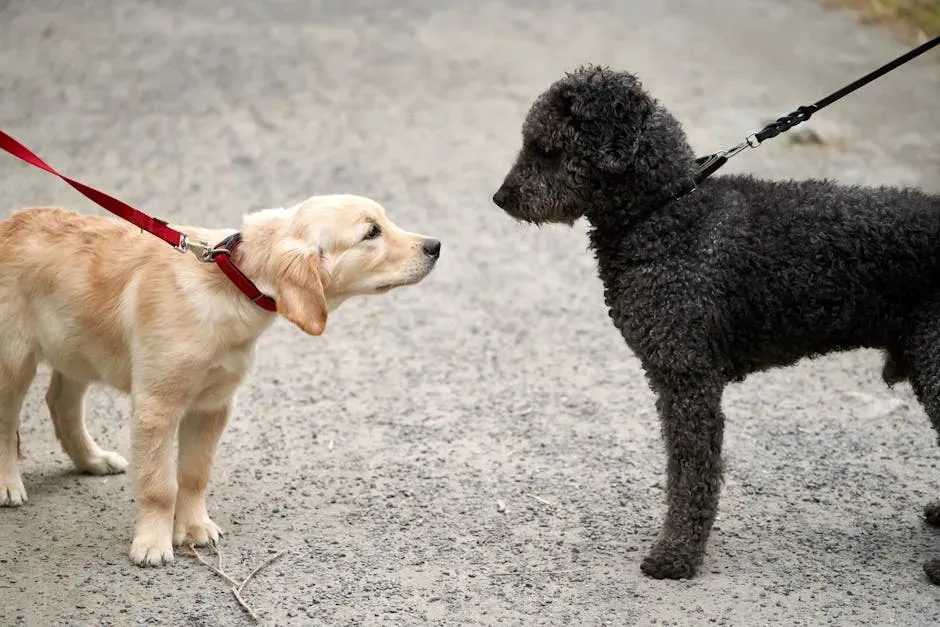
One of the most overlooked steps in a successful introduction is preparing the humans involved. Before guests arrive, kindly request that they remain calm and avoid sudden movements, greet you first before acknowledging the dog, and avoid petting or making direct eye contact with the dog. This single briefing can prevent a cascade of anxious reactions before they even begin.
It’s also helpful if new people speak in friendly, non-aggressive tones. Your dog can sense both fear and confidence in a person’s voice, so be extra careful when introducing your dog to children or people who may feel nervous around dogs. Remind your guests to move deliberately and non-aggressively, and not to approach your dog quickly or suddenly, even if the dog is acting playful. Moving suddenly can make your dog feel like something is wrong and put them on edge.
4. Let Your Dog Decide When to Say Hello

This one can feel counterintuitive, especially when your guest is enthusiastic and your dog seems curious. The instinct to push things along is understandable. Resist it. Never force your protective pup to meet someone. Instead, you want to build curiosity about the new person and let the dog explore independently.
Make sure visitors understand that they should never approach your dog, and that they need to let the dog approach them if and when the pup is ready. Approaching a dog too quickly can not only scare them but it could make them feel that they need to defend themselves with a growl or a bite. It’s a good rule of thumb to avoid letting strangers approach your dog in general. Instead, always let the dog approach them. Giving your dog agency in the process is one of the most respectful things you can do for their confidence.
5. Use Treats to Build a Positive Association with Strangers

Treats are not bribery. They’re communication. When a stranger appears and a treat follows, your dog’s brain starts filing that stranger under “good things happen.” Try softening a human-to-dog introduction by asking your guests if they’d like to give your dog a treat. Be sure they offer it by extending their palm flatly, letting your dog walk up and take it on their own terms.
If you’re certain your dog will take a treat nicely, let your guests feed them a small treat. This positively reinforces the connection that stranger equals treat. Over time, this conditioning can genuinely shift how a wary dog perceives unfamiliar people. Pair the presence of the stranger with rewards like small pieces of high value treats. Through desensitization and counterconditioning you’ll be able to help your dog make positive associations to the presence of people and slowly shift your dog’s feelings and behavior around meeting new people.
6. Keep the Leash Loose, Not Tight

How you hold the leash during an introduction sends a direct message to your dog. A tight leash communicates tension, and dogs are remarkably sensitive to it. Your dog can sense if you’re stressed, from your voice, body language, and even if you’re holding the leash taut. A white-knuckle grip doesn’t calm a nervous dog. It confirms their suspicion that something is wrong.
Effective leash training significantly impacts your dog’s comfort around strangers. Train your dog to walk calmly on a loose leash, because a tense leash can indicate anxiety, while a relaxed leash promotes calmer interactions. Have your dog on a loose leash while you are standing or sitting when greeting new people. This will help keep them close and allow you to remove them from the meeting if needed. It’s a simple physical adjustment with a meaningful emotional impact.
7. Instruct Strangers to Crouch Down and Turn Sideways
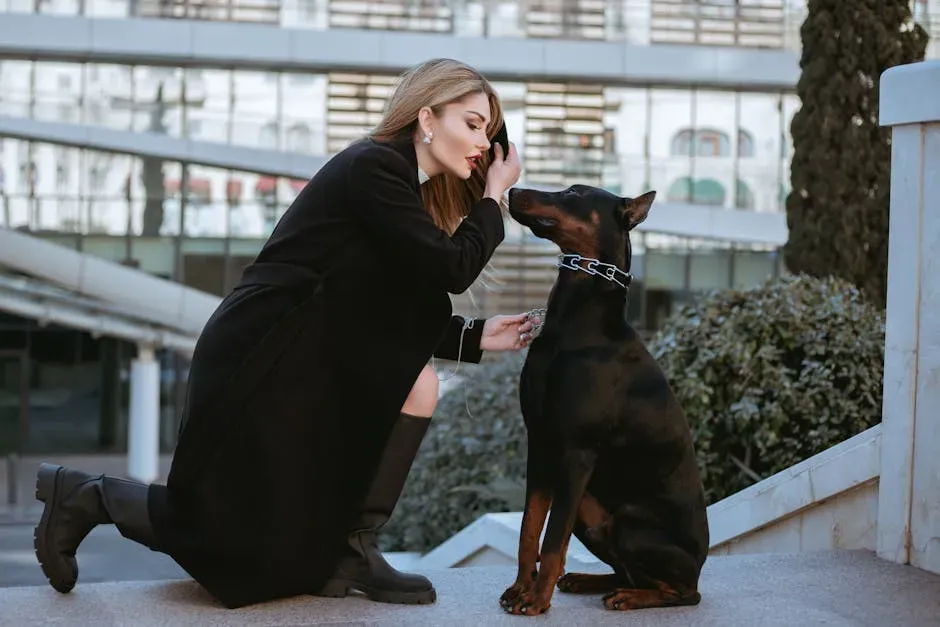
The way humans naturally greet each other, standing upright, making direct eye contact, reaching forward, can seem threatening to a dog who doesn’t know you yet. Instruct the inquiring person to stop, lower their body, and wait for the dog to approach them. That shift in posture alone can completely change how a hesitant dog reads the situation.
It may feel awkward at first, but it is incredibly important to manage these interactions carefully. Your dog might be more stressed than normal when processing all the new smells and sounds of unfamiliar surroundings, and an approaching stranger may simply be too much for them. Direct staring can be threatening between strangers and might escalate tension rather than resolve it. Small physical adjustments on the human’s part can make an enormous difference for a dog who’s on the fence about saying hello.
8. Practice Short, Frequent Exposure Over Time

One successful introduction doesn’t mean your dog is ready for a house full of guests. Socialization is a gradual, ongoing process, not a one-time event. Brief, regular experiences are more effective than occasional long sessions. Repetition helps your dog build confidence gradually. Think of each positive interaction as a small deposit into a confidence bank.
Dogs only remain social when continually exposed to unfamiliar people. Continued pleasant exposure to new people keeps the idea that strangers are good news in the forefront of your dog’s mind. When your dog shows improvement in quieter settings, you can gently expand the context. Once your dog shows improvement in controlled environments, practice socialization in safe, public places. Choose quieter times to visit a dog park, and allow your dog to observe and gradually interact with new people from a distance.
Think about dog socialization this way: it’s practice. The more you and your dog practice, the more socialized they become. Each and every new experience will build on what your dog has already learned.
9. Know When to Step In, Advocate, and Walk Away
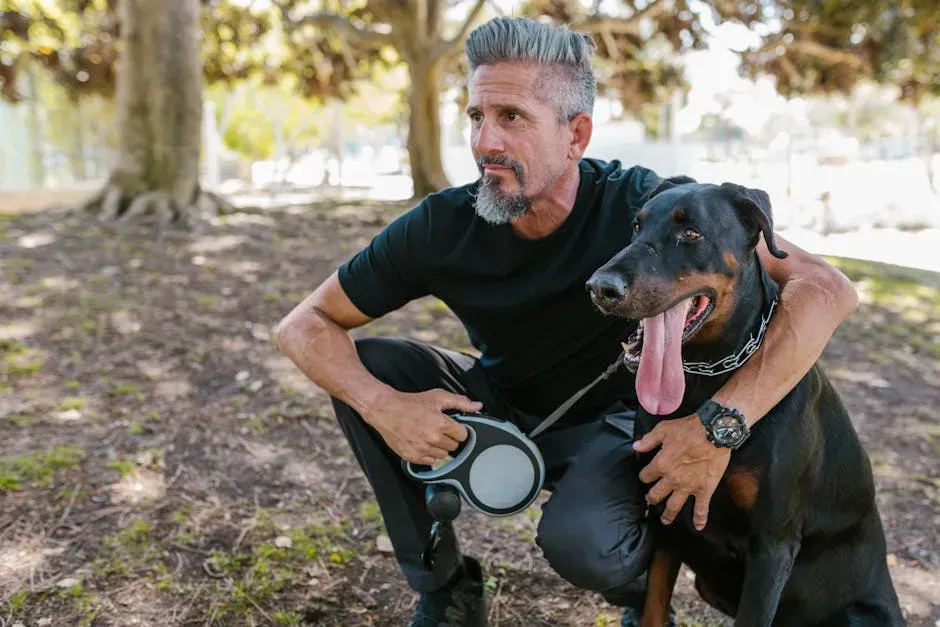
Being a good advocate for your dog sometimes means being the person who says, “Not today.” If your dog isn’t excited about meeting new people, it’s always okay to tell strangers your dog doesn’t want to say hello. This can even have a positive training impact. You can build your dog’s trust in you by not allowing other people to make them uncomfortable. That kind of consistent protection builds a deep, lasting trust between you and your dog.
It’s important not to punish your dog during training or for any of their reactions to people. Punishing behaviors like barking or growling won’t change how your dog feels about the person who triggered the reaction. Instead, it’s just suppressing the behavior. This can be dangerous since suppressing early warning signs of discomfort can lead to an escalation of the unwanted behavior.
If your dog’s anxiety or aggressive behavior toward strangers remains unchanged despite your efforts, consider professional assistance. Look for certified professional dog trainers specializing in behavior modification who can evaluate your dog’s specific concerns and craft a tailored training strategy. For severe anxiety, a veterinary behaviorist can diagnose deeper problems and recommend therapeutic interventions if needed.
Conclusion: Every Dog Deserves to Feel Safe

Introducing your dog to strangers doesn’t have to feel like navigating a minefield. With the right tools, a calm presence, and genuine respect for your dog’s pace, most dogs can learn to tolerate, and often genuinely enjoy, meeting new people.
Improving your dog’s interaction with strangers is a gradual endeavor that requires patience. Celebrate small achievements along the journey, whether it’s feeling comfortable enough to greet a stranger or simply staying relaxed in a crowded park. Every dog is different, and progress may vary. Maintaining calmness and offering consistent encouragement will help build your dog’s confidence over time.
The goal was never to have the dog who enthusiastically greets everyone on the block. The real goal is a dog who feels secure, understood, and safe in your hands. That’s a friendship worth building, one gentle introduction at a time.


