
There’s a reason people reach for their dog the moment something goes wrong. Before words come out, before a single plan is made, the dog is already there, pressed close, steady, and warm. That’s not a coincidence. Some dogs carry a remarkable capacity to sense human distress and respond with a gentleness that no amount of training can fully manufacture.
An emotional support animal can provide comfort, companionship, and therapeutic benefits for people facing emotional or mental health challenges such as anxiety, panic attacks, depression, chronic stress, ADHD, or post-traumatic stress disorder. The relationship between people and dogs for managing mental health is genuinely powerful, and the right breed can make a real difference in daily life. While any dog can be your best friend, some breeds possess specific traits, like natural calmness, trainability, and deep affection, that make them exceptional partners in wellness.
What follows is a carefully researched look at eleven breeds that consistently stand out in this role. Each one brings something different to the table.
1. Golden Retriever: The Gold Standard of Emotional Support

Known for their friendly and gentle nature, Golden Retrievers are highly sociable and compassionate dogs with a natural instinct to comfort and connect with people. They seem to have an almost uncanny ability to pick up on emotional shifts in the room. Golden Retrievers are gentle, affectionate dogs that love being close to their humans, tend to form deep emotional bonds, and are especially sensitive to their environment and the moods of those around them, which is part of what makes them great therapy and assistance dogs.
This breed is gentle, loving, and affectionate, and they are well-loved for the bonds they make with their families. They are eager to please and focused when it comes to training, and can easily learn new tasks or skills. Additionally, they are very aligned with their owner’s emotions most of the time, making them an especially good choice as therapy dogs for children or young adults. One thing to keep in mind: their fur is long and needs to be brushed at least once per week, sometimes more frequently. Skipping this can cause tangling and matting, and extreme matting can cause skin irritation and pain for the dog. Consistent grooming is part of keeping your Golden performing at their emotional best.
2. Labrador Retriever: Steady, Friendly, and Always Ready

No matter where you look, Labrador Retrievers consistently top the list as the number-one emotional support dog breed. They are playful, friendly, affectionate, eager to please, and good with young children. Their outgoing nature means they can adapt to a wide range of environments, from bustling family homes to quieter apartments. Labradors are known for their outgoing and even-tempered nature, and their affectionate disposition and high sociability make them great for providing comfort and companionship.
Labs are incredibly smart and have a strong desire to learn, often excelling in obedience training, agility, and various dog sports. They tend to be a little more independent, so they require consistent, firm guidance during training sessions. They are highly food-motivated, which can make training easier, especially when treats or rewards are involved. Watch their weight closely, though. Labs are very food-driven, which helps with training but can lead to weight issues if not monitored. A healthy Lab is a happy, effective support partner.
3. Cavalier King Charles Spaniel: Born to Comfort

Cavalier King Charles Spaniels have a calm, playful nature and are usually sociable, and this temperament makes them well-suited to serve as therapy dogs. Their roots run deep in this role. The Cavalier King Charles Spaniel was originally bred to be a comfort and companion dog, which gives them the perfect heritage to serve as an animal-assisted therapy partner. Imagine them visiting a hospital ward or a child’s therapy session, quiet and attentive, melting into whoever needs them most.
The affectionate and empathetic nature of Cavalier King Charles Spaniels makes them exceptional therapy dogs, with a calming effect that can help reduce anxiety and make them a comforting presence in challenging situations. One key health note: Mitral Valve Disease is extremely common in the Cavalier breed, but early awareness and proper management can greatly improve a Cavalier’s quality of life. Regular cardiac checkups with a vet are essential for these dogs, especially after age five.
4. Poodle: Intelligence Meets Intuition
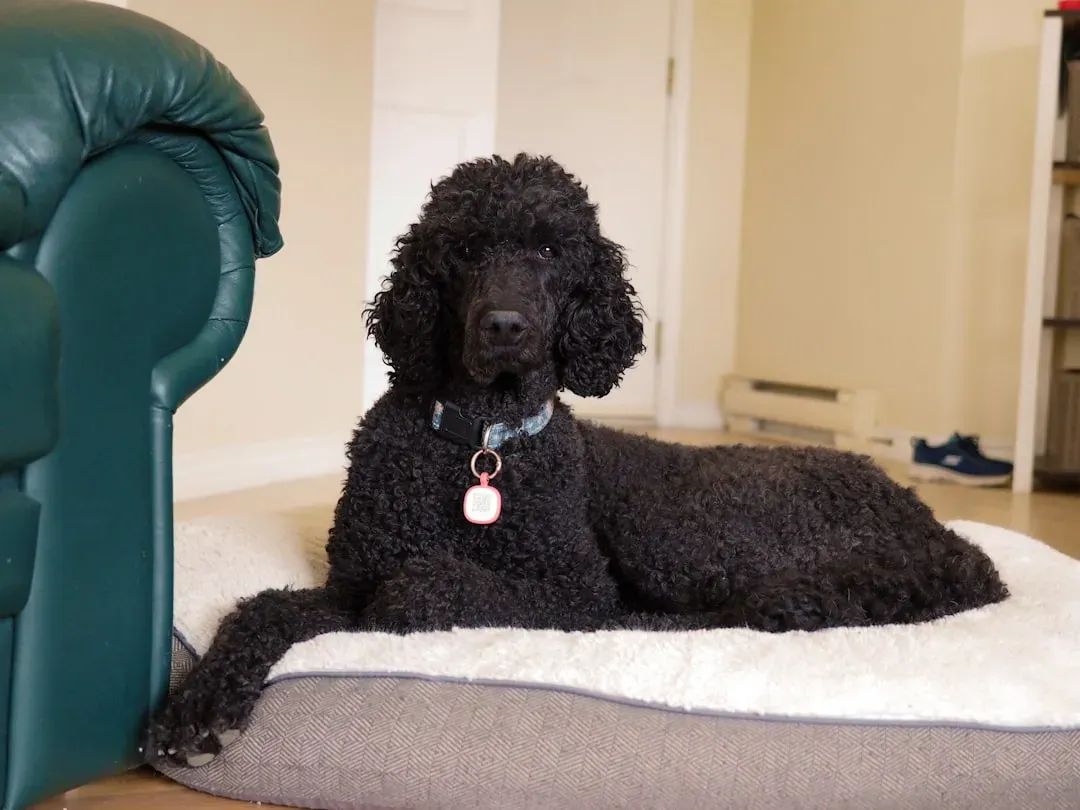
The great thing about the Poodle is that it comes in three different size categories: standard, toy, and miniature, making this breed adaptable to nearly any living situation. Whether you’re in a studio apartment or a home with a yard, there’s a Poodle size that fits. If you have allergies, Poodles are worth considering because they are among the breeds often recommended for people with allergy concerns. Their low-shedding coats make them a practical choice for sensitive households.
Poodles are among the most trainable dogs in existence, and their emotional attunement is genuinely impressive. The connection between humans and dogs is a powerful tool for managing mental health challenges like anxiety, depression, and PTSD, and an Emotional Support Animal provides comfort and companionship that contributes significantly to therapeutic care. Poodles bring a sharp intelligence to that bond, picking up on behavioral patterns and responding with precision. Regular mental stimulation through games, learning, and interaction is important. A bored Poodle is a restless one.
5. Beagle: The Cheerful Companion Who Grounds You

It could be the soulful eyes or the floppy ears, but there’s something about a Beagle that immediately warms the heart. That reaction is not just casual charm. Beagles are super-friendly scent hounds, and this nature translates into a deep bond. Their cheerful disposition is ideal for group settings, such as a nursing home or a school. There’s something quietly grounding about a Beagle curled up beside you when the world feels overwhelming.
The friendly Beagle is a true friend and ideal emotional support dog. That said, they can be stubborn and scent-driven. They can be stubborn and may require consistent training, but they are full of attention and companionship. Keep training sessions short, positive, and engaging. Beagles respond to consistency and patience, not harshness, and once they trust you, the bond they form is remarkably warm and steady. Ensure they get enough physical activity, as under-exercised Beagles tend to channel their energy into mischief.
6. Corgi: Small Dog, Surprisingly Big Emotional Presence
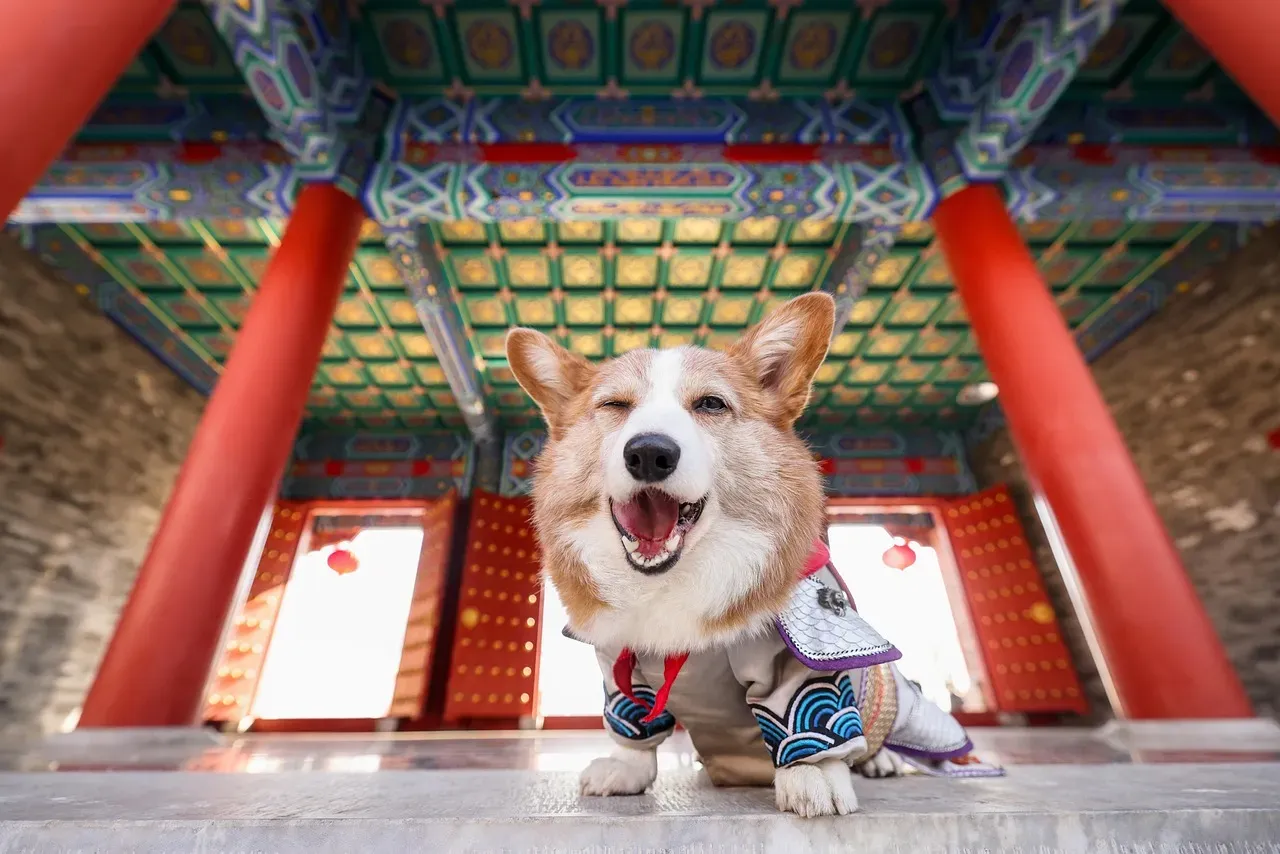
Because of their size and personality, Corgis make excellent emotional support animals. They’re loyal to their owners and are even-tempered, rarely whining or growling. Originally bred to be herd dogs, Corgis are also known for being easy to train, and they are affectionate and playful, making them a perfect breed for emotional support. Their compact size also makes them a strong option for people in smaller living spaces. You get a lot of dog for not a lot of square footage.
Due to their energetic and engaging nature, Corgis are excellent emotional support dogs for individuals with ADHD. Their lively personality helps channel the excess energy often associated with ADHD, and their playful and active nature can help motivate their owners to stay engaged and focused on tasks. Keep an eye on their weight and spine health. Hip dysplasia, elbow dysplasia, and obesity should be monitored, and regular exercise is required to maintain their health. A fit Corgi is an energetic, joyful companion who will keep you on your toes in the best possible way.
7. Shih Tzu: The Apartment-Friendly Comfort Dog

Shih Tzus might be small, but they have big hearts. They thrive on human companionship and are well-suited for indoor living. With their long, flowing coats and expressive eyes, Shih Tzus make excellent emotional support animals. They are attentive, loving, and have a knack for forming deep bonds with their owners. Picture coming home after a hard day and finding a small, soft creature that has been waiting for exactly your return. That’s the Shih Tzu experience.
Shih Tzus are quite comfortable living in smaller spaces, so if you live in a one-bedroom apartment, this is a good breed to consider. They don’t demand a large yard or long daily hikes. What they do need is consistent grooming attention. Their beautiful coats tangle easily if neglected. Shih Tzus were bred to be royal lapdogs, and they still carry that instinct to stay close and provide comfort. That instinct is essentially hardwired, and it shows every single day.
8. Yorkshire Terrier: Tiny Dog, Tremendous Heart

If you live in a small space, the Yorkshire Terrier may be the perfect companion for you. The Yorkie will follow you around the house and curl up on your lap as you read a book. They carry a loyalty that feels disproportionate to their size. Tiny Yorkshire Terriers have enormous hearts and equally big personalities. Along with that, they have a very keen sense of empathy that allows them to provide comfort when owners need it the most.
You can easily carry them around since they are so small, which is why they are ideal for people who need constant emotional companionship. This portability is a genuine advantage for people with social anxiety or mobility challenges. Yorkies do need daily coat care, and their small size means they can be vulnerable to dental issues, so regular teeth brushing is non-negotiable. They can also be surprisingly bold with strangers, so early socialization helps keep their confidence in check and their temperament steady.
9. Bernese Mountain Dog: The Calm Giant With a Healer’s Soul

Good-natured and affectionate, the Bernese Mountain Dog can help alleviate the symptoms of depression and anxiety with their placid personality. While they get along well with the whole family, they usually become attached to one particular person. That singular attachment can be deeply meaningful for someone navigating a mental health challenge. Bernese Mountain Dogs have a gentle temperament, are patient, calm, and approachable. They naturally enjoy being around people, even strangers, and their intelligence and eagerness to please make them easy to train for therapy work. They remain composed in busy environments, from hospitals to classrooms.
Bernese Mountain Dogs thrive in emotional support roles. Their affectionate and gentle nature helps reduce stress and anxiety, and they bond strongly with their owners, creating a reliable sense of security. Their size also makes them well-suited for deep-pressure comfort, simply leaning against a person during a moment of distress. One important thing to know: Berners have a relatively shorter lifespan compared to smaller breeds, so regular veterinary care, a balanced diet, and preventive health monitoring are essential to maximize the time you have with them.
10. Pug: The Mood-Lifter in a Wrinkled Package
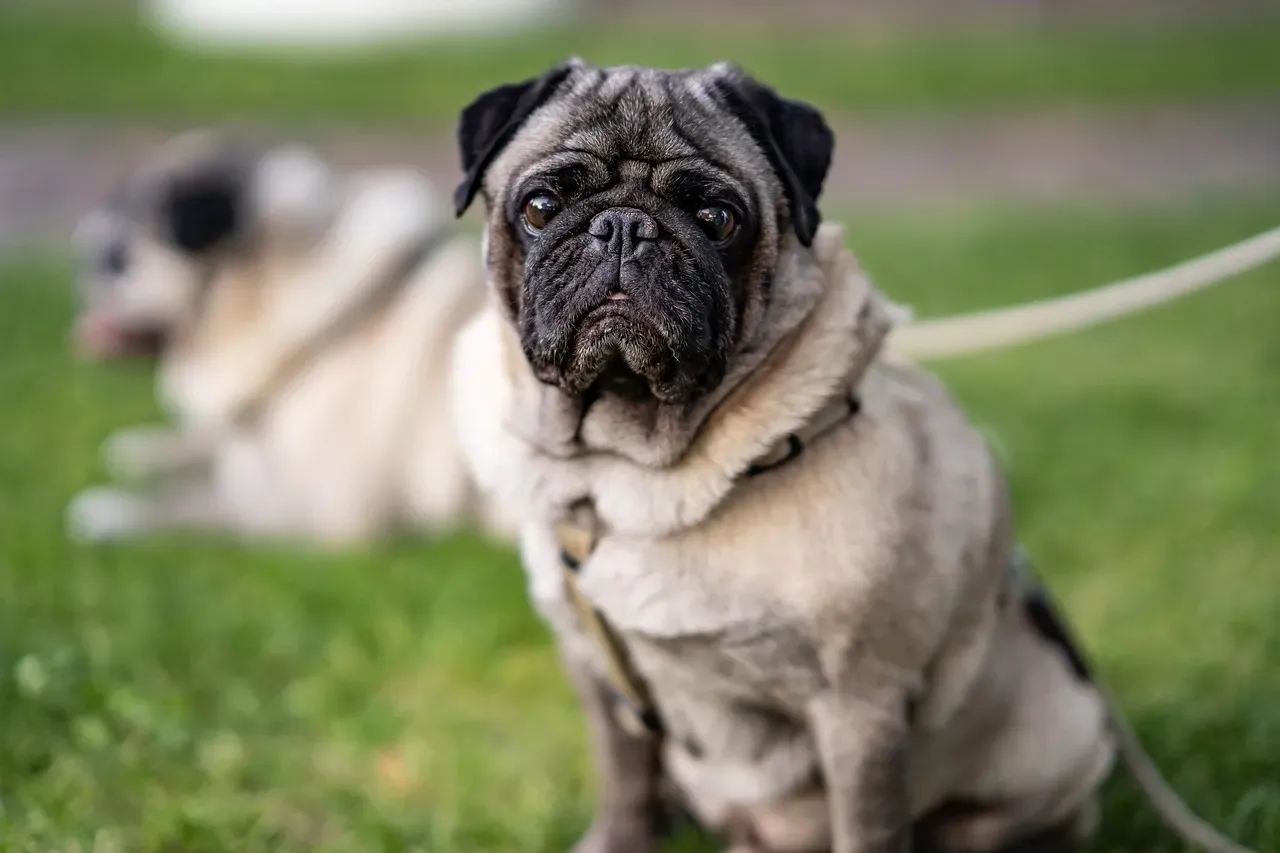
The Pug is a breed you might not automatically think of for therapy work, but this breed makes for a fantastic therapy companion. While Pugs are too small to complete significant service dog tasks, they are very loving and affectionate therapy dogs. Their small size can make them less intimidating to young children or people who may be on edge. They are cuddly and love spending all their time with people, making them a great choice for a therapy animal. They are also gentle and great with children, happily soaking up any attention or playtime that comes their way.
Their small size and moderate activity levels make them well-suited for apartments, assisted living environments, and homes with limited space. Unlike high-energy breeds, they are typically content with short walks and indoor interaction. That said, Pugs do have health considerations that owners must manage carefully. Breathing difficulties related to their flat face are common, especially in heat or during exercise. Keep them cool in warm weather, avoid overexertion, and schedule regular vet checkups to catch respiratory or eye issues early. A well-cared-for Pug is one of the most cheerful companions you’ll ever meet.
11. Great Dane: The Gentle Giant Who Makes You Feel Safe
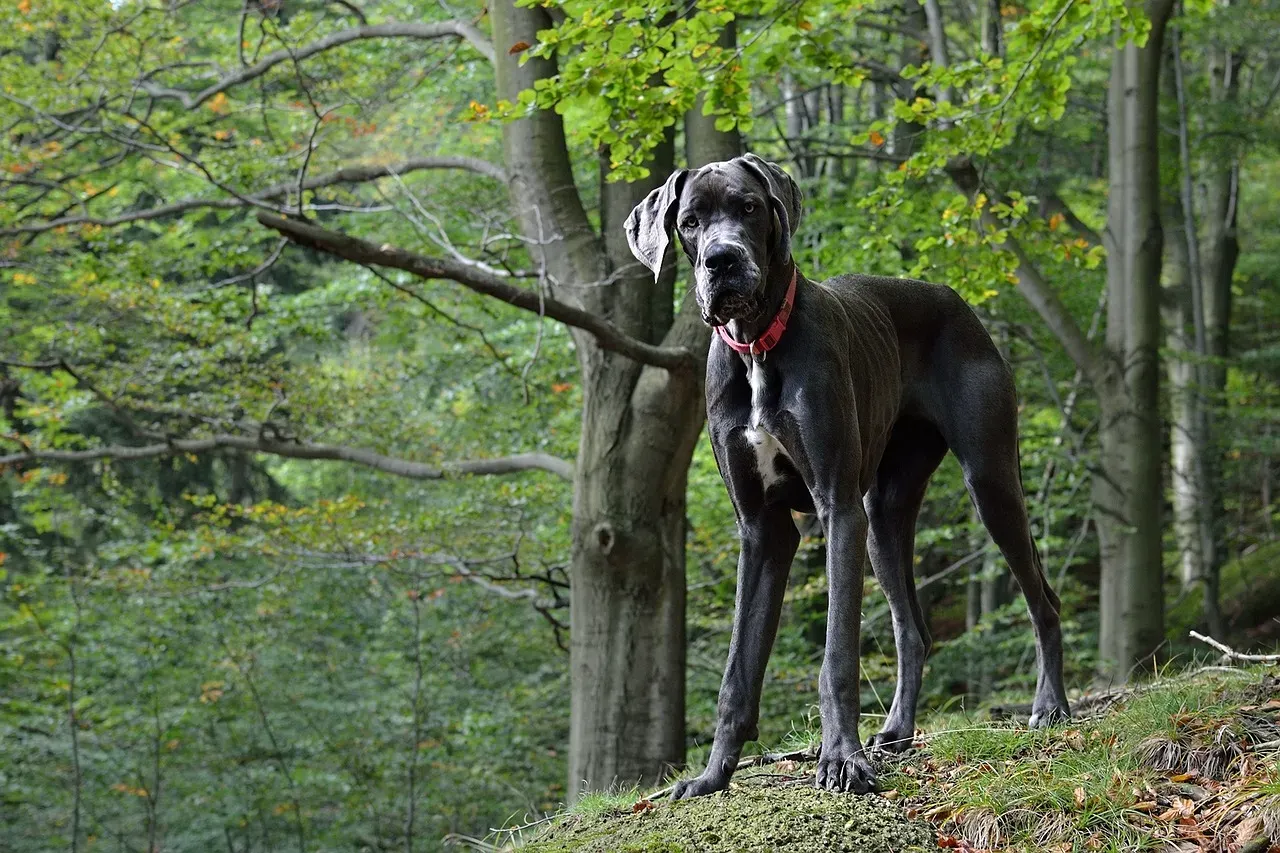
Great Danes are huge, one of the biggest dog breeds in the world. Yet they are incredibly gentle and loving. They can easily provide a sense of security to people with anxiety or PTSD, and they become easily attached to their owners. For people who feel vulnerable or unsafe, the physical presence of a Great Dane can provide a calming reassurance that smaller dogs simply cannot replicate. Great Danes are among the best breeds for emotional support roles, and their temperament, loyalty, and loving nature make them ideal companions for those struggling with anxiety, depression, PTSD, or other mental health challenges.
Known for their patience and calmness, Great Danes make safe and comforting companions. They are highly social and enjoy being around people, which can ease feelings of isolation. Many are sensitive to human emotions and respond when their owner is stressed or upset. Space and budget are real considerations with this breed. They need room to move, and feeding a Great Dane is not a small expense. Their exercise requirements and living space needs require thought. They need daily attention, mental stimulation, and care. And not every Great Dane will have the patience or calmness needed to be a reliable ESA, so temperament assessment matters when choosing your individual dog.
Conclusion: The Right Dog Changes Everything
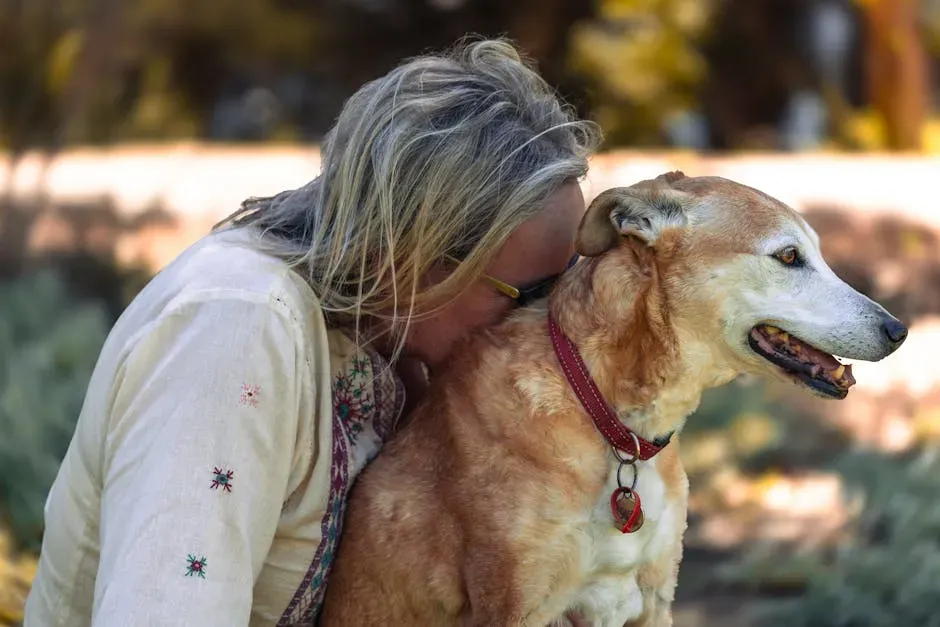
Every breed on this list offers something genuinely valuable, but the best therapy or emotional support dog is ultimately the one whose personality matches your specific life and needs. Whatever breed you choose for your emotional support animal ultimately comes down to your needs and lifestyle requirements. You may adore Golden Retrievers, but if you have limited space and don’t have the resources to feed and groom a large dog, a Golden Retriever may not be the most feasible choice for you.
When selecting a breed for emotional support, consider temperament, looking for breeds known for their calm and affectionate nature, as well as size relative to your living space, and activity level to ensure the dog’s energy aligns with your lifestyle. The legal side matters too. An emotional support dog’s mere presence can help alleviate symptoms of anxiety, depression, PTSD, and other mental health challenges. Emotional support dogs are prescribed by licensed mental health professionals as part of a treatment plan, and while they don’t have the same public access rights as service animals, they do have some protections under federal and state laws.
At the end of the day, the bond between a person and their support dog is one of the most quietly powerful relationships in human experience. Choose thoughtfully, care deeply, and your dog will likely give back more than you ever anticipated.


