
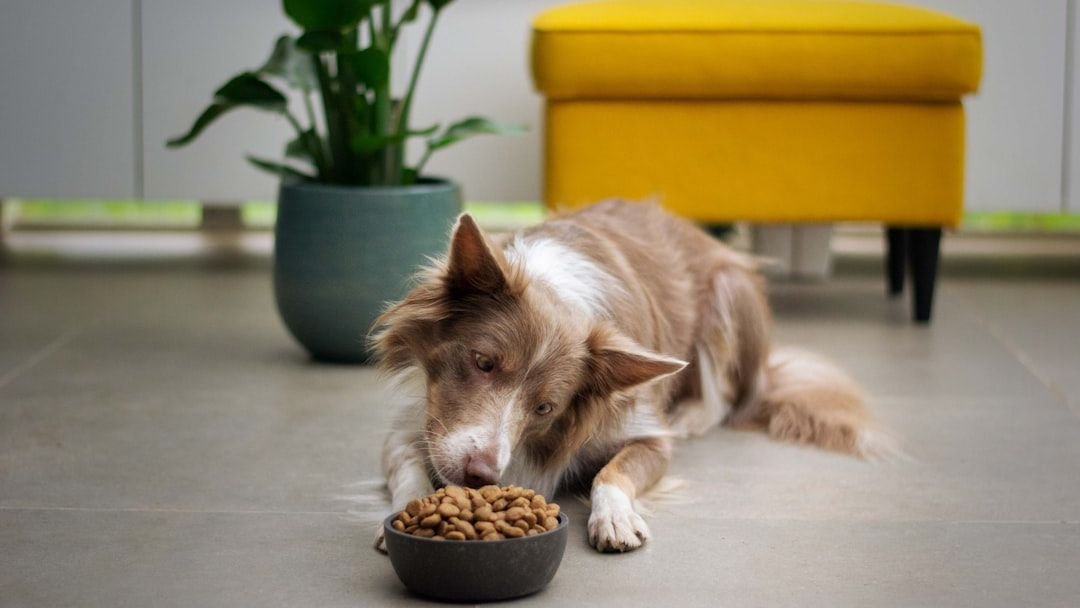
Picture this: you’ve just sat down with a warm plate of food, fork in hand, ready for a quiet moment, and then you feel it. That steady, unblinking gaze from across the room. You look up and there’s your dog, perfectly still, eyes locked onto you like you’re the most fascinating thing on the planet. No bark. No whine. Just the stare.
Most dog parents laugh it off or guiltily slide over a bite of food. A few find it slightly unsettling. Nearly all of them wonder what on earth is going on in that furry head. The truth is surprisingly rich, sitting right at the intersection of evolutionary biology, behavioral science, and a bond that has been quietly forming for thousands of years.
It Starts With Ancient Instincts, Not Just Hunger
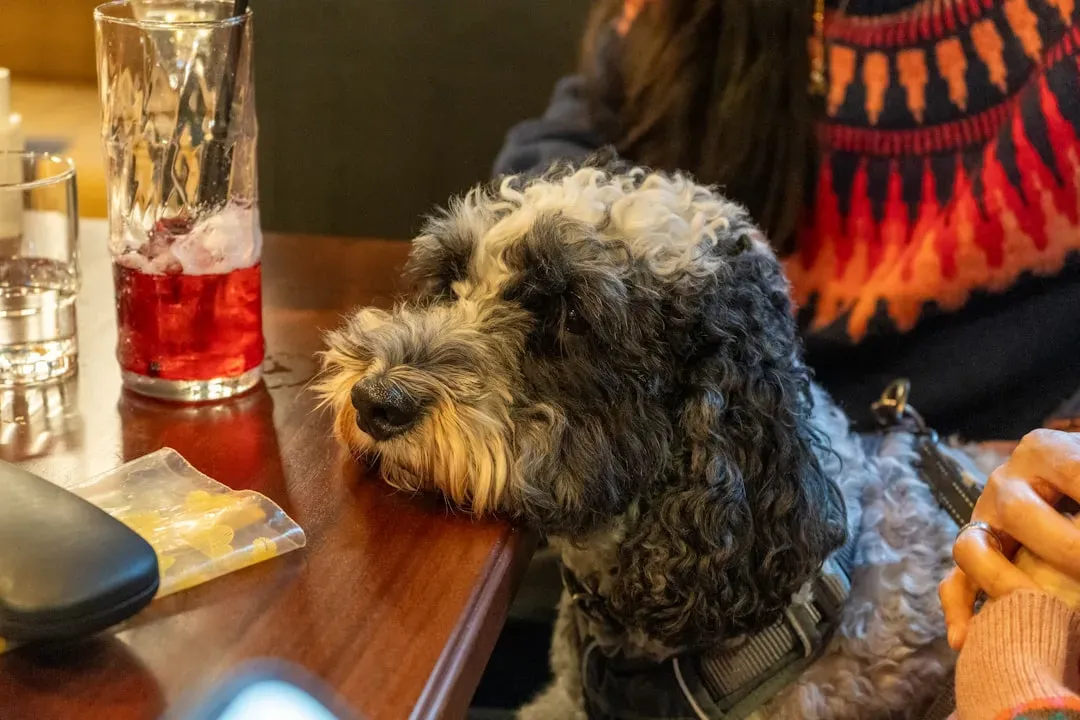
This behavior has deep roots in wild ancestry. Dogs evolved from wolves, who hunted in packs and followed a strict social hierarchy. Dominant pack members typically ate first while lower-ranking wolves had to wait their turn. Staring was a passive way to show interest, essentially a polite request for leftovers.
In domestic living situations, your family is your dog’s pack. If you’ve trained your dog well, they see the humans as their pack leaders. They watch you eat to let you know that they want to eat too. By staring at you during mealtime, your dog is also demonstrating that they see themselves as subordinate to you in the pack order.
Dogs have been at our side for more than 10,000 years, becoming master observers of human behavior. That long history of co-evolution means the mealtime stare isn’t a random quirk. It’s a deeply wired social signal that has simply transitioned from the wild pack to your dining room.
The Oxytocin Loop: Your Dog Is Literally Bonding With You
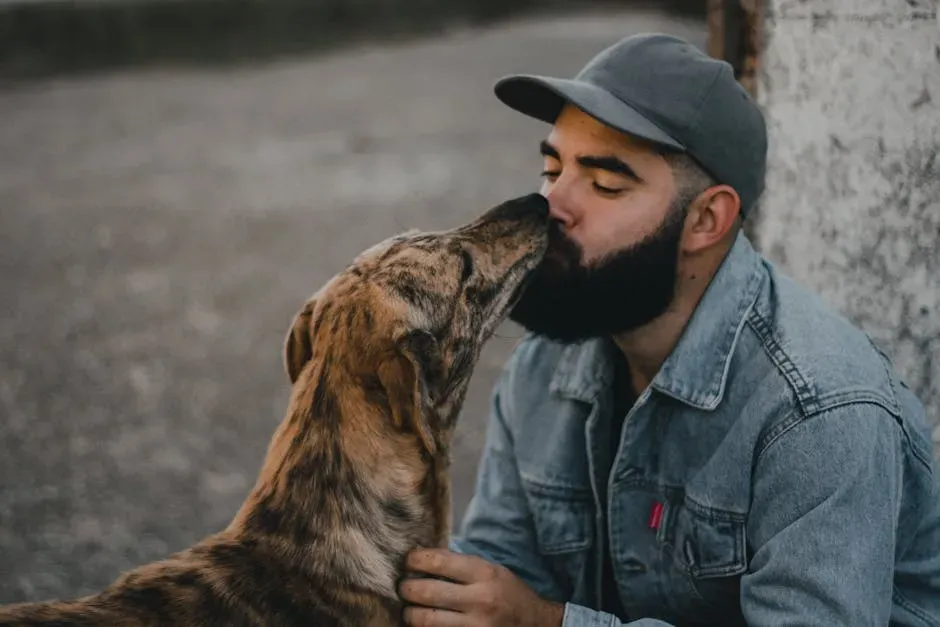
Mutual staring between humans and dogs releases oxytocin, known as the love hormone. This chemical plays an important role in bonding and boosts feelings of love and trust. The same hormone that is released when a new mother looks at her baby is also triggered when you look at your dog.
During dog domestication, neural systems implementing gaze communications evolved that activate the human oxytocin attachment system, as did gaze-mediated oxytocin release, resulting in an interspecies oxytocin-mediated positive loop to facilitate human-dog bonding. In plain terms, your dog’s stare is wired to make you both feel closer, warmer, and more attached to each other.
Takefumi Kikusui, an animal behaviorist at Azabu University in Japan, demonstrated that this chemical reaction doesn’t happen when wolves, even hand-raised ones, interact with humans, suggesting that this response evolved specifically during dog domestication. So yes, that mealtime gaze your dog gives you is biologically unique to the human-dog relationship.
Reading the Signals: Bonding Stare vs. Begging Stare
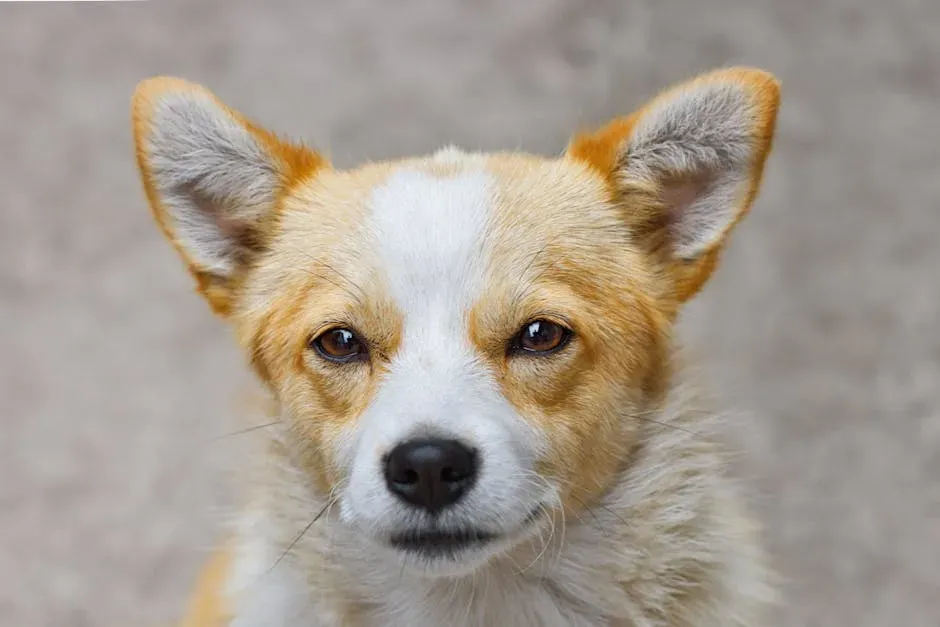
The difference between bonding and begging lies in the body posture. If your dog is tense, drooling, pawing, or whining, then it’s likely food-seeking. If they are calm, relaxed, ears soft, gaze steady and silent, it’s more likely bonding. Learning to tell the two apart can genuinely change how you feel about the behavior.
The dog isn’t just looking at your plate. They’re watching your face, your body language, even the rhythm of your breathing. Dogs are very good at understanding us. Your dog watches your body language and looks at your facial expressions to help them recognise what you’re thinking and feeling.
While dog stares are often loving or solicitous, they can sometimes signify more negative emotions. Staring or holding eye contact may indicate that a dog is fearful, anxious, or uncomfortable in some way. If a dog is staring while guarding their food bowl or a favorite toy, that can be a signal to back off. This behavior is known as “resource guarding,” and the same goes for a “hard stare” that accompanies a rigid posture or stiffened tail. When in doubt about an intense, hard stare with tense body language, consult a professional trainer.
How You Accidentally Trained the Stare
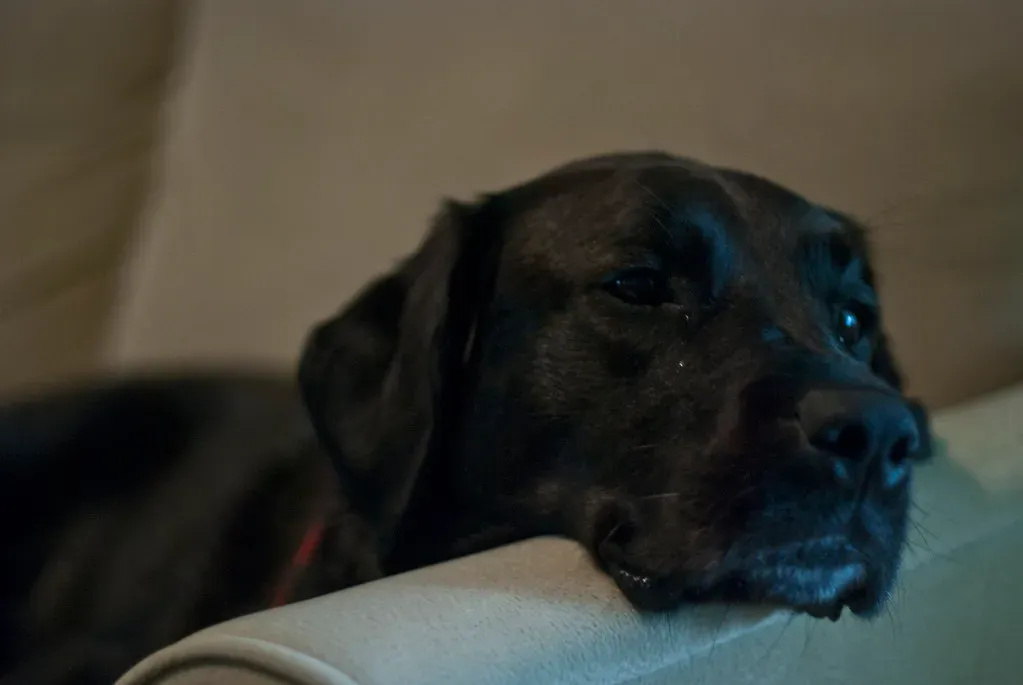
Some dogs stare to manipulate their owners and get something they want. If the dog stares long enough, the owner hands over a morsel. In truth, you created that habit. In the beginning, the dog would have stared simply out of interest. If you had ignored the gaze, your pup probably would have found something else to do. The stare makes you feel uncomfortable or guilty, so you give in to make it stop. The dog has learned a new way to communicate.
Dogs stare when they’re interested, so your pooch probably watched you eat dinner naturally because it looks and smells great. Then when you saw them staring, you tossed them a tidbit, which to your dog looks like you’re rewarding what they were doing. From then on, your dog started staring at you when you had food thinking that if they keep their gaze on you, they get some food.
Consistency is critical. Everyone in your household needs to follow the same rules: no sneaking table scraps, no responding to the stares with attention, no exceptions. Mixed messages can confuse your dog and make training less effective. One soft-hearted family member undoing the rules can reset weeks of progress overnight.
What to Do About It: Practical Tips for a Peaceful Mealtime
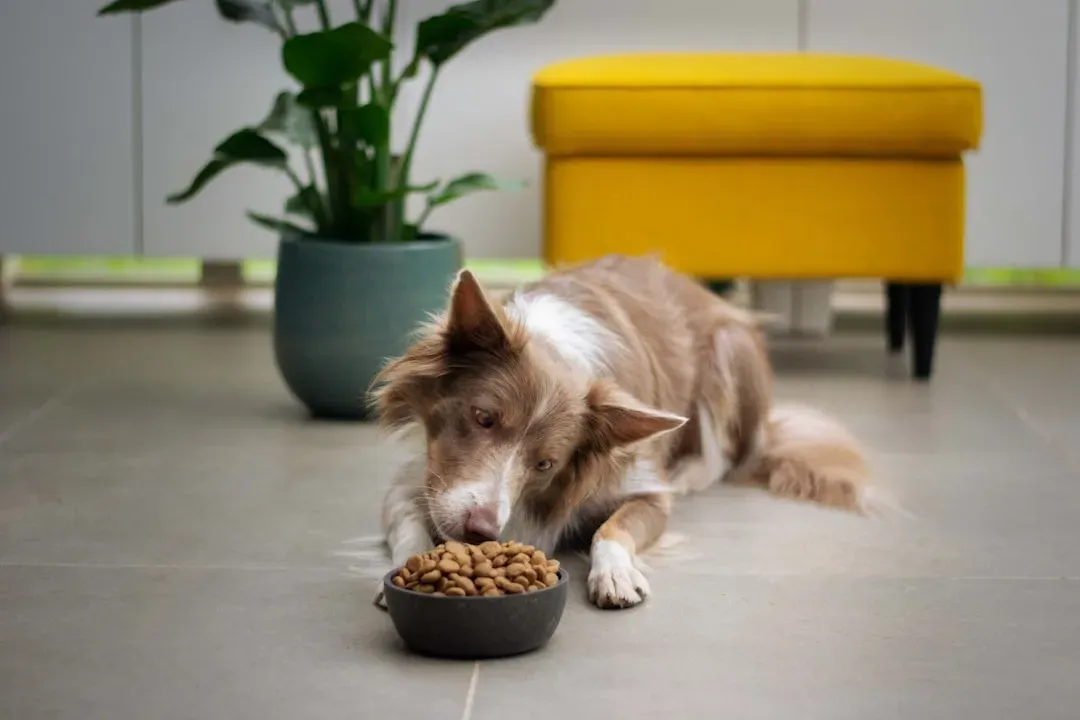
Whether you should stop your dog from staring depends on your pup’s behavior, your household rules, and whether it’s interfering with your mealtime peace. If your dog quietly watches from a distance without whining, pawing, or jumping, the behavior is usually harmless. They’re just curious and hopeful. If the staring turns into vocal begging, table-surfing, or nose-in-your-plate behavior, it’s time to set some boundaries.
A better approach is to teach your dog what you would like instead. For example, your dog could chew a bone in a dog bed while you eat, or ring a doggie bell to let you know it’s time for an outdoor potty break. If you reward the new behavior and ignore the staring, soon you will have a dog that looks at you for cues rather than guilt trips.
Research suggests that the quality of eye contact matters more than quantity. Brief but frequent moments of mutual gazing throughout the day can be more effective at strengthening bonds than forced, prolonged eye contact sessions. Combining eye contact with gentle touch, like a soft stroke under the chin or behind the ears, can enhance the oxytocin release for both parties. Channeling the bonding power of that gaze into intentional, calm moments outside of mealtimes is a genuinely rewarding alternative for both of you.
Conclusion: That Stare Means More Than You Think
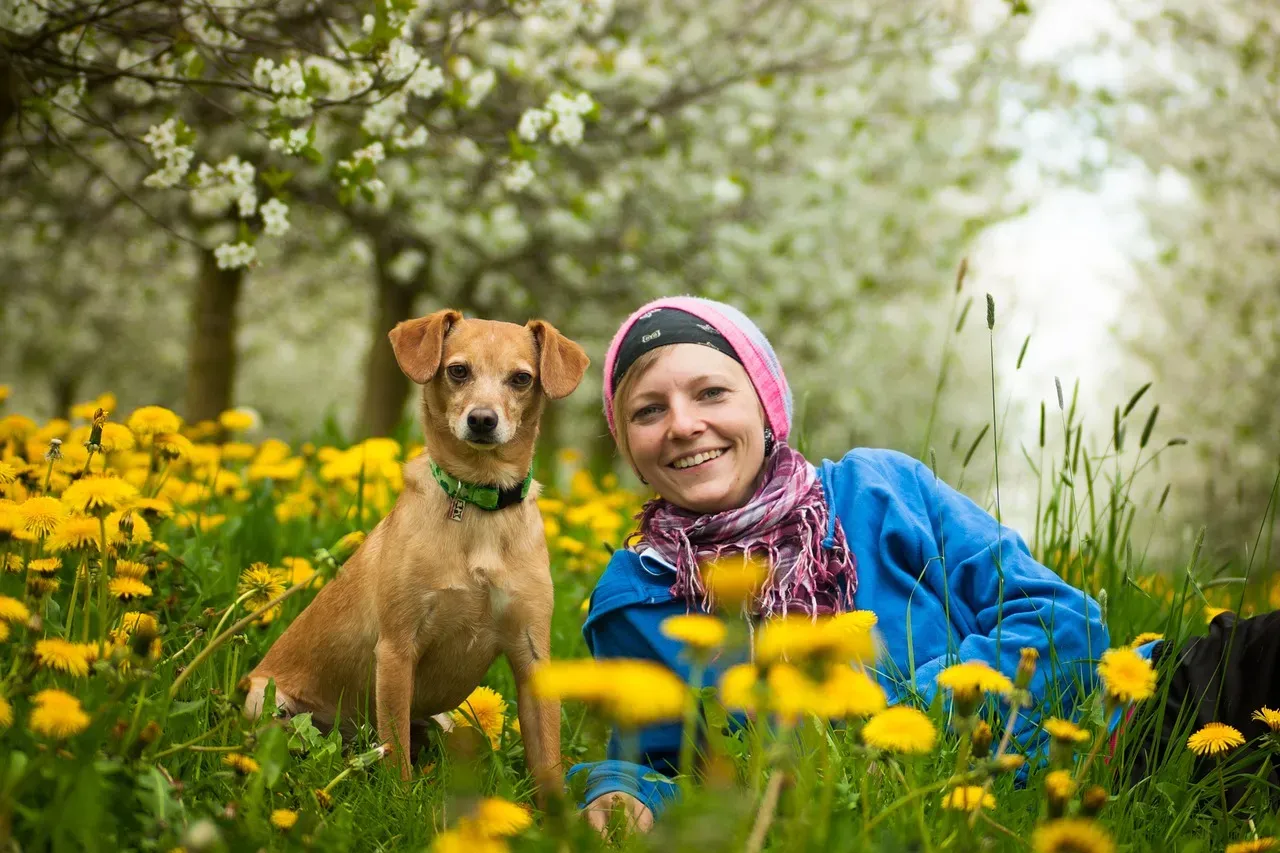
The next time your dog locks eyes with you over your dinner plate, take a quiet moment before you react. It’s part food-hope, yes. Part learned habit, sure. But underneath all of that is something that science has now confirmed: a genuine, hormonally-woven emotional connection that is unlike almost any other cross-species bond in nature.
Research supports the existence of a self-perpetuating oxytocin-mediated positive loop in human-dog relationships that is similar to that of human mother-infant relations. Human-dog interaction through dogs’ human-like gazing behavior brings on social rewarding effects due to oxytocin release in both humans and dogs, deepening mutual relationships and leading to interspecies bonding.
Understanding the why behind the stare gives you real power, not to shut it down, but to respond to it wisely. Set boundaries when needed. Build the bond where you can. Your dog isn’t just watching you eat. They’re choosing to be with you in that moment, which, when you think about it, is a quietly remarkable thing.


