
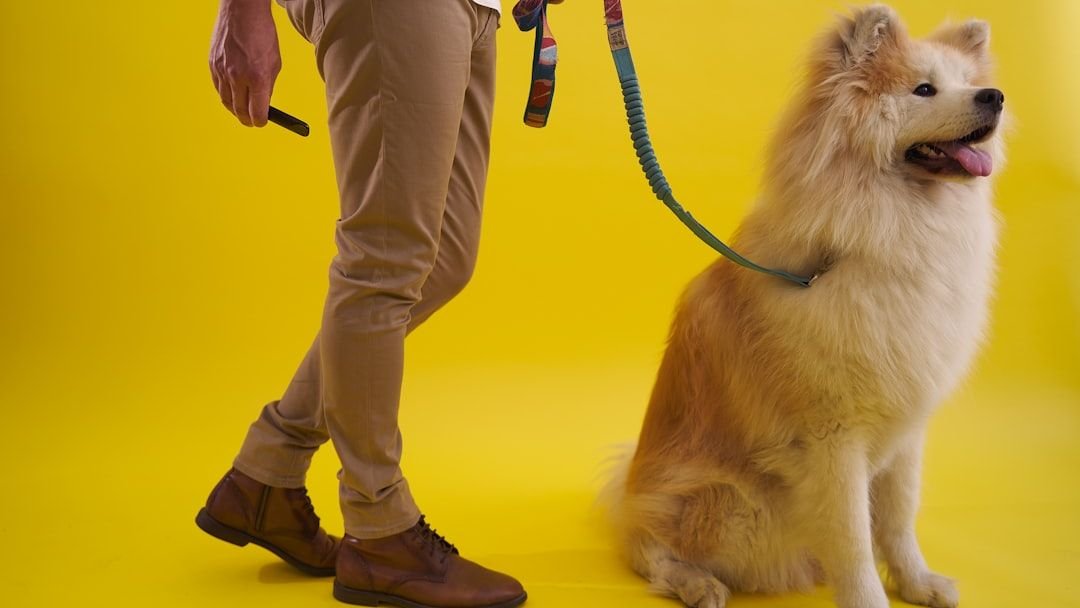
You’re at the park, your dog spots another dog across the grass, and instead of a happy tail wag, you get a stiff body, a low growl, and a hard stare. Your stomach drops. You wonder what you did wrong, whether your dog is “broken,” or if every future walk is going to feel like navigating a minefield.
Here’s a reality check: you’re far from alone, and your dog is far from broken. Not all dogs want to interact with other dogs or know how to appropriately interact with them, and sometimes the right recommendation is simply to avoid other dogs. Understanding what’s driving your dog’s behavior – whether it’s fear, frustration, past trauma, or just plain personality – is the first and most important step toward helping them live a calmer, happier life.
Not Every Dog Is a Social Butterfly, and That’s Okay

Not all dogs like all other dogs. There is a whole spectrum, from dogs who react aggressively when they see another dog in the distance, to dogs who respond in a friendly manner to just about any dog they meet up close. Between those two extremes sits the vast majority of dogs – ones who like some dogs and feel uncomfortable around others.
Not every dog is social, and not every dog wants to share their human with other animals. Some dogs genuinely prefer human companionship, one-on-one time, and peace without the pressure of interacting with other dogs. It’s not unusual – it’s a personality. Think of it the way you might think of an introverted friend who genuinely thrives without big social gatherings. Forcing them into a crowded room doesn’t help them enjoy it; it just makes them more anxious.
Dogs are like people. Some people are very social, as are some dogs. Some people prefer to be alone or have a limited number of friends they prefer to interact with. Some dogs have similar philosophies. Recognizing this as a trait rather than a failure on your part is genuinely freeing.
Reading the Signs: What Your Dog Is Actually Telling You
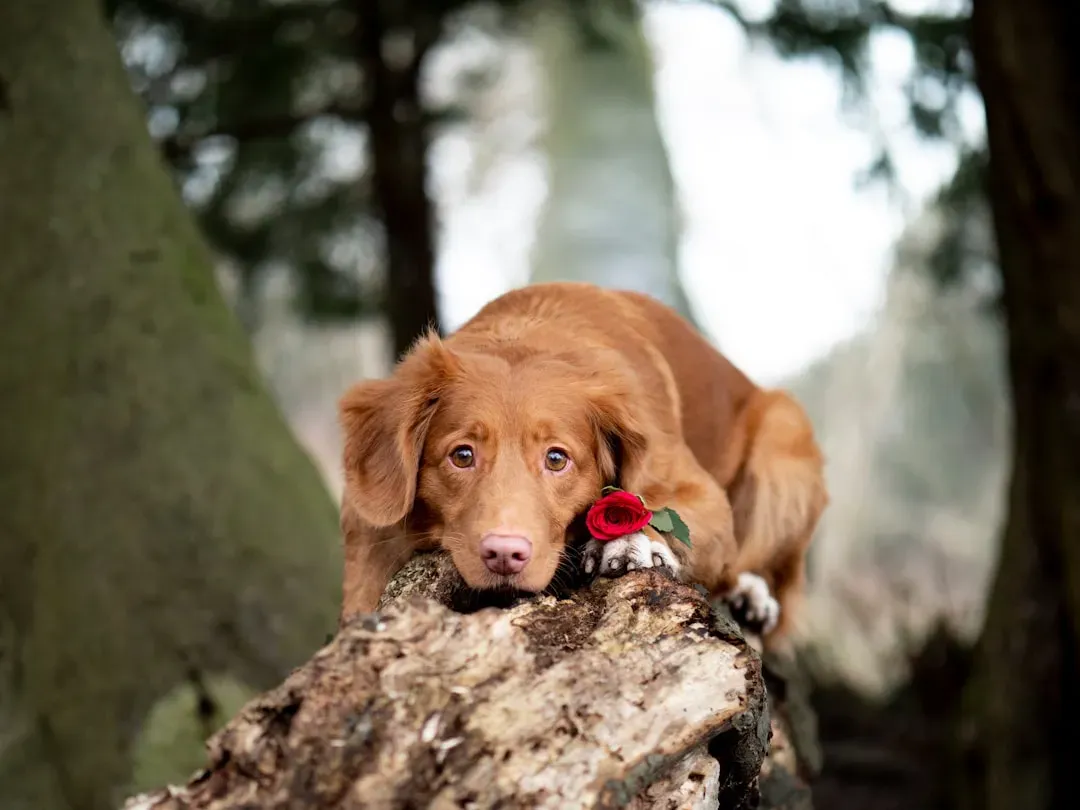
It all depends on the body language and behavior your dog exhibits when around other dogs. Does he avoid interacting with all dogs? Does he place his ears to the side, lick his lips, look away, and move away when another dog approaches? Does he approach and greet other dogs, then move away without interacting beyond that? Or does your dog bark, growl, snarl, or snap at the other dog? These are not random behaviors. Each one is a piece of communication your dog is offering.
This could be a subtle change in body language – hesitancy, tail lowered, refusing to move – or it could be much more obvious, like barking and lunging. Learning to observe your dog and watch for subtle signs that they aren’t comfortable is essential. The quieter signals are the ones most owners miss, and missing them is where the bigger problems begin.
It is crucial that we listen and respond to our dog’s communication. If we ignore their signals, our dogs can learn that the only way to get a response is to escalate to “fight” behavior, or a bite, without any warning signs. That soft lip-lick or turned head is your dog asking politely. Pay attention before they feel they have to shout.
Why Dogs React: The Root Causes Behind the Behavior
A reactive dog is usually a fearful dog. Causes can be genetic, but they are more likely due to a lack of socialization, prior bad experiences, or a lack of training. That frantic barking at the end of the leash almost always has a story behind it, and understanding that story makes all the difference in how you respond.
Dogs have a sensitive period for socialization that ends at about 16 weeks of age. Dogs that are not adequately socialized during this time may be less comfortable when they encounter new dogs and could exhibit an aggressive response. Sometimes, socialization does not go as planned, and a puppy is unexpectedly frightened by another dog. A long-lasting fear of other dogs can result. A single bad experience at the wrong developmental moment can echo for years.
One consideration is that your dog could be experiencing pain. Having your veterinarian do a thorough examination is important, especially if the reactive behavior appeared suddenly or has been getting worse over time. Pain changes temperament in dogs just as it does in humans, and it’s often overlooked as a contributing factor to aggression.
Reactivity vs. Aggression: There Is an Important Difference
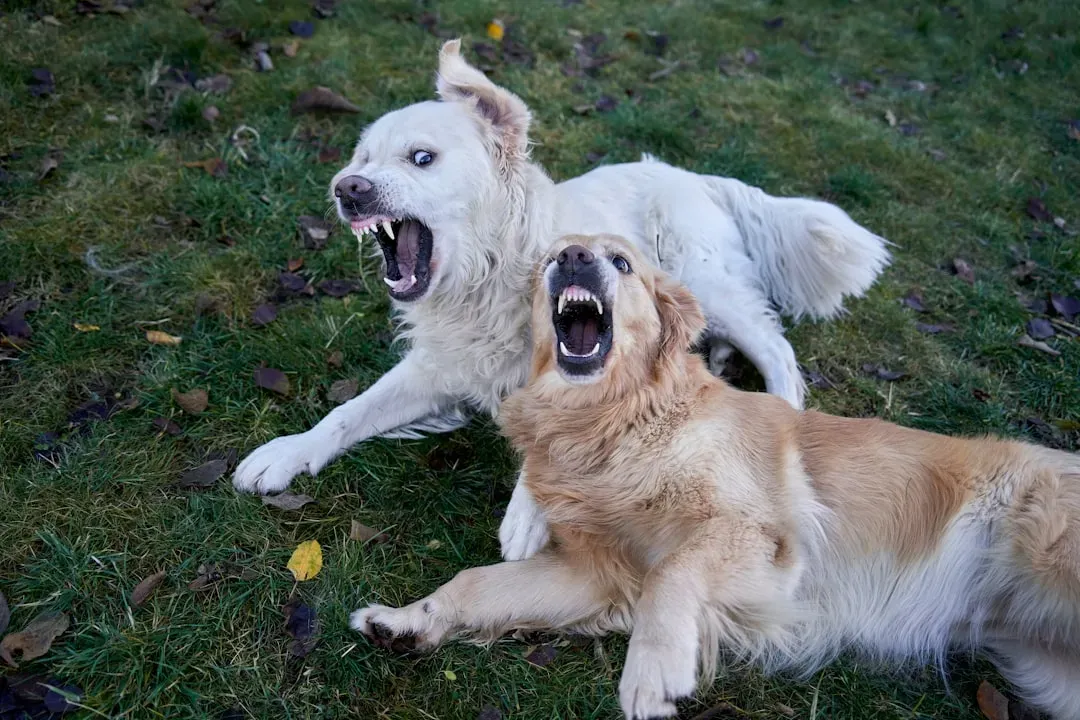
While reactivity in dogs can often look and sound like aggression, it’s actually an overreaction rooted in distress, either from fear, excitement, or frustration. It’s easy to confuse the body language of reactive dogs with an aggressive display, because many of the behaviors look similar. This distinction matters enormously, because the path forward for a fearful, reactive dog looks very different from the path forward for one with true aggressive intent.
Reactive dogs can become aggressive depending on the situation and past experience. Reactivity puts a dog at high risk of acting aggressively because they’re in a heightened emotional state which shuts down the thinking parts of the brain. This is why it’s so important to intervene early, before reactive patterns become deeply ingrained habits.
Your dog may have tried to communicate that he was ready to take a break and did say “back off” in a subtle way, but the other dog did not respond appropriately. Dogs may use signs such as leaning away, stepping away, looking away, or lowering their body to try to end interactions. When those polite signals are ignored repeatedly, the outburst that follows isn’t a mystery anymore.
What You Can Actually Do: Practical Steps That Help
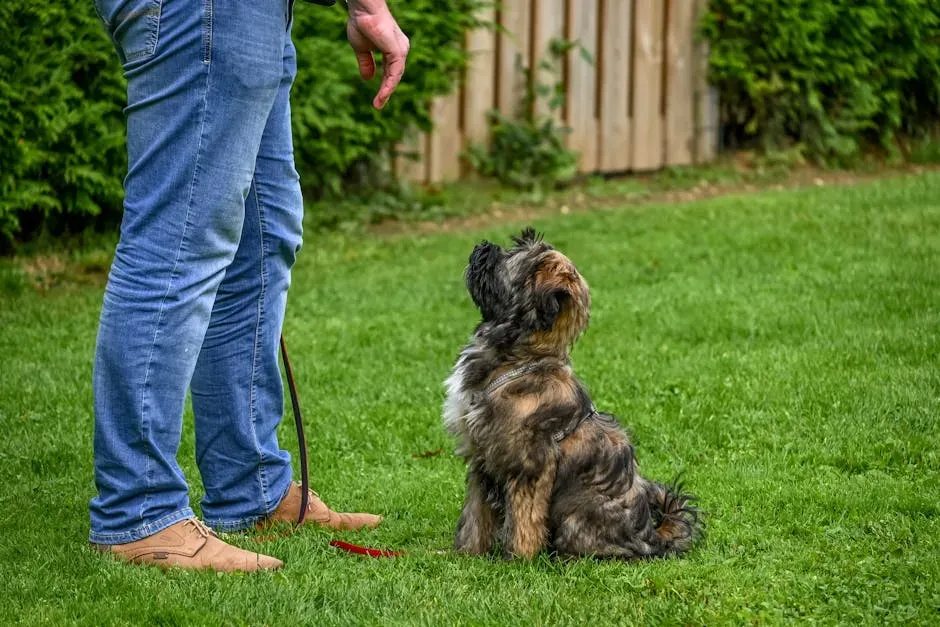
Start by allowing your dog to observe other dogs from a distance, using positive reinforcement to reward calm behavior, and gradually closing the distance while monitoring body language to ensure a safe interaction. Reducing your dog’s anxiety around others involves gradual socialization, positive reinforcement, and creating a calm environment. Start by introducing them to new dogs slowly, rewarding calm behavior to build confidence over time.
After you’ve identified your dog’s triggers, try to avoid them while you work on a training plan. You don’t want the behavior to become an ingrained habit. Immersing your dog in situations where they are not comfortable will increase their fear and may make their behavior worse. Sometimes the most caring thing you can do is simply manage the environment rather than force exposure.
Mental enrichment lowers overall stress levels, which can make reactive behavior less intense. Tired brains make better choices. Try hiding treats for sniffing games or introducing puzzle feeders to build confidence and calm focus. For dogs with chronic reactivity, a calmer baseline mental state changes everything. And if progress stalls, a board-certified veterinary behaviorist or certified applied animal behaviorist can evaluate your dog and determine the best course of action. They will recommend a plan of action for you to work with your dog.
Conclusion: Your Dog Doesn’t Need to Love Every Dog It Meets
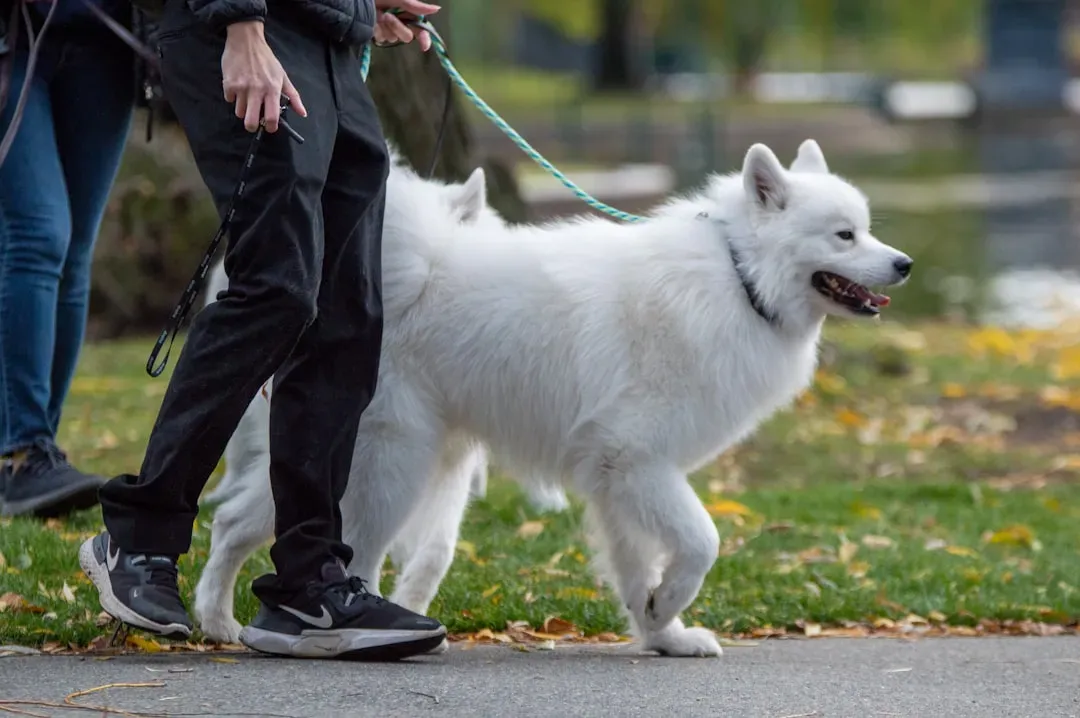
Living with a dog who struggles around other dogs can be genuinely hard. The guilt, the anxious walks, the canceled plans. It asks a lot of you.
It’s simply an invitation to honor your dog’s choices and needs, and to build your bond around the life they do want to live. Loving a dog with aggression toward other dogs asks us to show compassion and patience, but it also challenges us to expand how we define love. Not for the dog we imagined, but for the one standing in front of us.
As long as you provide your dog with both mental and physical exercise and provide plenty of social interactions with you and other people or animals that he cares about, it can lead a very fulfilling and happy life. Progress might be slow, and it might be partial. Still, every calm walk, every rewarded moment of quiet, every time you step in to advocate for your dog before they feel they have to escalate – that’s real. That counts. Your dog already trusts you enough to tell you what they need. The next step is simply learning to listen.


