
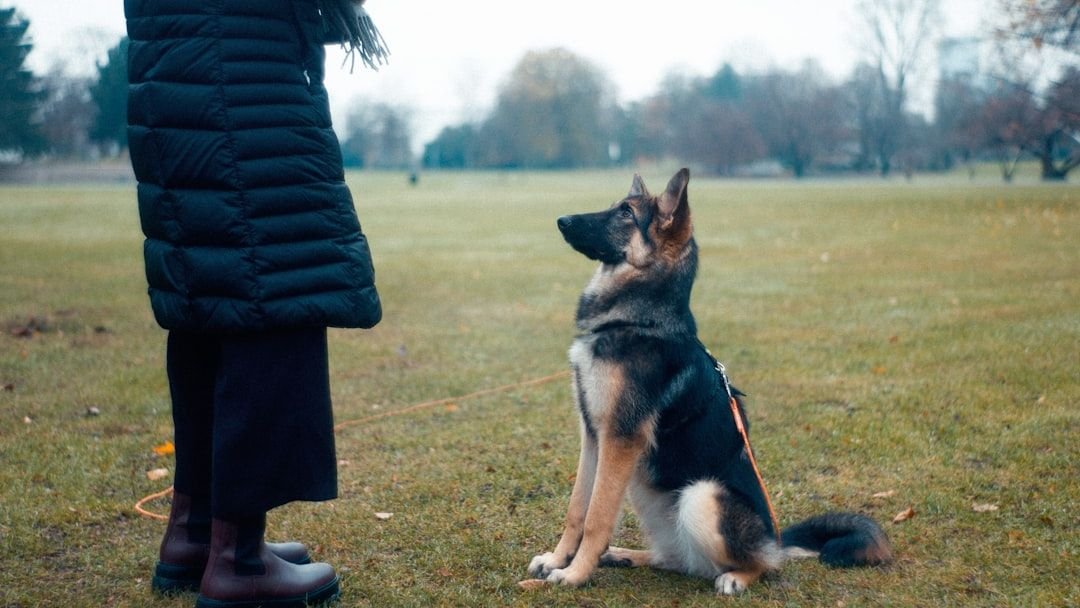
Your dog shadows you everywhere. The moment a visitor steps through the front door, he wedges himself between you and the guest. On walks, he seems to scan every person who gets too close, his body tense, his gaze locked. You feel almost flattered, honestly. He’s looking out for you. Or is he?
The truth is that a lot of dog owners mistake one type of behavior for another, and the confusion is completely understandable. Dogs can’t explain their motives, and many behaviors that look like noble guardianship are driven by something far less heroic. Understanding the difference doesn’t mean your dog loves you less. It just means you’ll be better equipped to help him feel genuinely secure, and that matters for both of you.
What True Protective Behavior Actually Looks Like
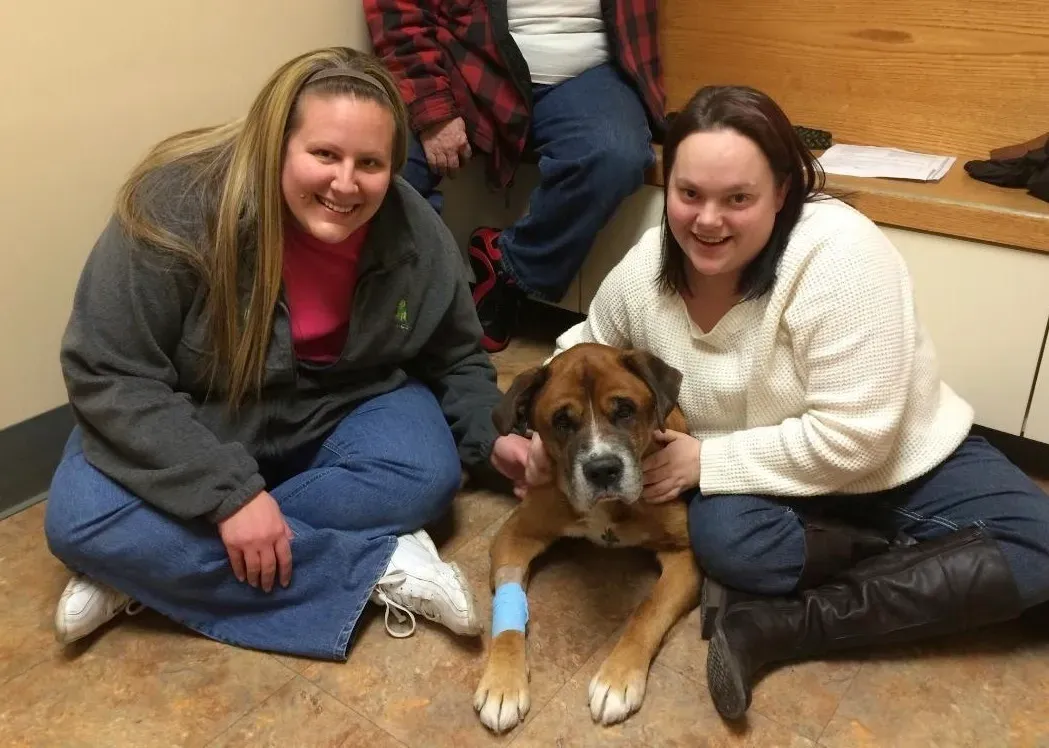
Protective behavior is a natural trait in many breeds, stemming from their instinct to guard their pack. In its healthiest form, it’s measured, targeted, and context-specific. Think of a dog who alerts you to something genuinely unusual outside the house, then relaxes the moment you acknowledge it calmly.
True protective behavior involves barking, growling, or lunging when a stranger approaches the dog’s guardian or family member, and it intensifies the closer the perceived threat comes. Crucially, the dog does not behave this way, or behaves much more mildly, when the guardian is not present. That context-dependence is an important clue.
A protective dog often positions themselves between you and what they perceive as a danger. For example, if a stranger approaches you on a walk, your dog might stand in front of you to block access. This is instinctive, social, and tied to a real trigger. It does not happen constantly, indiscriminately, or with every person who simply walks nearby.
When “Protective” Is Actually Resource Guarding in Disguise
Here’s where it gets tricky. Many dog owners report feeling touched when their dog growls at someone who gets too close, reading it as devotion. In reality, something quite different is often going on. When dogs growl at people approaching while sitting in their owner’s lap, this is called resource guarding. Yes, your growling dog is protecting his resource, which is you, but this behavior is dangerous and will get worse if not addressed quickly.
Resource guarding describes a behavior where a dog attempts to assert ownership over something, which could be toys, beds, treats, a shared water bowl, or even a favorite human. Your dog isn’t protecting you from harm. He’s claiming you as his possession. While many pet owners feel flattered when their dog resource guards them, it’s important to know this behavior will only escalate if not addressed immediately.
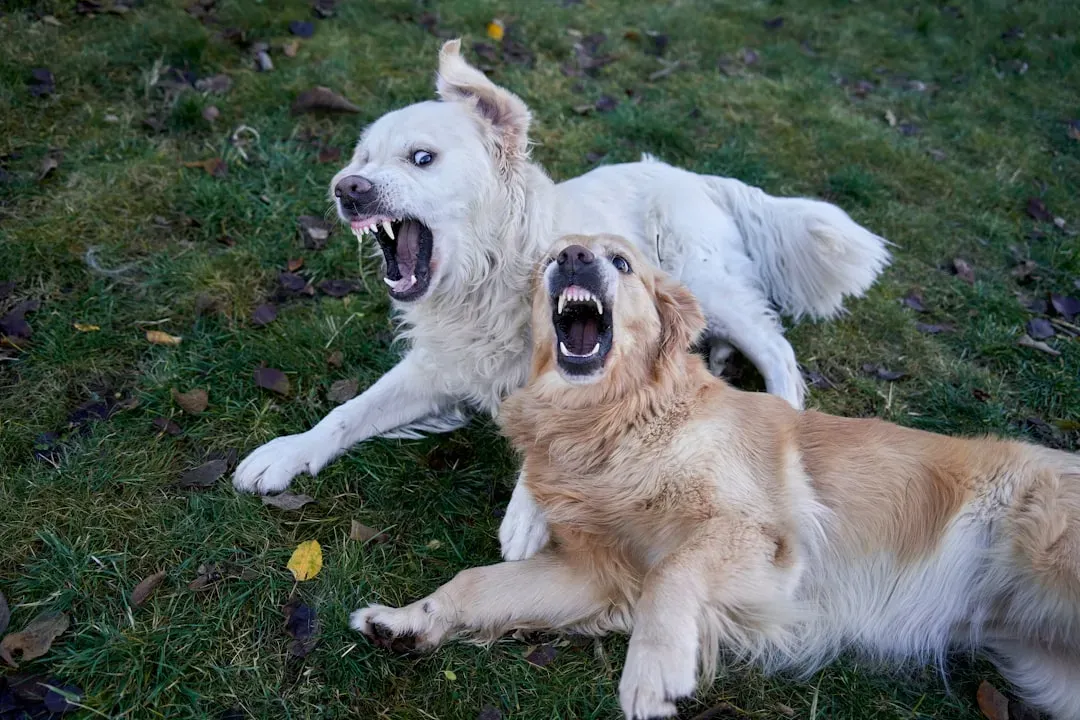
Signs of resource guarding include stiffening the body over an item, a hard stare, “whale eye” (when dogs show the whites of their eyes), lifting their lips, low growling, and baring their teeth. These aren’t signs of a dog bravely standing between you and danger. They’re signs of a dog who feels anxious about losing something valuable, and that something happens to be you.
Fear, Anxiety, and the Big Misread
Modern canine behaviorists have largely moved away from the idea that reactive or aggressive behavior stems from dominance. The more accurate picture is often far simpler and more sympathetic. Contrary to popular belief, aggression in dogs is not a sign of dominance or an expression of protective instinct. It is, more often than not, rooted in fear.
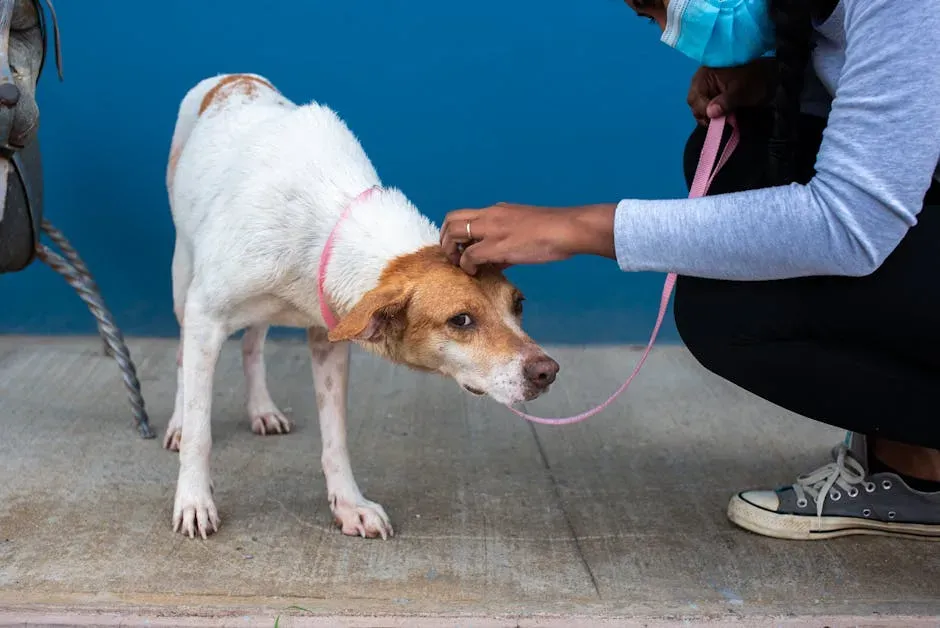
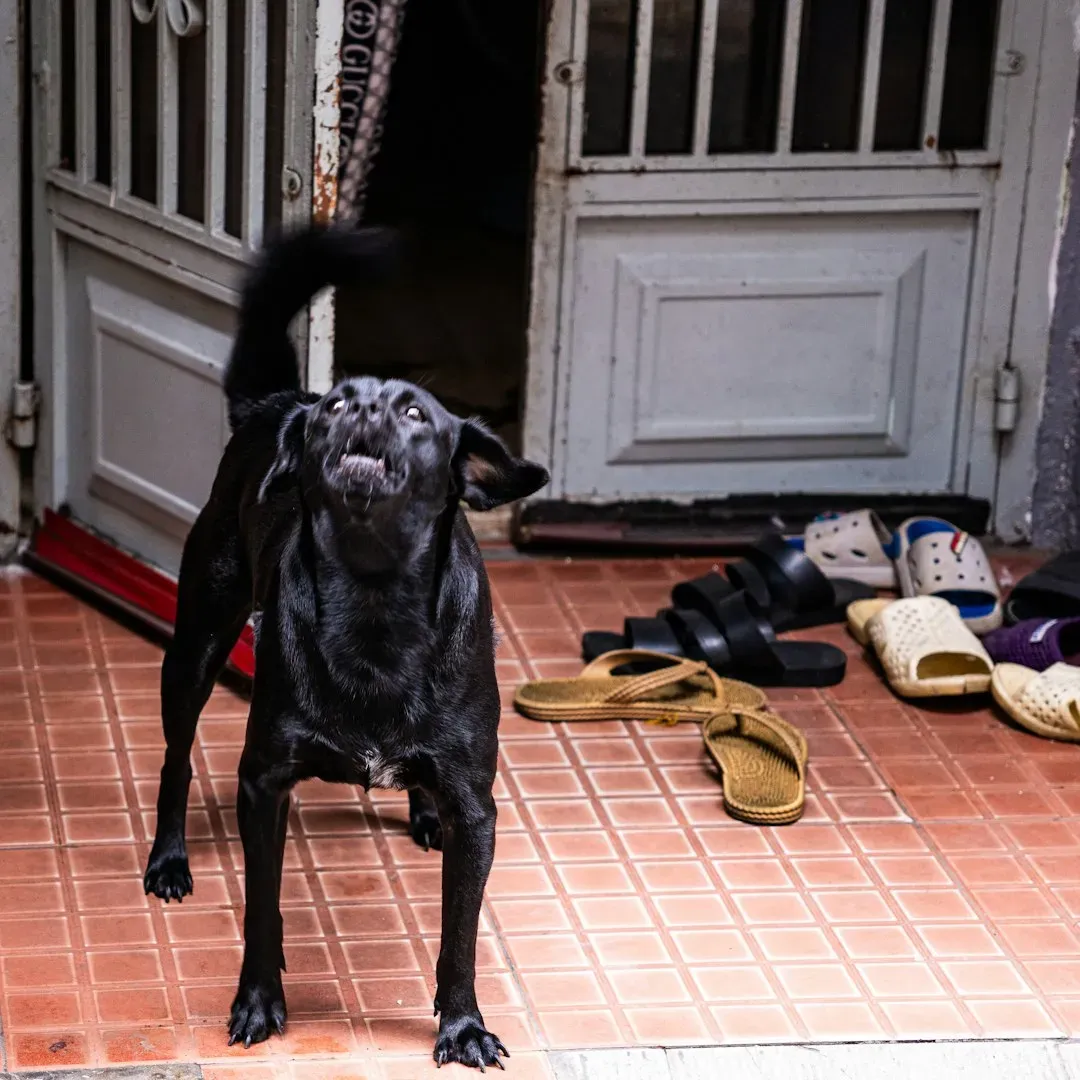
When faced with a perceived threat, many dogs choose to flee, demonstrating that their aggression is not about protecting their owners but rather about protecting themselves. The dog lunging at a stranger on a leash isn’t a guardian. He’s a frightened animal who can’t escape. An owner’s fear or anxiety can exacerbate a dog’s aggressive behavior, while a calm demeanor can help decrease it. This means how you respond in those moments matters more than you might think.
Dogs may exhibit protective behaviors when they feel afraid or threatened. In these cases, the behavior is more about self-preservation than protecting their owner. Signs of fear include trembling, cowering, or trying to retreat. It’s worth looking for those subtler signals before jumping to the conclusion that your dog is bravely standing guard on your behalf.
Breed Tendencies, Bossy Behavior, and Where Science Stands Today
Certain breeds, like German Shepherds, Belgian Malinois, and Rottweilers, are more predisposed to protective behaviors due to their history as working dogs. However, any dog, regardless of breed, can display protective tendencies based on their environment, training, and bond with their owner. Breed gives you a starting point, not a verdict.
What about the older idea that dogs simply want to dominate their owners? Modern veterinary behaviorists now recognize that most aggressive acts assumed to be dominance-based are actually rooted in other motivations like fear, anxiety, or confusion. Scientific research has significantly challenged the traditional dominance theory, revealing that what we thought we knew about canine social structures was built on fundamentally flawed studies of captive wolves.
Dogs are not trying to dominate their owners. Owners control nearly all the important resources in pet dogs’ lives, from when and what they eat, their movements within or between spaces, when they have social opportunities, and when and where they can defecate. When your dog seems “bossy,” it’s usually anxiety, a lack of clear structure, or an accidental reward pattern, not a calculated power grab.
What You Can Actually Do About It
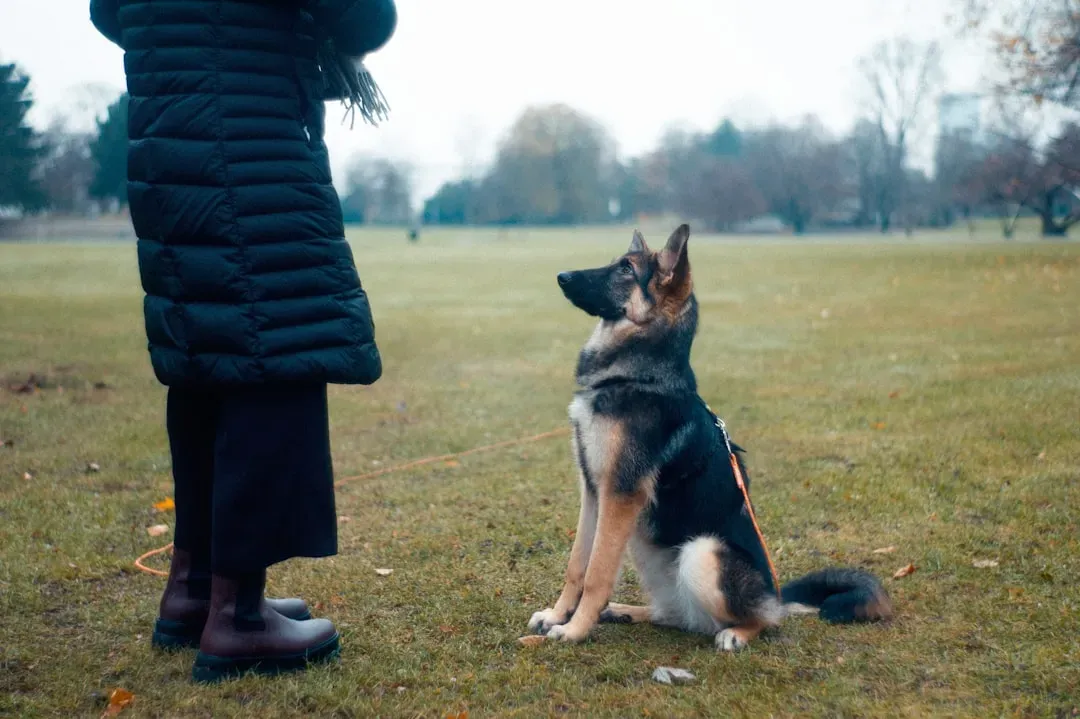
The good news is that most overprotective and resource-guarding behaviors respond well to thoughtful, patient intervention. Socialization is the key to overcoming your dog’s overprotective behavior. The more often your dog is around others, the more likely they will feel at ease around people in different situations. Start slow, in low-pressure settings, with people who understand your dog’s tendencies.
One of the most helpful strategies is reinforcing calm behavior with positive reinforcement. Whenever your dog remains relaxed and unbothered by new people or situations, reward them with treats and praise. This positive reinforcement helps them learn that calm behavior is more rewarding than being protective. Equally important: avoid accidentally rewarding the reactive behavior by comforting your dog the moment he growls.
Early socialization and consistent training are key to managing protective instincts. Focus on positive reinforcement and impulse control exercises. If the behavior is severe or you’re not making headway on your own, seek assistance from a certified dog behaviorist if protective aggression becomes severe or you’re unable to manage it effectively on your own. There’s no shame in calling for backup, especially when your dog’s safety and the safety of others is involved.
Conclusion: Love Your Dog Enough to Tell the Difference
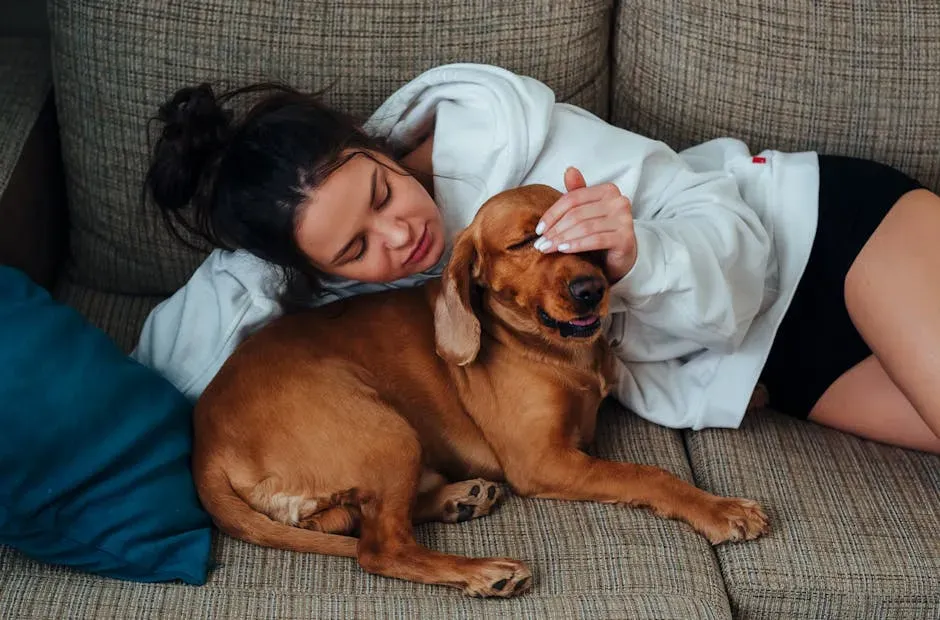
It’s genuinely touching to feel like your dog has your back. That bond is real, and the depth of feeling between dogs and their people is not in question here. What matters is understanding what’s actually driving the behavior, because a dog who is anxious, reactive, or resource guarding is not a happy dog. He’s a dog who needs more support, not more permission to keep going.
When you learn to read the real story behind your dog’s body language, you stop excusing behavior that quietly chips away at his quality of life. A dog who can relax when guests arrive, walk calmly past strangers, and trust that you’ve got things handled is a far more content dog than one who feels compelled to stand guard every waking moment. That calm, confident dog is entirely within reach. It just starts with asking the right question.


