
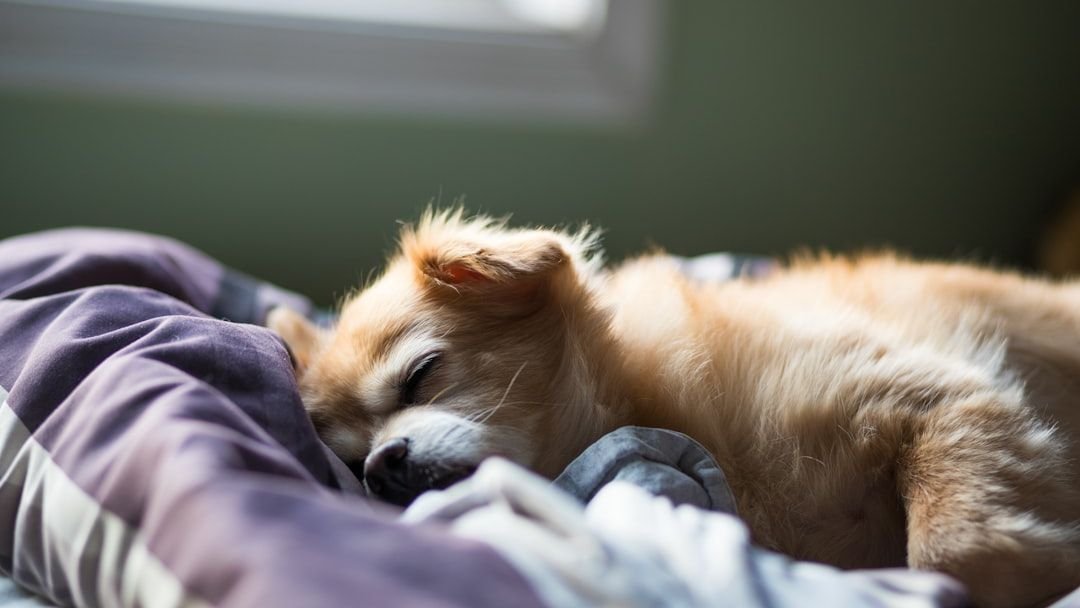
There’s something quietly magical about watching your dog sleep. One moment they’re out cold, all floppy limbs and slow breathing. Then, without warning, a paw twitches, a soft whimper escapes, and you find yourself wondering: where are they right now? What are they chasing, feeling, or reliving behind those closed eyes?
It’s a question that sits right at the intersection of science and love. It’s a question rooted in curiosity, love, and that unmistakable bond we share with our dogs. While we can’t ask them directly, science, behavior, and everyday observation give us some surprisingly heartwarming clues. And the more researchers look into this, the more the picture that emerges is one that every dog owner will find deeply comforting.
The Science Behind Your Dog’s Sleeping Brain
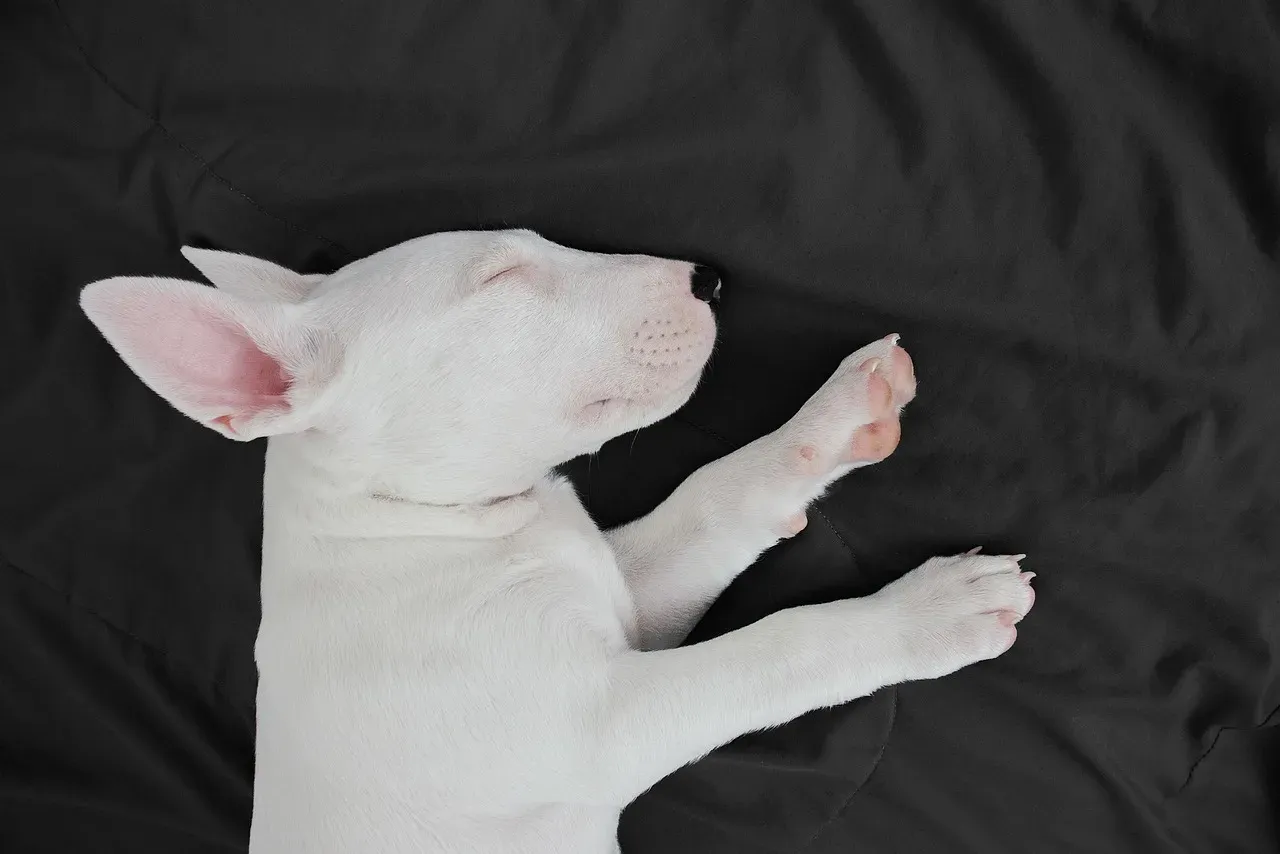
Dogs don’t just sleep. They cycle through distinct stages of sleep, much like we do. There is a striking similarity between the structure of human brains and that of dogs, and both show similar cycles of electrical activity, leading researchers to speculate that dog dreams are much like ours, in that they are processing events from the day’s activities.
A single sleep cycle usually lasts around 20 minutes in dogs, most of which is spent in the drowsy and slow-wave sleep stages. For about six of those 20 minutes, your dog will be in REM sleep, when most dreaming occurs. That’s a surprisingly short window, but it happens repeatedly throughout the day and night.
Dogs and humans both experience slow wave and rapid eye movement stages of sleep, but these stages occur differently in their respective sleep cycles. Humans average about four or five complete cycles per night, with each cycle lasting roughly 90 minutes. Canines, on the other hand, have shorter, 15-minute cycles and often experience 20 per night. So in their own way, dogs are actually dreaming more frequently than we are.
Since the sleeping brains of dogs and people go through similar stages of electrical activity, it is safe to assume that dogs dream, too. Scientific research demonstrates comparable brain wave patterns in humans and dogs, which validates this assumption. This isn’t guesswork. It’s grounded in measurable, observable brain biology.
So, Do They Actually Dream About You?
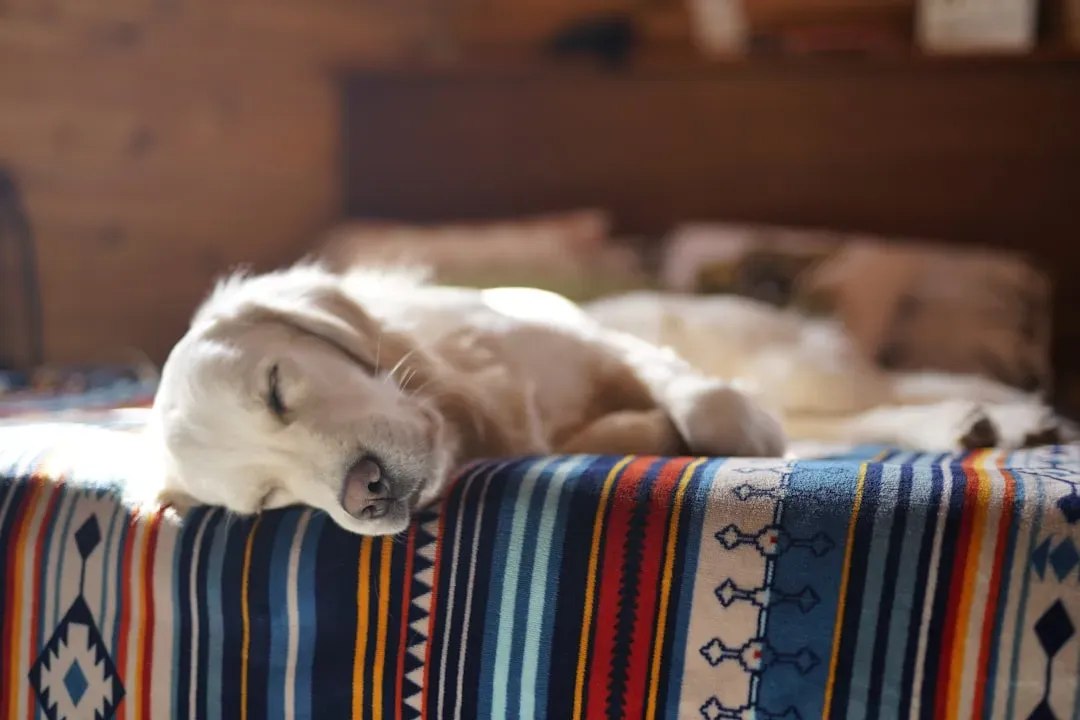
Here’s where it gets genuinely heartwarming. Dr. Deirdre Barrett, a clinical and evolutionary psychologist at Harvard Medical School, carried out extensive research into sleep behaviour and concluded that it is a reasonable assumption that your dog dreams very much in the same way you do. Dogs dream about daily experiences, and similarly to humans, these may often seem more creative and slightly strange in comparison to what actually occurred.
Experts theorize that dogs dream not in a logical way, but more visually about what they find interesting and the things they are emotionally attached to. Since dogs are generally extremely attached to their human owners, it’s likely your dog is dreaming of your face, your smell, and of pleasing or annoying you. That last part is oddly on-brand for many dogs we know.
Dogs form strong emotional attachments to their humans. Your voice, scent, and presence are deeply ingrained in their daily experiences. When a dog dreams, their brain revisits what feels safe, rewarding, and meaningful. That often means you. Think about what your dog experiences every day. You are literally the center of their world, so it stands to reason that you’d be the center of their dreams, too.
Reading the Signs: What Does a Dreaming Dog Look Like?
Most dog owners have seen it. The paw paddles. The muffled bark. The little nose twitch. During REM, dogs’ breathing becomes shallow and irregular, their muscles twitch, and their eyes dart behind closed lids, classic signs of dreaming. These behaviors aren’t random. They’re a window into an active, dreaming mind.
It’s not just paw twitching that can be an outward indicator that your dog is dreaming. It’s very common for dogs to react subconsciously to dream images by also wagging their tail, whining, snarling, lip curling, or even barking, often surprising themselves awake in the process. If your dog has ever jolted awake mid-snore with wide, confused eyes, now you know why.
You may have noticed that puppies and older dogs twitch and move a lot in their sleep. This is because the pons is underdeveloped in puppies and less efficient in older dogs. It has been found that small dogs dream more frequently than large dogs, however, the small dogs’ dreams are often shorter in duration. So your tiny Chihuahua dreaming every few minutes and your Great Dane dreaming in long, deep stretches are both completely normal.
Can Dogs Have Nightmares, and What Should You Do?
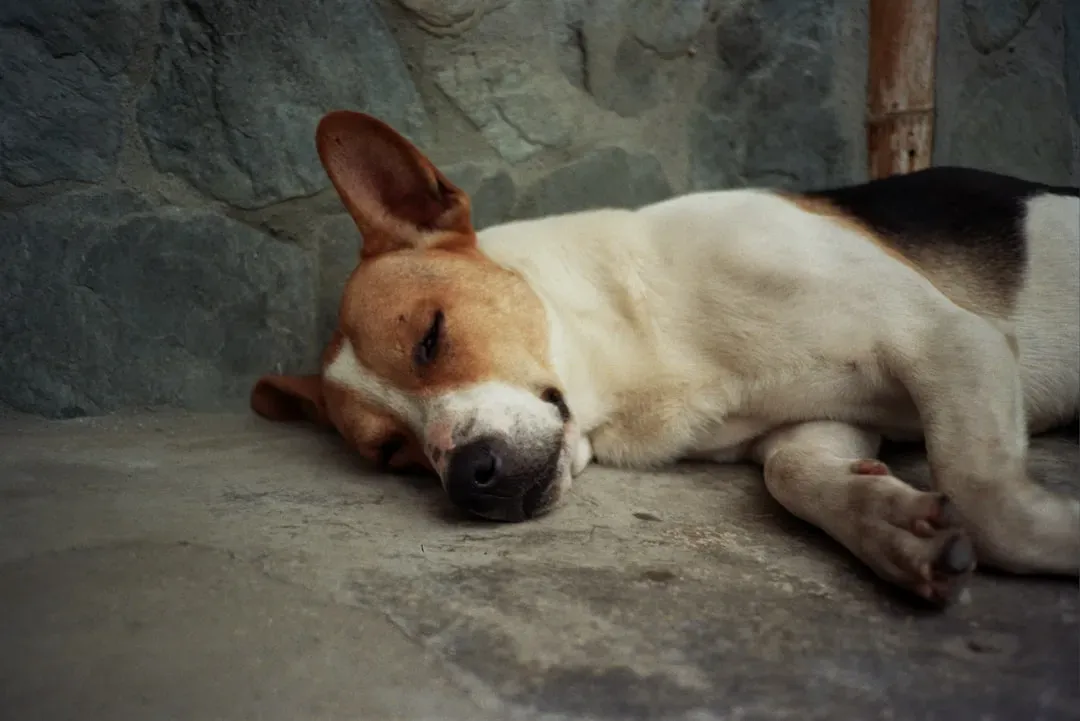
Yes, this part is a little harder to think about, but it’s worth knowing. Unfortunately, dogs can have nightmares. If you think your dog is having a nightmare because they are snarling, growling, or crying out, restrain the impulse to wake them. Dogs who are awakened from a scary dream may not know where they are right away and could impulsively lash out at you. Dogs don’t have the ability to construct fearful, imaginative monsters, so when your dog has a nightmare, they are remembering a traumatic experience.
Because a dog’s dreams usually have something to do with what occurred during their waking hours, bad dreams are certainly possible. For example, if your dog had an unpleasant encounter during their daily trip to the dog park, it seems likely they could have a bad dream related to it later. Negative emotions have a way of following us into our dreams, and the same is likely true for a dog’s fears and anxieties.
The practical takeaway here matters. Experts advise you not to physically jolt or touch your dog while they’re in REM sleep, especially if they’re growling or appear distressed. Instead, gently say their name or wait for the dream cycle to end. When they wake up, a calming voice, a friendly scratch, or cuddles can help them shake off a scary dream. Your calm presence after a bad dream is genuinely reassuring to them, just as it would be for a child.
How to Help Your Dog Sleep Better and Dream More Peacefully
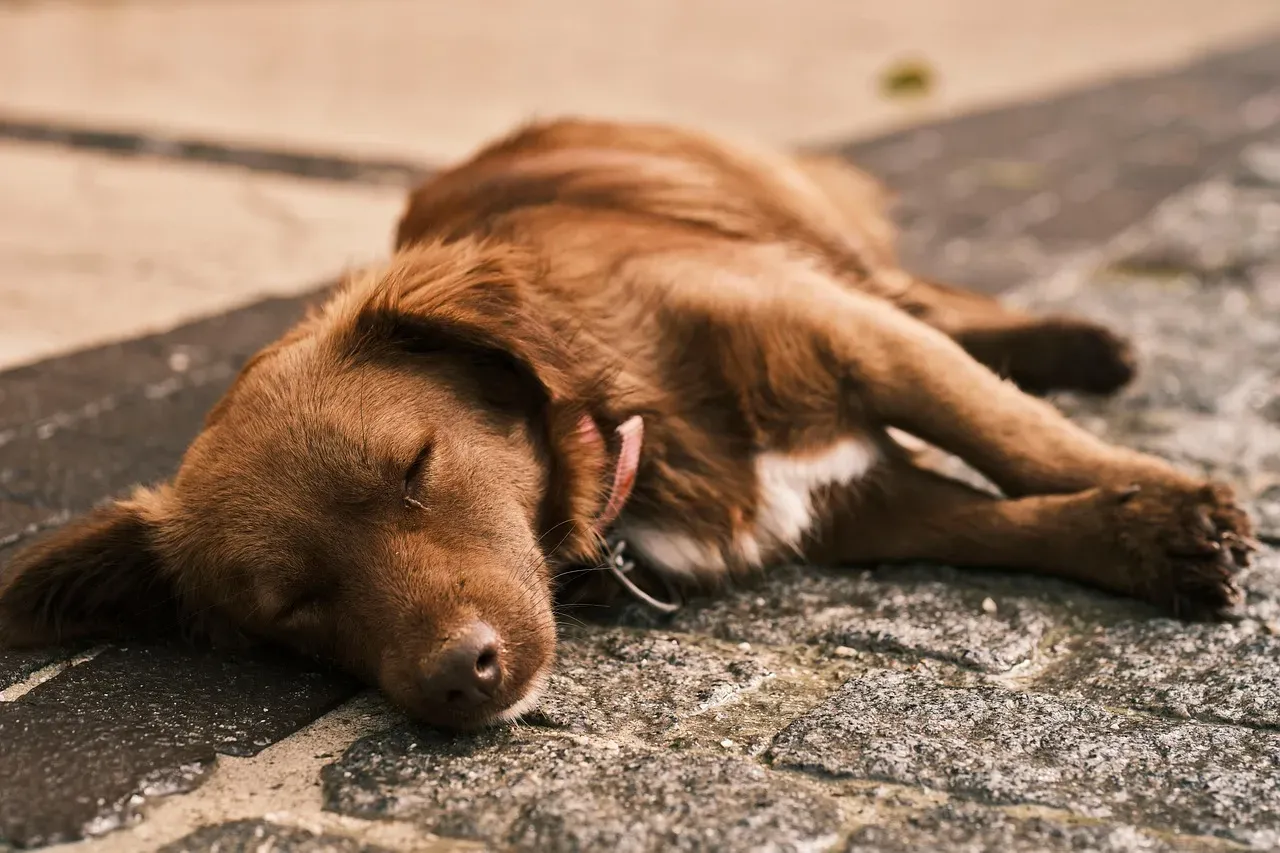
The quality of your dog’s waking life directly shapes the quality of their sleep, and likely the texture of their dreams. A dog that feels safe, well cared for, and mentally stimulated is more likely to experience calm, positive sleep cycles. That’s not just a feel-good idea. It’s backed by what we know about how the brain processes emotions and memory during sleep.
Dogs, like humans, use sleep to organize and store memories. Dreaming helps them process complex emotions and experiences, which may explain why dogs appear calmer and more responsive after a good night’s sleep. Regular exercise, consistent routines, and positive interactions during the day all feed directly into that restorative cycle.
It’s important for dogs to get enough sleep. Scientists believe that sleep plays a big role in memory consolidation, helping us all retain information about what’s significant in our lives. A quiet crate or comfortable dog bed can certainly help with sleep, but routinely waking your sleeping dog could hinder their ability to learn and make them grumpy. Small environmental tweaks, like a low-noise space, a familiar blanket, or a consistent bedtime wind-down, can make a real difference over time.
Dogs who share strong bonds with their owners tend to sleep more soundly. Trust allows the nervous system to relax, which makes dreaming more vivid and uninterrupted. Consistent affection, training, and shared routines reinforce that bond. Over time, these repeated positive interactions become the mental snapshots your dog revisits while dreaming. That’s a beautiful thought, and a useful one.
Conclusion: The Bond That Never Really Sleeps
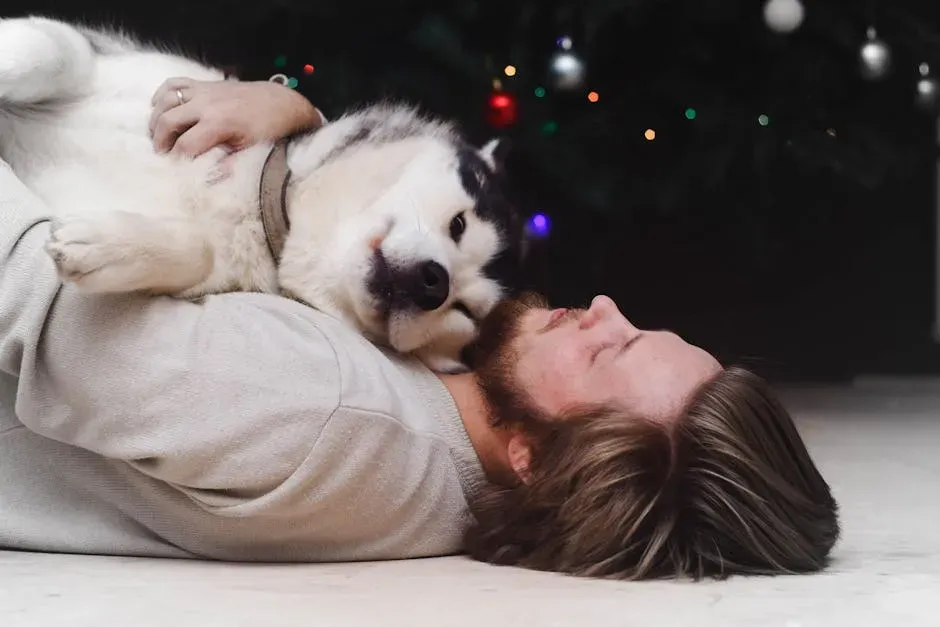
We may never be able to peek directly into a dog’s dream, but the science points somewhere clear and warm. Research suggests dogs dream about familiar faces, routines, and emotions. Since you play such a central role in your dog’s life, it is very likely that you appear in those dreams.
The discovery that dogs dream about their owners has significant implications, both scientifically and emotionally. According to Harvard research, this dreamlike behavior reinforces the idea that dogs are not only highly social animals but also have a deep emotional connection to the people who care for them.
So the next time your dog curls up at your feet, lets out a drowsy sigh, and begins to twitch their way through some unseen adventure, take a quiet moment to appreciate it. That twitching paw, that soft little bark, those fluttering eyelids may just be your dog living out the best parts of their day all over again. And somewhere in that dream, there’s a very good chance you’re there too.


