
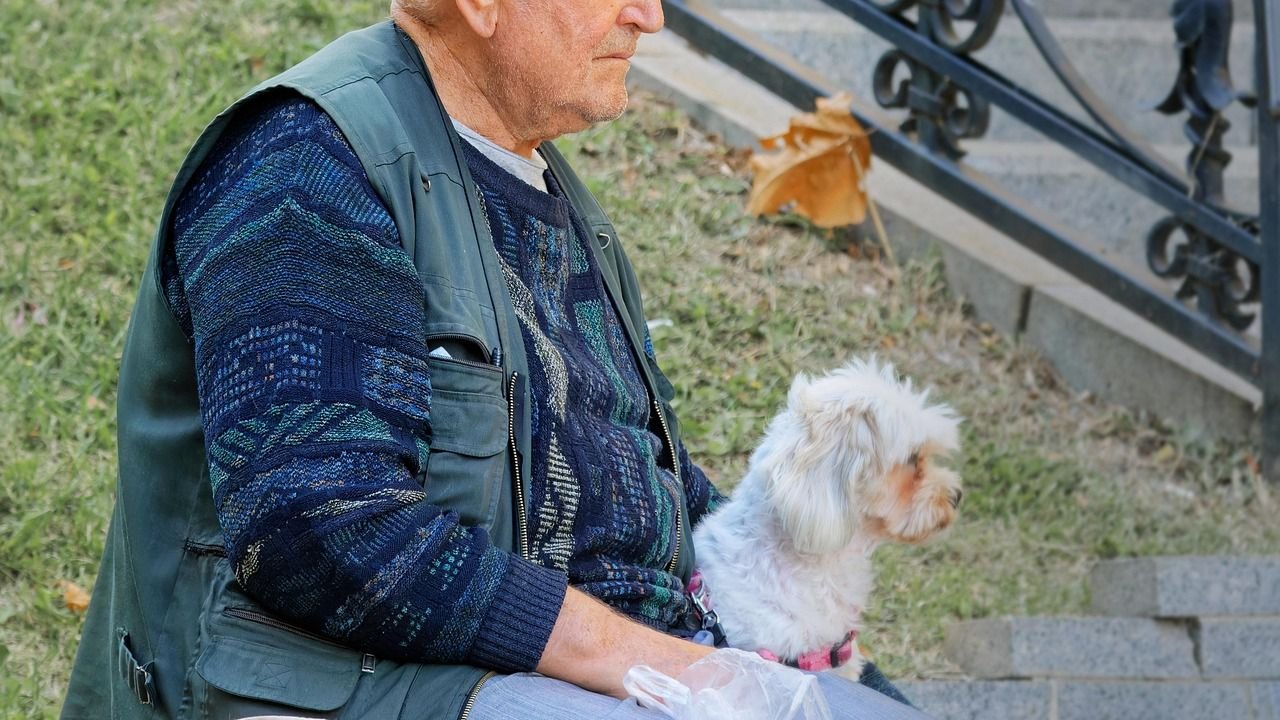
You know that dog. The eight-year-old who still zooms around the yard at full speed, demands playtime at midnight, and greets every stranger like it’s the greatest day of their life. Meanwhile, your neighbor’s three-year-old Lab is calm, composed, and practically reading a newspaper on the porch. What gives?
The truth is, “puppy behavior” in older dogs isn’t one thing. It’s a layered mix of biology, breed, environment, training history, and in some cases, a sign that something medical deserves a closer look. Some dogs are simply wired to stay youthful. Others are sending you a message you haven’t decoded yet. Understanding the difference matters more than most dog owners realize.
The Science of Staying Young: What Neoteny Really Means
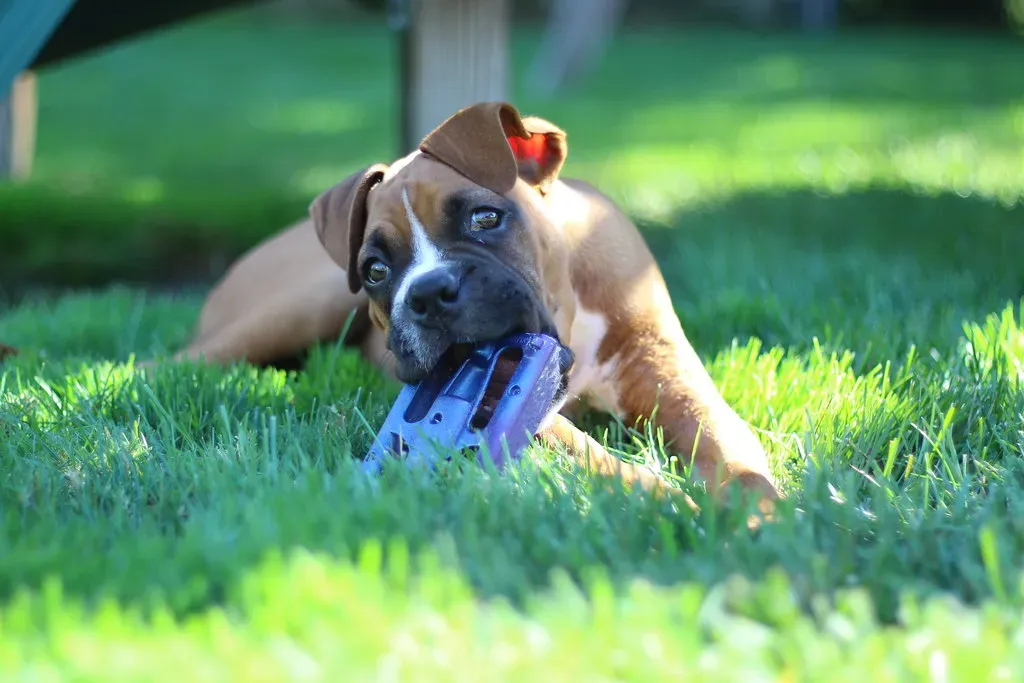
There’s actually a biological term for what you’re witnessing in your forever-young dog. It’s called neoteny, and it refers to the retention of juvenile traits into adulthood. In dogs, it can show up physically, through features like floppy ears or large eyes, or behaviorally, through sustained playfulness and dependence on their humans. It’s not a quirk or a training failure. It’s evolutionary design.
During domestication, humans unintentionally selected for dogs that retained juvenile traits, both because those traits made dogs more manageable and because they triggered nurturing responses in people. Dogs also mature sexually earlier than wolves but retain more juvenile behaviors and appearances, a process directly linked to their domestication and the environments in which they were raised. In short, we bred them this way.
Dogs appear more similar to wolf puppies than to adult wolves, retaining puppy-like looks and behaviors well into adulthood. Their prolonged and slower juvenile period compared to wolves allowed for a higher degree of plasticity and higher trainability compared to their wild relatives. So that goofy, bouncy behavior you’re watching isn’t immaturity. It’s domestication doing exactly what it was meant to do.
Breed Is a Big Deal: Some Dogs Are Built to Stay Puppies
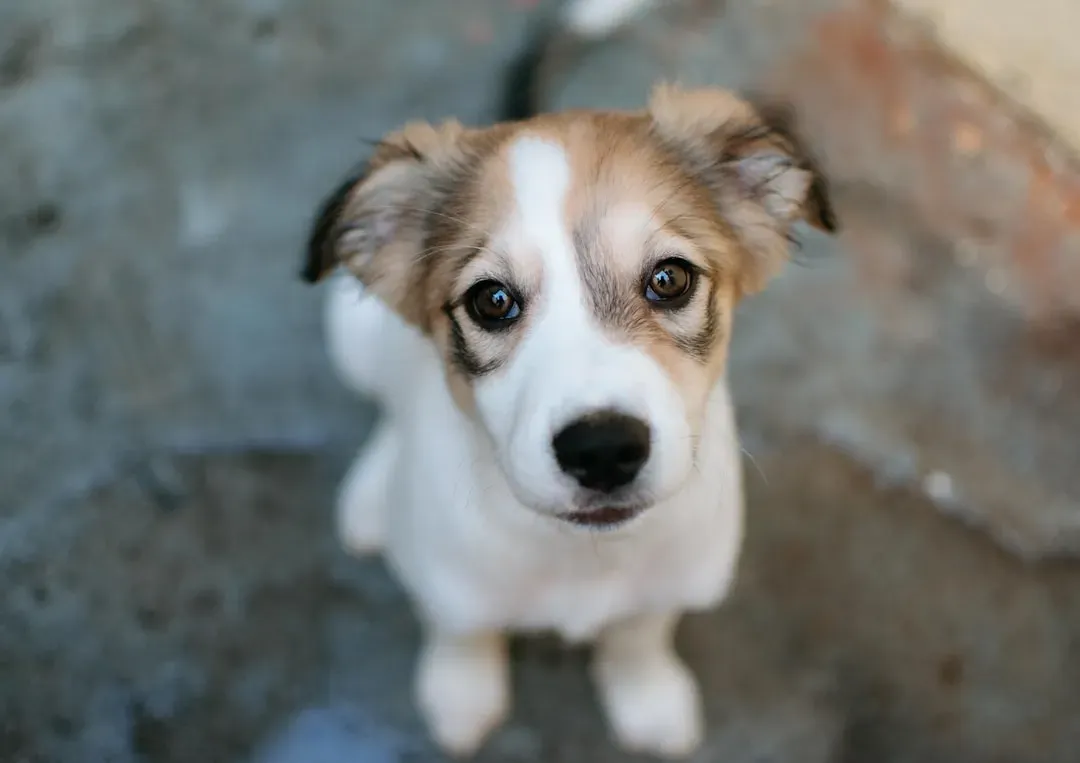
Neotenic dogs are pretty easy to spot. Breeds such as the Pomeranian, Maltese, Pug, Shih Tzu, and Cavalier King Charles Spaniel are classic examples of neoteny, with their big eyes, short snouts, and fluffy coats. Neoteny goes beyond just looks, though. These dogs often stay playful, energetic, and more dependent on their humans, which are typical traits of young pups.
A two-year-old Maltese might still act like a six-month-old, unlike more independent breeds such as an Akita or Greyhound. It’s not that one breed is “better.” They’ve simply been shaped by generations of selective breeding for different purposes. Companion breeds were designed to bond closely, engage often, and stay emotionally connected to their people for life.
A dog’s mental maturity is not fully correlated with its physical maturity. Although your dog’s body has reached its final size, this doesn’t mean puppyhood is behaviorally over. This is especially worth remembering with smaller breeds, which reach physical size quickly but often trail behind in emotional and behavioral maturation.
When Puppy Behavior Is Actually a Cry for Help
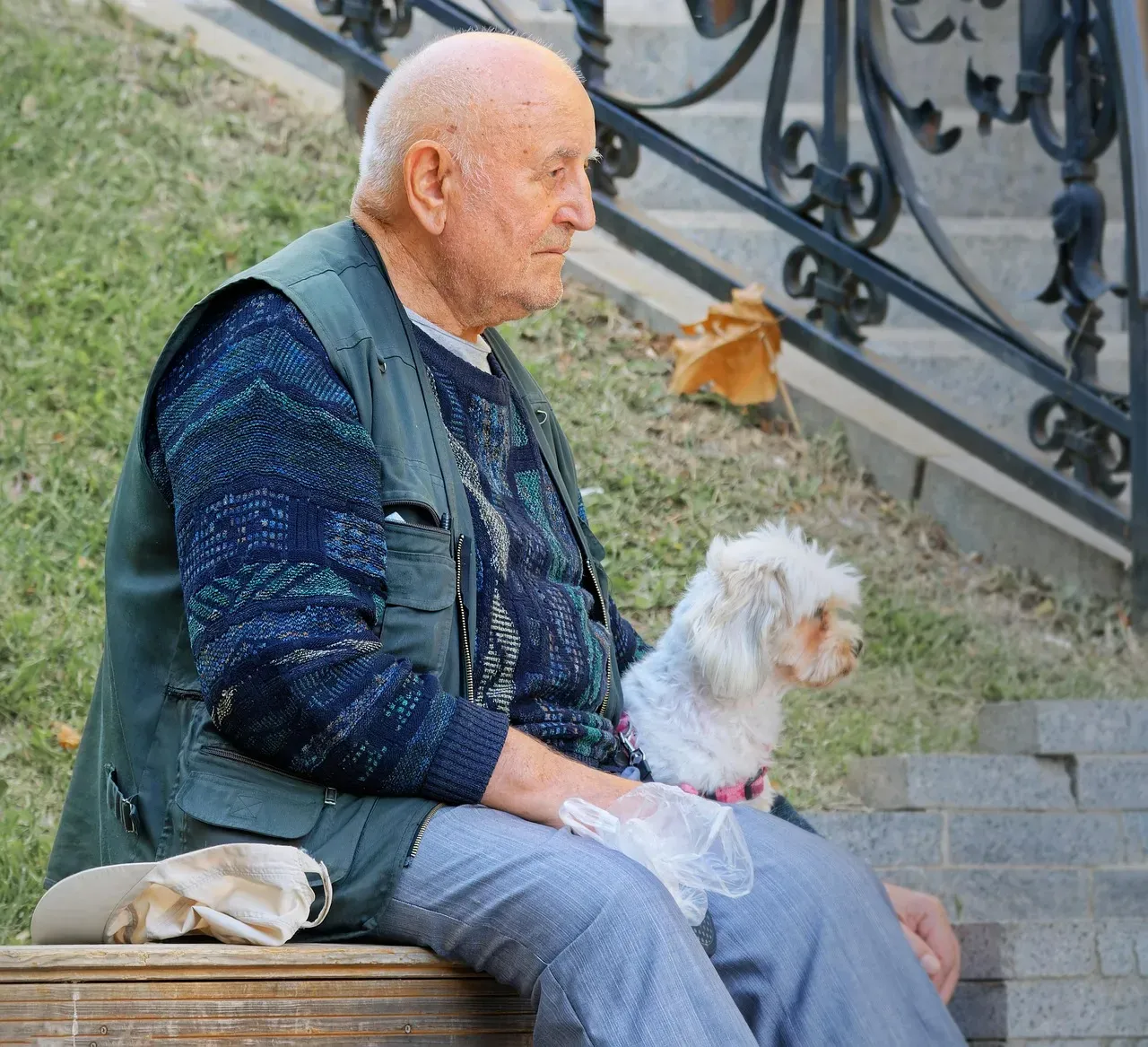
Here’s where things get more serious. Not all “puppy-like” behavior in adult or senior dogs is charming or benign. Most of the time, when an adult dog starts to display puppy tendencies, there’s a simple explanation and plenty that can be done to resolve the issue. Still, it’s crucial to determine what’s causing the new behavior so it can be tackled appropriately. The key word is “new.” Behavior that suddenly appears in an older dog is different from a dog who has always been playful.
Pain and discomfort are often behind sudden behavioral changes in dogs at any stage of life. Your dog may be suffering from various age-related issues such as arthritis, dental disease, or other conditions. Since dogs can’t vocally communicate, they can only show that something is wrong through behavior. If a dog suffers from joint pain and arthritis, they may actually become more active and playful in an attempt to soothe aching joints through movement. That playful burst might not be joy. It might be pain.
If sudden nighttime waking is associated with begging for food, a dog may be excessively hungry, which can be a symptom of diseases such as diabetes or Cushing’s disease. If they wake to urinate frequently, it could signal chronic kidney disease or a urinary infection. These aren’t puppy problems. They’re health problems wearing puppy clothes, and they deserve a vet visit, not just a knowing smile.
When the Aging Brain Rewrites the Rules: Cognitive Dysfunction in Senior Dogs
One of the most misunderstood reasons older dogs act puppy-like is Cognitive Dysfunction Syndrome, or CDS. CDS is a common age-related disease in dogs that affects the brain, causing deterioration similar to Alzheimer’s disease in humans. It’s a slowly progressive disease that many elderly dogs experience. What makes it so easy to miss is that some of its signs look a lot like harmless puppy behavior at first glance.
Senior pets affected by CDS may become less interactive and playful, or they may be more confused and revert to house soiling behaviors, much like a puppy. Canine cognitive dysfunction syndrome occurs in roughly a third of dogs over eight years old, making it important to watch for signs of cognitive change and see a veterinarian if anything shifts. That’s a significant number of older dogs whose families may be chalking up real medical signs to “just being silly.”
The DISHAA acronym helps owners and vets identify key signs: Disorientation, changes in social Interactions, disrupted Sleep/wake cycles, House soiling or memory changes, altered Activity levels, and increased Anxiety. Early intervention with diet, enrichment, and medications can help slow the progression of CDS and improve a dog’s quality of life. The sooner you notice the signs and act, the more time you buy your dog living comfortably.
Boredom, Anxiety, and the Role You Play in Your Dog’s Behavior
Sometimes the most honest answer to why your dog acts like a puppy is simple: they’re understimulated. Many older dogs have decreased physical needs, which leads owners to neglect mental exercise. In that case, a dog may be trying to compensate by being more playful and active. Bored dogs tend to get into trouble, which can produce a range of behavior problems such as destructive chewing, digging, and excessive barking. Boredom in dogs looks a lot like chaos.
Separation anxiety is triggered when dogs become upset because of separation from the people they’re attached to. Escape attempts by dogs with separation anxiety are often extreme and can result in self-injury and household destruction, especially around exit points like windows and doors. If your dog loses its mind every time you grab your keys, that’s not puppy enthusiasm. That’s distress that needs addressing.
Neoteny, as endearing as it can be, is not without its complications. When dogs look and act like puppies well into adulthood, it can lead to skewed expectations. Pet parents may assume their dog should always be playful, treating them as a child rather than an adult animal. This can also impact training, as owners may not put gentle boundaries in place or may excuse behavior that isn’t ideal simply because the dog still seems like “a puppy.” Loving a dog’s youthful spirit is wonderful. Failing to meet their real needs because of it is a different story.
Conclusion: Joyful Energy Is a Gift. Understanding It Is Your Job.
A dog who greets every morning like it’s the best day of their life is genuinely one of life’s small treasures. That energy, that shameless enthusiasm, that refusal to grow stiff or indifferent, it’s part of why we love dogs so deeply in the first place. Understanding why some dogs retain puppy-like traits helps us be more conscientious guardians, meeting their real needs rather than only those we perceive. The neoteny traits in dogs may have deepened our connection with them, but cuteness shouldn’t outweigh their wellbeing.
Whether your older dog is playful because of biology, breed, boredom, or something that quietly needs medical attention, the answer is the same: pay attention. Interacting with your dog regularly through play, varied or interactive toys, and regular exercise helps stimulate their brain and keeps them healthier for longer. Watch for changes, not just in energy, but in sleep, toileting, recognition, and mood. That’s where the real story lives.
A perpetual puppy is a joy. A dog whose needs are truly seen and met is something better still. The two can absolutely go together, if you know what you’re looking for.


