
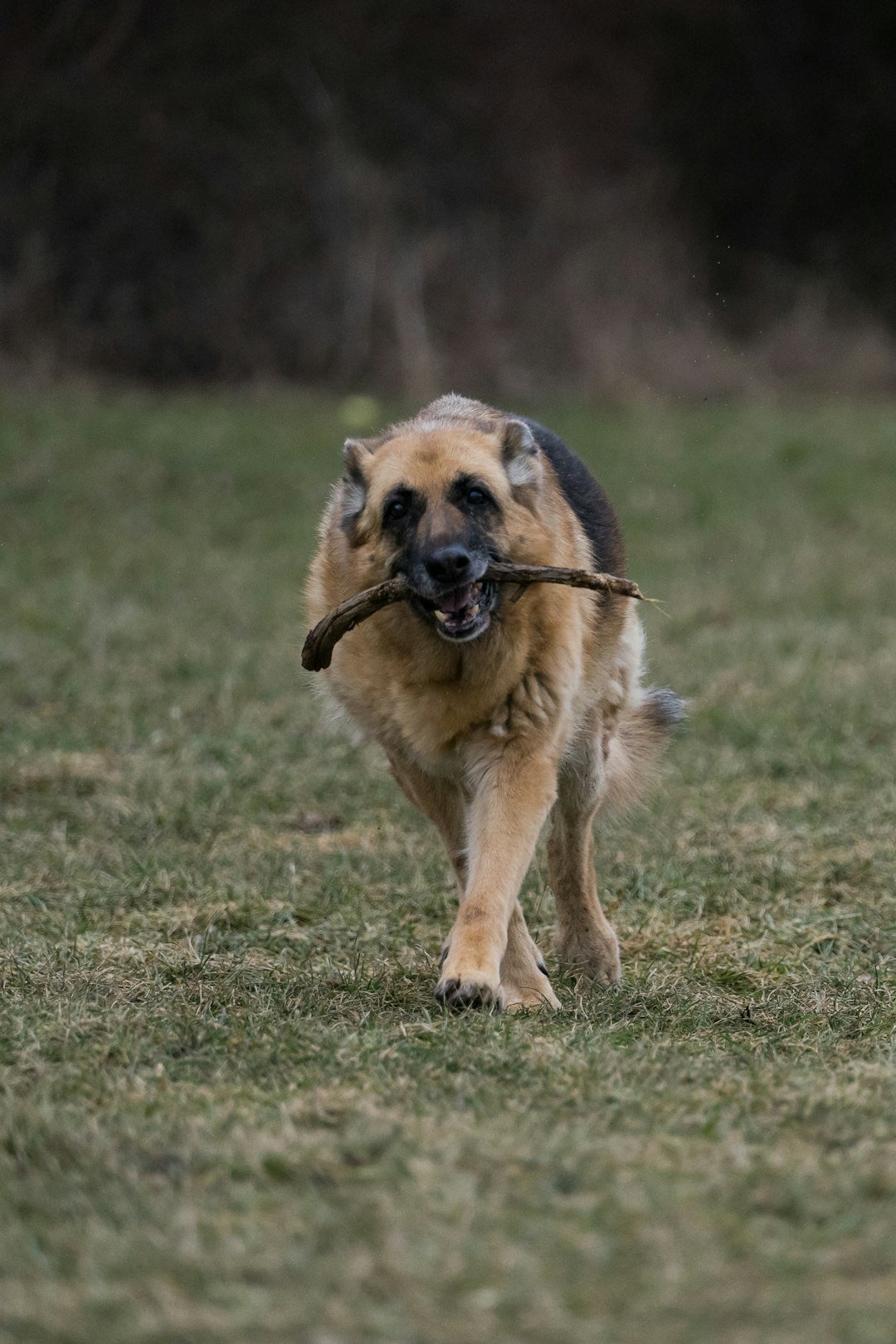
Senior dogs face challenges like reduced mobility, slower metabolism, and joint discomfort, yet targeted care can significantly enhance their energy and comfort. Veterinarians emphasize practical steps that address physical, nutritional, and mental needs to extend quality time with beloved pets. These approaches, drawn from expert guidance, help older dogs maintain an active lifestyle well into their golden years.
Nutrition Fuels a Youthful Comeback
One striking fact stands out: a dog’s diet profoundly influences aging processes. High-quality proteins support muscle maintenance, while calorie control prevents obesity that strains aging joints. Fresh water remains essential, as seniors often experience diminished thirst signals.
Veterinarians advise against foods high in Advanced Glycation End products from intense cooking methods, which promote inflammation. Instead, nutritionally complete raw or gently cooked options reduce inflammation, slow aging effects, and boost energy levels.[1] Dr. Laurie McCauley explained that such feeding frequently makes pets feel much younger and more active. Owners report noticeable improvements in vigor after dietary shifts.
Gentle Movement Builds Strength and Flexibility
Physical activity prevents stiffness and supports cardiovascular health in older dogs. Short, frequent walks outperform long exertions, minimizing fatigue while stabilizing joints. Simple stretches, guided by treats toward the dog’s sides or spine, enhance range of motion.
Experts recommend sessions of just five minutes, once or twice daily, tailored to the dog’s tolerance. This routine alleviates arthritis pain, curbs inflammation, and fosters better mobility. Dr. Bethany Hsia highlighted the importance of low-intensity efforts for sustained well-being.[1] Consistency yields gradual gains in agility and enthusiasm for play.
Targeted Therapies Ease Age-Related Aches
Innovative options like acoustic therapy employ sound waves and vibrations to relax tissues, expand joint motion, and diminish pain. High-quality tuning forks target stress reduction and scar tissue limitations effectively. Joint supplements, including glucosamine, omega-3s, and fish oil, combat inflammation and support heart and skin health.[2][1]
Veterinary prescriptions for pain management complement these aids. Regular dental care also prevents infections that sap energy. Such interventions restore comfort, allowing seniors to navigate daily life with ease.
Smart Home Adjustments Promote Independence
Environmental tweaks make profound differences for dogs with declining senses or mobility. Orthopedic beds cushion arthritic joints, promoting deeper sleep and recovery. Ramps and steps assist with furniture access, while non-slip rugs avert slips on smooth floors.
Maintaining a stable layout leverages spatial memory amid vision or hearing loss. Dr. Hsia stressed that these accommodations signal early quality-of-life declines and enable proactive support.[1] Simple changes foster confidence and reduce injury risks.
Mental Engagement Sharpens Cognitive Function
Brain health rivals physical fitness in senior care. Puzzle feeders and scent games stimulate problem-solving, countering canine cognitive dysfunction symptoms like confusion or disinterest. Gentle training reinforces bonds and routines.
- Scatter kibble in grass for sniffing adventures.
- Hide treats in boxes for discovery play.
- Use food-dispensing toys during meals.
- Incorporate basic commands with rewards.
- Rotate novel toys weekly.
- Short obedience sessions build focus.
Dr. Hsia affirmed that these activities preserve mental acuity.[1] Engaged minds lead to happier, less anxious companions.
Implementing these strategies transforms senior dogs’ lives, blending veterinary wisdom with everyday actions. Pet owners witness renewed playfulness and comfort, proving age need not dimmer spirit. Key takeaways include prioritizing diet and movement first, then layering therapies and enrichments.
- Switch to anti-inflammatory foods for immediate energy gains.
- Commit to brief daily stretches to combat stiffness.
- Consult vets for personalized supplements and therapies.
What changes have you tried with your senior dog? Share in the comments.


