
Animal behaviorists say dogs who sigh deeply when you sit down are undergoing a physiological transition into a state of rest
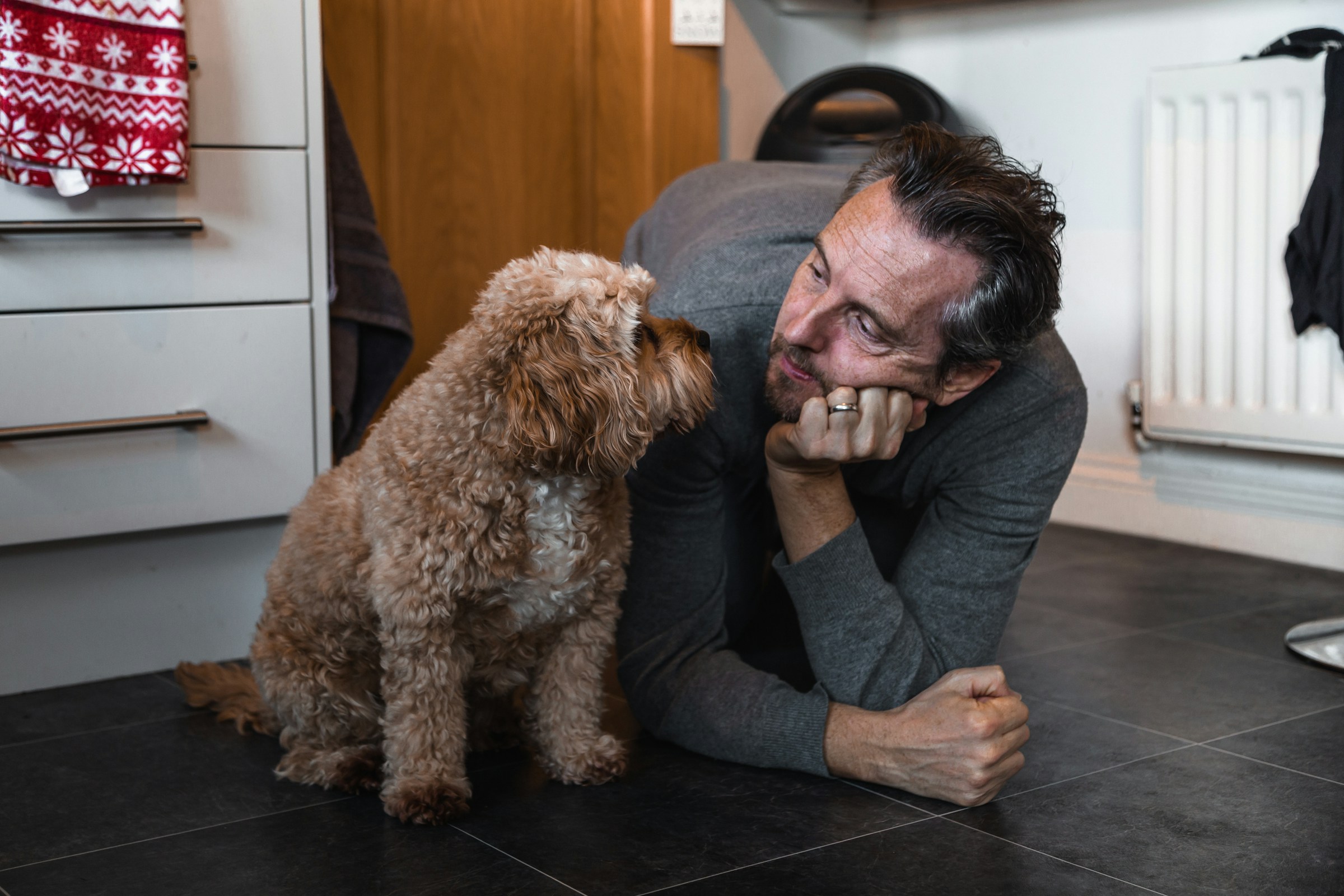
Ever noticed your dog letting out a deep, heartfelt sigh just as you settle into your favorite chair? It’s a moment that might make you wonder: is your furry friend expressing contentment, or is there more to this audible exhale? Animal behaviorists suggest that such sighs are not mere coincidences but are indicative of a dog’s transition into a restful state.
Understanding the Canine Sigh

A dog’s sigh is a deep, audible breath, often accompanied by a slow exhale. This behavior is akin to humans taking a deep breath to relax. Physiologically, sighing helps in maintaining lung health by inflating the alveoli, the tiny air sacs in the lungs, preventing them from collapsing. This natural reflex ensures efficient oxygen exchange and overall respiratory well-being.
Sighing as a Sign of Contentment

When your dog sighs as they lie down, it’s often a sign of relaxation and satisfaction. This behavior is typically accompanied by soft eyes, a relaxed body posture, and sometimes a gentle groan. It’s their way of expressing that they’re comfortable and at ease in their environment. Observing these cues can help you understand your dog’s emotional state and ensure they’re feeling secure and happy.
Expressing Disappointment or Boredom
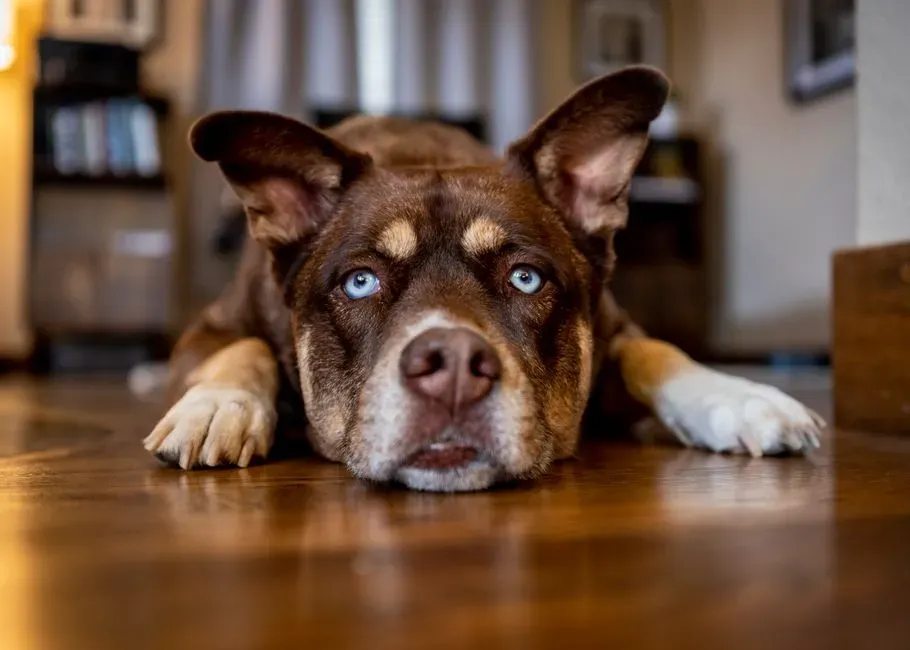
On the flip side, a sigh can also indicate mild frustration or boredom. If your dog sighs while looking at you with open eyes and a slightly tense body, they might be expressing disappointment, perhaps because playtime has ended or they’re seeking attention. Recognizing this can prompt you to engage them in stimulating activities, ensuring their mental and physical needs are met.
Attention-Seeking Behavior

Dogs are astute observers and quickly learn which behaviors elicit responses from their owners. If sighing has previously resulted in attention or treats, your dog might use it as a tool to capture your focus. It’s essential to discern when a sigh is a genuine expression of emotion versus a learned behavior aimed at gaining attention.
Sighing Due to Stress or Anxiety

In certain situations, a dog’s sigh can be a coping mechanism for stress or anxiety. If the sigh is accompanied by signs like lip licking, yawning, or a tucked tail, it might indicate that your dog is feeling uneasy. Identifying these signs allows you to address potential stressors and provide comfort to your pet.
When to Be Concerned About Sighing

While occasional sighing is normal, frequent or unusual sighs, especially when paired with other symptoms like lethargy, loss of appetite, or changes in behavior, could signal underlying health issues. In such cases, consulting a veterinarian is advisable to rule out any medical concerns.
Enhancing Your Bond Through Observation
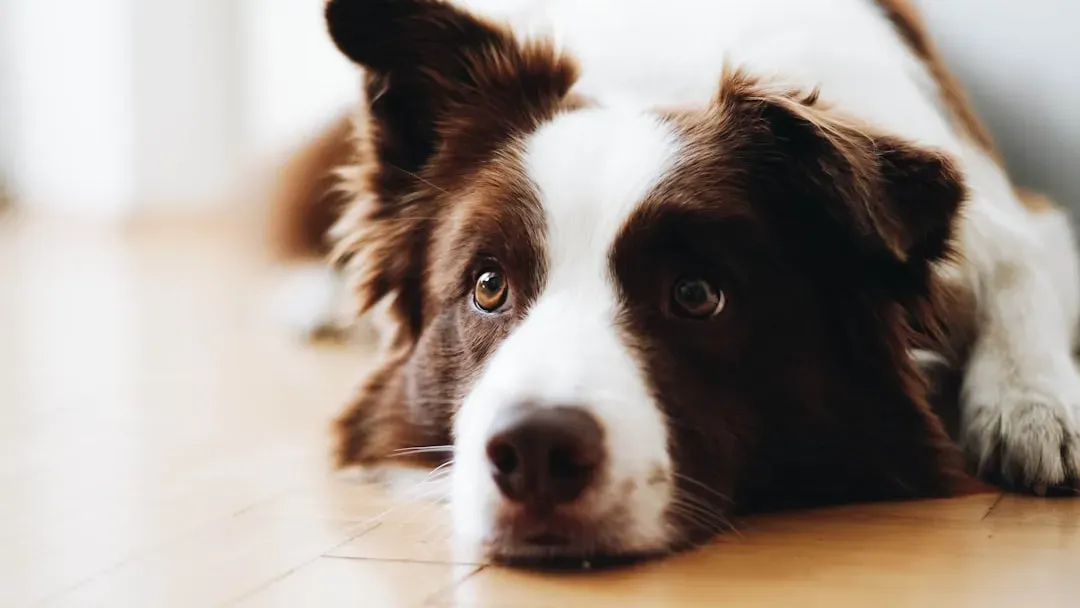
Paying attention to your dog’s sighs and the contexts in which they occur can deepen your understanding of their emotional and physical well-being. By responding appropriately to their cues, you strengthen the bond and trust between you and your canine companion.
In conclusion, a dog’s sigh is a multifaceted behavior that can convey a range of emotions from contentment to mild frustration. By observing the accompanying body language and situational context, you can better interpret what your dog is communicating. This attentiveness not only enhances your relationship but also ensures your dog’s overall well-being. So, the next time your dog lets out a deep sigh, consider what they’re trying to tell you – it’s their unique way of sharing their feelings with you.