
Animal Science Says Coyotes Thrive Because They’re Among North America’s Most Adaptable Predators
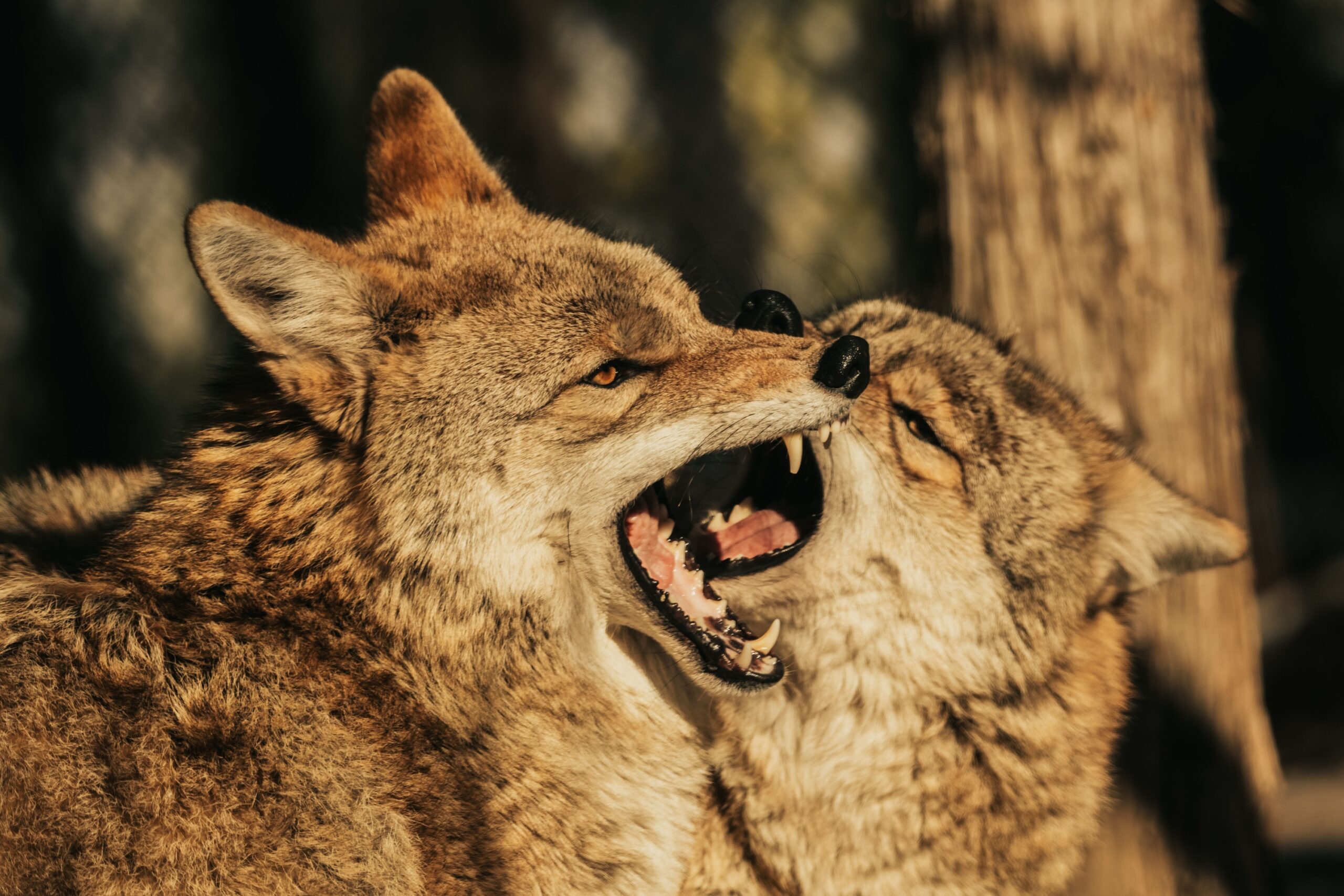
Imagine a creature so versatile that it can flourish in the dense forests of Canada, the arid deserts of Mexico, and even the bustling streets of New York City. Meet the coyote, North America’s ultimate survivor. Their remarkable adaptability has not only allowed them to endure but to thrive across a vast array of environments, making them one of the continent’s most successful predators.
The Coyote’s Expanding Territory
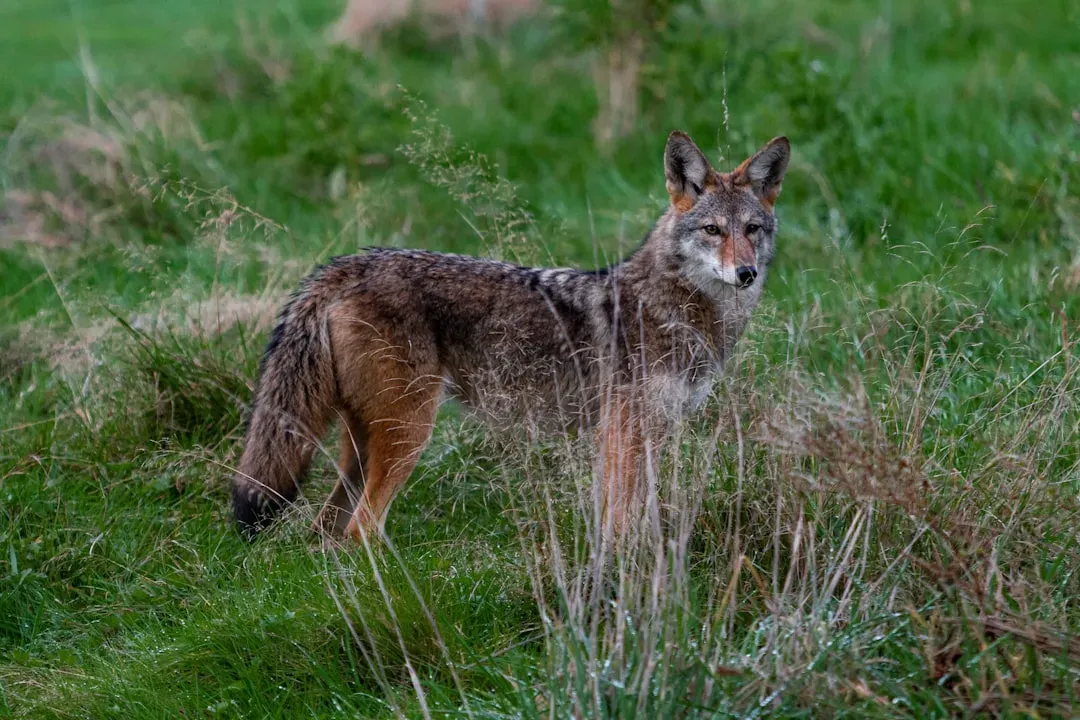
Historically, coyotes were primarily inhabitants of the Great Plains and western regions of North America. However, over the past century, they’ve dramatically expanded their range. Today, coyotes are found in every U.S. state except Hawaii, and their presence has been documented as far south as Panama. This expansion is a testament to their incredible adaptability and resilience.
Several factors have contributed to this range expansion. The decline of larger predators like wolves and cougars has opened up new territories for coyotes. Additionally, human-induced changes to landscapes, such as deforestation and urbanization, have created environments where coyotes can thrive. Their ability to exploit these new habitats has been nothing short of remarkable.
Dietary Flexibility: Eating Whatever’s Available
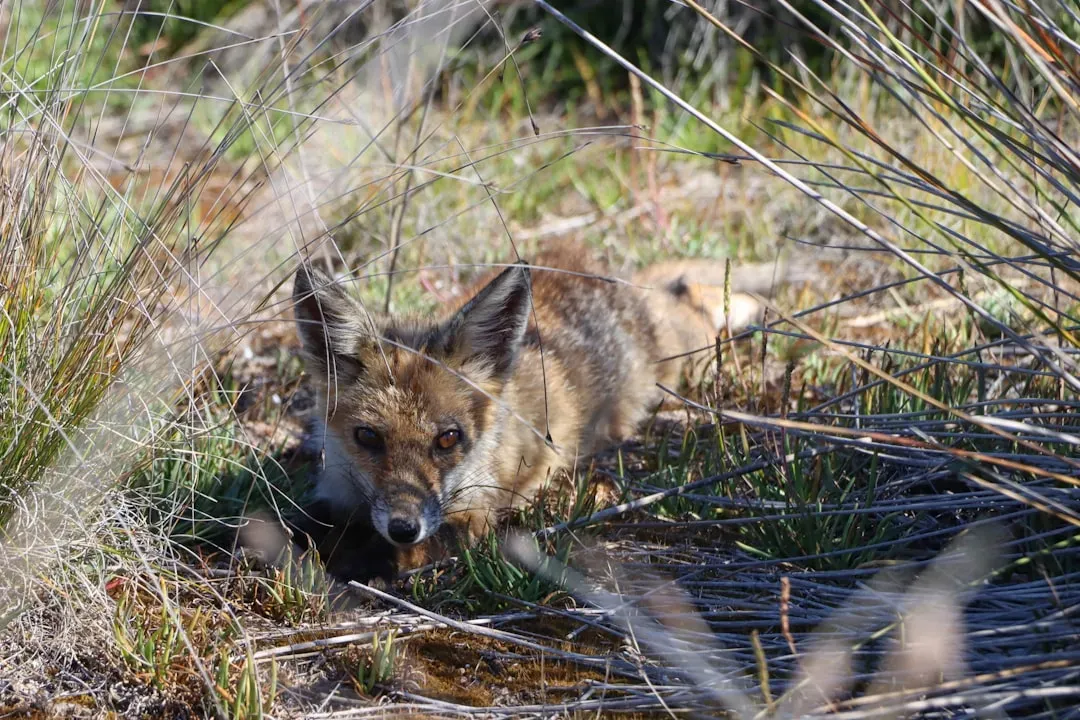
One of the key factors behind the coyote’s success is its omnivorous and opportunistic diet. Coyotes primarily feed on small mammals like rabbits and rodents, but they’re not picky eaters. Their diet also includes birds, reptiles, insects, fruits, and even carrion. This dietary flexibility allows them to survive in diverse environments, from rural farmlands to urban centers.
In urban areas, coyotes have been known to scavenge from trash cans, consume pet food left outdoors, and even prey on small domestic animals. Their ability to adjust their feeding habits based on available resources is a significant factor in their widespread distribution and success.
Social Structures: Lone Wanderers to Family Units
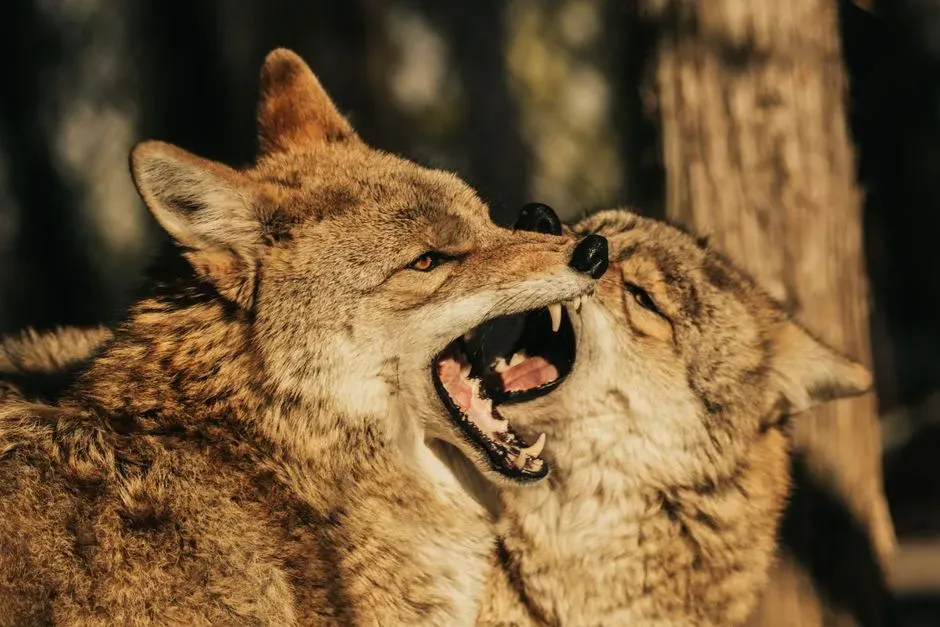
Coyotes exhibit a range of social structures, adapting their behavior based on environmental conditions and resource availability. They can live as solitary individuals, in mated pairs, or in family groups. This social flexibility allows them to adjust to varying conditions and maximize their survival chances.
In areas with abundant resources, coyotes may form larger family groups to defend territories and raise pups. Conversely, in regions with scarce resources, they might adopt a more solitary lifestyle to reduce competition. This adaptability in social behavior is another testament to their resilience.
Urban Coyotes: Thriving in Human Landscapes
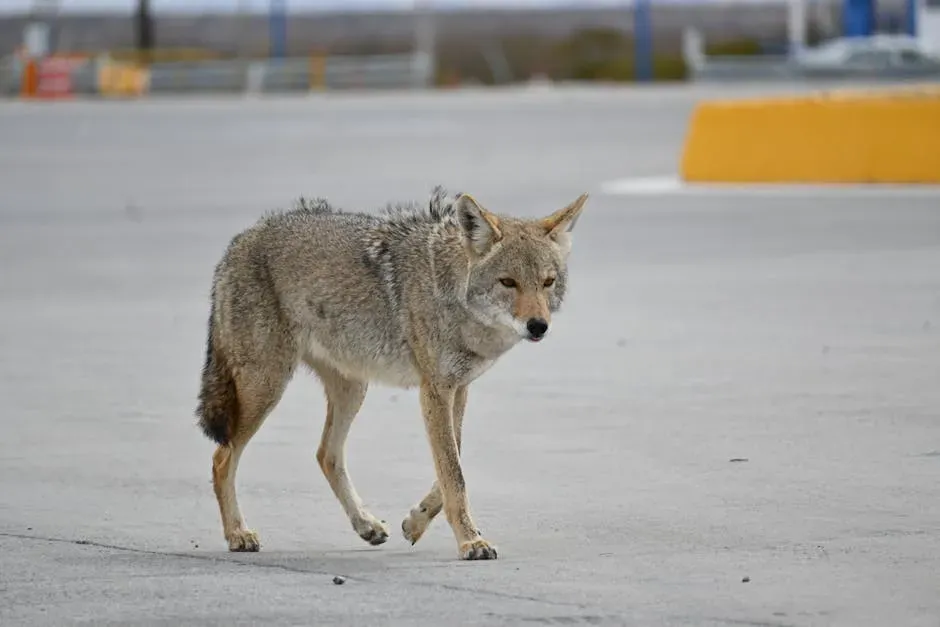
Perhaps one of the most surprising aspects of coyote adaptability is their success in urban environments. Cities like Chicago, Los Angeles, and New York have all reported thriving coyote populations. These urban coyotes have learned to navigate human-dominated landscapes, often becoming nocturnal to avoid human interactions.
Urban coyotes have been observed using green spaces like parks and golf courses as habitats, and they often travel along railroad tracks and drainage ditches to move through the city unnoticed. Their ability to coexist with humans, often without detection, highlights their remarkable adaptability.
Physical Adaptations: Built for Survival
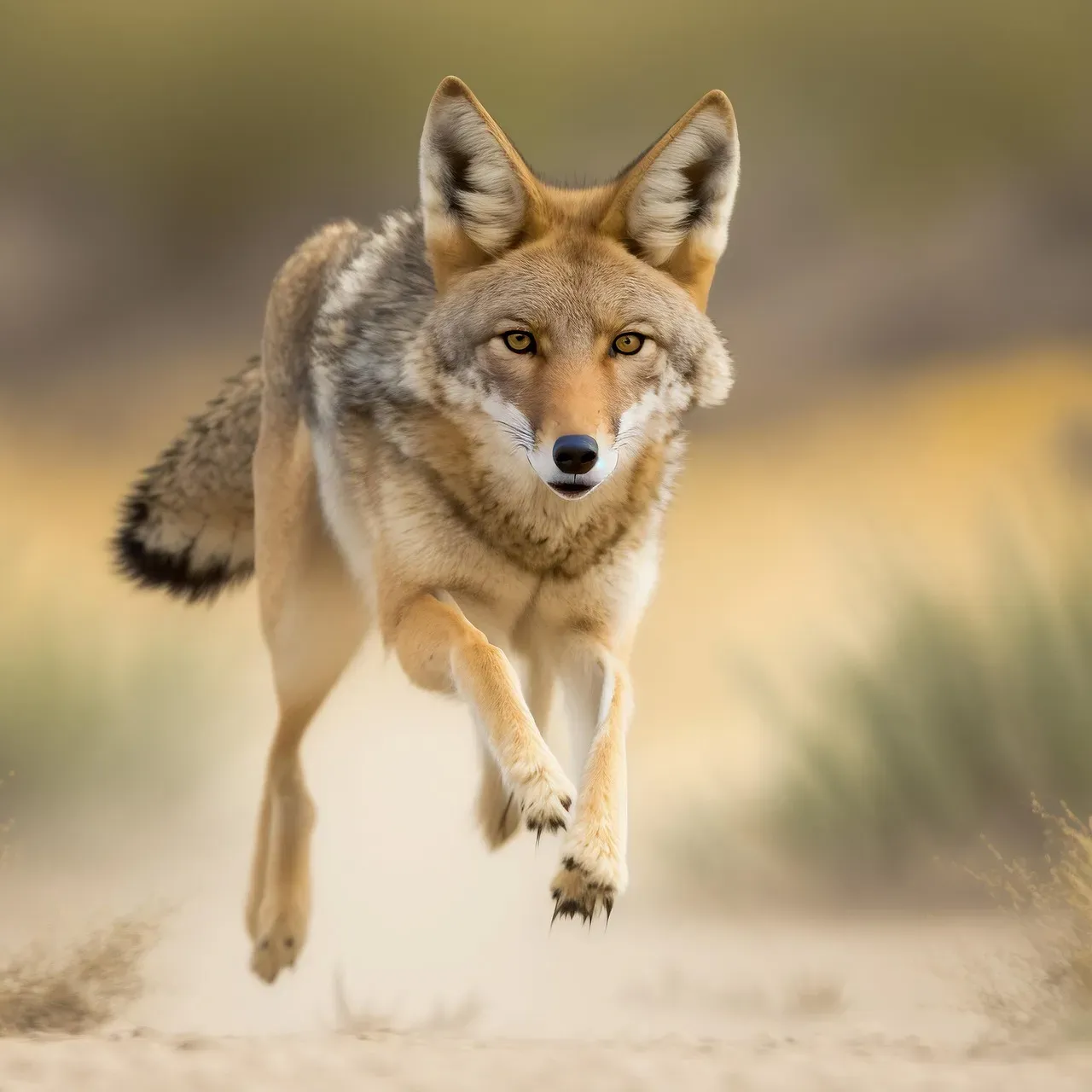
Physically, coyotes possess several traits that aid their survival across diverse habitats. They have keen senses of sight, smell, and hearing, which help them detect prey and avoid threats. Their lean bodies and long legs make them efficient runners, capable of reaching speeds up to 40 miles per hour when chasing prey or evading danger.
Additionally, coyotes are excellent swimmers, a trait that has allowed them to colonize islands and cross rivers. Their physical prowess, combined with their behavioral adaptability, makes them formidable survivors in a wide range of environments.
Reproductive Strategies: Ensuring the Next Generation

Coyotes have reproductive strategies that further enhance their adaptability. They typically breed once a year, with litters ranging from four to seven pups. In areas where coyote populations are heavily controlled or hunted, they have been observed to increase their litter sizes, a phenomenon known as compensatory reproduction.
This ability to adjust their reproductive output based on environmental pressures ensures that coyote populations remain stable or even grow, despite human efforts to control them. It’s a clear demonstration of their resilience and adaptability.
Conclusion: The Unstoppable Coyote
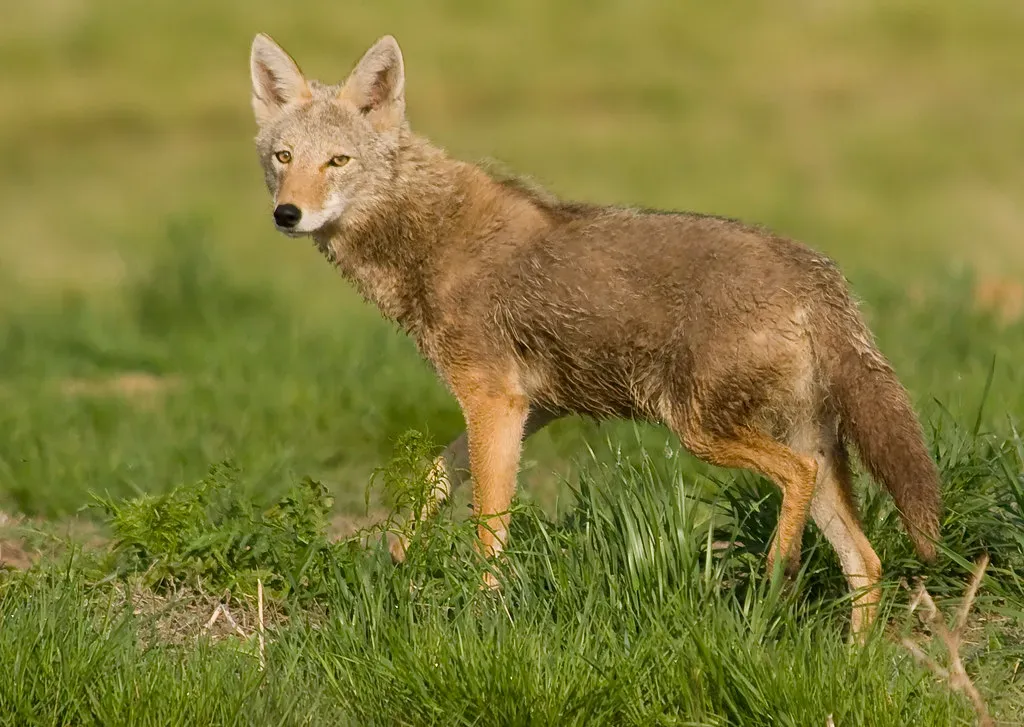
The coyote’s success story is a testament to the power of adaptability. Their ability to adjust their diet, social structures, physical behaviors, and reproductive strategies has allowed them to thrive in an ever-changing world. As humans continue to alter landscapes and ecosystems, it’s likely that coyotes will continue to adapt and flourish. Their story challenges us to reconsider our perceptions of wildlife and adaptability. If coyotes can thrive amidst such change, what lessons can we learn from them?