
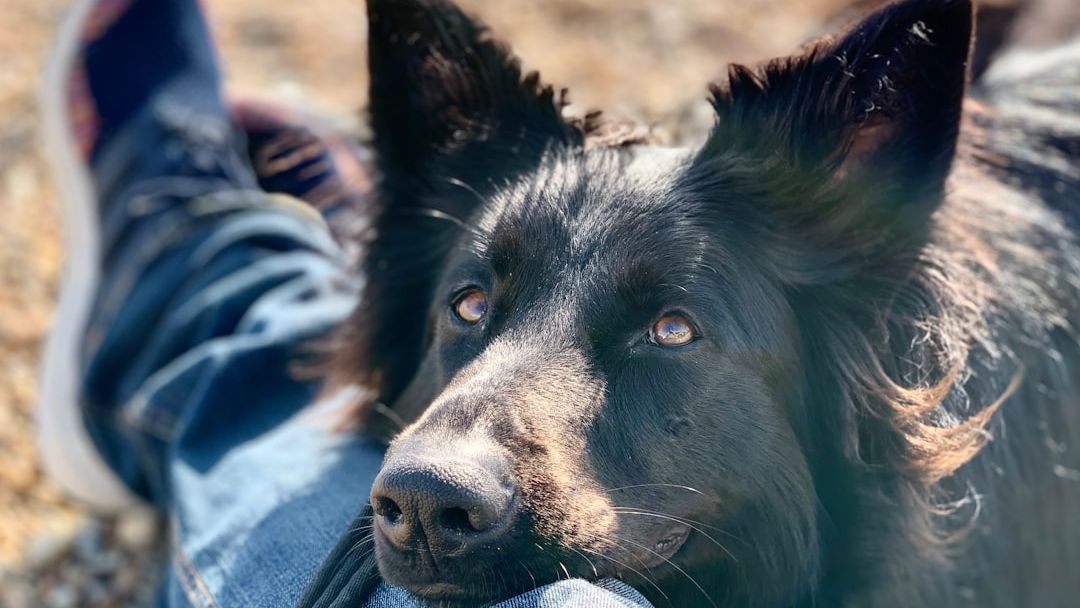
Owners love picturing their dogs as carefree souls who shrug off yesterday’s scold or tomorrow’s worries. Science challenges that cozy view. Studies reveal dogs cling to emotional echoes from past events, influencing trust, fear, and joy well into the future.[1][2]
Brain imaging and behavior tests show these patterns run deep. A quick belly rub might spark instant happiness, yet old traumas can linger quietly. Understanding this helps us connect better with our pups.
Busting the “Live in the Moment” Myth

Many assume dogs reset emotionally with every new day. Research proves otherwise. They form lasting impressions from experiences, especially charged ones.[3]
Negative encounters breed caution that sticks around. Positive bonds grow stronger over time. This emotional continuity shapes their world far beyond the present.[1]
Dogs Show Episodic-Like Memory
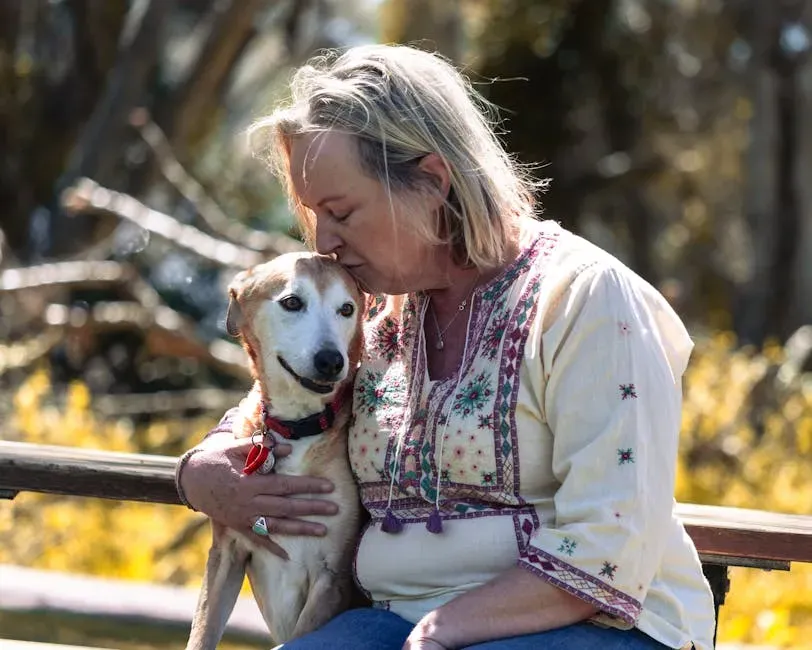
Dogs recall specific details of past events, much like us. A 2019 study tested them with odors, locations, and timings. They nailed tasks requiring “what, where, when” recall, even under flexible conditions.[2]
This memory ties closely to emotions via smell. It helps them navigate social worlds. Such abilities challenge old ideas about canine minds.[2]
Owners notice pups linking cues to feelings years later.
Replaying Emotions While Asleep
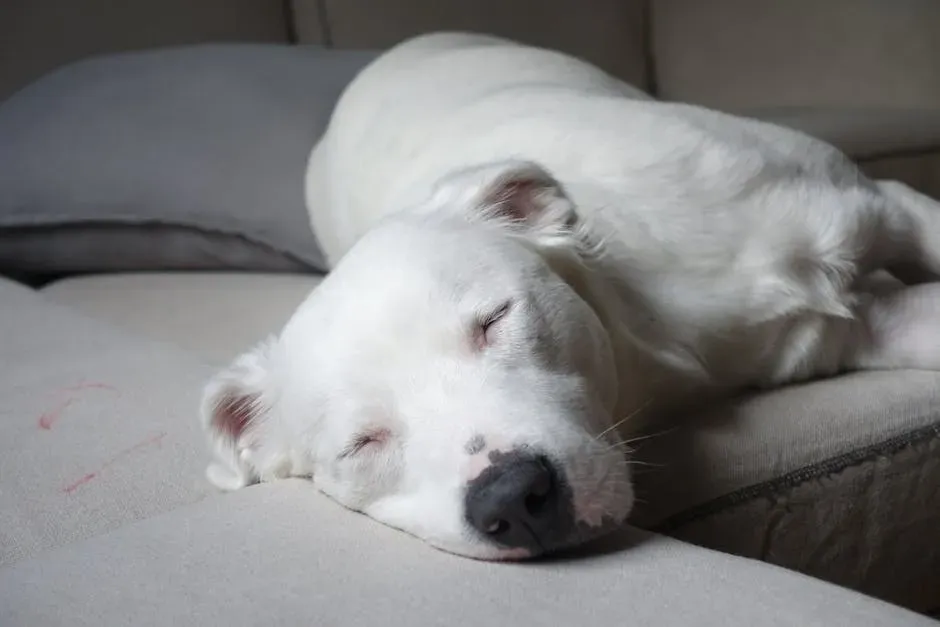
Hungarian researchers found dogs mentally revisit emotional highlights during sleep. Upsetting days disrupt their rest. Joyful ones replay vividly.[4]
This process strengthens memories. It mirrors human dream patterns. Dogs process feelings overnight, carrying them forward.[4]
Oxytocin Fuels Enduring Bonds
The “love hormone” oxytocin surges during dog-human gazes and play. A key study gave dogs nasal oxytocin sprays. They showed more affiliation with owners and other dogs afterward.[5]
Urine levels rose post-interaction too. This reinforces long-term attachments. Kids and dogs spike oxytocin together during fun.[5]
These bonds explain lifelong loyalty.
Long-Term Memory Holds Strong
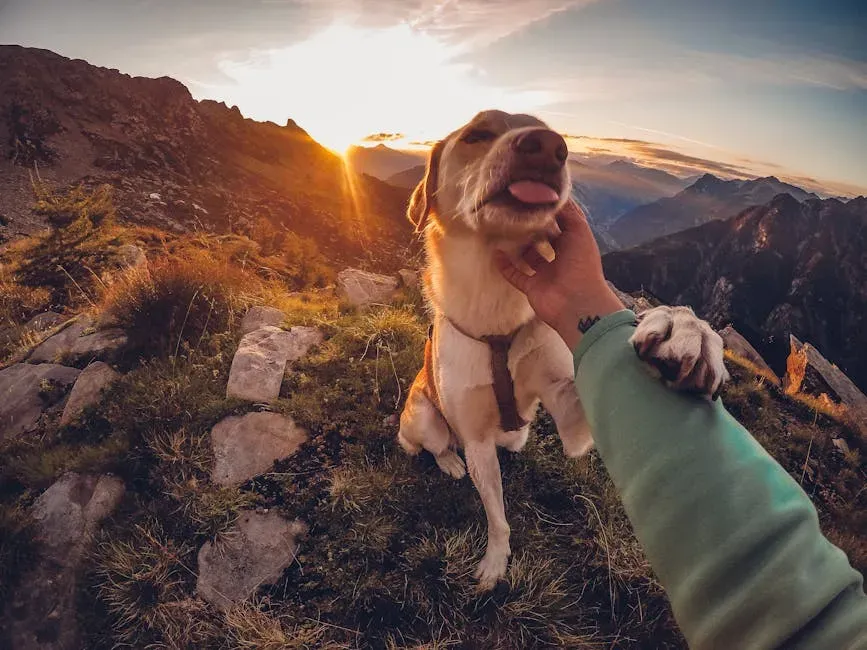
Dogs keep tricks and commands for over a decade if learned well. Emotional ties to people or places endure similarly. Scents and voices trigger deep recalls.[3]
Episodic feats last hours to days. Associations drive most retention. Bad vibes from youth can spark adult fears.[6]
Two to five years marks typical event memory span.
PTSD Symptoms Appear in Dogs
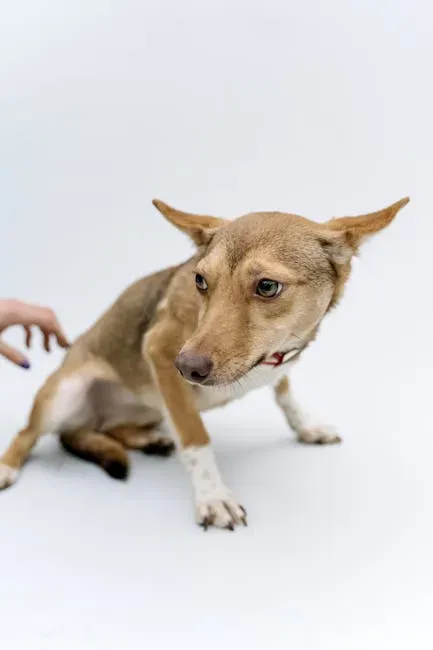
Canines suffer trauma aftermaths like chronic anxiety or hypervigilance. Abused pups avoid triggers long-term. Aggression or withdrawal signals deeper issues.[7]
Military dogs show avoidance of noises or crowds. Puppy mills breed lasting distrust. About one in ten may carry such scars.[7]
Sleep troubles round out the list.
Grudges or Learned Caution?
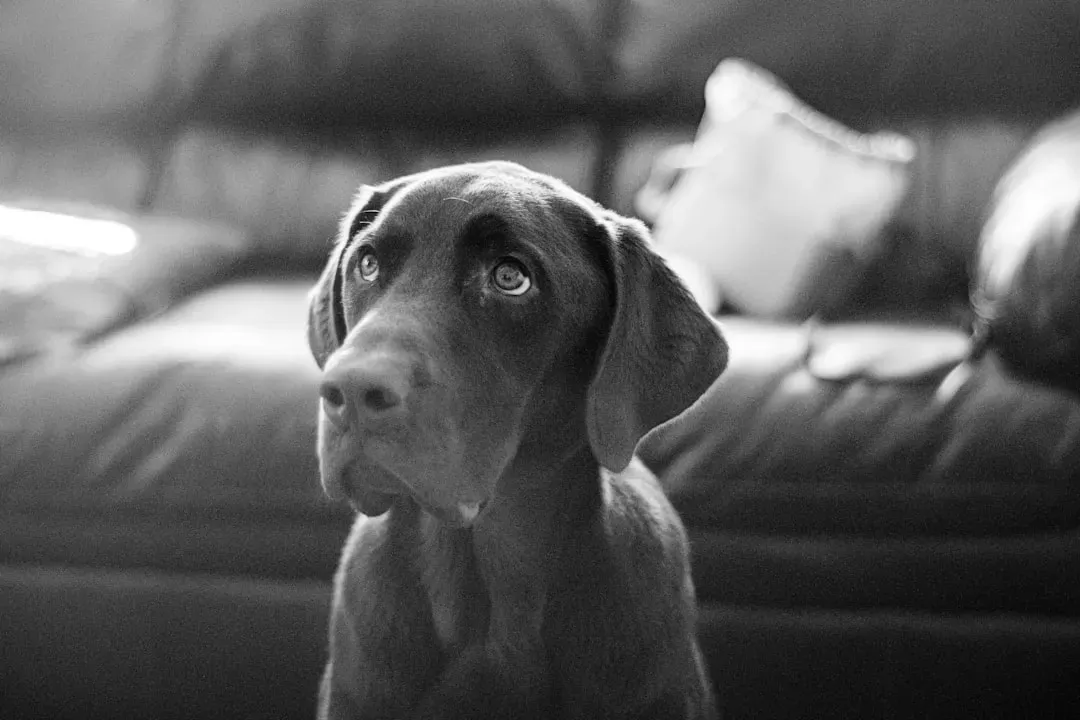
Dogs snub treats from folks who slighted their owners, per Kyoto tests. Over 50 pups watched strangers refuse help. They favored neutral or kind ones later.[8]
Yet grudges differ from human revenge. Avoidance stems from memory, not spite. Fair play violations lead to exclusion in packs.[9]
Trust rebuilds with positive steps.
Owners’ Emotions Rub Off
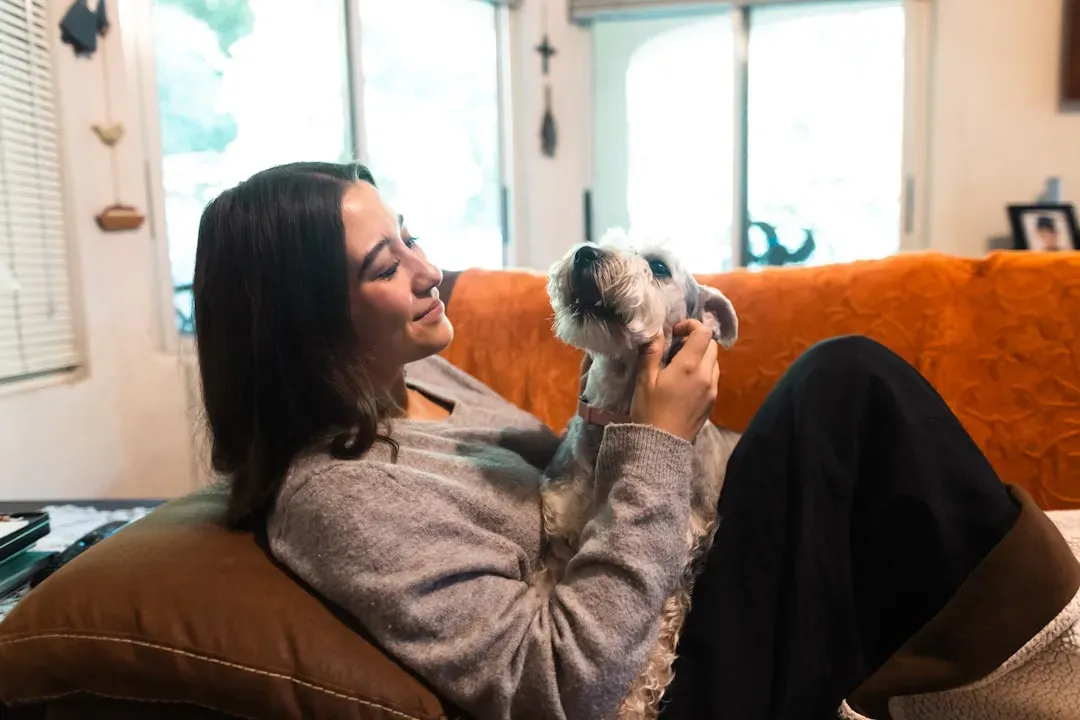
Dogs mirror human stress via cortisol sync. Owners’ moods sway canine ones over time. Happy vibes spread contagiously.[10]
Memory tasks track these shifts. Females catch feelings faster. Shared homes amplify the link.[11]
Trauma Echoes in Behavior
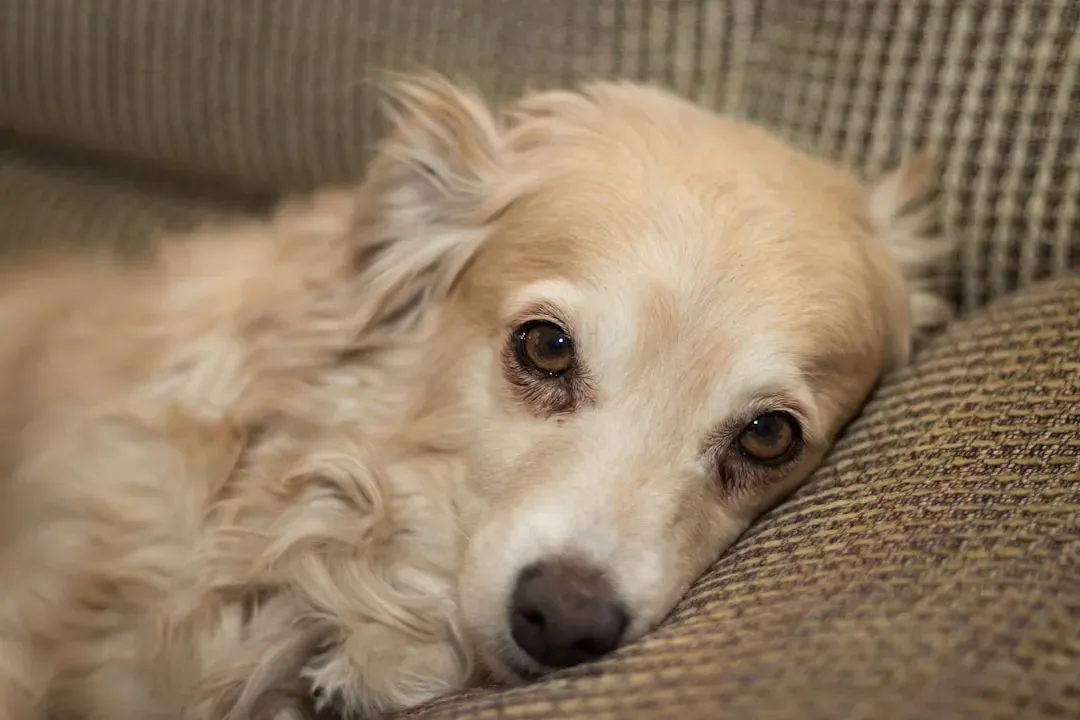
Past hurts fuel reactivity or shutdowns. Vacuums terrify from old bangs. Abused dogs flinch at raised voices.[3]
Positive history eases new challenges. Patterns persist without intervention. Patience reveals the roots.[12]
Therapy counters these loops.
Scents Anchor Memories
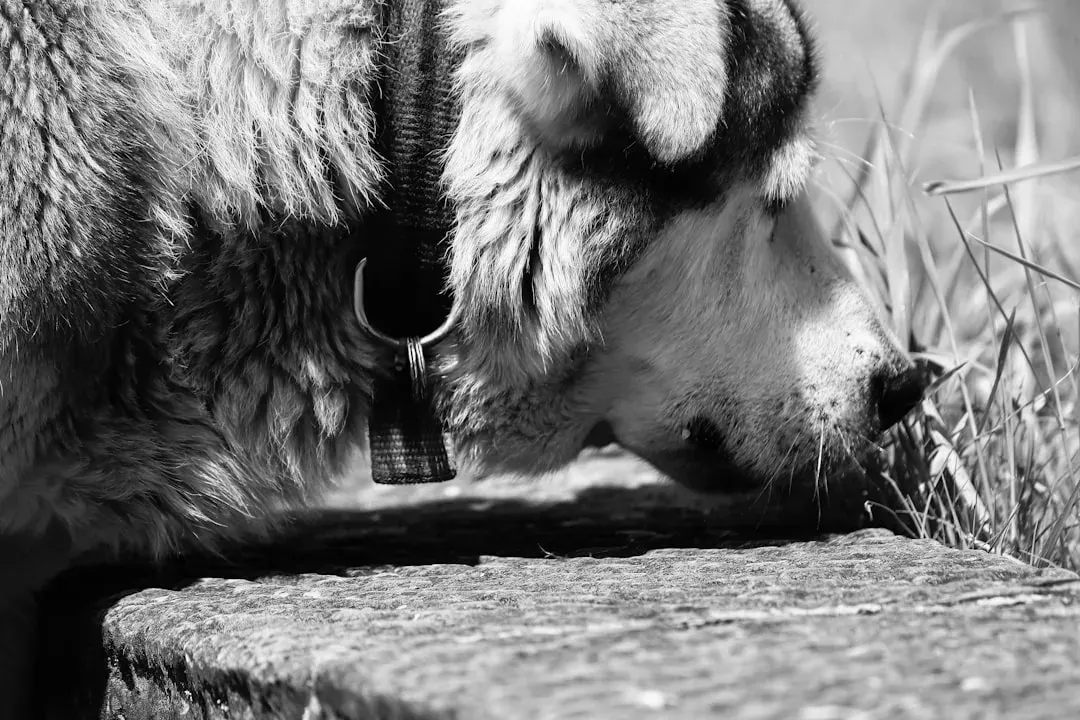
Dogs link smells to feelings forever. A familiar whiff revives joy or dread. Voices pair similarly.[3]
This associative power outlasts visuals. Early traumas hide in odors. Rewards stick via scent too.[2]
Variations Across Dogs and Breeds
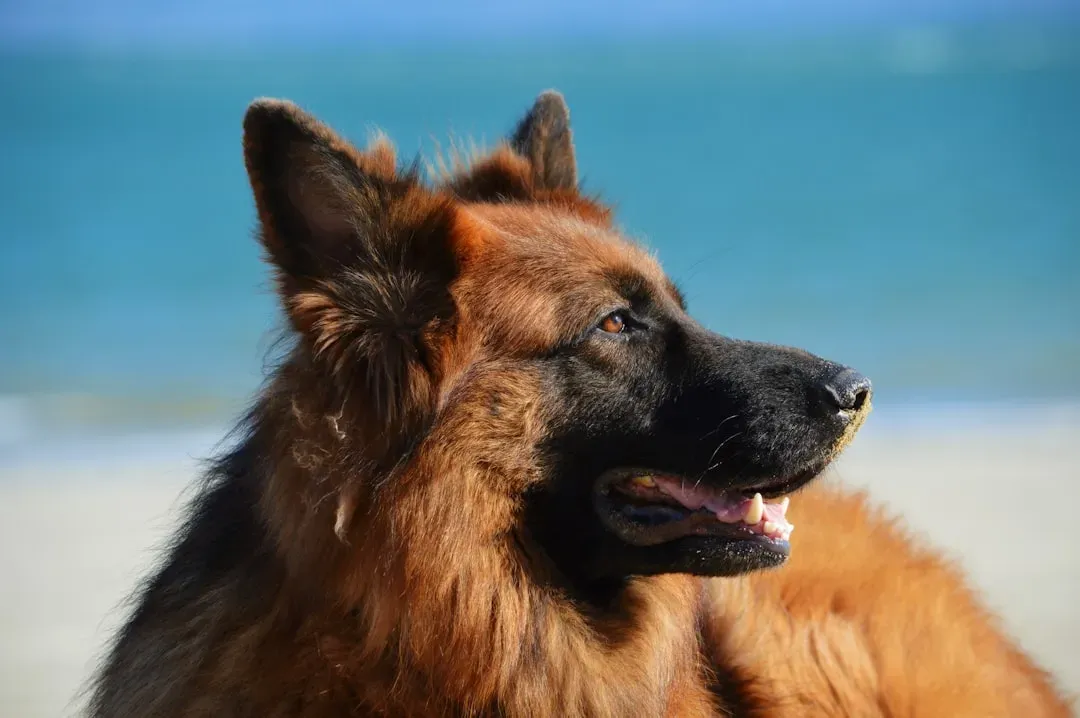
Not all pups process emotions alike. Genetics shape social savvy by 40 percent. Aging dulls recall gradually.[1]
Individuals differ in “g factor” smarts. Herding breeds hold patterns tightly. Rescue histories vary impacts.[13]
Context matters most.
Conclusion
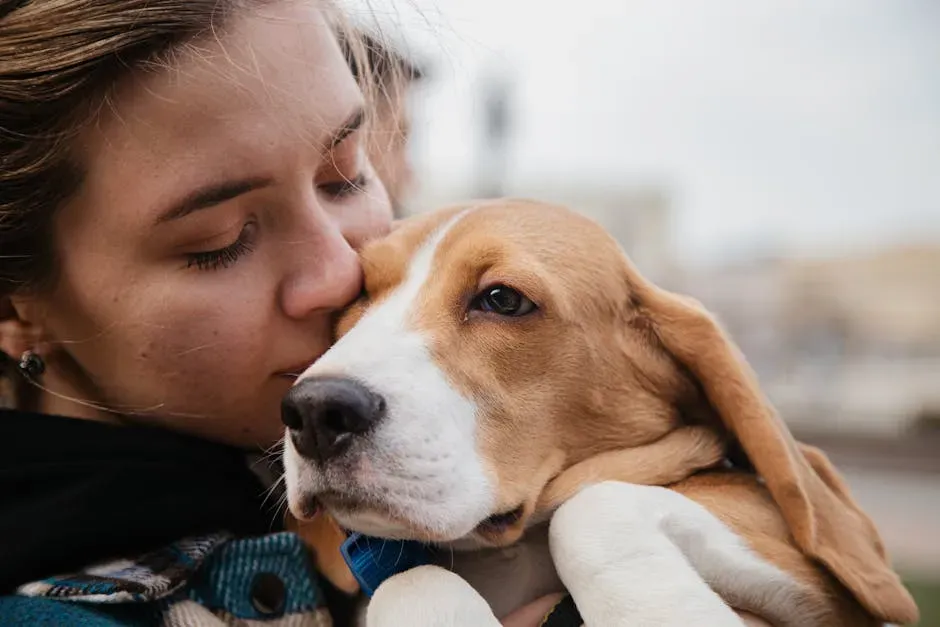
Dogs weave past emotions into their daily lives. Ignoring this risks misunderstandings. Gentle handling builds secure futures.[1]
Next time your dog hesitates, recall these patterns. A little empathy goes far. They remember kindness deepest of all.


