
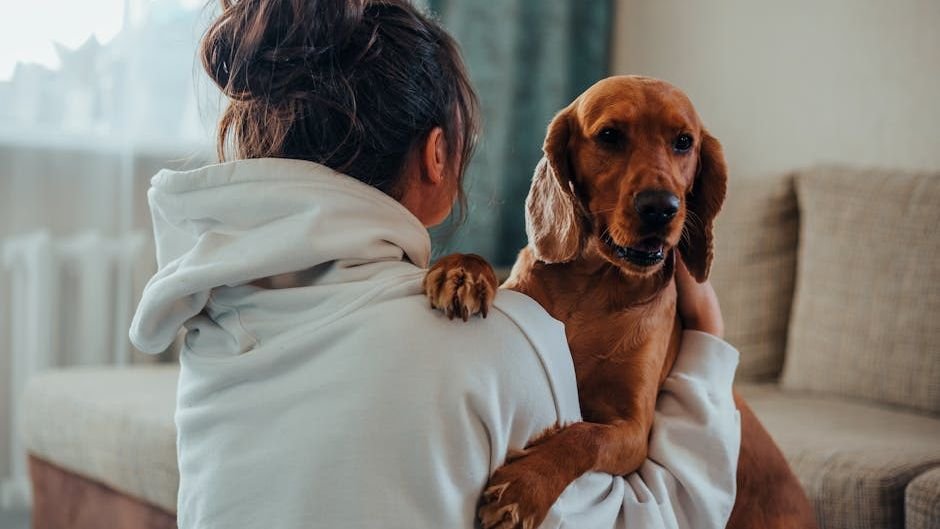
Your dog can’t send you a text saying “I’m not okay today.” They can’t call you from the other room or write a note on the fridge. What they can do – and do constantly – is communicate through behavior. The trouble is, a lot of those signals are easy to mistake for stubbornness, boredom, or just being a quirky dog.
Dogs tend to mask their discomfort through subtle cues, which can make it incredibly difficult for owners to recognize when something is wrong. Ethological studies suggest that roughly one quarter to one half of pet dogs exhibit some form of anxiety-related behavior, but much of it goes unnoticed. That’s a significant number of dogs quietly struggling while their owners wonder why they chewed the couch – again.
The signs of anxiety in dogs are often subtle and can easily be misinterpreted unless the full context is understood. This article breaks down ten of the most telling behaviors, what they really mean, and – most importantly – what you can do to help.
1. Excessive Yawning, Lip-Licking, and Drooling
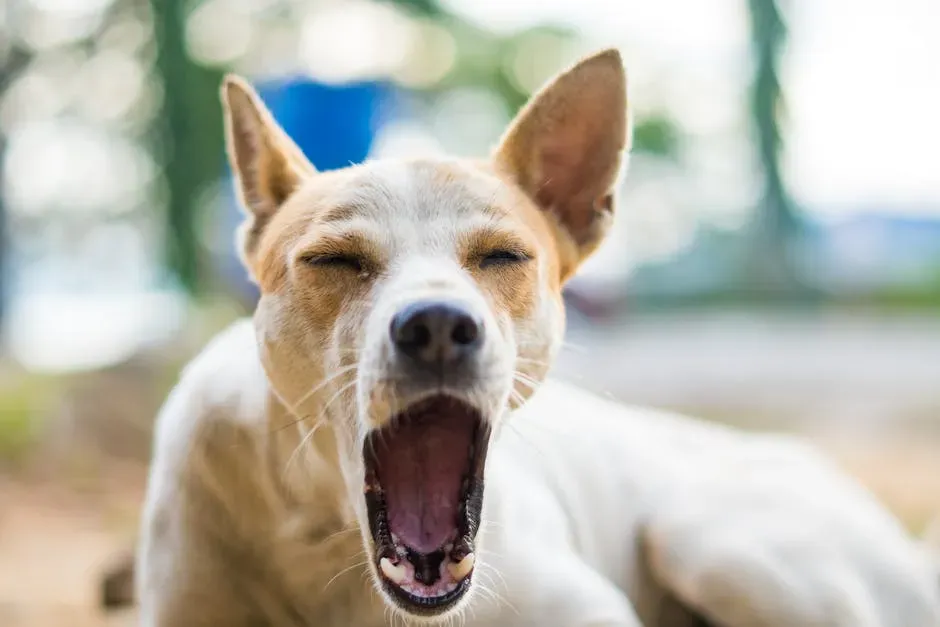
Most people assume a yawning dog is a sleepy dog. Sometimes that’s true. Other times, it’s something worth paying closer attention to. Dogs yawn when they are tired or bored, but they also yawn when stressed. A stressful yawn is more prolonged and intense than a sleepy yawn. Dogs may also drool and lick excessively when nervous.
Look for frequent yawning when they are not tired, lip-licking, avoiding eye contact, or showing the whites of their eyes – known as “whale eye.” These are classic displacement signals – behaviors that appear out of context and serve as a dog’s way of trying to de-escalate tension or self-soothe. If your dog starts licking their lips every time a guest arrives, that’s not politeness. That’s discomfort. Pay attention to when these behaviors cluster together, and start noting the triggers. Context always matters.
2. Pacing and an Inability to Settle
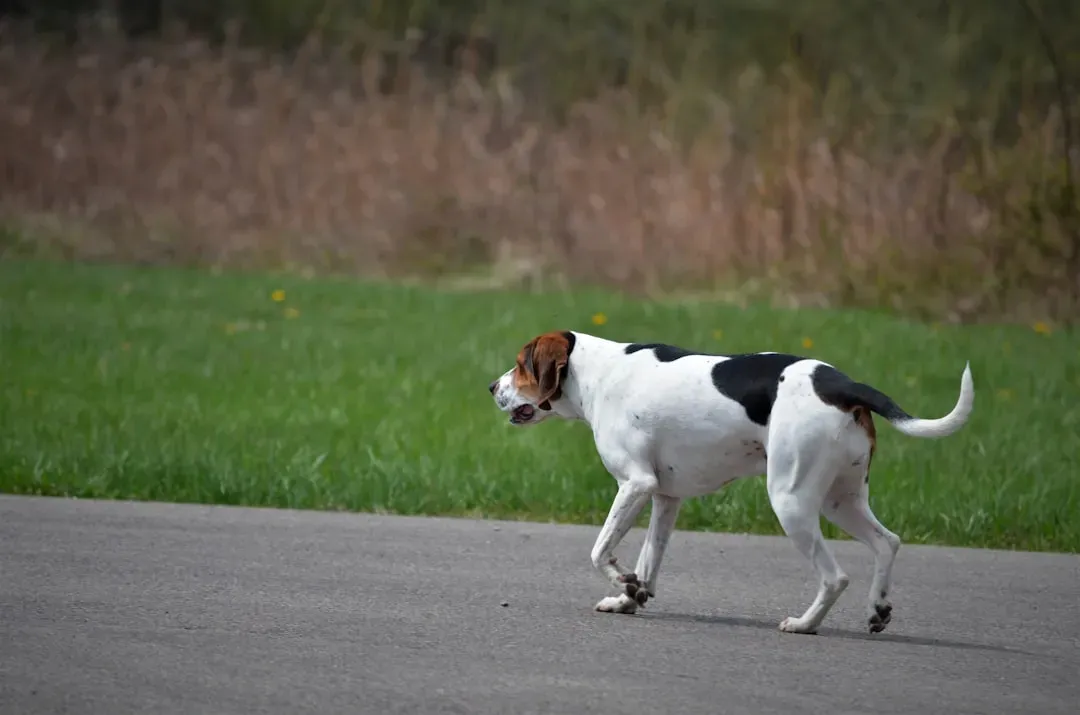
Pacing is often seen in anxious or stressed dogs, especially when separated from their guardians. This behavior is thought to be a way for dogs to release nervous energy and can also be a sign of anxiety or distress. Picture the classic scene at the vet’s office, a dog walking tight circles around the exam room. That restlessness is rarely about excess energy. It’s emotional.
Pacing often indicates anxiety in dogs, although it can also be associated with pain in some cases. It may occur during or shortly after the event that causes your dog to feel anxious. When the event has passed, your dog will likely stop pacing if anxiety is the cause. If pacing happens at night or with no clear trigger, it could signal something deeper, including age-related cognitive changes. Keep a journal of when it happens and bring those notes to your vet.
3. Destructive Chewing and Scratching
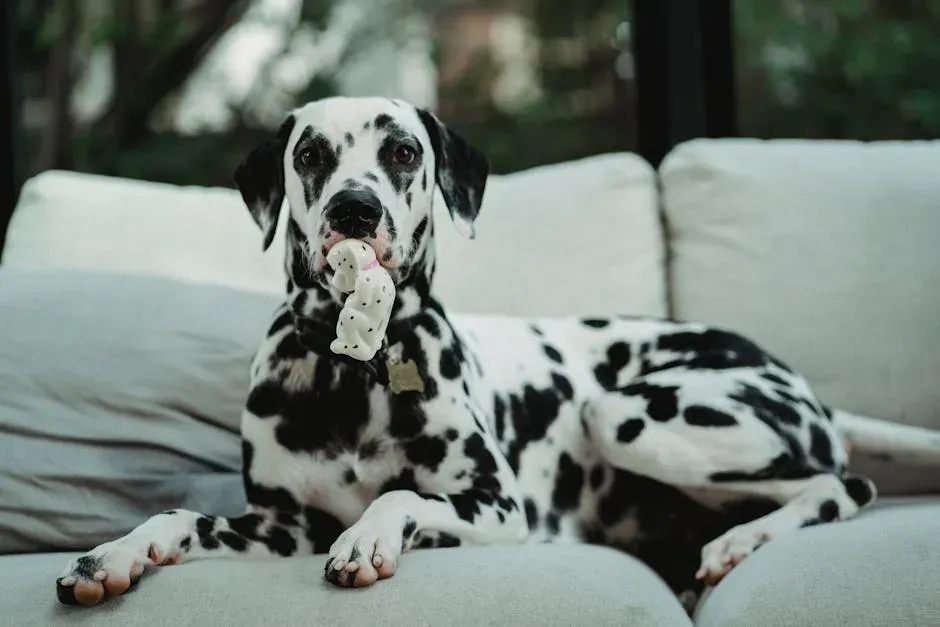
Destructive behavior is common with separation anxiety. When your dog shreds the couch cushions or scratches through a door frame, it feels like defiance. It isn’t. Being separated from you or other family members can create anxiety and lead to behavioral problems. A dog with separation anxiety may chew on furniture and shoes, scratch at the rug, and paw at the door.
Chewing, in particular, has a self-soothing component for dogs – it releases calming chemicals in the brain. So in a way, your dog is doing exactly what makes sense to them in an overwhelming moment. The solution isn’t punishment. Create a designated area in your home where your dog can retreat when feeling anxious. This space should be quiet, comfortable, and stocked with their favorite items such as blankets and toys. Giving them an appropriate outlet – like a stuffable chew toy – redirects the behavior toward something constructive.
4. Excessive Barking, Whining, or Howling

Vocalization is normal self-expression in dogs but may be intensified when they are under stress. The kind of barking linked to anxiety tends to be repetitive and almost frantic, as though your dog is trying to resolve something they can’t quite name. Sometimes these behaviors can indicate anxiety, such as when a dog whines before going for a walk or barks excessively during a car ride. Separation anxiety is another common cause. Dogs who are left alone for long periods of time may start to whine or howl to get attention.
The key is distinguishing anxious vocalizations from demand barking or playful noise. Anxious barking often escalates as the trigger intensifies, and tends to come with other physical signs like panting or pacing. Dogs bark loudly and rapidly to express fear or anxiety, or as a warning against potential intruders. If your dog consistently vocalizes in certain contexts – car rides, thunderstorms, when left alone – that pattern is telling you something specific and worth addressing.
5. Clingy or Velcro Behavior
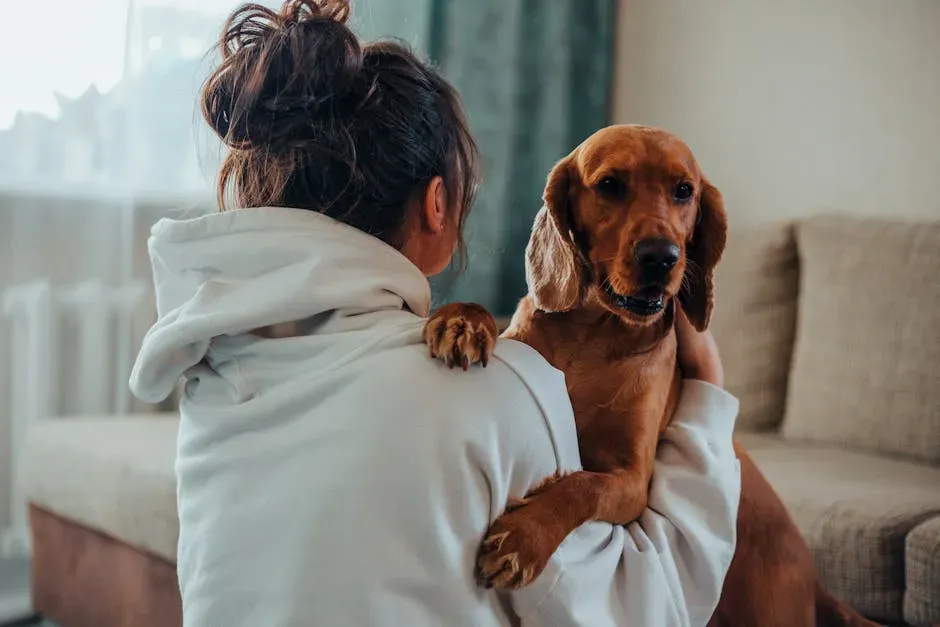
Dogs with separation anxiety often prefer to be in the same room as their owners, and they start becoming stressed when they see their owner preparing to go out. A dog that follows you from room to room, sits on your feet, and watches your every move isn’t just being sweet. For many dogs, this is anxiety wearing an adorable disguise. Dogs with nervous and anxious behavior may become clingy toward their human family members. If your dog is in a situation where they feel unsafe, they may want to sit on or near you at all times because of their anxiety.
It’s worth paying attention to whether the clinginess spikes before you leave the house. A dog with separation anxiety may start showing signs of anxious behavior when it sees you pick up your car keys. If your dog begins to pace, pant, or shadow you the moment your jacket comes off the hanger, that anticipatory distress is a meaningful signal. Gradual desensitization to departure cues – like picking up your keys and then sitting back down – can help break that association over time.
6. Hiding or Escape Attempts
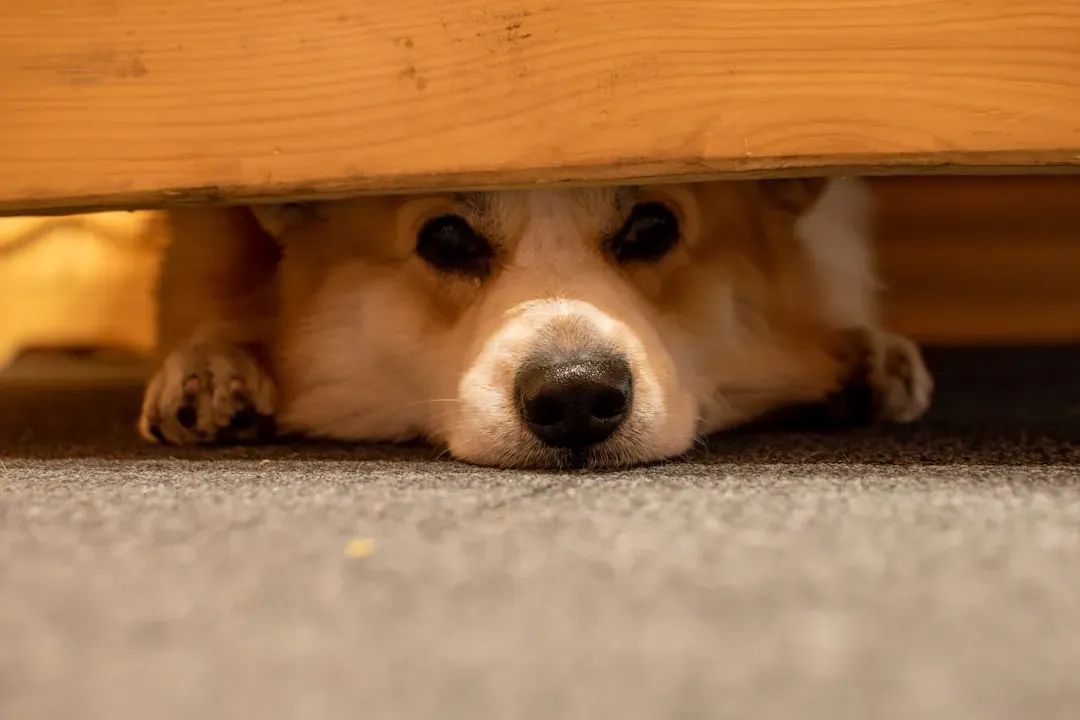
Hiding is a common behavior in dogs experiencing anxiety or fear of being separated from their guardians. Dogs may hide under furniture, in corners, or behind doors to feel safe and secure. Unlike avoidance behaviors that are subtle, hiding is a more urgent signal. When a dog wedges themselves behind the washing machine before a thunderstorm, they’re telling you their nervous system is overwhelmed.
If a dog is in flight mode, they will attempt to leave the situation. This might present as walking away or hiding to avoid the trigger. Escape attempts during fireworks or storms can actually be dangerous, since frightened dogs are more likely to bolt and go missing. It is important to provide your dog with a safe place in the home where they can escape stimuli that trigger a stress response. A designated crate or quiet room – set up before the stressful event – gives your dog somewhere safe to retreat without the risk of escape.
7. Panting Without Physical Exertion
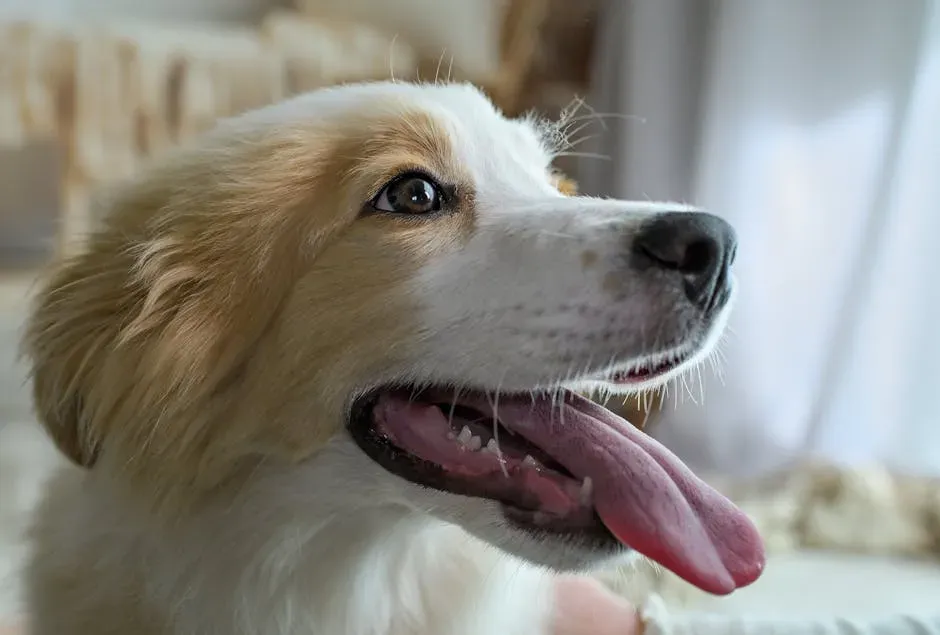
Dogs pant when hot, excited, or stressed. If your dog is panting even though they have not exercised, they may be experiencing stress. Stress panting has a particular quality to it – it’s often faster, shallower, and paired with wide eyes or a tense body. You’ll notice it at the vet, during car rides, or just before a known trigger appears. Excessive panting, especially when not related to heat or exercise, can indicate stress.
Anxiety can also manifest through physical changes. Dogs may pant even when it is not hot, drool, tremble, pin their ears back, or tuck their tails. These physiological reactions are the body’s stress response at work – the same fight-or-flight system humans experience. If you see stress panting, your first move should be to calmly remove your dog from whatever’s causing it. Don’t fuss over them excessively, but do offer a calm presence and a quieter environment.
8. Aggression Rooted in Fear
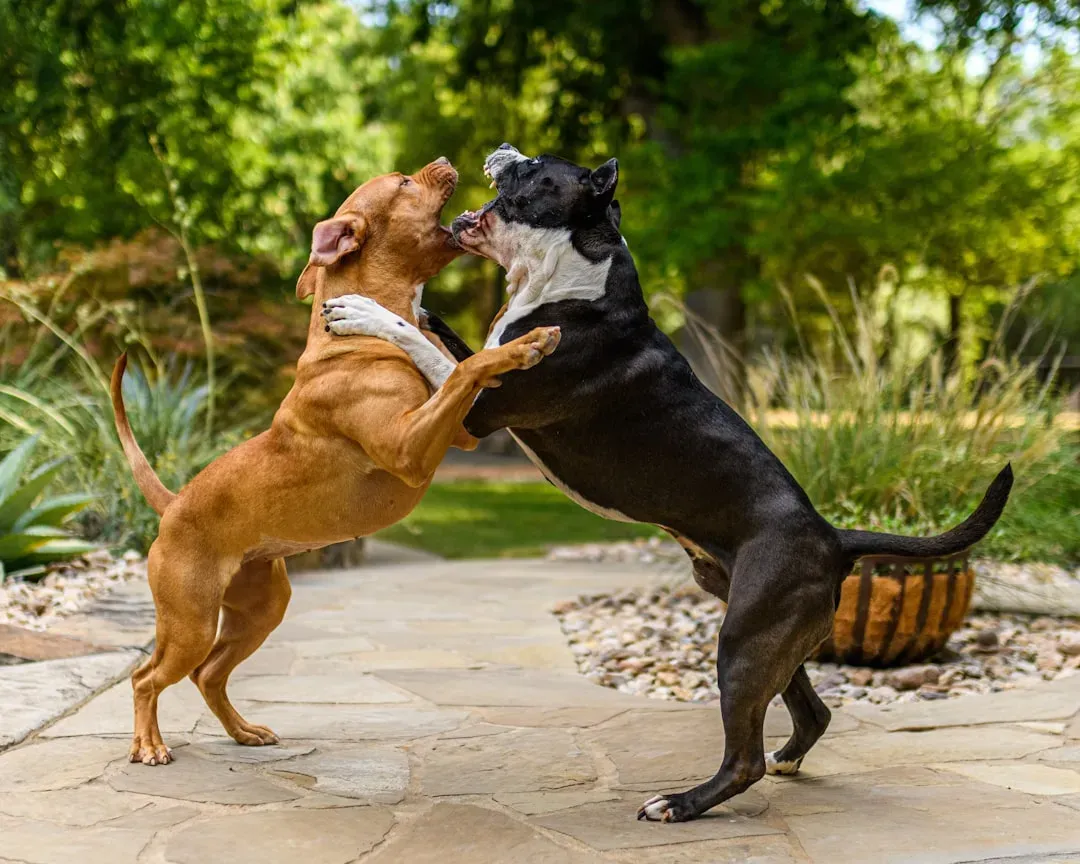
By far the most dangerous symptom of dog anxiety is aggression. This aggression can be targeted directly or indirectly, depending on the situation. Direct aggression occurs when a dog acts aggressively toward people or other animals. Indirect aggression can be equally dangerous and often happens when a person comes between the dog and the source of the dog’s aggression. Many people assume that an aggressive dog is a dominant or “bad” dog. In reality, most aggression has fear at its root.
Dogs in fight mode display certain forms of aggression, including barking, lunging, growling, and even snapping. This is the dog who lunges at strangers on walks or snaps when cornered – not because they want to cause harm, but because they feel threatened and see no other way out. Behavior modification focused on positive reinforcement, desensitization, and relaxation training is the right approach; avoid punishment, which worsens fear. A certified professional trainer or veterinary behaviorist is the best resource when fear-based aggression is on the table.
9. House Soiling in Otherwise Trained Dogs

Dogs that are anxious may also urinate inside. This is common in dogs with separation anxiety. Urination in the house is a sign of anxiety, not resentment or anger, which is a common misconception among dog owners. This distinction really matters. Punishing a dog for anxious house soiling doesn’t resolve the emotion – it just adds another layer of stress to an already overwhelmed animal.
Urinating and defecating in the house is a common symptom of separation anxiety. Anxious dogs often work themselves up to the point that they pee or poop in the house, even if they’re housebroken. If your dog has a clean bill of health and has been reliably housetrained, sudden accidents should be treated as an emotional signal rather than a training failure. Staying quiet and unemotional during your comings and goings from your home helps your dog remain calm. This can be particularly effective for dogs with separation anxiety.
10. Displacement Behaviors and Hyper-Vigilance

Anxious dogs may demonstrate displacement behaviors, which are normal behaviors that occur out of context when a dog is stressed. Common displacement behaviors include yawning when not tired, stretching when not stiff, rapid blinking when nothing is in the eye, sneezing when there is nothing bothering the nose, and sniffing the ground or scanning the environment when there is nothing of interest. These are easy to overlook because each one, in isolation, looks completely ordinary.
A hyper-vigilant dog may be overly alert or reactive to sounds or movements in their environment, with their head always on a swivel scanning for the next threat. This constant state of alertness is exhausting for a dog, and over time, it takes a real toll. Dogs that are anxious all the time may become depressed or irritable, sleep more, and may lose interest in food, training, play, and social interaction. Chronic anxiety may also lower a dog’s threshold for allergies, inflammatory bowel diseases, and other medical problems. When anxiety becomes chronic, it’s no longer just a behavioral issue – it becomes a health issue.
What You Can Do: A Path Forward
Understanding these behaviors is half the battle. The other half is responding with patience rather than frustration. To prevent anxiety and reduce chronic stress, prioritize consistency and predictability in your dog’s routine, along with plenty of exercise and mental stimulation appropriate to their age, breed, and health. Routine is genuinely calming for dogs – knowing what comes next gives them a sense of safety.
Desensitization is a valuable training strategy in which the owner slowly introduces the dog to the source of anxiety, preferably in small doses and at a decreased intensity. Repeated exposure and rewarding positive behavior can go a long way toward managing anxiety. For more complex cases, don’t go it alone. If your dog becomes stressed often or in response to many triggers, see your veterinarian. After ensuring that your dog’s behavior does not have a physical basis, your veterinarian may refer you to a trainer or veterinary behaviorist for further assessment.
Treatment often requires behavioral training and positive reinforcement, sometimes in combination with natural calming supplements and pheromones. Anti-anxiety medication may also be prescribed when needed. There’s no shame in that. Just like humans, some dogs need a little extra support to feel okay in the world.
Conclusion: Your Dog Is Talking. Are You Listening?
Anxiety in dogs is far more common than most people realize, and it rarely looks the way we expect it to. It doesn’t always come with trembling or hiding. Sometimes it looks like a dog who yawns too much, or one who trails you to the bathroom, or one who’s destroyed every throw pillow you own.
The behaviors covered here aren’t character flaws or attempts to frustrate you. They’re honest communications from an animal who has no other way to say “I’m struggling.” If you notice these symptoms, it’s essential to address them early to prevent escalation. Ignoring these signs can lead to more severe behavioral issues and a decline in your dog’s overall well-being. Early intervention – whether through behavioral training, environmental adjustments, or consulting a veterinarian – can make a significant difference.
The dogs who trust us most are the ones who can’t advocate for themselves. Knowing what to look for means you don’t have to wait until things get serious. A little knowledge, some empathy, and the right support can give your dog the calm, secure life they deserve – and that’s worth every bit of the effort.


