
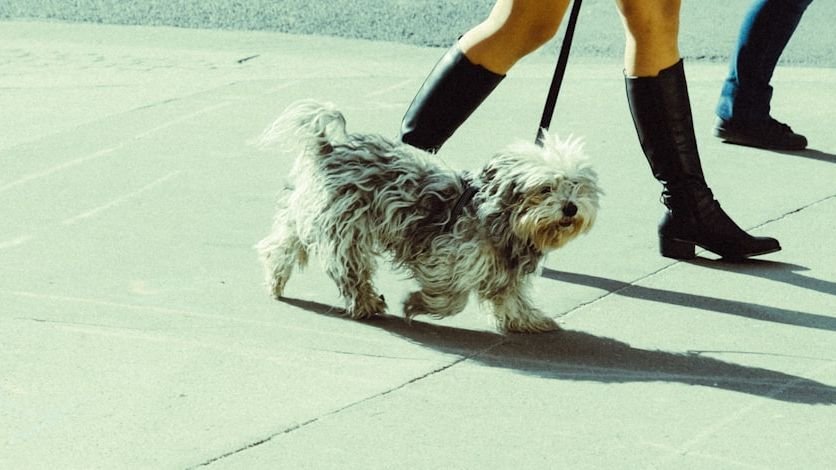
Most dog owners genuinely love their dogs. They show up every single day, leash in hand, rain or shine, and that dedication truly matters. The walk happens. The box gets checked. Yet something subtle can still go wrong, not from laziness or bad intent, but simply from habits that have quietly taken root without anyone noticing.
The truth is, the daily walk is one of the richest opportunities you have to support your dog’s physical health, mental balance, and emotional bond with you. Done well, it’s more than exercise. Done with a few common missteps, it can leave your dog under-stimulated, physically uncomfortable, or disconnected from the one person they trust most. Here are the three mistakes worth addressing today.
Mistake #1: Rushing Your Dog Past Every Single Sniff
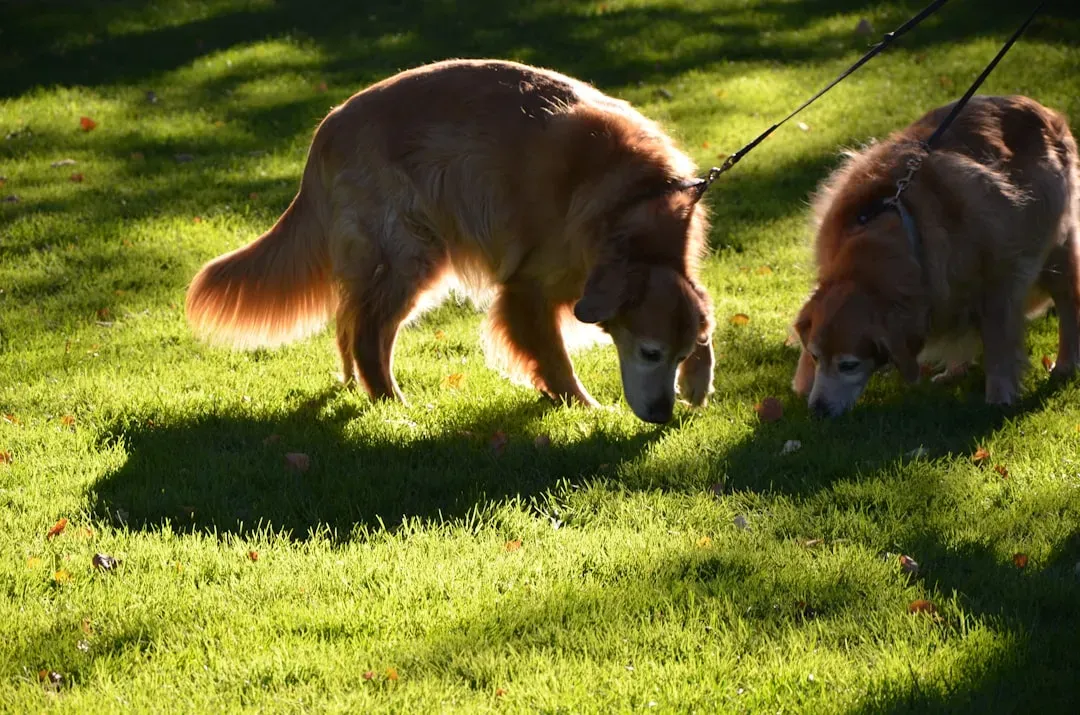
You’ve been there. You’re running late, it’s cold out, and your dog has been standing with their nose glued to the same patch of grass for what feels like a full minute. The natural instinct is to tug the leash and keep moving. It’s understandable. It’s also one of the most well-meaning mistakes you can make.
Dogs largely “see” the world through scent, and allowing them to interact with their environment through their noses taps into an often-overlooked processing tool. When you cut that short repeatedly, you’re not just saving time. You’re quietly denying your dog one of the most enriching parts of their entire day.
Dogs have hundreds of millions of scent receptors compared to our six million, and they devote approximately 40 times more brain volume to decoding smells than we do. What looks like dawdling to us is, for them, a full cognitive experience. Think of it less like wasted time and more like letting your dog read the morning news.
Sniffing has a calming effect on dogs. When they engage in scent work, their brain releases dopamine, a feel-good chemical that helps lower stress. Sniffing activates many parts of a dog’s brain, promoting rest and helping to reduce stress, and studies also show sniffing can decrease a dog’s heart rate, further lowering anxiety.
The practical solution doesn’t require you to add an hour to your morning. A good approach is to designate a portion of the walk as “free sniff” time where your dog sets the pace, and even five to ten minutes of uninterrupted sniffing can provide meaningful mental enrichment. You can still keep a brisk pace for most of the walk and simply build in those pockets of nose-led exploration.
Sniff walks are just as effective as physical exercise at expending pent-up energy and decreasing behaviors like destructive chewing or excessive digging. So if your dog comes home and still seems restless, a lack of sniffing time is a very real possible explanation. The fix is almost embarrassingly simple: slow down, loosen the leash, and let them sniff.
Mistake #2: Being Physically Present But Mentally Absent
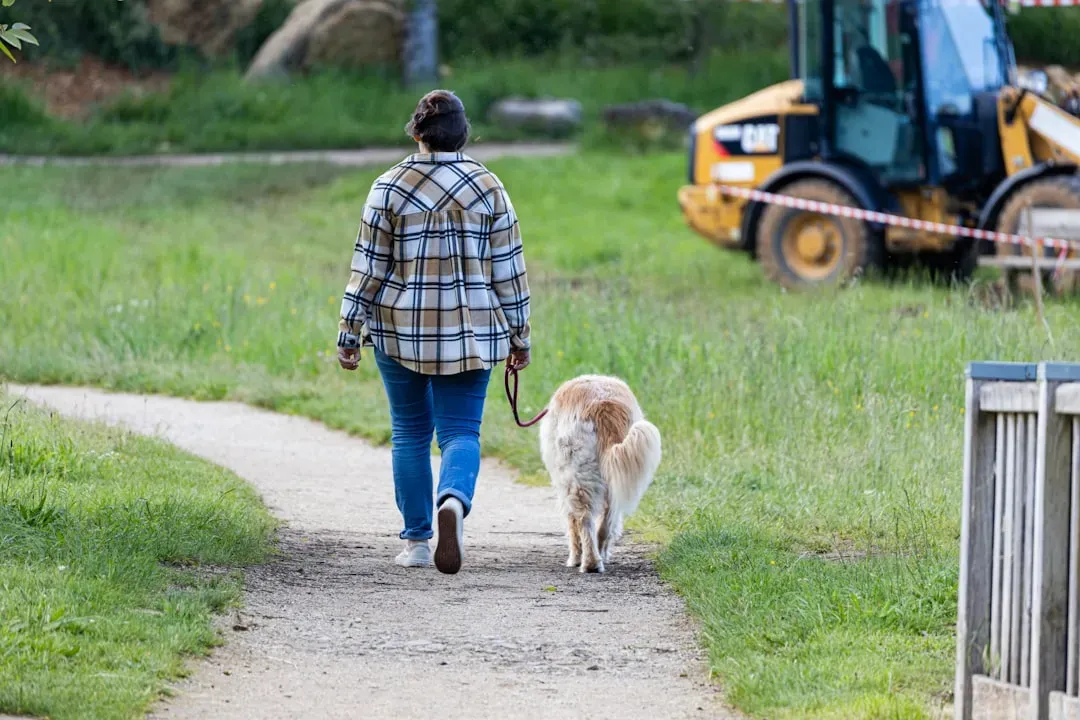
Here’s a scenario that plays out countless times a day in neighborhoods everywhere. Owner clips on the leash, steps outside, and immediately pulls out their phone. The dog gets walked. The owner gets a podcast. It seems fine. It isn’t entirely.
Owners who scroll their phone during the entire walk miss important signals like their dog’s stress, fear, or bathroom needs. It also weakens the bond and turns the walk into a disconnected experience. Your dog is constantly communicating with you. A tail that drops suddenly, hesitation before stepping forward, ears pinned back near a specific stimulus, these are all messages that get lost when your attention is elsewhere.
During walks, distractions can easily pull your attention away from your dog. Whether it’s checking your phone or getting caught up in your thoughts, this can lead to missed cues about their needs and feelings. If you’re stressed or distracted, your dog can feel that and it might affect their mood. Dogs are remarkably attuned to their owners’ emotional state, which means your distraction isn’t just a missed opportunity. It can actively shape how your dog feels during the walk.
Multiple daily walks can get monotonous and it seems okay to bury your nose in your phone while your dog does their business, but in doing so you miss an excellent opportunity to connect with them. Experiencing the great outdoors should be a shared adventure where the two of you encounter the world as a team.
Staying present also matters for safety. When you’re not mindful of what’s going on with your dog during a walk, you might miss potential hazards on the horizon. Imagine what could happen if you’re engrossed in your phone and holding the leash loosely when your dog spots a nervous cat on the road ahead. Putting the phone away isn’t just about bonding. It’s genuinely protective.
Even small moments of engagement add up. Staying focused on your dog gives you a chance to praise and reward them when they eliminate in the right spot or walk politely beside you. Those micro-moments of connection and reinforcement build the kind of trust that makes every future walk calmer and more enjoyable for you both.
Mistake #3: Walking the Same Route, Same Pace, Every Single Day
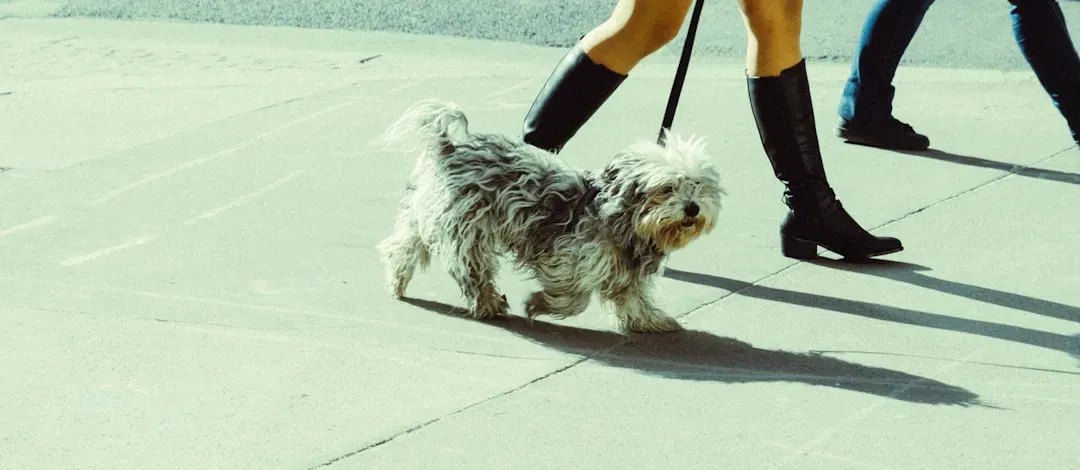
Routine feels responsible. Dogs like predictability, after all. True enough. They benefit from knowing when a walk is coming. What they don’t necessarily need is the exact same sensory experience, the same sidewalk, the same smells, the same pace, day after day. That kind of sameness can quietly chip away at the richness that walks are supposed to provide.
Sticking to the same straight road or path doesn’t allow them to act upon their inhibitions. A dog that always walks the same route will encounter the same scents, the same triggers, and the same level of stimulation. Over time, that consistency can leave them under-enriched even if they’re getting their daily steps in.
With life’s busy demands, it can be easy to let regular walks slip into a rigid pattern. Inconsistency in quality, not just frequency, can lead to pent-up energy and behavioral issues, making it harder for both of you to enjoy your time outside. A dog who seems perpetually restless or hard to settle after a walk might not need a longer walk. They may simply need a different one.
Incorporating activities that challenge your dog’s mind makes a real difference. Scent games, training moments built into the walk, and games that use their natural instincts can provide great mental exercise, and switching up the daily routine can also keep things interesting and stimulating.
The fix doesn’t have to be dramatic. Mix up your walking routine by exploring parks, trails, and urban areas, as each environment offers unique smells to discover. For extra engagement, occasionally let your dog lead the way to their favorite sniffing spots. Even one new route per week can make a meaningful difference in your dog’s level of enrichment.
Some dog owners try to make up for a quiet week with long walks over the weekend. This “binge-walking” approach can be exhausting for dogs and may lead to physical strain. It’s better to establish a daily walking routine that fits your dog’s needs, and walks don’t have to be long, but they should be consistent in length and frequency. Variety within that consistency is what turns a daily walk from a routine chore into something your dog genuinely looks forward to.
A Few Last Thoughts for the Walk Ahead
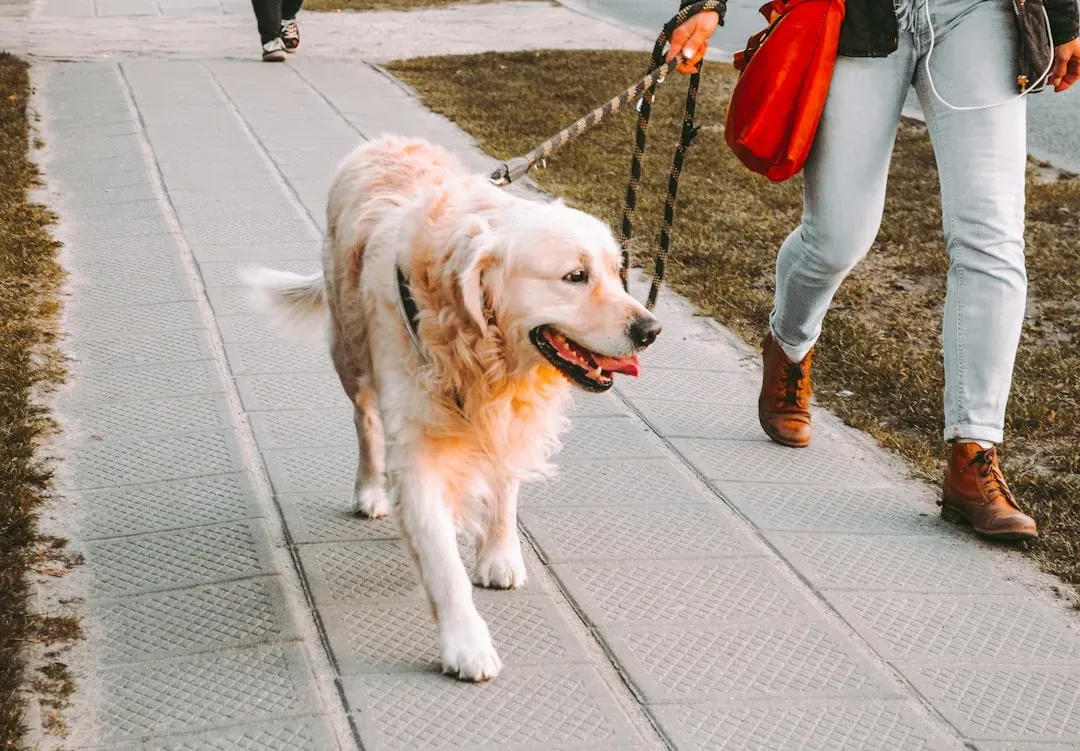
None of these mistakes come from not caring. They come from busy lives, formed habits, and a perfectly human tendency to focus on completing the task rather than savoring it. The good news is that each of these three missteps is genuinely easy to reverse.
Loosen your grip on the leash near that grassy patch. Put the phone in your pocket for twenty minutes. Take a left instead of a right tomorrow morning. A good walk is not just exercise. It’s enrichment, bonding, and trust-building. Your dog already thinks you’re the best part of their day. These small shifts just make it mutual.


