
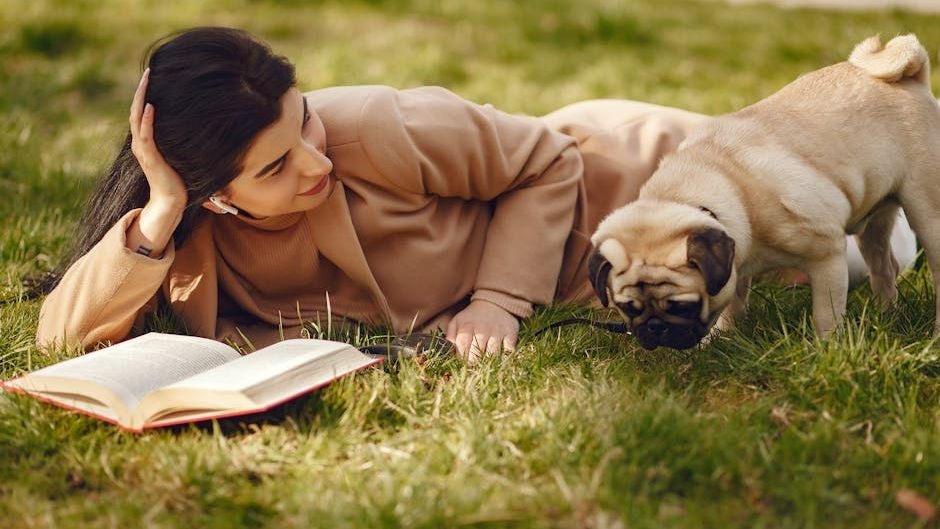
There’s a moment most dog owners know well. You’re sitting quietly after a long day, and your dog just quietly moves over and leans against you. No reason. No treat required. Just closeness. That kind of connection doesn’t happen by accident – it’s built, slowly and steadily, through the small things you do every single day.
The bond between dogs and humans is one of the oldest interspecies relationships on earth, and science has spent years trying to understand exactly what makes it work. Some of what researchers have found is genuinely surprising. Some of it confirms what every good dog owner has known all along: how you show up for your dog matters enormously. Here’s what the evidence says about the habits that make that bond stronger – and the ones quietly pulling it apart.
1. Learning to Read What Your Dog Is Actually Saying
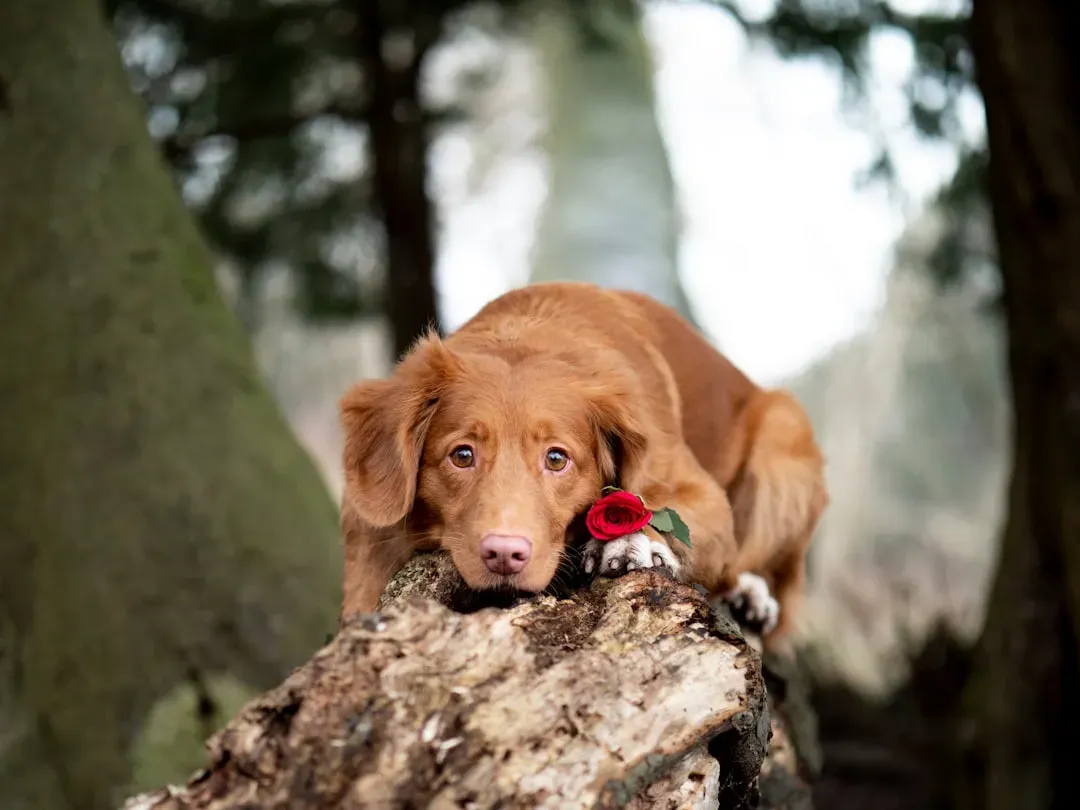
Understanding your dog’s body language is one of the most powerful ways to strengthen your bond. Dogs communicate how they feel through their posture, tail movements, ears, eyes, and overall behavior. Most owners learn the basics – a wagging tail, a happy spin at the front door – but real fluency goes deeper than that.
A confident and alert dog holds their ears forward, head up, and tail up. When a dog has their ears turned to the side, head lowered, avoids eye contact, and has their tail lowered or tucked between their legs, they are conveying a message of fear, anxiety, and potentially stress. Recognizing the difference in those moments is how you become someone your dog genuinely trusts.
Vocalizations such as growling and barking shouldn’t immediately be considered aggressive behavior – they are behaviors on a continuum of communication. Dogs may bark in greeting, excitement, or caution. Growling should be interpreted as an indication of the dog’s discomfort, and the owner should stop what they are doing and give the dog more space. When you respond appropriately instead of overreacting, your dog learns you’re a safe, reliable presence.
2. Building a Consistent Daily Routine

Dogs thrive on routine. Predictable mealtimes, walks, play, and rest help your dog feel safe and secure, especially if they’re new to your home. When your pup feels safe and like they can count on you to follow through with their routine, it’ll be easier for them to trust you. Think of it less like a rigid schedule and more like a promise you keep every day.
A consistent schedule also reduces anxiety and can make it easier to train your dog, including potty training. For dogs who have come from chaotic backgrounds, like rescue dogs with unclear histories, predictability isn’t just comfortable – it can be genuinely healing. Be consistent in your communication with them as well. Stick to cue words they already know to clear up misunderstandings. Our dogs want to know exactly what we want from them.
3. Using Positive Reinforcement in Training
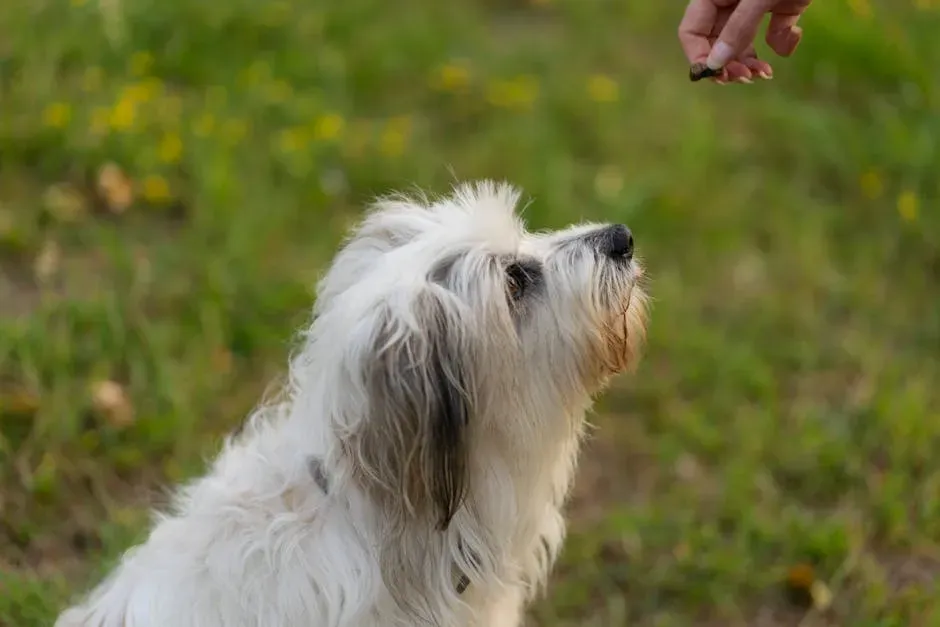
Training sessions that rely on positive reinforcement, such as treats or praise, are proven to strengthen the dog-owner bond. Research shows that dogs trained this way are more eager to engage and learn, making training sessions a bonding opportunity. The training itself matters less than the dynamic it creates – one where your dog looks to you with anticipation rather than anxiety.
Positive reinforcement enhances the human-animal bond by fostering a common language that pet parents can use to interact with their dog. With it, a dog learns to listen to their owner and perform the behavioral cues they were taught. The use of positive reinforcement training methods builds up a dog’s confidence and trust in their owners.
Teaching your dog new tricks not only helps them learn better manners and behavior but is a mentally enriching activity that deepens your connection. Training requires your dog to be tuned into you for guidance. They will master new commands and be rewarded with praise and treats from you, building their confidence. That shared sense of accomplishment is real, and dogs feel it too.
4. Making Eye Contact (the Right Kind)
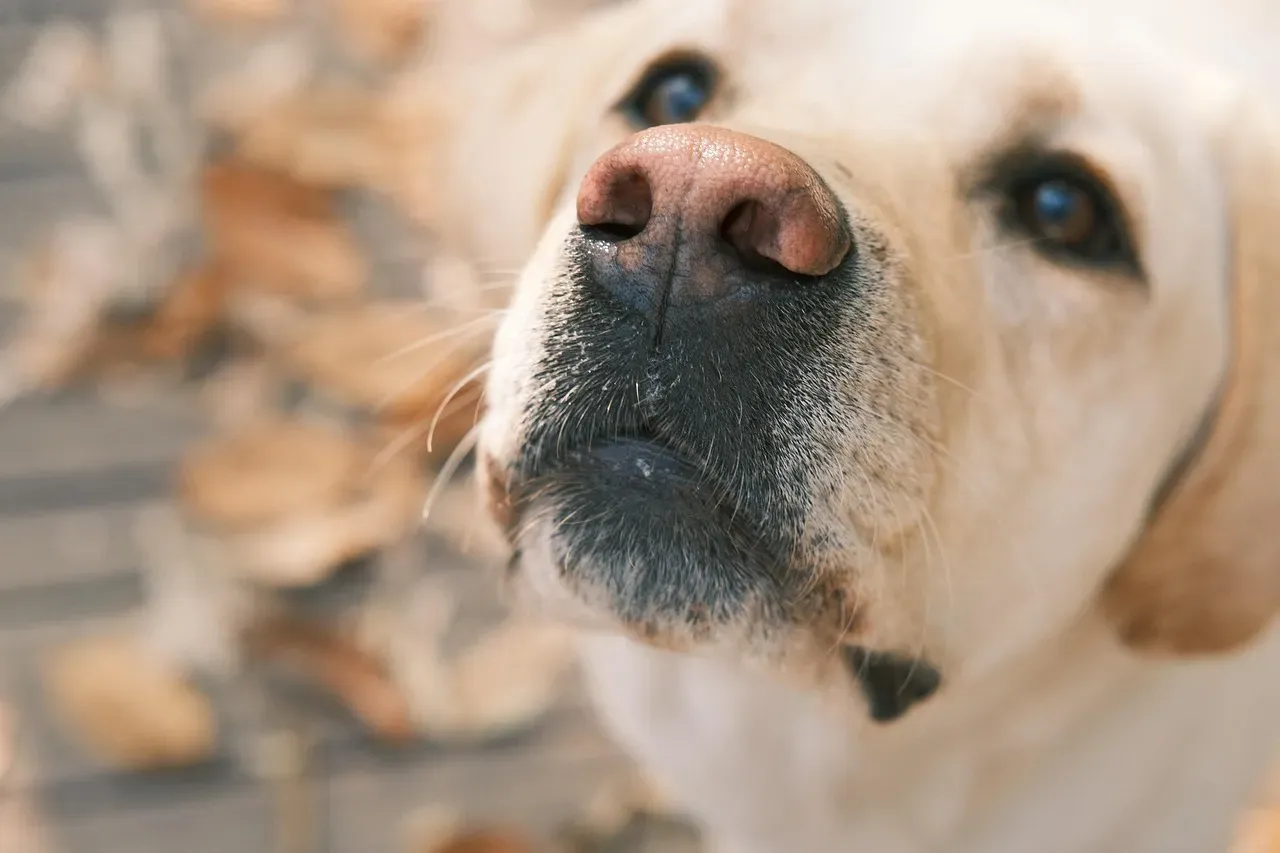
This one has genuine science behind it, and it’s remarkable. Gazing behavior from dogs increased urinary oxytocin concentrations in owners, which consequently facilitated owners’ affiliation and increased oxytocin concentration in dogs. In plain terms: when you and your dog look softly into each other’s eyes, you both get a chemical boost that mimics the bonding between a parent and infant.
Of the pairs that had spent the greatest amount of time looking into each other’s eyes, both male and female dogs experienced a 130% rise in oxytocin levels, and both male and female owners a 300% increase. That’s not a metaphor for connection – it’s the actual biochemistry of it. This reciprocal release of oxytocin forms the foundation of the special relationship humans share with their dogs, deepening feelings of love, empathy, and trust on both sides.
5. Prioritizing Touch, Grooming, and Physical Closeness
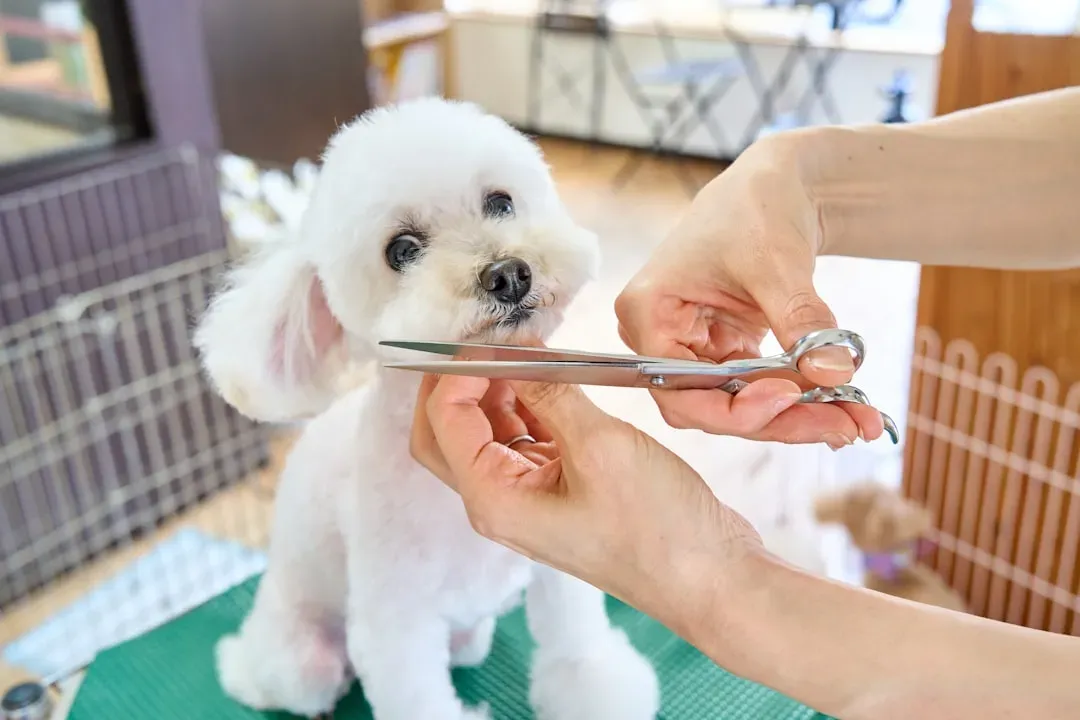
Regular brushing, gentle petting, or massage not only keeps your dog healthy, but it also reinforces your bond. Touch builds trust and comfort, especially when it’s paired with positive experiences. Grooming sessions, in particular, can shift from chores into rituals – moments of calm togetherness that both of you start to look forward to.
Grooming a dog can strengthen the human-animal bond if it’s done right and makes your dog feel good. For example, brushing your dog’s coat two or three times a week removes dirt, debris, and loose fur, and it can be very soothing to many dogs.
Take time to learn how your dog likes to be handled. Some love belly rubs, while others prefer ear scratches or just being near you. Respecting that preference is itself an act of care – it signals that you’re paying attention to them as an individual, not just going through the motions.
6. Playing Together Regularly
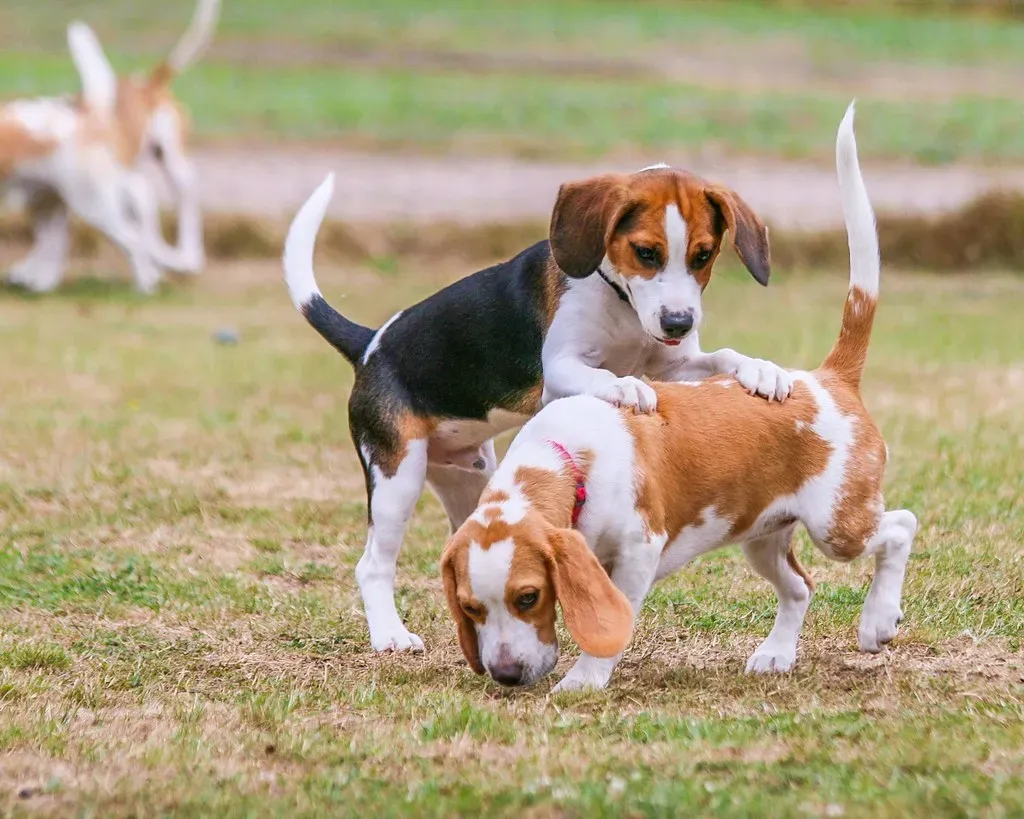
Interactive games like fetch, tug-of-war, or hide-and-seek aren’t just fun – they’re scientifically proven to build trust and improve your dog’s confidence. Tug-of-war, for example, has been shown to enhance cooperation without increasing aggression when played fairly. Play is one of the most natural ways dogs communicate positive feelings, and joining them in it speaks their language directly.
Since dogs love sniffing, exploring, and seeing and hearing new things, they’ll be grateful to you for fun outings, and will begin to associate you with that good feeling. Daily long walks are also great because a well-exercised dog makes for a calm dog. Regular movement together does double duty: it keeps your dog physically healthy and strengthens the emotional glue between you.
7. Advocating for Your Dog in Uncomfortable Situations
Advocate for your dog in new or stressful situations, and don’t force them into uncomfortable interactions with people or other animals. Pay attention to what makes your dog uneasy, and step in to protect their emotional and physical wellbeing. Your dog watches how you respond when they feel threatened. When you step in calmly and clearly, it sends an unambiguous message: I have your back.
If your dog is nervous meeting new people, allow them to say no thanks when strangers want to pet them. Giving your dog the opportunity to make choices is one of the most powerful ways to give your dog a voice, which will in turn make them appreciate you, and the bond you share, even more. Something as small as politely redirecting a well-meaning stranger can mean everything to a sensitive dog.
8. Providing Mental Stimulation and Enrichment
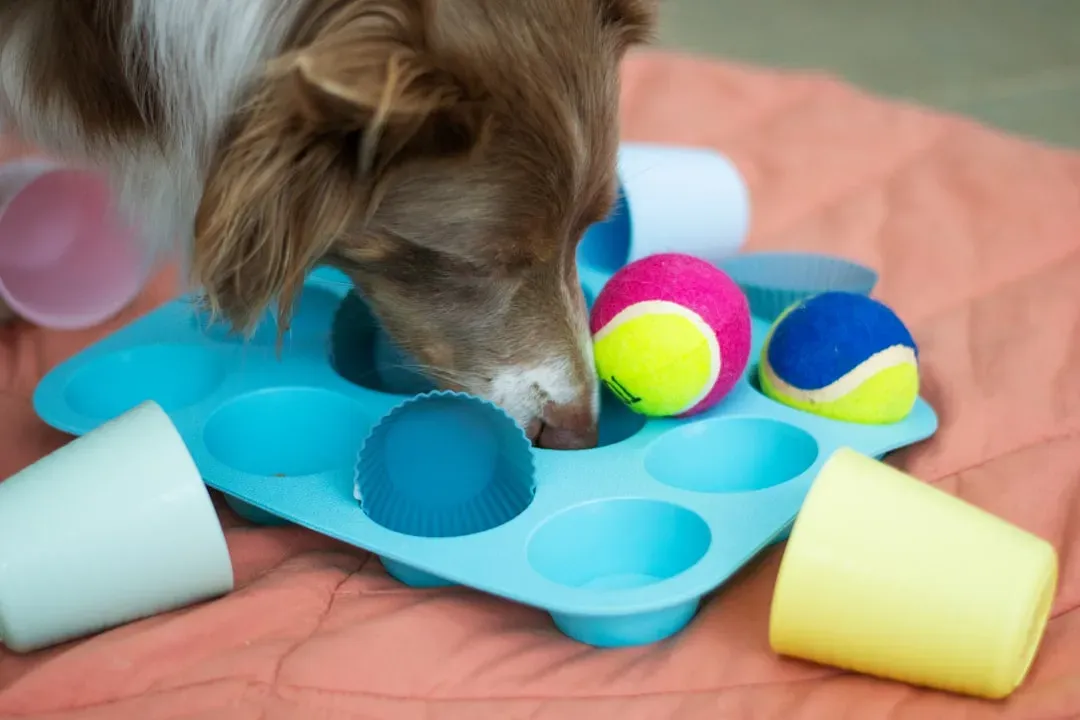
Providing lots of physical and mental stimulation is a vital part of treating many behavior problems, especially those involving anxiety. Exercising your dog’s mind and body can greatly enrich their life, decrease stress, and provide appropriate outlets for normal dog behaviors. Additionally, a physically and mentally tired dog doesn’t have much excess energy to expend when left alone.
Many pet owners stop at basic obedience training. Training your pet should be a lifelong endeavor, and teaching a new trick or skill will exercise their brain and strengthen their cognitive abilities as they approach their grey muzzle years. A bored dog isn’t a bad dog – they’re a dog whose needs aren’t being met. Puzzle toys, nose work games, and new training challenges all count as enrichment, and they cost very little.
9. Exploring New Places Together
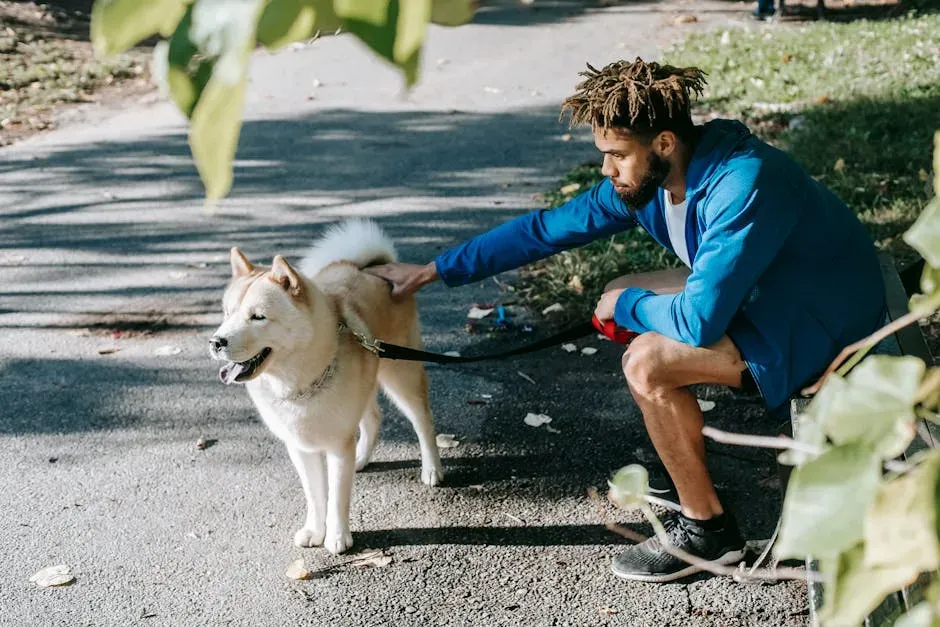
Taking your dog to new environments, such as a different park or a pet-friendly café, is beneficial for their mental stimulation. Research indicates that shared adventures help dogs feel secure and deepen the bond with their owner through positive experiences. New smells, new sights, new sounds – for a dog, a change of scenery is practically its own category of joy.
Science supports the idea that training in novel environments improves your dog’s focus and adaptability. Whether it’s a park or a quiet trail, practicing commands in new places strengthens your dog’s reliance on you while boosting their confidence. When your dog encounters something unfamiliar and looks back at you for reassurance – and you’re calm and steady – that moment quietly builds trust in a way that no amount of treat-giving at home ever could.
10. Being Present During Quiet Moments
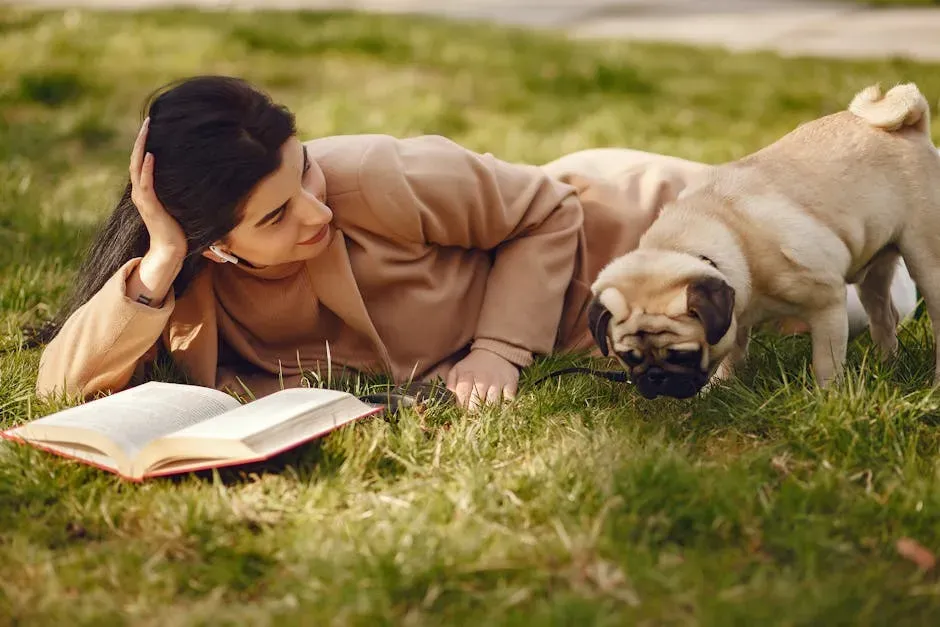
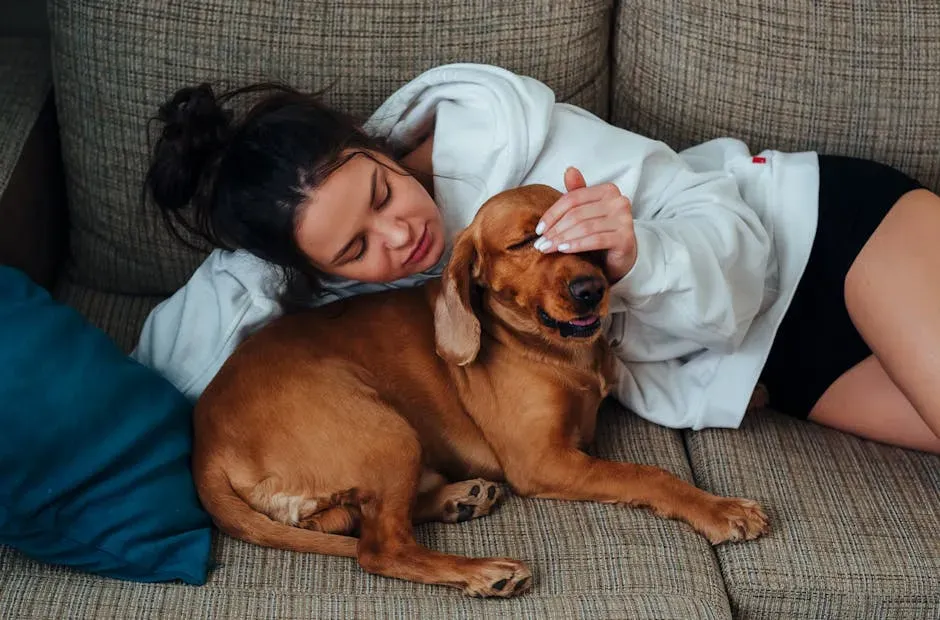
Science has shown that dogs synchronize their stress levels with their owners. Sharing quiet moments, whether lounging on the couch or enjoying nature, promotes relaxation and strengthens your emotional bond. Presence doesn’t always have to mean activity. Simply being near your dog, calm and unhurried, is a form of communication they understand deeply.
Spending time with your dog beyond walks and feeding is so important for growing your relationship. Especially if you’ve recently brought home a shelter dog, they may need time to get comfortable and adapt to their new home before you can start any training. Simple tasks like playing games, going for walks, or just hanging out on the couch can help your dog feel more comfortable with you and their environment.
11. Using Punishment-Based Training Methods

Now to the habits that erode what you’ve built. Punishment-based training is one of the most common ways well-meaning owners unknowingly damage their relationship with their dog. Using punitive techniques and tools, such as spraying your dog with water when they bark, can increase a dog’s fear and anxiety and even lead to aggressive behavior toward the owner and family members.
Physical punishment can cause fear, anxiety, and behavioral issues. It’s important to use positive reinforcement and gentle training methods instead. The troubling part is that punishment often reduces the visible behavior without addressing its root cause. When you physically punish your dog for a mistake, you are more likely to force your canine companion to suppress their behavior. Even a human being would not want to do that. You might have reduced the behavior, but you have definitely not dealt with the cause.
12. Ignoring Your Dog’s Stress Signals

A frequently overlooked bond-buster is not having a solid understanding of canine body language. For example, the behaviors in “dog shaming” videos aren’t proof that the dogs are feeling bad about what they were caught doing. The dogs are actually showing appeasement postures to keep the person on the other side of the camera from getting angry. Misreading these moments can quietly chip away at your dog’s sense of safety around you.
Dogs are always communicating with us, but we’re not always keen to pick up on what they’re saying. Our dogs look to us for support, so not recognizing when they’re stressed, unhappy or nervous can chip away at your bond. Learning to read the nuances of canine body language enables us to be an advocate for our dogs and better understand when they need us to step in. A dog whose signals are repeatedly ignored learns, over time, not to bother sending them.
13. Being Inconsistent with Rules and Boundaries

Inconsistent or unpredictable human-dog interactions can cause emotional conflict in the dog, in which the dog might desire a relationship but does not trust that the interaction will be safe. Picture a household where jumping on the sofa is fine on weekends but punished on weekdays. From your dog’s perspective, the world makes no sense – and you become unpredictable rather than trustworthy.
The lack of consistency that encourages a dog’s persistent jumping up, or any other unwanted behavior that is randomly reinforced, can cause serious damage to the relationship – on both sides. It’s exhausting for the dog. Structured interactions can be beneficial. Structured interaction programs provide the dog with consistent and predictable owner responses, which decrease anxiety and build self-control by improving communication.
14. Leaving a Dog Under-Stimulated or Chronically Alone

Not providing enough physical and mental stimulation are sure ways to damage your relationship, as a dog left to their own devices might vent pent-up energy in ways that can upset owners, like digging or barking. Unfortunately, many owners blame their dog for mischief due to understimulation, which can weaken the relationship between dog and owner.
Research suggests that around eight out of ten dogs find it hard to cope when left alone. Yet half won’t show any obvious signs, so it can be easy for owners to miss. Every time your dog becomes highly distressed, stress hormones occur in the body which can take days to reduce. This can cause negative, long-term effects on your dog’s body and mental state. The answer isn’t guilt – it’s proactive planning. Enrichment toys, doggy daycare, a midday walk, or even a calm leaving ritual can make a substantial difference.
15. Forcing Interactions Your Dog Hasn’t Consented To
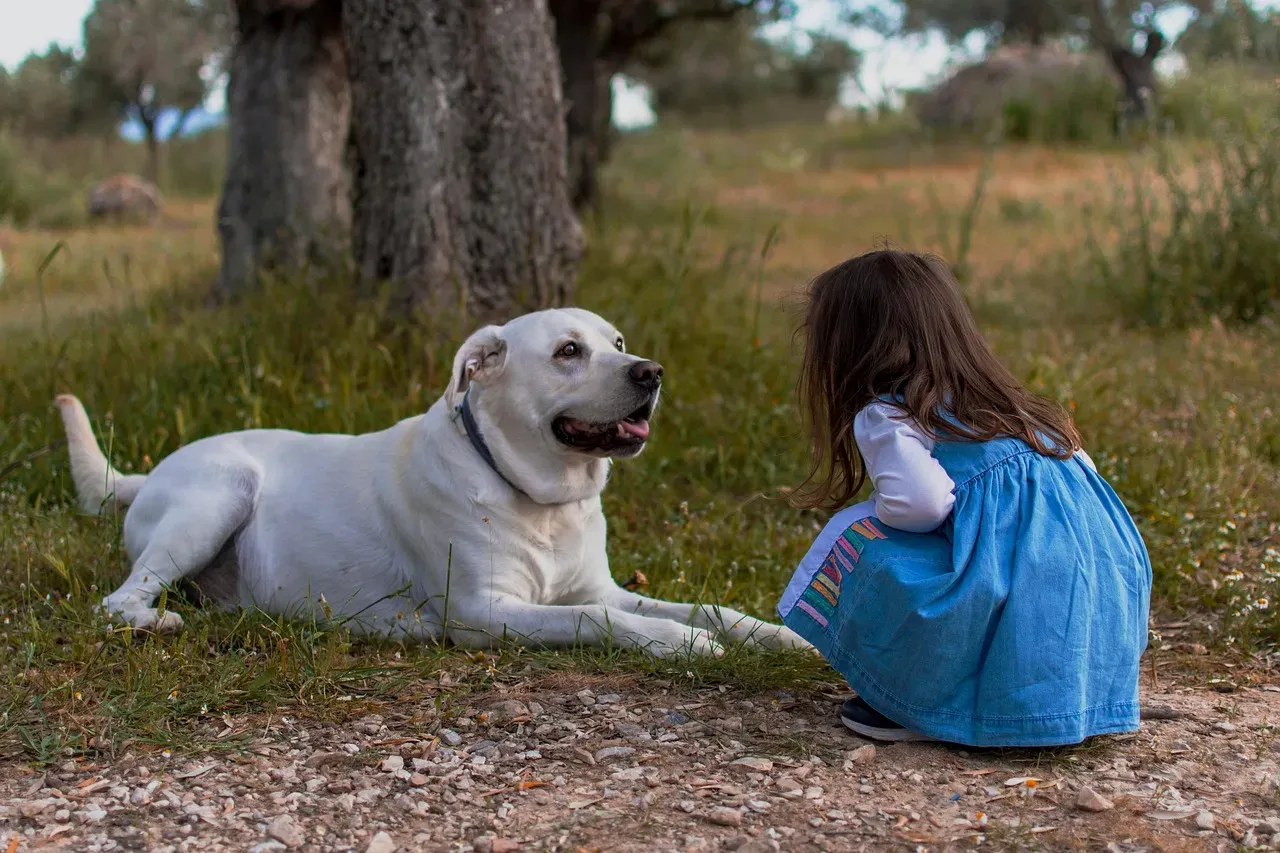
Think about your dog’s daily life: nearly every moment of their day is dictated by humans. Where they walk, what they eat, who they interact with, where they sleep – most dogs have little input in their own existence. A life without choice can be detrimental to mental health. Forcing a dog into a costume they clearly dislike, pushing them into greetings with strangers, or continuing to pet them after they’ve moved away – these feel small but they accumulate.
There are multiple ways in which owners can damage their dog’s trust, including taking away their things, yelling at them constantly, and forcing them to do things they don’t want to do. Consent matters in every relationship, including this one. Every dog is different – some are naturally cuddly and eager to please, while others take time to warm up. Recognize that progress may not happen as quickly as you want it to, but that’s okay. The key is to be present, patient, and attuned to your dog’s needs.
A Final Thought
The dog-human bond isn’t a static thing you either have or you don’t. It’s something that’s shaped every single day by the small choices you make – whether you notice the subtle whale eye your dog gives a nervous stranger, whether you stick to the walk schedule even when it’s inconvenient, whether you let your dog sniff a little longer on the path home.
The human-animal bond is a mutually beneficial relationship of trust and respect, and the reason your dog showers you with slobbery kisses and a wagging tail whenever you return home. That kind of loyalty is genuinely rare. Taking the time to understand what builds it – and what quietly breaks it – is one of the most meaningful things you can do for the dog who already thinks you’re the best thing in the world.


